TW Beginning Blends Worksheets / Phonemic Awareness Activities


- Grades
- K–1
- Pages
- 1
- File type
- Answer key
- Included


- Subject
- ELA, Phonics
- Topic
- Initial blends, consonant blends
- Resource types
- Worksheets
- Answer key
- Included
- Standards
- RF.1.3.b
Product description
From the author
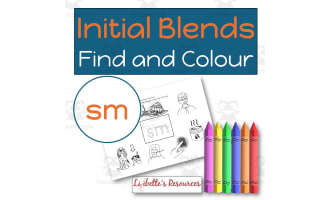
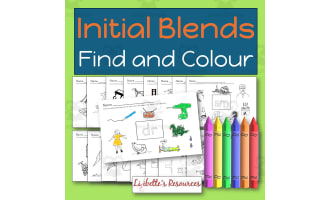
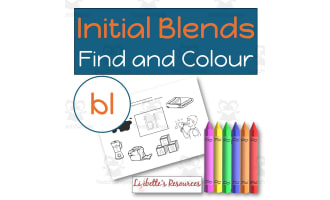
This TW fun, Find and Color worksheet for beginning blends is excellent for acquainting children orally with initial consonant blends and helping them develop the necessary phonemic awareness in preparation for more advanced blending work, involving four phonemes.
What is included in the pack?
One PDF sheet for the TW blend.
What do the worksheets involve?
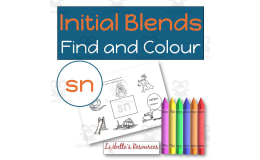
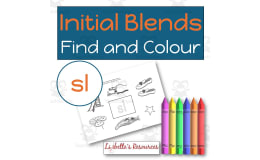
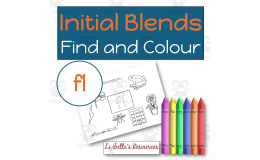
Pupils are instructed to combine the two letters on each worksheet and then look for objects that start with that consonant blend. Then, these items ought to be coloured, leaving the others uncoloured.
Children can easily work on the sheets unaided once they have been instructed, although with those children with special needs, it is strongly suggested that an adult works with the child for maximum benefit.
How to use
The introduction of the concept of initial blends needs to be done thoroughly. When I work with children, especially those with a special need, I first like to teach children to blend two consonant letters. Then I work on developing the children's phonemic awareness: that being the ability to hear two consonant letters blended at the beginning of a word, easily.
This is difficult for some pupils and takes a lot of practice. These worksheets can assist by first encouraging students to blend the two consonant letters and then by helping them to hear the blend at the start of a word. As often as you can, practice blending the letters in each initial blend and encourage the students to follow suit. I find that modelling is key at this stage.
Who are the initial blends Find and colour worksheets for?
Young learners
Those with a special need
Due to their non-babyish nature, they can be successfully used with older ESL/EFL pupils.
Answer keys:
The answer key is included on the sheet, in small print.
Related resources
More resources teachers may find useful
24 related resources were found using this product's title, contributor, categories and tags.
In the classroom
Teaching tips & learning objectives

Learning objectives
Recognize the TW blend at the start of spoken words
Compare a target onset with a nonmatching initial sound

Teaching tips
- Name the pictures aloud and emphasize the beginning blend before coloring.
- Compare a tw word with a nonmatching beginning sound.

Skills covered
Phonemic awareness — Attend to a two-consonant onset
Picture-word connection — Match spoken names with TW
Good to know
Questions teachers ask about this resource
Should I introduce the picture names first?
Yes. Naming the pictures together lets students focus on hearing tw rather than guessing what an illustration represents.

No reviews yet
Downloaded this resource? Tell other teachers how it went.
Curriculum
Standards, concepts & topics
Standards
 Standards
- RF.1.3.b
Core concepts
 Core concepts
TW blend
Beginning sounds
Find and color
 Topics
Explore more
Categories this resource belongs to
Explore related searches
More to explore
You may also like