resources by type
resources by grade
resources by subject
other resources

3,885 products added recently

Page 53 - Reading Activities

Discover a variety of reading activities designed to inspire and engage your students. From guided reading sessions to interactive reading journals, these resources support the development of comprehension and critical thinking skills. Tailored for different grade levels, these activities can help you create a dynamic literacy environment that fosters a lifelong love of reading.

Relevant
alt down
Any Time
alt down
filter by
alt down
All File Types
alt down
filter nav Show filters
Sort by: Relevant
CLEAR
resources by type
Activities
up arrow
Centers
Crafts
Escape Room
Experiments
down arrow
Games
Projects
Read Alouds
Songs
Classroom Decor
down arrow
Teacher Tools
down arrow
Worksheets & Printables
down arrow
resources by grade
Early Learning
down arrow
Pre-K
down arrow
Elementary
down arrow
Middle School
down arrow
High School
down arrow
Adult Education
Not Grade Specific
resources by subject
Creative Arts
down arrow
ELA
up arrow
Language Development
down arrow
Literature
down arrow
Reading
up arrow
Reading Comprehension
Library
Strategies
Writing
down arrow
Holiday & Seasonal
down arrow
Life Studies
down arrow
Math
down arrow
P.E. & Health
down arrow
Social Studies
down arrow
Special Resources
down arrow
Science
down arrow
Foreign Languages
down arrow
Resources for Teachers
down arrow
other resources
Common Core
Homeschool Resources
down arrow
Montessori
Research
STEM
Social Studies Reading Passage: Salar de Uyuni in Bolivia (Word)

Social Studies Reading Passage: Salar de Uyuni in Bolivia (Word)
ELA, Reading, Reading Comprehension, Strategies, Resources for Teachers, Social Studies, Geography, Grade 6, 7, 8, 9, Writing Prompts, Worksheets & Printables, Centers, Activities, Teacher Tools, Assessments, Quizzes and Tests, Quizzes, Tests

Bolivia’s Salt Flat: Salar de Uyuni : Social Studies Reading Comprehension Passage (Word) This editable resource introduces an engaging Social Studies reading comprehension passage with engaging questions about The World's Largest Salt Flat: Bolivia’s Salar de Uyuni. The passage is carefully designed to bridge the gap between social studies and literacy through strengthening reading comprehension and sparking knowledge curiosity in middle school students. Each passage blends English Language Arts skills with accurate social studies content . Ideal for interdisciplinary learning in ELA and Social Studies. Suitable for Grade 9 review, too! Student Tasks throughout the passage: 5 multiple-choice questions targeting the following skills: main idea, key details, inference, vocabulary in context, and use of evidence 5 vocabulary matching items with clear, student-friendly definitions 5 text-based questions that require citing specific lines or facts 1 summary prompt that asks students to condense central ideas accurately Full answer key for every section Available Formats for this Resource: PDF Fillable PDF Google Docs FULL CATALOG OF DOWNLOADING LINKS HERE Social Studies Reading Comprehension Collection Links: 1. Ancient Civilizations PDF Fillable PDF Word Docs Google Docs 2. Early Empires and Trade Networks PDF Fillable PDF Word Docs Google Docs 3. The Founding of the United States PDF Fillable PDF Word Docs Google Docs 4. Language, Culture, and Meaning PDF Fillable PDF Word Docs Google Docs 5. Psychology and Society PDF Fillable PDF Word Docs Google Docs 6. Global Festivals and Traditions PDF Fillable PDF Word Docs Google Docs 7. Extreme Environments and People PDF Fillable PDF Word Docs Google Docs 8. Food, Culture, and Preservation PDF Fillable PDF Word Docs Google Docs 9. Global Food Customs PDF Fillable PDF Word Docs Google Docs 10. Media, Communication, and Popular Culture PDF Fillable PDF Word Docs Google Docs 11. Human Impact on the Environment PDF Fillable PDF Word Docs Google Docs 12. Civic Action and Social Change PDF Fillable PDF Word Docs Google Docs 13. Fashion, Society, and Power PDF Fillable PDF Word Docs Google Docs 14. People, Places, and Unusual Histories PDF Fillable PDF Word Docs Google Docs Product Details: Length: 5 pages Grades: 6–8, also suitable for Grade 9 review Use cases: close reading, stations, homework, intervention, test prep, and sub plans Why Teachers Choose This Passage: Authentic social studies content paired with rigorous literacy practice Consistent task structure for easier planning and smoother student routines Clear, age-appropriate writing that builds confidence without oversimplifying Use this passage to reinforce ELA skills in social studies, to add literacy to your lessons, and to support independent work. The passage strengthens main idea, evidence use, vocabulary in context, inference, cause and effect, and summary writing. With ready-to-use assessments and complete answer keys, you can provide focused practice that is simple to run and fast to review.

Author Middle & High School - CORED Education

Rating

Tags Middle School, Reading Comprehension, Reading Strategies, ELA, Centers, Reading Passage, Assessments, Vocabulary, Social Studies, Geography

ar/or Phonic Game Colour and B/W

ar/or Phonic Game Colour and B/W
Special Resources, ELA, Special Education Needs (SEN), Language Development, Pre-Reading, Phonics, Reading, Kindergarten, Preschool, Activities, Games, Centers

This game will help your children to learn to hear the sounds ‘ar’ and ‘or’ in words and to read words containing these sounds. Who is it for: Children who are learning the digraphs ar and or. Those children working in Phase 3 of Letters and Sounds Those children working in Speed Set 2 of RWI. Who can use the ar/or game? Teachers, parents, private tutors - anyone who needs it! How to make the game Print out pages 4 to 9, on card. Cut out the picture cards (pages 6 - 8). Cut up the ar/or cards (page 9). Write ‘ar’ on the back of one baseboard (pages 4/5) and ‘or’ on the back of the other. Write ‘ar’ or ‘or’ as appropriate on the backs of the picture cards. Find a bag or small box to put the small letter ar/or cards in. How to play the game This is a game for 2 players. It is best if an adult plays with each child individually first and then when each child in a pair is confident, they can play in together. The game can be played with the picture and word cards alone, without the ar/or cards - as a simple matching game. This is how it has been designed to be played: Take a baseboard each. This will decide who is collecting ‘ar’ pictures and ‘or’ pictures. Choose 6 ar and 6 or cards (you can choose different pictures each time you play). Scatter the picture cards picture side up. Take it in turns to take an ‘ar’/’or’ letter card from the bag/box. If the player with the ‘ar’ baseboards picks an ‘ar’ card, s/he may choose a picture with the ar sound in. Likewise with ‘or’. Players may only turn the picture card over to check that they are correct. If not, the picture card is replaced. The winner is the first to fill his/her card. Do: Demonstrate how to sound out a word when it is your go and invite your pupil’s help, so they get even more practice. Look at the cards that are left. What sound do they have in them? Play again and see if you choose different pictures. What's Included 1 PDF file 2 baseboards Full instructions

Author Lilibette's Resources

Tags Ar, Or, Phonic Digraphs, Ar/or Game, Ar/or Phonic Game, RWI Speed Set 2 Phonic Game, R Controlled Blends, Phonics, Games, Home School

Science Reading Passages: Rock Cycle, Soil, Sinkholes (FILLABLE PDF)

Science Reading Passages: Rock Cycle, Soil, Sinkholes (FILLABLE PDF)
Science, Earth and Environmental Sciences, ELA, Reading, Reading Comprehension, Strategies, Resources for Teachers, Geology, Earth Sciences, Grade 6, 7, 8, 9, Writing Prompts, Worksheets & Printables, Centers, Activities, Teacher Tools, Assessments, Quizzes and Tests, Quizzes, Tests

Rock Cycle, Soil, & Sinkholes: Reading Comprehension Passages and Questions (FILLABLE PDF) This very engaging and fillable collection of earth science reading passages about Rock Cycle, Soil, and Sinkholes is designed to bridge the gap between science and literacy through strengthening reading comprehension and sparking scientific curiosity in middle school students. Each passage blends English Language Arts skills with accurate science content that supports NGSS classroom practice. Ideal for interdisciplinary learning in ELA and Science. Suitable for Grade 9 review, too! These worksheets are designed as fillable PDFs , which means students can type their answers directly into the document on any computer or tablet . Each page includes highlighted text fields that show them exactly where to type! What Is Included? There are (3) informational passages: Soil: The Life Beneath Our Feet The Science of Sinkholes The Rock Cycle: How Rocks Form and Change Student Tasks for Each Passage: 5 multiple-choice questions targeting main idea, key details, inference, vocabulary in context, and use of evidence 5 vocabulary matching items with clear, student-friendly definitions 5 text-based questions that require citing specific lines or facts 1 summary prompt that asks students to condense central ideas accurately Full answer key for every section Available Formats for this Resource Word Docs Google Docs FULL CATALOG OF DOWNLOADING LINKS HERE Other Science Reading Collections and Topics You May Find in the Store: 1. Astronomy & Space Science 2. Volcanoes, Rocks, & Mountains 3. Rock Cycle, Soil, & Sinkholes 4. Mars, Glaciers, & Antarctica 5. Water Cycle, Acid Rain, & Wastewater 6. Insects, Animals, & Ecosystems 7. Bioluminescence & Insects 8. Animal Skin, Cats, & T. Rex 9. Human Body and Senses 10. Health & Applied Bioscience 11. Waves, Light, & Imaging 12. Electricity & Energy 13. Motion & Materials 14. Chemistry and Materials Science 15. Electromagnetism 16. Acids and Bases 17. Gas Laws 18. Biotechnology 19. Periodic Trends 20. Protists and Fungi 21. Microevolution 22. Blood 23. Chemical Bonding 24. Magnets 25. Muscles 26. Nuclear Chemistry 27. Electromagnetic Devices 28. Epigenetics 29. The Law of Conservation of Mass 30. Atomic Models 31. Isotopes and Ions 32. Light 33. Human-Environment Interaction 34. Theory of Evolution 35. Photosynthesis 36. Origins of Life and Early Earth 37. Gene Expression and Regulation 38. Thermochemistry 39. Allergies 40. Coevolution 41. Birth to Adulthood 42. Cells 43. Entropy and Free Energy 44. The Human Brain 45. Mixtures and Solutions 46. Invertebrates 47. Zoo Animals 48. Biochemistry 49. Animal Behavior 50. Population Ecology ...and many more engaging science reading passages that cover intriguing and important topics designed to spark curiosity and support student learning. How to Use These PDFs Click on the highlighted area to start typing your answer. Move to the next question by clicking in the next highlighted box. When you are finished, close the document and select SAVE so your answers stay recorded. If you want to keep a blank copy for later, choose Save As and give your completed version a new name. Product Details Length: 15 pages total Grades: 6–8, also suitable for Grade 9 review Use cases: close reading, stations, homework, intervention, test prep, and sub plans Standards support: reinforces informational-text skills and supports NGSS-style sense making through observation, modeling, and clear use of claim, evidence, and reasoning Why Teachers Choose This Set Authentic science content paired with rigorous literacy practice Consistent task structure across all passages for easier planning and smoother student routines Clear, age-appropriate writing that builds confidence without oversimplifying Use this set to reinforce ELA skills in science, to add literacy to your lessons, or to support independent work. The passages strengthen main idea, evidence use, vocabulary in context, inference, cause and effect, and summary writing. With ready-to-use assessments and complete answer keys, you can provide focused practice that is simple to run and fast to review.

Author Middle & High School - CORED Education

Rating

Tags Middle School, Reading Comprehension, Reading Strategies, Reading Passages, ELA, Centers, Reading Passage, Assessments, Vocabulary, Earth Science

Guided Reading Lesson Plan & Activities for Kindergarten

Guided Reading Lesson Plan & Activities for Kindergarten
Reading, ELA, Kindergarten, Activities, Lesson Plans, Teacher Tools

Guided reading in Kindergarten involves tailored small group reading teaching. It certainly isn't the entire group. The small groups are formed according to the reading abilities of the students. It is very distinct and adaptable. Students are able to enter and exit groups as necessary. Every group utilizes leveled books chosen to cater to their specific requirements. Developing a guided reading lesson plan may appear overwhelming. Nevertheless, if you divide it into components concentrating on your students’ requirements, the methods you will demonstrate, and the text you will utilize, it becomes significantly easier to handle. Your lesson plans will encompass an objective outlining the strategies you'll teach, vocabulary work, an introduction to the book, the reading of the book, comprehension questions, and activities to follow the reading. If you prefer not to design your own, there are numerous lesson plan templates available for selection. This comprehensive guided reading ebook includes a complete lesson plan along with activities and recommended answers for your kindergarten students.

Author Bright Classroom Ideas Marketplace

Tags Guided, Reading, Lesson, Plan, Activities, Kindergarten, Language

Virginia State Flipbook (Capital, Bird, Flower, Flag, Animal)

Virginia State Flipbook (Capital, Bird, Flower, Flag, Animal)
ELA, Creative Arts, Art, Social Studies, Reading, Reading Comprehension, Grammar, Language Development, Spelling, Writing, History, History: USA, Geography, Grade 2, 3, 4, Activities, Projects

Explore the State of Virginia through Hands-On Flipbooks Immerse students in Virginia's symbols and geography with these engaging flipbook projects . Perfect for elementary classrooms and homeschools, these low-prep resources cover Virginia's capital, bird, flower, flag, animal, map, and more through interactive cross-curricular activities. With two printing and design options each, these customizable projects work for various needs. Students will strengthen literacy skills by reading passages, improve writing through research reports, and reinforce spatial awareness by labeling state maps. Appealing to multiple learning styles, these versatile flipbooks turn Virginia's symbols into active learning. Supplement social studies and history curriculums or or integrate into grammar, reading, writing, and art lessons. From introduce new concepts to assessing prior knowledge, these cross-curricular flipbooks engage students while building Virginia expertise.

Author Heather Huhman

Tags Virginia, Richmond, Virginia State Bird, Virginia State Flower, Virginia State Flag, Virginia State Animal, Geography, Flipbook, Us States, United States, Virginia Flower And Bird

Equator Reading Comprehension Passage - Cored Ed Encyclopedia

Equator Reading Comprehension Passage - Cored Ed Encyclopedia
ELA, Reading Comprehension, Reading, Science, Technology, Language Development, History, Social Studies, Earth and Environmental Sciences, Geography, Grade 2, 3, 4, 5, Worksheets & Printables, Worksheets, Teacher Tools, Centers, Activities, Writing Prompts, Assessments, Quizzes and Tests, Quizzes, Lesson Plans

This Equator reading comprehension with lesson plan includes: Visualization (on the front cover) Start your lesson by taking a minute to think and share something about the topic. Read the script aloud (slowly), perhaps prepare some music or sound effects. Student close their eyes and let their imaginations wander. Students open their eyes, read the question aloud and give them a few minutes to complete. Ask a few students to share or keep answers until the end to compare with what they learn in the passage. Quick pause—thousands of Cored Education products are included with your TeachSimple membership. Download links and encyclopedia index available here. Pre-Reading Trivia Students will write down one thing they already know about the subject and then read five more facts and discuss. These facts are fun, and the students will enjoy learning about the subject before reading more. Give 1 minute for students to write what they already know (no pressure—best guess is fine). Read the five facts together. After each fact, do ask a student for their opinion, was it surprising? Set a purpose by asking students to highlight/underline one fact they want to learn more about during the reading. Reading Passage The text is a high-interest reading passage with set paragraphs, roughly three to four paragraphs long. It contains a variety of themes about the topic, anywhere from history to technology. The passage is between 250 and 350 words in length. First, ask students to look at the headings and see what they’ll learn about today. What do they know about the topic/heading? First read options: Teacher read-aloud (best for support). Partner reading (paragraph by paragraph). While reading, students underline important details, and vocabulary words they think may come up in the questions section. Mixed Questions The first question page contains four multiple-choice questions, each with a choice of four answers, and three written response questions that require a sentence or two from the student. Students complete the mcqs first independently, then review quickly as a class. For the 3 written responses, try to get students giving the answer with some form of evidence: “I think ___ because the text says ___.” If students get stuck, send them back to check the passage. Vocabulary Questions Practice seven key words from the text in this section across two activities. First section is scrambled words where students will unscramble three words given a clue for each. The second section is a word to meaning matching activity. Before starting, have some students read out words they underlined in the passage. Ask students to say the word and read aloud the sentence(s) around each word. Ask students to do scrambled words and the matching exercise in pairs then go through answers as a class. For the scrambled spelling task, get four pairs to come up to the board and write the words for extra practice with the other student reading out the clue. For the matching task, prompt students to give full sentences: “I matched ___ with ___ because ___.” Creative Writing In this question, the student will be required to write a five to eight sentence paragraph on a question related to the topic. Before starting, ask students write down 3 key ideas they are going to include in their piece. Ask students for ideas to share around the class to help those struggling. Pro writing expectations: 5–8 sentences At least 2 facts or details from the passage At least 2 vocabulary words from the previous page Students read their paragraphs while classmates listen for facts and vocabulary words. Extension Activities This page is optional for fast finishers or to take home. There are several activities, each one requiring a different skill. Do some, do none, do all, completely optional - but you will feel reassured knowing every possibility is planned for. Includes summary writting question and additional facts. Answer Key There are answers for the multiple-choice questions, written response questions have sample answers, vocabulary answers and if there is a summary question then a sample summary will be provided as well. Lesson Plan Included Customized lesson plan for this lesson is included. Lesson Snapshot Title: Equator Genre: Nonfiction (Informational Text) Subject: Social Studies (Geography) / Science (Earth Science) / Reading (Informational Text) Primary Topic: Equator, latitude, hemispheres, sunlight, and navigation Estimated Guided Reading Level (A–Z): N What This Lesson Teaches Best Explains the equator as an imaginary line at 0 degrees latitude that circles Earth’s widest part. Shows how the equator splits Earth into the Northern and Southern Hemispheres and acts as a starting line for measuring north and south . Connects observation to science by telling how Eratosthenes compared shadow angles to help estimate Earth’s size long ago. Describes how sunlight near the equator is more direct , helping many equator regions stay warm and keeping day and night close in length. Links geography to modern tools by noting GPS and satellites still begin with the 0-degree equator circle. Learning Goals Students will identify the equator as an imaginary line at 0 degrees latitude . Students will explain how the equator divides Earth into the Northern Hemisphere and Southern Hemisphere . Students will describe how latitude is measured north or south of the equator. Students will explain how shadow angles helped Eratosthenes estimate Earth’s size. Students will describe why sunlight near the equator can feel more direct and how that affects warmth and day/night length. Students will describe how the equator is used as a reference point in GPS and satellites . Key Vocabulary From the Text latitude — degrees north or south of the equator. hemispheres — the two halves of Earth. shadows — dark shapes made when light is blocked. solstice — a day when the Sun’s position is special. satellites — objects in space used to help find locations. FULL CATALOG OF DOWNLOAD LINKS AND ENCYCLOPEDIA INDEX HERE

Author Cored Education

Rating

Tags Vocabulary, Reading Comprehension, Reading Passages, Lesson Plans, Ela Lesson Plans, Reading Comprehension Lesson Plans, Pre-reading, Geography, Earth Science, Science Lesson Plans

Guided Reading Level L - Building the Perfect Plate (with Lesson Plan)

Guided Reading Level L - Building the Perfect Plate (with Lesson Plan)
ELA, Resources for Teachers, Reading Comprehension, Reading, Science, Life Sciences, Health, P.E. & Health, Pre-Reading, Language Development, Grade 1, 2, 3, Worksheets & Printables, Worksheets, Teacher Tools, Centers, Activities, Literacy Readers, Quizzes, Quizzes and Tests, Assessments

This Guided Reading Book - Building the Perfect Plate (Level L) with lesson plan includes: Guided Reading Color Label (front cover x1) This is a quick way to match the book’s demands to what students can generally handle.. The overall goal is to use the level/color to pick books for several smaller groups. To qualify for a certain level, a student is expected to read a book from that level with about 90–94% accuracy. If a student is consistently accurate and understands, move up a level. If the student is struggling at that level, drop down and add more support. Each student will improve at completely different rates, but it is generally one of the best ways to check progress across the class. DOWNLOAD THE CATALOG TO VIEW ALL GUIDED READING BOOKS AVAILABLE (SORTED LEVELS A-Z) Pre-Reading Question (x1) Teacher asks the prompt aloud, can be while showing the cover or first page. Students share what they already know, or make educated guesses from the cover. Prompt them to use the target vocabulary. Write some of their responses on the board to look back at during the reading. Vocabulary Words (x5) Introduce the five words, best doing it one at a time. Start by saying it, while students repeat and then see if anyone knows what it means before reading further. Read through the meaning and try to briefly connect each word to a picture or gesture so it’s meaningful. Ask students to flip through the book pages and point to where they see each of the vocabulary words. While reading the book pause upon coming across one of the vocab words or read the sentence twice to make sure students understand the word has appeared. Optional: Ask students to raise hands whenever they see/hear one of the new words. Guided Reading Pages (x10) Check the book snapshot (below) for: primary topic - do you need to prep extra reading or intro materials on this? what is taught best - decide on 1-2 bullets to focus on, use the prompt or words provided here for best results. learning goals - what you are checking for students to be able to do after the session, elicit answers using prompts or words provided. key vocabulary (see section above). questions overview - so you know what is coming up and if you need to prep extra materials to assist understanding. Run the lesson You may have already looked at a few of the pages together, but you can show them some of the pictures again first to set meaning. Depending on how much time you have and how familiar your students are with guided reading class, you may want to read the book aloud first with the group first. Students whisper or partner read, while you listen in. If time, do it as a group, one student reading a page each. Use the guided page’s prompts to coach: “Check the picture / does it make sense?” “Point under the words / try the first sound” “Reread the sentence smoothly”. Try to focus more on one student per session (rotating every time), so you can work out if they are ready to move up or need to move down a level. Comprehension Questions (back cover x3) This is your way to check that students didn’t just say the words, but actually understood the text. First, let students answer by pointing to the page/picture and saying a short sentence. After any answer, follow with: “Show me where you found that in the text.” In bigger groups, have partners answer first (10–20 seconds), then call on 2–3 students to share. Differentiation tips: Emerging speakers/struggling readers: oral + pointing On-level: oral in a full sentence Higher: one written sentence or draw + label Book Snapshot Title: Building the Perfect Plate Genre: Nonfiction (Informational) Subject: Health / Science (Nutrition) Primary Topic: Building a balanced meal with food groups Estimated Guided Reading Level (A–Z): L What This Book Teaches Best Balanced meals and food groups: A balanced meal starts with a plan to fill a plate with different types of “fuel,” and each food group has a special job for the body. Portions for healthy choices: Vegetables should take up the largest portion (with a goal of filling half the plate), and grains should fill about one-quarter of the plate. Nutrition reasons behind choices: The text explains benefits such as vitamins and minerals, fiber and long-lasting energy, calcium and vitamin D, and why water is the best drink choice. Choosing variety and whole foods: Different vegetable colors represent different nutrients, and eating whole fruit is better than drinking juice because it contains more fiber. Healthy habits and kitchen safety: Washing hands with warm water and soap for twenty seconds helps prevent the spread of germs before touching ingredients. Learning Goals Students will explain what the text says a balanced meal provides for the body. Students will identify which food group should take up the largest portion of the plate and describe why. Students will describe what the text says about whole grains and why they are the best choice. Students will explain how fruits, dairy (or fortified alternatives), and water support health using details from the text. Students will use the text to describe a recommended protein portion size. Students will describe the kitchen safety step the text gives to prevent germs from spreading. Key Vocabulary From the Text nutrients — helpful parts of food that keep your body healthy. portion — the amount of food you eat at one time. fortified — extra vitamins added to make food healthier. hydration — having enough water in your body. digest — break down food so your body can use it. Discussion Prompts Pre-reading question: What foods do you think belong in a balanced meal? Comprehension questions: According to the text, what should take up the largest portion of the plate? Why does the text say whole grains are the best choice? What does the text say you should do before touching ingredients to stop germs from spreading? Printing Tips 1. Best Printing Method (Recommended) “Booklet” Printing (Best if Available) If your printer or PDF viewer supports Booklet Printing , use this. Settings to use: Print mode: Booklet Paper size: Letter or A4 (either works) Orientation: Landscape Print on both sides: Yes Flip on: Short edge Scaling: Fit to printable area Booklet subset: First test: Front sides only Then: Back sides only This will automatically: Pair pages correctly Put the cover on the outside Align everything for folding After printing, fold in half and staple along the spine . 2. If “Booklet” Printing Is NOT Available You can still print this correctly with manual duplex printing . Step-by-step: Open the PDF. Choose Print . Set: Orientation: Landscape Pages per sheet: 1 Print on both sides: Yes Flip on: Short edge Print all pages . Because each PDF page already contains two facing book pages, the result will still fold cleanly into a book. Thousands of Cored Education products are included with your TeachSimple membership. Download links and encyclopedia index available here.

Author Cored Education

Rating

Tags Reading Comprehension, Reading Passages, Reading, Guided Reading, Guided Reading Lesson Plan, Guided Reading Activity, Pre-reading, Vocabulary, Health Lesson Plans, Food

ENGLISH TEXT + 6 ANCHOR CHARTS | The Balloon that Wanted to Sink
Free Download

ENGLISH TEXT + 6 ANCHOR CHARTS | The Balloon that Wanted to Sink
Reading Comprehension, Reading, ELA, Strategies, Creative Writing, Writing, Formal Writing, Adult Education, Early Learning, Elementary, High School, Homeschool Resources, Middle School, Not Grade Specific, Activities, Worksheets & Printables, Teacher Tools, Anchor Charts, Charts, Quizzes and Tests

ENGLISH TEXT + 6 ANCHOR CHARTS | The Balloon that Wanted to Sink This resource have 1 english text + 6 comprehension anchor charts. ABOUT THE AUTHOR: INTRODUCTION: We are EDITORIAL ARENAS EDUCATIVAS, and our mission is to produce a variety of educational materials so children can learn better and more effectively. We encourage you to visit our entire store to download our products. Also, remember that we produce reading, writing, math, and Spanish language learning materials. MAIN DESCRIPTION OF THIS RESOURCE: 1) What age ranges is this resource designed for? This document is designed for children in pre-kindergarten and elementary school. It is simply intended for children in elementary school, but it is also freely available to other grades who may need this document. 2) What version or edition does this material correspond to? This document is designed in PDF format so you can print and use it much more quickly. 3) What is the recommended printing method for this resource? I recommend printing this document in PDF format so you won't experience any errors when printing. 4) What educational standards were used as the basis for creating this material? This document was not developed based on any specific standard. SECONDARY AND COMPLEMENTARY INFORMATION: 1) What is the title of this resource? This resource is titled "Educational Resource for Better Learning" developed by EDITORIAL ARENAS EDUCATIVAS. 2) How many pages does the file contain in total? This educational document contains enough pages to make this resource ideal for promoting fun and successful learning. 3) Does this material allow for custom editing? This educational document is available in PDF format, so you cannot edit it. You simply need to download and then print it. 4) What main topic does the resource cover? This document has been developed to address a basic topic that children in kindergarten through elementary school should master. This document will also be helpful to the general public who want to learn.

Author EDITORIAL LAURA EDUCA

Rating

Tags FREE, FREE RESOURCES, ENGLISH LANGUAGE ART, COMPREHENSION, READING, COMPREHENSION ANCHOR CHART, ANCHOR CHART

Reading Comprehension Nonfiction Set 2 Sample: Fats (Docs)
Free Download

Reading Comprehension Nonfiction Set 2 Sample: Fats (Docs)
ELA, Reading, Common Core, Reading Comprehension, ESL, Language Development, Creative Writing, Writing, Resources for Teachers, Grade 2, 3, Worksheets & Printables, Worksheets, Writing Prompts, Assessments, Teacher Tools, Tests, Quizzes and Tests, Centers, Activities

Reading Comprehension Passages Nonfiction Set 2 Sample Overview Engaging nonfiction articles, each with a collection of different activities included. Articles are written for the modern classroom and topics are designed to promote enthusiasm from each student. Each lesson contains a mixed questions section to check understanding, a vocabulary or spelling activity to help remember key language introduced, and a writing exercise. Full answer keys are provided. Passage Included 3.Fats: What are trans fats? Learn all about them in this lesson. Docs Version This is the Docs editable and fillable version. This download is available in GOOGLE Docs, GOOGLE Forms, GOOGLE Slides. PDF, PPT, WORD. FULL CATALOG OF DOWNLOAD LINKS HERE Grade 2/3 Links Fiction Set 1 - Nature Google Docs Google Forms Google Slides PDF PPT Word Guided Reading Materials Fiction Set 2 - Animals Google Docs Google Forms Google Slides PDF PPT Word Guided Reading Materials Fiction Set 3 - Food Google Docs Google Forms Google Slides PDF PPT Word Guided Reading Materials Fiction Set 4 - School Google Docs Google Forms Google Slides PDF PPT Word Guided Reading Materials Fiction Set 5 - Friends Google Docs Google Forms Google Slides PDF PPT Word Guided Reading Materials Fiction Set 6 - Family Google Docs Google Forms Google Slides PDF PPT Word Guided Reading Materials Fiction Set 7 - Sports Google Docs Google Forms Google Slides PDF PPT Word Guided Reading Materials Nonfiction Set 1 - Technology Google Docs Google Forms Google Slides PDF PPT Word Guided Reading Materials Nonfiction Set 2 - Nutrition Google Docs Google Forms Google Slides PDF PPT Word Guided Reading Materials Nonfiction Set 3 - Animals Google Docs Google Forms Google Slides PDF PPT Word Guided Reading Materials Reading Passages Overview Each passage is especially written for Grade 2-3 students, including key vocabulary required for this age group. Topics are varied and are accompanied by colorful graphics. Topics are meant to educate, yet entertain the modern student. These passages are perfect for the modern classroom. Whereas textbooks can become outdated in no time, any changes to technology or the world will result in updates to this product. Mixed Questions The mixed questions section of each lesson includes a variation of fivecomprehension, vocabulary and math questions. In addition, key reading strategies are frequently covered including cause & effect, summarizing, compare & contrast and making conclusions. Three of the questions will be MCQs and two will require a written response of some kind. Full answers and example responses appear at the end of the lesson. Spelling & Vocab Each reading passage contains a variety of words and phrases designed for Grade 2-3 students. Spelling and vocab activities provide the opportunity to build fluency with these words. As it can become quite mundane doing the same activities over and over, each lesson in a set will contain a different spelling and vocab activity . Writing Prompts Writing prompts are designed to continue the theme or lessons learned in the story. Students are persuaded to write in a variety of ways and each prompt includes several cues to help. As with the spelling/vocab section, writing prompts will vary. This includes research pieces, reading responses, poetry and creative writing prompts. Full Answer Keys Full answer keys and sample responses are provided so no matter how busy you are, you know you're covered! Mixed question answers provide evidence from the text, math questions contain the relevant workings. Answers are designed for use by the teacher, but also suitable as a handout to the student. Additional File One lesson will have an additional file. This is something fun to extend the lesson with. For similar downloads and other frees, do check out Cored Group on TeachSimple.

Author Cored Education

Tags Elementary, Reading, Comprehension, Vocabulary, Answers, Ccss, Common Core, Spelling, Writing, Digital Centers

Pasta Cooking Sensory Table

Pasta Cooking Sensory Table
ELA, Reading, Writing, Math, Early Math, Kindergarten, Activities

The Pasta Cooking Sensory Table: An Engaging Educational Tool Preschool students can immerse themselves in an enjoyable, action-filled learning environment with the meticulous crafted educational tool known as the Pasta Cooking Sensory Table. This resource seamlessly integrates writing, math, and vocabulary skills into sensory activities revolving around the fun theme of cooking pasta. Inclusive Learning Material The 20-page PDF accompaniment comes in both color and black-and-white variants. Enclosed within are assorted activity cards along with a cover option for the bin used to keep these cards. This comprehensive package stimulates cognitive engagement from learners while also catering personal organization for teachers. Versatile Application This engaging setup works excellently across various learning formats; including: Whole group explorations, Small group interactions, and Individual work as a homework assignment. Cognitive Engagement Stimulation In this activity station designed like a professional chef’s kitchenette, children enhance their fine motor skills by maneuvering mini pots and pans filled with dried pasta. Different textures offer exciting variations that stimulate curiosity while accommodating tactile learners. Educational Dimensions Integration • For math education immersion, Students measure volume and sort objects based on size or color prevalent in the tools used during their pretend pasta preparation spectacle. • For language introduction, A mini book outlining steps to cook pasta enables students to decode information whilst integrating reading comprehension strategies subconsciously. Fostering Written Expression: An inclusive template is provided where children can curate their own innovative pasta recipe! Additional word reference cards function as prompts stimulating creative expression while developing emerging literacy skills. In conclusion, the Pasta Cooking Sensory Table is a versatile teaching resource that thoughtfully combines elements of play with academic milestones. By fusing essential preschool topics— including math, reading and writing— this tool optimizes laying a solid foundation for future academic success.

Author The Proactive Classroom

Tags Sensory Play, Fine Motor Skills, Math Skills, Language Arts, Creativity, Pasta Making Table

Gliders Reading Comprehension Passage - Cored Ed Encyclopedia

Gliders Reading Comprehension Passage - Cored Ed Encyclopedia
ELA, Reading Comprehension, Reading, Science, Technology, Pre-Reading, Language Development, Physics, History, Social Studies, Grade 2, 3, 4, 5, Worksheets & Printables, Worksheets, Teacher Tools, Centers, Activities, Writing Prompts, Assessments, Quizzes and Tests, Quizzes, Lesson Plans

This gliders reading comprehension with lesson plan includes: Visualization (on the front cover) Start your lesson by taking a minute to think and share something about the topic. Read the script aloud (slowly), perhaps prepare some music or sound effects. Student close their eyes and let their imaginations wander. Students open their eyes, read the question aloud and give them a few minutes to complete. Ask a few students to share or keep answers until the end to compare with what they learn in the passage. Quick pause—thousands of Cored Education products are included with your TeachSimple membership. Download links and encyclopedia index available here. Pre-Reading Trivia Students will write down one thing they already know about the subject and then read five more facts and discuss. These facts are fun, and the students will enjoy learning about the subject before reading more. Give 1 minute for students to write what they already know (no pressure—best guess is fine). Read the five facts together. After each fact, do ask a student for their opinion, was it surprising? Set a purpose by asking students to highlight/underline one fact they want to learn more about during the reading. Reading Passage The text is a high-interest reading passage with set paragraphs, roughly three to four paragraphs long. It contains a variety of themes about the topic, anywhere from history to technology. The passage is between 250 and 350 words in length. First, ask students to look at the headings and see what they’ll learn about today. What do they know about the topic/heading? First read options: Teacher read-aloud (best for support). Partner reading (paragraph by paragraph). While reading, students underline important details, and vocabulary words they think may come up in the questions section. Mixed Questions The first question page contains four multiple-choice questions, each with a choice of four answers, and three written response questions that require a sentence or two from the student. Students complete the mcqs first independently, then review quickly as a class. For the 3 written responses, try to get students giving the answer with some form of evidence: “I think ___ because the text says ___.” If students get stuck, send them back to check the passage. Vocabulary Questions Practice seven key words from the text in this section across two activities. First section is scrambled words where students will unscramble three words given a clue for each. The second section is a word to meaning matching activity. Before starting, have some students read out words they underlined in the passage. Ask students to say the word and read aloud the sentence(s) around each word. Ask students to do scrambled words and the matching exercise in pairs then go through answers as a class. For the scrambled spelling task, get four pairs to come up to the board and write the words for extra practice with the other student reading out the clue. For the matching task, prompt students to give full sentences: “I matched ___ with ___ because ___.” Creative Writing In this question, the student will be required to write a five to eight sentence paragraph on a question related to the topic. Before starting, ask students write down 3 key ideas they are going to include in their piece. Ask students for ideas to share around the class to help those struggling. Pro writing expectations: 5–8 sentences At least 2 facts or details from the passage At least 2 vocabulary words from the previous page Students read their paragraphs while classmates listen for facts and vocabulary words. Extension Activities This page is optional for fast finishers or to take home. There are several activities, each one requiring a different skill. Do some, do none, do all, completely optional - but you will feel reassured knowing every possibility is planned for. Includes summary writting question and additional facts. Answer Key There are answers for the multiple-choice questions, written response questions have sample answers, vocabulary answers and if there is a summary question then a sample summary will be provided as well. Lesson Plan Included Customized lesson plan for this lesson is included. Lesson Snapshot Title: Gliders Genre: Nonfiction (informational text) Subject: Science (flight/engineering) Primary Topic: How gliders fly using lift and launch methods Estimated Guided Reading Level (A–Z): Q What This Lesson Teaches Best Explains what makes a glider different from a small airplane (no motor; quiet flight; “trade height for distance”). Describes how gliders get into the sky (help at the start, including being towed; later mentions aerotows and winches). Teaches how moving air helps a glider climb—especially rising warm air (“thermals”) and wind pushed upward at a ridge or hill. Shows how design features support gliding (long, narrow wings; smooth body; low drag to lose little energy). Connects gliders to early flight experiments through Otto Lilienthal’s repeated testing and “fly hill.” Learning Goals Students will describe how a glider is similar to and different from a small airplane. Students will explain how a glider usually starts flying using details from the text. Students will identify two kinds of lift described in the passage and tell how each helps a glider climb. Students will explain why long, narrow wings and low drag help a glider glide efficiently. Students will describe how gliders and launch methods changed over time, using examples from the text. Students will explain how spoilers or airbrakes help with landing safely. Key Vocabulary From the Text cockpit — where the pilot sits and reads instruments. thermals — rising columns of warm air. drag — air resistance that slows motion. aerotows — launches where an airplane tows the glider. spoilers — panels that help a glider slow down and descend. FULL CATALOG OF DOWNLOAD LINKS AND ENCYCLOPEDIA INDEX HERE

Author Cored Education

Rating

Tags Vocabulary, Reading Comprehension, Reading Passages, Lesson Plans, Ela Lesson Plans, Reading Comprehension Lesson Plans, Pre-reading, Science Lesson Plans, Physics, History

Receptive Language Sorting Activities

Receptive Language Sorting Activities
ELA, Special Resources, Reading, Special Education Needs (SEN), Not Grade Specific, Activities

Mastering receptive language skills like categorization and concept comprehension is crucial for cognitive and communication development. These Receptive Language Sorting Activities provide engaging, functional practice with following oral instructions, making associations and sorting into groups. This set includes 4 printable sorting worksheets focused on classifying common items into categories. Categories include summer/winter clothes, healthy/unhealthy foods, kitchen/living room furniture and land/sea animals. Each sheet has 12 full color images for students to sort into the correct columns based on category. With 12 pictures featured on each worksheet, children are prompted to carefully observe and analyze visual cues, fostering not only language skills but also visual discrimination and cognitive development. The act of sorting requires cognitive flexibility and the ability to recognize commonalities and differences, making these activities valuable for holistic learning. Following oral prompts to accurately sort the images strengthens listening comprehension, concept formation and reasoning skills. Students must analyze categories and determine which column pictures belong in. The activities can be self-checked, building confidence. Sorting into visual groups improves organization and classification abilities. These Receptive Language Sorting Activities are perfect for speech therapy, ELL instruction, small groups and centers . Students will love interacting with the colorful images as they improve receptive understanding and categorization skills. A fun and functional resource! The eye catching clipart is courtesy of Kari Bolt Clipart.

Author SEN Resource Source

Tags Receptive Language, Sorting Activities, Language Development, Speech Therapy, Vocabulary Building, Language Comprehension, Language Processing, Receptive Skills, Language Awareness

Firefighters: Everyday Heroes: Ready-To-Use Activities for Substitute Teachers

Firefighters: Everyday Heroes: Ready-To-Use Activities for Substitute Teachers
ELA, Reading, Grade 2, 3, Activities

The Firefighters: Everyday Heroes An instantly usable bundle of activities, meticulously designed for Grade 2 and Grade 3 students. Developed specifically with the substitute teachers in mind, this resource encompasses everything necessary for a full session. Combining Curriculum-Based Learning With Real-World Information This teaching resource effectively combines curriculum-based learning with real-world information about firefighters. It includes non-fiction articles that elucidate on diverse roles, responsibilities, and equipment of firefighters. Consequently, while students develop important reading skills through language arts subjects, they also learn about these everyday community heroes. Versatility Across Different Teaching Modalities One of its many advantageous aspects is its versatility across different teaching settings. Whether used as: whole-group lessons during regular classes, small-group activities during workstations or centers , it ensures active student engagement and guarantees meaningful leaning outcomes. User-Friendly Design And Special Teacher's Instructions With clear-cut instructions included in a special teacher's section added to guide on how to optimally use the material along side proposed topics plus discussions meant for classroom interaction - this resources integrates perfectly into any homeschooling structure. All-In-One Printable PDFs Package! Including seven easy-to-print PDF pages gives it utility even outside normal classroom setting — useful when you need extra material or have an unexpected pop-in! A boon as engaging homework assignment bridging parents while upping student understanding anytime anywhere! Cross-Curricular Worksheets Within Attractive Infographic-Style Layout ! Package incorporates cross-curricular worksheets that span various themes integrated into eye-catching layout maintaining sustained interest throughout their usage – making The Firefighters: Everyday Heroes – Ready-To-Use Activities for Substitute Teachers a value-added product aiding instructional design effortlessly!

Author Classroom Complete Press

Tags Nonfiction Articles, Reading Passage, Sub Plans, Firefighters, Science Lesson

Science Reading Comprehension Passage: How Sound Travels. SAMPLE
Free Download

Science Reading Comprehension Passage: How Sound Travels. SAMPLE
Science, ELA, Reading, Reading Comprehension, Strategies, Resources for Teachers, Physics, Grade 6, 7, 8, 9, Writing Prompts, Worksheets & Printables, Centers, Activities, Teacher Tools, Assessments, Quizzes and Tests, Quizzes, Tests

This is a free passage sample from the complete resource. The full version includes everything needed for a complete reading comprehension activity: the passage, multiple-choice questions, short-answer questions, vocabulary matching, a summary-writing task, and a detailed answer key. Download the complete passage resource by clicking on the following links: PDF Fillable PDF Word Docs Google Docs Physical Science Reading Comprehension Passage and Questions: How Sound Travels (PDF) This very engaging Physical science reading passage is about how sound travels . More specifically, it explains that sound begins with vibrations , moves as a longitudinal wave through a medium such as air, liquid, or solid, and then reaches the ear. It also explains how the eardrum, ossicles, cochlea, auditory nerve, and brain work together so we can recognize pitch and loudness. The passage also corrects the misconception that sound travels fastest in air by explaining that sound often travels faster in solids because their particles are packed closer together. This passage is designed to bridge the gap between science and literacy through strengthening reading comprehension and sparking scientific curiosity in middle school students. The passage blends English Language Arts skills with accurate science content that supports NGSS classroom practice. Ideal for interdisciplinary learning in ELA and Science. Suitable for Grade 9 review, too! Student Tasks for The Passage: 5 multiple-choice questions targeting main idea, key details, inference, vocabulary in context, and use of evidence 5 vocabulary matching items with clear, student-friendly definitions 5 text-based questions that require citing specific lines or facts 1 summary prompt that asks students to condense central ideas accurately Full answer key for every section FULL CATALOG OF DOWNLOADING LINKS HERE Product Details Length: 5 pages total Grades: 6–8, also suitable for Grade 9 review Use cases: close reading, stations, homework, intervention, test prep, and sub plans Standards support: reinforces informational-text skills and supports NGSS-style sense making through observation, modeling, and clear use of claim, evidence, and reasoning Why Teachers Choose This Set Authentic science content paired with rigorous literacy practice Consistent task structure across all passages for easier planning and smoother student routines Clear, age-appropriate writing that builds confidence without oversimplifying Other Science Reading Collections you May find in the store: 1. Astronomy & Space Science 2. Volcanoes, Rocks, & Mountains 3. Rock Cycle, Soil, & Sinkholes 4. Mars, Glaciers, & Antarctica 5. Water Cycle, Acid Rain, & Wastewater 6. Insects, Animals, & Ecosystems 7. Bioluminescence & Insects 8. Animal Skin, Cats, & T. Rex 9. Human Body and Senses 10. Health & Applied Bioscience 11. Waves, Light, & Imaging 12. Electricity & Energy 13. Motion & Materials 14. Chemistry and Materials Science Use this set to reinforce ELA skills in science, to add literacy to your lessons, and to support independent work. The passages strengthen main idea, evidence use, vocabulary in context, inference, cause and effect, and summary writing. With ready-to-use assessments and complete answer keys, you can provide focused practice that is simple to run and fast to review.

Author Middle & High School - CORED Education

Rating

Tags Middle School, Reading Comprehension, Reading Strategies, ELA, Centers, Reading Passage, Assessments, Vocabulary, Physical Science, Physics

Vietnamese "Boat People" History Extension

Vietnamese "Boat People" History Extension
ELA, Social Studies, Reading, History, History: World, Grade 4, 5, 6, 7, 8, Activities

This is a Vietnamese "Boat People" History Extension. Students will watch a news clip and discuss this moment in history.

Author Room2Ruminations

Tags History Extension, History Lesson, Cross Curricular, Reading, Comprehension, Vietnamese, Boat People, Graphic Organizers, Vocabulary

Guided Reading Level N - The Long Journey of Comets (with Lesson Plan)
Free Download

Guided Reading Level N - The Long Journey of Comets (with Lesson Plan)
ELA, Resources for Teachers, Reading Comprehension, Reading, Language Development, Science, Pre-Reading, Space, Earth and Environmental Sciences, Physics, Grade 2, 3, 4, Worksheets & Printables, Worksheets, Teacher Tools, Centers, Activities, Literacy Readers, Quizzes, Quizzes and Tests, Assessments

This Guided Reading Book - The Long Journey of a Comet (Level N) with lesson plan includes: Guided Reading Color Label (front cover x1) This is a quick way to match the book’s demands to what students can generally handle.. The overall goal is to use the level/color to pick books for several smaller groups. To qualify for a certain level, a student is expected to read a book from that level with about 90–94% accuracy. If a student is consistently accurate and understands, move up a level. If the student is struggling at that level, drop down and add more support. Each student will improve at completely different rates, but it is generally one of the best ways to check progress across the class. DOWNLOAD THE CATALOG TO VIEW ALL GUIDED READING BOOKS AVAILABLE (SORTED LEVELS A-Z) Pre-Reading Question (x1) Teacher asks the prompt aloud, can be while showing the cover or first page. Students share what they already know, or make educated guesses from the cover. Prompt them to use the target vocabulary. Write some of their responses on the board to look back at during the reading. Vocabulary Words (x5) Introduce the five words, best doing it one at a time. Start by saying it, while students repeat and then see if anyone knows what it means before reading further. Read through the meaning and try to briefly connect each word to a picture or gesture so it’s meaningful. Ask students to flip through the book pages and point to where they see each of the vocabulary words. While reading the book pause upon coming across one of the vocab words or read the sentence twice to make sure students understand the word has appeared. Optional: Ask students to raise hands whenever they see/hear one of the new words. Guided Reading Pages (x10) Check the book snapshot (below) for: primary topic - do you need to prep extra reading or intro materials on this? what is taught best - decide on 1-2 bullets to focus on, use the prompt or words provided here for best results. learning goals - what you are checking for students to be able to do after the session, elicit answers using prompts or words provided. key vocabulary (see section above). questions overview - so you know what is coming up and if you need to prep extra materials to assist understanding. Run the lesson You may have already looked at a few of the pages together, but you can show them some of the pictures again first to set meaning. Depending on how much time you have and how familiar your students are with guided reading class, you may want to read the book aloud first with the group first. Students whisper or partner read, while you listen in. If time, do it as a group, one student reading a page each. Use the guided page’s prompts to coach: “Check the picture / does it make sense?” “Point under the words / try the first sound” “Reread the sentence smoothly”. Try to focus more on one student per session (rotating every time), so you can work out if they are ready to move up or need to move down a level. Comprehension Questions (back cover x3) This is your way to check that students didn’t just say the words, but actually understood the text. First, let students answer by pointing to the page/picture and saying a short sentence. After any answer, follow with: “Show me where you found that in the text.” In bigger groups, have partners answer first (10–20 seconds), then call on 2–3 students to share. Differentiation tips: Emerging speakers/struggling readers: oral + pointing On-level: oral in a full sentence Higher: one written sentence or draw + label Book Snapshot Title: The Long Journey of a Comet Genre: Nonfiction (informational) Subject: Earth & Space Science Primary Topic: Comets: composition, orbit, coma, and tails Estimated Guided Reading Level (A–Z): N What This Book Teaches Best What comets are and what they’re made of (a “dirty snowball” mixture of ice, dust, and rock). How comets travel through the solar system, including long, oval-shaped orbits and time spent in the Kuiper Belt. What changes when a comet nears the Sun, including sublimation and the formation of a glowing coma. How solar wind and radiation create two tails that point away from the Sun, and how dust and ion tails differ. Why comets matter to scientists, described as “time capsules” that help scientists learn about the universe’s history. Learning Goals Students can describe what a comet is and identify materials the text says it contains. Students can explain what the nucleus is using details from the book. Students can describe what happens as a comet moves closer to the Sun, including sublimation and coma formation. Students can explain why a comet’s tails form and why they point away from the Sun. Students can compare the dust tail and the ion tail using text details. Students can explain what scientists can learn by studying comets, according to the text. Key Vocabulary From the Text mixture — different things combined together. nucleus — the solid center part of a comet. sublimation — when ice turns directly into gas. radiation — energy that travels out from the Sun. distinct — clearly different from something else. Discussion Prompts Pre-reading question: What do you think happens to a comet as it travels closer to the Sun? Comprehension questions: What does the text say a comet is made of? According to the text, what causes a comet to form a coma? What does the text say scientists can learn by studying comets? Printing Tips 1. Best Printing Method (Recommended) “Booklet” Printing (Best if Available) If your printer or PDF viewer supports Booklet Printing , use this. Settings to use: Print mode: Booklet Paper size: Letter or A4 (either works) Orientation: Landscape Print on both sides: Yes Flip on: Short edge Scaling: Fit to printable area Booklet subset: First test: Front sides only Then: Back sides only This will automatically: Pair pages correctly Put the cover on the outside Align everything for folding After printing, fold in half and staple along the spine . 2. If “Booklet” Printing Is NOT Available You can still print this correctly with manual duplex printing . Step-by-step: Open the PDF. Choose Print . Set: Orientation: Landscape Pages per sheet: 1 Print on both sides: Yes Flip on: Short edge Print all pages . Because each PDF page already contains two facing book pages, the result will still fold cleanly into a book. Thousands of Cored Education products are included with your TeachSimple membership. Download links and encyclopedia index available here.

Author Cored Education

Rating

Tags Reading Comprehension, Reading Passages, Reading, Guided Reading, Guided Reading Lesson Plan, Guided Reading Activity, Pre-reading, Vocabulary, Science Lesson Plans, Space

Busy Learning to Read Activity Packet

Busy Learning to Read Activity Packet
ELA, Reading, Preschool, Grade 1, Activities

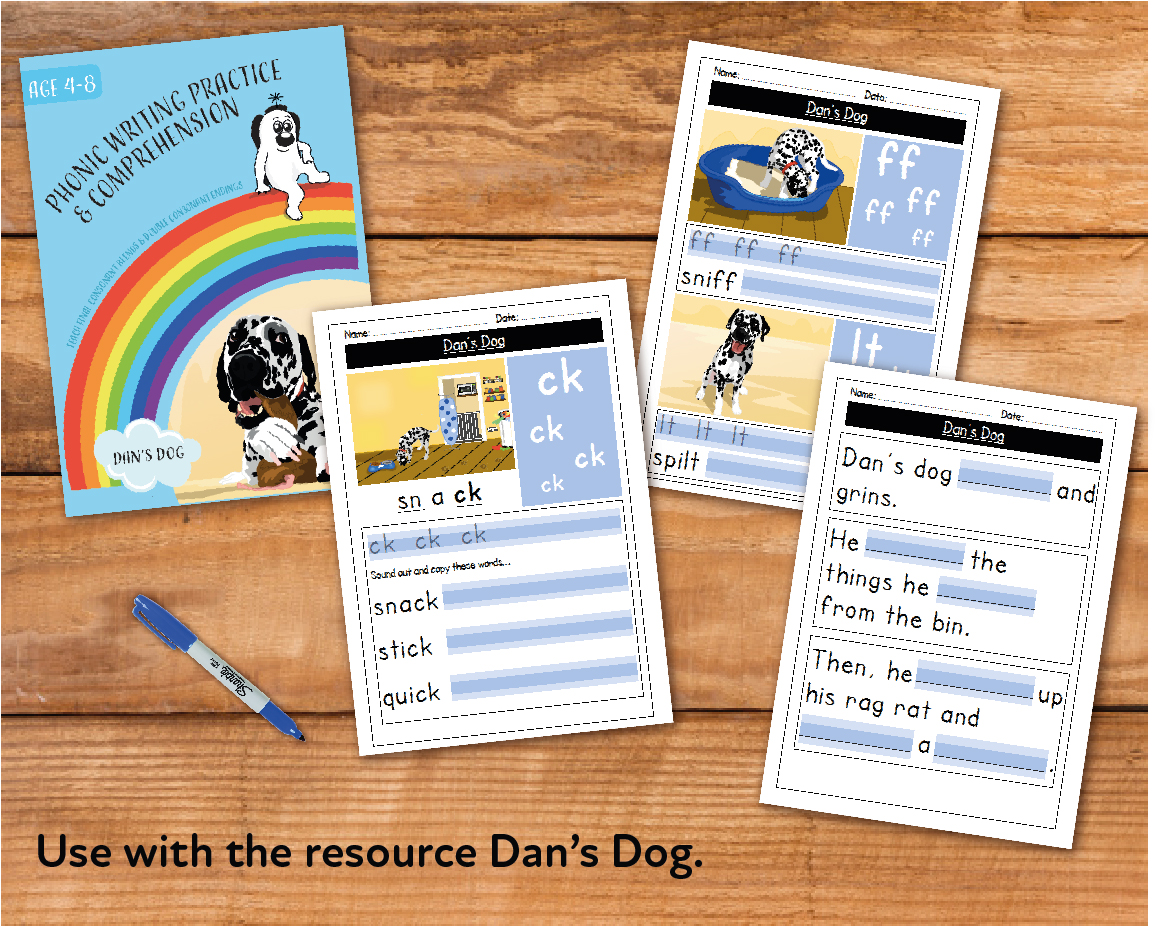
This is a Busy Learning to Read Activity Packet. There are 8 pages included in this set. The first 6 pages include the reading sentences. The last 2 pages include the pictures for students to cut out. These pictures are printed in color. Each page is focused on its own set of 3 sentences. Students will reach each sentence 3 times for fluency practice. Then students will use their cut out pictures to place the pictures in correct order. These pictures will represent the sentences they just read. At the bottom of the page, students will trace the spelling words. Here are the sentences included: Page 1: The boy is happy. He is holding the ball. The ball is big. Page 2: The girl is excited. She has a surprise in the box. It's a puppy. Page 3: The baby is crying. He is hungry. He wants mom to give him his bottle. Page 4: The doctor is friendly. She gave me medicine. Then my dad took me home. Page 5: The dog is chasing the cat. The cat ran up a tree. Then the dog went home. Page 6: My teacher is my hero. She likes to teach us lots of new skills. She is our favorite teacher. This activity packet is great for early finishers or small group. If you laminate this and add Velcro dots to the pictures, you will be able to use this resource over and over.

Author KD's Kids School Shop

Tags Busy Learning To Read, Reading Packet, Complete Sentences, Literacy Center, Small Group Reading, Phonics Worksheet, Sentence Writing, Spelling Words

Guided Reading Lesson Plan & Activities for Grade 8

Guided Reading Lesson Plan & Activities for Grade 8
Reading, ELA, Grade 8, Activities, Lesson Plans, Teacher Tools

During their final year of middle school, 8th graders engage in preparing for high school by refining and enhancing skills acquired in previous middle school years, while also acquiring new (and frequently more challenging) abilities. In numerous ways, 8th grade serves as a transitional year since students are anticipated to have mastered middle school skills and start evolving into “high-schoolers.” In particular, 8th graders are anticipated to be self-sufficient thinkers and doers, evaluating and articulating what they understand in both their written and spoken communication. In the 8th grade, students further develop various skills acquired in previous grades, particularly focusing on aspects such as text evidence, language, and comparisons across different genres of text. Nonetheless, 8th graders deepen their text analyses by exploring the details and writing structures while evaluating how these aspects influence the text. This ebook contains an in-depth guided reading lesson plan complete with activities, which takes around 90 minutes to complete. Proposed responses are also included.

Author Bright Classroom Ideas Marketplace

Tags Guided, Reading, Lesson, Plan, Activites, Grade 8, Language

World Down Syndorme Day Reading Comprehension Passage and Questions

World Down Syndorme Day Reading Comprehension Passage and Questions
Reading, ELA, Elementary, Read Alouds, Activities

World Down Syndrome Day, observed on March 21st, raises awareness about Down syndrome and promotes inclusion, equal rights, and opportunities for individuals with the condition. It encourages advocacy, understanding, and support to create a more inclusive society. The date (3/21) symbolizes the triplication of the 21st chromosome, which causes Down syndrome. Are you looking for a fun and engaging way to celebrate World Down Syndrome Day? This reading passage is a great resource for celebrating World Down Syndrome Day while practicing reading skills. This educational resource features simple, kid-friendly pages designed to make learning both enjoyable and interactive. Great for homeschooling, classroom education, or extra practice. Number of pages: 10 pages (5 BW + 5 COLOR) Format PDF file size: 8.5*11 Inches If you and your students or your children enjoy using this educational and engaging resource. please rate it and follow my store to be the first to know about my new teaching resources and freebies. Enjoy!

Author Wonderland School

Tags World Down Syndorme Day, Down Syndorme Awareness Month, Reading, Reading Passages, Reading Comprehension, Coloring Pages, World Down Syndorme Day Coloring Pages, World Down Syndorme Day Craft, Spring, Fall

Reading Comprehension Fiction Set 2 Sample: Graduation (Google Forms)
Free Download

Reading Comprehension Fiction Set 2 Sample: Graduation (Google Forms)
ELA, Reading, Language Development, Common Core, ESL, Vocabulary, Reading Comprehension, Writing, Creative Writing, Resources for Teachers, Grade 6, 7, Assessments, Teacher Tools, Quizzes, Quizzes and Tests, Activities

Reading Comprehension Passages Fiction Set 2 Overview Reading comprehension lessons, especially written for Grade 6-7, providing the chance to read interesting and engaging passages. Each lesson has a mix of questions to check understanding, a vocabulary or spelling activity to help remember key language introduced, and a writing exercise. Full answer keys are provided. Passage Included 2.Graduation: Matt helps prepare for his brother's graduation party. Google Forms Version This is the Forms editable and fillable/self grading version. This download is available in GOOGLE Docs, GOOGLE Forms, GOOGLE Slides. PDF, PPT, WORD. FULL CATALOG OF DOWNLOAD LINKS HERE Grade 6/7 Links Fiction Set 1 Google Docs Google Forms Google Slides PDF PPT Word Guided Reading Materials Fiction Set 2 Google Docs Google Forms Google Slides PDF PPT Word Guided Reading Materials Nonfiction Set 1 Google Docs Google Forms Google Slides PDF PPT Word Guided Reading Materials Nonfiction Set 2 Google Docs Google Forms Google Slides PDF PPT Word Guided Reading Materials Reading Passages Overview Each passage is especially written for Grade 6/7 students, including key vocabulary required for this age group. Topics are varied and are accompanied by colorful graphics. Topics are meant to educate, yet entertain the modern student. The majority of these short stories contain an important message - a way of developing these young learners further. Mixed Questions The mixed questions section of each lesson includes a variation of five to six comprehension, vocabulary and Math questions. In addition, key reading strategies are frequently covered including cause & effect, summarizing, compare & contrast and making conclusions. Mixed questions require a written response (no MCQ's), full answers and example responses appear at the end of the lesson. Spelling & Vocab Each reading passage contains a variety of words and phrases designed for Grade 6/7 students. Spelling and vocab activities provide the opportunity to build fluency with these words. Activities provide clues to help assist students. Vocabulary activities include extra questions where students must write a synonym, an antonym or a sentence using a certain word. Writing Prompts Writing prompts are designed to continue the theme or lessons learned in the story. Students are persuaded to write in a variety of ways and each prompt includes several cues to help. The main focus in this product, is the student. Prompts will require the student to relate to past experiences and encourage them to discuss feelings and ways to improve. Full Answer Keys Full answer keys and sample responses are provided so no matter how busy you are, you know you're covered! Mixed question answers provide evidence from the text, Math questions contain the relevant workings. Answers are designed for use by the teacher, but also suitable as a handout to the student. For similar downloads and other frees, do check out Cored Group on TeachSimple.

Author Cored Education

Tags Elementary, Reading, Comprehension, Vocabulary, Answers, Ccss, Common Core, Spelling, Writing, Passages

The Steadfast Tin Soldier Lapbook Project Reading Writing Grades 3 4 5

The Steadfast Tin Soldier Lapbook Project Reading Writing Grades 3 4 5
Language Development, ELA, ESL, Literature, Literary Devices, Children’s Literature, Reading Comprehension, Reading, Strategies, Grade 3, 4, 5, Activities, Crafts, Centers, Projects, Graphic Organizers, Teacher Tools, Templates

Encourage strength of spirit through the classic tale of The Steadfast Tin Soldierwith this The Steadfast Tin SoldierLapbook Project . This purposeful resource is created for Grades 3, 4, and 5 students, homeschoolers and EFL/ESL learners and designed to be used for reading classes, reading centers, fairy tale units, reading comprehension assessment tool, sub plan and more! Contents: •3 The Steadfast Tin SoldierLapbook Leveled Reading Passages (Easy, Average, and Hard) •6 The Steadfast Tin SoldierLapbook Cover Options •2 The Steadfast Tin SoldierLapbook Name Page Designs (for individual or group use) •1 The Steadfast Tin SoldierLapbook Inner Overlap Panel •3 The Steadfast Tin SoldierLapbook Story Summary Page Formats •2 The Steadfast Tin SoldierLapbook Thematic Message Pages •2 The Steadfast Tin SoldierLapbook Pockets for Story Sequence Cards •6 The Steadfast Tin SoldierLapbook Illustrated Sequence •3 The Steadfast Tin SoldierLapbook Sets of Sequencing Cards – Easy, Average, and Hard (6 cards each) •6 The Steadfast Tin SoldierLapbook Story Retell Cards •1 The Steadfast Tin SoldierLapbook Character Traits Fold •1 The Steadfast Tin SoldierLapbook Story Setting Fold •1 The Steadfast Tin SoldierLapbook Additional Information Foldable •1 The Steadfast Tin SoldierLapbook Story Rating Page •1 The Steadfast Tin SoldierLapbook Reflection Fold

Author It's Teacher L

Rating

Tags The Steadfast Tin Soldier, Fairy Tales, Reading Comprehensio, Reading Centers, ELA Project

Letter C Reading Rings

Letter C Reading Rings
ELA, Language Development, Phonics, Reading, Kindergarten, Preschool, Activities

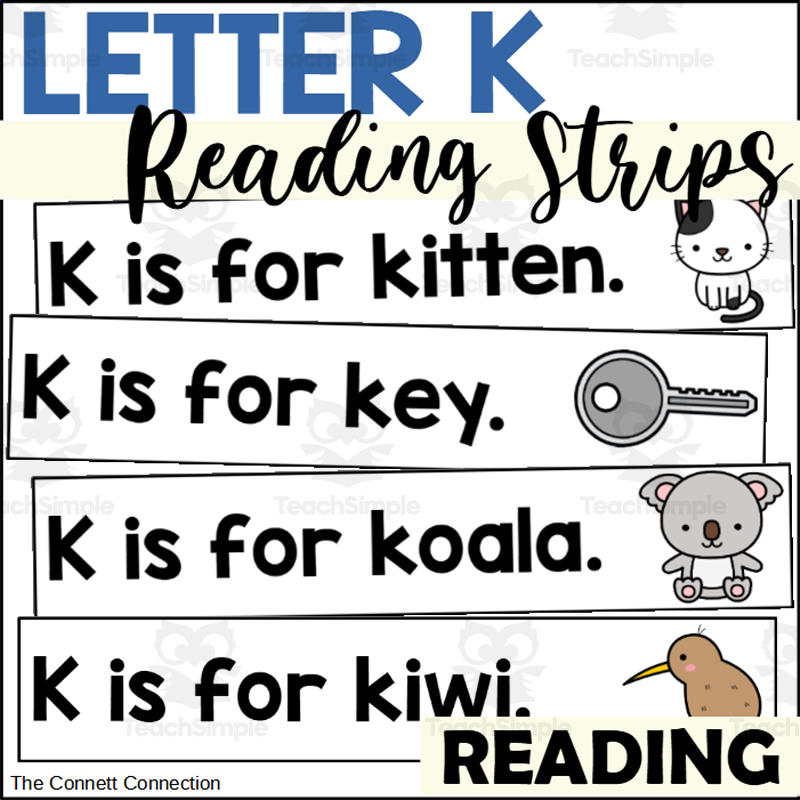
These letter C reading rings are great for students learning the beginning sound of the letter C. These reading rings give students simple sentences to introduce them to reading in the format of "C is for ____." These reading rings are suitable for preschool and kindergarten students who are learning the initial sound of the letter C and are ready to begin reading simple sentences. The reading rings include the following pages * C is for cupcake. * C is for cookie. * C is for cone. * C is for cat. * C is for castle. * C is for carrot. * C is for candy. * C is for candle. * C is for cake. * C is for cactus. * C is for car. When to Use: * Literacy Centers * Small Group Activity * Early Finisher Task * Reading Center * Independent Reading Activity * Take Home Book This rings are easy to create. The teacher just needs to print each page, laminate each card (if desired) and then, using a hole punch, the teacher needs to place a hold in the indicated corner of the card. The cards are then placed on a ring for students to flip through each letter C card. Skills Assessed * Letter Recognition * Beginning Sounds * Reading Simple Sentences These reading rings provide students with a fun and engaging way to practice reading simple sentences with words that begin with the letter C. In this set, you can create a set for classroom use and the students can use the black and white set to make a set to take home and read with their families.

Author The Connett Connection

Tags Letter C, Letter C Activities, Letter C Reading Rings, Phonics Activities, Alphabet Activities, Reading Center, Beginning Reader, Phonics Reader, Beginning Sounds, Initial /c/ Sound

Shakespeare Text Messages: Comprehension and Reflection for ANY Shakespeare Play

Shakespeare Text Messages: Comprehension and Reflection for ANY Shakespeare Play
ELA, Reading, Reading Comprehension, Literature, Writing, Grade 9, 10, 11, 12, Activities, Projects

Shakespeare Text Messages: Comprehension and Reflection for ANY Shakespeare Play This resource bolsters engagement when reading ANY Shakespearean play by tapping into modern forms of communication: specifically the text message. The tools provided are designed to support reading comprehension for your high school students in grades 9-12. The assignment features an example from the play Twelfth Night, translated into modern English text messages. Learners are encouraged to choose significant extracts (20-50 lines or 12-24 pieces dialogue) from the play they are reading, focusing on plot development, character evolution or theme expression. Then they translate their chosen passage into modern text messages (while adhering to standard grammar rules and punctuation). What if the characters from the Shakespeare play you are studying lived in the modern world and were texting one another? Maybe two actors are having a private chat, or a few are in a group chat. Demonstrate your comprehension of an important scene in the play by converting it into a modern communication medium: texting. Main Features: A sample converted passage from the play Twelfth Night so students can see the assignment in action. Blank text message pages for students to use when translating their own passage. Clear student instructions. A two-page reflection task to help students deeply comprehend their chosen passage. Questions Include: Summarize this part of the play in 3-4 sentences. Who are the main characters and what has been happening in the play before this scene? Why is this part of the play important? Make one or more connections to this passage. You can think of connections to yourself (did you ever feel the same way as the character?), connections to another novel or play you have read (is there something similar about the plot of the two stories?), or connections to current events (is this something that is still important hundreds of years after it was written?). A comprehensive rubric included for students to see how they will be assessed to to ensure easy and accurate marking! Grades to Use With: This lesson is perfect for students in English Language Arts in grades 9-12 who are reading ANY Shakespeare play. What's Included: 8 page PDF

Author Grace Under Pressure

Tags Shakespeare, Text Messages, Comprehension, Reflection, Modern Shakespeare, Romeo And Juliet, Othello, Hamlet, King Lear, Literature

Reading Comprehension Passage: Jackie Robinson (PDF Sample)
Free Download

Reading Comprehension Passage: Jackie Robinson (PDF Sample)
ELA, Reading, Reading Comprehension, Strategies, Resources for Teachers, Social Studies, Geography, History: USA, History, Grade 6, 7, 8, 9, Writing Prompts, Worksheets & Printables, Centers, Activities, Teacher Tools, Assessments, Quizzes and Tests, Quizzes, Tests

This is a ONE PASSAGE SAMPLE. The following is the description of the FULL resource and the downloading links: Social Studies Reading Comprehension Passages and Questions: People, Places, and History (PDF) This resource introduces a collection of Social Studies reading comprehension passages with questions about People, Places, and History. The passages are carefully designed to bridge the gap between social studies and literacy through strengthening reading comprehension and sparking knowledge curiosity in middle school students. Each passage blends English Language Arts skills with accurate social studies content . Ideal for interdisciplinary learning in ELA and Social Studies. Suitable for Grade 9 review, too! What Is Included in this Collection? There are three informational passages (with full answer keys): Jackie Robinson: More Than a Rookie Haewoojae: Korea’s Toilet Culture Museum The Giant’s Causeway: Nature’s Puzzle of Stone For Each Passage, students will have multiple tasks to complete as follow: 5 multiple-choice questions targeting main idea, key details, inference, vocabulary in context, and use of evidence 5 vocabulary matching items with clear, student-friendly definitions 5 text-based questions that require citing specific lines or facts 1 summary prompt that asks students to condense central ideas accurately Available Formats for this Resource Fillable PDF Word Docs Google Docs FULL CATALOG OF DOWNLOADING LINKS HERE For more Social Studies Reading Passages, check the following Links: Ancient Civilizations PDF Fillable PDF Word Docs Google Docs Early Empires and Trade Networks PDF Fillable PDF Word Docs Google Docs The Founding of the United States PDF Fillable PDF Word Docs Google Docs Language, Culture, and Meaning PDF Fillable PDF Word Docs Google Docs Psychology and Society PDF Fillable PDF Word Docs Google Docs Global Festivals and Traditions PDF Fillable PDF Word Docs Google Docs Extreme Environments and People PDF Fillable PDF Word Docs Google Docs Food, Culture, and Preservation PDF Fillable PDF Word Docs Google Docs Global Food Customs PDF Fillable PDF Word Docs Google Docs Media, Communication, and Popular Culture PDF Fillable PDF Word Docs Google Docs Human Impact on the Environment PDF Fillable PDF Word Docs Google Docs Civic Action and Social Change PDF Fillable PDF Word Docs Google Docs Fashion, Society, and Power PDF Fillable PDF Word Docs Google Docs People, Places, and Unusual Histories PDF Fillable PDF Word Docs Google Docs Product Details Length: 14 pages total Grades: 6–8, also suitable for Grade 9 review Use cases: close reading, stations, homework, intervention, test prep, and sub plans Why Teachers Choose This Set Authentic social studies content paired with rigorous literacy practice Consistent task structure across all passages for easier planning and smoother student routines Clear, age-appropriate writing that builds confidence without oversimplifying Use this set to reinforce ELA skills in social studies, to add literacy to your lessons, and to support independent work. The passages strengthen main idea, evidence use, vocabulary in context, inference, cause and effect, and summary writing. With ready-to-use assessments and complete answer keys, you can provide focused practice that is simple to run and fast to review.

Author Middle & High School - CORED Education

Rating

Tags Middle School, Reading Comprehension, Reading Strategies, ELA, Centers, Reading Passage, Assessments, Vocabulary, Social Studies, People Place And History