



3,901 products added recently
Page 112 - Cut and Paste Activities
Enhance learning through tactile experiences with cut and paste activities that combine creativity and skill development. This collection includes sorting exercises, craft projects, and interactive worksheets. By integrating these activities into your lessons, you can support manual dexterity and engagement.

 Show filters


Mindful Families in 10 Minutes a Day
Mindfulness, Mental Health, P.E. & Health, Health, Yoga, Life Skills, Special Resources, Elementary, Homeschool Resources, Middle School, Activities
Are you looking for a fun and active way to connect with your family? If you've been wanting to introduce mindfulness techniques to your family but haven't been able to figure out how to do so ... then these family-friendly, collaborative techniques will get you started with ease! With this handy, done-for-you workbook you will get seven weeks of daily activities that you can easily incorporate into your daily routine. To spark your imagination, there are specific mindfulness activities for each day of the week, with the following themes: MONDAYS Breathe TUESDAYS Move WEDNESDAYS Calm THURSDAYS Connect FRIDAYS Play The mindfulness practices in this resource should take around five to ten minutes. Use the ideas as a springboard and feel free to add other age-appropriate theme-related yoga poses, songs, breathing techniques, relaxation stories, meditations, art projects, and field trips. This yoga and mindfulness resource is for families looking for fun, simple ways to add mindfulness to your daily lives. Recommended for ages 5+ Benefits of Yoga and Mindfulness for kids (and families) include: -Helps with emotional self-regulation -Increased strength -Increased flexibility -Improves sleep -Promotes positive interactions amongst adults and children -Develops self-confidence -Improves self-expression -Improves body awareness -Promotes a lifestyle that is active and healthy.
Author Kids Yoga Stories
Tags Kids Yoga Stories, Mindfulness, Mindful, Kids Yoga, Family Resources

Reading Comprehension Passages Fiction Set 2 - Animals (PPT)
ELA, Reading, Writing, Common Core, ESL, Language Development, Vocabulary, Spelling, Creative Writing, Grade 2, 3, Teacher Tools, Presentations, Tests, Quizzes and Tests, Assessments, Activities
Reading Comprehension Passages Fiction Set 2 Overview Fascinating reading comprehension passages, each with an array of activities included. Stories are written for the modern classroom and topics are designed to promote enthusiasm from each student. Each lesson contains a mixed questions section to check understanding, a vocabulary or spelling activity to help remember key language introduced, and a writing exercise. Full answer keys are provided. For a more detailed overview, check the section under the links at the bottom of this description. Passages Include 1.Unexpected Visitors: Terra gets an unexpected visitor. 2.Feeding Time: Allan visits an aquarium and feeds the dolphins. 3.New Pup Next Door: The neighbor has a new dog and Benny wants to see. 4.Stargazing: Jazmin loves looking at the stars. She visits the beach today. 5.On the Search: Abigail wants to find a shark tooth more than anything. 6.Tadpoles: Brittney & Stan take frogs eggs home & watch them hatch. 7.Lucky Caterpillar: Lily and Sadie watch a caterpillar crossing the road. 8.Karl the Photographer: Karl spends his summer taking photos of butterflies. 9.Chasing Pheasants: Tony and his father have a great idea...or so they think! 10.Part of the Family: Ava is nervous as her cat is about to have kittens. Additional File: Tadpoles: Blank Life Cycle PPT Version This is the PPT editable and fillable (when not in presentation mode) version. This download is available in GOOGLE Docs, GOOGLE Forms, GOOGLE Slides. PDF, PPT, WORD. FULL CATALOG OF DOWNLOAD LINKS HERE Grade 2/3 Links Fiction Set 1 - Nature Google Docs Google Forms Google Slides PDF PPT Word Guided Reading Materials Fiction Set 2 - Animals Google Docs Google Forms Google Slides PDF PPT Word Guided Reading Materials Fiction Set 3 - Food Google Docs Google Forms Google Slides PDF PPT Word Guided Reading Materials Fiction Set 4 - School Google Docs Google Forms Google Slides PDF PPT Word Guided Reading Materials Fiction Set 5 - Friends Google Docs Google Forms Google Slides PDF PPT Word Guided Reading Materials Fiction Set 6 - Family Google Docs Google Forms Google Slides PDF PPT Word Guided Reading Materials Fiction Set 7 - Sports Google Docs Google Forms Google Slides PDF PPT Word Guided Reading Materials Nonfiction Set 1 - Technology Google Docs Google Forms Google Slides PDF PPT Word Guided Reading Materials Nonfiction Set 2 - Nutrition Google Docs Google Forms Google Slides PDF PPT Word Guided Reading Materials Nonfiction Set 3 - Animals Google Docs Google Forms Google Slides PDF PPT Word Guided Reading Materials Reading Passages Overview Each passage is especially written for Grade 2-3 students, including key vocabulary required for this age group. Topics are varied and are accompanied by colorful graphics. Topics are meant to educate, yet entertain the modern student. These passages are perfect for the modern classroom. Whereas textbooks can become outdated in no time, any changes to technology or the world will result in updates to this product. Mixed Questions The mixed questions section of each lesson includes a variation of fivecomprehension, vocabulary and math questions. In addition, key reading strategies are frequently covered including cause & effect, summarizing, compare & contrast and making conclusions. Three of the questions will be MCQs and two will require a written response of some kind. Full answers and example responses appear at the end of the lesson. Spelling & Vocab Each reading passage contains a variety of words and phrases designed for Grade 2-3 students. Spelling and vocab activities provide the opportunity to build fluency with these words. As it can become quite mundane doing the same activities over and over, each lesson in a set will contain a different spelling and vocab activity . Writing Prompts Writing prompts are designed to continue the theme or lessons learned in the story. Students are persuaded to write in a variety of ways and each prompt includes several cues to help. As with the spelling/vocab section, writing prompts will vary. This includes research pieces, reading responses, poetry and creative writing prompts. Full Answer Keys Full answer keys and sample responses are provided so no matter how busy you are, you know you're covered! Mixed question answers provide evidence from the text, math questions contain the relevant workings. Answers are designed for use by the teacher, but also suitable as a handout to the student. Additional File One lesson will have an additional file. This is something fun to extend the lesson with. For similar downloads and other frees, do check out Cored Group on TeachSimple.
Author Cored Education
Rating
Tags Elementary, Reading, Comprehension, Vocabulary, Answers, Common Core, Spelling, Writing, Passages, Reading Comprehension Presentations

Mothers Day May | Kindergarten Unplugged / Digital Coding
Science, Technology, Computer Science, Preschool, Kindergarten, Grade 1, Activities
Mothers Day May | Kindergarten Unplugged / Digital Coding Designed for kindergarten and preschool students, Mothers Day May | Kindergarten Unplugged / Digital Coding is a resource that offers an engaging introduction to the field of coding. Perfectly tailored for activities in the month of May, it allows students to engage in printable activities without needing computer access. Caters specifically to young learners by providing simple, enjoyable logic puzzles with cuttable commands. Aligns wonderfully with the Hour of Code program, preparing students for actual coding websites or apps in future. What do you get with this resource? This product provides both an easy-to-print standard-sized PDF (11 x 8.5) and an editable Google Slide format which allows quick customizations. Here’s what it includes: A 'how-to-use' guide intended for educators; makes teaching with this material much simpler. A student-friendly 'how-to-play' instruction set designed to encourage self-driven learning from an early age. - Plus: An engaging coding map and colorful map pieces that help improve cognition through visualization.', - And: 'Crack the code' recording sheet + smartboard-friendly charts - promotes active student participation during group learning sessions and supports documentation work too.', kindle This resource's impressive adaptability means whether class is in session physically or virtually, learning about coding shouldn't be compromised. The Mothers Day-themed coding activities, fun and educational material are simply a click or print away!
Author Roombop
Tags Mothers Day, Coding Activities, Kindergarten Unplugged, Digital Resource, Logical Thinking

Number Bonds 26-30 Bingo - Boards 26-30
Math, Fact Families, Addition and Subtraction, Addition, Grade 1, 2, 3, Activities, Games
Number Bonds 26-30 Bingo engages students in learning number bonds for 26-30. This math game strengthens understanding of number bonds and fact families in a lively whole group activity. Students love searching their bingo board for matches to the calling card. The first to cover 3 spaces shouts Bingo! This game is easily customized for small groups or independent practice too. Use buttons or manipulatives instead of the playing squares. Or try dry erase markers to reuse the boards again and again. Laminate them for durability across classes. 5 colorful bingo boards provide variation to keep the game exciting year after year. Adapt this game to any math concept like fractions or skip counting. Match a calling card to build fluency in fundamental skills. Students will ask to play again and again while effortlessly reinforcing essential math standards. This teacher-created game makes learning number bonds enjoyable.
Author Colleen's Cosmic Collection
Tags Number Bonds, Number Bonds Games, Addition Game, Addition Activity, Math Facts, Addition Facts, Addition Math Facts, Math Fact Practice, Number Bonds To 30, Cccnbb2630

Letter E Song (Animated Music Video)
ELA, Writing, Language Development, Phonics, Handwriting, Preschool, Kindergarten, Grade 1, 2, Songs, Activities
This product is the Letter E Song which helps teach the Letter E Sound, both uppercase and lowercase Letter E, vocabulary words with the letter e sound, and Letter E handwriting practice. This is a great resource for teachers who want to help their students learn the alphabet and improve their handwriting.
Author Have Fun Teaching
Tags Alphabet, Phonics, Vowels
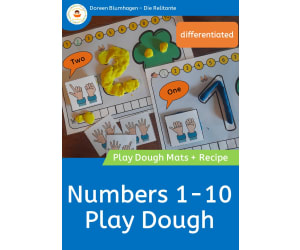
Numbers 1-10 - Play Dough Mats and Recipe
Math, Early Math, Kindergarten, Preschool, Grade 1, Activities
The play dough mats are suitable for preschool, 1st grade beginners, special education, and also for use at home to promote numbers, quantities, and motor skills. They provide children with a playful and creative way to learn digits and quantities. The mats are ideal for number stations, learning trays, or independent work. You will receive several mats for molding numbers up to 10. Each mat has the same task: -The children shape the digit with play dough. -The children mold and place the corresponding quantity as apples on the apple tree as an unstructured quantity. -The children mold and place balls in the corresponding number on the ten frame. -The children match picture cards with the corresponding finger image to the respective play dough mat. These can be fixed with a play dough ball on the mat. For differentiation, finger images with one hand (numbers up to 5) and two hands (numbers up to 10) are available. It is best to laminate and cut out the cards. The cards can be attached to the play dough mats with a play dough ball. -The children write the number with a dry-erase marker on the number sequence. Each task type is visualized with symbols so that the students do not need reading skills to complete the tasks. For differentiation, there are two versions of the play dough mats for each number: 1)Number to trace and predetermined quantities of apples on the tree. 2)Number must be written freely, and the quantities for the apple tree must be counted independently. Tip: The two versions (easy and difficult) can be printed double-sided (duplex printing) for differentiation of the individual numbers. If you only want one version, select "odd pages" (Version 1) or "even pages" (Version 2) to print from page 7 onwards. To prevent the play dough from leaving marks on the paper, the copy template should be laminated or placed in a plastic sleeve. Additionally, you will find a practical DIY recipe for inexpensive play dough that you can quickly make yourself. Best regards Doreen Blumhagen – Die Relitante
Author Die Relitante
Tags Mathematics, Hands-on Learning, Numbers, Digits, Fine Motor Skills, Play Dough, Learning Games, Elementary School, Preschool, Number Range 10
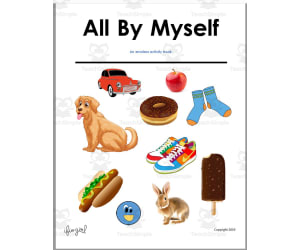
Sorting THINGS - All By Myself -
ELA, Special Resources, Speech Therapy, Math, Early Math, Language Development, Vocabulary, Kindergarten, Preschool, Grade 1, 2, 3, 4, Activities
In this errorless sorting activity , learners will be given a set of picture cards that contain identical images. The goal of the activity is to sort and match the pictures together based on their similarities. In this activity the learners are given a picture of a object, they will also be given six identical pictures of the same object to match and sort. This activity is designed to be a beginner-level sorting activity , where the learners can be successful independently. The use of identical pictures eliminates the possibility of making mistakes, as there is only one correct answer to the sorting task. This is a great activity to work on individually or use in a beginning work station activity . The activity is easy to set up and can be done in various settings such as a classroom, a therapy session, or at home. Errorless sorting activity is ideal for early learning stages and can help learners develop their cognitive and fine motor skills, visual perception, and attention to detail. It provides an interactive way for learners to practice sorting and matching skills, and boost their confidence in the process. Below are the objects used in this activity . - these objects are large pictures which are helpful to those who are visually distracted dog car apple sock chair ice cream rabbit happy face hot dog shoes donut car butterfly The design is clean and simple with limited visual distraction so the learner can focus on just task. It is also easy assemble and to create. Print all the pages, laminate and cut out the individual sorting cards. Then velcro the individual cards to the corresponding pages. This activity can be coil bound or three hole punched and placed in a binder for years of teaching and learning. Enjoy -I'll Figure It Out- IFIO girl
Author IFIO girl - I'll Figure It Out
Tags Sorting Things, All By Myself, Errorless Activity, Vocabulary, Visual Discrimination, Visual Distraction, Autism, Special Needs Activity, Work Station, Early Learning

Life Science Reading Passage: Muscular System (Fillable PDF)
Science, ELA, Reading, Reading Comprehension, Strategies, Resources for Teachers, Life Sciences, Biology, Human Body, Grade 6, 7, 8, 9, 10, Writing Prompts, Worksheets & Printables, Centers, Activities, Teacher Tools, Assessments, Quizzes and Tests, Quizzes, Tests
Life Science Reading Comprehension Passage and Questions: Muscular System (Fillable PDF) This very engaging science reading passage is about the muscular system and how different types of muscles help the body move and function . It explains how skeletal muscles move bones, how smooth muscles work automatically inside organs and blood vessels, and how cardiac muscle pumps blood through the body. Students also learn how muscles work in pairs, how the nervous system sends signals that control contraction, and why exercise, protein, and rest are important for muscle strength and recovery. This passage is designed to bridge the gap between science and literacy by strengthening reading comprehension while sparking scientific curiosity in middle school students. It blends English Language Arts skills with accurate science content, helping students build background knowledge, understand key concepts, use evidence from the text, and explain scientific ideas clearly. This resource supports science classroom practice while also reinforcing important literacy skills such as main idea, vocabulary, comprehension, and summarizing. Ideal for interdisciplinary learning in ELA and Science. Suitable for Grade 9 review, too! Student Tasks for The Passage: 10 multiple-choice questions targeting main idea, key details, science concepts, comparison, and real-world applications 10 True/False statements to check understanding and address common misconceptions 5 text-based short-answer questions that require students to explain important ideas from the passage 5 vocabulary matching items with clear, student-friendly definitions 1 summary prompt that asks students to condense the central ideas accurately Full answer key for every section This passage is designed as a fillable PDF , which means students can type their answers directly into the document on any computer or tablet . Each page includes highlighted text fields that show them exactly where to type! Available Formats for this Resource PDF Word Docs Google Docs FULL CATALOG OF DOWNLOADING LINKS HERE Product Details Length: 7 pages total Grades: 6–8, also suitable for Grade 9 review Use cases: close reading, stations, homework, intervention, test prep, and sub plans Standards support: Reinforces informational-text skills and supports NGSS-style sense-making by helping students read scientific explanations, connect evidence to key concepts, interpret real-world examples, and explain cause-and-effect relationships in science. Why Teachers Choose This Set Authentic science content paired with rigorous literacy practice Consistent task structure across all passages for easier planning and smoother student routines Clear, age-appropriate writing that builds confidence without oversimplifying Other Science Reading Collections and Topics You May Find in the Store: 1. Astronomy & Space Science 2. Volcanoes, Rocks, & Mountains 3. Rock Cycle, Soil, & Sinkholes 4. Mars, Glaciers, & Antarctica 5. Water Cycle, Acid Rain, & Wastewater 6. Insects, Animals, & Ecosystems 7. Bioluminescence & Insects 8. Animal Skin, Cats, & T. Rex 9. Human Body and Senses 10. Health & Applied Bioscience 11. Waves, Light, & Imaging 12. Electricity & Energy 13. Motion & Materials 14. Chemistry and Materials Science 15. Electromagnetism 16. Acids and Bases 17. Gas Laws 18. Biotechnology 19. Periodic Trends 20. Protists and Fungi 21. Microevolution 22. Blood 23. Chemical Bonding 24. Magnets 25. Muscles 26. Nuclear Chemistry 27. Electromagnetic Devices 28. Epigenetics 29. The Law of Conservation of Mass 30. Atomic Models 31. Isotopes and Ions 32. Light 33. Human-Environment Interaction 34. Theory of Evolution 35. Photosynthesis 36. Origins of Life and Early Earth 37. Gene Expression and Regulation 38. Thermochemistry 39. Allergies 40. Coevolution 41. Birth to Adulthood 42. Cells 43. Entropy and Free Energy 44. The Human Brain 45. Mixtures and Solutions 46. Invertebrates 47. Zoo Animals 48. Biochemistry 49. Animal Behavior 50. Population Ecology ...and many more engaging science reading passages that cover intriguing and important topics designed to spark curiosity and support student learning. Use this passage to reinforce ELA skills in science, to add literacy to your lessons, and to support independent work. The passages strengthen main idea, evidence use, vocabulary in context, inference, cause and effect, and summary writing. With ready-to-use assessments and complete answer keys, you can provide focused practice that is simple to run and fast to review.
Author Middle & High School - CORED Education
Rating
Tags Middle School, Reading Comprehension, Reading Strategies, ELA, Centers, Reading Passage, Assessments, Vocabulary, Muscular System, Life Science

SEL Interactive Book: Expectations for Class Party Behavior
Special Resources, Social Emotional Learning (SEL), Social Skills, Life Skills, Grade 3, 4, 5, 6, Activities
Social Story is an interactive resource designed to establish behavior expectations for hosting a class party. This innovative tool allows children to be the central characters of the story, encouraging them to answer questions, color, and sketch pictures while discussing behavioral norms and their importance during a class celebration. It's a superb method to ensure your students maintain appropriate behavior while commemorating their achievements! WHAT'S INCLUDED: Explanation of Social Story Full Book Print-out of Social Story Half-Page Print-out of Social Story Guideline for Discussion presentations ">Google Slides Version Age Group: This resource is most suitable for children aged 7-12. HOW TO UTILIZE SOCIAL STORIES- METHOD 1: Whole Class Instruction -Print a half-page book for each student -Display the book on an interactive board using the Google Slide Deck -Complete the book collectively, with students filling out their own copies -Discuss each page with the assistance of the Discussion Guide! METHOD 2: Whole Class Remedy -Direct students to a quiet corner for calming down -Encourage students to revisit their social story to reevaluate expectations -Allow students to regain composure before addressing them -An effective initial step in your progressive discipline strategy! METHOD 3: Small Group Approach -Ideal for teachers, school counselors, or therapists -Form a small group based on behavioral needs -Print a copy of the book for each student -Fill out the book as each student completes their own -Use the Discussion Guide for page-by-page conversation -Students can take the book back to the classroom or home for reviewing expectations as required! METHOD 4: Individual Student Approach (EXCEPTIONAL BEHAVIOR INTERVENTION) -A wonderful way to cater to individual student needs -Work through the book one-on-one with the student -Allow the student to keep the book in their desk for revisiting when required -PRO TIP: Opt for the bundle to be ready to address all individual student needs that emerge!
Author Mrs Bonie Just Teach
Tags Class Party, Setting Expectations For Class Party, Behavior Expectations, Setting Expectations, Beginning Of The Year, Back To School , Social Story, Social Emotional Learning
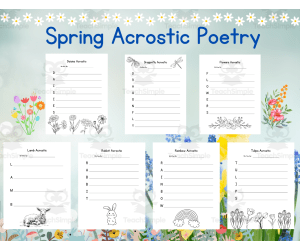
Spring Acrostic Poetry – Vocabulary + Writing
ELA, Literature, Poetry, Not Grade Specific, Activities
Acrostic poems are a fun way to practice vocabulary, spelling, using adjectives, and creative writing! These types of poems encourage learners to be picky about the words they choose, and to pay attention to detail. My students greatly enjoyed illustrating the borders of their acrostic poems with their own drawings! These are great for spring bulletin board displays! These acrostic poems with a spring flower border, for example, look wonderful and festive for the spring season! They are a fun way to practice writing, descriptive words (adjectives, nouns, verbs, etc.), and great for all grades and ages! You can make the acrostic poems as advanced or simple as you'd like, depending on the age of your learners and what skills they are learning. I have challenged more advanced learners to use five adjectives, five verbs, and five nouns in their poems, for example. Acrostic poetry is a fun way to teach learners how to choose their words wisely and carefully, as the goal of the poems is to paint a picture in the mind of the reader - without writing out paragraphs and lots of sentences. It is a way to teach the importance of not using too many 'filler' words, and being specific in their writing. This product comes with forty five spring acrostic poetry templates. With each template comes an outline matching the word for learners to color and add their own details to. Learners can also decorate the borders of their poetry with their own illustrations - bringing their words, descriptions, and ideas to life!
Author Growing In Wonder
Rating
Tags Spring, Acrostic, Poetry, Poems, Writing, Activities, Morning Work, Spring Acrostic Poem Examples, Adjectives For Acrostic Poems

Paper Playground Design Challenge
Science, Physics, Not Grade Specific, Activities
Paper Playground Design Challenge: An Innovative Teaching Resource The Paper Playground Design Challenge is an expertly designed teaching resource that enhances student learning, fostering independent thinking and problem-solving skills. Primarily targeted towards science-based teaching, particularly physical science, this all-inclusive bundle transcends the boundaries of specific grades, showcasing its versatile nature and ability to address diverse learning needs. By amalgamating creativity-inspiring activities with design-thinking elements, this resource facilitates students in dealing with real-life scenarios. It encourages them through exciting design challenges to devise innovative solutions. Teachers have wide flexibility in utilizing this package as it can integrate seamlessly into various educational frameworks such as Makerspace, Genius Hour initiatives, independent study periods or even afterschool programs along with STEM or STEAM classes. A Comprehensive Package Each theme within the Paper Playground Design Challenge is equipped with comprehensive sections including: Context-setting: Ensures relatability for learners. Detailed specifications: Gives clarity about tasks. Constraints : Defines task limits. An exhaustive list of required materials and tools: A step-by-step guide on how to tackle each challenge along with useful tips: This complete toolkit requires minimum preparation time from educators - just distribute these handouts and let the students unleash their creativity! Multifaceted Learning Outcomes The value of these challenges goes beyond traditional learning results. While they undeniably strengthen domain knowledge in physical science through direct content connections (like understanding principles of force or gravity), these exercises also double up during social-emotional learning (SEL) sessions by promoting team collaboration and empathy-building exercises. In a nutshell, the Paper Playground Design Challenge ensures easy implementation for teachers and immersive, enjoyable learning experiences for students—a splendid combination much desired in modern teaching resources. Hence, be prepared to see your classroom buzz with enthusiasm intertwined with meaningful learning!
Author WhyMaker
Tags Design Challenges, Problem-solving, Physical Science, Independent Thinking, Creativity
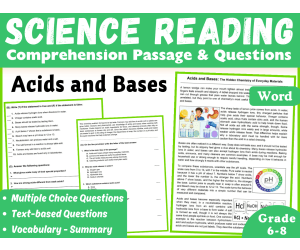
Physical Science Reading Comprehension Passage: Acids and Bases (Word)
Science, ELA, Reading, Reading Comprehension, Strategies, Resources for Teachers, Chemistry, Grade 6, 7, 8, 9, Writing Prompts, Worksheets & Printables, Centers, Activities, Teacher Tools, Assessments, Quizzes and Tests, Quizzes, Tests
Physical Science Reading Comprehension Passage and Questions: Acids and Bases (Word) This very engaging science reading passage is about acids and bases and how they appear in everyday materials. It explains that acids release hydrogen ions in water and are found in substances such as lemon juice, vinegar, citrus fruits, and stomach acid. It also describes bases, including soap, baking soda, ammonia, and cleaners, and explains how scientists use the pH scale to compare how acidic or basic a substance is. The passage introduces neutralization reactions , showing how acids and bases can react to form water and a salt, and connects the topic to real-life uses in farming, medicine, cooking, and cleaning. This passage is designed to bridge the gap between science and literacy by strengthening reading comprehension while sparking scientific curiosity in middle school students. It blends English Language Arts skills with accurate science content, helping students build background knowledge, understand key concepts, use evidence from the text, and explain scientific ideas clearly. This resource supports science classroom practice while also reinforcing important literacy skills such as main idea, vocabulary, comprehension, and summarizing. Ideal for interdisciplinary learning in ELA and Science. Suitable for Grade 9 review, too! Student Tasks for The Passage: 10 multiple-choice questions targeting main idea, key details, science concepts, comparison, and real-world applications 10 True/False statements to check understanding and address common misconceptions 5 text-based short-answer questions that require students to explain important ideas from the passage 5 vocabulary matching items with clear, student-friendly definitions 1 summary prompt that asks students to condense the central ideas accurately Full answer key for every section Available Formats for this Resource PDF Fillable PDF Google Docs FULL CATALOG OF DOWNLOADING LINKS HERE Product Details Length: 6 pages total Grades: 6–8, also suitable for Grade 9 review Use cases: close reading, stations, homework, intervention, test prep, and sub plans Standards support: Reinforces informational-text skills and supports NGSS-style sense-making by helping students read scientific explanations, connect evidence to key concepts, interpret real-world examples, and explain cause-and-effect relationships in science. Why Teachers Choose This Set Authentic science content paired with rigorous literacy practice Consistent task structure across all passages for easier planning and smoother student routines Clear, age-appropriate writing that builds confidence without oversimplifying Other Science Reading Collections and Topics You May Find in the Store: 1. Astronomy & Space Science 2. Volcanoes, Rocks, & Mountains 3. Rock Cycle, Soil, & Sinkholes 4. Mars, Glaciers, & Antarctica 5. Water Cycle, Acid Rain, & Wastewater 6. Insects, Animals, & Ecosystems 7. Bioluminescence & Insects 8. Animal Skin, Cats, & T. Rex 9. Human Body and Senses 10. Health & Applied Bioscience 11. Waves, Light, & Imaging 12. Electricity & Energy 13. Motion & Materials 14. Chemistry and Materials Science 15. Electromagnetism 16. Acids and Bases 17. Gas Laws 18. Biotechnology 19. Periodic Trends 20. Protists and Fungi 21. Microevolution 22. Blood 23. Chemical Bonding 24. Magnets 25. Muscles 26. Nuclear Chemistry 27. Electromagnetic Devices 28. Epigenetics 29. The Law of Conservation of Mass 30. Atomic Models 31. Isotopes and Ions 32. Light 33. Human-Environment Interaction 34. Theory of Evolution 35. Photosynthesis 36. Origins of Life and Early Earth 37. Gene Expression and Regulation 38. Thermochemistry 39. Allergies 40. Coevolution 41. Birth to Adulthood 42. Cells 43. Entropy and Free Energy 44. The Human Brain 45. Mixtures and Solutions 46. Invertebrates 47. Zoo Animals 48. Biochemistry 49. Animal Behavior 50. Population Ecology ...and many more engaging science reading passages that cover intriguing and important topics designed to spark curiosity and support student learning. Use this passage to reinforce ELA skills in science, to add literacy to your lessons, and to support independent work. The passages strengthen main idea, evidence use, vocabulary in context, inference, cause and effect, and summary writing. With ready-to-use assessments and complete answer keys, you can provide focused practice that is simple to run and fast to review.
Author Middle & High School - CORED Education
Rating
Tags Middle School, Reading Comprehension, Reading Strategies, ELA, Centers, Reading Passage, Assessments, Vocabulary, Chemistry, Physical Science
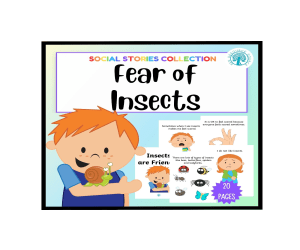
Fear of insects Social Story
Special Resources, Social Emotional Learning (SEL), Social Skills, Special Education Needs (SEN), Not Grade Specific, Activities
For children who experience intense fear or phobias related to insects, this social story resource provides supporting explanations and coping strategies. Specifically tailored for children on the autism spectrum who may struggle reading social cues, the story aims to logically address the reasons behind insect fears and equip children with skills to manage them. Using a reassuring tone, the social story explains how most insects pose no real danger to humans, as many are so tiny compared to a person’s size. While some insects like bees can sting, the story gives facts about how insect stings rarely cause serious harm. It also highlights all the useful things insects do, like pollinating plants. The second half of the story outlines constructive ways children can deal with insect fears when encountered. This includes techniques like staying calm, thinking logical thoughts about how small insects are, and reminding themselves that insects are useful to their earth. By addressing both the emotional and reality-based sides of insect fears, this social story uses clear language and visuals to teach autistic children coping methods. It validates their feelings while also gently challenging catastrophic thinking. The final outcome is a set of strategies children can employ themselves when afraid, giving them skills, reassurance, and power to manage phobias. These books should be used over and over to reinforce the point so I would suggest either putting the pages into a display book or laminating and binding them. Clipart images courtesy of Kari Bolt Clip Art
Author SEN Resource Source
Tags Insects, Fear, Anxiety, Social Story, Coping Strategies, Coping Skills, Overcoming Fears

Xylophones Reading Comprehension Passage - Cored Ed Encyclopedia
ELA, Language Development, Reading Comprehension, Reading, Science, Physics, History, Social Studies, Music, Creative Arts, Grade 2, 3, 4, 5, Worksheets & Printables, Worksheets, Teacher Tools, Centers, Activities, Writing Prompts, Assessments, Quizzes and Tests, Quizzes, Lesson Plans
This xylophones reading comprehension with lesson plan includes: Visualization (on the front cover) Start your lesson by taking a minute to think and share something about the topic. Read the script aloud (slowly), perhaps prepare some music or sound effects. Student close their eyes and let their imaginations wander. Students open their eyes, read the question aloud and give them a few minutes to complete. Ask a few students to share or keep answers until the end to compare with what they learn in the passage. Quick pause—thousands of Cored Education products are included with your TeachSimple membership. Download links and encyclopedia index available here. Pre-Reading Trivia Students will write down one thing they already know about the subject and then read five more facts and discuss. These facts are fun, and the students will enjoy learning about the subject before reading more. Give 1 minute for students to write what they already know (no pressure—best guess is fine). Read the five facts together. After each fact, do ask a student for their opinion, was it surprising? Set a purpose by asking students to highlight/underline one fact they want to learn more about during the reading. Reading Passage The text is a high-interest reading passage with set paragraphs, roughly three to four paragraphs long. It contains a variety of themes about the topic, anywhere from history to technology. The passage is between 250 and 350 words in length. First, ask students to look at the headings and see what they’ll learn about today. What do they know about the topic/heading? First read options: Teacher read-aloud (best for support). Partner reading (paragraph by paragraph). While reading, students underline important details, and vocabulary words they think may come up in the questions section. Mixed Questions The first question page contains four multiple-choice questions, each with a choice of four answers, and three written response questions that require a sentence or two from the student. Students complete the mcqs first independently, then review quickly as a class. For the 3 written responses, try to get students giving the answer with some form of evidence: “I think ___ because the text says ___.” If students get stuck, send them back to check the passage. Vocabulary Questions Practice seven key words from the text in this section across two activities. First section is scrambled words where students will unscramble three words given a clue for each. The second section is a word to meaning matching activity. Before starting, have some students read out words they underlined in the passage. Ask students to say the word and read aloud the sentence(s) around each word. Ask students to do scrambled words and the matching exercise in pairs then go through answers as a class. For the scrambled spelling task, get four pairs to come up to the board and write the words for extra practice with the other student reading out the clue. For the matching task, prompt students to give full sentences: “I matched ___ with ___ because ___.” Creative Writing In this question, the student will be required to write a five to eight sentence paragraph on a question related to the topic. Before starting, ask students write down 3 key ideas they are going to include in their piece. Ask students for ideas to share around the class to help those struggling. Pro writing expectations: 5–8 sentences At least 2 facts or details from the passage At least 2 vocabulary words from the previous page Students read their paragraphs while classmates listen for facts and vocabulary words. Extension Activities This page is optional for fast finishers or to take home. There are several activities, each one requiring a different skill. Do some, do none, do all, completely optional - but you will feel reassured knowing every possibility is planned for. Includes summary writting question. Answer Key There are answers for the multiple-choice questions, written response questions have sample answers, vocabulary answers and if there is a summary question then a sample summary will be provided as well. Lesson Plan Included Customized lesson plan for this lesson is included. Lesson Snapshot Title: Xylophones Genre: Nonfiction (informational text) Subject: Music / Science of Sound (Informational Reading) Primary Topic: How xylophones make sound and their history Estimated Guided Reading Level (A–Z): Q Support pages present: Visualization prompt, pre-reading trivia, mixed questions, vocabulary activities, creative writing, extension activities, and an answer key. What This Lesson Teaches Best Explains how a xylophone’s “keys” are wooden bars that make notes when tapped with a mallet . Teaches the relationship between bar length and pitch (long bars = low sounds; short bars = high sounds). Shows a core sound concept: the wood vibrates to create the note, and resonators underneath help the sound carry. Builds historical understanding of xylophone-like instruments across Africa and Asia, including early designs using logs, pits, and gourds to boost sound. Connects music history and school use: the xylophone spread into Europe, appears in orchestras (including Camille Saint-Saëns and Danse Macabre), and is used in classrooms to learn melody and rhythm (including Orff-Schulwerk). Learning Goals Students will describe how tapping a bar with a mallet makes a xylophone note. Students will explain how bar length changes pitch using details from the text. Students will identify what resonators do and where they are located on some xylophones. Students will summarize how xylophone-like instruments were made long ago and how sound was boosted. Students will sequence key points in the xylophone’s timeline (early instruments, later written descriptions, and later orchestra use). Key Vocabulary From the Text resonators — tubes/shapes under bars that help sound carry. vibrates — shakes back and forth to make sound. documented — recorded in writing. orchestra — a large group of musicians playing together. octave — a set of notes from one pitch to next. FULL CATALOG OF DOWNLOAD LINKS AND ENCYCLOPEDIA INDEX HERE
Author Cored Education
Rating
Tags Vocabulary, Reading Comprehension, Reading Passages, Lesson Plans, Ela Lesson Plans, Reading Comprehension Lesson Plans, Pre-reading, History Lesson Plans, Physics, Music Lesson Plans
Future Tense Practice Questions - Grammar Grade 3-4 (Forms)
ELA, Language Development, ESL, Grammar, Common Core, Resources for Teachers, Grade 3, 4, Quizzes and Tests, Teacher Tools, Tests, Assessments, Activities, Centers
Future Tense Grammar Practice MCQS ELA MCQS Overview: In this series of lessons, students will embark on an engaging journey to explore the grammar skills that make our language vibrant and expressive. These lessons are crafted to help students identify, comprehend, and effectively apply language arts skills in both writing and speech. Accompanied by free supplementary materials available for all topics, each lesson builds on the previous one, offering a balanced mix of direct instruction, interactive group activities, and independent practice. Through fun and creative tasks, students will learn to recognize grammar within sentences, understand their function, and use them to enrich their own writing and speech. Future Tense Overview: Includes: Future Simple Future Continuous Future Perfect Mistake Finding Forms Version This is the Forms editable and self grading version. This download is available in GOOGLE Docs, GOOGLE Forms, GOOGLE Slides. PDF, PPT, WORD, check the links below for more details. FULL CATALOG OF DOWNLOAD LINKS HERE Grade 3/4 Links: Adjectives Google Docs Google Forms Google Slides PDF PPT Word Free Supplementary Materials Pack Adverbs Google Docs Google Forms Google Slides PDF PPT Word Free Supplementary Materials Pack Conjunctions Google Docs Google Forms Google Slides PDF PPT Word Free Supplementary Materials Pack Nouns Google Docs Google Forms Google Slides PDF PPT Word Free Supplementary Materials Pack Pronouns Google Docs Google Forms Google Slides PDF PPT Word Free Supplementary Materials Pack Verbs Google Docs Google Forms Google Slides PDF PPT Word Free Supplementary Materials Pack Sentence Structure Google Docs Google Forms Google Slides PDF PPT Word Free Supplementary Materials Pack Present Tense Google Docs Google Forms Google Slides PDF PPT Word Free Supplementary Materials Pack Past Tense Google Docs Google Forms Google Slides PDF PPT Word Free Supplementary Materials Pack Future Tense Google Docs Google Forms Google Slides PDF PPT Word Free Supplementary Materials Pack Context Clues Google Docs Google Forms Google Slides PDF PPT Word Free Supplementary Materials Pack Defining Words Google Docs Google Forms Google Slides PDF PPT Word Free Supplementary Materials Pack Fill the Blanks Google Docs Google Forms Google Slides PDF PPT Word Free Supplementary Materials Pack Homophones Google Docs Google Forms Google Slides PDF PPT Word Free Supplementary Materials Pack Synonyms Google Docs Google Forms Google Slides PDF PPT Word Free Supplementary Materials Pack ELA Review Questions Overview Questions have three answer choices. There are a handful of pictures on each test for aesthetic purposes, as well as a review sheet covering most of the topics covered in the product. Introduction or Example Sheet Each topic will include an introduction or example sheet to go through first with your students. Full Answer Keys Full answer keys and sample responses are provided so no matter how busy you are, you know you're covered! In the Supplementary Pack Interactive Ice Breakers: Fun, hands-on activities that get students thinking about adjectives right from the start. Guided Practice: Teacher-led exercises that reinforce the day’s lesson, ensuring students can confidently identify and use adjectives. Group and Partner Tasks: Collaborative activities that allow students to work together to solve problems, categorize adjectives, and create descriptive sentences. Independent Worksheets: Structured worksheets that provide individual practice and help solidify understanding of key concepts. Exit Tasks: Quick, reflective activities at the end of each lesson that assess understanding and encourage students to apply what they’ve learned. For similar downloads and other frees, do check out Cored Group on TeachSimple.
Author Cored Education
Tags Elementary, Answers, Ccss, Common Core, Grammar, Tests, Test Prep, Grade 3, Grade 4, Digital Centers

Understanding Phobias: Social Studies Reading Passage (Word)
ELA, Reading, Reading Comprehension, Strategies, Resources for Teachers, Social Studies, Psychology, Grade 6, 7, 8, 9, Writing Prompts, Worksheets & Printables, Centers, Activities, Teacher Tools, Assessments, Quizzes and Tests, Quizzes, Tests
Understanding Phobias: Social Studies Reading Comprehension Passage (Word) This resource introduces a unique Social Studies reading comprehension passage with questions about Facing fears and Understanding Phobias. The passage is carefully designed to bridge the gap between social studies and literacy through strengthening reading comprehension and sparking knowledge curiosity in middle school students. Each passage blends English Language Arts skills with accurate social studies content . Ideal for interdisciplinary learning in ELA and Social Studies. Suitable for Grade 9 review, too! Student Tasks throughout the passage: 5 multiple-choice questions targeting the following skills: main idea, key details, inference, vocabulary in context, and use of evidence 5 vocabulary matching items with clear, student-friendly definitions 5 text-based questions that require citing specific lines or facts 1 summary prompt that asks students to condense central ideas accurately Full answer key for every section Available Formats for this Resource: PDF Fillable PDF Google Docs FULL CATALOG OF DOWNLOADING LINKS HERE Social Studies Reading Comprehension Collection Links: 1. Ancient Civilizations PDF Fillable PDF Word Docs Google Docs 2. Early Empires and Trade Networks PDF Fillable PDF Word Docs Google Docs 3. The Founding of the United States PDF Fillable PDF Word Docs Google Docs 4. Language, Culture, and Meaning PDF Fillable PDF Word Docs Google Docs 5. Psychology and Society PDF Fillable PDF Word Docs Google Docs 6. Global Festivals and Traditions PDF Fillable PDF Word Docs Google Docs 7. Extreme Environments and People PDF Fillable PDF Word Docs Google Docs 8. Food, Culture, and Preservation PDF Fillable PDF Word Docs Google Docs 9. Global Food Customs PDF Fillable PDF Word Docs Google Docs 10. Media, Communication, and Popular Culture PDF Fillable PDF Word Docs Google Docs 11. Human Impact on the Environment PDF Fillable PDF Word Docs Google Docs 12. Civic Action and Social Change PDF Fillable PDF Word Docs Google Docs 13. Fashion, Society, and Power PDF Fillable PDF Word Docs Google Docs 14. People, Places, and Unusual Histories PDF Fillable PDF Word Docs Google Docs Product Details: Length: 5 pages Grades: 6–8, also suitable for Grade 9 review Use cases: close reading, stations, homework, intervention, test prep, and sub plans Why Teachers Choose This Passage: Authentic social studies content paired with rigorous literacy practice Consistent task structure for easier planning and smoother student routines Clear, age-appropriate writing that builds confidence without oversimplifying Use this passage to reinforce ELA skills in social studies, to add literacy to your lessons, and to support independent work. The passage strengthens main idea, evidence use, vocabulary in context, inference, cause and effect, and summary writing. With ready-to-use assessments and complete answer keys, you can provide focused practice that is simple to run and fast to review.
Author Middle & High School - CORED Education
Rating
Tags Middle School, Reading Comprehension, Reading Strategies, ELA, Centers, Reading Passage, Assessments, Vocabulary, Social Studies, Pschology
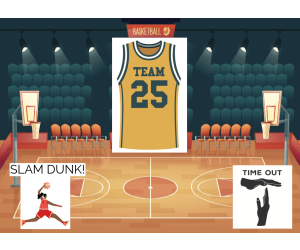
March "Mad" ness Boom Cards-Managing Anger
Special Resources, Life Skills, Grade 4, 5, 6, 7, 8, Activities
March Mad ness Boom Cards-Managing Anger Navigating anger can be a complex task, especially for young minds that are developing their emotional intelligence. The March Mad ness Boom Cards excel as an advantageous teaching resource to provide guidance in carefully exploring how to handle anger situations positively. Specially crafted for students from grade 4 through grade 8, it makes an exceptional inclusion into public school curricula or homeschool programs. This resource includes: A deck of 26 astute playing task cards designed with real-world scenarios that project aggressive and passive-aggressive events. The activity is structured conveniently that engages students while maintaining the learning essence. In this interactive module,"managing anger", students click on either a referee image or a "slam dunk" picture based on how they perceive anger was managed in given situations. One fascinating aspect of this tool lies in its immediacy of feedback which is very helpful in understanding results sans teacher intervention - perfect for homework assignments! The Captivating Digital Interface: With its captivating digital interface, practicing emotional wisdom has never been more playful – making this resource a great contender to be incorporated into group learning sessions! To Access the Boom Cards: All you need is an internet connection and any modern browser/platform like Chrome, Safari, Firefox, Edge or even Android and iOS apps! With resources aimed at children's protection online; rest assured about data security as even adults need authenticated accounts to use scores reporting features. Premium Account Opportunities: A premium account boasts groundbreaking assignment options capable of tracking student progress promoting not just education but assessment too – elements that are must-haves not only for teachers running classrooms but also diligent homeschoolers keeping track of progress! New users are even offered free trials of premium accounts ensuring personalized experiences without any immediate commitments! Emotional Wisdom made playful: Regulating emotion might sound intimidating but with dynamic tools such as the March Mad ness Boom Card amidst educators' arsenal; managing anger can turn into manageable lessons straight outta life! Enhance your teaching methodologies without compromising the learning essence - grab this resource today!
Author Jennifer Moyer Taylor
Tags Emotional Intelligence, Anger Management, Interactive Learning, Digital Resource, Student Feedback

Adverbs Practice Questions - Grades 3-4 Grammar (Google Forms)
ELA, Language Development, ESL, Grammar, Common Core, Resources for Teachers, Grade 3, 4, Worksheets & Printables, Worksheets, Quizzes and Tests, Teacher Tools, Tests, Assessments, Centers, Activities
Adverbs Grammar Practice MCQS ELA MCQS Overview: In this series of lessons, students will embark on an engaging journey to explore the grammar skills that make our language vibrant and expressive. These lessons are crafted to help students identify, comprehend, and effectively apply language arts skills in both writing and speech. Accompanied by free supplementary materials available for all topics, each lesson builds on the previous one, offering a balanced mix of direct instruction, interactive group activities, and independent practice. Through fun and creative tasks, students will learn to recognize grammar within sentences, understand their function, and use them to enrich their own writing and speech. Adverbs Overview: Includes: When Adverbs Where Adverbs How Adverbs Mistake Finding Forms Version This is the Forms editable and self grading version. This download is available in GOOGLE Docs, GOOGLE Forms, GOOGLE Slides. PDF, PPT, WORD, check the links below for more details. FULL CATALOG OF DOWNLOAD LINKS HERE Grade 3/4 Links: Adjectives Google Docs Google Forms Google Slides PDF PPT Word Free Supplementary Materials Pack Adverbs Google Docs Google Forms Google Slides PDF PPT Word Free Supplementary Materials Pack Conjunctions Google Docs Google Forms Google Slides PDF PPT Word Free Supplementary Materials Pack Nouns Google Docs Google Forms Google Slides PDF PPT Word Free Supplementary Materials Pack Pronouns Google Docs Google Forms Google Slides PDF PPT Word Free Supplementary Materials Pack Verbs Google Docs Google Forms Google Slides PDF PPT Word Free Supplementary Materials Pack Sentence Structure Google Docs Google Forms Google Slides PDF PPT Word Free Supplementary Materials Pack Present Tense Google Docs Google Forms Google Slides PDF PPT Word Free Supplementary Materials Pack Past Tense Google Docs Google Forms Google Slides PDF PPT Word Free Supplementary Materials Pack Future Tense Google Docs Google Forms Google Slides PDF PPT Word Free Supplementary Materials Pack Context Clues Google Docs Google Forms Google Slides PDF PPT Word Free Supplementary Materials Pack Defining Words Google Docs Google Forms Google Slides PDF PPT Word Free Supplementary Materials Pack Fill the Blanks Google Docs Google Forms Google Slides PDF PPT Word Free Supplementary Materials Pack Homophones Google Docs Google Forms Google Slides PDF PPT Word Free Supplementary Materials Pack Synonyms Google Docs Google Forms Google Slides PDF PPT Word Free Supplementary Materials Pack ELA Review Questions Overview Questions have three answer choices. There are a handful of pictures on each test for aesthetic purposes, as well as a review sheet covering most of the topics covered in the product. Introduction or Example Sheet Each topic will include an introduction or example sheet to go through first with your students. Full Answer Keys Full answer keys and sample responses are provided so no matter how busy you are, you know you're covered! In the Supplementary Pack Interactive Ice Breakers: Fun, hands-on activities that get students thinking about adjectives right from the start. Guided Practice: Teacher-led exercises that reinforce the day’s lesson, ensuring students can confidently identify and use adjectives. Group and Partner Tasks: Collaborative activities that allow students to work together to solve problems, categorize adjectives, and create descriptive sentences. Independent Worksheets: Structured worksheets that provide individual practice and help solidify understanding of key concepts. Exit Tasks: Quick, reflective activities at the end of each lesson that assess understanding and encourage students to apply what they’ve learned. For similar downloads and other frees, do check out Cored Group on TeachSimple.
Author Cored Education
Tags Elementary, Answers, Ccss, Common Core, Grammar, Tests, Test Prep, Grade 3, Grade 4, Digital Centers
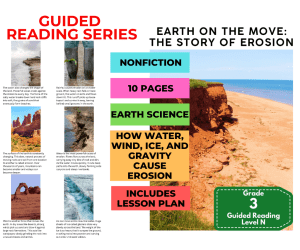
The Story of Erosion: Guided Reading Level N with Lesson Plan
ELA, Resources for Teachers, Reading Comprehension, Reading, Science, Language Development, Pre-Reading, Earth and Environmental Sciences, Geography, Social Studies, Grade 2, 3, 4, Worksheets & Printables, Worksheets, Teacher Tools, Centers, Activities, Literacy Readers, Quizzes, Quizzes and Tests, Assessments, Lesson Plans
This The Story of Erosion (level n) guided reading book with lesson plan includes: Guided Reading Color Label (front cover x1) This is a quick way to match the book’s demands to what students can generally handle.. The overall goal is to use the level/color to pick books for several smaller groups. To qualify for a certain level, a student is expected to read a book from that level with about 90–94% accuracy. If a student is consistently accurate and understands, move up a level. If the student is struggling at that level, drop down and add more support. Each student will improve at completely different rates, but it is generally one of the best ways to check progress across the class. DOWNLOAD THE CATALOG TO VIEW ALL GUIDED READING BOOKS AVAILABLE (SORTED LEVELS A-Z) Pre-Reading Question (x1) Teacher asks the prompt aloud, can be while showing the cover or first page. Students share what they already know, or make educated guesses from the cover. Prompt them to use the target vocabulary. Write some of their responses on the board to look back at during the reading. Vocabulary Words (x5) Introduce the five words, best doing it one at a time. Start by saying it, while students repeat and then see if anyone knows what it means before reading further. Read through the meaning and try to briefly connect each word to a picture or gesture so it’s meaningful. Ask students to flip through the book pages and point to where they see each of the vocabulary words. While reading the book pause upon coming across one of the vocab words or read the sentence twice to make sure students understand the word has appeared. Optional: Ask students to raise hands whenever they see/hear one of the new words. Guided Reading Pages (x10) Check the book snapshot (below) for: primary topic - do you need to prep extra reading or intro materials on this? what is taught best - decide on 1-2 bullets to focus on, use the prompt or words provided here for best results. learning goals - what you are checking for students to be able to do after the session, elicit answers using prompts or words provided. key vocabulary (see section above). questions overview - so you know what is coming up and if you need to prep extra materials to assist understanding. Run the lesson You may have already looked at a few of the pages together, but you can show them some of the pictures again first to set meaning. Depending on how much time you have and how familiar your students are with guided reading class, you may want to read the book aloud first with the group first. Students whisper or partner read, while you listen in. If time, do it as a group, one student reading a page each. Use the guided page’s prompts to coach: “Check the picture / does it make sense?” “Point under the words / try the first sound” “Reread the sentence smoothly”. Try to focus more on one student per session (rotating every time), so you can work out if they are ready to move up or need to move down a level. Comprehension Questions (back cover x3) This is your way to check that students didn’t just say the words, but actually understood the text. First, let students answer by pointing to the page/picture and saying a short sentence. After any answer, follow with: “Show me where you found that in the text.” In bigger groups, have partners answer first (10–20 seconds), then call on 2–3 students to share. Differentiation tips: Emerging speakers/struggling readers: oral + pointing On-level: oral in a full sentence Higher: one written sentence or draw + label Book Snapshot Title: Earth on the Move: The Story of Erosion Genre: Nonfiction (informational text) Subject: Life Science / Earth Science Primary Topic: How water, wind, ice, and gravity cause erosion Estimated Guided Reading Level (A–Z): N What This Book Teaches Best Defines erosion as a slow, natural process that moves rocks and soil from one place to another. Compares different forces of erosion (water, ocean waves, rainfall/runoff, wind, ice/glaciers, gravity) using clear examples. Explains cause and effect in Earth changes , such as rivers cutting deep paths that form canyons and riverbanks over time. Shows that erosion can break down land in one place and build new land in another , including how a river can form a delta where it meets the ocean. Highlights ways nature can slow erosion , including how plant roots hold soil in place. Learning Goals Students can define erosion using details from the text. Students can identify water as the most powerful cause of erosion described in the book. Students can explain how rivers, waves, and rainfall/runoff change land over time. Students can describe how wind, glaciers, and gravity move or reshape rock and soil. Students can explain how plants help prevent erosion from happening too quickly. Students can describe how a delta forms when a river drops sand and soil at the ocean. Key Vocabulary From the Text erosion — moving rock and soil from one place to another. shoreline — where land meets the ocean. runoff — rainwater that flows downhill over the ground. glaciers — huge sheets of ice moving slowly across land. delta — land formed when a river drops sand and soil. Discussion Prompts Pre-reading question: What are some ways land might change over a long time? Comprehension questions: How does the book describe erosion and what it moves? Comprehension questions: What does fast-moving river water do to the earth, according to the text? Comprehension questions: How do the roots of trees and grasses help stop erosion from happening too quickly? Printing Tips 1. Best Printing Method (Recommended) “Booklet” Printing (Best if Available) If your printer or PDF viewer supports Booklet Printing , use this. Settings to use: Print mode: Booklet Paper size: Letter or A4 (either works) Orientation: Landscape Print on both sides: Yes Flip on: Short edge Scaling: Fit to printable area Booklet subset: First test: Front sides only Then: Back sides only This will automatically: Pair pages correctly Put the cover on the outside Align everything for folding After printing, fold in half and staple along the spine . 2. If “Booklet” Printing Is NOT Available You can still print this correctly with manual duplex printing . Step-by-step: Open the PDF. Choose Print . Set: Orientation: Landscape Pages per sheet: 1 Print on both sides: Yes Flip on: Short edge Print all pages . Because each PDF page already contains two facing book pages, the result will still fold cleanly into a book. Thousands of Cored Education products are included with your TeachSimple membership. Download links and encyclopedia index available here.
Author Cored Education
Rating
Tags Reading Comprehension, Reading Passages, Reading, Guided Reading, Guided Reading Lesson Plan, Guided Reading Activity, Pre-reading, Science Lesson Plans, Earth Science, Geography

Letter Z Beginning Sound Sort - Zebra Themed
ELA, Language Development, Phonics, Kindergarten, Preschool, Activities, Centers
This beginning sound sort for the letter Z is a great hands on activity for recognizing the most common sound of the letter Z. This is an easy and fun activity to give students who need practice with recognizing the letter Z sound from amongst other letter sounds or for those students who need extra practice distinguishing between the initial sounds in words. To complete this sorting activity , students will look at a picture on a zebra to determine if the picture begins with the letter Z or does not begin with the letter Z, and then the students will place the zebra on the correct savanna mat. This sorting activity includes 3 pages that contains One savanna mat for pictures that begin with the letter Z One savanna mat for pictures that do not begin with the letter Z Zebra pictures that begin with Z Zebra pictures that do not begin with Z This beginning sound sort can be used in the following ways Literacy centers Fine motor centers File folder activity Add magnets to the picture cards for a baking tray activity Small group activities Morning work Emergency sub plans If making a file folder game, the teacher will place the mats on either side of the folder and use hook and loop fasteners to sort the bear pictures. Skills assessed with these letter Z initial sound sort Initial Sound of the letter Z Distinguishing between words that begin with Z and do not begin with Z Ability to sort the picture cards on to the correct mat This beginning sounds sorting activity is a low prep activity . All a teacher needs to do is to print the three pages, cut out the picture cards and laminate the pages and cards if desired. The activity is easy to set up and to put away and store. This download includes a PDF with 3 usable pages.
Author The Connett Connection
Rating
Tags Letter Of The Week, Alphabet Activities, Alphabet Centers, Beginning Sounds, Literacy Center, Preschool Literacy Center, Initial Sounds, Letter Z, Letter Z Activity
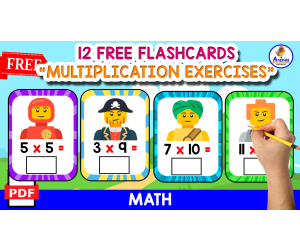
12 FLASHCARDS WITH MULTIPLICATION EXERCISES | LEGO THEMED
Math, Multiplication, Multiplication and Division, Early Learning, Elementary, High School, Homeschool Resources, Middle School, Not Grade Specific, Worksheets & Printables, Activities
12 FREE FLASHCARDS WITH MULTIPLICATIONS LEGO THEMED INTRODUCTION: We are EDITORIAL ARENAS EDUCATIVAS, a publisher dedicated to designing educational resources for primary school children approximately between the ages of 3 and 12 who are learning mathematics, literacy, as well as worksheets for learning Spanish and some brain exercises. MAIN INFORMATION ABOUT THIS PRODUCT: 1. Brief introduction: Hello, thank you very much for being interested in this educational document. This document will help you a lot both in the classroom if you are a teacher, as well as if you homeschool and want to stimulate your children from home. 2. Title of the educational resource: This document is titled "Teaching material for children" 3. Topic to work on: Thanks to this educational document, we are going to work on a basic topic that every child and/or student should master. 4. Area of knowledge where it should be applied: Thanks to this document, we will address a topic and at the same time an important area of learning. 5. Number of pages it contains: This educational document contains the following number of pages available and ready to be used by you, you just have to download and print the document to start using it in your classroom. 6. Is it available in color or black/white? This document and/or set of educational sheets is available in color and also in certain parts contains black and white, however it is generally suggested that the teaching material be designed in color so that it is much more attractive for your students, awakening their attention and interest. SECONDARY INFORMATION: 7. Should I apply it individually or as a group in my class? Also, according to your criteria, see if it is better for these sheets to be applied individually or as a group. 8. What size and format is this resource in? This set of teaching sheets has been published in A4 size, PDF format, so that it is much easier to use. 9. Do I need any extra elements to apply it? Yes, perhaps your students need pencils, colors, markers and even sometimes scissors and erasers. 10. Is it in color or black and white? This educational document has been designed mostly in color so that it is highly attractive to students.
Author EDITORIAL LAURA EDUCA
Tags MULTIPLICATION, DIVISION, FREE RESOURCES, MATH, MATH RESOURCES

Sorting Bugs Activity – Ladybugs vs. Butterflies
Special Resources, Special Education Needs (SEN), Math, Early Math, Science, Life Sciences, Insects, Earth and Environmental Sciences, Earth Sciences, Kindergarten, Preschool, Grade 1, 2, 3, 4, 5, 6, 7, Activities
BUGS BUGS BUGS - sorting bugs Beware this activity could make your skin crawl! To begin the activity, the learner is presented with two sorting cards each featuring an image of a specific type of bug, such as a ladybug and a butterfly. The learner is then given 12 cards, each of which features an image of a ladybug or a butterfly, but with some slight differences between them and asked to sort or group them by insect. This activity can be made more difficult by asking the learner to sort bees and wasps or beetles and cockroaches - Yes, I said cockroaches. YUCK. - however they do elicit a response of gross and giggles from many. Keeping it fun! By engaging in this fun and interactive activity, learners can improve their observation skills, critical thinking, and problem-solving abilities, all while learning about the fascinating world of insects. The pages are clear of visual distractions which helps the learner focus on the task and also helpful for those learners who struggle with visual attention. This activity is easy to create and to assemble - Print and laminate all cards, cut out the individual sorting cards, and velcro them to the corresponding activity place card - and please, try not to touch the bugs! Enjoy teaching and have fun learning I'll Figure It Out IFIO girl
Author IFIO girl - I'll Figure It Out
Rating
Tags Insects, Sorting, Non-identicals, Bugs, Grouping, Abbls-r B8, Autism, Occupational Therapy, Esl, Behavioral Therapy, Sorting Insects

A to Z Arts and Crafts Packet
Creative Arts, Art, Kindergarten, Preschool, Grade 1, 2, Activities, Crafts
This resource is an A to Z Arts and Crafts Packet. There are 52 unique crafts that students will love! Per each letter, there are 2 crafts that can be made out of everyday materials. An example picture is included for each craft to help you visualize it. Directions are included to create each craft .
Author Glimmercat Education
Tags Arts, Crafts, Alphabet, Letter Cards, Art Center

Suffix EST Sentence Reading Rings
ELA, Language Development, Phonics, Grade 2, 3, 4, Activities, Centers, Worksheets & Printables, Task Cards
Practice reading words with the suffix -EST with these sentence reading rings. Students will read words with the suffixes -est in the context of sentences. Each card also includes a bold and colorful image to illustrate each sentence and to help students to learn the meanings of each word. What is Included: This resource includes one reading ring activity for the suffix est. There are cards each featuring a different word with the suffix est, with a sentence using the word in context and an image to illustrate that sentence. When to Use Early Finishers - If students finish their work early, they can use these reading rings for extra practice. Small Group Work - Teachers can use these reading rings to target small groups of students who need more practice reading words with suffixes. Independent Practice - Students can work independently at their desks to read this set of suffix cards. Morning Work - Students can read and review this reading ring for morning work as their classmates arrive to class. How to Make: Teachers will print out the pages and cut each card apart. Once cut apart, the teacher can choose to laminate the cards for durability. Then, use a hole punch to punch a hole in the top left corner of the card. Place the cards on a ring to create your reading ring, making sure the cover card is on top. Skills Assessed: These reading rings help with identifying words with suffixes These reading rings help with learning the meaning of suffixes These reading rings help students learn how suffixes change the meaning of words. These affixes reading rings are a low prep activity for teachers to prepare for students to use. Once created, these cards can be used over and over to practice reading words with suffixes in the context of a sentence.
Author The Connett Connection
Rating
Tags Affixes, Morphology, Literacy Activities, Reading Words With Suffixes, Suffixes