3,931 products added recently
Page 34 - Activities
Explore a wide array of educational activities designed to enrich your teaching and captivate students' interest. From hands-on projects to interactive games, these resources span various subjects and grade levels. Incorporate these activities into your lesson plans to foster an engaging and dynamic learning environment for all students.
7th Grade End of Year ELA Review Worksheets & Games
ELA, End Of Year, Grade 7, Lesson Plans, Teacher Tools, Worksheets & Printables, Activities, Games, Worksheets
7th Grade End of Year ELA Review Worksheets & Games Challenge your students with a rigorous and engaging Grade 7 End-of-Year ELA Review Packet designed to strengthen critical thinking, rhetorical analysis, argument writing, and advanced reading comprehension skills! This comprehensive middle school ELA resource includes 52 printable review activities and 5 interactive games aligned to seventh grade Common Core standards. Perfect for end-of-year review, test prep, literacy centers, summer learning, homework, or sub plans! ⭐ What’s Included ✅ 52 printable Grade 7 ELA review activities ✅ 5 interactive literacy and vocabulary games ✅ Student workbook pages ✅ Complete answer key with sample responses ✅ Teacher guide with pacing plans and differentiation strategies ✅ Drama, poetry, and informational reading passages ✅ Rhetoric and argument analysis activities ✅ Grammar and conventions review ✅ Synthesis and research writing practice ✅ Academic vocabulary and Greek/Latin roots work ✅ Certificate of Completion This resource includes four ready-to-print PDFs: Student Worksheets Answer Key Teacher’s Guide Games Packet 📚 How It Works in the Classroom This 7th Grade ELA Review resource works beautifully for: End-of-year middle school ELA review Literacy centers and stations Independent practice Small-group reteaching Homework Summer review packets Test prep Early finisher activities Whole-class review Substitute teacher plans Students review advanced seventh grade concepts including rhetoric, irony, logical fallacies, dramatic structure, synthesis writing, and evidence-based argumentation. Interactive games reinforce academic vocabulary, rhetorical terminology, Greek and Latin roots, and critical reading skills in a highly engaging format. 🎯 Standards & Learning Goals This resource aligns with Grade 7 Common Core ELA standards, including: L.7.4–L.7.6 Vocabulary Acquisition RI.7.4–RI.7.8 & RL.7.4 Rhetoric & Author’s Craft RL.7.1–RL.7.7 Reading Literature RI.7.1–RI.7.9 Reading Informational Text L.7.1–L.7.3 Grammar & Conventions W.7.1–W.7.2, W.7.7–W.7.8 Argument, Synthesis & Research Writing Students will practice: Ethos, pathos, and logos Rhetorical devices and logical fallacies Verbal, situational, and dramatic irony Satire and literary allusions Drama and Freytag’s Pyramid Theme and symbolism analysis Synthesis across multiple texts Multi-source argument writing Grammar, clauses, modifiers, and verb mood Academic vocabulary and etymology ❤️ Why Teachers Love It ⭐ Print-and-go format saves prep time ⭐ Higher-level critical thinking activities support middle school rigor ⭐ Includes original drama, poetry, and op-ed texts ⭐ Interactive games keep students engaged during review season ⭐ Perfect balance of reading, writing, grammar, and rhetoric skills ⭐ Differentiation strategies included for struggling readers, advanced learners, and ELL students ⭐ Supports strong preparation for eighth grade and high school ELA expectations Teachers love using this comprehensive Grade 7 ELA Review Packet to reinforce analytical reading, rhetoric, synthesis writing, and academic language while keeping students motivated during the final weeks of school. 📥 Perfect For Seventh grade ELA classrooms Middle school language arts review End-of-year test prep Summer bridge packets Literacy intervention Independent practice Homeschool families Sub plans and emergency lessons Help your students finish the year strong with this engaging and standards-aligned Middle School Grade 7 ELA Review Resource !
Author Bright Classroom Ideas Marketplace
Rating
Tags End Of Year, Ela, Review, Vocabulary, Grammar, Games
Humpty Dumpty & More Video Storybook
ELA, Early Learning, Pre-K, Read Alouds, Activities
View the story. Then sing the story! It isn’t a secret that using songs to teach children pre-reading skills is fun and successful. This classic song is featured as a read-along and a sing-along. Help the children glue and tape Humpty Dumpty back together again with this adapted version of the classic Humpty Dumpty rhyme. Then enjoy five more classic nursery rhymes including Jack and Jill, Oh Where, Oh where, Has My Little Dog Gone?, Five Little Piggies and Little Miss Muffet! Adorable illustrations, repetitive text, and rhyming fun will have pre-readers enjoying and reading along in no time. The fun Sing A Story series includes: Five Little Monkeys Jumping On The Bed, Old MacDonald Had A Farm, Ten In The Bed, B-I-N-G-O, Down By The Bay, Humpty Dumpty & Other Nursery Rhymes, Six Little Ducks, Five Little Skunks, ABC Nursery Rhymes, The Wheels On The Bus, This Old Man, How Many Ducks?, Old MacDonald’s Letter Farm, The ABCs, Singing The Consonant Sounds, The Farmer In The Dell and It’s Silly Time!
Author Twin Sisters Digital Media
Tags Classic, Nursery, Rhymes, Humpty Dumpty, Ebook
COUNTING Which is more?
Math, Early Math, Preschool, Kindergarten, Grade 1, Activities
Counting: Which is More? The ability to count, establish one-to-one correspondence, recognise numbers and delineate between more and less are among the fundamental skills in early math learning. Perfectly aligned with this approach, the 'Counting: Which is More?' teaching resource offers an interactive and engaging tool for educators looking to cultivate these basic number sense skills in their students. An Interactive Digital Tool This user-friendly resource incorporates 23 animated PowerPoint slides as well as a 23-page PDF document focused on counting from 1-10. The animated PowerPoint invites students to: Count cubes on each slide Determine which quantity is larger A Hands-On Learning Experience Likewise, the accompanying PDF provides tangible handouts that echo those in the digital presentation but allow a more hands-on experience. This printable activity can be utilized under instructor supervision for small group work or individually as homework assignments. Teachers firstly print either on; Sturdy cardstock: Protected by lamination for repeated use with dry erase markers. Standard paper sheets: When consuming resources isn't an issue. A Flexible Teaching Resource This compact package covers multiple teaching scenarios fitting into both structured classroom situations common in public schools or flexible learning environments typically found within homeschooled settings. With its focus across Early Learning stages including Kindergarten through Grade One curriculum guidelines it guarantees teaching consistency while instilling crucial math concepts. In Summary... In summary Counting: Which is More? helpfully balances technological learning with traditional written methods offering diverse ways to introduce core math principles necessary for budding young learners all designed attentively seeking genuine educational interaction rather than surface-level engagement keeping learners genuinely intrigued thus benefiting overall academic performance progress.
Author Socially Skilled Kids
Tags Counting, One-to-one Correspondence, Numbers, More And Less, Math Concepts
Guided Reading Level H - The Story of the Wheel
ELA, Resources for Teachers, Reading Comprehension, Reading, Language Development, Vocabulary, Engineering, Technology, Science, Physics, Kindergarten, Grade 1, 2, Worksheets & Printables, Worksheets, Teacher Tools, Centers, Activities, Literacy Readers, Quizzes, Quizzes and Tests, Assessments
This Guided Reading Book - The Story of the Wheel (Level H) includes: Guided Reading Color Label (front cover x1) This is a quick way to match the book’s demands to what students can generally handle.. The overall goal is to use the level/color to pick books for several smaller groups. To qualify for a certain level, a student is expected to read a book from that level with about 90–94% accuracy. If a student is consistently accurate and understands, move up a level. If the student is struggling at that level, drop down and add more support. Each student will improve at completely different rates, but it is generally one of the best ways to check progress across the class. DOWNLOAD THE CATALOG TO VIEW ALL GUIDED READING BOOKS AVAILABLE (SORTED LEVELS A-Z) Pre-Reading Question (x1) Teacher asks the prompt aloud, can be while showing the cover or first page. Students share what they already know, or make educated guesses from the cover. Prompt them to use the target vocabulary. Write some of their responses on the board to look back at during the reading. Vocabulary Words (x5) Introduce the five words, best doing it one at a time. Start by saying it, while students repeat and then see if anyone knows what it means before reading further. Read through the meaning and try to briefly connect each word to a picture or gesture so it’s meaningful. Ask students to flip through the book pages and point to where they see each of the vocabulary words. While reading the book pause upon coming across one of the vocab words or read the sentence twice to make sure students understand the word has appeared. Optional: Ask students to raise hands whenever they see/hear one of the new words. Guided Reading Pages (x10) Check the book snapshot (below) for: primary topic - do you need to prep extra reading or intro materials on this? what is taught best - decide on 1-2 bullets to focus on, use the prompt or words provided here for best results. learning goals - what you are checking for students to be able to do after the session, elicit answers using prompts or words provided. key vocabulary (see section above). questions overview - so you know what is coming up and if you need to prep extra materials to assist understanding. Run the lesson You may have already looked at a few of the pages together, but you can show them some of the pictures again first to set meaning. Depending on how much time you have and how familiar your students are with guided reading class, you may want to read the book aloud first with the group first. Students whisper or partner read, while you listen in. If time, do it as a group, one student reading a page each. Use the guided page’s prompts to coach: “Check the picture / does it make sense?” “Point under the words / try the first sound” “Reread the sentence smoothly”. Try to focus more on one student per session (rotating every time), so you can work out if they are ready to move up or need to move down a level. Comprehension Questions (back cover x3) This is your way to check that students didn’t just say the words, but actually understood the text. First, let students answer by pointing to the page/picture and saying a short sentence. After any answer, follow with: “Show me where you found that in the text.” In bigger groups, have partners answer first (10–20 seconds), then call on 2–3 students to share. Differentiation tips: Emerging speakers/struggling readers: oral + pointing On-level: oral in a full sentence Higher: one written sentence or draw + label Book Snapshot Title: The Story of the Wheel Genre: Nonfiction (informational) Subject: Science (Engineering / Simple Machines) Primary Topic: How wheels changed over time and how they work Estimated Guided Reading Level (A–Z): H What This Book Teaches Best What wheels are and what they help people do: move heavy things with less effort. How wheels changed over time (from heavy stone/wood wheels to spoked wheels to modern rubber tires). Why different wheels are designed differently for different jobs (tractor treads for mud; thin bicycle wheels for speed; small wheels for gliding). That not all wheels are for travel—gears are wheels with teeth that help machines move. Learning Goals Students will explain what wheels are used for using a detail from the text. Students will describe how the first wheels were made long ago, according to the book. Students will explain why spoked wheels helped carts move faster using the book’s comparison. Students will describe how treads help tractor wheels move through thick, wet mud. Students will identify one way gears are different from travel wheels and tell what gears do in machines. Key Vocabulary From the Text spokes — thin parts connecting the center to the outside. oxen — strong animals that pull heavy loads. rubber — stretchy material used to make tires. treads — deep grooves that help a tire grip ground. gears — wheels with teeth that help machines move. Discussion Prompts Pre-reading question: How do you think wheels help people move things more easily? Comprehension questions: What does the book say wheels are used for? What were the very first wheels made from long ago? What are gears, and what do they help machines do? Printing Tips 1. Best Printing Method (Recommended) “Booklet” Printing (Best if Available) If your printer or PDF viewer supports Booklet Printing , use this. Settings to use: Print mode: Booklet Paper size: Letter or A4 (either works) Orientation: Landscape Print on both sides: Yes Flip on: Short edge Scaling: Fit to printable area Booklet subset: First test: Front sides only Then: Back sides only This will automatically: Pair pages correctly Put the cover on the outside Align everything for folding After printing, fold in half and staple along the spine . 2. If “Booklet” Printing Is NOT Available You can still print this correctly with manual duplex printing . Step-by-step: Open the PDF. Choose Print . Set: Orientation: Landscape Pages per sheet: 1 Print on both sides: Yes Flip on: Short edge Print all pages . Because each PDF page already contains two facing book pages, the result will still fold cleanly into a book. Thousands of Cored Education products are included with your TeachSimple membership. Download links and encyclopedia index available here.
Author Cored Education
Rating
Tags Vocabulary, Reading Comprehension, Reading Passages, Leveled Reading, Nonfiction, Reading, Guided Reading, Physics, Engineering, Technology
Ocean Animals Deep-sea Community PowerPoint and Study Guide
Science, Life Sciences, Biology, Grade 4, 5, 6, 7, 8, Teacher Tools, Presentations, Activities, Assessments, Lesson Plans, Worksheets & Printables, Worksheets
NatureGlo's Deep-sea Communities PowerPoint and Study Guide with Internet Activities is a cutting edge mini unit. Bring your learners on a unique deep-sea exploration looking at hydrothermal vents, black smokers, fauna that live in and around the vents, intriguing illustrations of deep-sea vents, and more! This resource has been used in the classroom and homeschool setting since 2015. Learners are invited to create unique projects from the given Internet Activity resources. Explore some of the most bizarre yet amazing deep-sea creatures! What's Inside: One Quick Start Guide One Twenty-seven slide animated PowerPoint One fifteen page Teacher study guide with answer key One eleven page student study guide without answer key Link to internet activities with lesson enhancing web resources, videos, and project ideas What's Inside of the PowerPoint Answer to the question, "What are Deep-sea Communities" Deep-sea community adaptations Oceanic Zones illustration History of the deep-sea community discovery Deep-sea temperatures Deep-sea community food sources What's in the Study Guide? 10 review questions 1 journal entry 1 quiz Answer key (found in teacher's guide) What's in the Internet Activities? Web resources giving additional scholarly information about deep-sea communities Project and activity ideas so that learners can deep-dive into deep-sea topics they're most interested in exploring Lesson enhancing videos about hydrothermal vents and the fauna found around them
Author NatureGlo's eScience
Tags Ocean Animals, Sea Animals, Deep-sea Animals, Ocean Life, Marine Biology, Ocean Science, Marine Science, Deep-sea Communities
Earth Science Reading Passage: Cleaning Wasterwater. SAMPLE
Science, ELA, Reading, Reading Comprehension, Strategies, Resources for Teachers, Earth and Environmental Sciences, Earth Sciences, Environmental Science, Grade 6, 7, 8, 9, Writing Prompts, Worksheets & Printables, Centers, Activities, Teacher Tools, Assessments, Quizzes and Tests, Quizzes, Tests
This is a free passage sample from the complete resource. The full version includes everything needed for a complete reading comprehension activity: the passage, multiple-choice questions, short-answer questions, vocabulary matching, a summary-writing task, and a detailed answer key. Download the complete passage resource by clicking on the following links: PDF Fillable PDF Word Docs Google Docs Science Reading Comprehension Passages and Questions: Cleaning Wastewater (PDF) This very engaging earth science reading passage about Cleaning Wastewater . It is designed to bridge the gap between science and literacy through strengthening reading comprehension and sparking scientific curiosity in middle school students. The passage blends English Language Arts skills with accurate science content that supports NGSS classroom practice. Ideal for interdisciplinary learning in ELA and Science. Suitable for Grade 9 review, too! Student Tasks for The Passage: 5 multiple-choice questions targeting main idea, key details, inference, vocabulary in context, and use of evidence 5 vocabulary matching items with clear, student-friendly definitions 5 text-based questions that require citing specific lines or facts 1 summary prompt that asks students to condense central ideas accurately Full answer key for every section FULL CATALOG OF DOWNLOADING LINKS HERE Product Details Length: 4 pages total Grades: 6–8, also suitable for Grade 9 review Use cases: close reading, stations, homework, intervention, test prep, and sub plans Standards support: reinforces informational-text skills and supports NGSS-style sense making through observation, modeling, and clear use of claim, evidence, and reasoning Why Teachers Choose This Set Authentic science content paired with rigorous literacy practice Consistent task structure across all passages for easier planning and smoother student routines Clear, age-appropriate writing that builds confidence without oversimplifying Other Science Reading Collections you May find in the store: 1. Astronomy & Space Science 2. Volcanoes, Rocks, & Mountains 3. Rock Cycle, Soil, & Sinkholes 4. Mars, Glaciers, & Antarctica 5. Water Cycle, Acid Rain, & Wastewater 6. Insects, Animals, & Ecosystems 7. Bioluminescence & Insects 8. Animal Skin, Cats, & T. Rex 9. Human Body and Senses 10. Health & Applied Bioscience 11. Waves, Light, & Imaging 12. Electricity & Energy 13. Motion & Materials 14. Chemistry and Materials Science Use this set to reinforce ELA skills in science, to add literacy to your lessons, and to support independent work. The passages strengthen main idea, evidence use, vocabulary in context, inference, cause and effect, and summary writing. With ready-to-use assessments and complete answer keys, you can provide focused practice that is simple to run and fast to review.
Author Middle & High School - CORED Education
Rating
Tags Middle School, Reading Comprehension, Reading Strategies, ELA, Centers, Reading Passage, Assessments, Vocabulary, Environmental Science
Sir James Dewar – A Look at the Scientist Behind the Vacuum Flask
Life Sciences, Science, STEM, Social Studies, Biographies, Inventors, Basic Science, Physics, Chemistry, Technology, Grade 6, 7, 8, 9, 10, 11, Worksheets, Worksheets & Printables, Quizzes, Quizzes and Tests, Teacher Tools, Projects, Activities
Sir James Dewar – A Look at the Scientist Behind the Vacuum Flask Comprehension Activities A short reading and task-based resource for grades 7–10 science classrooms (PDF + H5P) 🧪🌡️ A printable and digital resource for grades 7–10 science and cross-curricular teaching 🧪🧠 This resource introduces students to Sir James Dewar, a Scottish chemist and physicist best known for inventing the Dewar flask – a forerunner of the modern thermos. His work in low-temperature chemistry and physics helped pave the way for cryogenics and many everyday technologies we take for granted today. The material is designed to be flexible and easy to use. It centers on a short, student-friendly informational text and includes structured follow-up tasks that support comprehension and encourage independent thinking. Whether you're working in a chemistry unit or simply want to connect scientific tools to the people who developed them, this resource fits in with very little preparation needed. What’s included: Informational text about the life and work of James Dewar Student worksheet for creating a personal scientist profile Quiz questions to check understanding (with solutions) Two extension tasks for optional pair or individual work: – Students write their own questions – Partner exchange and answer Formats: – PDF (ready to print or display) – Editable DOCX (text only) – H5P version for digital classrooms (text-based, no images) How it works in class: You can use this resource to complement lessons on scientific inventions, energy, temperature, or lab equipment. I’ve also used it when I needed a calm, structured reading activity that students could complete independently. The extension tasks are helpful when you want to build in peer exchange without needing new materials. The H5P format is useful in digital settings and supports self-paced learning. Everything is ready to go – just print, project, or upload. A simple and effective way to explore the link between science history and the tools we still use today. Have fun exploring the world of science with your students! Warmly, Lernfitness Did You Know? I teach with a certified therapy dog, and together we focus on creating a positive and inspiring learning environment.
Author Lernfitness
Rating
Tags Science, Famous Scientists Lesson, H5P, Interactive Science Exercises, STEM, Scientists, Chemistry, Lab Equipment, Sir James Dewar, Dewar Flask
Earth Day Solving Linear Equations Pixel Art Activity
Math, Algebra, Grade 7, 8, 9, 10, Activities
Earth Day Solving Linear Equations Pixel Art Activity Step into a world where math meets art with this interactive linear equations pixel art activity . It’s designed to make solving equations an adventure for 8th to 10th graders, whether they’re in a classroom or learning from home. Here’s what makes this activity special: 20 Questions: Students will solve multi-step equations involving one variable, negative integers, and the distributive property. Visual Learning: Each correct answer reveals a part of a pixelated Earth Day image, making math visually rewarding. Self-Checking: Students get immediate feedback, allowing them to learn from mistakes and move forward at their own pace. Accountability: Handouts are available to track progress, and printable solutions make checking work a breeze. Perfect for Any Occasion: Early Finishers: Keeps all students engaged, even those who work ahead. End-of-Year Activities: Wraps up the year with a fun review session. Back-to-School Activities: Starts the year off with an exciting challenge. Distance Learning: Ideal for at-home learning. Math Centers: A great fit for station rotation. Homework: Extends learning beyond the classroom walls. Emergency sub plans: the no prep and self checking features make it perfect for a sub plan Fun Friday review The self checking feature makes it perfect also for homeschoolers. Key Features and Benefits: Common Core Standards Alignment: Ensures educational standards are met. Instant Feedback: Allows for self-assessment and independent learning. Ease of Use: Teachers can easily set up and assign the activity . Fun and Interactive: Makes learning a joyous experience. Progress Saving: Students can pick up where they left off, ensuring continuity. Simple and No prep: Since this activity is online (interactive pages) there is very little prep; just provide the link, and off they go! There are no locks to configure or clues to hide—everything you need is online. No Google Classroom or Microsoft Teams logins are necessary.
Author Matemaths
Tags Linear Equations, Algebra, Pixel Art, Interactive Activity, Digital Technology, Earth Day
Science Units Bundle | Readers, Journals & Activities
, Preschool, Grade 1, Activities
This download is a MEGA bundle of 5 different science units! These units are full of journals for students to show what they know, emergent readers to explore life cycles and even more activities! The science units included: -Ladybug life cycle -Frog life cycle -Plant life cycle -Chicken life cycle -Water Unit
Author Kindergarten Cafe
Tags Ladybug Life Cycle, Chicken Life Cycle, Frog Life Cycle, Water Unit, Plant Life Cycle
Guided Reading Level H - How Animals Stay Warm (with Lesson Plan)
ELA, Resources for Teachers, Reading Comprehension, Reading, Animals, Life Sciences, Science, Pre-Reading, Language Development, Vocabulary, Kindergarten, Grade 1, 2, Worksheets & Printables, Worksheets, Teacher Tools, Centers, Activities, Literacy Readers, Quizzes, Quizzes and Tests, Assessments
This Guided Reading Book - How Animals Stay Warm (Level H) with lesson plan includes: Guided Reading Color Label (front cover x1) This is a quick way to match the book’s demands to what students can generally handle.. The overall goal is to use the level/color to pick books for several smaller groups. To qualify for a certain level, a student is expected to read a book from that level with about 90–94% accuracy. If a student is consistently accurate and understands, move up a level. If the student is struggling at that level, drop down and add more support. Each student will improve at completely different rates, but it is generally one of the best ways to check progress across the class. DOWNLOAD THE CATALOG TO VIEW ALL GUIDED READING BOOKS AVAILABLE (SORTED LEVELS A-Z) Pre-Reading Question (x1) Teacher asks the prompt aloud, can be while showing the cover or first page. Students share what they already know, or make educated guesses from the cover. Prompt them to use the target vocabulary. Write some of their responses on the board to look back at during the reading. Vocabulary Words (x5) Introduce the five words, best doing it one at a time. Start by saying it, while students repeat and then see if anyone knows what it means before reading further. Read through the meaning and try to briefly connect each word to a picture or gesture so it’s meaningful. Ask students to flip through the book pages and point to where they see each of the vocabulary words. While reading the book pause upon coming across one of the vocab words or read the sentence twice to make sure students understand the word has appeared. Optional: Ask students to raise hands whenever they see/hear one of the new words. Guided Reading Pages (x10) Check the book snapshot (below) for: primary topic - do you need to prep extra reading or intro materials on this? what is taught best - decide on 1-2 bullets to focus on, use the prompt or words provided here for best results. learning goals - what you are checking for students to be able to do after the session, elicit answers using prompts or words provided. key vocabulary (see section above). questions overview - so you know what is coming up and if you need to prep extra materials to assist understanding. Run the lesson You may have already looked at a few of the pages together, but you can show them some of the pictures again first to set meaning. Depending on how much time you have and how familiar your students are with guided reading class, you may want to read the book aloud first with the group first. Students whisper or partner read, while you listen in. If time, do it as a group, one student reading a page each. Use the guided page’s prompts to coach: “Check the picture / does it make sense?” “Point under the words / try the first sound” “Reread the sentence smoothly”. Try to focus more on one student per session (rotating every time), so you can work out if they are ready to move up or need to move down a level. Comprehension Questions (back cover x3) This is your way to check that students didn’t just say the words, but actually understood the text. First, let students answer by pointing to the page/picture and saying a short sentence. After any answer, follow with: “Show me where you found that in the text.” In bigger groups, have partners answer first (10–20 seconds), then call on 2–3 students to share. Differentiation tips: Emerging speakers/struggling readers: oral + pointing On-level: oral in a full sentence Higher: one written sentence or draw + label Book Snapshot Title: How Animals Stay Warm Genre: Nonfiction (informational) Subject: Life Science Primary Topic: Animal ways to stay warm in cold places Estimated Guided Reading Level (A–Z): H What This Book Teaches Best Animals must stay warm to live in places with snow and ice. Body coverings can help animals stay warm (thick fur and feathers that trap heat). Some animals use body fat for warmth (blubber acts like a “warm blanket” and keeps cold water from reaching the body). Animals can use behaviors to stay warm (penguins huddle close and share body heat; some animals go underground; some sit in the sun). Learning Goals Explain why animals must stay warm to live in snow and ice. Describe how thick fur helps keep warm air near an animal’s skin. Describe how blubber helps animals stay warm, including in icy water. Describe how feathers help birds stay warm by trapping heat. Identify actions animals take to stay warm (huddling, going into a burrow, sitting in the sun). Key Vocabulary From the Text arctic — very cold, snowy place. blubber — thick fat under skin that helps keep warm. feathers — soft bird covering that helps trap heat. huddle — stand very close together in a group. burrow — a deep hole an animal digs to go underground. Discussion Prompts Pre-reading question: What are some ways animals might stay warm when it is very cold? Comprehension questions: Why must animals stay warm to live in snow and ice? Comprehension questions: How does blubber help a seal swim in the icy ocean? Comprehension questions: What do penguins do in a group to stay warm? Printing Tips 1. Best Printing Method (Recommended) “Booklet” Printing (Best if Available) If your printer or PDF viewer supports Booklet Printing , use this. Settings to use: Print mode: Booklet Paper size: Letter or A4 (either works) Orientation: Landscape Print on both sides: Yes Flip on: Short edge Scaling: Fit to printable area Booklet subset: First test: Front sides only Then: Back sides only This will automatically: Pair pages correctly Put the cover on the outside Align everything for folding After printing, fold in half and staple along the spine . 2. If “Booklet” Printing Is NOT Available You can still print this correctly with manual duplex printing . Step-by-step: Open the PDF. Choose Print . Set: Orientation: Landscape Pages per sheet: 1 Print on both sides: Yes Flip on: Short edge Print all pages . Because each PDF page already contains two facing book pages, the result will still fold cleanly into a book. Thousands of Cored Education products are included with your TeachSimple membership. Download links and encyclopedia index available here.
Author Cored Education
Rating
Tags Reading Comprehension, Reading Passages, Reading, Guided Reading, Guided Reading Lesson Plan, Guided Reading Activity, Pre-reading, Vocabulary, Animals, Life Science
Mummies Know-It-Alls! Audio Book
Social Studies, History, History: World, Grade 2, 3, 4, 5, Read Alouds, Activities
As part of the unique, science Know-It-Alls! Series that features interesting science facts, this audiobook puts the spotlight on Mummies! Did you know the mummy of the Pharaoh Khufu was placed in what is called the Great Pyramid? It is the largest stone structure in the world, consisting of 2,300,000 stone blocks, each weighing several tons! That’s one big tombstone! Awesome narration and sound effects plus many interesting facts, makes this audiobook fun and exciting for young science enthusiasts age 4 and up! Titles in the Know-It-Alls! Series include: Butterflies, Crocodiles, Dinosaurs, Farm Animals, Safari Babies, Snakes, Sharks, Spiders, Whales, Wolves, Puppies, Wild Cats, Bugs, Birds of Prey, Fish, Frogs, Apes, Seals, Bats, Bears, Predators, Mummies, Volcanoes, Lizards, Kittens and Horses.Volcanoes, Lizards, Kittens and Horses.
Author Twin Sisters Digital Media
Tags Science, Mummies, Learning, Education, Ebook
Counting By Fours Song (MP3)
Math, Numbers, Addition and Subtraction, Addition, Grade 3, 4, 5, 6, Songs, Activities
This song is a great way for students to practice skip counting by 4s. They can sing and count along to the fun and engaging song. This is a great resource for teachers who want to help their students learn how to count by 4s.
Author Have Fun Teaching
Tags Counting, Skip Counting
Data Analysis & Probability: Board Game - PC Software
Math, Graphing, Common Core, Kindergarten, Preschool, Grade 1, 2, Activities, Games
Data Analysis & Probability: Board Game - PC Software This is an innovative teaching resource tailored for educators teaching students from preschool to grade 2. This specialized PC software provides an exciting and interactive platform for mastering data analysis and probability concepts, which are both integral parts of the Five Strands of Math curriculum . The game supports classroom learning by aligning with: Common Core State Standards, STEM initiatives, NCTM principles. The students are engaged through a format of 16 multiple-choice questions split between two teams. The use of a board game format encourages collaborative learning in small groups or bigger class settings. Educators can seamlessly include this activity into their lesson plans to create a collective virtual adventure focusing on individual understanding. Game as Homework Assignment or Homeschooling Tool If technology access isn't a concern at home, teachers can consider assigning the game-time as homework assignments for mixed learning environments. Homeschooling parents would find this tool useful to introduce or reinforce math principles in a fun yet educationally packed manner. Efficiency and Record-Keeping Made Simple All required files come packaged conveniently in one zip file for effortless download and installation on any compatible PC device used for teaching purposes. The software not only introduces efficiency but also simplifies record-keeping as educators can track student's progress throughout gameplay—ensuring vital competencies are met effectively. Focusing on Graphing Within Math Framework The Data Analysis & Probability: Board Game specifically focuses on graphing within its mathematical framework. It illuminates abstract concepts through practical application and interaction—prioritizing factual understanding over rote memorization. A Versatile Resource for Math Education This unique resource fits perfectly into any preschool to grade 2 Maths curriculum featuring data analysis or probability topics. It ensures that math education is both impactful and enjoyable.
Author Classroom Complete Press
Tags Board Game, Math Game, Digital Board Game, Data Analysis, Probability
Space Activities For Preschool
Space, Earth and Environmental Sciences, Science, Early Learning, Activities, Worksheets & Printables
Take your little ones on an exciting space adventure with this interactive collection of preschool activities! These hands-on activities are designed to spark their curiosity and imagination, helping them explore planets, astronauts, rockets, stars, and the solar system, while building essential early learning skills through play. Contents This resource is well-organized, clearly designed, and features easy-to-follow activities. Each page is designed to capture preschoolers' attention and support their self-learning or classroom instruction. Suitable for: Preschool Pre-Kindergarten Kindergarten Ages 3-6 Activity Format This collection includes a variety of fun, printable learning activities that encourage creativity, observation, fine motor skills, early literacy, and problem-solving through the theme of space. Answer Key The file includes an answer key for the appropriate activities, making preparation quick and assessment easy for teachers, parents, and homeschoolers. How to Use Ideal for: Classroom Learning Centers Morning Activities Homeschooling Lessons Individual Tutoring Early Finishers Space-Themed Learning Units Printable Learning Stations Activities can be used individually or as a complete learning unit and are easily adapted to suit different ability levels. Learning Standards Designed to support early childhood learning objectives, including: Fine Motor Skills Visual Discrimination Basic Math Pre-Writing Skills Letter and Number Recognition Critical Thinking Vocabulary Development 45 Pages PDF File Type Over 30 Printable Pages
Author Kindergarten Friends
Rating
Tags Space Activities, Planets, Preschool
Dr. Seuss Birthday Hat Crowns – Coloring Craft
Children’s Literature, Literature, ELA, Grade 1, 2, 3, Coloring Pages, Worksheets, Worksheets & Printables, Teacher Tools, Crafts, Activities
This birthday hat crowns craft activity includes printable coloring and assembly pages designed for young learners in preschool, kindergarten, and early elementary grades. The activity allows students to color, cut, and assemble paper crown headbands as part of a birthday or classroom celebration theme. The designs are simple and age-appropriate, making them suitable for independent work or guided craft time. The worksheets may be used during birthday celebrations, themed classroom days, literacy events, or as a general craft activity. Students follow basic directions to complete the crowns and may personalize them using crayons, markers, or colored pencils. The activity supports fine motor skills, coloring, cutting, and simple assembly practice. All materials are provided as black-and-white printable PDF files. Preparation is limited to printing and optional cutting. The pages can be used in the classroom, as part of a learning center, or sent home for additional practice. This resource includes 13 printable worksheets. What’s included: Hat crown / headband templates Birthday-themed crown designs Color, cut, and assemble pages Black-and-white printable format Fine motor skill practice activities Materials suitable for preschool through early elementary
Author Bright Education
Rating
Tags Dr Seuss, Hat Crowns, Craft, Coloring
Feelings Memory Matching Game | Printable Emotions Cards for SEL
Vocabulary, Language Development, ELA, Social Emotional Learning (SEL), Special Resources, Not Grade Specific, Flashcards, Worksheets & Printables, Games, Activities
Help kids explore emotions through play! This printable feelings memory matching game is a fun and engaging way for children to practice emotional recognition, memory skills, focus, and social interaction while playing a classic matching game. Children flip the cards, look for matching emotion pairs, and talk about different feelings as they play. The activity naturally encourages conversations about emotions and helps build social-emotional learning skills in a playful, low-pressure way. Perfect for preschool, kindergarten, early elementary classrooms, homeschool activities, therapy sessions, morning meetings, SEL centers, and small group learning. What’s Included Printable emotions memory game 10 different emotions 20 matching cards total Matching card backs Ready-to-print PDF format 6 printable pages Skills Kids Practice Emotional recognition Memory and concentration Turn-taking and social interaction Vocabulary development Focus and attention Great For Social Emotional Learning (SEL) Preschool & Kindergarten ESL / EFL learners Homeschool activities Counseling and therapy sessions Centers and quiet-time activities Classroom games Simple to Prepare Just download, print, cut out the cards, and play. You can print the cards on regular paper or cardstock and laminate them for longer use. This emotions matching game combines learning and play in a simple activity kids genuinely enjoy.
Author English with Rita
Rating
Tags SEL, Matching Game, Memory Game, Flashcards, Feelings, Emotions, Vocabulary Cards
Measurement: Board Game for 3rd-5th - MAC Software
Math, Measurements, Common Core, Grade 3, 4, 5, Activities, Games
Measurement: Board Game for 3rd-5th - MAC Software A math-teaching tool designed specifically to aid 3rd to 5th graders in comprehending and engaging with measurement concepts. This software offers a unique board game that makes learning more interactive, thereby enhancing classroom lessons and student comprehension. This user-friendly software is compatible with MAC systems and includes one zip file, making it easy for teachers to setup. The game is based on two teams answering 16 multiple-choice questions about measurements - injecting a competitive element that inspires students towards bettering their understanding of measurement concepts. The utility of this resource stretches across various scenarios as it can be effectively used in: Whole class activities, Focused smaller groups, or Intriguing alternative homework assignments. The content conforms seamlessly with Common Core State Standards ( CCSS ) and covers measurement topics under the Five Strands of Math. Additionally, it follows the guidelines provided by National Council of Teachers of Mathematics ( NCTM ), ensuring its accuracy and effectiveness as a teaching tool. As STEM values continue being emphasized from an early age within education systems, this software stands out by combining traditional learning objectives while also promoting STEM initiatives. In conclusion: For educators seeking an efficient approach to help grade 3-5 students grasp measuring concepts within an accessible MAC-compatible format; Measurement: Board Game for 3rd-5th - Mac Software proves a valuable addition to your teaching toolkit.
Author Classroom Complete Press
Tags Measurement Games, Board Game, Measurement Board Game, Digital Math, Math Activities
It Song (Animated Music Video)
ELA, Reading, Preschool, Kindergarten, Grade 1, 2, Songs, Activities
The IT Song (Animated Music Video) is a great resource for helping students recognize the sight word IT. The song is catchy and the visuals are engaging, making it a great tool for helping students learn.
Author Have Fun Teaching
Tags Counting
Reading Comprehension - Spiders - Creepy Crawlies or Masterpieces?
Animals, Life Sciences, Science, Insects, Research, Reading, ELA, Reading Comprehension, Middle School, High School, Elementary, Homeschool Resources, Writing Prompts, Worksheets & Printables, Projects, Activities
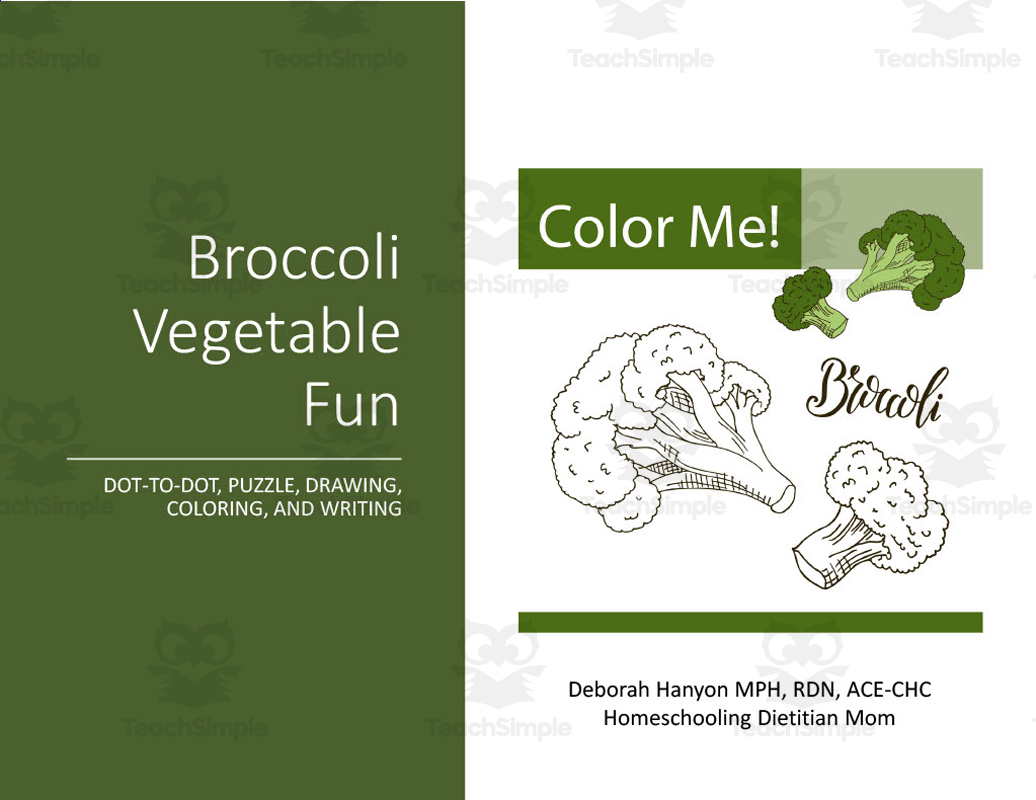
Spiders, scientifically known as "arachnids," are fascinating to many people, especially kids. And there are so many different kinds. I learned a lot while creating this reading comprehension activities pack. Kids will read the article (link provided to the article inside product) and answer the questions. Many of the questions are fill in the blank, some are multiple choice, some true/false. There are also multiple essay question, writing prompts. And a bonus section for motivated students to look at what the Bible says about living things. Students will be given the opportunity to choose which side they are on regarding evolution vs creation, without judgment. They will be required to research and support the side they choose in their essays. Answer keys are included for the objective questions. The product is simple: 31 questions, including multiple choice, true/false, plus two short writing prompt type questions, one of which is partly subjective, but requires a thoughtful answer. Extra credit questions are included. 33 vocabulary words - can be used to increase student comprehension, increase scientific vocabulary, and can be used for alphabetizing and/or spelling tests. 8 Bible verse references - Bible as literature is an allowed subject in the public schools. Also, just looking up verses and drawing your own conclusions should align with standards. This activity is optional, of course. One bonus activity for students to write their thoughts on the 8 Bible verses. Two essay questions, one considered a "challenge." Can be used for extra motivated students or students who are trying to improve their grade. Of course, any writing a student does will build your writing fluency, especially when writing is done in a variety of fields, including, science, history, literature, etc. Answer keys for objective questions. My products are never grade specific, because students are at different levels even when they are at he same grade level in school. Probably 4th through high school would be the most appropriate. Product is downloadable, printable pdf.
Author Homeschooling Dietitian Mom
Tags Reading Comprehension Assessment, Reading Comprehension, Biology Projects, Guided Reading Activity, Science Projects, Inferencing Activities, Reading Strategies, Short Writing Prompts, Basic Science Lesson Plans
Short O: Letters Phonics Games and Activities - MemWord
ELA, Language Development, ESL, Resources for Teachers, Vocabulary, Phonics, Pre-Reading, Spelling, Kindergarten, Preschool, Grade 1, Teacher Tools, Games, Activities
Short O: MemWord Note: This download is in PowerPoint show mode to protect the rights of the image creator(s), and is thus UNEDITABLE. Playing the Game First you have time to review - if necessary. Press the arrow for the letters to drop down. 10 letters with numbers ( number of words in the sequence ) appear at the top. Pressing any of these will start a sequence (pictures flashing) that upon finishing, students must repeat. Starts from A (easy) and ends in J (hard). 5 stages starting from 4 pictures and ending in 7. Press the arrow in the bottom right corner to go onto the next round. About the Game This game is a great way to practice long I and gives the teacher complete control over the difficulty and game time. With ample time to review each picture, the speed of the game will offer a different kind of challenge. Each student will be able to practice the 17 words and most are repeated more than once throughout. 50 variations (rounds). Practice Short O Words: pot, rock, sock, dog, hot, clock, mop, stop, cog, rod, lock, block, dot, fox, fog, box, cop, spot Picture Style: Clipart Features some sound effects for entertainment purposes. Helps to Build Letter recognition – Identifying letters in different fonts or contexts. Letter-sound association – Connecting letters to its sounds. Vocabulary building – Introducing words that start with each letter. Phonemic awareness – Listening for letter sounds in words, rhyming, or segmenting sounds. FULL CATALOG OF DOWNLOAD LINKS HERE Letter PPT Game Links: Letter A Hidden Pictures 1 MemWord Hidden Pictures 2 Hidden Pictures 3 The Short Question Riddle Time Review Games Follow the Vocab Letter B Letter C Letter D Letter E Hidden Pictures 1 The Grand Circle 8 Pictures 1 Clue Behind the Garage Doors Outside the Submarine Two Review Games Say What You See Quiz Game Letter F Letter G Letter H Letter I Hidden Pictures 1 MemWord Three Review Games Three Quiz Show Style Games Find the Ball Bowling Four Mini Games Outside the Train Window Letter J Letter K Letter L Letter M Letter N Letter O Hidden Pictures 1 MemWord Yes or No Game Six Pictures Game Hidden Pictures 2 6 Stars One Question MCQS Game The Grid Letter P Letter Q Letter R Letter S Letter T Letter U Letter V Letter W Letter X Letter Y Letter Z Overview These interactive PowerPoint games make early phonics practice fun and engaging for young learners. With a mix of exciting activities, kids stay motivated while strengthening key phonetic patterns. Each game offers plenty of opportunities for participation—whether playing in teams, one-on-one, or independently. The variety of game styles, from disappearing squares to timed challenges, ensures that every student can learn in a way that works best for them. Bright visuals, sound effects, and gradually increasing difficulty keep students engaged and support different skill levels. Teachers have full control over the pacing and difficulty, making it easy to adjust the experience based on their students' needs. Whether guessing hidden images, recalling sequences, or solving riddles, each activity reinforces phonics in a fun, interactive way. These games turn traditional phonics drills into an exciting, hands-on learning adventure, building confidence and essential literacy skills in young learners. For More Like This For similar downloads and other frees, do check out Cored Group on TeachSimple.
Author Cored Education
Tags Esl, Powerpoint, Ppt, Powerpoint Games, Esl Games, Vocabulary Games, Phonics Games, Letter O Games, Letter O Activities, Cvc Games
Reading Comprehension and Questions Fiction Set 5 - Sports (Docs)
ELA, Reading, Common Core, ESL, Language Development, Spelling, Vocabulary, Reading Comprehension, Writing, Resources for Teachers, Grade 4, 5, Worksheets & Printables, Worksheets, Writing Prompts, Centers, Activities
Reading Comprehension Passages Fiction Set 5 Overview No prep reading comprehension lessons, with enjoyable stories and topics. Each lesson has a blend of post-reading activities. Mixed questions to check overall understanding. Vocabulary activities, plus a writing section. Lessons also contain a bonus extension exercise at the end. Some you may like, some you may not, either way they are there if you wish to use them. Full answer keys are provided. Passages Include 1.Olympics: Lauren and her class get excited when talking about the Olympics. 2.Tryouts: Max is getting himself ready for the basketball tryouts. 3.Big Brienne: Kitty has the game of her life against Big Brienne. 4.A Skate on the Lake: Aimee has a nice evening at the lake with her dad and friends. 5.Baseball Boy: Mitch goes to watch the Chicago Hitters. Read about his day. 6.Running: An informative, yet light piece about running. Docs Version This is the Docs editable and fillable version. This download is available in GOOGLE Docs, GOOGLE Forms, GOOGLE Slides. PDF, PPT, WORD. Browse the Complete Cored Catalog — 2,000+ Resources Included Reading Passages Each reading passage has been written specifically for students in Grades 4–5, using vocabulary and language that match their age and ability level. The collection covers a wide range of engaging topics, supported by colorful visuals that help bring the content to life. Every lesson is designed to build knowledge while keeping students interested and motivated to read. These resources are also designed with flexibility in mind. Unlike traditional textbooks that can quickly become outdated, lessons can be updated over time to reflect changes in technology, discoveries, and the world around us. Mixed Questions Every lesson includes a variety of questions that help students think more deeply about what they have read. The question section combines reading comprehension, vocabulary, and math skills, while also regularly reinforcing important reading strategies such as cause and effect, summarizing, compare and contrast, and drawing conclusions. Most lessons include a mix of multiple-choice and written-response questions, giving students opportunities to explain their thinking as well as select answers. Complete answer keys and sample responses are provided at the end of each lesson for quick and easy reference. Spelling & Vocabulary Each passage introduces students to useful words and phrases appropriate for Grades 4–5. To help build confidence and word knowledge, every lesson includes a spelling or vocabulary activity. Rather than repeating the same task throughout the collection, activities vary from lesson to lesson to keep practice fresh and engaging. Activities may include spelling challenges, sentence matching, decoding activities, mixed-up text exercises, and other vocabulary-building tasks connected directly to the reading. Writing Prompts Each lesson includes a writing activity that extends the ideas, themes, or topics explored in the passage. Students are encouraged to write in a variety of formats, with prompts providing helpful guidance and ideas to get them started. Writing tasks vary throughout the collection and may include creative writing, research activities, personal responses, poetry, opinion writing, and other engaging assignments. Full Answer Keys Complete answer keys and sample responses are included with every lesson, making planning and marking quicker and easier. Reading comprehension answers include evidence and support from the text, while math-based questions show the relevant working where appropriate. The answer keys are designed primarily for teachers but can also be shared with students when needed. Just for Fun Each lesson finishes with an optional extension activity called Just for Fun . These bonus activities provide an enjoyable way to extend learning beyond the main lesson and often encourage creativity, discussion, or independent thinking. They are completely optional, giving you the flexibility to use the activities that best suit your students and classroom needs. For similar downloads and other frees, do check out Cored Group on TeachSimple.
Author Cored Education
Rating
Tags Elementary, Reading, Comprehension, Vocabulary, Answers, Common Core, Spelling, Writing, Digital Centers, Vocabulary Assessments
Waves, Light, Imaging: SAMPLE Physical Science Reading (PDF)
Science, ELA, Reading, Reading Comprehension, Strategies, Resources for Teachers, Physics, Grade 6, 7, 8, 9, Writing Prompts, Worksheets & Printables, Centers, Activities, Teacher Tools, Assessments, Quizzes and Tests, Quizzes, Tests
This is a ONE PASSAGE SAMPLE. The following is the description of the FULL resource and the downloading links: Waves, Light, Imaging: Physical Science Reading Comprehension Passages and Questions (PDF) This very engaging collection of physical science reading passages about Waves, Light, and Imaging is designed to bridge the gap between science and literacy through strengthening reading comprehension and sparking scientific curiosity in middle school students. Each passage blends English Language Arts skills with accurate science content that supports NGSS classroom practice. Ideal for interdisciplinary learning in ELA and Science. Suitable for Grade 9 review, too! What Is Included? There are (3) informational passages: How Sound Travels: Sound starts with a vibration that squeezes and stretches nearby matter, sending a wave through air, water, or solid material. The ear and brain team up to turn those moving pressures into the pitch and loudness we hear, which is why sound needs a medium. Seeing Color: Reflection, Absorption, Refraction: Color shows up only when light hits an object and some wavelengths bounce back to the eye. Materials reflect, absorb, or bend light differently, so a prism, a black backpack, or even dim lighting can change what we see. Cameras: From Dark Rooms to Smartphones: A simple darkened box with a tiny opening once projected faint, upside-down scenes onto a wall. Adding lenses, mirrors, film, and later digital sensors turned that idea into cameras for art, news, and everyday life, ending with phones that can snap and share in seconds. Student Tasks for Each Passage: 5 multiple-choice questions targeting main idea, key details, inference, vocabulary in context, and use of evidence 5 vocabulary matching items with clear, student-friendly definitions 5 text-based questions that require citing specific lines or facts 1 summary prompt that asks students to condense central ideas accurately Full answer key for every section Available Formats for this Resource Word Docs Google Docs FULL CATALOG OF DOWNLOADING LINKS HERE Other Science Reading Collections and Topics You May Find in the Store: 1. Astronomy & Space Science 2. Volcanoes, Rocks, & Mountains 3. Rock Cycle, Soil, & Sinkholes 4. Mars, Glaciers, & Antarctica 5. Water Cycle, Acid Rain, & Wastewater 6. Insects, Animals, & Ecosystems 7. Bioluminescence & Insects 8. Animal Skin, Cats, & T. Rex 9. Human Body and Senses 10. Health & Applied Bioscience 11. Waves, Light, & Imaging 12. Electricity & Energy 13. Motion & Materials 14. Chemistry and Materials Science 15. Electromagnetism 16. Acids and Bases 17. Gas Laws 18. Biotechnology 19. Periodic Trends 20. Protists and Fungi 21. Microevolution 22. Blood 23. Chemical Bonding 24. Magnets 25. Muscles 26. Nuclear Chemistry 27. Electromagnetic Devices 28. Epigenetics 29. The Law of Conservation of Mass 30. Atomic Models 31. Isotopes and Ions 32. Light 33. Human-Environment Interaction 34. Theory of Evolution 35. Photosynthesis 36. Origins of Life and Early Earth 37. Gene Expression and Regulation 38. Thermochemistry 39. Allergies 40. Coevolution 41. Birth to Adulthood 42. Cells 43. Entropy and Free Energy 44. The Human Brain 45. Mixtures and Solutions 46. Invertebrates 47. Zoo Animals 48. Biochemistry 49. Animal Behavior 50. Population Ecology ...and many more engaging science reading passages that cover intriguing and important topics designed to spark curiosity and support student learning. Product Details Length: 14 pages total Grades: 6–8, also suitable for Grade 9 review Use cases: close reading, stations, homework, intervention, test prep, and sub plans Standards support: reinforces informational-text skills and supports NGSS-style sense making through observation, modeling, and clear use of claim, evidence, and reasoning Why Teachers Choose This Set Authentic science content paired with rigorous literacy practice Consistent task structure across all passages for easier planning and smoother student routines Clear, age-appropriate writing that builds confidence without oversimplifying Use this set to reinforce ELA skills in science, to add literacy to your lessons, or to support independent work. The passages strengthen main idea, evidence use, vocabulary in context, inference, cause and effect, and summary writing. With ready-to-use assessments and complete answer keys, you can provide focused practice that is simple to run and fast to review.
Author Middle & High School - CORED Education
Rating
Tags Middle School, Reading Comprehension, Reading Strategies, ELA, Centers, Reading Passage, Assessments, Vocabulary, Physical Science, Physics
Guided Reading Level K - Using Your 5 Senses (with Lesson Plan)
ELA, Resources for Teachers, Reading Comprehension, Reading, Pre-Reading, Language Development, Human Body, Life Sciences, Science, Vocabulary, Grade 1, 2, 3, Worksheets & Printables, Worksheets, Teacher Tools, Centers, Activities, Literacy Readers, Quizzes, Quizzes and Tests, Assessments
This Guided Reading Book - Using Your 5 Senses (Level K) with lesson plan includes: Guided Reading Color Label (front cover x1) This is a quick way to match the book’s demands to what students can generally handle.. The overall goal is to use the level/color to pick books for several smaller groups. To qualify for a certain level, a student is expected to read a book from that level with about 90–94% accuracy. If a student is consistently accurate and understands, move up a level. If the student is struggling at that level, drop down and add more support. Each student will improve at completely different rates, but it is generally one of the best ways to check progress across the class. DOWNLOAD THE CATALOG TO VIEW ALL GUIDED READING BOOKS AVAILABLE (SORTED LEVELS A-Z) Pre-Reading Question (x1) Teacher asks the prompt aloud, can be while showing the cover or first page. Students share what they already know, or make educated guesses from the cover. Prompt them to use the target vocabulary. Write some of their responses on the board to look back at during the reading. Vocabulary Words (x5) Introduce the five words, best doing it one at a time. Start by saying it, while students repeat and then see if anyone knows what it means before reading further. Read through the meaning and try to briefly connect each word to a picture or gesture so it’s meaningful. Ask students to flip through the book pages and point to where they see each of the vocabulary words. While reading the book pause upon coming across one of the vocab words or read the sentence twice to make sure students understand the word has appeared. Optional: Ask students to raise hands whenever they see/hear one of the new words. Guided Reading Pages (x10) Check the book snapshot (below) for: primary topic - do you need to prep extra reading or intro materials on this? what is taught best - decide on 1-2 bullets to focus on, use the prompt or words provided here for best results. learning goals - what you are checking for students to be able to do after the session, elicit answers using prompts or words provided. key vocabulary (see section above). questions overview - so you know what is coming up and if you need to prep extra materials to assist understanding. Run the lesson You may have already looked at a few of the pages together, but you can show them some of the pictures again first to set meaning. Depending on how much time you have and how familiar your students are with guided reading class, you may want to read the book aloud first with the group first. Students whisper or partner read, while you listen in. If time, do it as a group, one student reading a page each. Use the guided page’s prompts to coach: “Check the picture / does it make sense?” “Point under the words / try the first sound” “Reread the sentence smoothly”. Try to focus more on one student per session (rotating every time), so you can work out if they are ready to move up or need to move down a level. Comprehension Questions (back cover x3) This is your way to check that students didn’t just say the words, but actually understood the text. First, let students answer by pointing to the page/picture and saying a short sentence. After any answer, follow with: “Show me where you found that in the text.” In bigger groups, have partners answer first (10–20 seconds), then call on 2–3 students to share. Differentiation tips: Emerging speakers/struggling readers: oral + pointing On-level: oral in a full sentence Higher: one written sentence or draw + label Book Snapshot Title: Using Your 5 Senses Genre: Nonfiction (informational) Subject: Science (Human Body) / Reading Primary Topic: Using senses to gather clues and understand Estimated Guided Reading Level (A–Z): K What This Book Teaches Best How to observe like a detective by starting with a question and looking for an answer. How sight can gather evidence by noticing details like footprints and tiny clues. How hearing can provide information (like movement nearby) even when you can’t see. How smell, touch, and taste each give different kinds of information about the world. How thinking and logic connect clues “like pieces of a puzzle” to understand what happened. Learning Goals Students will explain how asking questions helps begin solving a mystery. Students will identify what sight, hearing, smell, touch, and taste can tell a person, using details from the text. Students will describe how a magnifying glass helps the eyes see “tiny details.” Students will explain how hearing can give information about something moving nearby. Students will describe how logic helps connect clues to make a clear picture of what happened. Key Vocabulary From the Text detective — a person who looks for clues to solve. evidence — facts or clues that show what happened. magnifying — making something look bigger to see details. rhythmic — having a steady, repeating beat or pattern. observation — watching carefully and noticing details. Discussion Prompts Pre-reading question: How can your senses help you find clues about the world? Comprehension questions: What does the book say sight helps you learn from a single footprint? How can hearing tell a detective something is moving nearby? According to the book, why are the five senses “keys to understanding the world”? Printing Tips 1. Best Printing Method (Recommended) “Booklet” Printing (Best if Available) If your printer or PDF viewer supports Booklet Printing , use this. Settings to use: Print mode: Booklet Paper size: Letter or A4 (either works) Orientation: Landscape Print on both sides: Yes Flip on: Short edge Scaling: Fit to printable area Booklet subset: First test: Front sides only Then: Back sides only This will automatically: Pair pages correctly Put the cover on the outside Align everything for folding After printing, fold in half and staple along the spine . 2. If “Booklet” Printing Is NOT Available You can still print this correctly with manual duplex printing . Step-by-step: Open the PDF. Choose Print . Set: Orientation: Landscape Pages per sheet: 1 Print on both sides: Yes Flip on: Short edge Print all pages . Because each PDF page already contains two facing book pages, the result will still fold cleanly into a book. Thousands of Cored Education products are included with your TeachSimple membership. Download links and encyclopedia index available here.
Author Cored Education
Rating
Tags Reading Comprehension, Reading Passages, Reading, Guided Reading, Guided Reading Lesson Plan, Guided Reading Activity, Pre-reading, Vocabulary, Life Science, Human Body
Earth Science Reading Comprehension Passage: The Rock Cycle (Word)
Science, ELA, Reading, Reading Comprehension, Strategies, Resources for Teachers, Earth and Environmental Sciences, Earth Sciences, Grade 6, 7, 8, 9, Writing Prompts, Worksheets & Printables, Centers, Activities, Teacher Tools, Assessments, Quizzes and Tests, Quizzes, Tests
Science Reading Comprehension Passages and Questions: The Rock Cycle (Word) This very engaging earth science reading passage about The Rock Cycle is designed to bridge the gap between science and literacy through strengthening reading comprehension and sparking scientific curiosity in middle school students. The passage blends English Language Arts skills with accurate science content that supports NGSS classroom practice. Ideal for interdisciplinary learning in ELA and Science. Suitable for Grade 9 review, too! Student Tasks for The Passage: 5 multiple-choice questions targeting main idea, key details, inference, vocabulary in context, and use of evidence 5 vocabulary matching items with clear, student-friendly definitions 5 text-based questions that require citing specific lines or facts 1 summary prompt that asks students to condense central ideas accurately Full answer key for every section Available Formats for this Resource PDF Fillable PDF Google Docs FULL CATALOG OF DOWNLOADING LINKS HERE Product Details Length: 5 pages total Grades: 6–8, also suitable for Grade 9 review Use cases: close reading, stations, homework, intervention, test prep, and sub plans Standards support: reinforces informational-text skills and supports NGSS-style sense making through observation, modeling, and clear use of claim, evidence, and reasoning Why Teachers Choose This Set Authentic science content paired with rigorous literacy practice Consistent task structure across all passages for easier planning and smoother student routines Clear, age-appropriate writing that builds confidence without oversimplifying Other Science Reading Collections you May find in the store: 1. Astronomy & Space Science 2. Volcanoes, Rocks, & Mountains 3. Rock Cycle, Soil, & Sinkholes 4. Mars, Glaciers, & Antarctica 5. Water Cycle, Acid Rain, & Wastewater 6. Insects, Animals, & Ecosystems 7. Bioluminescence & Insects 8. Animal Skin, Cats, & T. Rex 9. Human Body and Senses 10. Health & Applied Bioscience 11. Waves, Light, & Imaging 12. Electricity & Energy 13. Motion & Materials 14. Chemistry and Materials Science Use this set to reinforce ELA skills in science, to add literacy to your lessons, and to support independent work. The passages strengthen main idea, evidence use, vocabulary in context, inference, cause and effect, and summary writing. With ready-to-use assessments and complete answer keys, you can provide focused practice that is simple to run and fast to review.
Author Middle & High School - CORED Education
Rating
Tags Middle School, Reading Comprehension, Reading Strategies, ELA, Centers, Reading Passage, Assessments, Vocabulary, Environmental Science, Earth Science