
Multiplication Squares (1-6) Game
A 2-4 player dice game where students multiply two rolled numbers (1-6) and claim board squares by that product, practicing 1-6 multiplication facts.




25,434 resources
Explore sub-categories
12 sub-categories · 25,434 resources
A 2-4 player dice game where students multiply two rolled numbers (1-6) and claim board squares by that product, practicing 1-6 multiplication facts.
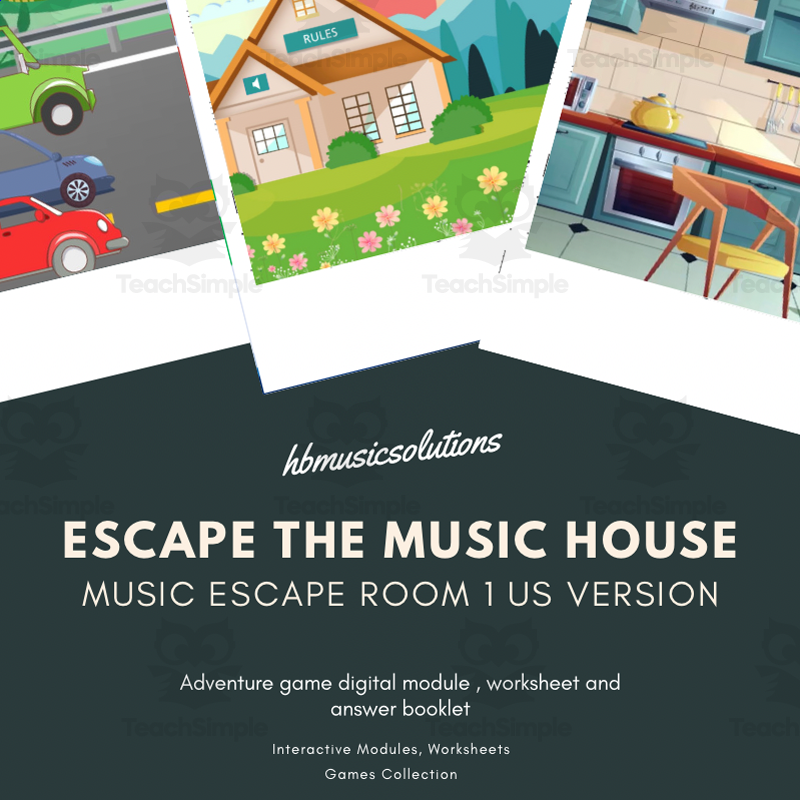
Interactive escape-room activity for practicing reading treble-clef music notation.
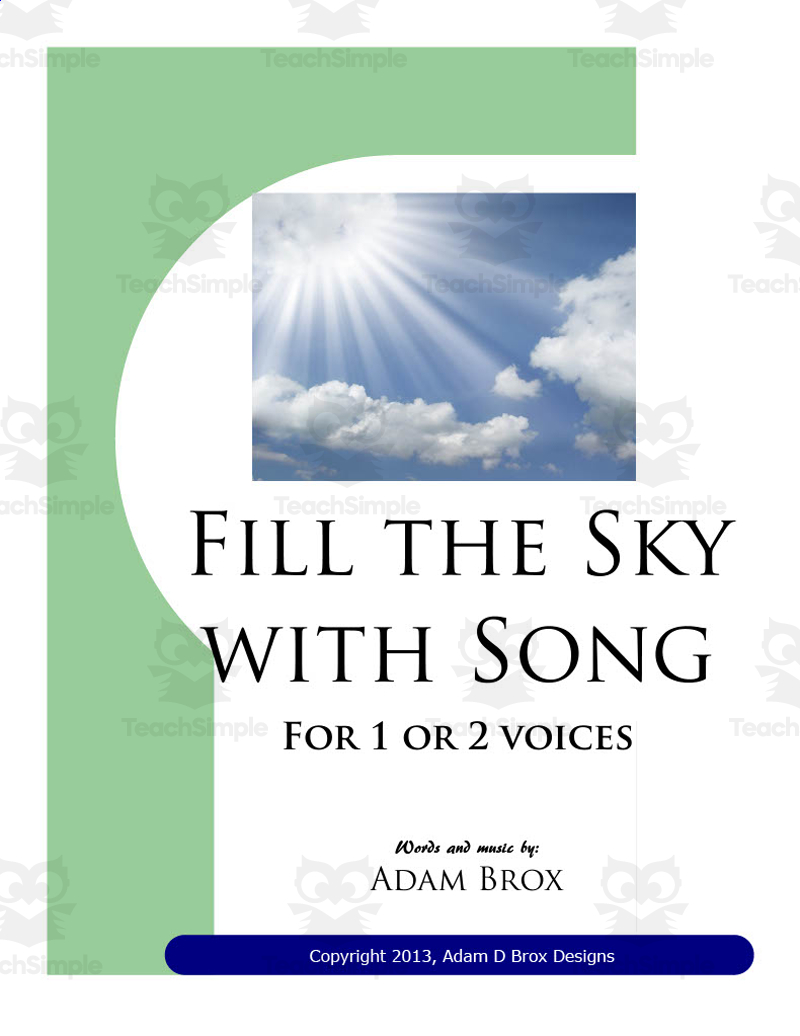
Provide printable choral sheet music (lyrics plus musical notation) for elementary voices to learn and perform a song about singing together and unity.
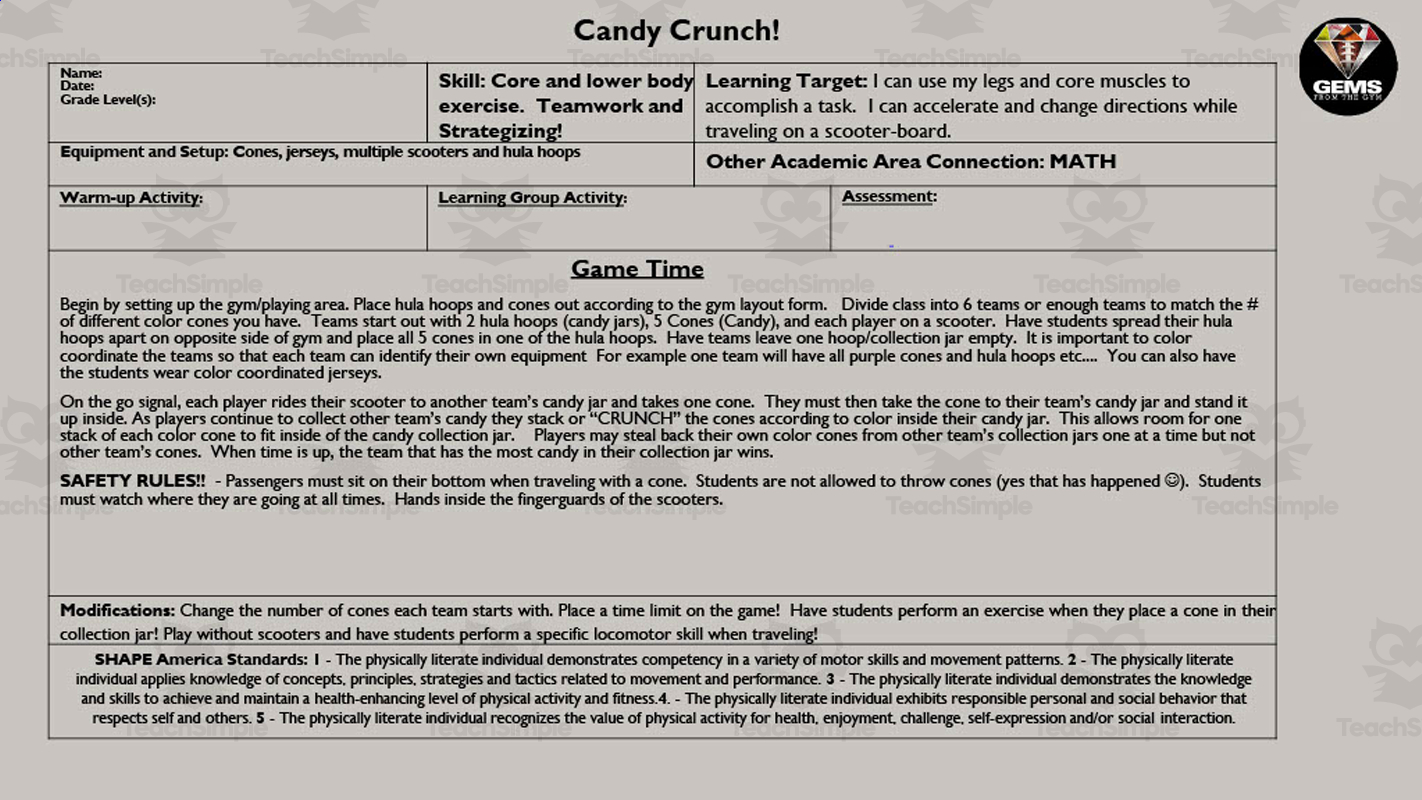
PE lesson plan for a scooter-board team relay/tag game building core and lower-body strength, teamwork, and strategy skills.
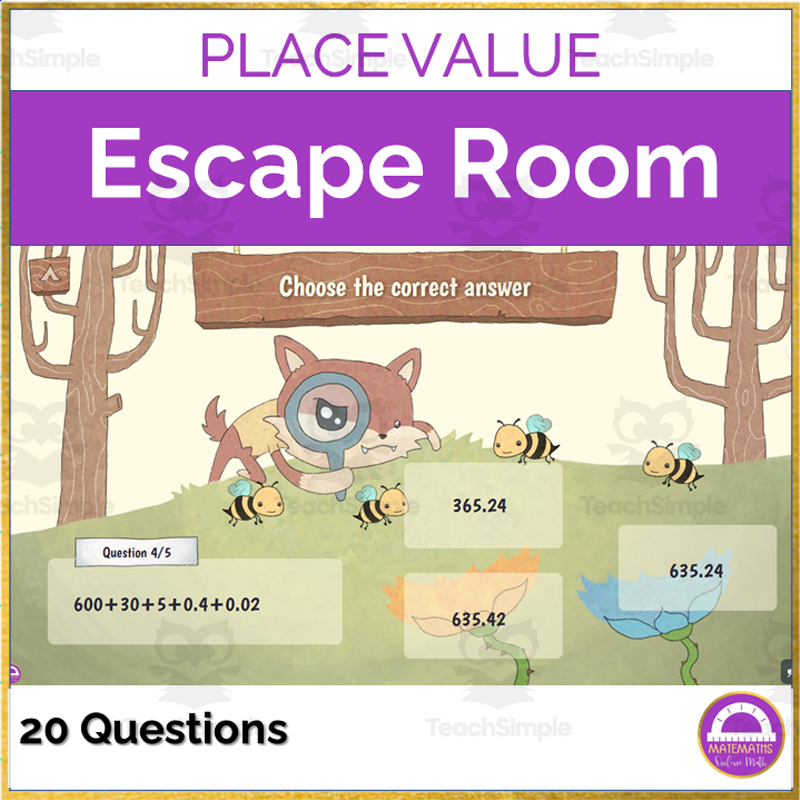
Practice converting expanded-form decimal place value expressions into standard five-digit decimal numbers; also links students to an external interactive digital escape room platform.
Provide preschool/kindergarten teachers a curated list of magic-themed activity ideas spanning arts & crafts, science, games, songs, cooking, and field trips for a 'magic' unit.
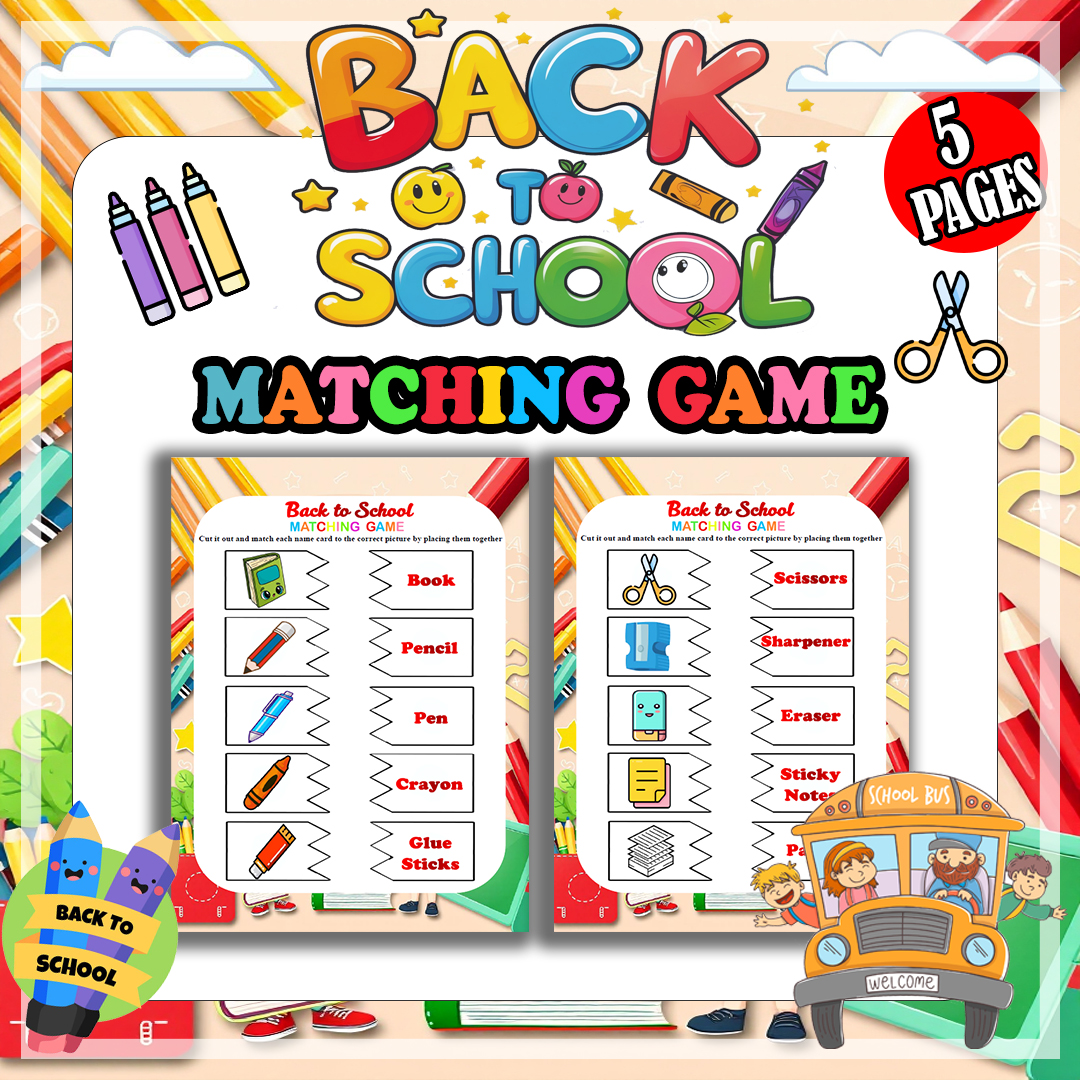
Teach the names of classroom supplies and school-related vocabulary to young learners, including English language learners, through a picture/word matching game.
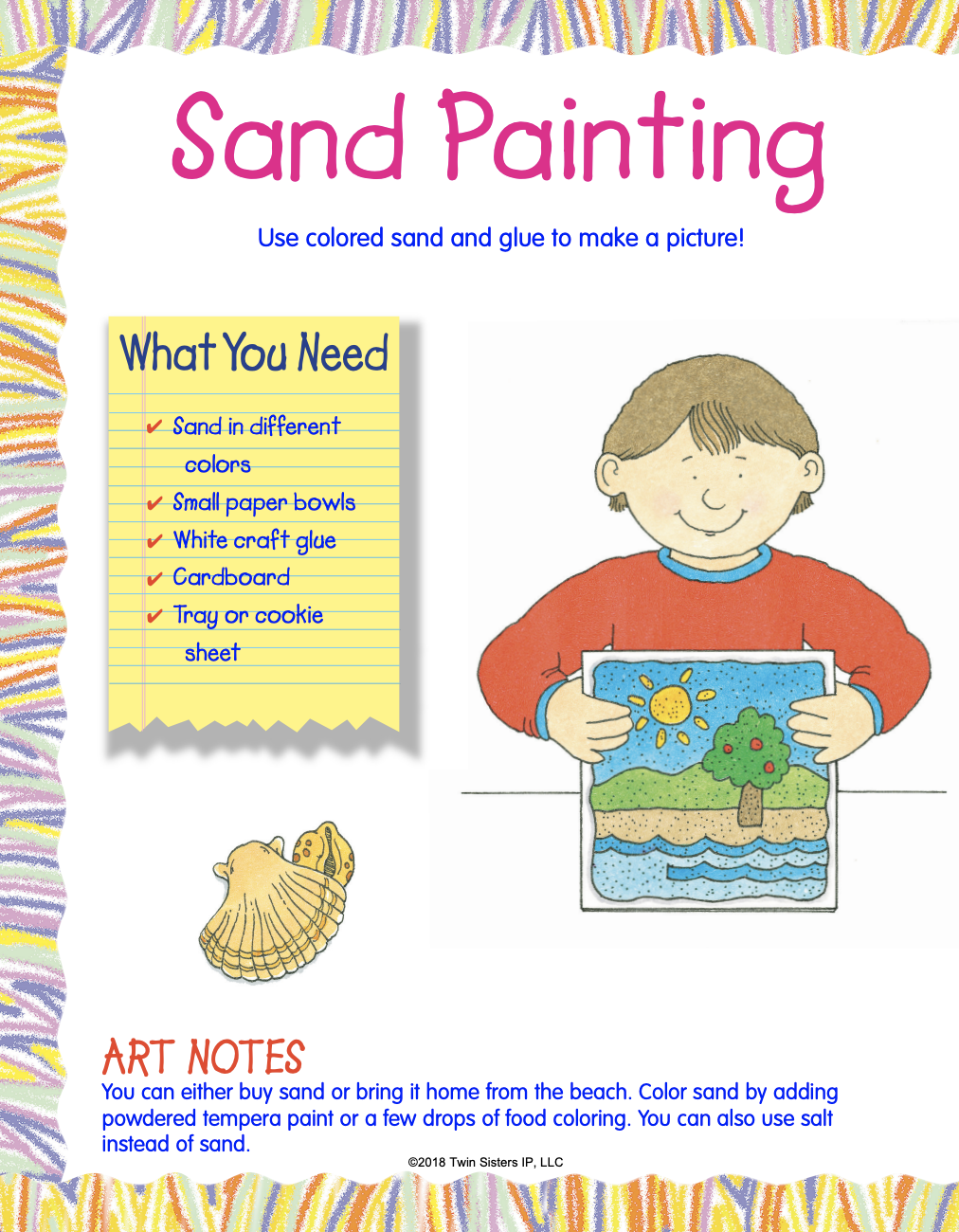
Guide young children through hands-on arts and crafts projects (sand painting, paper-strip sculpture, treasure box) with step-by-step instructions and related extension ideas.
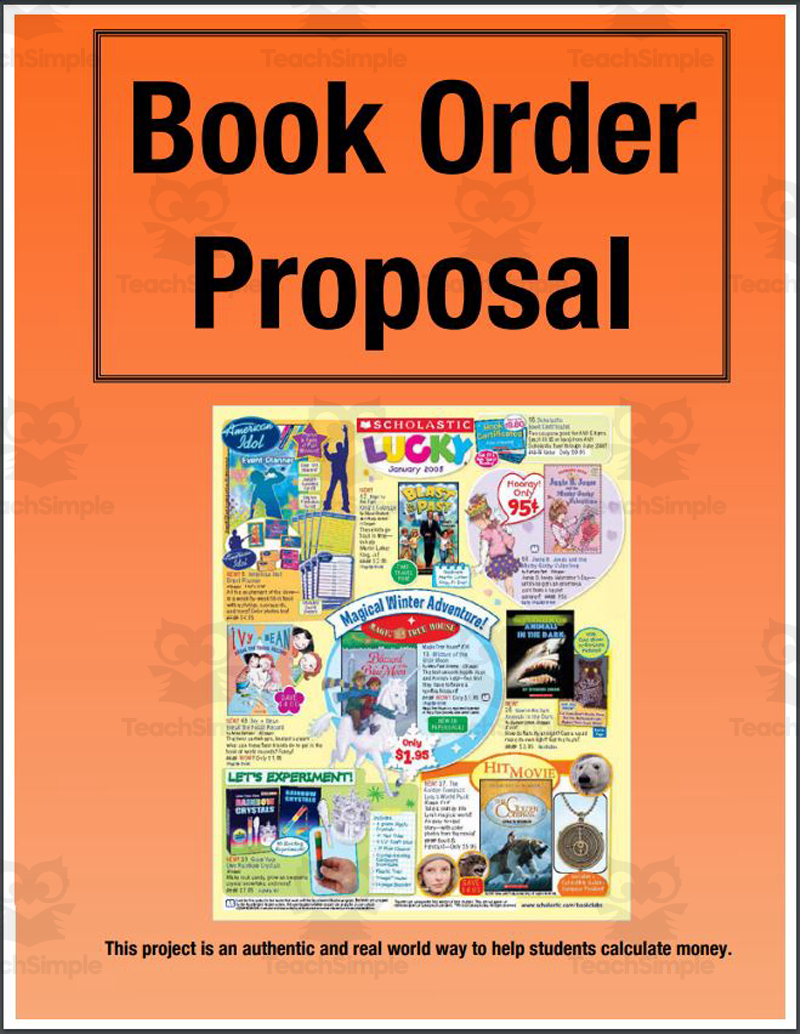
A multi-day real-world math project in which students practice adding decimals/money by proposing a classroom library book order within a budget.

A literacy-center activity where students read decodable sentences containing -ab word family words and match each sentence to its corresponding picture card.
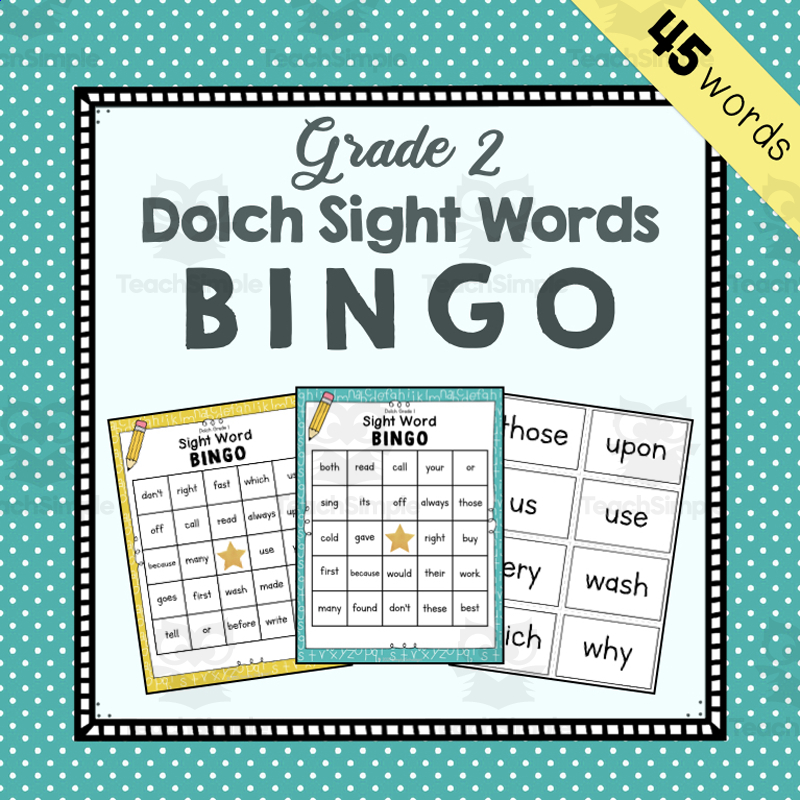
Build second-grade Dolch sight-word recognition through a bingo game using the 45-word Grade 2 Dolch word list.

A blank, editable Jeopardy-style game show template teachers can fill in with their own review categories, questions, and answers for a whole-class or team review game.
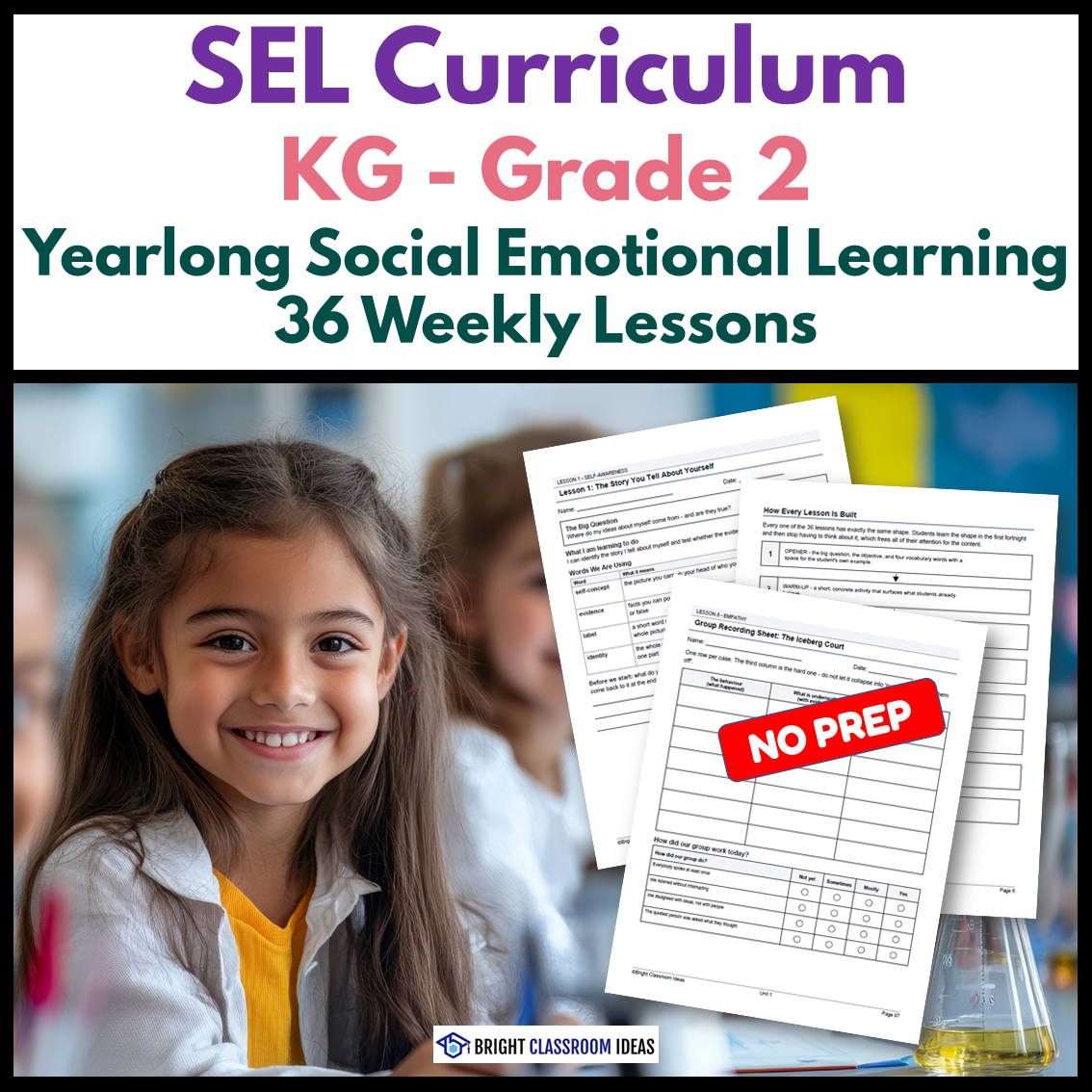
A complete 36-week, scripted Social-Emotional Learning curriculum for Grades K-2, organized into 4 units of 9 weekly lessons each, covering feelings, friendship, sharing, kindness, respect, listening, self-control, asking for help, problem solving, gratitude, growth mindset, and safety.
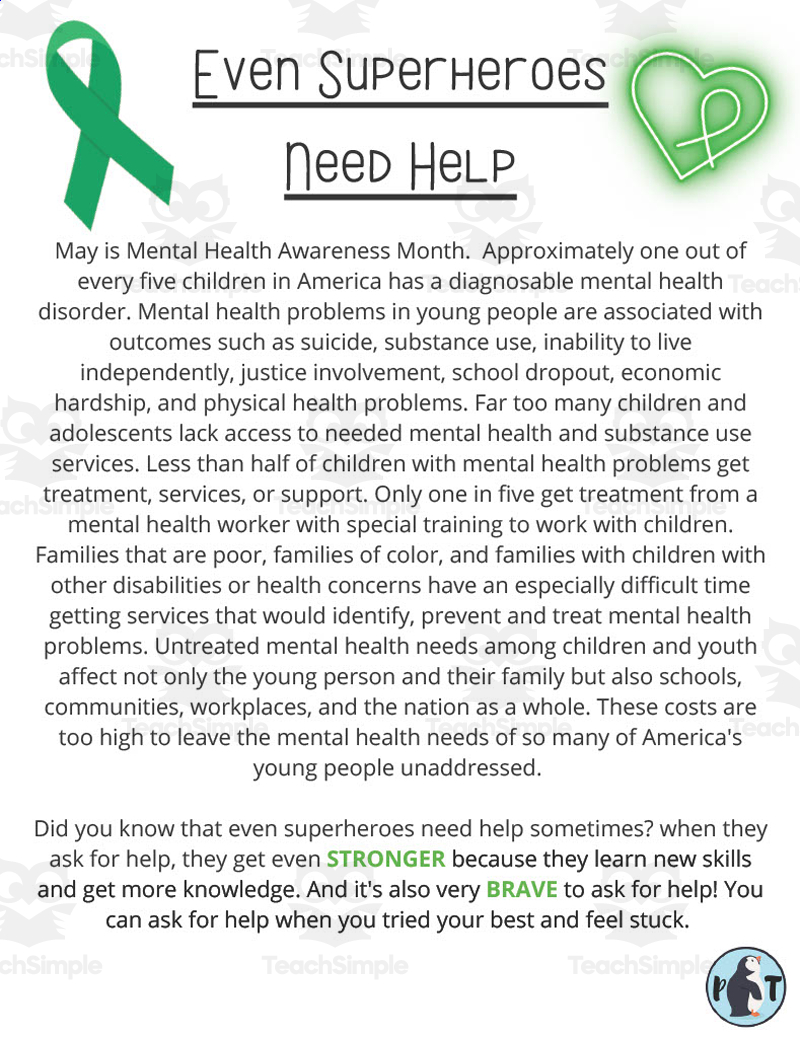
Teach students that it is okay and brave to ask for help when struggling with big feelings, using a superhero theme and a read-aloud mentor text as a launch point for a discussion and craft activity
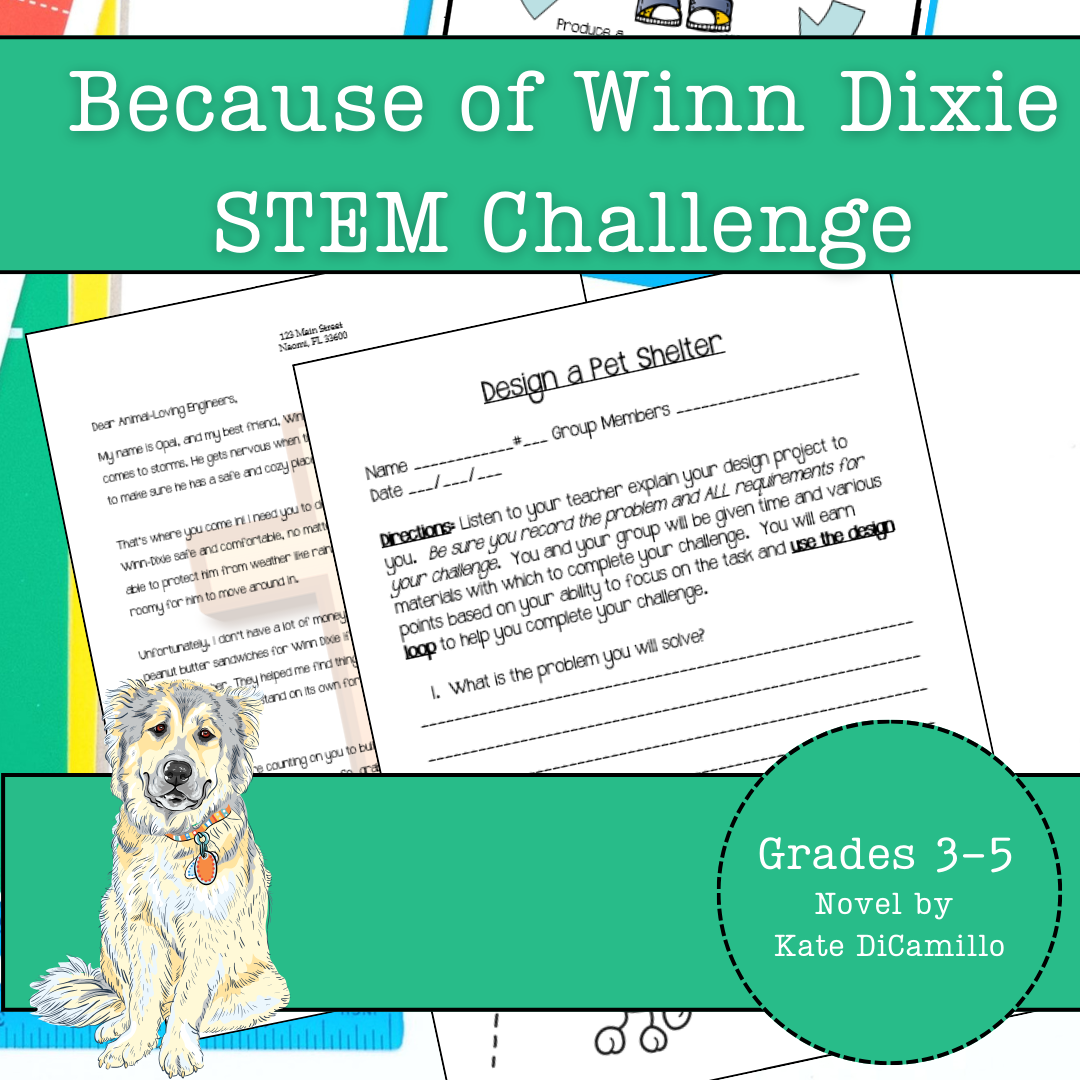
A STEM design-challenge project connected to the novel Because of Winn-Dixie, in which students engineer a pet-friendly shelter for the character Winn-Dixie using the engineering design loop.

Put scientific-method ideas into practice by comparing how much water different paper towels absorb. Students plan a controlled comparison, record measurements, calculate averages and use a graph to support their conclusion. Student notes and matched completed slides introduce variables and hypotheses beforehand, while an extension sheet suggests changing the liquid or measuring absorption time for a later investigation.
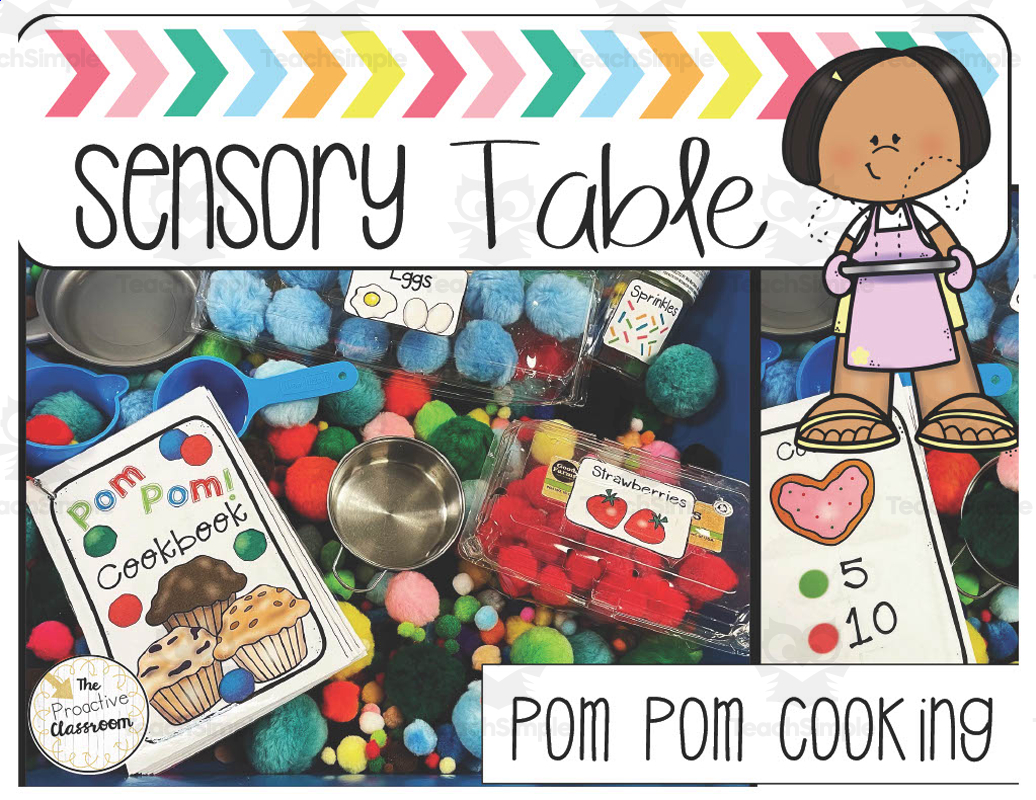
A pretend-cooking sensory table center that integrates language arts and math practice (counting, sorting by size/color, measuring volume, fine motor skills) through a cookbook of recipes made with pom poms.
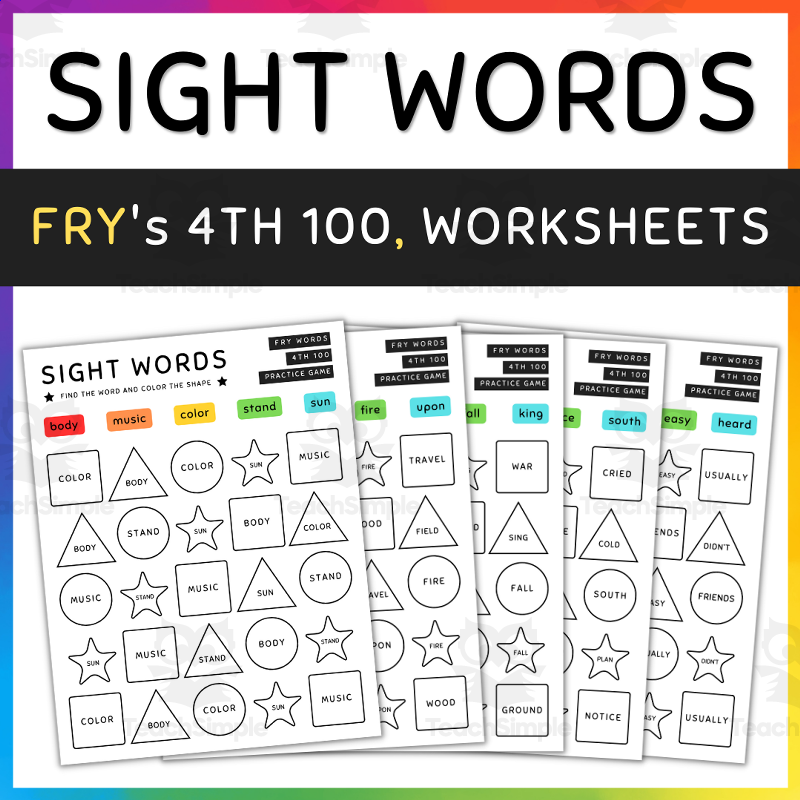
Practice recognizing a specific Fry high-frequency sight-word list through a color-by-word matching game.

A set of bingo cards using the first 100 Fry sight words, for practicing high-frequency word recognition through a bingo game.

A bundle of community-helpers resources for a social studies unit: a differentiated emergent reader, a journal/activity workbook, and stick-puppet craft templates.
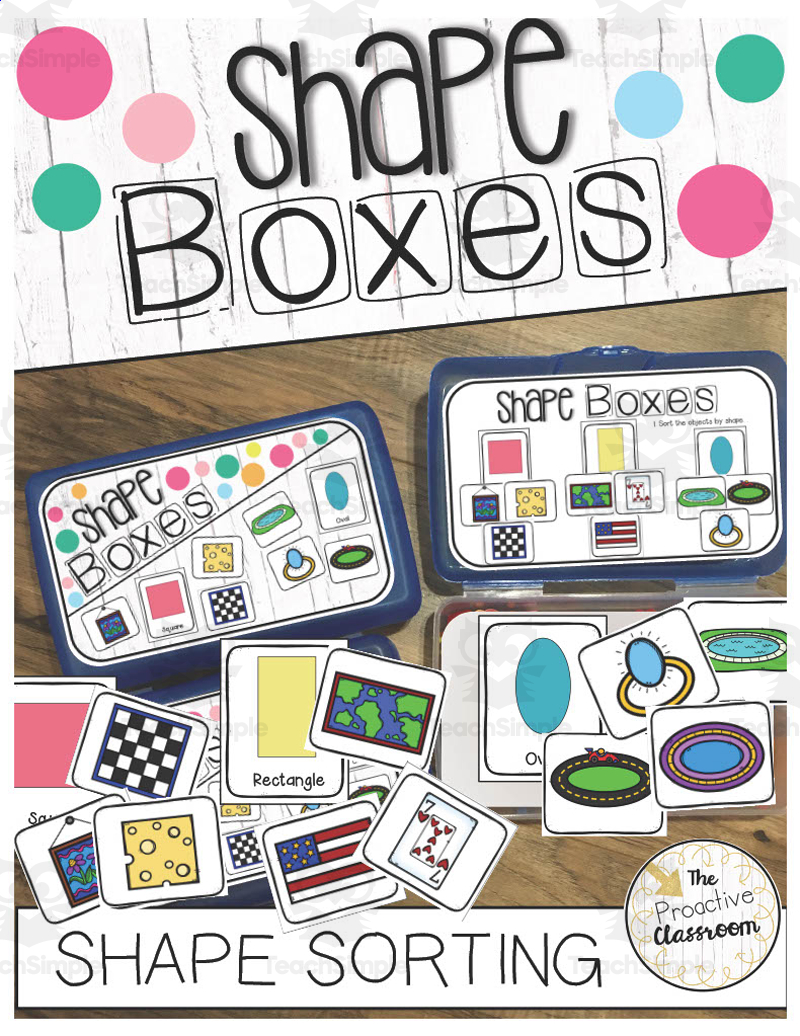
Real-life-photo shape-sorting math center to deepen understanding of 2D (plane) shapes.
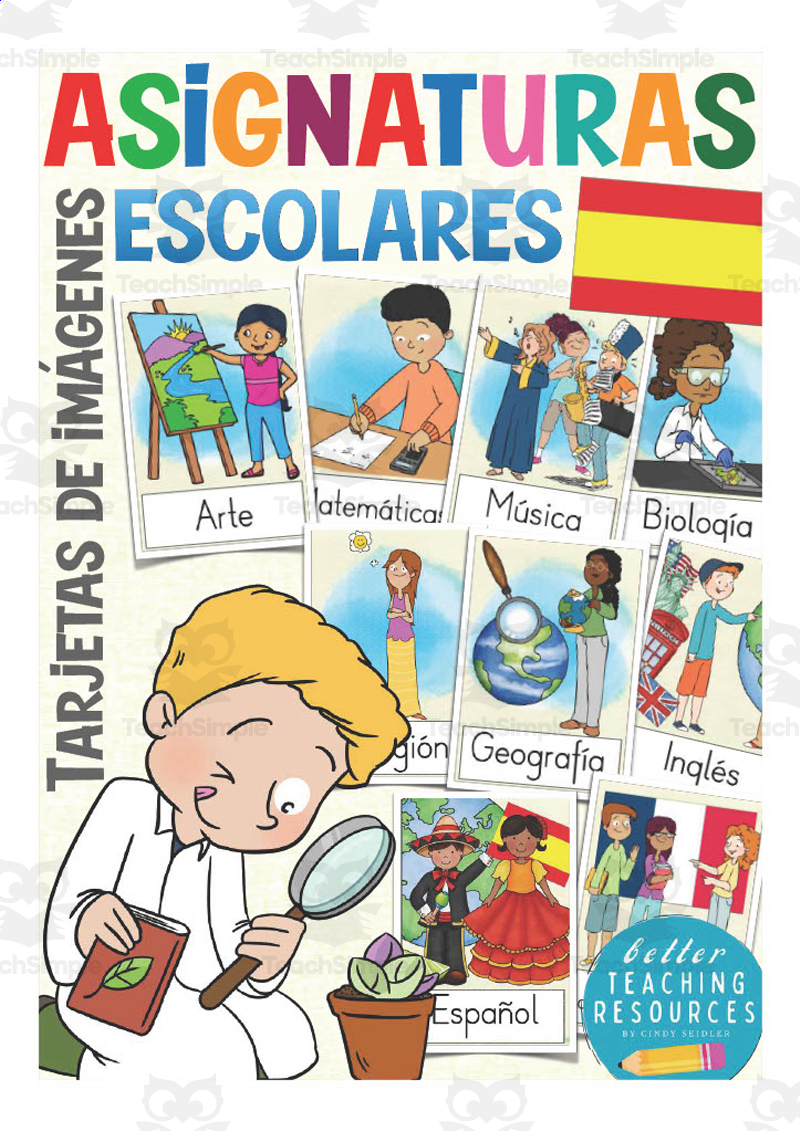
A set of Spanish vocabulary flashcards covering school-subject names, one term per card/page, for vocabulary building and phonetic/creative-language practice.
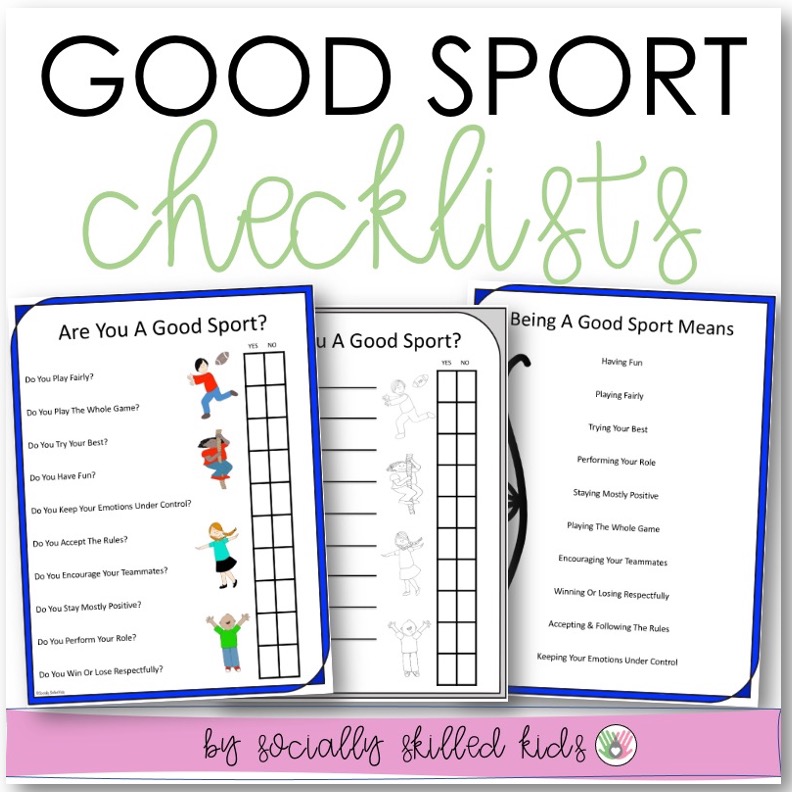
A set of differentiated self/teacher checklists that let students reflect on whether they demonstrated specific 'good sport' behaviors (playing fairly, trying their best, having fun, keeping emotions under control, accepting rules, encouraging teammates, staying positive, performing their role, and winning/losing respectfully) before and after games or…
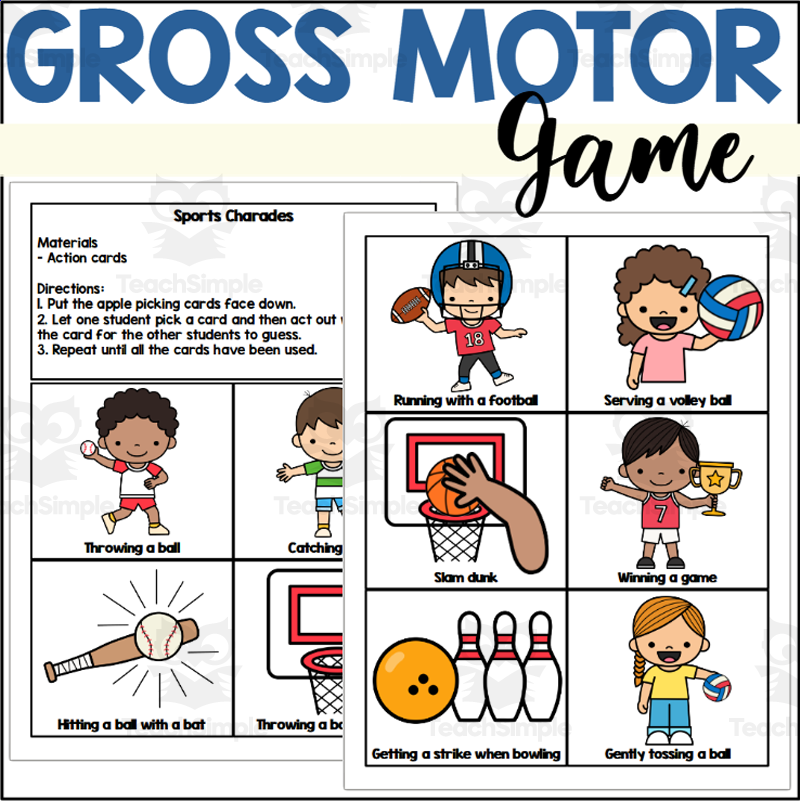
Indoor recess/brain-break gross motor game where students act out sports actions.