



5,237 products added recently
Page 138 - Newest Teaching Resources

 Show filters

Reading Comprehension Volcano | Grade 3 Reading Activities
Reading Comprehension, Reading, ELA, Grade 3, 4, Teacher Tools, Worksheets & Printables, Tests, Quizzes and Tests
Reading Comprehension Worksheets – Volcano Theme | Grade 3 Get a reading comprehension resource for 3rd grade on the topic of Volcanos. What does this resource include? This resource contains 10 reading passages on Volcano-related topics, each with 5 exercises. These include multiple-choice, true or false, vocabulary, and creative tasks. Each reading passage is unique. The Volcano topics were carefully selected and each passage is accompanied by appropriate graphics. Additionally, answers are provided at the end of the resource to facilitate its use in elementary school. What is it suitable for? The material is suitable for English language arts classes. It is ideally suited for 3rd grade. This material is also suitable for weaker 4th-grade classes or particularly strong 2nd-grade classes. It is suitable for teachers looking for teaching materials that can be used immediately. No tedious adapting or formatting required. Simply print it out and use it directly in class. It is suitable for various teaching formats: - Independent work - Literacy centers - Small group instruction - Homework - Reading workshops - Classroom literacy rotations What topics does the reading comprehension cover? 🌋 1 What Is a Volcano? 🔥 2 Lava and Magma 🌍 3 Where Volcanoes Are Found 💥 4 When a Volcano Erupts 🌋 5 Famous Volcanoes 🏝 6 Volcanoes and Islands 🌫 7 Ash and Smoke 🌱 8 Life After an Eruption 🔬 9 Volcano Scientists 🚨 10 Dangers and Safety The material is provided as a PDF file to make it easy to print and use in class. It is part of a larger series. If you like this material, you can explore reading comprehension resources on a variety of other topics in my shop that will enrich your lessons. In addition to reading comprehension, I also offer creative writing, math word problems, informational texts, and reading tests. Feel free to check out my other products. I have a wide selection in my shop.
Author Smart Learning Classroom
Rating
Tags Reading Comprehension, Grade 3 Reading, Informational Texts, Reading Activities, Reading Passages, Grade 4 Reading, Vocabulary Activities, Knowledge, Volcano, Nature
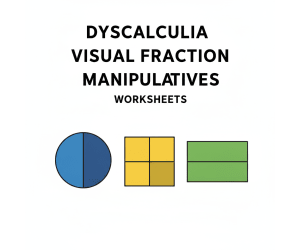
Dyscalculia Visual Fraction Manipulatives
Math, Fractions, Addition and Subtraction, Addition, Subtraction, Graphing, Money, Number Lines, Order Of Operations, Time, Homeschool Curriculum, Homeschool Templates, Grade 3, 4, 5, 6, 7, Worksheets & Printables, Workbooks, Worksheets, Word Searches, Teacher Tools, Assessments, Lesson Plans, Quizzes and Tests, Quizzes, Tests
Change the nature of instruction for fractions, and help all students by using this complete, evidence-based guide for teaching fractions to students who may have any or all of the following: Dyscalculia, Learning Disabilities in Mathematics, or Anxiety with regard to mathematics. Are you an educator or parent looking for an effective way to teach your students with prior difficulties with abstract mathematic concepts? If so, this is the resource for which you have been searching. This is NOT just another worksheet packet. This is a complete neuro-informed intervention system built to circumvent all cognitive barriers common to the students you teach, and create true and lasting understanding of fractions that will be retained for the remainder of the student's educational career. By following the Concrete-Pictorial-Abstract (CPA) framework along with the principles of cognitive science, this guide provides students with a means for teaching fractions in a way that they will finally be able to process and master from their neurodivergent brain perspective. Your students will no longer suffer from mathematics anxiety or the "Whole Number Bias", which results in students believing that 1/8 is greater than 1/3. We use Linear Fraction Bars as a visual aid and High Contrast Visual Mapping to make fractions tangible and explainable to students through the use of their neural systems, thus enabling students to understand fractions as Predictable and Intuitive. We deliberately avoid all of the Circular Fraction Models (i.e., Pizza) that confuse students with poor or absent spatial perception. THIS 37-PAGE COMPREHENSIVE GUIDELINE CONSISTS OF: The Educators Guide: This document consists of an in-depth look at the "why" behind the method in phase one. It will include definitions of the cognitive make-up behind dyscalculia, the incorrectness of standard methods, and the architectural guidelines for creating educational tools, including manipulatives that are compatible with how the brain works. This phase will also include case studies based on individual students that can be utilized in grade-level math classes. The Student Workbook: Phase Two will consist of a sequential ten part set of worksheets that will serve as step-by-step guides for students in grades three through five. In other words, the first page of the ten page guide will help students learn what a numerator and a denominator are before they then will be a part of the worksheet on determining whether two fractions are equal or comparable. The remainder of the pages will continue to follow the same sequence, with the last page covering mixed numbers. The Teacher Resources and Visual Aids Section: This section contains all the resources necessary for teacher's to correctly implement the above two guides. In addition to possessing high-resolution diagnostic diagrams that can be utilized in the classroom, this section also contains an answer key that has been developed with pedagogical notes included, and a clinical implementation guide that contains scripted interventions for how to address common errors made by students. PLEASE NOTE THE FOLLOWING Group: Individuals who provide direct instructional support to students with disabilities and other struggles in mathematics, such as: SE Teachers/Specialists Math Interventionists/ Specialists (Tier 2 & 3) Resource Room/Co-Teach Models Tutor and Educational Therapists Homeschool Parents General Ed Teachers who want to use effective differentiation strategies. Break the cycle of poor math performance. Get your students the tools they need to develop confidence and obtain true mastery of fractions through this master guide through the Math Anxiety. Key Terms: Dyscalculia, Math Intervention, Special Education Math, Fractions, Visual Math, Manipulatives, Math Anxiety, Learning Disabilities, Third, Fourth, Fifth, Grade, Homeschooling, RTI, Math Support, Number Sense, *CPA Framework (Concrete, Picture, Abstract) Teacher’s Guide. Reasons Why Parents/Schools Are Enthusiastic About This Resource: Evidence Based and Neuro-informed: This is truly not just a collection of activities but rather a structured program based on cognitive science; designed specifically to help students whom have dyscalculia. Eliminates Math Anxiety: The clear, visual, step-by-step approach removes uncertainty and abstract confusion which builds student confidence and creates a positive attitude ("I can do math") about math. Comprehensive All-In-One System: The complete package allows educators to save a tremendous amount of time in planning. It contains the theoretical document, the workbook (student-facing) as well as the full answer key that contains additional clinical cues. This resource is ready for immediate use as an intervention resource. Promotes True Understanding, Not Just Rote Memorization: By making fractions physical and visual, this program goes beyond mere memorization of rules and fosters true, deep conceptual understanding, which can be applied to future concepts. Highly Targeted for Intervention: This resource is an excellent Tier 2/3 resource for intervention, special education resource rooms, tutoring, and homeschooling. It provides very powerful and focused support, right where struggling learners require it most. An in-depth analysis of the content, research, and worksheets indicates the primary target audiences are: Special Education Teachers: This is a critical instructional support for teachers within this specialty since the resource was designed specifically for students diagnosed with learning disabilities. Math Interventionists: This resource meets the needs of small groups of students (Tier 2 and Tier 3) who are considerably below grade level in mathematics. Educational Therapists and Tutors: Qualified professionals who provide one-on-one support to students with dyscalculia. Homeschooling Parents: Especially for those children who have a diagnosis or possibly math deficits. Targeted Grade Levels: The component will specifically target grades three, four and five because all of the fractions address fundamental fractions through to adding fractions and mixed numbers, which are all taught at these grade levels. Rewriting Terms: All rights reserved. The author has copyright (Copyrighted by Syed Hammad Rizvi) on this work. A teacher may use this resource for his/her classroom and for private individual use. You may not modify this resource, distribute it, or sell it. You may not publish or make it available on the internet. If you would like to share this resource with your colleagues, please buy additional licenses from Teachsimple. Thank you for being honest and following my copyright terms. This product is made with love by Syed Hammad Rizvi.
Author Creative Book Store
Rating
Tags Dyscalculia, Dyscalculiaresources, Dyscalculiasupport, Mathintervention, Visualmath, Mathmanipulatives, Mathlearningdisability, Specialneedsmath, Neurodivergentlearning, Cpaframework

suffix er and est worksheets 2nd grade
Language Development, ELA, Grammar, Not Grade Specific, Worksheets & Printables
Introduction If you’re teaching comparative and superlative adjectives and your students are having a hard time remembering when to use -er and -est, this resource was made to give them extra practice in a simple and clear way. I created these exercises after noticing that many students understand the difference between comparing two things and comparing three or more things, but still make mistakes when using the correct adjective form in sentences. The goal of these activities is to provide focused practice so students can build confidence and improve their grammar skills through repetition. Objective: Students will practice and reinforce their understanding of comparative and superlative adjectives by working with the suffixes -er and -est in a variety of simple grammar activities. What’s Included: 6 no-prep grammar exercise sections Sentence completion practice using -er and -est Adding -er and -est to adjectives Multiple-choice comparative and superlative activities Writing comparative (-er) adjective forms Writing superlative (-est) adjective forms Completing a comparative and superlative adjective chart Answer key included Grades / Ages: Best suited for Grade 2 students or early elementary learners studying comparative and superlative adjectives. Implementation Format: Printable PDF Non-editable Easy to print and use for classwork, homework, centers, review, or assessment Works well for independent practice, small groups, or whole-class activities
Author MultiLingual Grammar Lab
Rating
Tags Suffix Er And Est Worksheets , 2nd Grade

Table Splat! (Times Tables Game)
Math, Early Learning, Worksheets & Printables
Make learning multiplication tables fun and engaging with Table Splat, an interactive math game designed to help children practice and master multiplication facts from 2 to 10. This hands-on activity encourages quick thinking, self-confidence, and accuracy, while making math fun. Topic Math - Multiplication Facts and Tables Order, Plan, and Steps 1. Choose multiplication cards appropriate for the child's learning level. 2. Each player receives a Table Splat and a set of colorful playing pieces. 3. Players take turns choosing a multiplication question card. 4. Players solve the multiplication problem and quickly place their pieces on the correct answer. 5. The player who places their pieces first and shouts "SPLAT!" keeps their piece on the board. 6. The player with the most pieces on the board at the end wins. Grade Levels/Ages Suitable for: - Kindergarten (Advanced) - Grade 1 - Grade 2 - Grade 3 - Ages 6-9 Example of Application Use this resource: - During math center activities - As classroom quizzes - For small group practice - For pairs activities - As a home math activity - For individual multiplication table review Answer Keys None How to Use and Vary - Choose multiplication cards appropriate to the child's current learning goals. - Practice one multiplication table at a time. - Use fewer cards for beginners. - Use a variety of multiplication tables for advanced learners. - Play individually, in pairs, or in groups of three. Standards Compliance Supports: - Mastering Multiplication Facts - Mental Math Skills - Developing Number Sense - Problem-Solving Skills - Mathematical Reasoning - Elementary Math Curriculum Objectives Number of Pages: 10 File Type: PDF Includes: - Game Instructions - Interactive Activity Board - Multiplication Cards A fun and effective educational resource for teaching multiplication, suitable for teachers, parents, tutors, and homeschooling families.
Author Kindergarten Friends
Rating
Tags Times Tables, Multiplication Game, Math Game, Math Activity, Multiplication Facts, Times Tables Practice, Math Center Activity, Primary Math, Math Worksheets, Multiplication Cards

High School 2026 August ELA Bell Ringers
Resources for Teachers, Research, ELA, Writing, Literature, High School, Homeschool Resources, Worksheets & Printables, Writing Prompts, Teacher Tools, Assessments, Quizzes and Tests, Rubrics
As a homeschool mom navigating the secondary years and a passionate resource creator, I know exactly how vital it is to start the morning with genuine academic rigor. This High School 2026 August ELA Bell Ringers resource is designed to eliminate morning prep stress while providing a deeply engaging daily routine. Each prompt is built from the ground up to challenge critical thinking, expand literary horizons, and foster sophisticated syntax. By choosing these exercises, you are setting a brilliant, intellectually stimulating tone for your educational environment right from the opening bell. Therefore, this daily slide deck serves as an invaluable asset for busy parents looking to maximize learning without sacrificing their sanity or prep time. INCLUDED IN THIS RESOURCE: 21 premium high-school morning slides. Full notes pages for direct instruction. Calibrated holistic scoring scales for grading. Easy-to-use structural framework for parents. TOPICS COVERED Dissecting classic prose, themes, and motifs. Master subjunctive mood and paragraph repair. Unlocking Latin roots and academic vocabulary. Analyzing chiasmus, antithesis, and deep subtext. I am incredibly proud to offer a secondary resource that respects the intellect and capability of your growing high schoolers. This High School 2026 August ELA Bell Ringers tool is explicitly built to spark meaningful, high-level discussions around the kitchen table or at a study desk. By weaving together sophisticated grammar, deep literary analysis, and creative constraints, it provides a beautifully balanced approach to daily language arts. Thank you so much for downloading my materials and trusting me to support your educational journey. For additional support, remember to reference the files High School 2026 August ELA Bell Ringers to fully integrate this curriculum package. I hope this resource brings immense success, analytical joy, and true academic growth to your home or classroom this August. If you and your students/homeschoolers enjoyed this resource, please leave a review. Thank you for your support! Tina - Big Easy Homeschooling Mom
Author Homeschool with Big Easy Homeschooling Mom
Rating
Tags Secondary ELA Warm Ups, High School English Slide Deck, Daily ELA Prompts, Daily Writing Exercises, Rhetorical Device Analysis, Analytical Rubrics ELA, Morning Bell Ringers, High School Curriculum Materials, Academic Vocabulary Practice, Slides With Answer Key
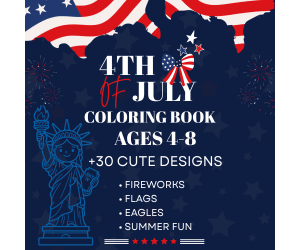
4th of July Coloring Pages / Independence Day Coloring Book
Common Core, Grade 1, 2, 3, Coloring Pages, Worksheets, Worksheets & Printables
If you want to have a fun time celebrating the 4th of July with your students or kids I have an idea. You can use these 4th of July coloring pages. There are over 60 pictures that kids can color. These pictures are good for kids who're 4 to 8 years old. You can print these pages. Let the kids color them. They are perfect for preschool, kindergarten and first grade. You can also use them for homeschool or summer camp. If you want some time these pages are great. What you get is: * 60 coloring pages * You can print them out as a PDF * The lines are big and bold so kids can color inside them easily * The pictures are fun for kids to color * The pages are black and white so you can print them easily * Each page is one-sided so you do not have to worry about ink getting on the side * You can use them away no need to do anything else The pictures include: * Fireworks * American Flags * Bald Eagles * Statue of Liberty * Uncle Sam Hat * Rocket Popsicles * Ice Cream * Watermelon * Balloons * Liberty Bell * Family Picnic Scene * Parade Scene * Beach Party Scene * Backyard Barbecue Scene * Happy Kids Celebrating * Summer-Themed Pages These coloring pages are perfect for: * Preschool * Kindergarten * First Grade * Homeschool * Summer activities * 4th of July activities * Morning work * finishers * Centers * Quiet time * Indoor recess * Summer camp These 4th of July coloring pages help kids with: * Using their hands and fingers to color * Being creative and thinking of things * Hand-eye coordination which means using your hands and eyes together *. Paying attention * Recognizing colors The file is a PDF. The 4th of July coloring pages are black and white. You can print them out. You do not have to do anything to get them ready. They are for kids in PreK, through grade.
Author Kind Minds Classroom Tech
Rating
Tags Th Of July Coloring Pages, Independence Day Coloring Pages, Patriotic Coloring Pages, Summer Coloring Pages, 4th Of July Activities, July 4th Activities, Preschool Coloring Pages, Kindergarten Coloring Pages, Printable Coloring Pages, Independence Day Activities, Summer Printables, No Prep Activities, Early Finishers Activities, Indoor Recess Activities, Holiday Coloring Pages, Coloring Book For Kids Ages 4-8
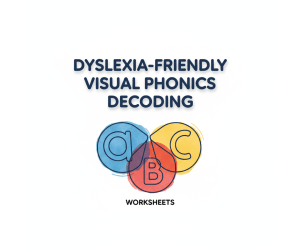
Dyslexia-Friendly Visual Phonics Decoding
Classroom Management, Resources for Teachers, Community Building, Life Skills, Special Resources, Social Emotional Learning (SEL), Social Skills, Special Education Needs (SEN), Speech Therapy, Science, Kindergarten, Preschool, Grade 1, 2, 3, 4, 5, Worksheets & Printables, Workbooks, Worksheets, Word Searches, Teacher Tools, Lesson Plans, Quizzes and Tests, Quizzes, Tests, Assessments
If your students have difficulty with b/d reversals, visual crowding, or reading anxiety, phonics worksheets often do not work for kids who are neurodivergent because they create a cognitive overload situation. The Visual Phonics Decoding Program is a complete no-frills paradigm shift in reading interventions. Using the proprietary Visuo-Phonological Anchor Model (VPAM), this program creates a connection between auditory processing and the visual-spatial pathways, enabling students (first, second and third graders) to develop automaticity when decoding. The Visual Phonics Decoding packet also follows the principles of the Science of Reading and the cognitive principle of Orthographic Mapping and removes unnecessary visual distractions and replaces them with structured visual anchors. What’s Being Offered In Our 25 Page Complete PDF? Educator Theory and Implementation Manual: A deep dive into the Neurological Structure of Dyslexic Reading, Double-Deficit Hypothesis, and Orthographic Mapping with practical application chapters. Actual Case Studies with Practical Application: Profiles to show how to use these methods with Early Elementary School-Aged Children. Intervention Worksheet Series: Intervention worksheets have been developed utilizing Typographic Grounding, Chromatic Categorization and Spatial Bounding principles. Medial Short Vowels (CVC orthography), Consonant Digraphs (sh, ch, th, wh, ck), Initial Consonant Blends. Teacher Reference Materials/Visual Aids: Contains Visual Aids for Cognitive Orthographic Mapping Protocol and the anatomy of a Dyslexic Friendly Worksheet. Complete Answer Keys and Formative Assessment Protocols. Great For Special Education (SPED) Tier II and Tier III Reading Intervention, Home Schooling & Orton Gillingham Compatible Teaching Methods. Help struggling readers to stop guessing and to have the confidence to code words correctly using decoding! Reasons that Parents/Schools Appreciate It: Elimination of Visual Clutter: Heavy bottom, sans serif fonts, and greater spacing are used strategically to help identify and prevent visual representation of b, d, p, q from being represented as flipping or floating through space. Working Memory Limitations are Bypassed: Students are able to visually lock into a vowel team or digraph without being overwhelmed by using the use of Chromatic Anchor System and bounding boxes. No Fluff & No Distractions: All worksheets were specifically created to conserve as much of a dyslexic child's cognitive energy as possible. Therefore, no clip art, decorative art, or unnecessary instructions are contained to help conserve any cognitive energy from teaching a child to read. Creates Teacher and Parent Power: Also, all worksheets have a clear and complete "Educator Rationales" so parents and teachers can better understand the rationale and methodology for teaching their children. Gives Children the opportunity to Create True Orthographic Mapping: Children are prevented from memorizing and guessing from the visual image or picture, therefore, they are developing the skills to accurately map sounds to letters, which is the basis for long-term efficiency when it comes to reading. Target Audiences: Identify your target audience based on the curriculum's own Tiered Decoding Progression Model (pg. 22) and Introduction (pg. 1). Target Specifically: Grade Levels: 1st, 2nd, and 3rd. Audience: Students with a diagnosis of Dyslexia, students exhibiting signs of reading anxiety, children who are guessing at reading, children struggling with traditional written Phonics, as well as neurodivergent children from all backgrounds. Skills: Students needing support with CVC (consonant-vowel-consonant) words, students needing support with consonant digraphs (sh, ch, th) and students needing support with initial consonant blends. Buyers: Special Education Teachers, Reading Interventionists, Parents Home Schooling, General Education/Primary School Teachers. Terms of Use/Copyright: This Book is the copyright property of Syed Hammad Rizvi. You may only use this resource personally and within a single classroom. You are prohibited from altering, selling, or otherwise distributing any part of this resource. You may not post the entire resource or any part of it on the Internet for access or for download by the general public. If you would like to share this resource with your fellow teachers, you must purchase additional licenses through Teachsimple. Thank you for your support of these terms of use. Syed Hammad Rizvi would like to thank you for using this product.
Author Creative Book Store
Rating
Tags ScienceOfReading, SoR, StructuredLiteracy, OrthographicMapping, Phonics, PhonicsInstruction, PhonemicAwareness, Decoding, ReadingFluency, LiteracyMatters

Creative Writing Prompts Grade 3 | The Crazy Invention
Creative Writing, Writing, ELA, Grade 2, 3, 4, Writing Prompts, Worksheets & Printables
Creative Writing Prompts Grade 3 | The Crazy Invention Get a creative writing prompt resource for 3rd grade on the topic of invention. What does this resource include? This resource contains 8 creative writing prompts on invention-related topics, each with sentence starters for each task, guiding questions to support ideas, word banks with helpful vocabulary, separate writing pages with plenty of space, “How to Write a Story” guide (beginning, middle, end), 3 example stories. Each reading passage is unique. The invention topics were carefully selected and each passage is accompanied by appropriate graphics. What is it suitable for? The material is suitable for English language arts classes. It is ideally suited for 3rd grade. This material is also suitable for weaker 4th-grade classes or particularly strong 2nd-grade classes. It is suitable for teachers looking for teaching materials that can be used immediately. No tedious adapting or formatting required. Simply print it out and use it directly in class. It is suitable for various teaching formats: - writing workshop - literacy centers - independent work - early finishers - homework What topics does the reading comprehension cover? 1 My First Big Invention 2 The Crazy Kitchen Machine 3 Running Like the Wind 4 My Own Robot 5 Sleeping in the Clouds 6 Finally Understanding Animals 7 The Backpack Full of Surprises 8 One Step Into Adventure In addition, there are two advanced-level problems (easy and hard). The material is provided as a PDF file to make it easy to print and use in class. It is part of a larger series. If you like this material, you can explore creative writing prompt resources on a variety of other topics in my shop that will enrich your lessons. In addition to creative writing prompts, I also offer reading comprehension, math word problems, informational texts, and reading tests.
Author Smart Learning Classroom
Rating
Tags Creative Writing, Writing, Pet, Animal, Writing Prompts, Grade 3, Writing Workshop, Story Writing, Invention, Innovation

Reading Comprehension Mountain | Grade 3 Informational Texts
Reading Comprehension, Reading, ELA, Grade 3, 4, Teacher Tools, Worksheets & Printables, Tests, Quizzes and Tests
Reading Comprehension Mountain | Grade 3 Informational Texts Get a reading comprehension resource for 3rd grade on the topic of Mountain. What does this resource include? This resource contains 5 informational texts on Mountain-related topics, each with 5 exercises. These include multiple-choice, true or false, vocabulary, and creative tasks. Each reading passage is unique. The Mountain topics were carefully selected and each passage is accompanied by appropriate graphics. Additionally, answers are provided at the end of the resource to facilitate its use in elementary school. This material helps students develop their reading comprehension skills while also allowing them to gain a deeper understanding of a specific topic through short informational texts. What is it suitable for? The material is suitable for English language arts classes. It is ideally suited for 3rd grade. This material is also suitable for weaker 4th-grade classes or particularly strong 2nd-grade classes. It is suitable for teachers looking for teaching materials that can be used immediately. No tedious adapting or formatting required. Simply print it out and use it directly in class. It is suitable for various teaching formats: - Independent work - test preparation - Literacy centers - Small group instruction - Homework - Reading workshops - Classroom literacy rotations What topics does the reading comprehension cover? 🧭 1 Climbing High 🚢 2 Animals in the Mountains 🗺 3 Weather in the Mountains 🌎 4 Plants High Up 🚢 5 Mountains Through the Year The material is provided as a PDF file to make it easy to print and use in class. It is part of a larger series. If you like this material, you can explore informational texts on a variety of other topics in my shop that will enrich your lessons. In addition to reading comprehension, I also offer creative writing, math word problems, reading comprehension and reading tests.
Author Smart Learning Classroom
Rating
Tags Reading Comprehension, Grade 3 Reading, Informational Texts, Reading Activities, Reading Passages, Grade 4 Reading, Vocabulary Activities, Nature, Mountain

Reading Comprehension Robots | Grade 3 Reading Activities
Reading Comprehension, Reading, ELA, Grade 3, 4, Teacher Tools, Worksheets & Printables, Tests, Quizzes and Tests
Reading Comprehension Worksheets – Robots Theme | Grade 3 Get a reading comprehension resource for 3rd grade on the topic of Robots. What does this resource include? This resource contains 10 reading passages on Robot-related topics, each with 5 exercises. These include multiple-choice, true or false, vocabulary, and creative tasks. Each reading passage is unique. The Robot topics were carefully selected and each passage is accompanied by appropriate graphics. Additionally, answers are provided at the end of the resource to facilitate its use in elementary school. What is it suitable for? The material is suitable for English language arts classes. It is ideally suited for 3rd grade. This material is also suitable for weaker 4th-grade classes or particularly strong 2nd-grade classes. It is suitable for teachers looking for teaching materials that can be used immediately. No tedious adapting or formatting required. Simply print it out and use it directly in class. It is suitable for various teaching formats: - Independent work - Literacy centers - Small group instruction - Homework - Reading workshops - Classroom literacy rotations What topics does the reading comprehension cover? 🤖 1 What Is a Robot? ⚙️ 2 How Robots Work 🏭 3 Robots in Factories 🏥 4 Robots in Hospitals 🏠 5 Robots in Everyday Life 🚗 6 Robots in Cars 🌊 7 Underwater Robots 🚀 8 Robots in Space 🧠 9 Smart Robots 🔮 10 Robots of the Future The material is provided as a PDF file to make it easy to print and use in class. It is part of a larger series. If you like this material, you can explore reading comprehension resources on a variety of other topics in my shop that will enrich your lessons. In addition to reading comprehension, I also offer creative writing, math word problems, informational texts, and reading tests. Feel free to check out my other products. I have a wide selection in my shop.
Author Smart Learning Classroom
Rating
Tags Reading Comprehension, Grade 3 Reading, Informational Texts, Reading Activities, Reading Passages, Grade 4 Reading, Vocabulary Activities, Knowledge, Robot, Robots
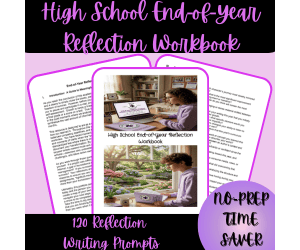
High School End-of-Year Reflection Workbook
Writing, ELA, Creative Writing, Research, Resources for Teachers, Homeschool Resources, High School, Writing Prompts, Worksheets & Printables, Teacher Tools, Assessments, Rubrics, Quizzes and Tests
Welcome, fellow homeschool parents and dedicated educators! As a homeschool mom navigating the high school years with my own teenager and creating practical resources for our community, I know exactly how crazy the end of the school year can feel. Naturally, we all want to just close the heavy textbooks, pack away the binders, and dive straight into the freedom of summer break. However, before your student/homeschooler transitions into their next exciting season of life, it is essential to pause and guide them through a truly meaningful, self-reflective wrap-up. This high school portfolio resource is designed to help your teens slow down, think deeply about their academic journey, and confidently take ownership of their brilliant intellectual growth. INCLUDED IN THIS RESOURCE: Comprehensive "Dig Deep" metacognitive strategy guide. Exhaustive reflection prompts for six subjects. SMART framework future planning worksheets. Professional grading rubrics for portfolios. TOPICS COVERED: Metacognitive self-assessment and data analysis. Multi-subject high school academic reflection. Growth mindset and problem-solving tracking. Short-term and long-term goal setting. This High School End-of-Year Reflection Workbook is far more than just a simple end-of-the-year checklist or a routine chore to finish before summer vacation. By encouraging your teen to dig deep and document their experiences today, you are giving them the ultimate gift of self-awareness and academic confidence. After all, true growth happens when students step back, celebrate their hard-earned successes, and honestly evaluate the hurdles they overcame. Let's finish this academic year strong by helping our high schoolers realize just how capable, insightful, and resilient they have truly become. Thank you so much for supporting my shop, and I wish you and your family a wonderful, relaxing summer! If you and your students/homeschoolers enjoyed this resource, please leave a review. Thank you for your support! Tina - Big Easy Homeschooling Mom
Author Homeschool with Big Easy Homeschooling Mom
Rating
Tags High School Portfolio Printable, Teen Academic Journal, Year End Reflection Prompts, , High School Homeschool Curriculum, , Metacognitive Strategies For Teens, High School Goal Setting Worksheet, End Of School Year Activities, Critical Thinking Prompts High School, Teen Self Reflection Guide, Homeschooling High School Resources
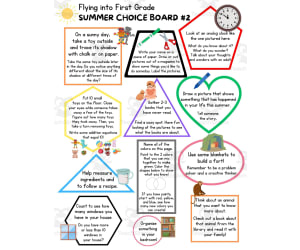
Low-Prep Summer Activities: Flying into First Grade Choice Boards
Creative Arts, ELA, Life Studies, Math, Montessori, P.E. & Health, Resources for Teachers, Science, STEM, Kindergarten, Grade 1, Activities, Task Cards, Worksheets & Printables
Low-Prep Summer Activities: Flying into First Grade Choice Boards Help young learners stay engaged and excited about learning with these Low-Prep Summer Activities: Flying into First Grade Choice Boards ! Designed for children completing kindergarten and getting ready for first grade , these engaging summer bridge choice boards provide fun, hands-on learning experiences that build confidence and reinforce important academic and life skills throughout the summer. About This Product This resource includes three printable Flying into First Grade Choice Boards filled with cross-curricular activities that encourage creativity, critical thinking, independence, and school readiness. After completing an activity, children color in a matching shape to celebrate their progress and create a visual record of their summer learning. Families can revisit favorite activities throughout the season for even more practice and fun. Don't forget to explore the companion choice boards designed for family members of all ages! Learning Objectives These choice boards help students: Build confidence and independence. Strengthen skills learned in kindergarten. Prepare for a successful transition into first grade. Encourage creativity, problem-solving, and communication. Foster meaningful family engagement. Keep learning fun with low-prep summer activities. What's Included 3 printable Flying into First Grade Choice Boards Student-friendly completion tracker Cross-curricular learning activities Low-prep, family-friendly summer experiences Grades/Ages Kindergarten First Grade (summer bridge and back-to-school readiness) Subject Cross-Curricular Skills Perfect For Summer learning at home Summer bridge programs Family engagement Kindergarten take-home packets First grade readiness Homeschool enrichment Independent summer practice Estimated Time Activities vary in length. Some can be completed in under 10 minutes , while others can be extended into projects that last multiple days. Supplies Needed Most activities use simple household or classroom materials and require very little preparation, making this resource perfect for busy families and teachers. Answer Key Answer key not provided. Activities are open-ended and designed to promote exploration, creativity, and real-world learning. File Information File Type: PDF Pages: 3 Make summer learning meaningful with these engaging summer activities that help children transition confidently from kindergarten to first grade . Whether you're looking for a summer bridge , low-prep learning resource, or a fun way to get ready for first grade , these choice boards provide flexible, hands-on learning opportunities the whole family can enjoy.
Author Sprout & Inspire
Rating
Tags First Grade, Summer Activities, Bridge Activities, Kindergarten, Summer Fun, Activity Choice Board
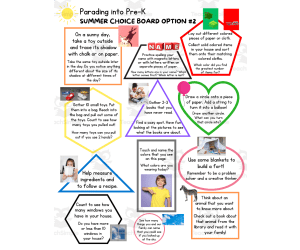
Low-Prep Summer Activities Parading into Pre-K
ELA, Life Studies, Math, Montessori, STEM, Creative Arts, P.E. & Health, Resources for Teachers, Science, Preschool, Activities, Task Cards, Worksheets & Printables
Low-Prep Summer Activities: Parading into Pre-K Choice Boards Help little learners build confidence and get excited for school with these Low-Prep Summer Activities: Parading into Pre-K Choice Boards ! Designed for preschool , Pre-K , and children getting ready for kindergarten , these engaging choice boards provide meaningful, hands-on learning opportunities all summer long. Perfect as a summer bridge resource, these activities encourage families to learn through play while strengthening important early childhood skills. About This Product This resource includes three low-prep summer choice boards filled with cross-curricular activities that promote creativity, independence, problem-solving, and school readiness. Children color in a shape after completing each activity, creating a fun visual record of their summer learning. Families are encouraged to revisit favorite activities throughout the season for additional practice and enjoyment. Objective These choice boards are designed to: Build confidence and independence. Reinforce early learning skills through play. Encourage family engagement. Support a smooth transition from preschool to Pre-K or as a review for a transition from Pre-K to kindergarten. Provide meaningful, low-prep learning experiences throughout the summer. What's Included 3 Summer Choice Boards Student-friendly completion tracker Cross-curricular activities Low-prep, family-friendly learning experiences Grades/Ages Preschool Pre-K Kindergarten (summer review and readiness) Subject Cross-Curricular Skills Implementation These choice boards are perfect for: Summer learning at home Summer bridge programs Family engagement Preschool or Pre-K take-home packets Early childhood enrichment Estimated Time Activities vary in length. Some can be completed in under 10 minutes , while others can be extended over multiple days. Supplies Needed Supplies vary by activity. Most use common household materials and require very little preparation, making them ideal for busy families. File Type PDF Whether you're looking for summer activities , a summer bridge resource, or a fun way to get ready for Pre-K , these choice boards make learning engaging, flexible, and stress-free for young learners and their families.
Author Sprout & Inspire
Rating
Tags Pre-k, Preschool, Kindergarten, Summer Bridge, Get Ready For Pre-k, Early Childhood, Summer Activities, Low Prep

ESL Reading Comprehension + Writing Activity - Auckland - New Zealand
Language Development, ELA, ESL, Vocabulary, Reading Comprehension, Reading, Creative Writing, Writing, Formal Writing, Grade 7, 8, 9, 10, 11, 12, Worksheets & Printables, Worksheets, Writing Prompts
ESL Reading Comprehension + Writing Activity Worksheets - Auckland - New Zealand This ESL - EFL Teaching Resource on "Auckland - New Zealand" (3 PDF Worksheets Slides - Reading Comprehension + Writing Activity) can be ideal to improve Language skills in English. Ideal students for this ESL EFL TESOL Reading + Writing Activity are Foreign Students at middle and High School (7th - 12th Grade; teens) . Newcomers or any ESL Learner is also more than suitable for this ESL - EFL - TESOL - TEFL (English as a Second or Foreign Language) Activity on "Auckland - New Zealand" (location + origins and history + famous sights + activities + typical food). This Teaching Educational Resource Product can also be ideal for ESL EFL TESOL Centers worldwide or any English second language tutor. Intermediate Advanced English as a Second or Foreign Language (ESL - EFL - TESOL - TEFL) learners are suitable for this ESL - EFL - TESOL - TEFL Teaching Resource on "Auckland - New Zealand" (Worksheet; 3 PDF Printable slides) In this English Second or Foreign Language (ESL - EFL - TESOL - TEFL) Reading Comprehension + Essay Writing Activity Worksheet on "Auckland - New Zealand" (location + origins and history + famous sights + activities + typical food), the following ESL - EFL - TESOL - TEFL (English Second or Foreign Language) activities are included: 1 text on "Auckland - New Zealand" (location + origins and history + famous sights + activities + typical food) 27 Comprehension Questions related to the previous text on "Auckland - New Zealand" (with related space where students can answer to this text's comprehension questions) 2 essay prompts for a writing activity on "Auckland - New Zealand" (writing an essay on your own personal opinion on Auckland; whether you have ever been in Auckland or not and whether you would ever like to visit this city + pretending to spend a week in Auckland and to write everyday a page of diary on your experiences) This ESL - EFL - TESOL - TEFL ( English Second or Foreign Language ) Teaching Resource Reading + Writing Activity (essay prompts) on "Auckland - New Zealand" (location + origins and history + famous sights + activities + typical food) is great for Intermediate Advanced English as a second or foreign language learners (ESL- EFL - TESOL - TEFL). This English Second Language Worksheet on "Auckland - New Zealand" (location + origins and history + famous sights + activities + typical food) aims to train and Reading Comprehension + Writing Skills. "Learning with Alan" is a teaching resources store that aims to provide high quality teaching resources and educational materials for ESL EFL TESOL (English Second or Foreign Language) teachers, tutors and educators. It aims to support teachers, educators, and tutors in both online and offline environments, helping them achieve their teaching goals while creating a fun, stimulating atmosphere for learning English. Always remember: learning is fun, and so is English! If you want to find more ESL - EFL - TESOL - TEFL ( English Second or Foreign Language ) Teaching Resources and Educational Material click here Learning with Alan!
Author Learning with Alan
Rating
Tags ESL, English, English Second Language, Reading Comprehension, Worksheets, New Zealand, Auckland, Oceania, Writing Activity, Printable

NK: 1 Decodable reader | Science of Reading | Fully Systematic
Special Resources, ELA, Special Education Needs (SEN), Language Development, Pre-Reading, Phonics, Reading, Kindergarten, Preschool, Grade 1, Teacher Tools, Literacy Readers
1 NK Decodable Readers: Farm Adventures - FREE The farm stories will engage your pupils and provide the systematic phonics practice students need to master CH in context. What's Included 2 structured decodable readers focusing on NK Word lists for pre-reading practice on each page 100% decodable text with carefully controlled vocabulary Science of Reading-Aligned Stories Beloved characters: Tom, Sam, Pam, Gran, and the farm animals Beautiful watercolour illustrations that support decoding Clear formatting is perfect for developing readers Why Download These FREE Decodable Readers? They are real stories, not phonics drills! Each decodable book practices NK while maintaining natural language flow. Students encounter genuine narratives—farm adventures, problem-solving, and family stories—that motivate them to decode rather than guess. These FREE decodable books are perfect for science of reading instruction, providing systematic phonics practice in engaging story contexts. Controlled vocabulary design: NK words are introduced systematically with previously learned words recycling throughout stories, building automaticity and fluency. Perfect For Students who are ready to learn NK Science of reading and structured literacy instruction Small group or independent reading practice Supplementing your phonics programme with FREE decodable texts Home reading practice Preventing guessing habits with fully decodable stories Ages 5-7 or Grade 1-2 Skills Addressed Decoding NK in text Reading fluency through vocabulary repetition Phonics is applied in real-world settings Reading comprehension Sight word practice How to Use These FREE Decodable Readers Practice the word list in each book before reading Have students read the stories, pointing to each word Stop whenever errors occur and prompt: "Sound it out again" Give genuine praise for accurate decoding Reread stories to build fluency and confidence Want More Practice? The complete paid pack includes differentiated worksheets, comprehension activities, and supporting activities, including reading passages, comprehension exercises and phonemic awareness activities to accompany these stories! This pack is part of a Sequential Programme: This FREE reader introduces words with NK. Start with CVC words, Consonant Blends , then progress through phonics patterns systematically. Download other FREE sound pattern books or purchase complete packs with worksheets and video lessons! Try these FREE decodable readers and see how they can help your pupil today – this reading programme is designed to help even those with severe processing difficulties. No curveballs to throw them off course! Read the ending in another context with these NK phonics stories .
Author Lilibette's Resources
Rating
Tags Decodable Books, Decodable Readers, Science Of Reading, Phonics Readers, Decodable Text, Structured Literacy, Consonant Digraphs, Phonics, Guided Reading, Phonics NG
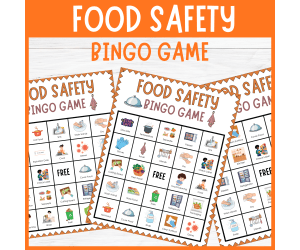
Food Safety Bingo Game Kitchen Sanitation Culinary Activities
Health, P.E. & Health, Elementary, High School, Homeschool Resources, Games, Activities, Centers
No Prep Food Safety Bingo Game is a fun and engaging way to teach important food handling, kitchen sanitation, and culinary safety skills. Since bingo is a familiar game, it's easy to set up and helps students learn essential food safety practices while having fun. I like using this activity during culinary arts classes, family and consumer science lessons, health units, and life skills instruction. It's a low-prep resource that reinforces safe kitchen habits through interactive gameplay. What You Will Get This resource includes printable bingo boards and calling cards featuring food safety and kitchen sanitation themed images and vocabulary. Simply print and play. What's Included in this Bingo Game? You'll get a variety of bingo cards so each player has a unique board. The calling cards feature food safety concepts such as hand washing, food thermometers, clean surfaces, proper food storage, cross-contamination prevention, kitchen equipment, and other important culinary safety practices. This resource is perfect for: • Culinary arts classes • Food safety lessons • Family and consumer science activities • Life skills instruction • Health education units • Homeschool learning Why you will love this? • Super easy to prepare • Reinforces food safety awareness • Supports kitchen sanitation education • Encourages active participation • Great for individual, small group, or classroom use • Makes learning life skills fun and memorable This bingo game is a simple and engaging way to help students develop safe food handling habits and gain confidence in the kitchen while learning important culinary skills.
Author Perfect_Printables
Rating
Tags Food Safety, Kitchen Sanitation, Culinary Arts, Food Handling, Kitchen Safety, Life Skills, Health Education, Cooking Class, Food Hygiene, Culinary Activity
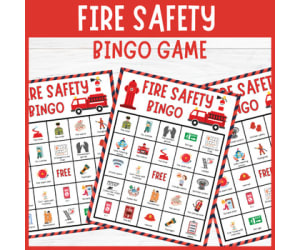
Fire Safety Bingo Game | Fire Prevention Week Community Helpers Activi
Special Resources, Life Skills, Social Skills, Social Studies, Elementary, High School, Homeschool Resources, Games, Activities, Centers
No Prep Fire Safety Bingo Game is a fun and engaging way to teach important fire safety concepts while keeping students actively involved. Since bingo is a familiar game, it's easy to set up and provides an exciting way for children to learn about fire prevention, emergency preparedness, and the important role of firefighters in our communities. I like using this activity during Fire Prevention Week, community helpers units, safety lessons, and classroom celebrations. It's a low-prep resource that combines learning and fun while helping students build awareness of important safety practices. What You Will Get This resource includes printable bingo boards and calling cards featuring fire safety and firefighter themed images. Simply print and play for an engaging educational activity. What's Included in this Bingo Game? You'll get a variety of bingo cards so each player has a unique board. The calling cards feature fire safety and community helper themed images such as firefighters, fire trucks, fire stations, smoke alarms, fire extinguishers, emergency exits, safety gear, and other fire prevention vocabulary. This resource is perfect for: • Fire Prevention Week activities • Community Helpers units • Fire safety lessons • Classroom centers and group games • Homeschool learning • Emergency preparedness discussions Why you will love this? • Super easy to prepare • Reinforces important fire safety concepts • Encourages participation and engagement • Supports vocabulary development • Great for individual, small group, or whole class activities • Makes learning about safety fun and memorable This bingo game is a simple and engaging way to teach fire safety awareness while helping students learn about the important work firefighters do to keep our communities safe.
Author Perfect_Printables
Rating
Tags Fire Safety, Firefighter Bingo, Fire Prevention, Community Helpers, Safety Activities, Emergency Safety, Preschool Bingo, Kindergarten Activity, Fire Safety Week, Classroom Games

Magic Square Puzzles / Sum to 70 Number Logic Puzzles / Critical Think
Addition, Addition and Subtraction, Math, Grade 3, 4, 5, 6, 7, 8, Games, Activities
Are you searching for a math activity that helps students think more deeply about numbers? These Magic Square Puzzles are a way to get students to use number sense logical reasoning and problem-solving skills. Students need to fill in missing numbers so that every row and every column adds up to 70. This helps them look for patterns try strategies and think mathematically. Unlike worksheets Magic Squares make students think and reason instead of just following steps. That's why they're perfect for challenges, independent practice and developing critical thinking skills. There are 150 puzzles so students have plenty of chances to improve their math thinking while having fun with interesting challenges. Here's whats included: * 150 Magic Square Puzzles * Sum to 70 Challenges * Easy to Challenging Levels * Student Practice Pages * Complete Answer Key * Print-and-Go PDF Format * Black-and-White Friendly Design The skills covered are: * Number Sense * Logical Reasoning * Critical Thinking * Mental Math * Addition Fluency * Mathematical Problem Solving * Pattern Recognition * Strategic Thinking These puzzles are ideal for: * Math Enrichment * Independent Practice * Early Finishers * Gifted Learners * Math Centers * Homeschool Learning * Small Group Instruction * Challenge Activities * Substitute Teacher Plans Teachers love using Magic Squares because they help students understand math better. As students work through each puzzle they learn to see relationships between numbers evaluate solutions and think logically. The puzzles get harder as students progress so they can build confidence gradually while still challenging themselves. This resource is easy to use and requires no preparation. Print and go. Here are the resource details: * PDF Format * 150 Unique Puzzles * Answer Key Included * Classroom Friendly * Homeschool Friendly * Suitable for Upper Elementary and Middle School Students * Grades: Grade 4 Grade 5 Grade 6 Math Enrichment Programs Some keywords related to this resource are: * Magic Square Puzzles * Sum, to 70 Puzzles * Number Logic Puzzles * Critical Thinking Activities * Mental Math Practice * Math Enrichment * Problem Solving Activities * Number Sense Challenges * Logic Math Puzzles * Mathematical Reasoning
Author Kind Minds Classroom Tech
Rating
Tags Magic Square Puzzles Sum To 70 Puzzles Number Logic Puzzles Critical Thinking Activities Mental Math Math Enrichment Problem Solving Number Sense Logic Puzzles Early Finishers Gifted Learners Homeschool Math
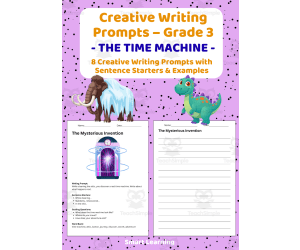
Creative Writing Prompts Grade 3 | The Time Machine
Creative Writing, Writing, ELA, Grade 2, 3, 4, Writing Prompts, Worksheets & Printables
Creative Writing Prompts Grade 3 | The Time Machine Get a creative writing prompt resource for 3rd grade on the topic of time. What does this resource include? This resource contains 8 creative writing prompts on space-related topics, each with sentence starters for each task, guiding questions to support ideas, word banks with helpful vocabulary, separate writing pages with plenty of space, “How to Write a Story” guide (beginning, middle, end), 3 example stories. Each reading passage is unique. The space topics were carefully selected and each passage is accompanied by appropriate graphics. What is it suitable for? The material is suitable for English language arts classes. It is ideally suited for 3rd grade. This material is also suitable for weaker 4th-grade classes or particularly strong 2nd-grade classes. It is suitable for teachers looking for teaching materials that can be used immediately. No tedious adapting or formatting required. Simply print it out and use it directly in class. It is suitable for various teaching formats: - writing workshop - literacy centers - independent work - early finishers - homework What topics does the reading comprehension cover? 1 The Mysterious Invention 2 Millions of Years Ago 3 A Visit to a Castle 4 One Hundred Years Later 5 A Land of Snow and Ice 6 A School Day 100 Years Ago 7 My Life in 50 Years 8 The Wrong Time In addition, there are two advanced-level problems (easy and hard). The material is provided as a PDF file to make it easy to print and use in class. It is part of a larger series. If you like this material, you can explore creative writing prompt resources on a variety of other topics in my shop that will enrich your lessons. In addition to creative writing prompts, I also offer reading comprehension, math word problems, informational texts, and reading tests.
Author Smart Learning Classroom
Rating
Tags Creative Writing, Writing, Pet, Animal, Writing Prompts, Grade 3, Writing Workshop, Story Writing, Time Machine, Time
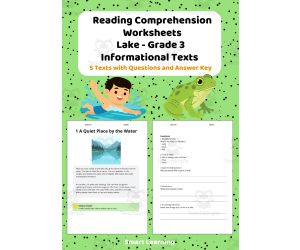
Reading Comprehension Lake | Grade 3 Informational Texts
Reading Comprehension, Reading, ELA, Grade 3, 4, Teacher Tools, Worksheets & Printables, Tests, Quizzes and Tests
Reading Comprehension Lake | Grade 3 Informational Texts Get a reading comprehension resource for 3rd grade on the topic of Lake. What does this resource include? This resource contains 5 informational texts on Lake-related topics, each with 5 exercises. These include multiple-choice, true or false, vocabulary, and creative tasks. Each reading passage is unique. The Lake topics were carefully selected and each passage is accompanied by appropriate graphics. Additionally, answers are provided at the end of the resource to facilitate its use in elementary school. This material helps students develop their reading comprehension skills while also allowing them to gain a deeper understanding of a specific topic through short informational texts. What is it suitable for? The material is suitable for English language arts classes. It is ideally suited for 3rd grade. This material is also suitable for weaker 4th-grade classes or particularly strong 2nd-grade classes. It is suitable for teachers looking for teaching materials that can be used immediately. No tedious adapting or formatting required. Simply print it out and use it directly in class. It is suitable for various teaching formats: - Independent work - test preparation - Literacy centers - Small group instruction - Homework - Reading workshops - Classroom literacy rotations What topics does the reading comprehension cover? 🧭 1 A Quiet Place by the Water 🚢 2 Animals at the Lake 🗺 3 Still or Moving? 🌎 4 The Lake and People 🚢 5 Protecting the Lake The material is provided as a PDF file to make it easy to print and use in class. It is part of a larger series. If you like this material, you can explore informational texts on a variety of other topics in my shop that will enrich your lessons. In addition to reading comprehension, I also offer creative writing, math word problems, reading comprehension and reading tests.
Author Smart Learning Classroom
Rating
Tags Reading Comprehension, Grade 3 Reading, Informational Texts, Reading Activities, Reading Passages, Grade 4 Reading, Vocabulary Activities, Nature, Lake

Reading Comprehension Stars | Grade 3 Reading Activities
Reading Comprehension, Reading, ELA, Grade 3, 4, Teacher Tools, Worksheets & Printables, Tests, Quizzes and Tests
Reading Comprehension Worksheets – Stars Theme | Grade 3 Get a reading comprehension resource for 3rd grade on the topic of Stars. What does this resource include? This resource contains 10 reading passages on Space-related topics, each with 5 exercises. These include multiple-choice, true or false, vocabulary, and creative tasks. Each reading passage is unique. The Star topics were carefully selected and each passage is accompanied by appropriate graphics. Additionally, answers are provided at the end of the resource to facilitate its use in elementary school. What is it suitable for? The material is suitable for English language arts classes. It is ideally suited for 3rd grade. This material is also suitable for weaker 4th-grade classes or particularly strong 2nd-grade classes. It is suitable for teachers looking for teaching materials that can be used immediately. No tedious adapting or formatting required. Simply print it out and use it directly in class. It is suitable for various teaching formats: - Independent work - Literacy centers - Small group instruction - Homework - Reading workshops - Classroom literacy rotations What topics does the reading comprehension cover? ⭐ 1 What Are Stars? ✨ 2 Why Stars Shine 🔭 3 Watching Stars 🌟 4 Constellations in the Sky 🐻 5 The Big Dipper 🧭 6 The North Star 💫 7 Shooting Stars 🌠 8 A Wish on a Shooting Star 👨🚀 9 Astronauts and the Night Sky 🌃 10 Stars Above the City The material is provided as a PDF file to make it easy to print and use in class. It is part of a larger series. If you like this material, you can explore reading comprehension resources on a variety of other topics in my shop that will enrich your lessons. In addition to reading comprehension, I also offer creative writing, math word problems, informational texts, and reading tests. Feel free to check out my other products. I have a wide selection in my shop.
Author Smart Learning Classroom
Rating
Tags Reading Comprehension, Grade 3 Reading, Informational Texts, Reading Activities, Reading Passages, Grade 4 Reading, Vocabulary Activities, Knowledge, Star, Stars

ESL Reading Comprehension + Writing Activity Worksheet - Cairo - Egypt
Language Development, ELA, ESL, Reading Comprehension, Reading, Writing, Creative Writing, Formal Writing, Grade 7, 8, 9, 10, 11, 12, Worksheets, Worksheets & Printables, Writing Prompts
ESL Reading Comprehension + Writing Activity Worksheets - Cairo - Egypt This ESL - EFL Teaching Resource on "Cairo - Egypt" (3 PDF Worksheets Slides - Reading Comprehension + Writing Activity) can be ideal to improve Language skills in English. Ideal students for this ESL EFL TESOL Reading + Writing Activity are Foreign Students at middle and High School (7th - 12th Grade; teens) . Newcomers or any ESL Learner is also more than suitable for this ESL - EFL - TESOL - TEFL (English as a Second or Foreign Language) Activity on "Cairo - Egypt" (location + origins and history + famous sights + activities + typical food). This Teaching Educational Resource Product can also be ideal for ESL EFL TESOL Centers worldwide or any English second language tutor. Intermediate Advanced English as a Second or Foreign Language (ESL - EFL - TESOL - TEFL) learners are suitable for this ESL - EFL - TESOL - TEFL Teaching Resource on "Cairo - Egypt" (Worksheet; 3 PDF Printable slides) In this English Second or Foreign Language (ESL - EFL - TESOL - TEFL) Reading Comprehension + Essay Writing Activity Worksheet on "Cairo - Egypt" (location + origins and history + famous sights + activities + typical food), the following ESL - EFL - TESOL - TEFL (English Second or Foreign Language) activities are included: 1 text on "Cairo - Egypt" (location + origins and history + famous sights + activities + typical food) 22 Comprehension Questions related to the previous text on "Cairo - Egypt" (with related space where students can answer to this text's comprehension questions) 2 essay prompts for a writing activity on "Cairo - Egypt" (writing an essay on your own personal opinion on Cairo; whether you have ever been in Cairo or not and whether you would ever like to visit this city + pretending to spend a week in Cairo and to write everyday a page of diary on your experiences) This ESL - EFL - TESOL - TEFL ( English Second or Foreign Language ) Teaching Resource Reading + Writing Activity (essay prompts) on "Cairo - Egypt" (location + origins and history + famous sights + activities + typical food) is great for Intermediate Advanced English as a second or foreign language learners (ESL- EFL - TESOL - TEFL). This English Second Language Worksheet on "Cairo - Egypt" (location + origins and history + famous sights + activities + typical food) aims to train and Reading Comprehension + Writing Skills. "Learning with Alan" is a teaching resources store that aims to provide high quality teaching resources and educational materials for ESL EFL TESOL (English Second or Foreign Language) teachers, tutors and educators. It aims to support teachers, educators, and tutors in both online and offline environments, helping them achieve their teaching goals while creating a fun, stimulating atmosphere for learning English. Always remember: learning is fun, and so is English! If you want to find more ESL - EFL - TESOL - TEFL ( English Second or Foreign Language ) Teaching Resources and Educational Material click here Learning with Alan!
Author Learning with Alan
Rating
Tags ESL, English Second Language, English, Reading Comprehension, Writing Activity, Egypt, Cairo, North Africa, Worksheets, Printable

adverbial phrases worksheet for class 7
Grammar, Language Development, ELA, Pre-K, Worksheets & Printables
Introduction If you’re teaching adverbial phrases and your students are having a hard time recognizing how phrases can show time, place, or manner, this resource was made to give them extra practice in a simple and clear way. I put these activities together after noticing that many students can find the main verb in a sentence but often struggle to identify the words that give more information about when, where, or how an action happens. The goal of this worksheet is to provide focused practice so students can become more confident in recognizing adverbial phrases in context. Objective: Students will practice identifying adverbial phrases and determining whether they show time, place, or manner through a variety of straightforward grammar activities. What’s Included: 4 no-prep adverbial phrase exercise sections Practice identifying adverbial phrases in complete sentences Activities that focus on classifying adverbial phrases as Time, Place, or Manner Multiple-choice practice for selecting the correct adverbial phrase Answer key included Grades / Ages: Best suited for Grade 7 students, middle school learners, and ESL/EFL students who are learning sentence structure and grammar concepts. Implementation Format: Printable PDF Non-editable Easy to print and use for classwork, homework, review lessons, or grammar practice Works well for independent practice, small-group work, literacy centers, or whole-class activities
Author MultiLingual Grammar Lab
Rating
Tags Adverbial Phrases , Worksheet For Class 7

ESL Reading Comprehension + Writing Activity - Bogotà - Colombia
ELA, Language Development, ESL, Vocabulary, Reading, Reading Comprehension, Writing, Creative Writing, Formal Writing, Grade 7, 8, 9, 10, 11, 12, Worksheets & Printables, Worksheets, Writing Prompts
ESL Reading Comprehension + Writing Activity - Bogotà - Colombia - South America This ESL - EFL Teaching Resource on "Bogotà - Colombia - South America" (3 PDF Worksheets Slides - Reading Comprehension + Writing Activity) can be ideal to improve Language skills in English. Ideal students for this ESL EFL TESOL Reading + Writing Activity are Foreign Students at middle and High School (7th - 12th Grade; teens) . Newcomers or any ESL Learner is also more than suitable for this ESL - EFL - TESOL - TEFL (English as a Second or Foreign Language) Activity on "Bogotà - Colombia - South America" (South America; location + origins and history + famous sights + activities + typical food). This Teaching Educational Resource Product can also be ideal for ESL EFL TESOL Centers worldwide or any English second language tutor. Intermediate Advanced English as a Second or Foreign Language (ESL - EFL - TESOL - TEFL) learners are suitable for this ESL - EFL - TESOL - TEFL Teaching Resource on "Bogotà - Colombia - South America" (Worksheet; 3 PDF Printable slides) In this English Second or Foreign Language (ESL - EFL - TESOL - TEFL) Reading Comprehension + Essay Writing Activity Worksheet on "Bogotà - Colombia - South America" (South America; location + origins and history + famous sights + activities + typical food), the following ESL - EFL - TESOL - TEFL (English Second or Foreign Language) activities are included: 1 text on "Bogotà - Colombia - South America" (South America; location + origins and history + famous sights + activities + typical food) 27 Comprehension Questions related to the previous text on "Bogotà - Colombia - South America" (with related space where students can answer to this text's comprehension questions) 2 essay prompts for a writing activity on "Bogotà - Colombia - South America" (writing an essay on your own personal opinion on Bogotà; whether you have ever been in Bogotà or not and whether you would ever like to visit this city + pretending to spend a week in Bogotà and to write everyday a page of diary on your experiences) This ESL - EFL - TESOL - TEFL ( English Second or Foreign Language ) Teaching Resource Reading + Writing Activity (essay prompts) on "Bogotà - Colombia - South America" (South America; location + origins and history + famous sights + activities + typical food) is great for Intermediate Advanced English as a second or foreign language learners (ESL- EFL - TESOL - TEFL). This English Second Language Worksheet on "Bogotà - Colombia - South America" (South America; location + origins and history + famous sights + activities + typical food) aims to train and Reading Comprehension + Writing Skills. "Learning with Alan" is a teaching resources store that aims to provide high quality teaching resources and educational materials for ESL EFL TESOL (English Second or Foreign Language) teachers, tutors and educators. It aims to support teachers, educators, and tutors in both online and offline environments, helping them achieve their teaching goals while creating a fun, stimulating atmosphere for learning English. Always remember: learning is fun, and so is English! If you want to find more ESL - EFL - TESOL - TEFL ( English Second or Foreign Language ) Teaching Resources and Educational Material click here Learning with Alan!
Author Learning with Alan
Rating
Tags ESL, English Second Language, English, Reading Comprehension, Writing Activity, Worksheets, Bogotá, Colombia, South America, Activity