



5,119 products added recently
Page 75 - Newest Teaching Resources

 Show filters

Test Bank Burns Pediatric Primary Care 8th Edition
Special Resources, Not Grade Specific, Worksheets & Printables
A Tool Kit for Comprehensive Clinical Research and Pediatric Practices (Curriculum Companion for Advanced Nursing Studies) This digital study guide closes the gap between advanced pediatric theory and real-life clinical decision-making. This workbook, prepared for PNP, FNP, and graduate nursing students, is filled with high-yield topic summaries, board exam-style case studies, and plausible explanations on the topics ranging from birth to adolescence. Whether preparing for clinical practice, seasonal exams, or APRN certification exams, this workbook has all key points on diagnostic protocols, milestones in development, and principles of pediatric management. Key clinical aspects: Health Promotion and Well Health: Preventive measures and screening procedures (vision screening, hearing screening, autism screening), growth charts, ACIP/CDC immunization schedules. Pediatric Evaluation: Physical examination methods and techniques in terms of age groups, newborn evaluations, sports physical exams. Respiratory Conditions: Management of asthma (stepwise asthma management), bronchiolitis, croup, pneumonia, and foreign body aspiration. Most Frequent CEENT and Dermatological Conditions: Clinical picture, differential diagnosis, and treatment of otitis media, sinusitis, pharyngitis, atopic dermatitis, exanthems, and other frequent infections. Gastrointestinal and Nutritional Aspects of Pediatric Health: Examination methods for infant colic, GERD, pyloric stenosis, intussusception, failure to gain weight, and infant constipation. Cardiovascular, Renal if you have any question dm me
Author dealhube
Rating
Tags Test Bank Burns Pediatric Primary Care 8th Edition

Grade 1 Science Plants Workbook | Parts of a Plant, What Plants Need,
Science, Grade 1, 2, Worksheets & Printables
Introduce young learners to the world of plants with this engaging Grade 1 Science Plants workbook. This resource provides a gentle introduction to plant science, helping children build foundational knowledge through simple explanations, visual learning, identification, observation and review activities . The unit is organised around six key areas: 🌿 Parts of a Plant Children identify familiar plant parts and begin to understand their importance. 🌱 What Plants Need to Grow Children explore the basic conditions plants need to grow and remain healthy, including water and light. 💧 Plants and Water Learners investigate the importance of water and develop an understanding of how plants depend on water. ☀️ Plants and Light Children explore why light is important for plants and connect the concept to plants they see in their everyday environment. 🌸 Caring for Plants Simple, practical examples help children understand how people can care for plants and help them stay healthy. 🔎 Plant Investigation / Review Children finish the unit by observing a plant and applying what they have learned, followed by a gentle review of the main concepts. Ideal for: Grade 1 Science Primary Science Classroom teaching Science centres Homework Homeschooling Tutoring Revision and reinforcement The resource is designed to keep learning accessible and manageable for young children , while encouraging them to observe the natural world and begin thinking scientifically. 🌱 A lovely introductory plant science resource for young learners who are just beginning to explore the living world.
Author Tracebloom Learning
Rating
Tags Science, Early Year Science, Grade 1 Science, Grade 2 Science , Plants, Plants And Light, Plants And Water, Early Science
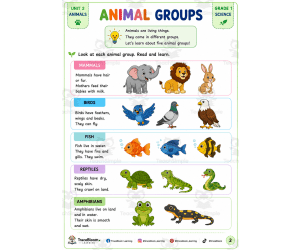
Animal Science Activities for Grade 1 | Printable Animal Workbook
Science, Basic Science, Grade 1, 2, Worksheets & Printables
🐾 Grade 1 Animals Science Workbook | Animal Groups, Habitats, Food, Movement & Body Parts Who lives in the water? Who can fly? What do animals eat? How do animals move? This engaging Grade 1 Animals Science Workbook gives young learners the opportunity to explore the fascinating world of animals through simple, visual and age-appropriate science activities. Designed for Grade 1 science learners , this workbook introduces children to important animal concepts while helping them develop observation, classification, matching and sorting skills. The activities are designed to make science learning enjoyable, accessible and meaningful for young children. 🔎 What Children Will Explore: 🐶 Animal Groups – Identify and sort different animals while learning that animals can be grouped in different ways. 🏠 Animal Habitats – Discover where animals live, including land, water and other environments. Children learn to connect animals with the places that provide what they need to survive. 🥕 What Animals Eat – Explore different types of animal food and identify what various animals eat. 🏃 How Animals Move – Learn about different ways animals move, such as walking, running, swimming, flying, hopping and crawling. 🦁 Animal Body Parts – Identify familiar animal body parts and explore how these parts help animals move, find food and live in their environments. 🐟 Picture-Led Learning – Clear visuals and simple activities help young learners understand science concepts without overwhelming them with lengthy reading or complicated instructions. ✨ Skills Developed: • Science vocabulary • Observation skills • Classification and sorting • Matching and identifying • Comparing animals • Understanding habitats • Recognizing animal features • Early scientific thinking This workbook is ideal for Grade 1 classrooms, primary science lessons, homeschooling, science centers, independent practice, early finishers, revision and extra learning activities . The activities provide opportunities for children to look carefully, think about what they see, make connections and demonstrate their understanding in an age-appropriate way. Whether you are introducing an Animals and Habitats unit, reinforcing classroom learning or looking for engaging science practice, this workbook provides a fun and practical way for young learners to discover the animals around them. 🐾 Make science learning exciting as children explore, observe, sort and discover the wonderful world of animals!
Author Tracebloom Learning
Rating
Tags Animals, Grade 1 Science , Science Workbook, Science Activities, Early Years Science

ESL Reading Comprehension + Writing Activity Worksheets - EXO - K-Pop
ELA, Language Development, ESL, Vocabulary, Writing, Reading, Reading Comprehension, Formal Writing, Creative Writing, Middle School, Not Grade Specific, High School, Adult Education, Worksheets, Worksheets & Printables, Writing Prompts
ESL Reading Comprehension + Writing Activity Worksheets - EXO - K-Pop This ESL - EFL Teaching Resource on " EXO - K-Pop Group " ( 3 PDF Worksheets Slides - Reading Comprehension + Writing Activity ) can be ideal to improve Language skills in English. Ideal students for this ESL EFL TESOL Reading + Writing Activity are Foreign Students at middle and High School ( 7th - 12th Grade; teens ) . Newcomers or any ESL Learner is also more than suitable for this ESL - EFL - TESOL - TEFL ( English as a Second or Foreign Language ) Activity on " EXO - K-Pop Group " ( origins, backgroud and evolution + most famous songs + style and themes + legacy, popularity and success ). This Teaching Educational Resource Product can also be ideal for ESL EFL TESOL Centers worldwide or any English second language tutor. Intermediate Advanced English as a Second or Foreign Language ( ESL - EFL - TESOL - TEFL ) learners are suitable for this ESL - EFL - TESOL - TEFL Teaching Resource on " EXO - K-Pop Group " ( Worksheet ; 3 PDF Printable slides ) In this English Second or Foreign Language ( ESL - EFL - TESOL - TEFL ) Reading Comprehension + Essay Writing Activity Worksheet on " EXO - K-Pop Group " ( origins, backgroud and evolution + most famous songs + style and themes + legacy, popularity and success ), the following ESL - EFL - TESOL - TEFL ( English Second or Foreign Language ) activities are included: 1 text on " EXO - K-Pop Group " ( origins, backgroud and evolution + most famous songs + style and themes + legacy, popularity and success ) 22 Comprehension Questions related to the previous text on " EXO - K-Pop Group " ( with related space where students can answer to this text's comprehension questions ) 2 essay prompt for a writing activity on " EXO - K-Pop Group " ( writing an essay on another music group; describing them and comparing them to EXO + pretending to spend a day with EXO and writing about this imaginary experience in a page of diary ) This ESL - EFL - TESOL - TEFL ( English Second or Foreign Language ) Teaching Resource Reading + Writing Activity ( essay prompts ) on " EXO - K-Pop Group " ( origins, backgroud and overall biography + most famous songs + style and themes + legacy, popularity and success ) is great for Intermediate Advanced English as a second or foreign language learners ( ESL- EFL - TESOL - TEFL ). This English Second Language Worksheet on " EXO - K-Pop Group " ( origins, backgroud and evolution + most famous songs + style and themes + legacy, popularity and success ) aims to train and Reading Comprehension + Writing Skills. " Learning with Alan " is a teaching resources store that aims to provide high quality teaching resources and educational materials for ESL - EFL - TESOL ( English Second or Foreign Language ) teachers, tutors and educators. It aims to support teachers, educators, and tutors in both online and offline environments, helping them achieve their teaching goals while creating a fun, stimulating atmosphere for learning English. Always remember: learning is fun, and so is English! If you want to find more ESL - EFL - TESOL - TEFL ( English Second or Foreign Language ) Teaching Resources and Educational Material click here Learning with Alan!
Author Learning with Alan
Rating
Tags ESL, English Second Language, English, Reading Comprehension, Writing Activity, EXO, South Korea, K-Pop, Activity, Printable
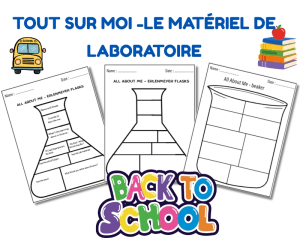
Science All About Me Worksheets | Back to School STEM Activity
Chemistry, Science, STEM, Grade 4, 5, Templates, Teacher Tools
Start the school year with a creative science-themed All About Me activity that gives students an opportunity to introduce themselves while connecting personal information with their interest in science. This printable resource is designed for elementary and middle school students and features fun science lab-inspired templates. Students complete an All About Me worksheet using science-themed designs such as an Erlenmeyer flask and laboratory beaker . They can share information about their name and grade, favorite school subject, favorite lab material, favorite science topic, what they like learning about in science, personal goals, and other details about themselves. The science lab format makes this activity a fun alternative to traditional All About Me worksheets. It can help teachers learn more about their students while creating an engaging classroom community at the beginning of the school year. This resource is easy to prepare and can be used during the first days of school, back-to-school science lessons, classroom introductions, morning work, or student reflection activities. What's Included: Science-themed All About Me worksheets Erlenmeyer flask template Laboratory beaker template Personal information writing prompts Science interest and preference prompts Space for students to share their goals and ideas Printable student-friendly pages
Author Bright Education
Rating
Tags Science All About Me, All About Me, STEM Activity, Back To School, First Day Of School, Science Lab, Elementary Science
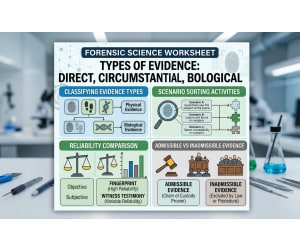
Types of Evidence: Direct, Circumstantial, Physical, Biological
Science, Physics, Life Sciences, Biology, Human Body, Research, Classroom Management, Resources for Teachers, Community Building, STEM, Grade 6, 7, 8, 9, 10, 11, 12, Worksheets & Printables, Workbooks, Worksheets, Word Searches, Teacher Tools, Lesson Plans, Quizzes and Tests, Quizzes, Tests, Assessments
Transform your forensic science, law, or criminal justice classroom into an engaging investigative hub! This comprehensive 43-page unit provides everything you need to guide students from basic concepts to expert-level analysis of evidence. Say goodbye to hours of prep work and hello to a "no-prep" resource that makes complex legal and scientific principles accessible, engaging, and relevant. Students will move beyond the "CSI effect" to understand the real-world challenges of evidence collection and analysis. They will learn to think critically about the differences between direct and circumstantial evidence, the reliability of eyewitnesses versus DNA, and why a "smoking gun" piece of evidence might be thrown out of court. WHAT'S INSIDE THIS ALL-IN-ONE UNIT? PART 1: In-Depth Theoretical Guide (Chapters 1-4): A detailed reading guide that covers the core concepts: Direct vs. Circumstantial Evidence Physical vs. Biological & Trace Evidence (Locard's Principle) Class vs. Individual Characteristics Admissibility Rules: Hearsay, Chain of Custody, Fourth Amendment, and Probative Value vs. Prejudicial Impact. PART 2: Engaging Student Workbook (10 Worksheets): A series of scaffolded activities that build skills progressively: Worksheets 1-5: Focus on fundamentals, definitions, and legal constraints. Worksheets 6-9: Real-world scenario sorting, reliability comparisons, and cross-classification matrices. Worksheet 10 (Capstone): A final evaluation where students act as paralegals, auditing a prosecutor's case file to find flaws in evidence. PART 3: Teacher Resources & Visuals: 3 Professional Diagrams: Visually clear flowcharts and spectrums explaining evidence classification, reliability, and the admissibility decision process. Perfect for classroom display or as student handouts. Comprehensive Answer Key: Detailed answers and justifications for every question in the student workbook, making assessment clear and simple. This resource is perfect for building critical thinking, analytical reasoning, and argumentation skills. It's a must-have for any teacher looking to provide a robust and realistic introduction to the world of forensic investigation. Keywords for SEO: Forensic Science, Criminal Justice, Law, Civics, Types of Evidence, Direct Evidence, Circumstantial Evidence, Physical Evidence, Biological Evidence, DNA, Trace Evidence, Locard's Exchange Principle, Admissibility, Hearsay, Chain of Custody, High School, Grades 10-12, Worksheet, Activity, Project, Unit Plan, No Prep, Sub Plans, Homeschool. Why Parents/Schools Love It : Promotes Deep Critical Thinking: This unit moves beyond simple memorization, teaching students to analyze, evaluate, and debate the strengths and weaknesses of different evidence types, just like real investigators and lawyers. Real-World Relevance & Engagement: It connects abstract scientific and legal principles to captivating crime scenarios, making learning "sticky" and highly engaging for students interested in forensics and law. Comprehensive & All-in-One: From foundational theory to practical application worksheets, visual aids, and a full teacher key, this resource is a complete, self-contained unit that saves teachers valuable preparation time. Builds Essential Career Skills: It provides a realistic and robust foundation for students considering careers in law, law enforcement, or forensic science, developing their skills in logic, argumentation, and scientific reasoning. Target Students: The academic language, complexity of legal concepts (e.g., admissibility, Fourth Amendment, spousal privilege), and critical thinking required make this resource ideal for: High School Students (Grades 10-12) in courses such as: Forensic Science Criminal Justice / Criminology Law & Society or Street Law Civics and Government (as a practical application unit) Introductory College-Level Students (First Year) in similar survey courses. Copyright/Terms of Use: This Book was copyrighted by Syed Hammad Rizvi. This resource is for personal and single classroom use only. You may not alter, redistribute, or sell any part of this resource. In other words, you may not put it on the Internet where it could be publicly found and downloaded. If you want to share this resource with colleagues, please purchase additional licenses from Teachsimple. Thank you for respecting these terms of use. This product is happily brought to you by Syed Hammad Rizvi
Author Creative Book Store
Rating
Tags ForensicScience, CriminalJustice, Criminology, LawClass, StreetLaw, Civics, CrimeSceneInvestigation, TypesOfEvidence, DirectEvidence, CircumstantialEvidence

Five Senses Sorting Activity | All About Me Preschool PreK Kindergarte
Science, Kindergarten, Preschool, Activities, Worksheets & Printables
Help young learners explore their five senses while learning more about themselves with this engaging Five Senses Sorting Activity for Preschool, PreK, and Kindergarten . Designed for early learners, this printable resource combines simple visual sorting, sensory vocabulary, and personal connections in an easy-to-use classroom format. Children identify seeing, hearing, smelling, tasting, and touching while sorting familiar objects and experiences into the correct sense category. The activities are designed with large visuals, simple directions, and plenty of space for young learners to work independently or with teacher support. What's Included Colorful classroom-ready cover Five-senses visual introduction Individual practice pages for the five senses Picture-based sorting activities All About Me sensory connections Review and application activity Simple teacher-friendly organization Black-and-white interior pages for economical printing Skills Developed Identifying the five senses Connecting senses with everyday experiences Visual discrimination Categorization and sorting Vocabulary development Listening and speaking Observation and early science skills Personal connection and self-awareness Perfect For Preschool and PreK science Kindergarten five-senses units All About Me themes Science centers Small-group instruction Morning meeting activities Independent practice Review and reinforcement Why Teachers Love It The activities are intentionally simple for young learners while still encouraging meaningful thinking and conversation. Clear visuals support emerging readers, and the hands-on sorting approach gives children repeated opportunities to identify which sense helps them experience the world around them. Use this five senses preschool activity during an All About Me unit, beginning-of-year lessons, science centers, small groups, or kindergarten sensory-learning practice.
Author TeachTrend Studio
Rating
Tags Activities, Centers, Hands-on Activities, Printables, Student Practice, Worksheets

5 Senses Activities for Kindergarten | Science Detective Worksheets
Science, Kindergarten, Activities, Worksheets & Printables
Turn a five-senses lesson into an engaging investigation with this 5 Senses Detectives science activity bundle for Kindergarten! Students become junior scientists as they observe, identify, compare, and record information using sight, hearing, smell, taste, and touch. Designed for hands-on classroom learning, these low-prep activities give young learners meaningful opportunities to explore how their senses help them understand the world around them. What's Included: Detective-themed five senses introduction Five senses observation activities Sight investigation and scavenger-style observation Sound investigation and recording Smell investigation and recording Taste investigation and recording Touch investigation with mystery objects Five senses review and reflection Student-friendly recording pages Visual prompts and simple directions Skills Developed: Identifying the five senses Connecting senses with observations Describing sensory characteristics Sorting and classifying observations Recording simple scientific evidence Making observations and drawing conclusions Using science vocabulary Perfect For: Kindergarten science Five senses units Science centers Hands-on learning Small-group instruction Whole-class investigations Early-year science activities Science review and assessment Why Teachers Love It: The detective theme gives students a memorable reason to observe closely, talk about their discoveries, and document what they notice. The black-and-white student pages are economical to print while the colorful cover creates an inviting finished resource. Use these five senses activities for Kindergarten as a focused science mini-unit, center rotation, review sequence, or engaging addition to your elementary science curriculum.
Author TeachTrend Studio
Rating
Tags Hands-on Activities · Activities · Centers · Printables · Worksheets · Critical Thinking And Problem Solving
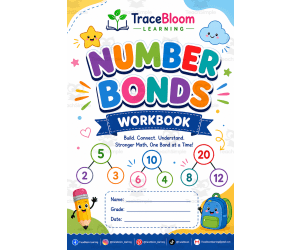
Number Bonds to 5, 10 & 20 worksheet | Addition & Subtraction
Math, Order Of Operations, Addition, Addition and Subtraction, Subtraction, Grade 1, 2, Worksheets & Printables
Help young learners develop strong number sense and early math skills with this engaging Number Bonds Workbook from TraceBloom Learning. Designed for young children, this resource provides clear, age-appropriate practice with number bonds while connecting them naturally to addition and subtraction . This 15-page math workbook introduces children to the idea that numbers can be split into parts and recombined to make a whole. Learners practise number bonds to 5, number bonds to 10, and number bonds to 20 through a variety of simple, engaging activities. The workbook includes missing-part number bonds, picture and counter models, different ways to make a number, addition sentences, subtraction sentences, fact families, number bond challenges, and a final review . Activities are designed to provide meaningful practice without overwhelming young learners. Skills Covered Number bonds to 5 Number bonds to 10 Number bonds to 20 Part-part-whole relationships Finding missing numbers Addition using number bonds Subtraction using number bonds Fact families Number sense and mental math Mathematical reasoning and problem-solving Perfect For This resource is ideal for early math classrooms, kindergarten and Grade 1 learners, math centers, independent practice, homework, intervention, tutoring, homeschool activities, and additional skills practice . The pages use child-friendly visuals, simple instructions, and spacious activities to help children focus on one mathematical skill at a time. Whether you are introducing number bonds for the first time or looking for extra addition and subtraction practice , this workbook gives learners opportunities to build confidence while strengthening their understanding of numbers. 🌸 TraceBloom Learning — Learn • Grow • Succeed
Author Tracebloom Learning
Rating
Tags #NumberBonds, #NumberBondsWorksheets, #EarlyMath, #AdditionAndSubtraction, #MathWorksheets, #NumberSense, #Grade1Math, #TeacherResources, #HomeschoolMath

US State Presentation on Maine
Social Studies, Economics, First Peoples (Native), Geography, History, History: USA, Middle School, Not Grade Specific, High School, Teacher Tools, Presentations, Lesson Plans
US State Presentation on Maine Bring the United States to life in your classroom with this engaging US State Presentation on Maine , a ready-to-use digital resource designed for Geography, Social Studies, and US History classes from 7th grade through 12th grade . This presentation provides students with a clear, structured introduction to one US state while combining essential geographical, historical, economic, and cultural information in an accessible format. This US State Presentation on Maine , includes: The resource begins with a general introduction to the state , helping students understand its location, identity, and importance within the United States. Students then explore the state's borders and neighboring states , making it easier to place it within the broader geography of the country. A general data section introduces key facts such as population, area, population density, capital city, and other essential statistics , providing a useful foundation for further study. A paragraph that explores the history of this US state , highlighting important events, periods, people, and developments that have shaped its identity. This section is particularly useful for US History lessons because it allows students to connect state-level history with major events and themes in American history. A Geography section examines the state's physical characteristics, including its territory, landscapes, natural features, environment, and climate. Students can discover how mountains, rivers, plains, forests, coastlines, deserts, or other geographical characteristics have influenced settlement and human activity. A presentation also introduces the state's economy , explaining its major economic sectors, industries, natural resources, agricultural activities, and other economic strengths. This provides an excellent opportunity to connect geography with economics and understand why particular industries have developed in different parts of the United States. A dedicated section focuses on the capital city , introducing its importance as a political and administrative center. Students can also learn about other important cities , discovering major urban centers and their roles in business, transportation, education, culture, tourism, or industry. A paragraoh that explores culture , giving students an opportunity to learn about traditions, food, music, celebrations, landmarks, historical heritage, and other characteristics that contribute to the state's unique identity. This digital US State Presentation on Maine is ideal for classroom instruction, student research, geography units, US History lessons, Social Studies activities, state studies, homework, review activities, and independent learning. Its organized structure makes it suitable for middle school and high school students , while its broad range of topics encourages students to view a state from multiple perspectives. Whether you are teaching a unit on the United States, American Geography, US History, state studies, or regional culture , this resource offers a convenient and engaging way to help students explore the diversity and complexity of the United States. Perfect for: Geography Classes, Social Studies Classes, US History Classes, Middle School, High School, Grades 7–12, State Studies, American Studies, Homeschooling, Student Research, and Digital Learning. Learning with Alan is an educational resource store created to help teachers, educators, and tutors reach their teaching goals while building a fun, engaging, and stimulating learning environment . Because learning should always be meaningful—and fun! 🎓✨ If you want to browse more of my Teaching Resources, click here Learning with Alan!!
Author Learning with Alan
Rating
Tags US State, USA, United States Of America, Maine, New England, Presentation, Lesson, Introduction, Geography, Social Studies
Reading Comprehension | Life Science | Biology | Evolution (Word)
Science, ELA, Reading, Reading Comprehension, Strategies, Resources for Teachers, Common Core, Language Development, Life Sciences, Biology, Grade 6, 7, 8, 9, 10, Writing Prompts, Worksheets & Printables, Centers, Activities, Teacher Tools, Assessments, Quizzes and Tests, Quizzes, Tests, Literacy Readers
Life Science Reading Comprehension Passage and Questions for Middle School: Evolution (Word Document) This engaging middle school life science reading comprehension resource explores the theory of evolution, natural selection, and the evidence scientists use to understand how life changes over time . Students learn how Charles Darwin’s observations of Galápagos finches helped shape his thinking about adaptation and how inherited traits can become more common in populations across generations. The passage explains key concepts including variation, natural selection, adaptation, competition, survival and reproduction, common ancestry, fossils, transitional forms, comparative anatomy, and biogeography . Students also learn how geographic isolation can cause populations to change in different directions over time. This passage is designed to bridge the gap between science and literacy by strengthening reading comprehension while sparking scientific curiosity in middle school students. It blends English Language Arts skills with accurate science content, helping students build background knowledge, understand key concepts, use evidence from the text, and explain scientific ideas clearly. This resource supports science classroom practice while also reinforcing important literacy skills such as main idea, vocabulary, comprehension, and summarizing. Ideal for interdisciplinary learning in ELA and Science. Suitable for Grade 9 review, too! Student Tasks for The Passage: 10 multiple-choice questions targeting main idea, key details, science concepts, comparison, and real-world applications 10 True/False statements to check understanding and address common misconceptions 5 text-based short-answer questions that require students to explain important ideas from the passage 5 vocabulary matching items with clear, student-friendly definitions 1 summary prompt that asks students to condense the central ideas accurately Full answer key for every section Available Formats for this Resource PDF Fillable PDF Google Docs Product Details Length: 7 pages total Grades: 6–8, also suitable for Grade 9 review Use cases: close reading, stations, homework, intervention, test prep, and sub plans Standards support: Reinforces informational-text skills and supports NGSS-style sense-making by helping students read scientific explanations, connect evidence to key concepts, interpret real-world examples, and explain cause-and-effect relationships in science. Other Science Reading Collections and Topics You May Find in the Store: 1. Astronomy & Space Science 2. Volcanoes, Rocks, & Mountains 3. Rock Cycle, Soil, & Sinkholes 4. Mars, Glaciers, & Antarctica 5. Water Cycle, Acid Rain, & Wastewater 6. Insects, Animals, & Ecosystems 7. Bioluminescence & Insects 8. Animal Skin, Cats, & T. Rex 9. Human Body and Senses 10. Health & Applied Bioscience 11. Waves, Light, & Imaging 12. Electricity & Energy 13. Motion & Materials 14. Chemistry and Materials Science 15. Electromagnetism 16. Acids and Bases 17. Gas Laws 18. Biotechnology 19. Periodic Trends 20. Protists and Fungi 21. Microevolution 22. Blood 23. Chemical Bonding 24. Magnets 25. Muscles 26. Nuclear Chemistry 27. Electromagnetic Devices 28. Epigenetics 29. The Law of Conservation of Mass 30. Atomic Models 31. Isotopes and Ions 32. Light 33. Human-Environment Interaction 34. Theory of Evolution 35. Photosynthesis 36. Origins of Life and Early Earth 37. Gene Expression and Regulation 38. Thermochemistry 39. Allergies 40. Coevolution 41. Birth to Adulthood 42. Cells 43. Entropy and Free Energy 44. The Human Brain 45. Mixtures and Solutions 46. Invertebrates 47. Zoo Animals 48. Biochemistry 49. Animal Behavior 50. Population Ecology ...and many more engaging science reading passages that cover intriguing and important topics designed to spark curiosity and support student learning. Use this passage to reinforce ELA skills in science, to add literacy to your lessons, and to support independent work. The passages strengthen main idea, evidence use, vocabulary in context, inference, cause and effect, and summary writing. With ready-to-use assessments and complete answer keys, you can provide focused practice that is simple to run and fast to review.
Author EduNation Creative Store
Rating
Tags Middle School, Reading Comprehension, Reading Strategies, ELA, Centers, Reading Passage, Assessments, Vocabulary, Life Science, Biology
Evolution | Life Science | Biology Reading Comprehension Fillable PDF
Science, ELA, Reading, Reading Comprehension, Strategies, Resources for Teachers, Common Core, Language Development, Life Sciences, Biology, Grade 6, 7, 8, 9, 10, Writing Prompts, Worksheets & Printables, Centers, Activities, Teacher Tools, Assessments, Quizzes and Tests, Quizzes, Tests, Literacy Readers
Life Science Reading Comprehension Passage and Questions for Middle School: Evolution (PDF) This engaging middle school life science reading comprehension resource explores the theory of evolution, natural selection, and the evidence scientists use to understand how life changes over time . Students learn how Charles Darwin’s observations of Galápagos finches helped shape his thinking about adaptation and how inherited traits can become more common in populations across generations. The passage explains key concepts including variation, natural selection, adaptation, competition, survival and reproduction, common ancestry, fossils, transitional forms, comparative anatomy, and biogeography . Students also learn how geographic isolation can cause populations to change in different directions over time. This passage is designed to bridge the gap between science and literacy by strengthening reading comprehension while sparking scientific curiosity in middle school students. It blends English Language Arts skills with accurate science content, helping students build background knowledge, understand key concepts, use evidence from the text, and explain scientific ideas clearly. This resource supports science classroom practice while also reinforcing important literacy skills such as main idea, vocabulary, comprehension, and summarizing. Ideal for interdisciplinary learning in ELA and Science. Suitable for Grade 9 review, too! Student Tasks for The Passage: 10 multiple-choice questions targeting main idea, key details, science concepts, comparison, and real-world applications 10 True/False statements to check understanding and address common misconceptions 5 text-based short-answer questions that require students to explain important ideas from the passage 5 vocabulary matching items with clear, student-friendly definitions 1 summary prompt that asks students to condense the central ideas accurately Full answer key for every section This passage is designed as a fillable PDF , which means students can type their answers directly into the document on any computer or tablet . Each page includes highlighted text fields that show them exactly where to type! Available Formats for this Resource PDF Word Docs Google Docs Product Details Length: 7 pages total Grades: 6–8, also suitable for Grade 9 review Use cases: close reading, stations, homework, intervention, test prep, and sub plans Standards support: Reinforces informational-text skills and supports NGSS-style sense-making by helping students read scientific explanations, connect evidence to key concepts, interpret real-world examples, and explain cause-and-effect relationships in science. Other Science Reading Collections and Topics You May Find in the Store: 1. Astronomy & Space Science 2. Volcanoes, Rocks, & Mountains 3. Rock Cycle, Soil, & Sinkholes 4. Mars, Glaciers, & Antarctica 5. Water Cycle, Acid Rain, & Wastewater 6. Insects, Animals, & Ecosystems 7. Bioluminescence & Insects 8. Animal Skin, Cats, & T. Rex 9. Human Body and Senses 10. Health & Applied Bioscience 11. Waves, Light, & Imaging 12. Electricity & Energy 13. Motion & Materials 14. Chemistry and Materials Science 15. Electromagnetism 16. Acids and Bases 17. Gas Laws 18. Biotechnology 19. Periodic Trends 20. Protists and Fungi 21. Microevolution 22. Blood 23. Chemical Bonding 24. Magnets 25. Muscles 26. Nuclear Chemistry 27. Electromagnetic Devices 28. Epigenetics 29. The Law of Conservation of Mass 30. Atomic Models 31. Isotopes and Ions 32. Light 33. Human-Environment Interaction 34. Theory of Evolution 35. Photosynthesis 36. Origins of Life and Early Earth 37. Gene Expression and Regulation 38. Thermochemistry 39. Allergies 40. Coevolution 41. Birth to Adulthood 42. Cells 43. Entropy and Free Energy 44. The Human Brain 45. Mixtures and Solutions 46. Invertebrates 47. Zoo Animals 48. Biochemistry 49. Animal Behavior 50. Population Ecology ...and many more engaging science reading passages that cover intriguing and important topics designed to spark curiosity and support student learning. Use this passage to reinforce ELA skills in science, to add literacy to your lessons, and to support independent work. The passages strengthen main idea, evidence use, vocabulary in context, inference, cause and effect, and summary writing. With ready-to-use assessments and complete answer keys, you can provide focused practice that is simple to run and fast to review.
Author EduNation Creative Store
Rating
Tags Middle School, Reading Comprehension, Reading Strategies, ELA, Centers, Reading Passage, Assessments, Vocabulary, Life Science, Biology

Reading Comprehension | Life Science | Biology | Evolution (PDF)
Science, ELA, Reading, Reading Comprehension, Strategies, Resources for Teachers, Common Core, Language Development, Life Sciences, Biology, Grade 6, 7, 8, 9, 10, Writing Prompts, Worksheets & Printables, Centers, Activities, Teacher Tools, Assessments, Quizzes and Tests, Quizzes, Tests, Literacy Readers
Life Science Reading Comprehension Passage and Questions for Middle School: Evolution (PDF) This engaging middle school life science reading comprehension resource explores the theory of evolution, natural selection, and the evidence scientists use to understand how life changes over time . Students learn how Charles Darwin’s observations of Galápagos finches helped shape his thinking about adaptation and how inherited traits can become more common in populations across generations. The passage explains key concepts including variation, natural selection, adaptation, competition, survival and reproduction, common ancestry, fossils, transitional forms, comparative anatomy, and biogeography . Students also learn how geographic isolation can cause populations to change in different directions over time. This passage is designed to bridge the gap between science and literacy by strengthening reading comprehension while sparking scientific curiosity in middle school students. It blends English Language Arts skills with accurate science content, helping students build background knowledge, understand key concepts, use evidence from the text, and explain scientific ideas clearly. This resource supports science classroom practice while also reinforcing important literacy skills such as main idea, vocabulary, comprehension, and summarizing. Ideal for interdisciplinary learning in ELA and Science. Suitable for Grade 9 review, too! Student Tasks for The Passage: 10 multiple-choice questions targeting main idea, key details, science concepts, comparison, and real-world applications 10 True/False statements to check understanding and address common misconceptions 5 text-based short-answer questions that require students to explain important ideas from the passage 5 vocabulary matching items with clear, student-friendly definitions 1 summary prompt that asks students to condense the central ideas accurately Full answer key for every section Available Formats for this Resource Fillable PDF Word Docs Google Docs Product Details Length: 7 pages total Grades: 6–8, also suitable for Grade 9 review Use cases: close reading, stations, homework, intervention, test prep, and sub plans Standards support: Reinforces informational-text skills and supports NGSS-style sense-making by helping students read scientific explanations, connect evidence to key concepts, interpret real-world examples, and explain cause-and-effect relationships in science. Other Science Reading Collections and Topics You May Find in the Store: 1. Astronomy & Space Science 2. Volcanoes, Rocks, & Mountains 3. Rock Cycle, Soil, & Sinkholes 4. Mars, Glaciers, & Antarctica 5. Water Cycle, Acid Rain, & Wastewater 6. Insects, Animals, & Ecosystems 7. Bioluminescence & Insects 8. Animal Skin, Cats, & T. Rex 9. Human Body and Senses 10. Health & Applied Bioscience 11. Waves, Light, & Imaging 12. Electricity & Energy 13. Motion & Materials 14. Chemistry and Materials Science 15. Electromagnetism 16. Acids and Bases 17. Gas Laws 18. Biotechnology 19. Periodic Trends 20. Protists and Fungi 21. Microevolution 22. Blood 23. Chemical Bonding 24. Magnets 25. Muscles 26. Nuclear Chemistry 27. Electromagnetic Devices 28. Epigenetics 29. The Law of Conservation of Mass 30. Atomic Models 31. Isotopes and Ions 32. Light 33. Human-Environment Interaction 34. Theory of Evolution 35. Photosynthesis 36. Origins of Life and Early Earth 37. Gene Expression and Regulation 38. Thermochemistry 39. Allergies 40. Coevolution 41. Birth to Adulthood 42. Cells 43. Entropy and Free Energy 44. The Human Brain 45. Mixtures and Solutions 46. Invertebrates 47. Zoo Animals 48. Biochemistry 49. Animal Behavior 50. Population Ecology ...and many more engaging science reading passages that cover intriguing and important topics designed to spark curiosity and support student learning. Use this passage to reinforce ELA skills in science, to add literacy to your lessons, and to support independent work. The passages strengthen main idea, evidence use, vocabulary in context, inference, cause and effect, and summary writing. With ready-to-use assessments and complete answer keys, you can provide focused practice that is simple to run and fast to review.
Author EduNation Creative Store
Rating
Tags Middle School, Reading Comprehension, Reading Strategies, ELA, Centers, Reading Passage, Assessments, Vocabulary, Life Science, Biology

FREE Reading Comprehension: Human-Environment Interaction (Word)
Science, ELA, Reading, Reading Comprehension, Strategies, Resources for Teachers, Common Core, Language Development, Earth and Environmental Sciences, Environmental Science, Grade 6, 7, 8, 9, 10, Writing Prompts, Worksheets & Printables, Centers, Activities, Teacher Tools, Assessments, Quizzes and Tests, Quizzes, Tests, Literacy Readers
Reading Comprehension Passage and Questions for Middle School: Human-Environment Interaction (Word Document) This engaging middle school reading comprehension resource explores human-environment interaction and how people and places shape each other. Students learn how communities depend on natural resources, adapt to local environmental conditions, and modify the land to meet human needs. The passage examines real-world examples such as raised homes in flood-prone areas, farming, roads, cities, renewable and nonrenewable resources, deforestation, desertification, pollution, natural hazards, and climate change . It also introduces the idea of sustainability by showing how human needs can be balanced with protecting ecosystems and resources for the future. This passage is designed to bridge the gap between science and literacy by strengthening reading comprehension while sparking scientific curiosity in middle school students. It blends English Language Arts skills with accurate science content, helping students build background knowledge, understand key concepts, use evidence from the text, and explain scientific ideas clearly. This resource supports science classroom practice while also reinforcing important literacy skills such as main idea, vocabulary, comprehension, and summarizing. Ideal for interdisciplinary learning in ELA and Science. Suitable for Grade 9 review, too! Student Tasks for The Passage: 10 multiple-choice questions targeting main idea, key details, science concepts, comparison, and real-world applications 10 True/False statements to check understanding and address common misconceptions 5 text-based short-answer questions that require students to explain important ideas from the passage 5 vocabulary matching items with clear, student-friendly definitions 1 summary prompt that asks students to condense the central ideas accurately Full answer key for every section Available Formats for this Resource PDF Fillable PDF Google Docs Product Details Length: 7 pages total Grades: 6–8, also suitable for Grade 9 review Use cases: close reading, stations, homework, intervention, test prep, and sub plans Standards support: Reinforces informational-text skills and supports NGSS-style sense-making by helping students read scientific explanations, connect evidence to key concepts, interpret real-world examples, and explain cause-and-effect relationships in science. Other Science Reading Collections and Topics You May Find in the Store: 1. Astronomy & Space Science 2. Volcanoes, Rocks, & Mountains 3. Rock Cycle, Soil, & Sinkholes 4. Mars, Glaciers, & Antarctica 5. Water Cycle, Acid Rain, & Wastewater 6. Insects, Animals, & Ecosystems 7. Bioluminescence & Insects 8. Animal Skin, Cats, & T. Rex 9. Human Body and Senses 10. Health & Applied Bioscience 11. Waves, Light, & Imaging 12. Electricity & Energy 13. Motion & Materials 14. Chemistry and Materials Science 15. Electromagnetism 16. Acids and Bases 17. Gas Laws 18. Biotechnology 19. Periodic Trends 20. Protists and Fungi 21. Microevolution 22. Blood 23. Chemical Bonding 24. Magnets 25. Muscles 26. Nuclear Chemistry 27. Electromagnetic Devices 28. Epigenetics 29. The Law of Conservation of Mass 30. Atomic Models 31. Isotopes and Ions 32. Light 33. Human-Environment Interaction 34. Theory of Evolution 35. Photosynthesis 36. Origins of Life and Early Earth 37. Gene Expression and Regulation 38. Thermochemistry 39. Allergies 40. Coevolution 41. Birth to Adulthood 42. Cells 43. Entropy and Free Energy 44. The Human Brain 45. Mixtures and Solutions 46. Invertebrates 47. Zoo Animals 48. Biochemistry 49. Animal Behavior 50. Population Ecology ...and many more engaging science reading passages that cover intriguing and important topics designed to spark curiosity and support student learning. Use this passage to reinforce ELA skills in science, to add literacy to your lessons, and to support independent work. The passages strengthen main idea, evidence use, vocabulary in context, inference, cause and effect, and summary writing. With ready-to-use assessments and complete answer keys, you can provide focused practice that is simple to run and fast to review.
Author EduNation Creative Store
Rating
Tags Middle School, Reading Comprehension, Reading Strategies, ELA, Centers, Reading Passage, Assessments, Vocabulary, Environmental Science, Geography
FREE Reading Comprehension: Human-Environment Interaction Fillable PDF
Science, ELA, Reading, Reading Comprehension, Strategies, Resources for Teachers, Common Core, Language Development, Earth and Environmental Sciences, Environmental Science, Grade 6, 7, 8, 9, 10, Writing Prompts, Worksheets & Printables, Centers, Activities, Teacher Tools, Assessments, Quizzes and Tests, Quizzes, Tests, Literacy Readers
Reading Comprehension Passage and Questions for Middle School: Human-Environment Interaction (Fillable PDF) This engaging middle school reading comprehension resource explores human-environment interaction and how people and places shape each other. Students learn how communities depend on natural resources, adapt to local environmental conditions, and modify the land to meet human needs. The passage examines real-world examples such as raised homes in flood-prone areas, farming, roads, cities, renewable and nonrenewable resources, deforestation, desertification, pollution, natural hazards, and climate change . It also introduces the idea of sustainability by showing how human needs can be balanced with protecting ecosystems and resources for the future. This passage is designed to bridge the gap between science and literacy by strengthening reading comprehension while sparking scientific curiosity in middle school students. It blends English Language Arts skills with accurate science content, helping students build background knowledge, understand key concepts, use evidence from the text, and explain scientific ideas clearly. This resource supports science classroom practice while also reinforcing important literacy skills such as main idea, vocabulary, comprehension, and summarizing. Ideal for interdisciplinary learning in ELA and Science. Suitable for Grade 9 review, too! Student Tasks for The Passage: 10 multiple-choice questions targeting main idea, key details, science concepts, comparison, and real-world applications 10 True/False statements to check understanding and address common misconceptions 5 text-based short-answer questions that require students to explain important ideas from the passage 5 vocabulary matching items with clear, student-friendly definitions 1 summary prompt that asks students to condense the central ideas accurately Full answer key for every section This passage is designed as a fillable PDF , which means students can type their answers directly into the document on any computer or tablet . Each page includes highlighted text fields that show them exactly where to type! Available Formats for this Resource PDF Word Docs Google Docs Product Details Length: 7 pages total Grades: 6–8, also suitable for Grade 9 review Use cases: close reading, stations, homework, intervention, test prep, and sub plans Standards support: Reinforces informational-text skills and supports NGSS-style sense-making by helping students read scientific explanations, connect evidence to key concepts, interpret real-world examples, and explain cause-and-effect relationships in science. Other Science Reading Collections and Topics You May Find in the Store: 1. Astronomy & Space Science 2. Volcanoes, Rocks, & Mountains 3. Rock Cycle, Soil, & Sinkholes 4. Mars, Glaciers, & Antarctica 5. Water Cycle, Acid Rain, & Wastewater 6. Insects, Animals, & Ecosystems 7. Bioluminescence & Insects 8. Animal Skin, Cats, & T. Rex 9. Human Body and Senses 10. Health & Applied Bioscience 11. Waves, Light, & Imaging 12. Electricity & Energy 13. Motion & Materials 14. Chemistry and Materials Science 15. Electromagnetism 16. Acids and Bases 17. Gas Laws 18. Biotechnology 19. Periodic Trends 20. Protists and Fungi 21. Microevolution 22. Blood 23. Chemical Bonding 24. Magnets 25. Muscles 26. Nuclear Chemistry 27. Electromagnetic Devices 28. Epigenetics 29. The Law of Conservation of Mass 30. Atomic Models 31. Isotopes and Ions 32. Light 33. Human-Environment Interaction 34. Theory of Evolution 35. Photosynthesis 36. Origins of Life and Early Earth 37. Gene Expression and Regulation 38. Thermochemistry 39. Allergies 40. Coevolution 41. Birth to Adulthood 42. Cells 43. Entropy and Free Energy 44. The Human Brain 45. Mixtures and Solutions 46. Invertebrates 47. Zoo Animals 48. Biochemistry 49. Animal Behavior 50. Population Ecology ...and many more engaging science reading passages that cover intriguing and important topics designed to spark curiosity and support student learning. Use this passage to reinforce ELA skills in science, to add literacy to your lessons, and to support independent work. The passages strengthen main idea, evidence use, vocabulary in context, inference, cause and effect, and summary writing. With ready-to-use assessments and complete answer keys, you can provide focused practice that is simple to run and fast to review.
Author EduNation Creative Store
Rating
Tags Reading Comprehension, Reading Strategies, ELA, Centers, Reading Passage, Assessments, Vocabulary, Environmental Science, Geography, CCSS
FREE Reading Comprehension: Human-Environment Interaction (PDF)
Science, ELA, Reading, Reading Comprehension, Strategies, Resources for Teachers, Common Core, Language Development, Earth and Environmental Sciences, Environmental Science, Grade 6, 7, 8, 9, 10, Writing Prompts, Worksheets & Printables, Centers, Activities, Teacher Tools, Assessments, Quizzes and Tests, Quizzes, Tests, Literacy Readers
Reading Comprehension Passage and Questions for Middle School: Human-Environment Interaction (PDF) This engaging middle school reading comprehension resource explores human-environment interaction and how people and places shape each other. Students learn how communities depend on natural resources, adapt to local environmental conditions, and modify the land to meet human needs. The passage examines real-world examples such as raised homes in flood-prone areas, farming, roads, cities, renewable and nonrenewable resources, deforestation, desertification, pollution, natural hazards, and climate change . It also introduces the idea of sustainability by showing how human needs can be balanced with protecting ecosystems and resources for the future. This passage is designed to bridge the gap between science and literacy by strengthening reading comprehension while sparking scientific curiosity in middle school students. It blends English Language Arts skills with accurate science content, helping students build background knowledge, understand key concepts, use evidence from the text, and explain scientific ideas clearly. This resource supports science classroom practice while also reinforcing important literacy skills such as main idea, vocabulary, comprehension, and summarizing. Ideal for interdisciplinary learning in ELA and Science. Suitable for Grade 9 review, too! Student Tasks for The Passage: 10 multiple-choice questions targeting main idea, key details, science concepts, comparison, and real-world applications 10 True/False statements to check understanding and address common misconceptions 5 text-based short-answer questions that require students to explain important ideas from the passage 5 vocabulary matching items with clear, student-friendly definitions 1 summary prompt that asks students to condense the central ideas accurately Full answer key for every section Available Formats for this Resource Fillable PDF Word Docs Google Docs Product Details Length: 7 pages total Grades: 6–8, also suitable for Grade 9 review Use cases: close reading, stations, homework, intervention, test prep, and sub plans Standards support: Reinforces informational-text skills and supports NGSS-style sense-making by helping students read scientific explanations, connect evidence to key concepts, interpret real-world examples, and explain cause-and-effect relationships in science. Other Science Reading Collections and Topics You May Find in the Store: 1. Astronomy & Space Science 2. Volcanoes, Rocks, & Mountains 3. Rock Cycle, Soil, & Sinkholes 4. Mars, Glaciers, & Antarctica 5. Water Cycle, Acid Rain, & Wastewater 6. Insects, Animals, & Ecosystems 7. Bioluminescence & Insects 8. Animal Skin, Cats, & T. Rex 9. Human Body and Senses 10. Health & Applied Bioscience 11. Waves, Light, & Imaging 12. Electricity & Energy 13. Motion & Materials 14. Chemistry and Materials Science 15. Electromagnetism 16. Acids and Bases 17. Gas Laws 18. Biotechnology 19. Periodic Trends 20. Protists and Fungi 21. Microevolution 22. Blood 23. Chemical Bonding 24. Magnets 25. Muscles 26. Nuclear Chemistry 27. Electromagnetic Devices 28. Epigenetics 29. The Law of Conservation of Mass 30. Atomic Models 31. Isotopes and Ions 32. Light 33. Human-Environment Interaction 34. Theory of Evolution 35. Photosynthesis 36. Origins of Life and Early Earth 37. Gene Expression and Regulation 38. Thermochemistry 39. Allergies 40. Coevolution 41. Birth to Adulthood 42. Cells 43. Entropy and Free Energy 44. The Human Brain 45. Mixtures and Solutions 46. Invertebrates 47. Zoo Animals 48. Biochemistry 49. Animal Behavior 50. Population Ecology ...and many more engaging science reading passages that cover intriguing and important topics designed to spark curiosity and support student learning. Use this passage to reinforce ELA skills in science, to add literacy to your lessons, and to support independent work. The passages strengthen main idea, evidence use, vocabulary in context, inference, cause and effect, and summary writing. With ready-to-use assessments and complete answer keys, you can provide focused practice that is simple to run and fast to review.
Author EduNation Creative Store
Rating
Tags Middle School, Reading Comprehension, Reading Strategies, ELA, Centers, Reading Passage, Assessments, Vocabulary, Environmental Science, Geography
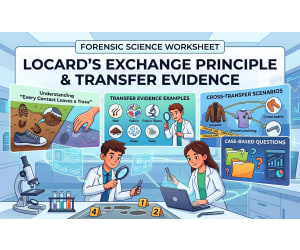
Locard’s Exchange Principle & Transfer Evidence
STEM, Science, Life Sciences, Human Body, Biology, Physics, Psychology, Social Studies, Research, Resources for Teachers, Grade 6, 7, 8, 9, 10, 11, 12, Worksheets & Printables, Workbooks, Worksheets, Word Searches, Teacher Tools, Assessments, Lesson Plans, Quizzes and Tests, Quizzes, Tests
Transform your classroom into a crime lab with this comprehensive, no-prep forensic science unit on Locard's Exchange Principle and the science of trace evidence! This engaging resource is designed to captivate your middle or high school students, turning them into sharp-eyed investigators who understand that "every contact leaves a trace." Perfect for any Forensic Science, Criminal Justice, Biology, or general Science class, this unit breaks down complex theories into understandable, hands-on activities. Students will move from passive reading to active investigation, analyzing realistic case studies and applying critical thinking skills to solve crimes. WHAT'S INCLUDED IN THIS 51-PAGE UNIT: Part 1: In-Depth Reading & Case Studies (13 pages): A detailed guide covering the foundational theory of trace evidence. Chapter 1: The Theory of "Every Contact Leaves a Trace" Chapter 2: The Typology of Transfer Evidence (Hair, Fibers, Soil, etc.) Chapter 3: The Mechanics of Cross-Transfer Chapter 4: Three engaging, age-appropriate Case Studies with application questions that challenge students to apply what they've learned. Part 2: Student Workbook (21 pages): Ten progressive worksheets that build skills from basic vocabulary to complex scenario analysis. 10 Unique Worksheets: Activities include fill-in-the-blanks, evidence classification, scenario dissection, critical thinking questions, and a final "Master Investigator" project where students design their own crime scene! Topics Covered: Primary vs. Secondary Transfer, Cross-Transfer, Microscopic vs. Macroscopic Traces, Environmental Factors, Crime Scene Deconstruction, and more. Part 3: Complete Teacher Resources (17 pages): Everything you need to teach this unit with confidence! Comprehensive Answer Key: Detailed answers for all 10 worksheets, saving you valuable prep time. Instructional Visuals: Three high-contrast, print-friendly diagrams (The Evidence Triangle, Typology of Evidence, and Cross-Transfer Flowchart) perfect for classroom display or student handouts. Teacher Implementation Guide: A goldmine of instructional support, including: Clear Learning Objectives. Suggested 5-Day and condensed 3-Day Pacing Guides. Differentiation Strategies for both struggling and advanced learners. Tips for addressing common student misconceptions. ► Key Concepts Covered: Locard's Exchange Principle Trace Evidence (Biological, Manufactured, Environmental) Primary Transfer (Direct Transfer) Secondary Transfer (Indirect Transfer) Cross-Transfer Evidence Persistence and Degradation Microscopic vs. Macroscopic Evidence Bring the thrill of a CSI lab to your classroom and watch your students' critical thinking skills come alive. Download now to get started! This print-and-go PDF resource is your complete solution for teaching one of the most fundamental principles in forensic science. Watch your students' engagement and critical thinking skills soar as they learn to see the invisible world of evidence all around them. Keywords: Forensic Science, Forensics, Locard's Exchange Principle, Trace Evidence, Crime Scene Investigation, CSI Activity, High School Science, Middle School Science, STEM, Criminal Justice, Worksheets, Handouts, Printables, No Prep, Sub Plans, Case Studies, Critical Thinking, Differentiated Instruction. Why Parents/Schools Love It: Promotes Real-World Critical Thinking: Instead of just memorizing facts, students apply scientific principles to solve complex, story-driven puzzles, developing crucial analytical and problem-solving skills. Comprehensive & Time-Saving: This is a complete, "print-and-go" unit. The included pacing guides, differentiation strategies, and full answer key save teachers hours of planning and preparation time. Engages All Learners: With exciting case studies and hands-on analysis, it captures the interest of students who might be disengaged by traditional science lessons. The built-in differentiation guide ensures both struggling and advanced learners are challenged appropriately. Cross-Curricular Connections: This resource seamlessly blends science (biology, physics, geology) with reading comprehension, logical reasoning, and writing, making it a valuable tool across multiple subject areas. Builds Foundational STEM Skills: Students learn the core of the scientific method—observation, hypothesis, and analysis—in the thrilling context of crime scene investigation, sparking interest in future STEM careers. Target Audience : Based on the content's complexity, vocabulary, and the explicit mention in the teacher's guide, target the following: Primary Target: High School Forensic Science classes (Grades 9-12). This material is perfectly aligned with the standard curriculum for an introductory forensics course. Secondary Target: Advanced Middle School Science / STEM Electives (Grades 7-8). The concepts are accessible, and the case studies are engaging for this age group, especially with the teacher guidance provided. High School Biology or Integrated Science Classes (Grades 9-10) as a special, high-interest unit. Criminal Justice or Law Enforcement Classes (Grades 10-12) to provide foundational scientific context. Copyright/Terms of Use: This Book was copyrighted by Syed Hammad Rizvi. This resource is for personal and single classroom use only. You may not alter, redistribute, or sell any part of this resource. In other words, you may not put it on the Internet where it could be publicly found and downloaded. If you want to share this resource with colleagues, please purchase additional licenses from Teachsimple. Thank you for respecting these terms of use. This product is happily brought to you by Syed Hammad Rizvi
Author Creative Book Store
Rating
Tags LocardsExchangePrinciple, TraceEvidence, ForensicScience, Forensics, CrimeSceneInvestigation, CSIactivity, TransferEvidence, CrossTransfer, ForensicFiles, ScienceOfTraces

Acorn Dot Painting - A Fine Motor Art Activity
Creative Arts, Art, Kindergarten, Preschool, Grade 1, Activities, Crafts
Practice fine motor skills while creating an acorn and squirrel dot art painting with these fine motor q-tip dot painting sheets. This acorn themed art activity is a perfect fall craft for preschoolers and early elementary students to practice hand eye coordination. The following dot painting pages are included in this set: acorn, forest, squirrel (3), and tree. Each page is designed with a different medical item for students to practice their fine motor skills and create a fun art picture to display in the classroom or in their home. Students will have fun choosing their colors to make their pictures their own unique masterpieces. When to Use Dot Painting Pages Art or Fine Motor Center: Place dot painting pages in the center with a variety of paint colors and cotton swabs. Students build fine motor skills, hand-eye coordination, and creativity while completing their designs. Whole Class Craft Activity: Use as an independent art activity at student desks. Each student selects and completes their own dot painting page, encouraging choice, focus, and creative expression. Early Finisher Activity: Provide as a no-prep enrichment option for students who finish work early. Keeps students engaged, on-task, and productive. Quiet Time Activity: Offer during rest time for students who do not nap. Supports quiet engagement, calm behavior, and independent work skills. Classroom Displays: Use completed pages for bulletin boards, door decorations, or hallway displays to showcase student work and enhance the classroom environment. All of these dot painting pages are no prep. They just need to be printed and given to students to decorate. The teacher will simply need to provide paints of various colors and cotton swabs. An alternative to using cotton swabs and paint is to have students decorate their pictures with dots of colored glue. Older students may want to try creating their pictures this way for a more tactile way to complete this art activity.
Author The Connett Connection
Rating
Tags Fine Motor Art, Fine Motor Skills, Dot Painting, Qtip Painting
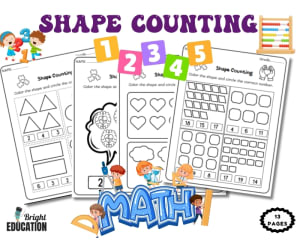
Shape Counting Worksheets | Count, Color & Identify Shapes Math
Counting, Early Math, Math, Early Learning, Templates, Teacher Tools
Make early math practice engaging with this Shape Counting activity pack designed for young learners. This printable resource combines shape recognition, counting, coloring, and number identification to help students build foundational math skills in a fun and accessible way. Students count groups of shapes, color the shapes, and choose or circle the correct number that represents how many shapes they see. The activities encourage students to carefully observe visual groups, connect quantities with numerals, and practice counting with different 2D shapes. With 13 pages of printable activities , this resource provides repeated practice while keeping students actively involved. The simple layouts make the worksheets easy for young learners to understand and complete independently or with teacher guidance. This resource is a great choice for preschool and kindergarten math lessons, early learning centers, morning work, independent practice, or homework. It can also be used as a review activity when introducing or reinforcing basic shape and counting concepts. What’s Included: 13 printable shape counting worksheets Shape recognition activities Count and color exercises Circle the correct number activities Practice with groups of different shapes Number recognition practice Printable black-and-white worksheets Clear, student-friendly layouts
Author Bright Education
Rating
Tags Shape Counting, Shapes Worksheets, Counting Practice, Math Worksheets, Preschool Math, Kindergarten Math, Early Math, Coloring Activity, Classroom Resources
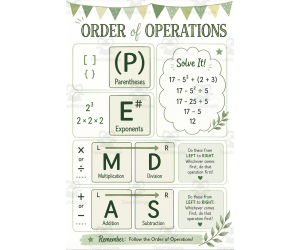
PEMDAS Order of Operations Work Packet + 5 additional Review pages!
Common Core, Math, Algebra, Order Of Operations, Grade 5, 6, 7, 8, Worksheets & Printables, Worksheets
There are 2 separate work packets included in this purchase. They both come with the same cover page so that you can differentiate without drawing attention! Check out the video preview to see the insides of the 2 packets. These are great for 5th/6th graders who need a refresher with the easier packet, or 7th/8th graders who are already familiar and need the more challenging packet! --Packet 1 is more for beginners or those new to Order of Operations. Starts with basic questions like identifying what the first step is and ends with doing simple problems. Comes with an answer key --Packet 2 begins with doing simple problems, move to moderate and hard problems, and ends with a "Challenge problems" page for more advanced students. Comes with answer key. This packet also has an addition "show your work" page across from every single problem page so that students are encourage to show their work! --I've also included 5 random worksheets I made to use in the past before I put together this packet! No answer keys with these but they're just basic worksheets! There is also a classroom poster that prints easily on legal sized paper or that you can send out to have printed that matches the cover pages of the kids' work packet. Great for sub days!
Author Tpete's Supply Store
Rating
Tags PEMDAS, Order Of Operations, Math Sub, Math Packet, Sub Packet, Middle School Math, PEMDAS SUB PACKET, Order Of Operations Sub Packet, Order Of Operations Work Packet, PEMDAS Work Packet

World Geography Bell Ringers FULL YEAR - 180 Daily Warm-Ups
Geography, Social Studies, Grade 6, 7, 8, 9, 10, 11, 12, Worksheets, Worksheets & Printables
This is a full year of world geography bell-ringers - 180 short daily prompts that give secondary students a steady, five-minute way to begin class. The set spans an entire course: the five themes of geography, maps and globes and scale, latitude and longitude, map projections and distortion, landforms and rivers, plate tectonics, weathering and erosion, the controls on climate and the world's biomes; population distribution and growth, migration, urbanization and megacities, language, religion and cultural diffusion; development indicators, the primary through quaternary sectors, trade, globalization, resources and water conflict; and a region-by-region survey from North America and Latin America through Europe, Russia and Central Asia, North Africa and Southwest Asia, Sub-Saharan Africa, South and East Asia, and Oceania. Prompts are arranged into 36 weekly pages, each holding five days of work a teacher can hand out on Monday and collect on Friday. Every week rotates through a term defined and applied, a short reading with a text-dependent question, a map or data set to interpret, a quick recall check, and a question that asks students to make a claim and support it with evidence, so the daily habit stays fresh. Every reading passage in the set is original writing, so there is no third-party text to clear. Everything is print-first: one clean PDF that copies well, uses little ink, and needs no student accounts or devices. A complete answer key and a standards page make planning and grading fast. Built for grades 6-12, it works as a daily opener, spiral review, or settle-in routine from the first week of school to the last. The routine is the point: the same five-minute opener every day, so students settle without being asked twice. It prints cleanly in black and white, which keeps a full class set cheap to photocopy. Each page stands alone, so a substitute can hand out the week without any briefing.
Author Response Resources
Rating
Tags World Geography Bell Ringers, Geography Daily Warm Ups, Map Skills Bell Ringers, Geography Do Now, Geography Bell Work, Entry Ticket Geography, No Prep Geography Warm Ups, Human Geography Warm Ups, Physical Geography Bell Ringers, Daily Starter Social Studies

SPIDERS - Numbers 0-10 & Colors Mini Books and Worksheets
Phonics, Language Development, ELA, Math, Counting, Early Math, Kindergarten, Preschool, Games, Activities, Read Alouds, Worksheets, Worksheets & Printables
Spiders, some kids love them, others not so much. Either way, your learners are going to enjoy these two emergent reader books and corresponding worksheets. As an added bonus, they’ll get to practice several skills with the hands-on spider activity. Not only is this product cross-curricular, but it can also be used anytime during the year. Start out with two emergent reader books . The first, Counting Colorful Spiders , uses pre-primer sight words and repetition to reinforce counting and color identification skills. The second book, I See the Spider , makes use of pre-primer sight words and color words. For an element of fun, learners will use their seek-and-find skills to identify the corresponding color spider. As a way to build real-world connections with learning and assess reading comprehension, engage your learners with their own interactive versions of both books. They will personalize each book and practice reading skills while sharing it with family and friends. The ten math worksheets make for a great follow-up to the books. Appropriate for learners in pre-k and kindergarten, these worksheets focus on counting, writing numbers and color words, 1-to-1 correspondence, and more. Learners will also practice fine motor skills through tracing, cutting, gluing, coloring, and drawing. You’ll find versatility with the worksheets in that they can be used in a variety of settings and situations. From whole class to small group work or individual reinforcement activities, you can’t go wrong. Need a last-minute activity for rainy days or when a substitute covers your class, you’ve got it. The worksheets can be used as print and go or laminate them for a write-on/wipe-off activity. The possibilities are endless. Both books and most worksheets are available in both color and b&w versions. An answer key is also included. Want more details? Take a look below. WORKSHEET 1: reading color words and tracing lines from spiders to webs WORKSHEET 2: counting spiders and writing the corresponding number WORKSHEET 3: reading number words and coloring the corresponding number of spiders WORKSHEET 4: identifying numbers and color words and coloring the corresponding number of spiders WORKSHEET 5: reading number words and drawing the corresponding number of legs on each spider WORKSHEET 6: identifying colors, reading color words, and drawing lines to match each spider to its web WORKSHEET 7: reading color words, cut and glue color words under each matching spider WORKSHEET 8: reading, tracing, and writing color words WORKSHEET 9: reading sentences with color and number words, then circling “yes” or “no” to show the validity of each sentence WORKSHEET 10: reading sentences with color words that are missing a letter, fill-in the missing letter and draw a spider that same color
Author Quail Trail Products
Rating
Tags Spiders, Numbers 0-10, Colors, Counting, 1-to-1 Correspondence, Sight Words, Number Words, Emergent Readers, Mini Books, Tracing
ESL Reading Comprehension + Writing Activity - Stray Kids - K-Pop
ELA, Language Development, ESL, Vocabulary, Reading Comprehension, Reading, Creative Writing, Writing, Formal Writing, Not Grade Specific, Middle School, High School, Adult Education, Worksheets & Printables, Worksheets, Writing Prompts
ESL Reading Comprehension + Writing Activity Worksheets - Stray Kids - K-Pop This ESL - EFL Teaching Resource on " Stray Kids - K-Pop Group " ( 3 PDF Worksheets Slides - Reading Comprehension + Writing Activity ) can be ideal to improve Language skills in English. Ideal students for this ESL EFL TESOL Reading + Writing Activity are Foreign Students at middle and High School ( 7th - 12th Grade; teens ) . Newcomers or any ESL Learner is also more than suitable for this ESL - EFL - TESOL - TEFL ( English as a Second or Foreign Language ) Activity on " Stray Kids - K-Pop Group " ( origins, backgroud and evolution + most famous songs + style and themes + legacy, popularity and success ). This Teaching Educational Resource Product can also be ideal for ESL EFL TESOL Centers worldwide or any English second language tutor. Intermediate Advanced English as a Second or Foreign Language ( ESL - EFL - TESOL - TEFL ) learners are suitable for this ESL - EFL - TESOL - TEFL Teaching Resource on " Stray Kids - K-Pop Group " ( Worksheet ; 3 PDF Printable slides ) In this English Second or Foreign Language ( ESL - EFL - TESOL - TEFL ) Reading Comprehension + Essay Writing Activity Worksheet on " Stray Kids - K-Pop Group " ( origins, backgroud and evolution + most famous songs + style and themes + legacy, popularity and success ), the following ESL - EFL - TESOL - TEFL ( English Second or Foreign Language ) activities are included: 1 text on " Stray Kids - K-Pop Group " ( origins, backgroud and evolution + most famous songs + style and themes + legacy, popularity and success ) 23 Comprehension Questions related to the previous text on " Stray Kids - K-Pop Group " ( with related space where students can answer to this text's comprehension questions ) 2 essay prompt for a writing activity on " Stray Kids - K-Pop Group " ( writing an essay on another music group; describing them and comparing them to Stray Kids + pretending to spend a day with Stray Kids and writing about this imaginary experience in a page of diary ) This ESL - EFL - TESOL - TEFL ( English Second or Foreign Language ) Teaching Resource Reading + Writing Activity ( essay prompts ) on " Stray Kids - K-Pop Group " ( origins, backgroud and overall biography + most famous songs + style and themes + legacy, popularity and success ) is great for Intermediate Advanced English as a second or foreign language learners ( ESL- EFL - TESOL - TEFL ). This English Second Language Worksheet on " Stray Kids - K-Pop Group " ( origins, backgroud and evolution + most famous songs + style and themes + legacy, popularity and success ) aims to train and Reading Comprehension + Writing Skills. " Learning with Alan " is a teaching resources store that aims to provide high quality teaching resources and educational materials for ESL - EFL - TESOL ( English Second or Foreign Language ) teachers, tutors and educators. It aims to support teachers, educators, and tutors in both online and offline environments, helping them achieve their teaching goals while creating a fun, stimulating atmosphere for learning English. Always remember: learning is fun, and so is English! If you want to find more ESL - EFL - TESOL - TEFL ( English Second or Foreign Language ) Teaching Resources and Educational Material click here Learning with Alan!
Author Learning with Alan
Rating
Tags ESL, English Second Language, Reading Comprehension, Writing Activity, Stray Kids, K-Pop, South Korea, Activity, Worksheets, Printable
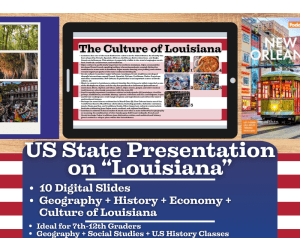
US State Presentation on Louisiana
Social Studies, First Peoples (Native), Geography, History: USA, History, Not Grade Specific, Middle School, High School, Adult Education, Teacher Tools, Lesson Plans, Presentations
US State Presentation on Louisiana Bring the United States to life in your classroom with this engaging US State Presentation on Louisiana , a ready-to-use digital resource designed for Geography, Social Studies, and US History classes from 7th grade through 12th grade . This presentation provides students with a clear, structured introduction to one US state while combining essential geographical, historical, economic, and cultural information in an accessible format. This US State Presentation on Louisiana , includes: The resource begins with a general introduction to the state , helping students understand its location, identity, and importance within the United States. Students then explore the state's borders and neighboring states , making it easier to place it within the broader geography of the country. A general data section introduces key facts such as population, area, population density, capital city, and other essential statistics , providing a useful foundation for further study. A paragraph that explores the history of this US state , highlighting important events, periods, people, and developments that have shaped its identity. This section is particularly useful for US History lessons because it allows students to connect state-level history with major events and themes in American history. A Geography section examines the state's physical characteristics, including its territory, landscapes, natural features, environment, and climate. Students can discover how mountains, rivers, plains, forests, coastlines, deserts, or other geographical characteristics have influenced settlement and human activity. A presentation also introduces the state's economy , explaining its major economic sectors, industries, natural resources, agricultural activities, and other economic strengths. This provides an excellent opportunity to connect geography with economics and understand why particular industries have developed in different parts of the United States. A dedicated section focuses on the capital city , introducing its importance as a political and administrative center. Students can also learn about other important cities , discovering major urban centers and their roles in business, transportation, education, culture, tourism, or industry. A paragraoh that explores culture , giving students an opportunity to learn about traditions, food, music, celebrations, landmarks, historical heritage, and other characteristics that contribute to the state's unique identity. This digital US State Presentation on Louisiana is ideal for classroom instruction, student research, geography units, US History lessons, Social Studies activities, state studies, homework, review activities, and independent learning. Its organized structure makes it suitable for middle school and high school students , while its broad range of topics encourages students to view a state from multiple perspectives. Whether you are teaching a unit on the United States, American Geography, US History, state studies, or regional culture , this resource offers a convenient and engaging way to help students explore the diversity and complexity of the United States. Perfect for: Geography Classes, Social Studies Classes, US History Classes, Middle School, High School, Grades 7–12, State Studies, American Studies, Homeschooling, Student Research, and Digital Learning. Learning with Alan is an educational resource store created to help teachers, educators, and tutors reach their teaching goals while building a fun, engaging, and stimulating learning environment . Because learning should always be meaningful—and fun! 🎓✨ If you want to browse more of my Teaching Resources, click here Learning with Alan!!
Author Learning with Alan
Rating
Tags US State, USA, United States Of America, Lousiana, Social Studies, Geography, US History, Activity, Lesson, Introduction