Literary Terms Lesson for Eras of Literature
A literary-terms vocabulary lesson package teaching 18 terms related to Eras of Literature through a slide presentation, guided notes, a creative-writing application task, and multiple assessment options.
Classroom resources
Browse by lesson focus
Choose the topic or kind of practice you need.
A literary-terms vocabulary lesson package teaching 18 terms related to Eras of Literature through a slide presentation, guided notes, a creative-writing application task, and multiple assessment options.
Distance Learning Daily Slides for Middle School The Distance Learning Daily Slides for Middle School is a comprehensive digital resource designed to aid middle school teachers manoeuvre the everyday challenges associated with teaching from remote platforms. The assortment of tools helps educators keep track of assignments and ensures…
Deliver a middle-school social-studies micro-lesson on Donald Trump's life and presidency through an interactive digital slide deck.
A digital micro-learning slide deck teaching about the historic Incan rope bridge (Q'eswachaka) through informational reading and vocabulary practice.
An interactive micro-learning slide deck teaching grades 5-8 students about daily life in ancient Rome (clothing, food, housing, the forum) through a reading passage, vocabulary, and comprehension activities.
Micro-learning slide deck teaching the figurative/slang meaning of 'dough' (money) through a reading passage and comprehension checks.
Teach middle-school students about the scale and process of a large plastics-recycling plant (volume of material handled, baling, washing, flaking), using a video lesson, reading passage, vocabulary, and comprehension activities in a self-paced interactive slide deck.
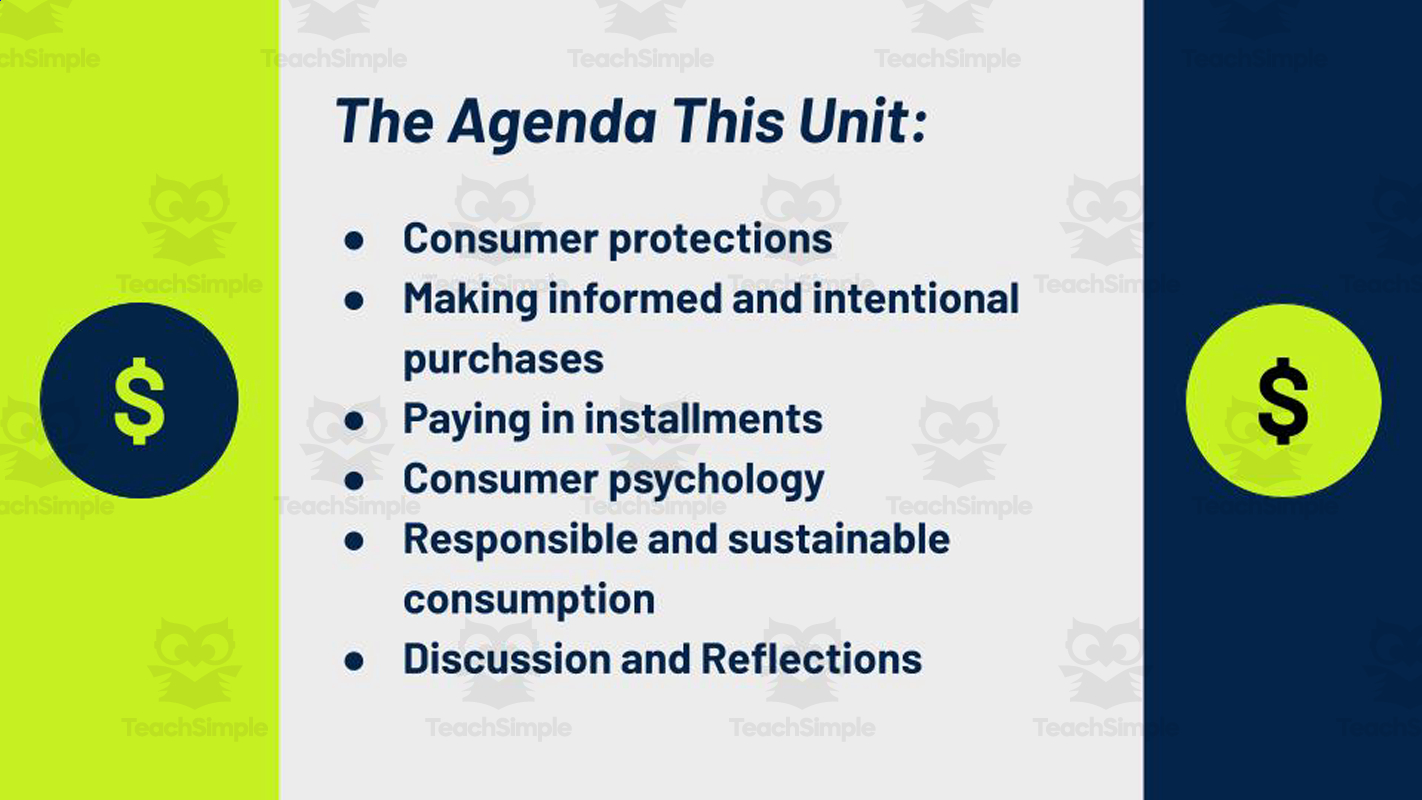
Teaches middle/high school students responsible consumer skills and habits, covering consumer protections, intentional purchasing, installment payments, consumer psychology, and responsible/sustainable consumption.
Teaches students consumer skills and habits: consumer rights/protections, making informed purchases, paying in installments, consumer psychology, and responsible/sustainable consumption.
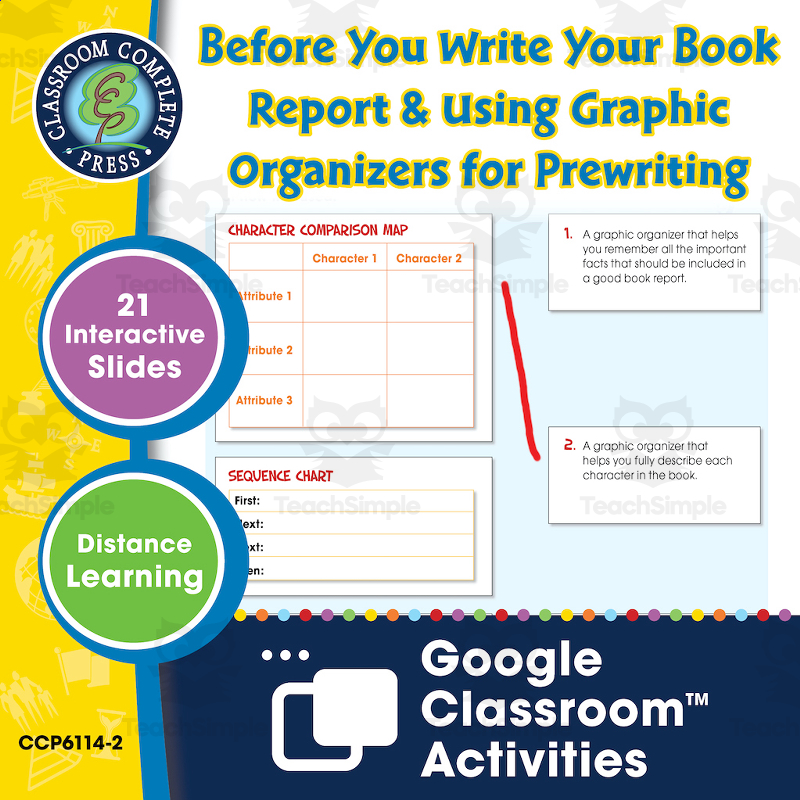
An interactive Google Slides resource that guides students through prewriting steps and graphic organizers before writing a book report.
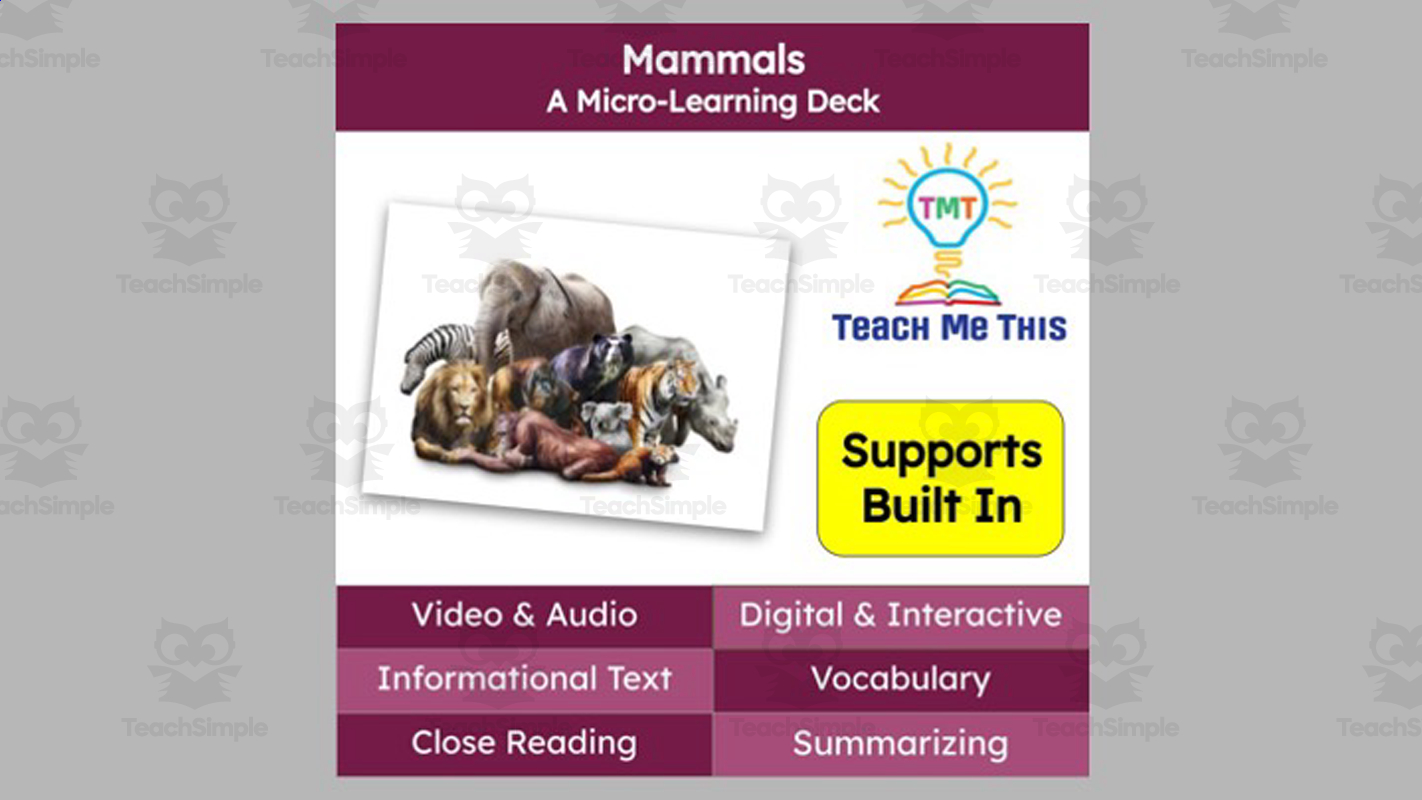
A multi-part interactive slide deck lesson teaching what defines a mammal, including vocabulary, a reading passage, and comprehension/matching activities.
A social studies/sociology lesson using the Stanford Prison Experiment and Milgram Shock Experiment to teach how power, obedience, and conformity shape human behavior.
Teaches middle/high school students about responsible borrowing, covering loans, credit scores, interest rates, the Federal Reserve, student loans, and mortgages.
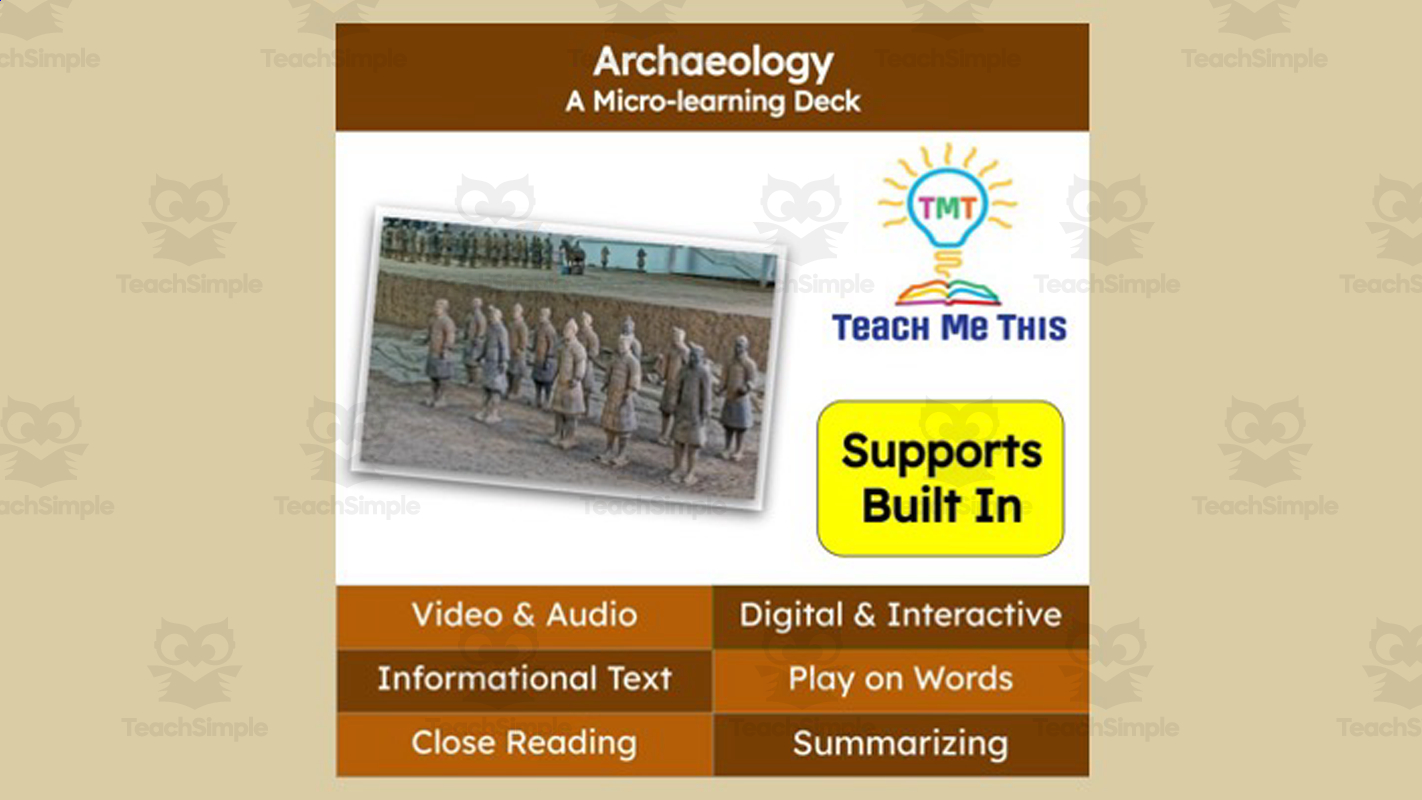
An interactive, no-prep micro-learning slide deck teaching archaeology fundamentals for middle school social studies, using video lessons, reading passages, vocabulary/comprehension, and quick-write tasks.
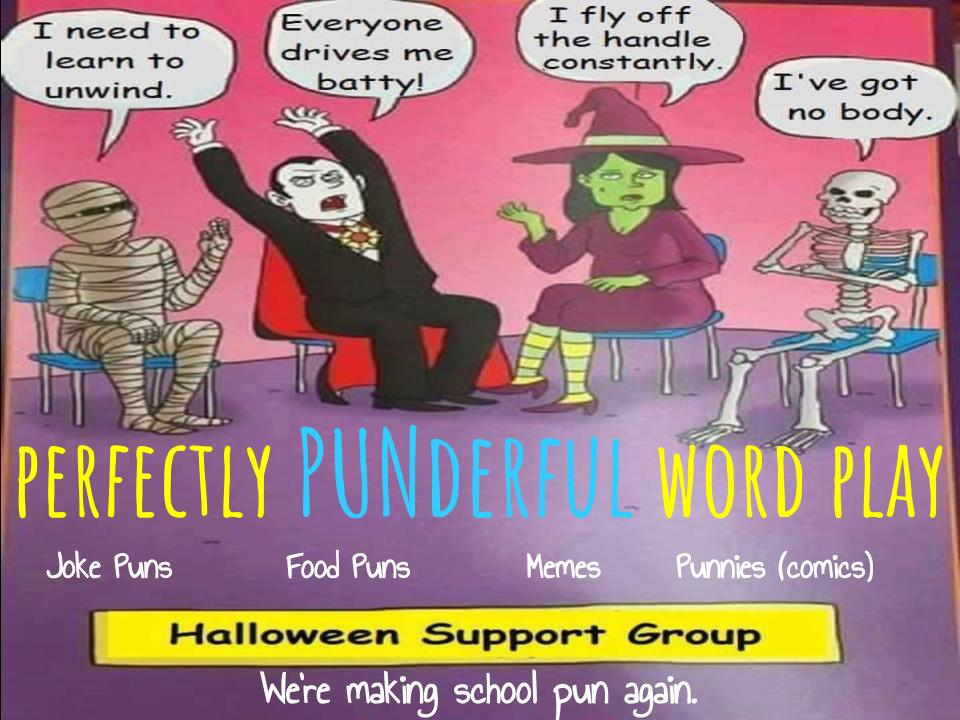
A slide deck teaching the concept of puns/wordplay through examples (joke puns, food puns, punnies/comics) and a creative-writing assignment applying puns.
Light - Team Quest Light - Interactive Quiz for Middle School Overview The light quiz is a digital educational resource targeted for middle school learners, particularly Grade 5 through 9. The tool covers a broad range of topics critical to understanding the science of light such as reflection and refraction, lenses use, structure and…
Introduce AP Psychology students to social psychology concepts around attribution theory and person perception.
Teaches middle/high school students about protecting their finances through savings strategies, building an emergency fund, and understanding health and car insurance basics.
Provide a unit-length lecture presentation on abnormal psychology, covering the history, definition, and diagnosis of psychological disorders, beginning with anxiety disorders.
A high-school psychology lecture presentation introducing behavior genetics, nature vs. nurture, and evolutionary psychology's explanation of human behavior.
This presentation moves from historical and cultural views of intelligence to theories associated with Spearman, Sternberg, Goleman and Gardner. Later slides introduce heredity and environment, test use, and the concepts of standardization, reliability and validity. Use the slides to guide a lecture and pause at the theory-review prompt for students to compare the models they have studied.
Introduce AP Psychology students to key parenting/attachment theories and theorists.
Teaches high school students about investing, asset classes, diversification, and retirement growth strategies, including a hands-on investing simulation.
Introduce students to the Elements and Principles of Art and design/graphics concepts (raster vs vector, color theory) through a lecture-style presentation, with an accompanying review worksheet and answer key.