
Exploring Translations NOTES & PRACTICE
Guided notes and practice problems teaching students how to translate figures on the coordinate plane using directional description and (x,y) formulas.


16,389 resources
Explore sub-categories
13 sub-categories · 16,389 resources
Guided notes and practice problems teaching students how to translate figures on the coordinate plane using directional description and (x,y) formulas.

Each quiz uses four questions to sample how students apply exponent laws. The versions give you options for an initial check, a later assessment or a retake after practice. Compare students’ work across the different task types to choose what to revisit, then use the corresponding answer key when reviewing responses.
A substitute-teacher lesson plan providing a one-class-period short expository essay assignment: a sub note/agenda plus a series of ready-to-print essay prompt worksheets with requirements, writing tips, and a peer-review checklist.

Empower your students strengthen their expository writing skills with this amazing set of activities compiled into this Expository Writing Unit Activity Pack!

Expressions & Equations CONSTRUCTED RESPONSE This teaching resource is designed to help educators, including public school teachers and homeschoolers, refine their learners' understanding of the 7th Grade Expressions & Equations Standards.

Expressions & Equations Unit Test In education, the mastery of fundamental concepts is crucial—especially in mathematics. Testing serves as the cornerstone in this philosophy, making the Expressions & Equations Unit Test an incredibly…
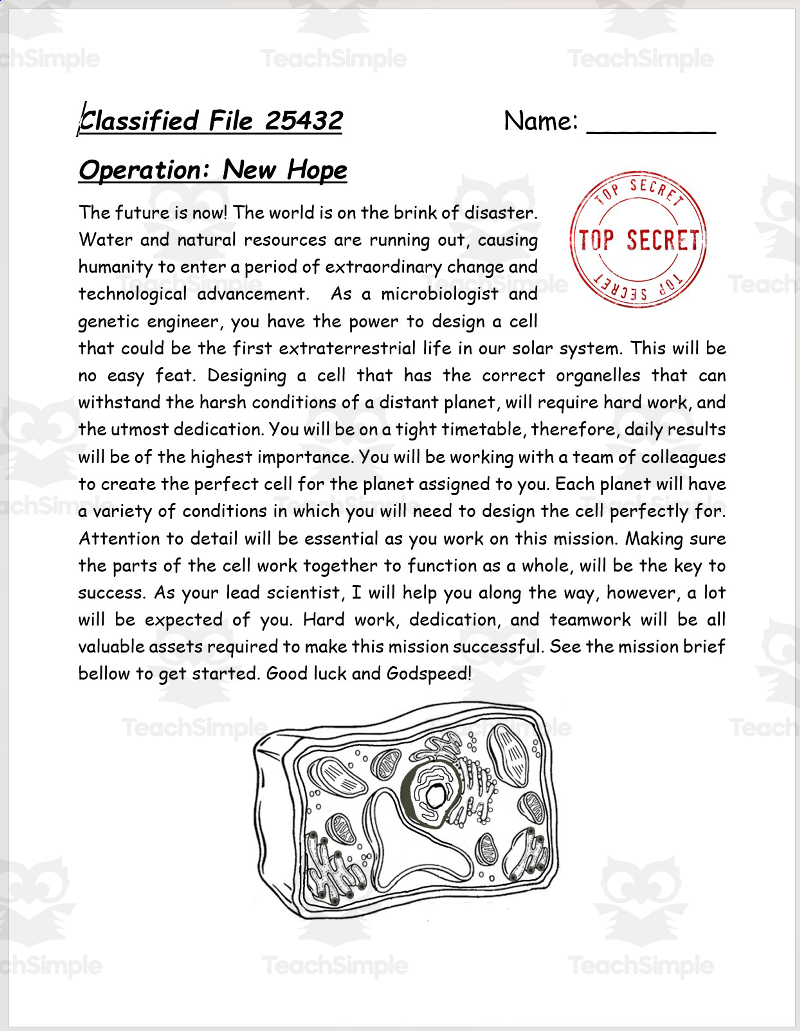
A four-day cell-biology design project where students, in a space-exploration role-play scenario, design a hypothetical extraterrestrial cell with organelles adapted to survive on a randomly assigned planet/moon.

Extreme Deviance Extreme Deviance is an immersive teaching resource developed around the study of sociology and criminology, focusing on the topic of deviancy and serial killers.

Extreme Deviance: Serial Killers covers the sociology and criminology surrounding serial killers. The resource examines the context and classifications of criminal deviance, specifically looking at serial killers.
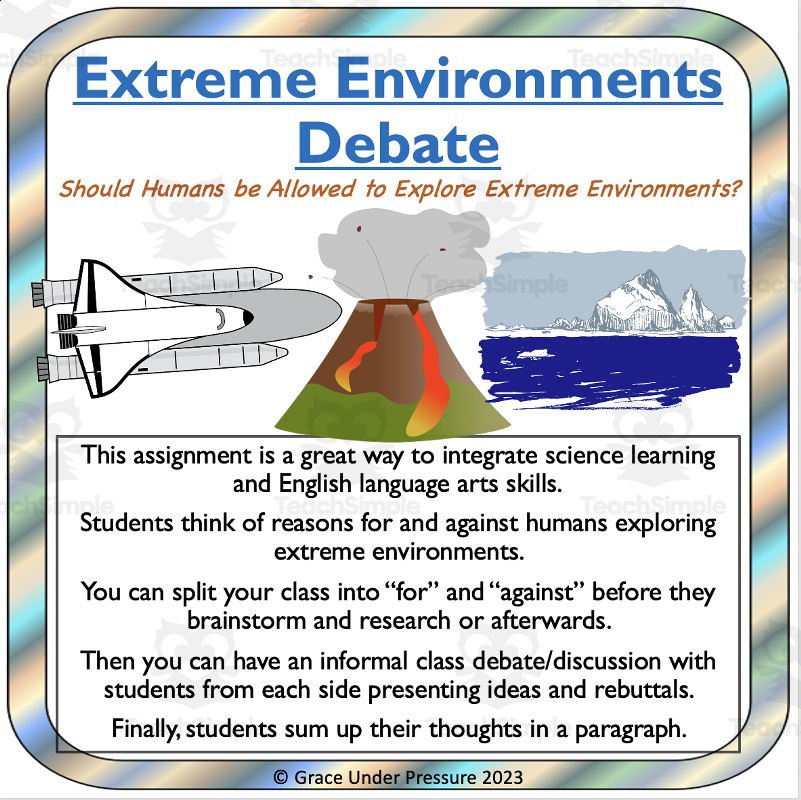
Extreme Environments: Integrated Middle School Science and ELA Debate Activity This assignment is a great way to integrate earth science learning and the English language arts skills of speaking and listening.

The Eye Contact Approximation Activities This is a comprehensive teaching resource designed to assist children who face difficulties in maintaining eye contact during conversations.

Eyewitness Testimony Teaching Resource This teaching resource offers an interactive and engaging educational tool focused on the human memory and its reliability.
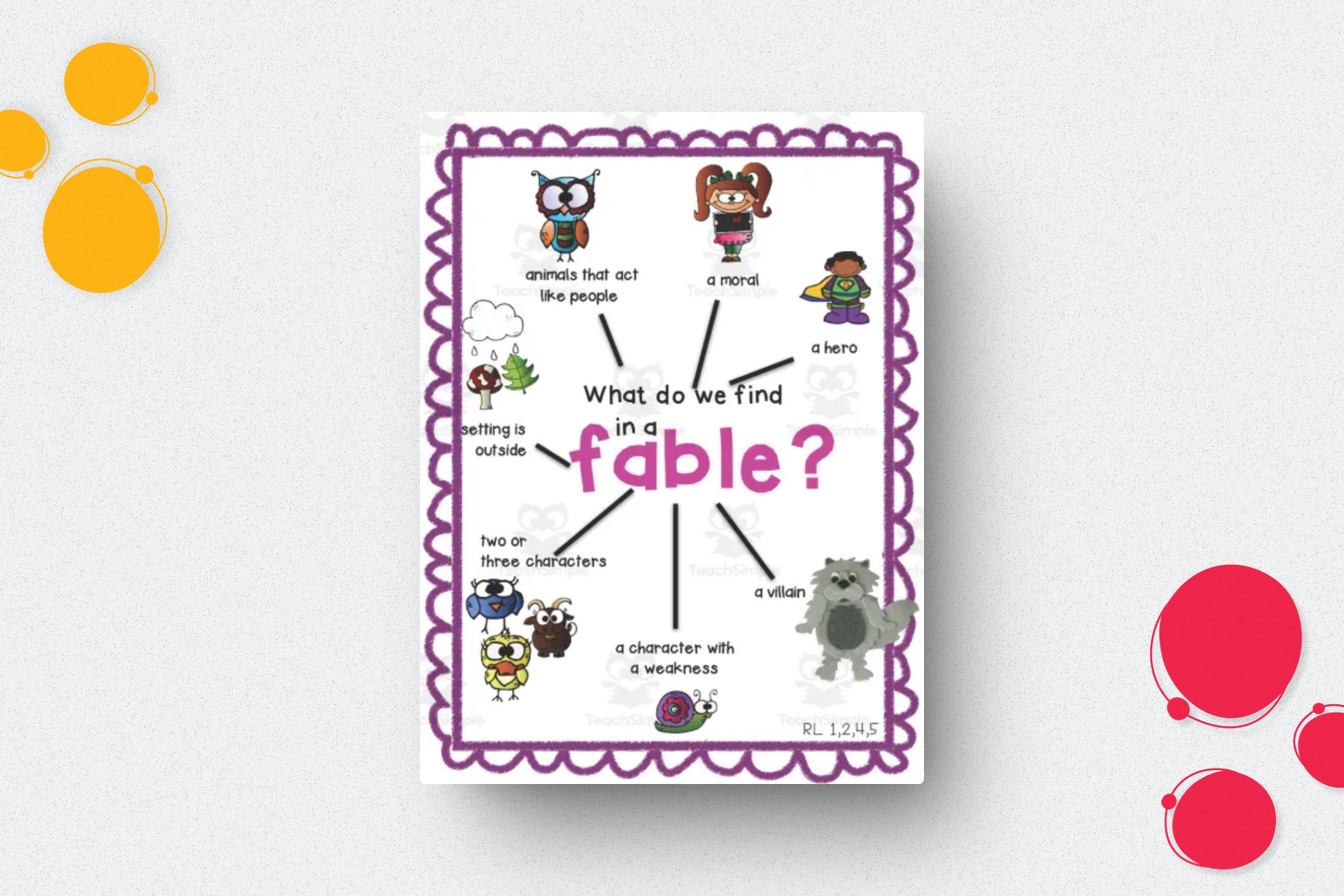
Fables Anchor Chart Fables Anchor Chart is a resourceful teaching tool, targeted towards the enrichment of language arts curriculum for students in Kindergarten through Grade 3.
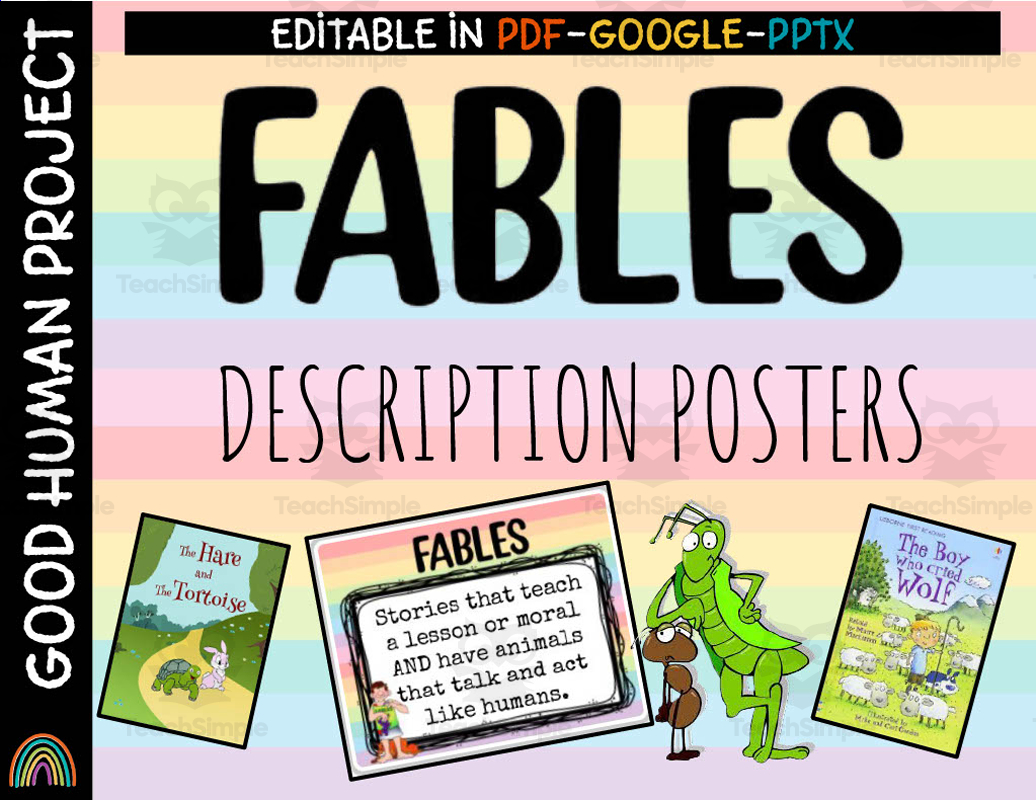
This resource is a Fables Description Posters . There are 3 posters included: -Definition -Suggested literature -Story elements

Introduce fact and opinion with a side-by-side reference showing ways to recognize each. Students can discuss whether a statement can be checked and notice language that often signals a personal view. Use the completed chart to model examples, then have students label the companion version. Apply the distinction to short statements from a text or class discussion.

Fact and Opinion Graphic Organizer This graphic organizer will help your students determine whether statements are facts or opinions. It's a great way to organize their ideas and improve their critical thinking skills.

These Fact vs. Opinion grammar and writing activities are designed to help students clearly distinguish between factual statements and opinions while developing critical thinking and writing skills.

Teach and practice factoring and expanding linear expressions using the distributive property and greatest common factor (GCF).
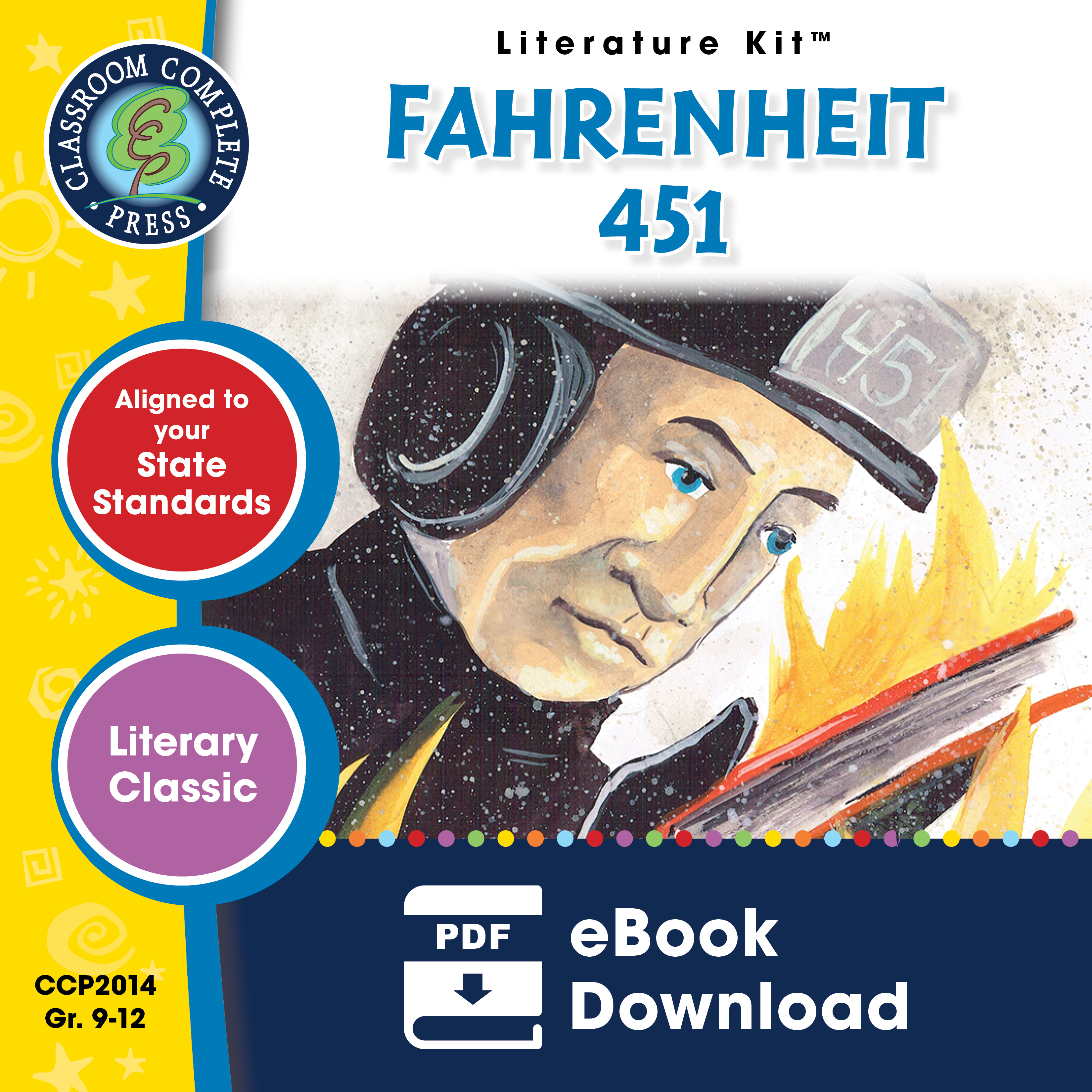
Provide a comprehensive novel-study companion for Ray Bradbury's Fahrenheit 451, covering vocabulary, section-by-section comprehension, writing tasks, and assessment, organized by Bloom's Taxonomy levels of critical thinking.

This flip book goes through all 3 printables/parts-of-and-anatomy-of">parts of Ray Bradbury's class dystopian novel Fahrenheit 451. It also include a character map and background and social context to help your students successfully…

Ray Bradbury's life and the origins of Fahrenheit 451 open a twenty-one-slide pre-reading deck, followed by the historical fears that shaped the novel: the recent end of World War II, the spread of McCarthyism, and the rapid rise of television ownership in the 1950s. The deck then names the novel's two central themes, censorship and the tension between knowledge and ignorance, and previews four recurring symbols to watch for while reading -- fire, water, the salamander, and the Mechanical Hound. It closes with four essential discussion questions about consumerism, technology, and the role of government, meant to open conversation before students begin the novel itself. Each section is separated by its own title slide, matching the table of contents on slide two.

A full novel study unit guiding students through Ray Bradbury's Fahrenheit 451 with comprehension, vocabulary, figurative language, writing, and assessment activities for each of the three chapters.

Fahrenheit 451: The Teacher's Companion Guide The Fahrenheit 451: The Teacher's Companion is a significant resource designed to aid literature educators in educating on this timeless novel.

Fail Fast, Fail Often by Babineaux, Krumboltz- Book Summary Mind Map : Product Description This unique and captivating teaching resource spotlights the paradigm-shifting ideas in the book 'Fail Fast, Fail Often' by Ryan Babineaux and John…