Black Americans in the American Revolution DBQ



About This Product
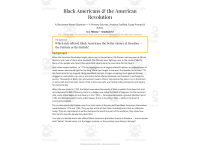
The American Revolution was fought in the name of liberty by a society in which about one person in five was of African descent, and most of them were enslaved. This packet asks students to take that fact seriously through six documents and one hard question: which side offered Black Americans the better chance at freedom, the Patriots or the British?
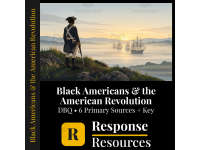
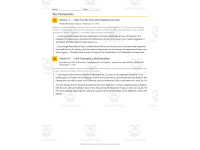
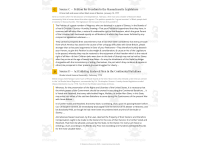
The documents come from every direction. Phillis Wheatley, a poet freed the year before, writes in 1774 that the love of freedom lives in every human heart and asks how the cry for liberty squares with owning people. In 1775 the royal governor of Virginia promises freedom to enslaved people of rebels who will fight for the King. In 1777 Prince Hall and seven other Black men of Boston petition the new state legislature in the Revolution's own language. In 1778 Rhode Island frees enslaved men who enlist, and pays their owners. A French officer paints a Black soldier of the Rhode Island Regiment standing in line with soldiers of other units of the allied army, which fought together at Yorktown. And in 1783 British officers record, name by name, the people leaving New York with them, including a man listed as formerly the property of General Washington.
Every document arrives with its author and its date, because sourcing is the skill this packet is really teaching. The analysis questions are labeled so students learn the vocabulary as they go, and a second section makes them read the documents against one another. The central question is built to be argued rather than guessed at: students first have to decide whether a better chance means the bigger promise or the promise more likely to be kept.
The teacher notes cover the period language in the sources, how the texts were checked against their sources, and why one popular transcription of the ledger gets an entry wrong. The writing prompt comes with a four-point analytic rubric, and the answer key gives a target response for every question plus two model thesis statements taking opposite sides.
Resource Tags
0 Reviews
Check out these other great products