Crash Course Psychology Worksheet | 18 - The Growth of Knowledge
- Grades
- Grades 9–12
- Pages
- 4
- File type
- Microsoft Word
- Answer key
- Included


- Subject
- Social Studies, Psychology
- Topic
- Cognitive development, Schemas
- Resource types
- Worksheets, Activities
- Answer key
- Included
- Standards
- L.9.6
Product description
From the author
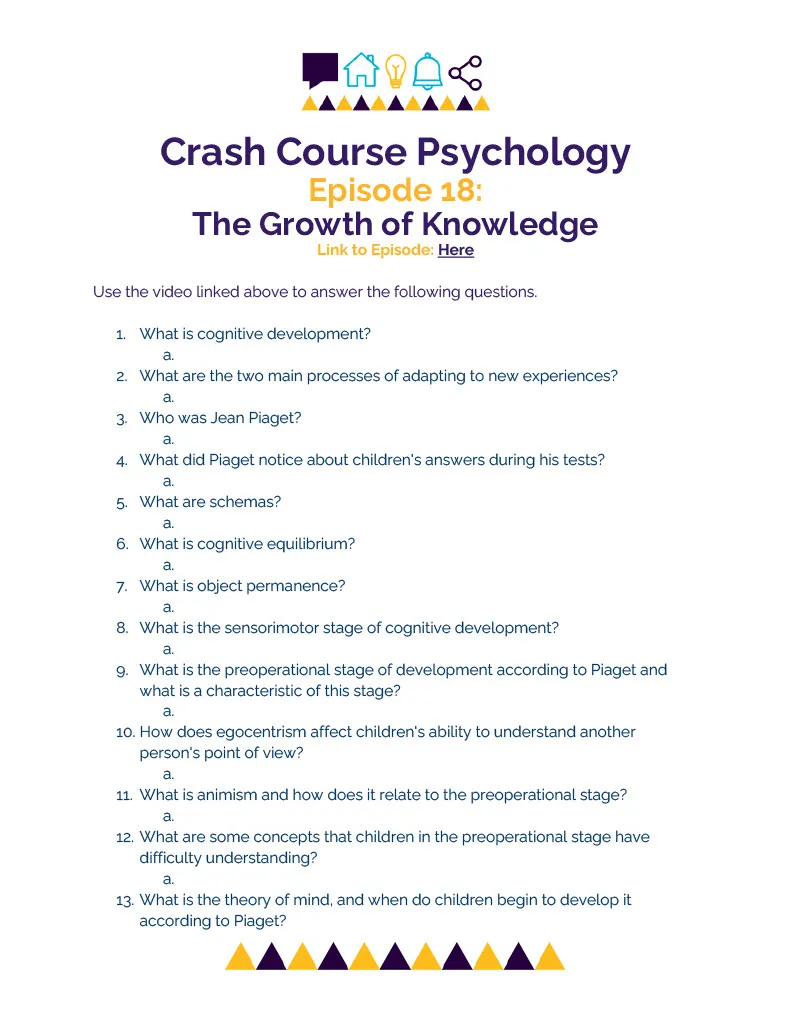
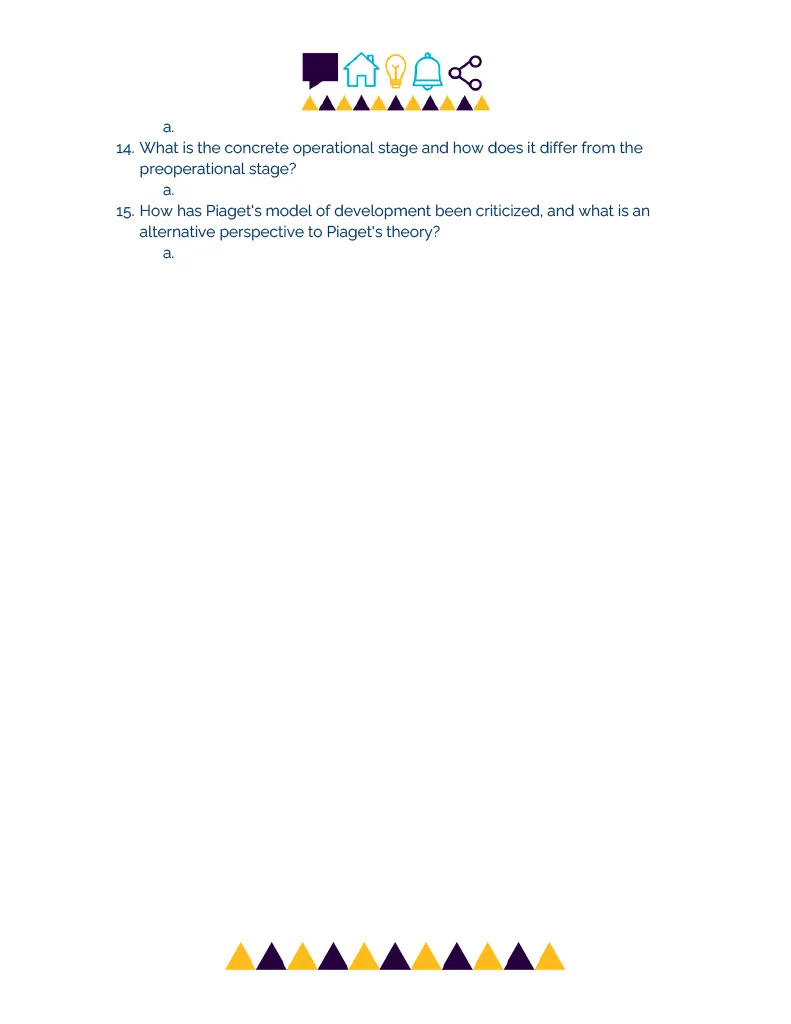
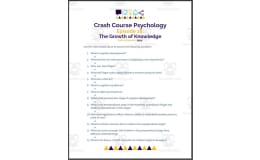
This editable two-page Word worksheet accompanies Crash Course Psychology Episode 18, The Growth of Knowledge. Fifteen questions address cognitive development, Piaget’s concepts and first three stages, criticisms of his model and Vygotsky’s alternative.
A separate two-page Word key gives written responses. Both files link to the external episode. Preview access, then use the questions during viewing and for individual or small-group discussion.
Related resources
More resources teachers may find useful
24 related resources were found using this product's title, contributor, categories and tags.


In the classroom
Teaching tips & learning objectives

Learning objectives
Define cognitive development, schemas, assimilation, accommodation, and cognitive equilibrium
Describe Piaget's sensorimotor, preoperational, and concrete operational stages with their age ranges and hallmarks
Explain how egocentrism, animism, and centration shape preoperational thinking

Teaching tips
Preview the fifteen questions before pressing play so students listen for the stage names and vocabulary as the episode runs
Pause after the preoperational segment — questions 9 through 13 form a five-question cluster on that topic
Because both files are editable Word documents, trim or reword questions to fit a shorter class period before printing

Skills covered
Psychology vocabulary — students define schemas, object permanence, egocentrism, animism, centration, and theory of mind from the episode.
Stage-theory comprehension — questions require the age spans and distinguishing features of Piaget's first three stages.
Note-taking from video — fifteen ordered questions structure active listening across the episode.
Good to know
Questions teachers ask about this resource
Do the questions follow the episode's order?
Yes — they run from the definition of cognitive development through Piaget's biography and vocabulary, then stage by stage (sensorimotor, preoperational, concrete operational), ending with the critiques presented late in the episode, so students can answer as they watch.

No reviews yet
Downloaded this resource? Tell other teachers how it went.
Curriculum
Standards, concepts & topics
Standards
 Standards
- L.9.6
Core concepts
 Core concepts
Cognitive development
Piaget's stages
Schemas
Theory of mind
Vygotsky
 Topics
Explore more
Categories this resource belongs to
Explore related searches
More to explore
You may also like