Hands-Off Hygiene – Social Story for Kids

- Grades
- Not Grade Specific
- Pages
- 12
- File type
- Preparation
- Print ready


- Subject
- Special Education Needs (SEN), Social Skills
- Topic
- Toileting hygiene, Sensory alternative
- Resource types
- Activities
- Preparation
- Print ready
Product description
From the author
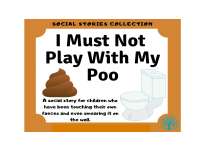
This first-person social story addresses touching or playing with stool. Read it with adult support, discuss the handwashing reminder and consider the suggested play-dough activity for the child’s sensory interests.
The 12-page PDF can be placed in a display book or laminated and bound for repeated reading.
Clipart images courtesy of Kari Bolt, Hidesy’s Clipart and Jay’s Sketchbook.
Related resources
More resources teachers may find useful
24 related resources were found using this product's title, contributor, categories and tags.


In the classroom
Teaching tips & learning objectives

Learning objectives
State that bowel movements belong only in the toilet.
Identify hand-washing as the required response if contact with stool occurs.
Name play dough as an acceptable substitute activity for the soft, squishy sensory interest the story addresses.

Teaching tips
Read the story repeatedly and in the same order each time, since social stories are designed for consistent, repeated use rather than a single reading.
Have play dough on hand right after reading, since the story itself names it as the substitute activity for the sensory interest it addresses.
Walk through the story's own sequence — contact, germs, wash hands — as the response routine whenever the situation actually occurs.

Skills covered
Toileting hygiene: the first-person story explains that stool belongs in the toilet and reminds the child to wash hands after contact.
Sensory alternatives: the story suggests play dough for a soft, squishy activity; its suitability depends on the child.

No reviews yet
Downloaded this resource? Tell other teachers how it went.
Resource details
Concepts & topics
Core concepts
 Core concepts
Social story
Toileting behavior support
Hygiene routine
Sensory substitution
 Topics
Explore related searches
More to explore