Lights, Camera, Action Preschool Activity Pack
- Grades
- Pre-K–2
- Pages
- 52
- File type
- Preparation
- Print ready


- Subject
- Creative Arts, Drama
- Topic
- Preschool drama, Pretend play
- Resource types
- Activities, Crafts
- Preparation
- Print ready
Product description
From the author
As a preschool teacher, you know just how important it is to provide your young learners with a rich learning experience. From hands-on learning to student-led activities, we know how critical it can be to prepare in advance. A day with a classroom full of preschool students can escape you quickly! Even though plans always change, beginning the day (and week) with explicit activity plans can keep you guided in the right direction. If you are searching for a plethora of themed activities to implement with your preschoolers, there are many for you to enjoy in my store.
What You Get
This is a Lights, Camera, Action Preschool Activity Pack. This packet is filled with a range of different themed activities. The type of activities you can expect to see are:
-- Arts and Crafts
-- Activities
-- Fun and Fitness/Games
-- Classroom Enhancements/Prop Box
-- Science Activity
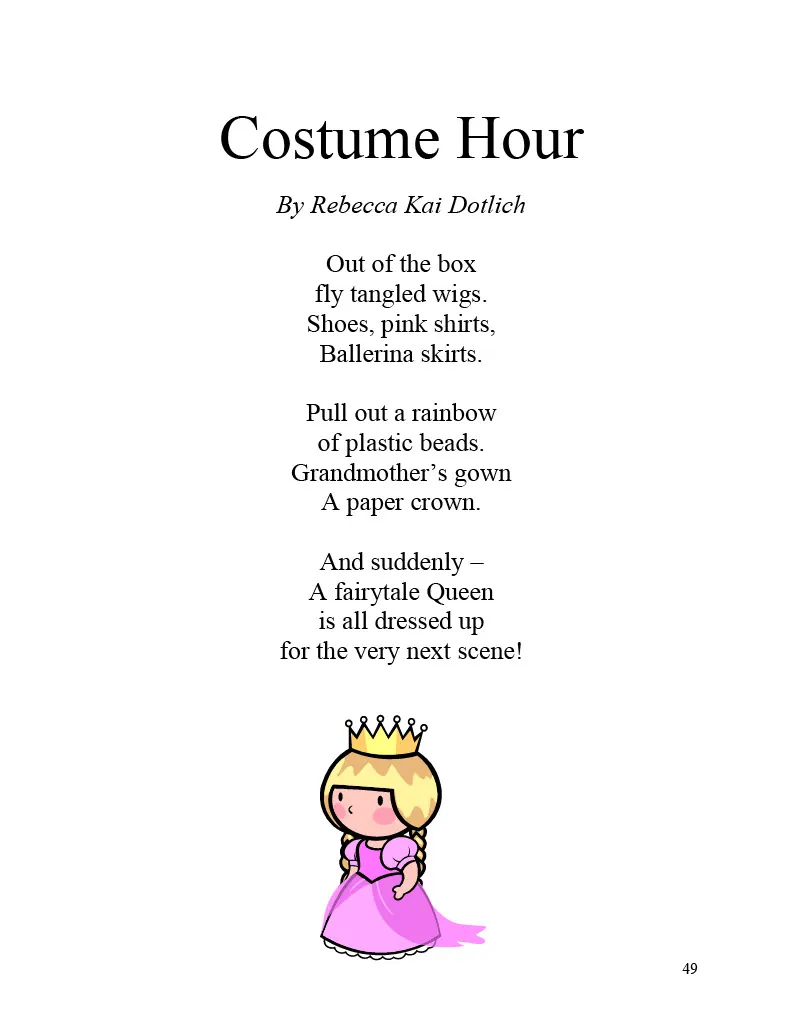
-- Songs/Poems
-- Cooking Activity
-- Field Trip Ideas
How To Utilize the Lights, Camera, Action Preschool Activity Pack:
Use this Lights, Camera, Action Preschool Activity Pack as a concrete step stone to guide your instruction with your preschool students. The 52-page PDF mixes brief activity ideas with selected detailed instructions, a play script and printable components. It also includes directing guidance for older youth, so select sections for your group’s age and experience. As you consider each potential activity included, think about the resources that you have readily available to implement them. You’ll also want to consider the temperament of your classroom and how well they may or may not respond to certain activities and instruction. Finally, you’ll think about the background knowledge they may already collectively have on the topic. With all of these things in mind, you can take away activities and replace them with new ones. You can find ways to extend activities that you know they will especially benefit from.
I hope you enjoy!
Related resources
More resources teachers may find useful
17 related resources were found using this product's title, contributor, categories and tags.


In the classroom
Teaching tips & learning objectives

Learning objectives
Act out pretend-play and movement prompts using gesture and imagination
Read or perform a role from the mixed-up fairy-tale script
Recognize theater vocabulary from the supplied English and Spanish lists

Teaching tips
Treat this as a curriculum idea bank to draw individual activities from rather than a single sequential lesson, since it spans very simple preschool pretend-play prompts through professional-level youth-theater-directing guidance in one file.
Reserve the 'Mixed-Up Fairy Tale' script, the drama-vocabulary list, and the blocking/rehearsal-management guidance for elementary-age or older students and their adult directors; preschoolers are better matched to the pretend-play prompts and simple craft/activity ideas.
Check external lesson-plan and script website links before class, because their current availability is not established by the PDF.

Skills covered
Imaginative pretend-play — younger children act out simple prompts (an animal, a hatching bird) using movement and imagination.
Scripted performance — students assigned a character in the fairy-tale mash-up script read or act out full dialogue with stage directions.
Theater vocabulary acquisition — students or teachers learn theater-specific terms in English, a parallel Spanish list, and stage-blocking terminology.
Good to know
Questions teachers ask about this resource
Is every section written for preschool activities?
No. The collection includes preschool-friendly crafts and pretend play, but also a play script and directing guidance suited to older learners or teachers.
What kinds of hands-on ideas appear?
Examples include designing scenery, making posters and tickets, creating puppets, and making a rolled-paper megaphone.

No reviews yet
Downloaded this resource? Tell other teachers how it went.
Resource details
Concepts & topics
Core concepts
 Core concepts
Dramatic/pretend play
Theater vocabulary
Play script performance
Youth theater direction
 Topics
Explore more
Categories this resource belongs to
Explore related searches
More to explore
You may also like