Network Safety, Wi-Fi & Digital Footprints: Cyber Pack (Grades 6–12)



About This Product
Teach your students internet mechanics, public network safety, and digital privacy with the Network Safety, Wi-Fi & Digital Footprints Unplugged Mini-Unit (Cybersecurity Unit 4)! Designed as a zero-prep, 6-page printable activity pack, this resource helps middle and high school students understand data packet routing, open Wi-Fi risks, firewalls, and Virtual Private Networks (VPNs)—without requiring student computers, software logins, or coding experience.
Aligned with national NGSS, CSTA, and ISTE standards, students investigate IP addressing, analyze packet headers vs. payloads, execute an unplugged "Packet Sniffer" network audit, and debate school network monitoring alongside digital footprint tracking.
What Is Included in This 6-Page Pack?
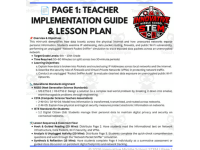
Page 1: Teacher Implementation Guide & Lesson Plan
Includes clear student learning objectives, national standards alignment (NGSS, CSTA, ISTE), a structured 50-minute lesson sequence, and classroom implementation notes.
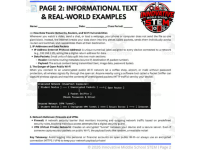
Page 2: Student Informational Reading
High-interest text explaining IP Addresses, Packet Headers & Payloads, Open Public Wi-Fi Security Vulnerabilities, Firewalls, and VPN Encrypted Tunnels.
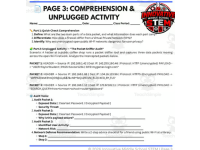
Page 3: Comprehension & Unplugged Activity Worksheet
3 quick-check comprehension questions paired with the multi-step "Packet Sniffer Audit" network simulation, where students inspect unencrypted network data transfers.
Page 4: Student Evaluation & Critical Thinking Matrix
A comparative analysis matrix evaluating network defenses (Firewalls, WPA3, VPNs) alongside structured critical thinking prompts discussing school network monitoring policies and IP address tracking.
Pages 5 & 6: 2-Page Complete Teacher Answer Key
A comprehensive 2-page teacher grading reference complete with full audit answers, sample written responses, and grading guidance.
Key Educational Benefits:
100% Unplugged & Low-Tech Ready: Requires zero student computers or internet connections, making it ideal for tech-free days, STEM extensions, or substitute plans.
Real-World Cyber Safety: Teaches students practical safety habits for using personal smartphones and laptops on public Wi-Fi networks.
Network Science Made Simple: Demystifies how internet routing and data encryption function in everyday life.
Resource Tags
0 Reviews
Check out these other great products