Nonfiction Text Structures Anchor Chart – Reading Set
- Grades
- Grades 3–6
- File type
- Preparation
- Print ready


- Subject
- ELA, Reading
- Topic
- Nonfiction text structures, Cause and effect
- Resource types
- Anchor Charts
- Preparation
- Print ready
- Standards
- RI.5.5
Product description
From the author
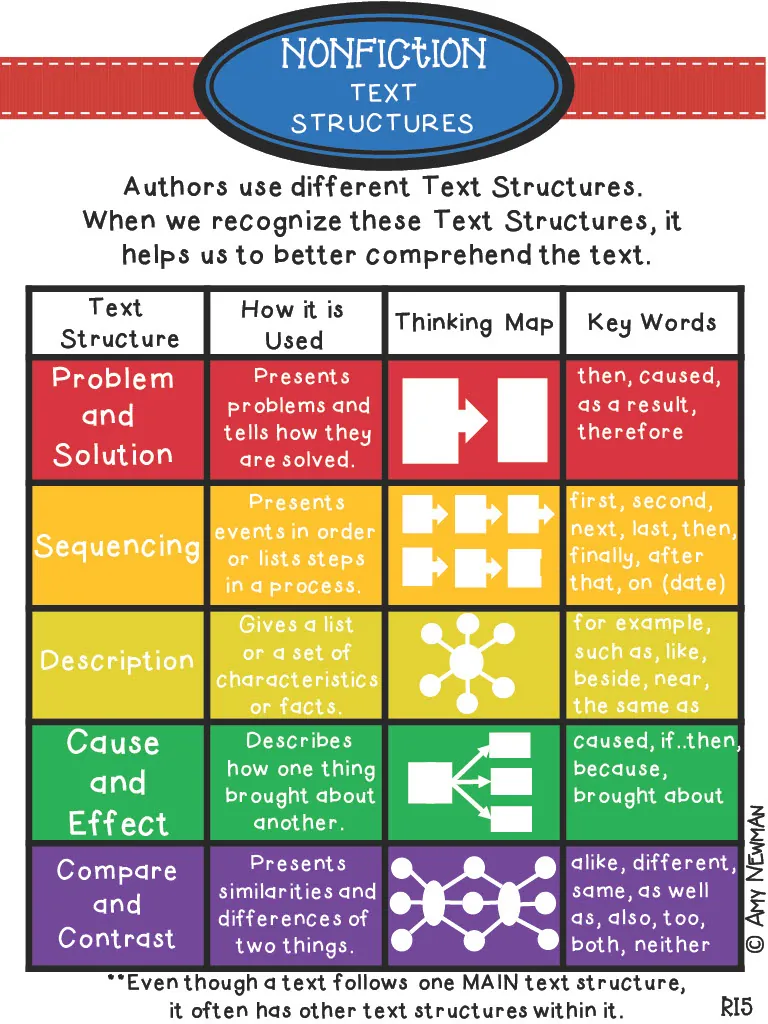
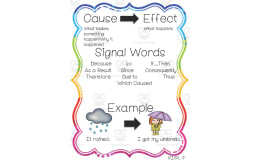
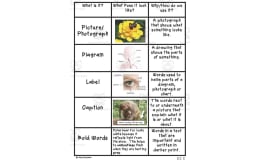
This resource is a set of 2 anchor charts for teaching nonfiction text structures. The first chart is complete. The second chart is fill in the blank. These charts work well displayed on a bulletin board or inserted into students' interactive reading notebooks.
Related resources
More resources teachers may find useful
24 related resources were found using this product's title, contributor, categories and tags.


In the classroom
Teaching tips & learning objectives

Learning objectives
Identify and name five nonfiction text structures: problem/solution, sequencing, description, cause/effect, and compare/contrast
Use structure-specific transition and key words (e.g., 'therefore,' 'alike,' 'first...next...finally') to recognize which structure a passage uses
Recognize that a nonfiction text can contain more than one structure even when one is dominant

Teaching tips
Post the completed chart as a permanent classroom reference during nonfiction reading units.
Pair the key-words column with a text-structure scavenger hunt in students' current nonfiction reading.
Use signal words as clues, not a fixed classification rule. Look at how ideas are organized, since a word can appear in several structures and a text can mix structures.

Skills covered
Nonfiction text-structure identification — students match transition words like 'therefore' and 'first, second, next' to the structure (problem/solution, sequencing, etc.) they signal.
Anchor chart reference use — students consult a five-structure comparison table while reading informational text.

No reviews yet
Downloaded this resource? Tell other teachers how it went.
Curriculum
Standards, concepts & topics
Standards
 Standards
- RI.5.5
Core concepts
 Core concepts
Text structure
Problem and solution
Cause and effect
Compare and contrast
Sequencing
 Topics
Explore related searches
More to explore
You may also like