Ocean Ecosystem Investigation | Marine Science, Food Webs | Grades 4–6

Science, Life Sciences, Biology, Earth and Environmental Sciences, Environmental Science, Animals, Math, Statistics, Graphing


About This Product
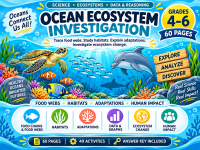
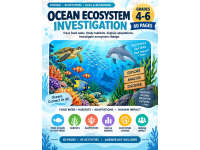
Ocean Ecosystem Investigation | Marine Science, Food Webs & Habitats | Grades 4–6 | 60 Pages
Explore the fascinating world beneath the waves with Ocean Ecosystem Investigation, a comprehensive 60-page science workbook designed for students in Grades 4–6.
Featuring 49 investigation activities, this resource helps students explore marine ecosystems, food chains, food webs, animal adaptations, habitats, predator-prey relationships, and the impact of human activities on ocean environments.
Students develop scientific reasoning, data interpretation, critical thinking, and environmental awareness through structured investigations and ocean-themed learning challenges.
What's Included:
60-page printable science workbook
49 student investigation activities
7-page answer key (pages 54–60)
Marine food chain and food web activities
Producer and consumer investigations
Predator-prey relationship challenges
Animal adaptation and habitat studies
Data analysis and graph interpretation
Human impact and environmental challenges
Final Ocean Ecosystem Investigation
Topics Covered:
Food Chains: Explore energy relationships in open water, tide pools, seagrass beds, kelp forests, coral reefs, and seafloor ecosystems.
Food Webs: Investigate connections between organisms in different marine environments.
Producers & Consumers: Identify the roles organisms play within ocean ecosystems.
Predator-Prey Relationships: Analyze predator counts, population data, and ecological relationships.
Animal Adaptations: Explore how marine organisms survive in reef, deep-ocean, polar, and coastal environments.
Marine Habitats: Investigate ocean depth layers, coastal zones, kelp forests, and tropical habitats.
Human Impact: Examine plastic pollution, overfishing, coral bleaching, oil spills, nutrient runoff, and habitat damage.
Ecosystem Reasoning: Analyze ecosystem disruptions, habitat suitability, and population changes.
Skills Developed:
Scientific reasoning
Understanding ecological relationships
Food chain and food web interpretation
Data and graph analysis
Cause-and-effect reasoning
Environmental awareness
Critical thinking
Evidence-based explanations
Problem-solving
Perfect For:
Upper elementary science classrooms
Middle school introductory life science
Ocean and marine biology units
Ecosystem and ecology lessons
Earth Day activities
World Oceans Day activities
STEM enrichment
Independent learning
Science centers
Homeschool education
Environmental science instruction
Help students discover how marine organisms interact, adapt, and survive while developing a deeper understanding of ocean ecosystems and the importance of protecting our planet's marine environments.
Explore. Analyze. Discover. Protect our oceans.
Resource Tags
0 Reviews
Check out these other great products