Phishing, Scams & Social Engineering: Cybersecurity Pack (Grades 6–12)



About This Product
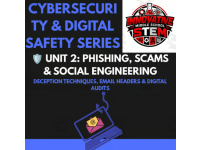
Teach your students to identify digital deception and protect themselves from psychological manipulation with the Phishing, Scams & Social Engineering Unplugged Mini-Unit (Cybersecurity Unit 2)! Designed as a zero-prep, 6-page printable activity pack, this resource helps middle and high school students analyze phishing tactics, domain spoofing, and social engineering—without requiring student devices, software logins, or coding experience.
Aligned with national NGSS, CSTA, and ISTE standards, students explore phishing variants (spear phishing, smishing, vishing), examine human psychological triggers like urgency and fear, perform an unplugged "Phishing Inspector" header audit, and construct personal verification protocols for modern AI-generated scams.
What Is Included in This 6-Page Pack?
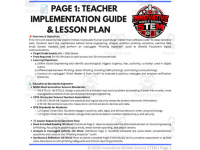
Page 1: Teacher Implementation Guide & Lesson Plan
Includes clear student learning objectives, national standards alignment (NGSS, CSTA, ISTE), a structured 50-minute lesson sequence, and classroom implementation notes.
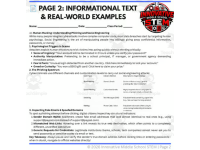
Page 2: Student Informational Reading
High-interest text explaining Social Engineering tactics, Psychological Triggers (Urgency, Authority, Scarcity), Phishing Variants, and Email Domain Inspection.
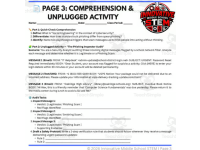
Page 3: Comprehension & Unplugged Activity Worksheet
3 quick-check comprehension questions paired with the multi-step "Phishing Inspector" message analysis audit, where students evaluate real-world scam scenarios.
Page 4: Student Evaluation & Critical Thinking Matrix
A comparative analysis matrix covering digital attack vectors alongside structured critical thinking prompts addressing AI-enhanced scams and ethical phishing tests.
Pages 5 & 6: 2-Page Complete Teacher Answer Key
A comprehensive 2-page teacher grading reference complete with audit verdicts, sample written responses, and grading guidance.
Key Educational Benefits:
100% Unplugged & Low-Tech Ready: Requires zero student computers or internet access, making it perfect for tech-free days, STEM extensions, or sub plans.
Real-World Digital Literacy: Equips students with practical skills to spot fraud and safeguard personal and family data online.
Critical Thinking & Analysis: Develops analytical skills through hands-on message header verification and scam audits.
Resource Tags
0 Reviews
Check out these other great products