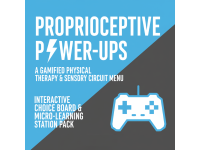
Proprioceptive Power-Ups: A Gamified Physical Therapy & Sensory



Research, Resources for Teachers, Classroom Management, Community Building, Special Resources, Life Skills, Social Emotional Learning (SEL), Social Skills, Special Education Needs (SEN), Speech Therapy
Worksheets & Printables, Workbooks, Worksheets, Word Searches, Teacher Tools, Assessments, Graphic Organizers, Lesson Plans, Presentations, Outlines


About This Product
With Proprioceptive Power-Ups, you can turn dysregulated classrooms into focused learners. This complete, evidence-based, gamified sensory regulation program takes ‘heavy work’ and transforms it into new fun, student-led Power-Ups. The 27-page digital PDF resource is designed to provide occupational therapy, physical therapy, and real-world classroom viability for students in kindergarten through eighth grade.
Using Sensory Integration Theory, Self-Determination Theory (SDT), and micro-learning protocols, Proprioceptive Power-Ups provide sensory seekers with 3-5 minute ‘bursts’ of proprioceptive and vestibular input that calm those under-responding to sensations at the same time dramatically improving attention, motor planning skills, emotional regulation, and other important areas of development.
The following features are provided within Proprioceptive Power-Ups:
Comprehensive theoretical underpinning (neurobiology of proprioception, tripartite circuit architecture, integration within an MTSS Tier 1-3 model)
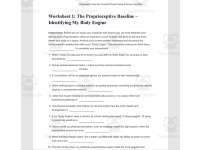
10 student workbook worksheets with fill-in-the-blank self-reflection and data tracking to complete before beginning a new series of Power-Ups.
Age-divided choice board usages for example K-2 use an imagination engine; 3-5 uses a mission protocol; 6-8 uses biometric optimization.
Full-color diagrams, schematics include but are not limited to: Neurological Processing Pathway; 3-Phase Sensory Circuit; Gamification Mechanics Matrix.
Examples of IEP goals, tools for collecting data, and case studies demonstrating an overall reduction of 60-78% in both elopement and disruption of classroom activities as compared to pre-Proprioceptive Power-Ups implementation.
Instant digital download of entire resource, no preparation required!
Proprioceptive Power-Ups are ideal for teachers, occupational therapy specialists (OT), physical therapy specialists (PT), special education teachers/special instructors, and parents who are serving students with or without ADHD, developmental coordination disorder (DCD), autism spectrum disorder (ASD), or other classroom sensory processing disorder(s).
Why Schools & Parents Are So Happy About It
1. Effectively Calms & Focuses Students: With instant self-regulation through 3–5 minutes of gamified “heavy work” activities, elopement, meltdown, and verbal disruptions have been reduced by as much as 78% in real case study examples.
2. Zero Lesson Prep but Maximum Engagement for the Students: Therapy is turned into play, through Choice Boards and avatar style Power-Ups - giving students choice and control, and saving teachers time while providing maximum engagement for the students in busy classroom settings and for kids on their IEP.
3. Evidence Based and Measured Progress: Easy access to the “whole brain” theory of neuroscience with pre/post data tracking tools and IEP goal templates providing easy documentation of progress to parents and administrators.
4. Age Appropriate From K to 8th Grade: There are differentiated stations and language to keep even the youngest kids excited about (and the oldest kids “cool” about) participating in activities in the same room without being segregated by age.
5. Proven Return On Investment: High impact proprioceptive input (replacing ineffective fidgety tools) will continue to improve time on task, enhance writing skills, and improve working/executive function without the need to sacrifice time during instruction.
Target Students and Grade Levels:
The resource is geared toward kindergarten through 8th grade (K-8) students. The children that will benefit from this program demonstrate an under-stimulated or dysregulated proprioceptive and vestibular system, including:
Sensory Seekers (i.e., crashing, chewing, and pressing too hard);
Sensory Under-Responders (i.e., lethargic, floppy, and having low muscle tone);
Students with Attention-Deficit/Hyperactivity Disorder (ADHD) - Combined Type; Autism Spectrum Disorder (ASD); Developmental Coordination Disorder (DCD); Dyspraxia
.A general education classroom using a Multi-Tiered System of Support (MTSS) Tier 1 (i.e., universal brain breaks), Tier 2 (i.e., targeted small groups), and Tier 3 (i.e., Individualized Education Plan-specific on Circuit) will also utilize the program as needed.
There is built-in scaffolding provided within the program through the following: narrative/imaginative play for grades K-2; challenge-based missions for grades 3-5; and more mature "biometric optimization" language for middle school (grades 6-8) to assist in securing the dignity of the adolescent population.
Copyright / Terms of Use
This Book is copyright protected by Syed Hammad Rizvi. You may only use this resource for your own personal use and for use by one class within your own classroom. You may not change this resource or redistribute or sell any part of the resource. In other words, you may not post this resource on the internet where it would be easily accessible and/or downloadable by others.
If you would like to share this resource with other teachers, kindly purchase additional licenses to use this resource from Teachsimple. Thank you for complying with the terms of use for this resource.
Thank you from all of us at Syed Hammad Rizvi for purchasing this product!
Resource Tags
0 Reviews
Check out these other great products