SEL Empathy Activities – 12-Page Unit




- Grades
- K–2
- Pages
- 12
- File type
- Preparation
- Print ready


- Subject
- Special Resources, Social Emotional Learning (SEL)
- Topic
- Empathy, Social Emotional Learning
- Resource types
- Worksheets
- Preparation
- Print ready
- Standards
- W.K.2
Product description
From the author
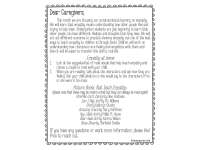
The Social Emotional Learning Unit: Empathy Activities is a 12-page resource full of ideas, lessons and printables to teach students about empathy. You will receive a handout that includes teaching points, read-alouds, videos and extra activities. There is a letter to caregivers to support empathy at home. After learning about empathy, students will get to write about what they've learned and practice their reading skills with the emergent reader.
Related resources
More resources teachers may find useful
24 related resources were found using this product's title, contributor, categories and tags.


In the classroom
Teaching tips & learning objectives

Learning objectives
Define empathy as noticing how someone feels and trying to help them feel better
Identify a character's or classmate's emotion from a described or illustrated scenario
Practice an empathetic verbal response using a sentence frame such as 'Are you ok?'

Teaching tips
Begin with partner acting, then choose scenario cards that fit your class.
Send the caregiver letter home; its book list overlaps the classroom list but includes additional titles. Obtain suggested books and videos separately.
Use the What does empathy mean to you? page for writing or drawing. Assemble the two-up reader for repeated reading.

Skills covered
Emotion identification — students name how a classmate or character feels from a described or illustrated scenario, such as a student who lost a favorite pencil.
Empathetic response practice — students read modeled responses for sad, mad, lonely and happy friends, then discuss what they could say.
Character discussion — students discuss feelings and empathetic actions in the suggested read-alouds.
Good to know
Questions teachers ask about this resource
How are the caregiver letter and classroom activities meant to work together?
Both invite conversations about characters’ feelings. The caregiver list overlaps the classroom list and adds other books, so families can select a suitable title and ask what their child might say to a character.

No reviews yet
Downloaded this resource? Tell other teachers how it went.
Curriculum
Standards, concepts & topics
Standards
 Standards
- W.K.2
Core concepts
 Core concepts
Empathy
Social emotional learning
Emotion identification
Perspective-taking
 Topics
Explore related searches
More to explore
You may also like