search
user.png
vertical menu

Teaching Mindfulness - 15 Simple Yet Amazing Techniques

Teaching Mindfulness - 15 Simple Yet Amazing Techniques preview
Teaching Mindfulness - 15 Simple Yet Amazing Techniques preview 2

Look Inside · 8 pages

Cover of Teaching Mindfulness - 15 Simple Yet Amazing Techniques, a guide by Collaborative Educators
Cover of the eight-page mindfulness guide
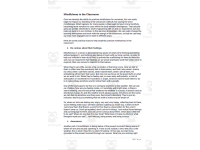
Guide introduction and techniques 1–5: sensory attention, present focus, self-acceptance, breathing, and body scans
Mindfulness introduction and techniques 1–5
Guide techniques 6–7 explain sitting and walking meditation, followed by potential benefits of mindfulness
Techniques 6–7 and mindfulness benefits
Classroom guide techniques 8–9 introduce curiosity about feelings and awareness through present-moment senses
Classroom guidance and the start of techniques 8–9
Guide continues sensory awareness, then introduces techniques 10–12: noticing breathing, gratitude, and forest bathing
Awareness continued and techniques 10–12
Guide continues forest bathing and adds techniques 13–15: sitting with feelings, modeling, and allowing discomfort
Forest bathing continued and techniques 13–15
Guide continues technique 15 with everyday discomfort examples and begins tips for teaching mindfulness to young kids
Technique 15 continued and young-child guidance
Closing guide tips for young kids emphasize nonjudgmental presence, naming experiences, sensory learning, and fun
Final guidance on mindfulness with young children

About This Product

Mindfulness involves recognizing your emotions without evaluating or critiquing them as you experience them. Why engage in mindfulness practice? This is beneficial as it diverts focus from stress or other undesirable thoughts. It can also assist in maintaining good mental well-being by providing an easy method to handle negative feelings and thoughts.

You can practice mindfulness in any location, at any moment, and achieve a state of mindfulness meditation through various methods. You can practice mindfulness during your work breaks or after tiring, stressful days. Simply locate a peaceful area to accomplish it. At times, it’s a vacant space or your stationary vehicle. Basic activities such as guided breathing exercises during traffic jams, as well as more organized practices like body scanning or walking meditations, can enhance relaxation and alleviate stress.

This guide offers 15 mindfulness strategies that can be applied with students across all ages, subjects, and proficiency levels.

0 Reviews

Explore related searches
you may also like...

Check out these other great products