Wind Science Worksheets & Observation Journal | Kindergarten-2nd Grade

Kindergarten, Grade 1, 2
Activities, Centers, Classroom Decor, Worksheets & Printables, Workbooks, Worksheets, Coloring Pages


About This Product
Wind Science Worksheets & Observation Journal | Kindergarten-2nd Grade
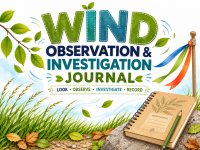
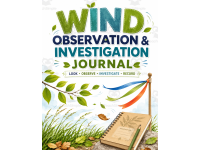
Encourage young scientists to explore the fascinating movement of air with this Wind Observation & Investigation Journal! Designed for kindergarten, first grade, and second grade students, this 21-page printable science resource combines hands-on observation activities, scientific investigations, comparison worksheets, prediction exercises, reflective writing, and engaging coloring pages.
Students will discover that moving air is called wind, observe how objects respond to moving air, compare observations from different times and locations, and develop scientific thinking through careful observation and evidence-based learning.
What's Included:
21 pages of printable learning materials
Student science investigation journal cover
Teacher instructions and outdoor safety guidelines
Colorful wind observation teaching poster
Wind observation worksheets
Evidence of moving air activities
Object movement comparison worksheets
Teacher-guided ribbon investigation
Scientific prediction and recording activities
Wind observation recording sheets
Scientific reflection activities
Bonus wind-themed coloring pages
Activities Included:
Observing and drawing evidence of moving air
Identifying visible signs of wind
Observing leaves, grass, small branches, and secured ribbons
Recording movement and stillness
Watching one object over time
Comparing the movement of two different objects
Making predictions about a secured ribbon
Comparing predictions with actual observations
Comparing two wind observations
Looking for multiple clues of moving air
Recording evidence through drawings and simple words
Observing the same location at different times
Comparing visible movement in two safe locations
Completing I Notice and I Wonder activities
Drawing and describing wind discoveries
Coloring leaves, natural scenes, and ribbons in different positions
Learning Objectives:
Understand that moving air is called wind.
Recognize that air is invisible.
Identify observable evidence of moving air.
Recognize that different objects may respond differently to moving air.
Develop scientific observation and recording skills.
Compare movement and stillness using observable evidence.
Practice making predictions before investigations.
Compare observations made at different times and locations.
Understand the importance of collecting more than one observation.
Build foundational weather and physical science vocabulary.
Strengthen critical thinking and scientific questioning.
Improve fine motor skills through drawing and coloring.
Encourage curiosity about the natural environment.
Develop safe and responsible outdoor learning habits.
Perfect For:
Kindergarten, first grade, and second grade classrooms
Elementary Earth science lessons
Weather and wind learning units
Physical science activities
Science centers and stations
STEM learning activities
Outdoor science lessons
Nature observation activities
Teacher-guided investigations
Small-group science instruction
Homeschool science activities
Science observation journals
Independent recording activities
Scientific inquiry lessons
Screen-free educational activities
How to Use:
Introduce students to the concept of moving air using the colorful wind observation teaching poster. Discuss how scientists can look for visible evidence of wind by observing leaves, grass, small branches, and securely attached ribbons.
Choose a safe, teacher-approved observation area outdoors or observe through a classroom window. Provide students with pencils, crayons, and colored pencils.
Guide learners through the observation worksheets and encourage them to record actual movement or stillness using drawings and simple words.
During the teacher-managed Ribbon Wind Watch activity, encourage students to make predictions about what a securely attached ribbon might do. Observe the ribbon and compare predictions with actual results.
Use the comparison worksheets to help students explore how visible movement may differ between objects, locations, and observation times.
Encourage learners to collect more than one observation before drawing conclusions. Complete the I Notice and I Wonder activities to promote scientific questioning and reflection.
Finish the learning unit with the bonus coloring pages to reinforce observation and comparison skills.
All activities are open-ended and encourage students to record actual observations rather than predetermined answers. Young learners may draw their observations or dictate their responses to an adult.
This resource focuses on observable evidence of moving air rather than measuring exact wind speed or determining precise wind direction.
All outdoor investigations should take place during safe weather conditions under adult supervision. Ribbons and other observation materials must remain securely attached.
Product Details:
Grade Levels: Kindergarten, Grade 1, and Grade 2
Subjects: Science, Earth Science, Physical Science, Weather, and STEM
Resource Type: Science Journal, Science Centers, Investigations, Posters, Worksheets, and Coloring Pages
File Format: PDF
Total Pages: 21
Design: Color and Black-and-White
Editable: No
Answer Key: Not Required – Open-Ended Observations and Investigations
Make weather science engaging, interactive, and meaningful with this ready-to-print Wind Observation & Investigation Journal. Inspire young learners to explore moving air, notice changes in nature, ask meaningful questions, and develop essential scientific thinking skills!
Look, observe, investigate, record, and discover!
Resource Tags
0 Reviews
Check out these other great products