Guided Reading Lesson Plan & Activities for Grade 3
A guided reading lesson plan for Grade 3, built around the anchor text Charlotte's Web by E.B. White (Chapter 1: "Before Breakfast"), targeting characters, setting, and vocabulary.
Classroom resources
Browse by lesson focus
Choose the topic or kind of practice you need.
A guided reading lesson plan for Grade 3, built around the anchor text Charlotte's Web by E.B. White (Chapter 1: "Before Breakfast"), targeting characters, setting, and vocabulary.
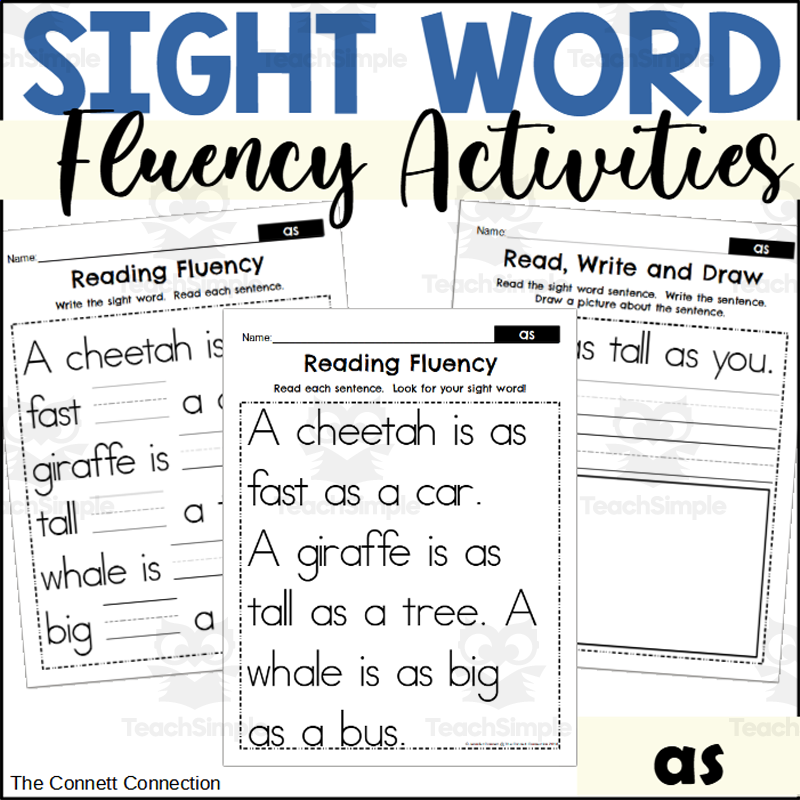
Gives early readers repeated, contextualized practice recognizing, reading, writing, and using the sight word "as" across a short worksheet packet.
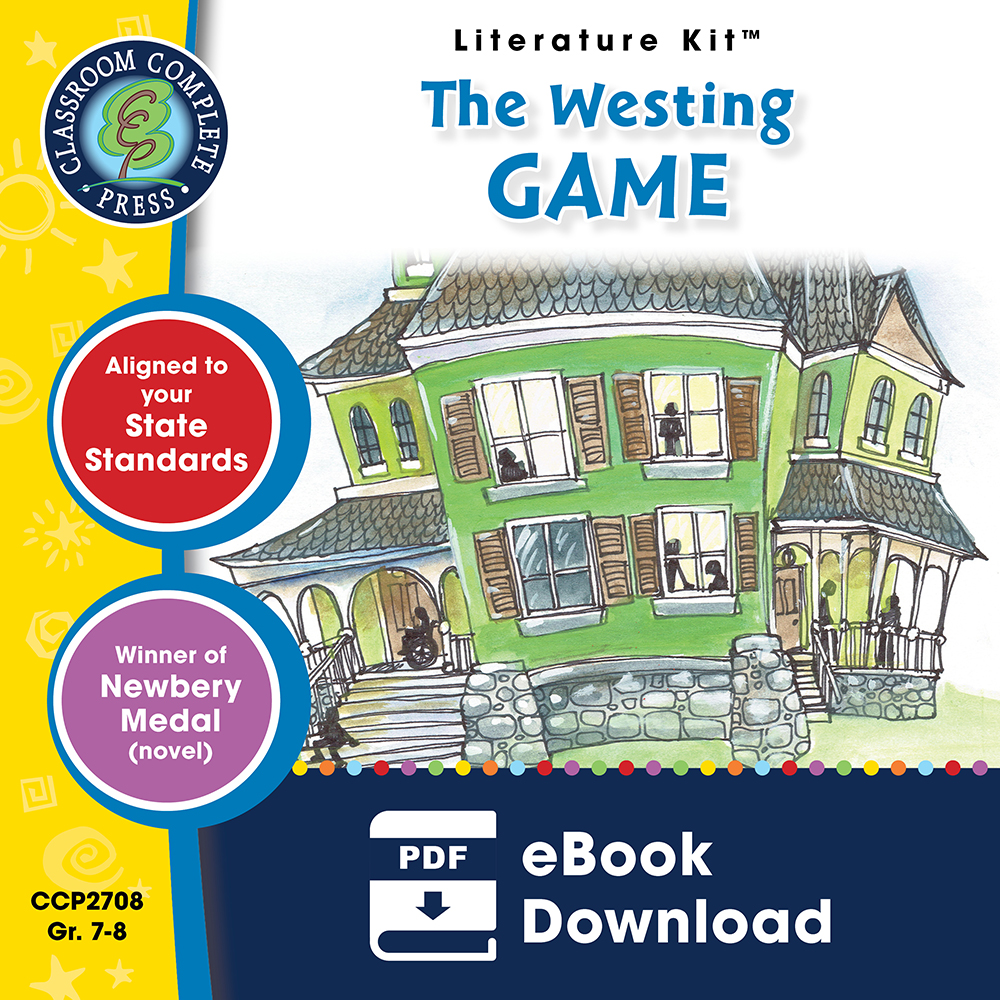
Literature kit to teach comprehension, vocabulary, and critical thinking for the novel 'The Westing Game' by Ellen Raskin.
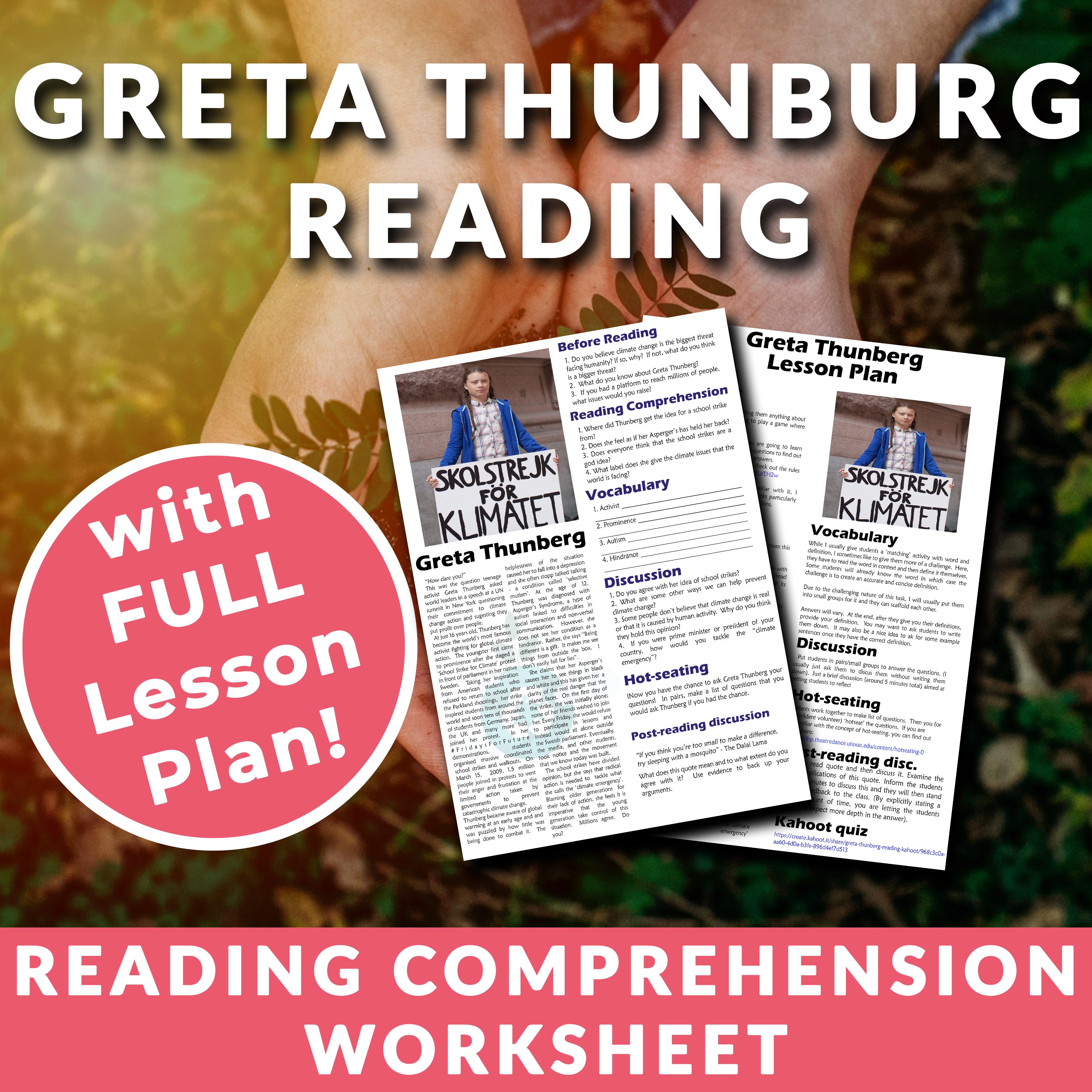
A lesson plan and reading passage profiling Greta Thunberg's activism and Asperger's/autism experience, used to teach reading comprehension and spark discussion on climate change, activism, and related social topics.
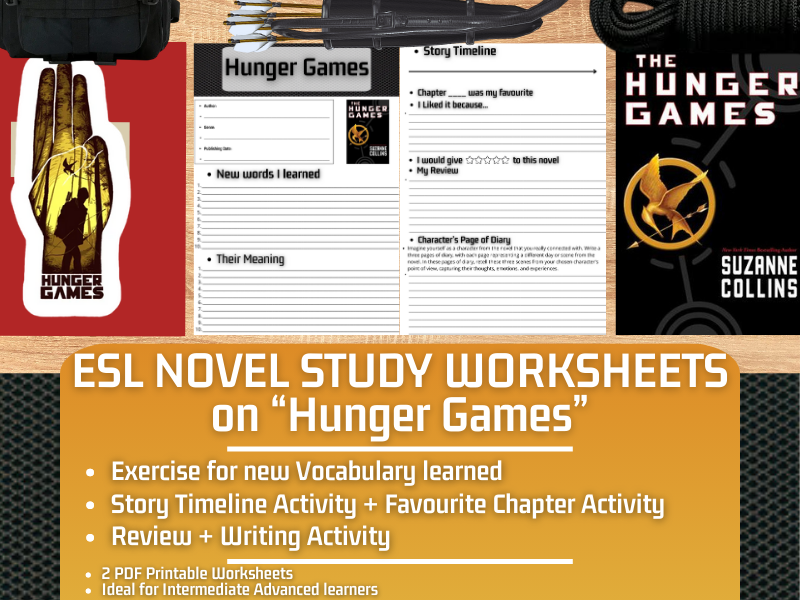
Short ESL-oriented post-reading novel study worksheet for "The Hunger Games" by Suzanne Collins, prompting students to record basic book facts, complete two fill-in lists, and write a character-perspective diary.
A Kindergarten/Grade 1 early-reading workbook teaching sight-word vocabulary (people, animals, prepositions, action verbs, adjectives, vehicles, places, pronouns) through picture-labeled activity pages, two crossword puzzles, an illustrated mini-storybook ('The Three Wishes'), and a final practice test.
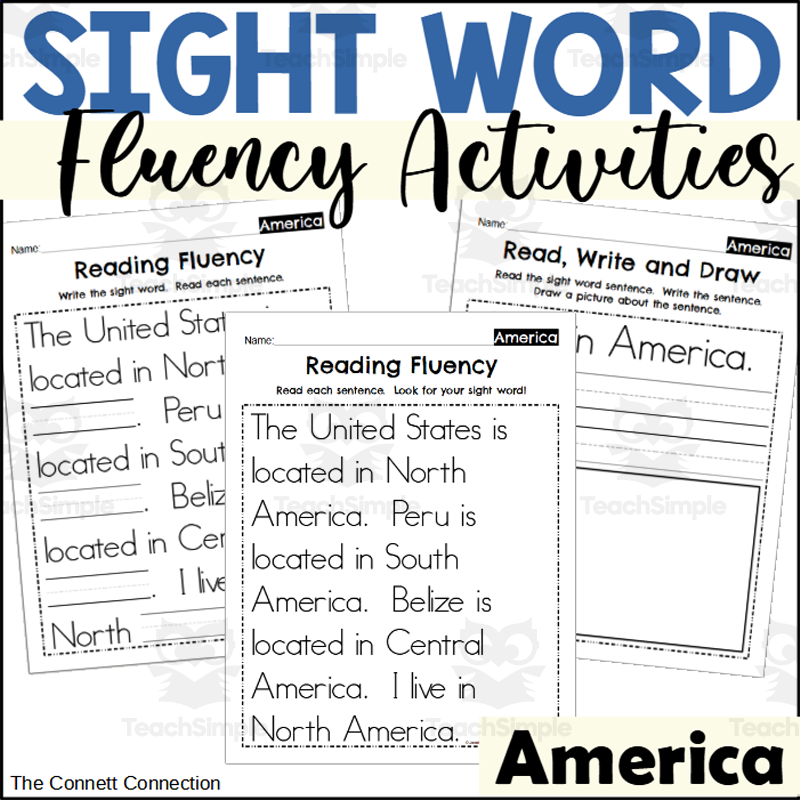
Gives early readers repeated, contextualized practice recognizing, reading, writing, and using the sight word "america" across a short worksheet packet.
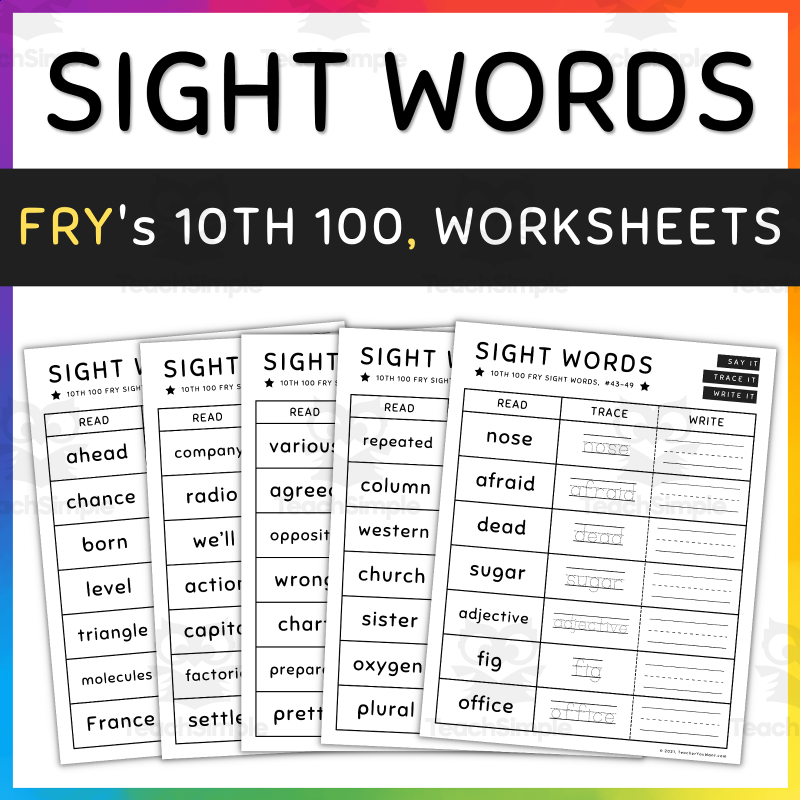
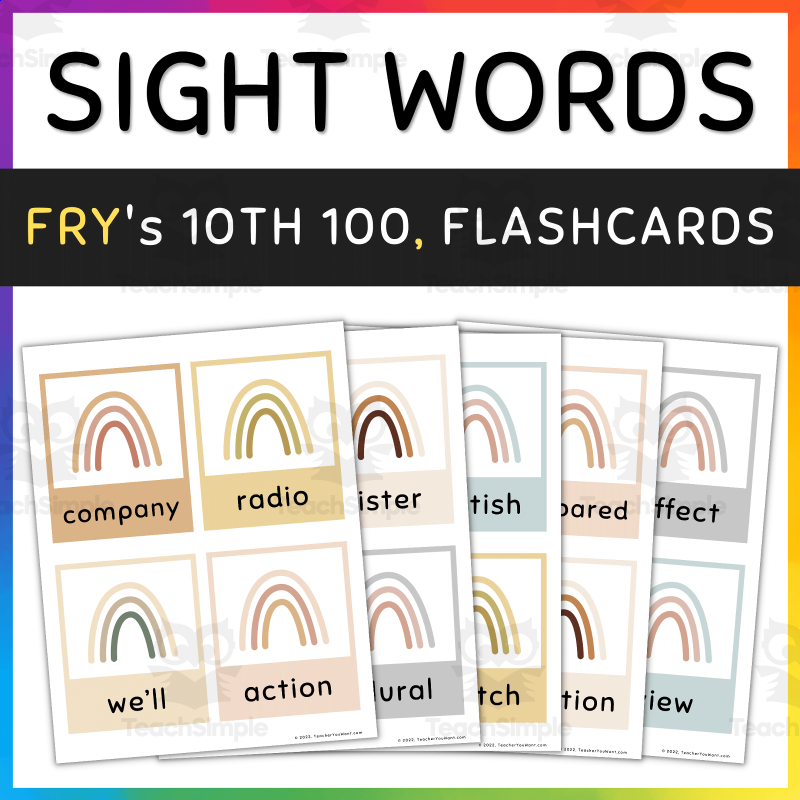
Give students structured practice reading, tracing, and writing Fry's 10th 100 high-frequency sight words (words #901-1000), organized in blocks of 7 words per page section.
Provide a large set of print-and-go expository (informational/how-to) writing prompts so students practice organizing and explaining factual information in writing.
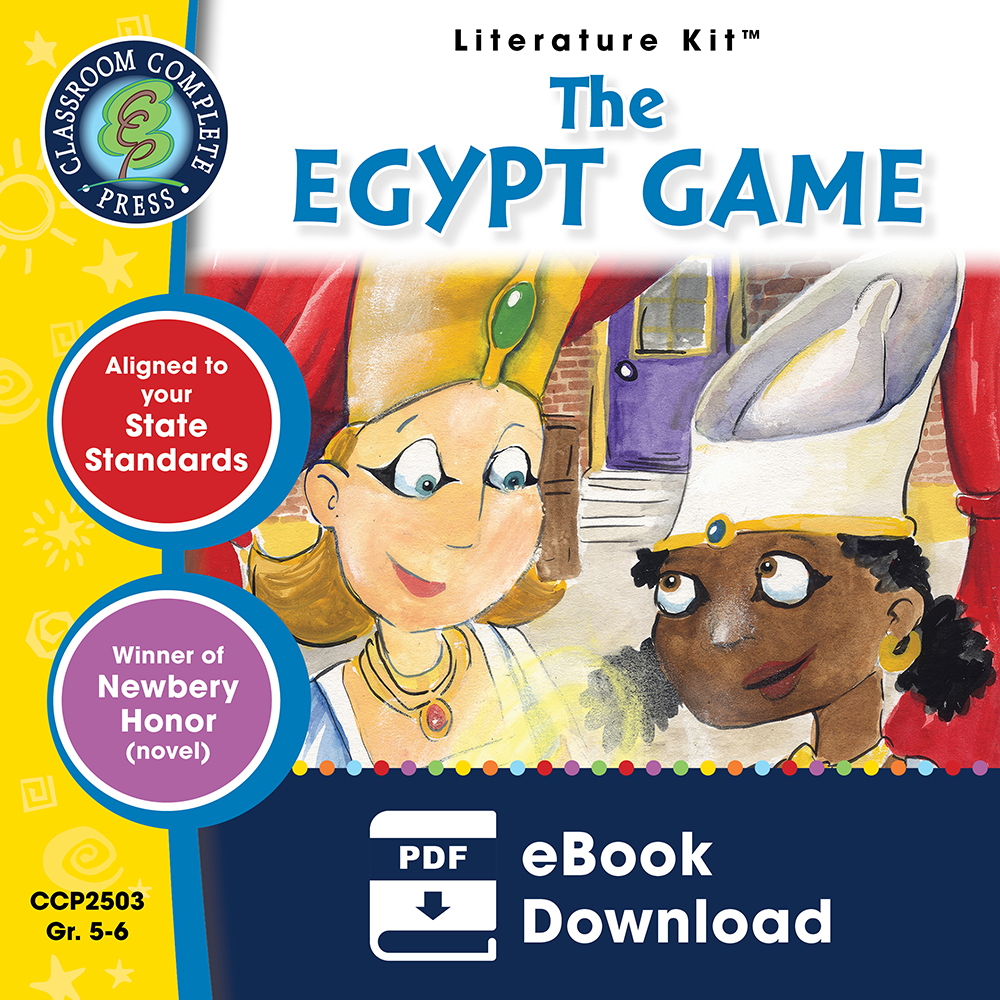
A Classroom Complete Press Literature Kit teacher/student companion resource for the novel The Egypt Game by Zilpha Keatley Snyder, built around Bloom's Taxonomy critical thinking levels.
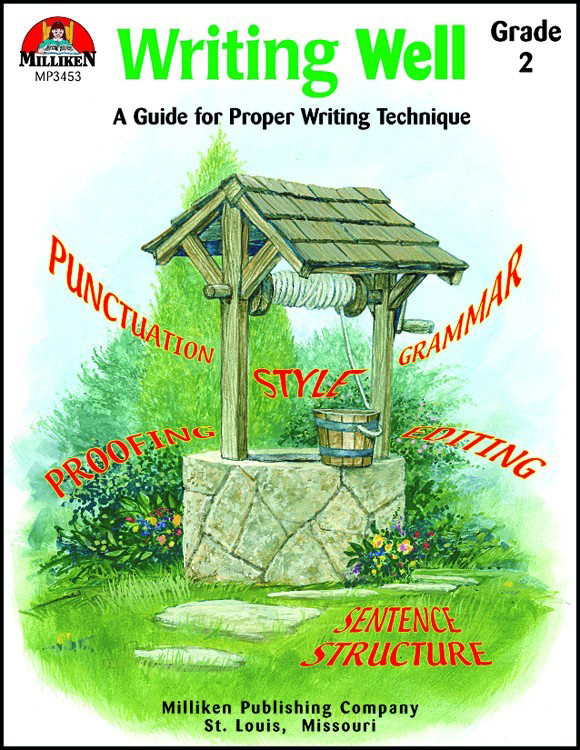
Provide second-grade teachers a sequenced series of practice pages reinforcing basic sentence, grammar, punctuation, and paragraph-writing skills.
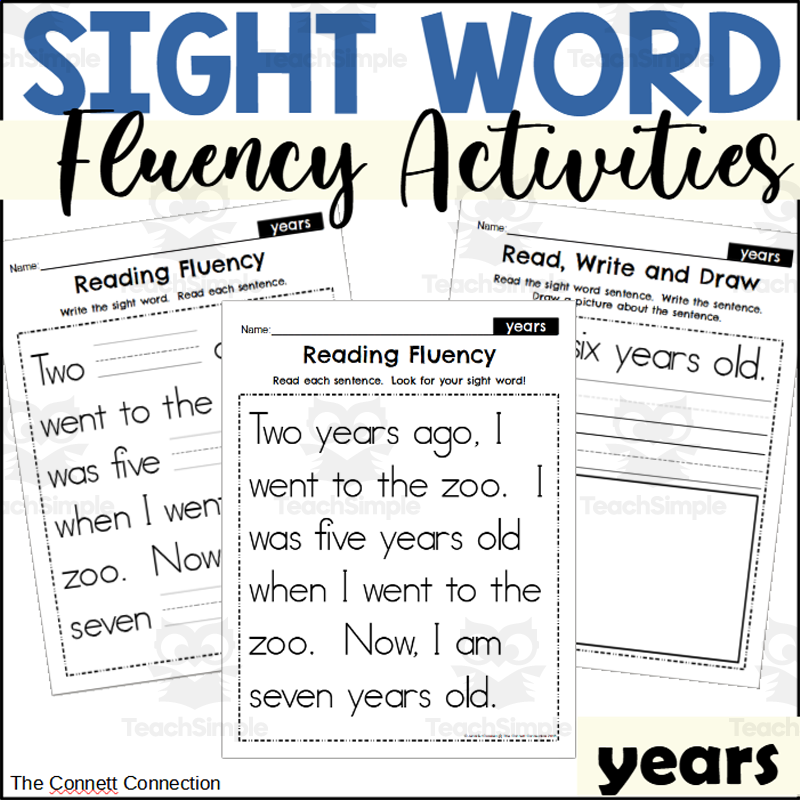
Sight word reading and writing fluency practice for the single target sight word "years", using repeated exposure of the word across short decodable sentences.
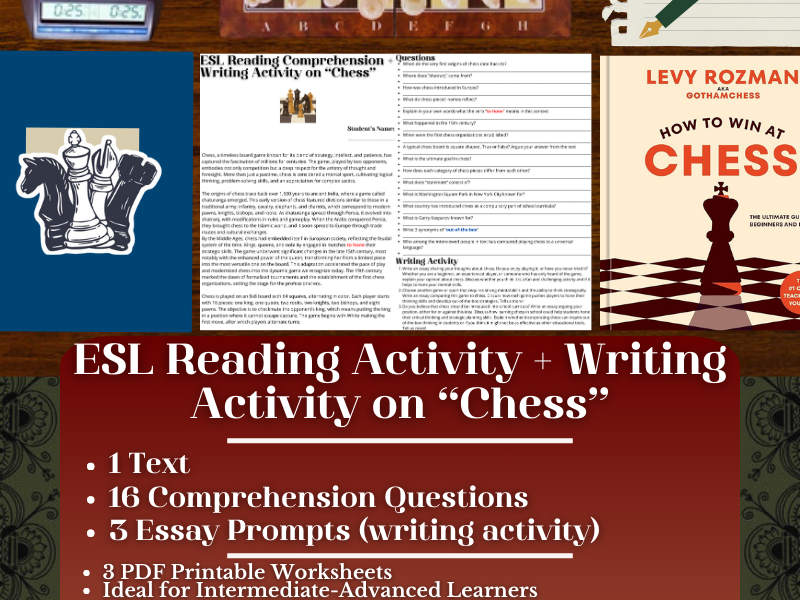
ESL/EFL reading comprehension and writing practice for secondary students, built around a nonfiction feature article about the history and rules of chess.
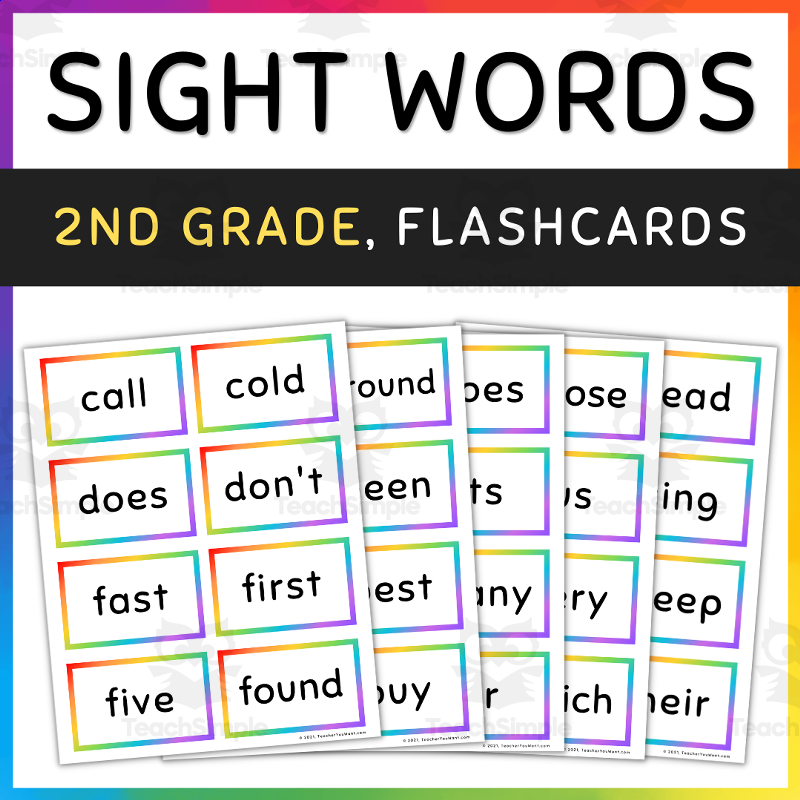
Printable flash cards of Grade 2 high-frequency sight words with rainbow borders, for reading practice and drills.
Provides printable narrative writing prompts to give students story ideas and practice writing a story with a sequence of events.
Printable flashcards presenting Fry's tenth hundred high-frequency sight words for reading/vocabulary practice.
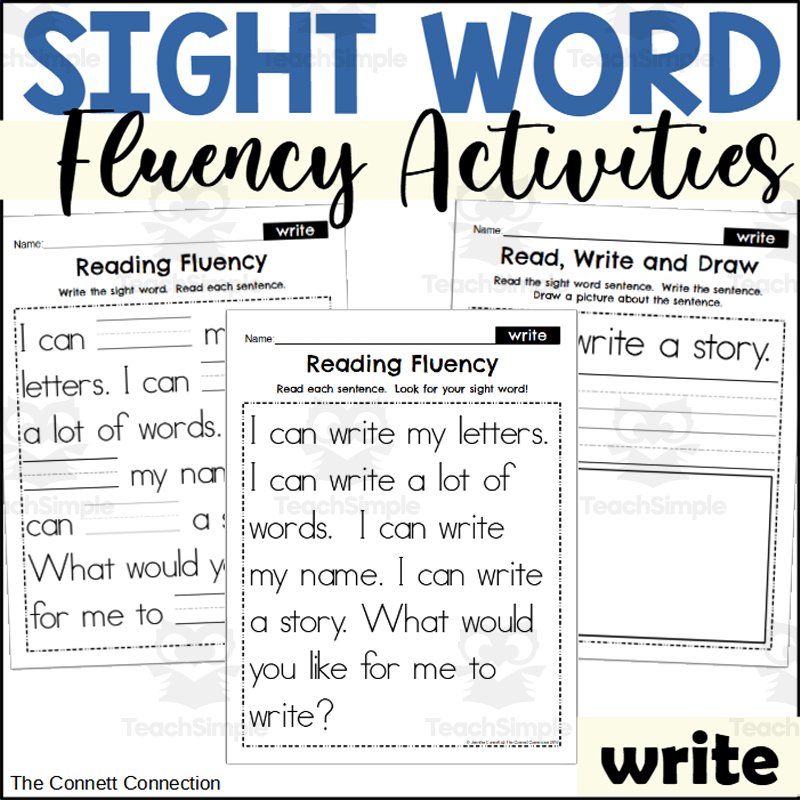
Sight word reading and writing fluency practice for the single target sight word "write", using repeated exposure of the word across short decodable sentences.
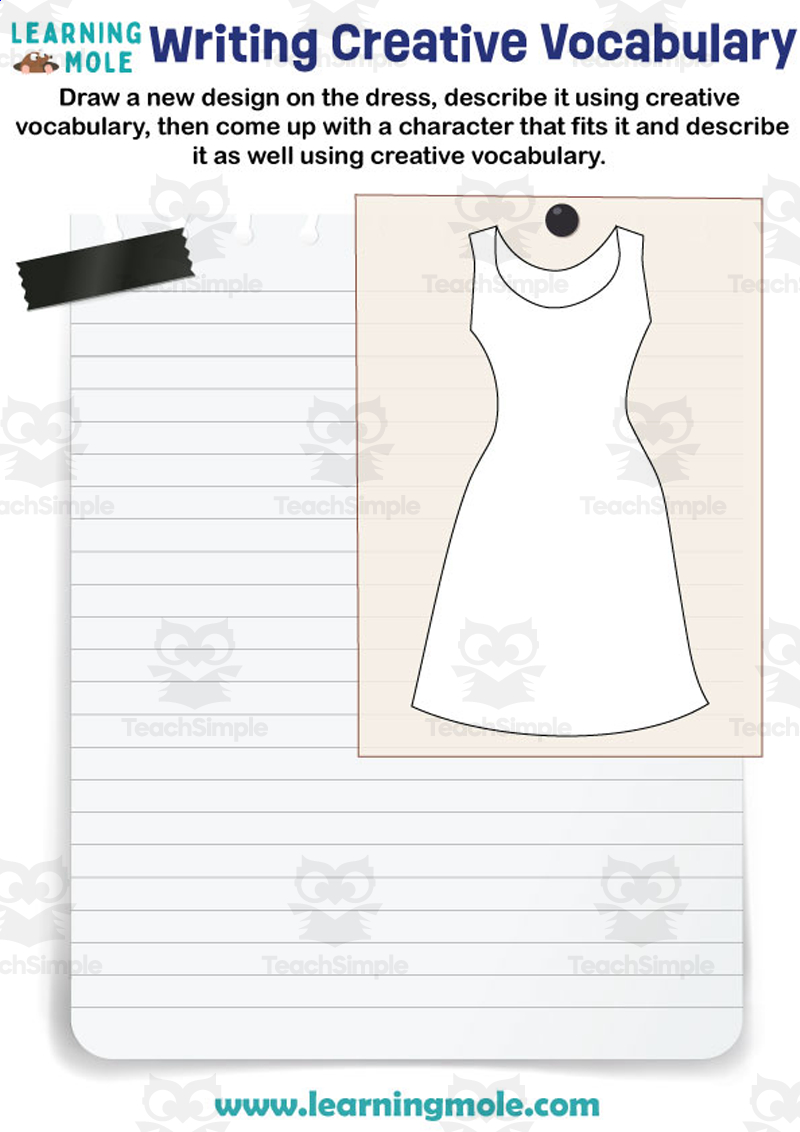
A single-page creative writing activity where students design and describe a dress and an associated character using creative vocabulary.
A guided reading lesson plan for Grade 2, built around the anchor text Frog and Toad Are Friends by Arnold Lobel (example Level J-K book), targeting making predictions using text clues and illustrations (Fountas & Pinnell Level J-K).
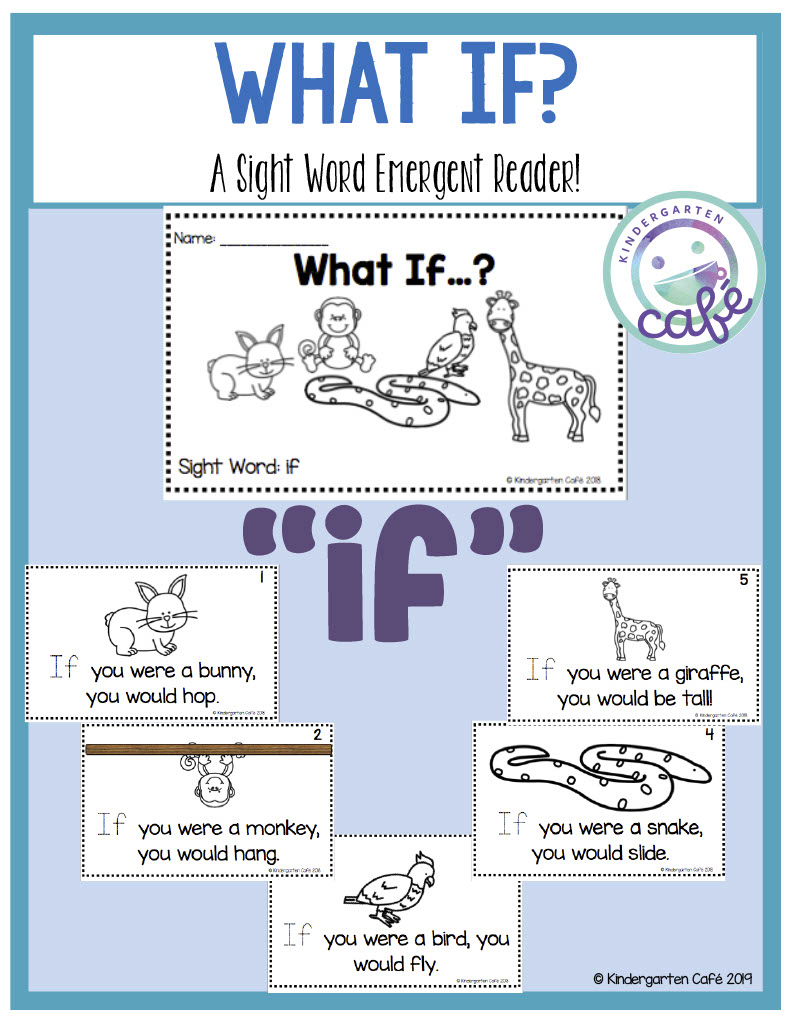
An emergent reader booklet that gives beginning readers repeated practice reading and recognizing the sight word "if" in a short, patterned, illustrated story about imagining being different animals.
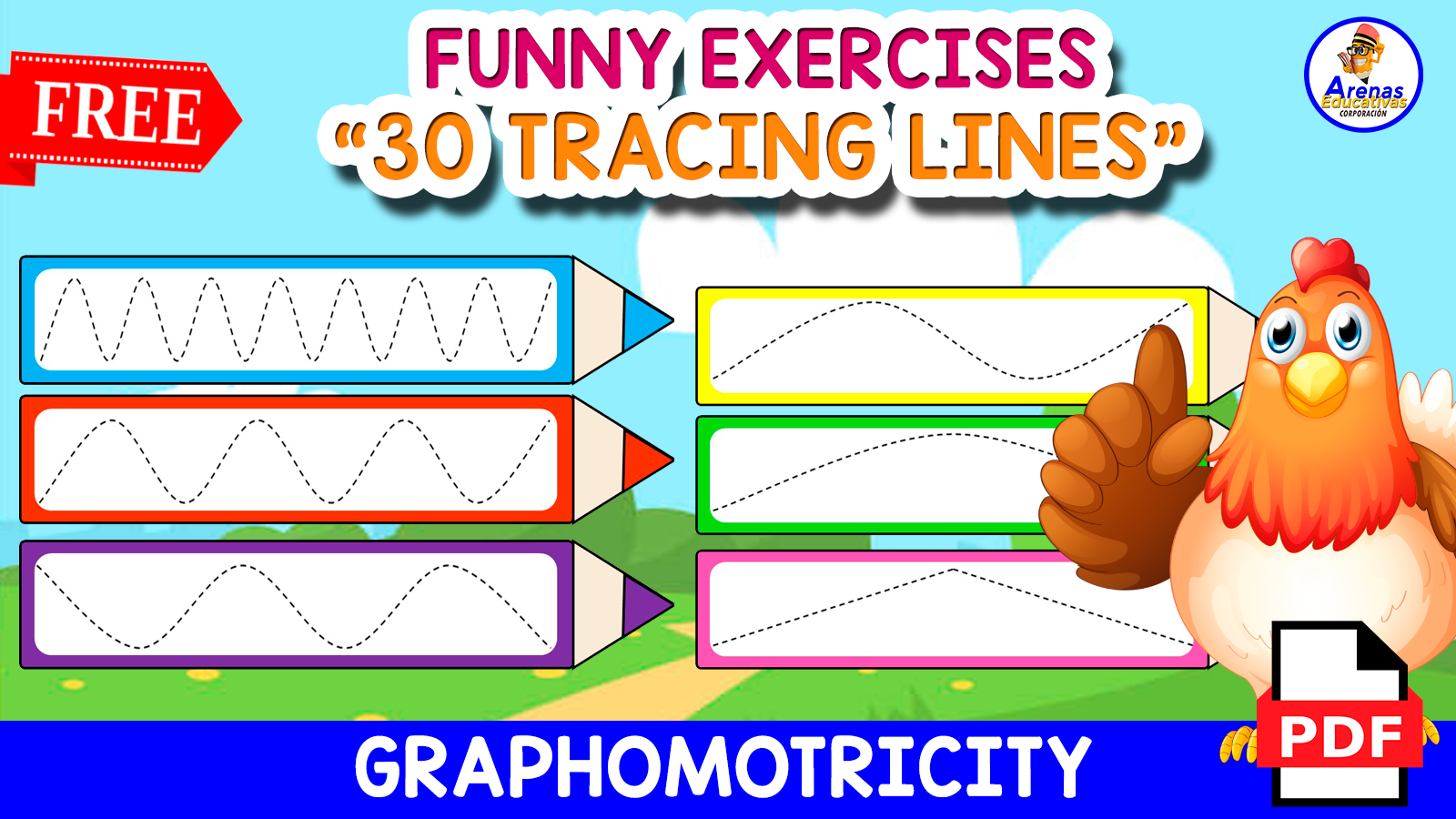
Gives young students fine-motor line-tracing practice to build pre-writing skills.
Give students repeated practice reading, spelling, and using the sight word "now" to build sight-word recognition and reading fluency.
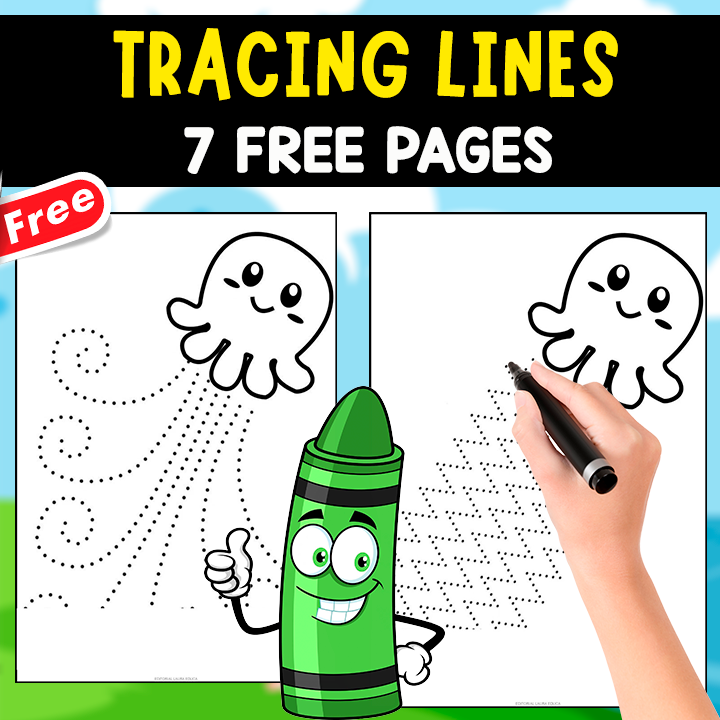
Line-tracing practice sheets ("funny strokes") to build pre-writing / fine motor control, per the file's own cover text ("TRACING LINES, 7 PAGES").
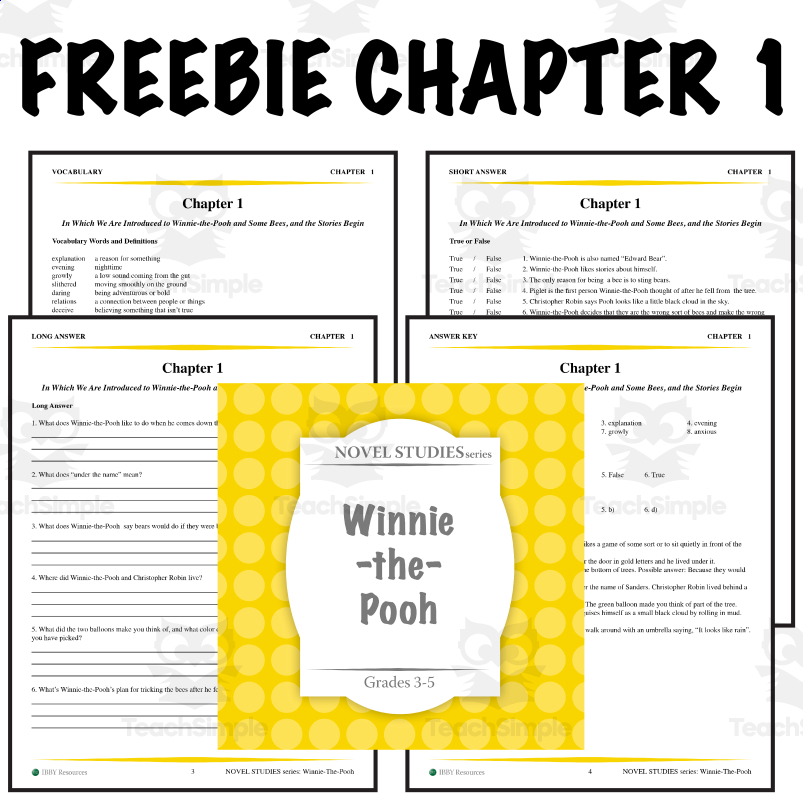
Chapter 1 novel study guide for Winnie-the-Pooh, combining vocabulary practice and reading comprehension questions; footer text identifies it as part of a larger 'NOVEL STUDIES series: Winnie-The-Pooh'.