Phonics & word study
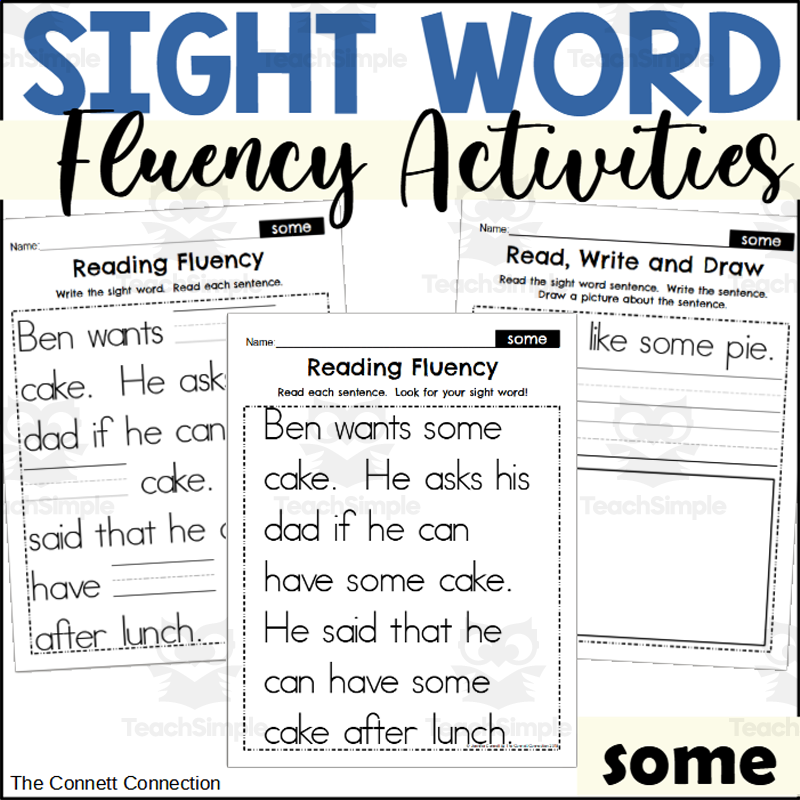
Sight Word Fluency Packet - some
Give early readers repeated, contextualized practice reading, writing, and using the sight word "some" in simple sentences.


Classroom resources
Browse by lesson focus
Choose the topic or kind of practice you need.
Showing 1153–1176 of 4517 resources

 Show filters
Give early readers repeated, contextualized practice reading, writing, and using the sight word "some" in simple sentences.
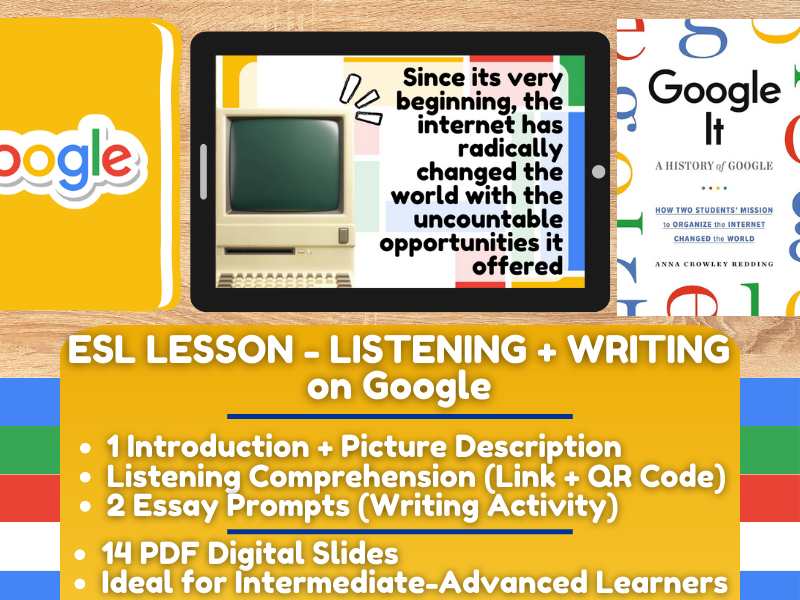
ESL lesson using the topic of Google and search engines to build reading/listening/writing skills.
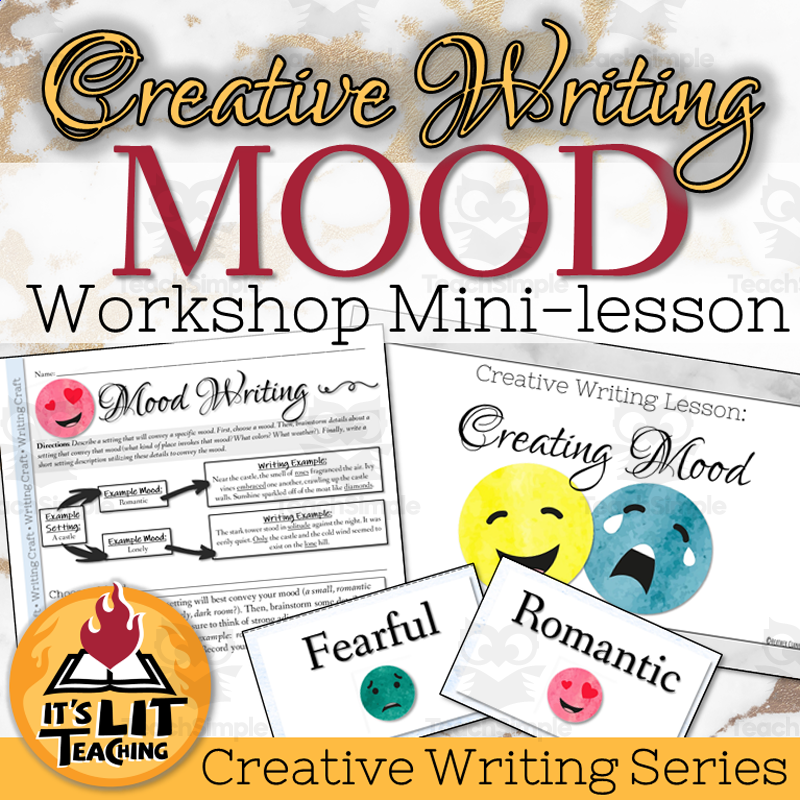
A mini-lesson/workshop teaching secondary students to identify and create mood in writing, using famous paintings as mood-analysis examples (as a whole-class lesson or gallery walk) and a setting-description writing activity.
A set of print-and-pass poetry writing lessons designed to be run by a substitute teacher, each giving students a concept definition, drafting time, a peer-review step, and a rubric-scored final poem.
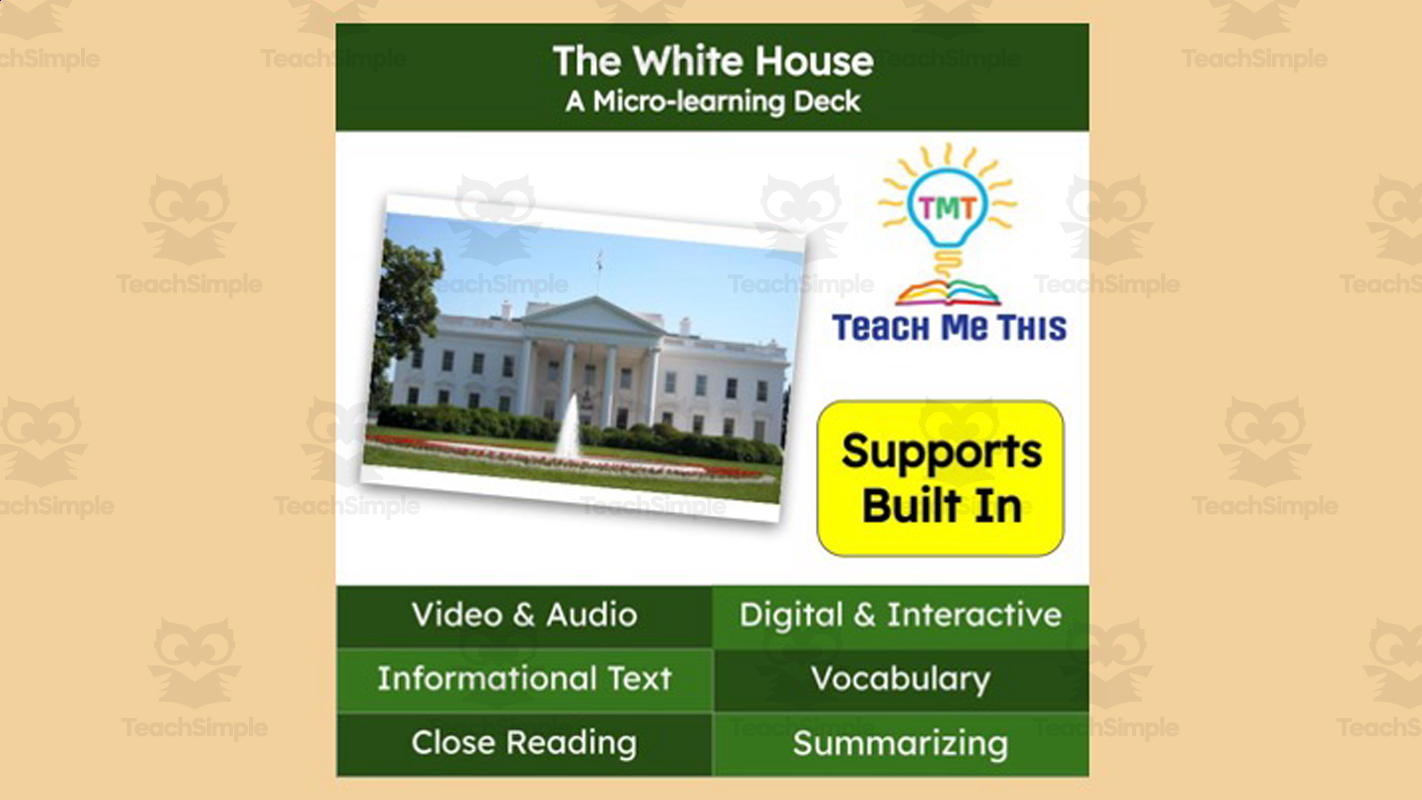
Deliver a micro-learning interactive lesson teaching the history and key rooms/facts of the White House through a reading passage, vocabulary, and comprehension activities.
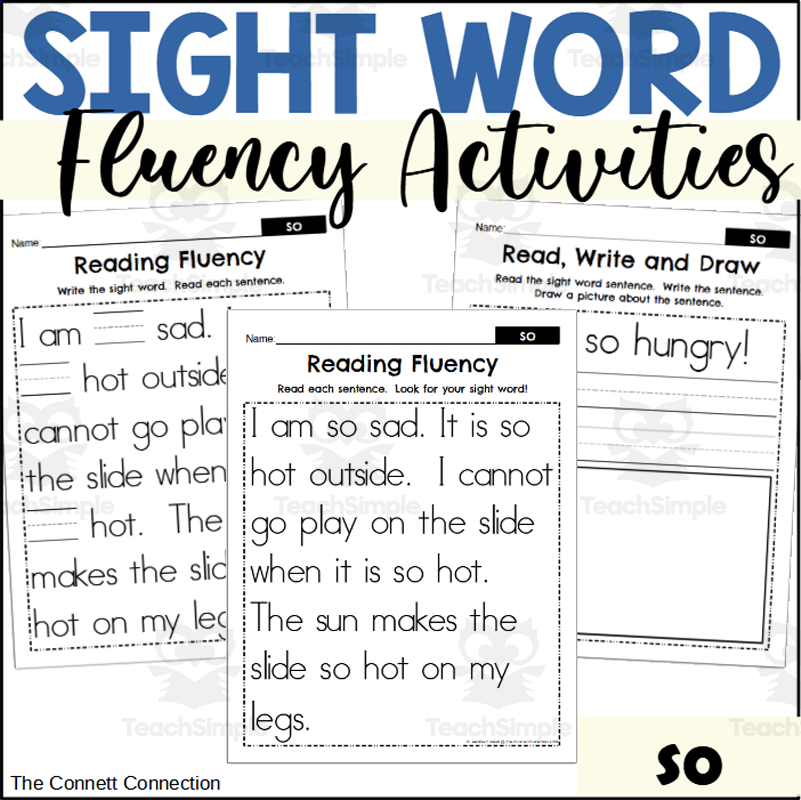
Give early readers repeated, contextualized practice reading, writing, and using the sight word "so" in simple sentences.
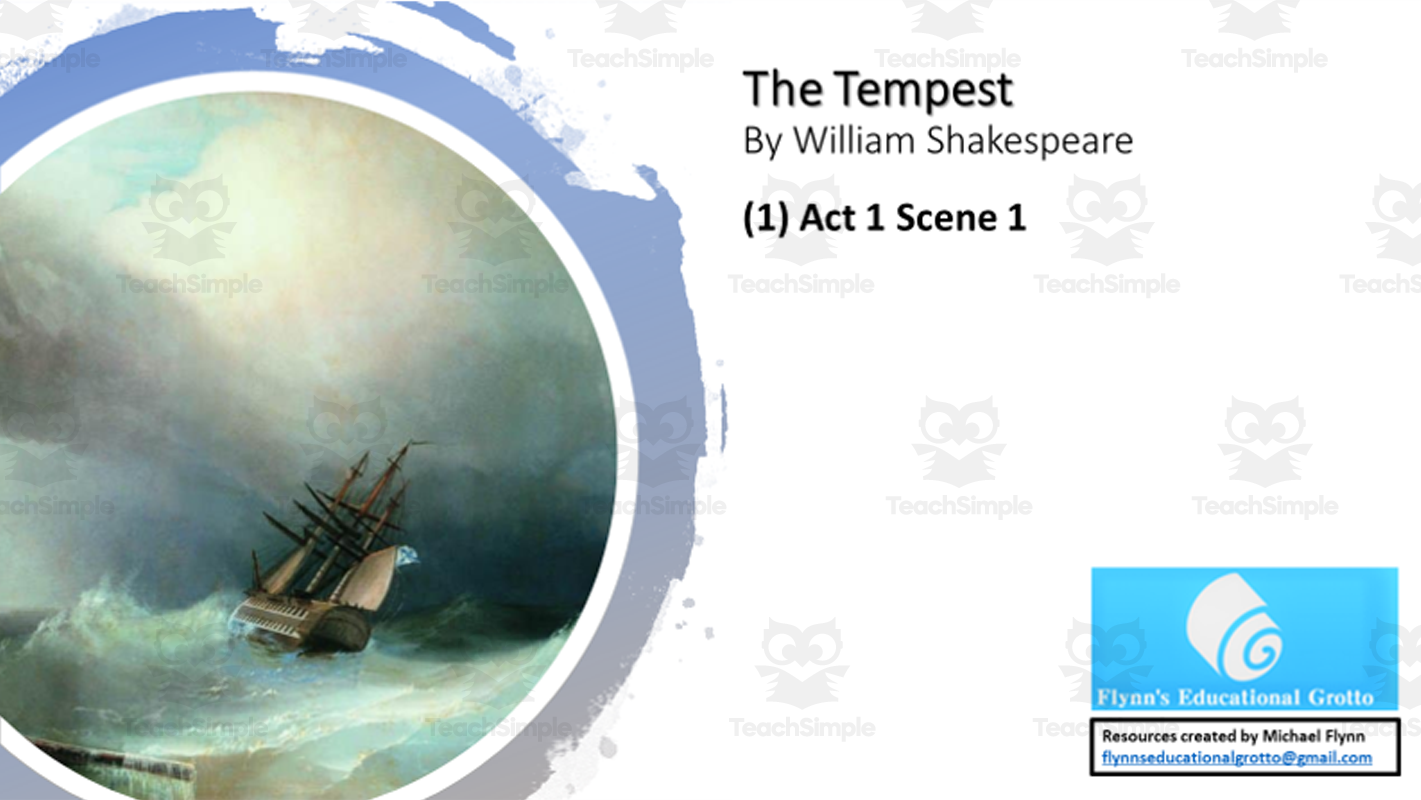
Lesson 1 of a Tempest unit: an analytical close-reading of Act 1 Scene 1 (the opening shipwreck scene), building summary/analysis skills and introducing academic essay-writing technique.

A mini-lesson/workshop teaching secondary students to identify and create literary 'voice' (diction, syntax, tone) through a poem-reconstruction group activity and an original-writing exercise.
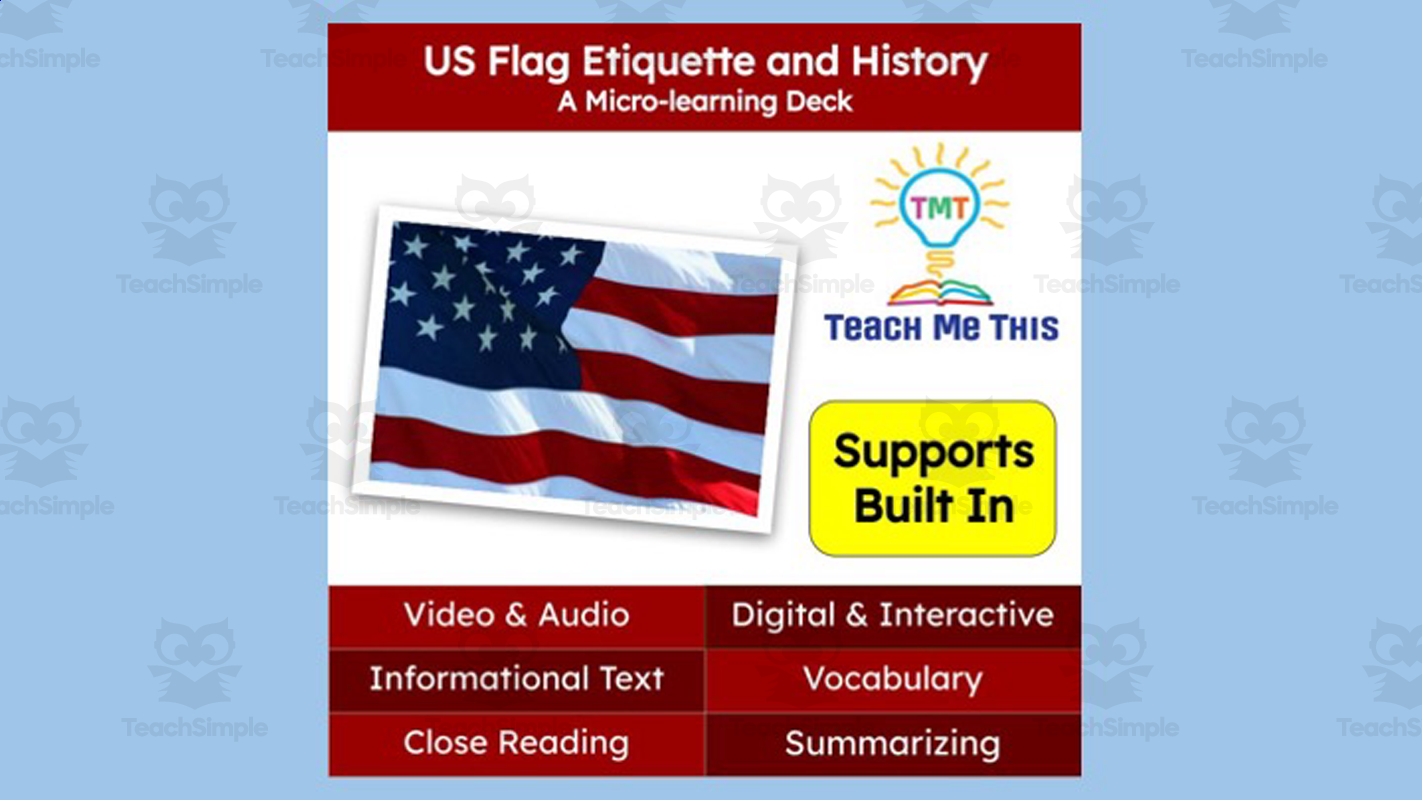
A micro-learning slide deck (interactive lesson) teaching the history of the American flag and etiquette for its care and display, built around a reading passage with vocabulary and comprehension activities.
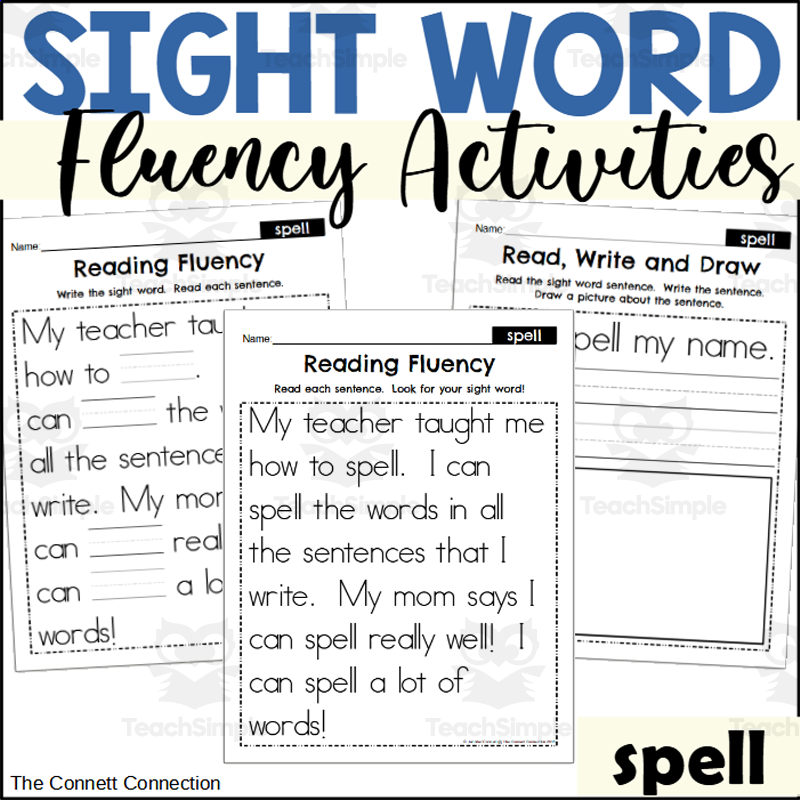
Give students repeated, low-prep practice recognizing, reading, and spelling the sight word 'spell' in the context of short sentences.
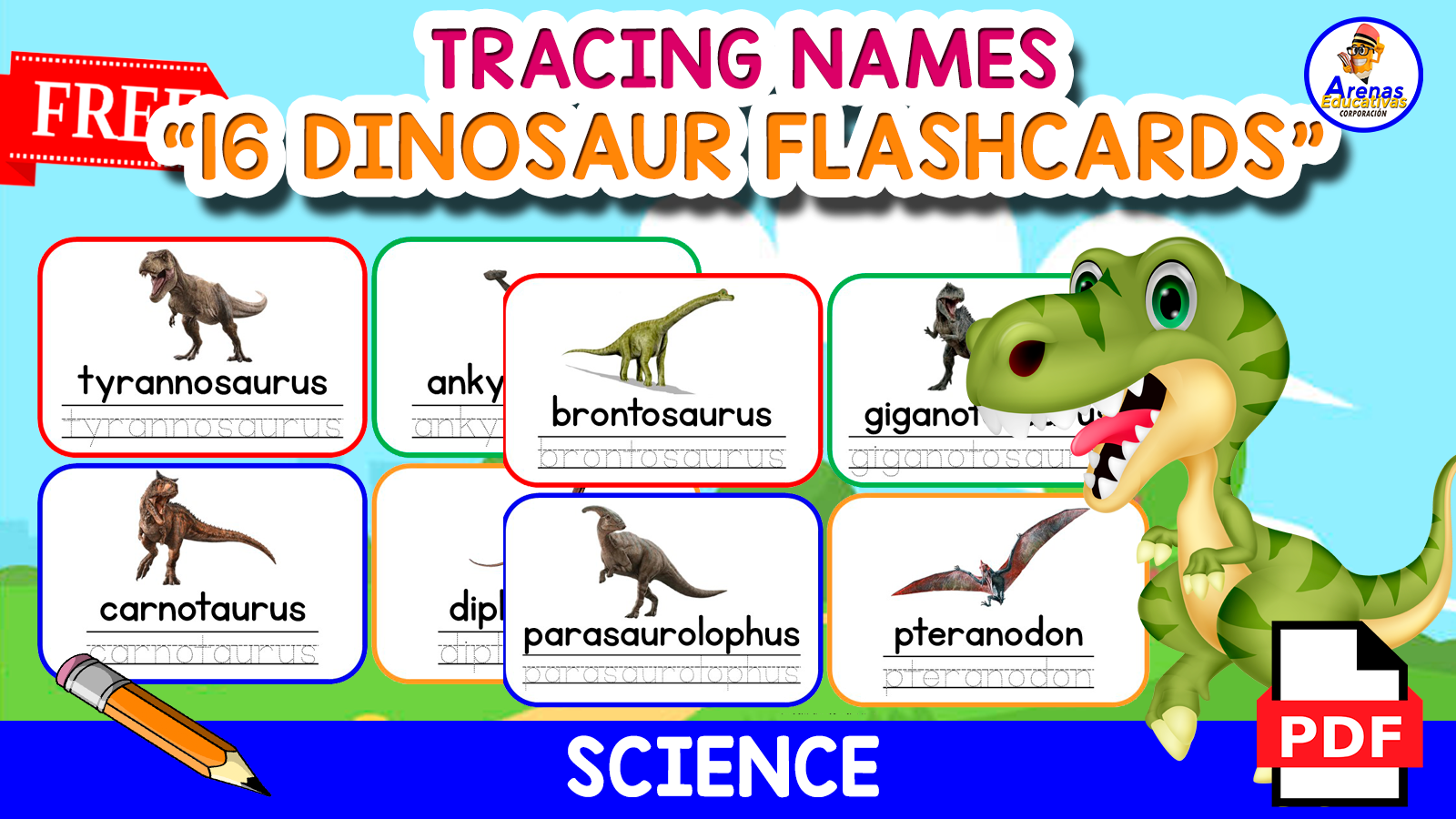 Free download
Name-tracing flashcards/worksheets to help students learn and practice writing the names of 16 dinosaurs.

Introduce ESL/EFL students to William Shakespeare's biography and famous works through a slide-based lesson with warm-up picture description, biographical reading, and a listening comprehension activity.
Lesson slideshow teaching techniques for creating suspense in narrative writing (foreshadowing, vivid setting, imagery, pacing) for middle/high school creative writing.

A lesson using passages from Jerry Spinelli's novel 'Loser' and Jamaica Kincaid's short story 'Girl' as mentor texts to teach students how to write in second-person point of view
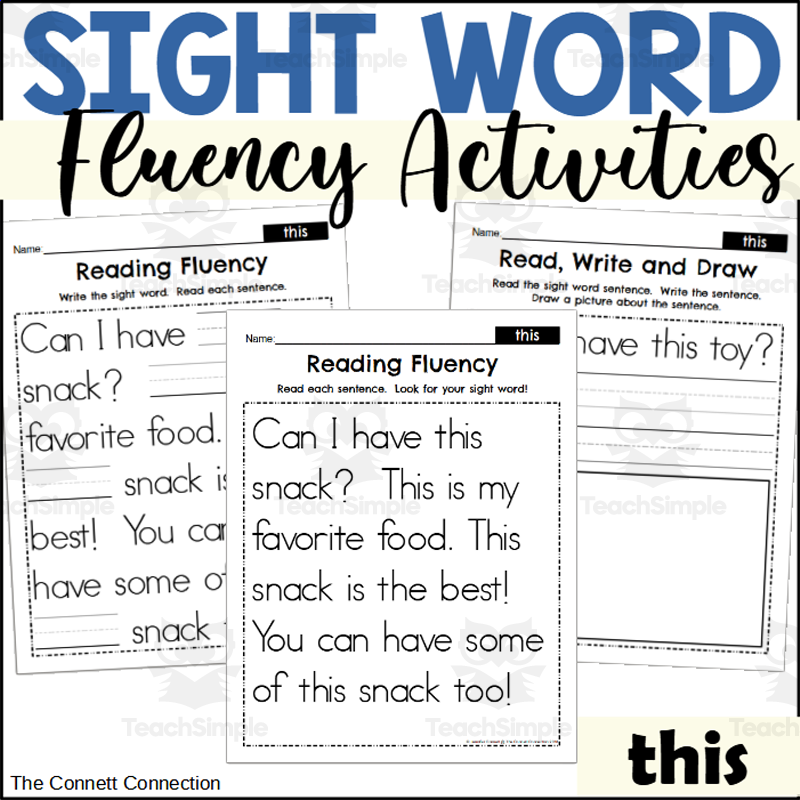
Give students repeated, low-prep practice recognizing, reading, and spelling the sight word 'this' in the context of short sentences.
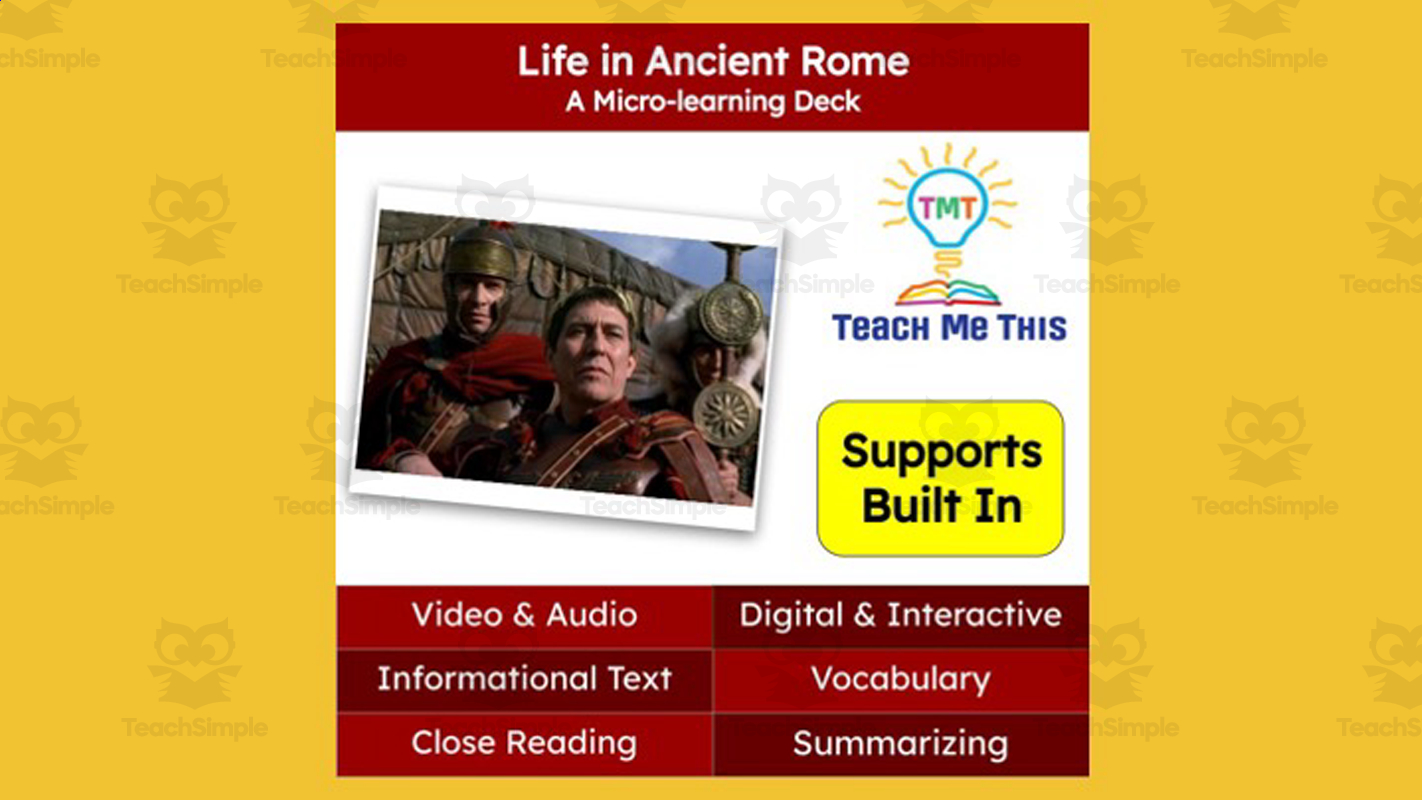
An interactive micro-learning slide deck teaching grades 5-8 students about daily life in ancient Rome (clothing, food, housing, the forum) through a reading passage, vocabulary, and comprehension activities.

Eight-day high-school lesson plan teaching written expression/descriptive language skills (adjective level, color specificity, imagery, similes/metaphors) as the second part of a two-part writing-strategy series (following 'Writing Organization').
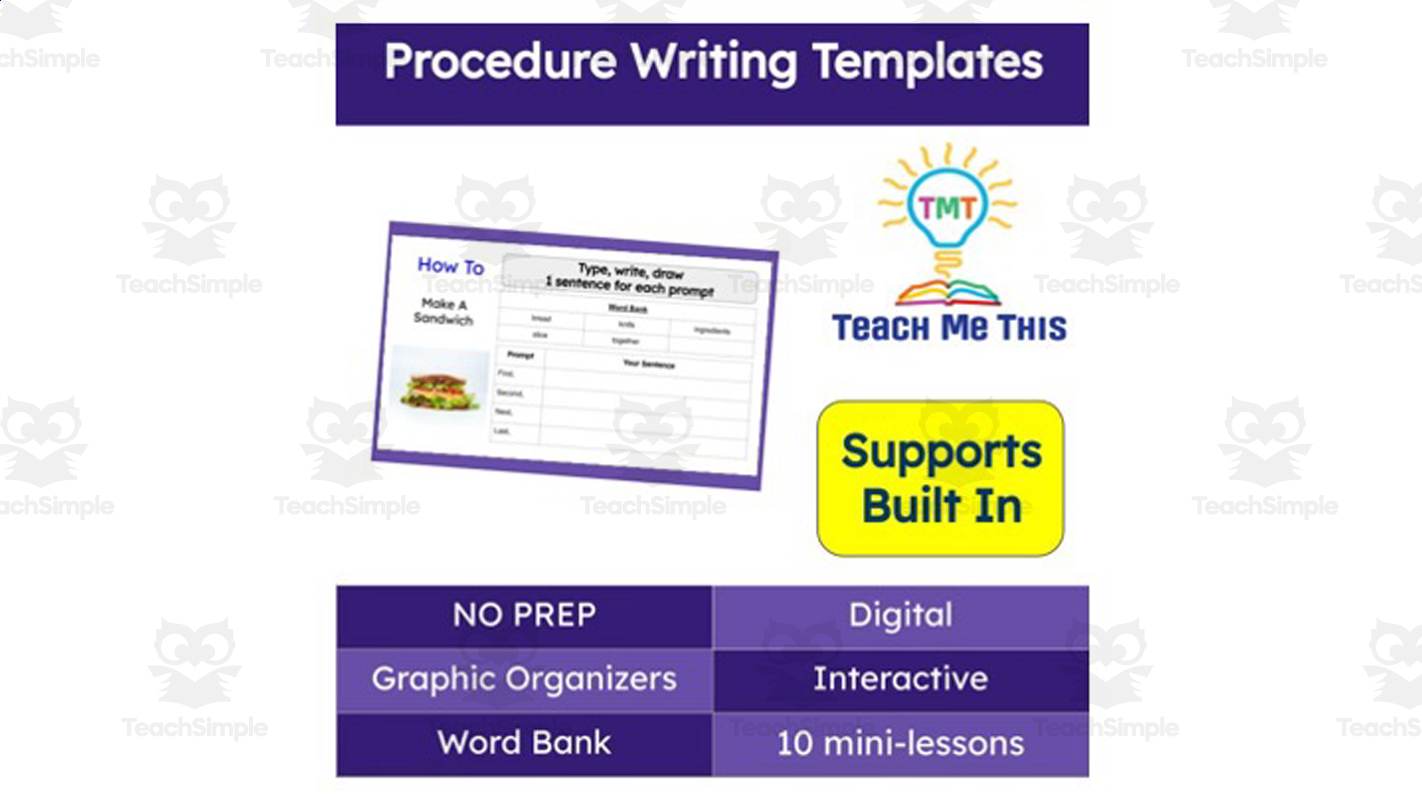
Digital graphic-organizer templates giving students practice writing 4-step 'how to' procedures for everyday tasks, supported by word banks.
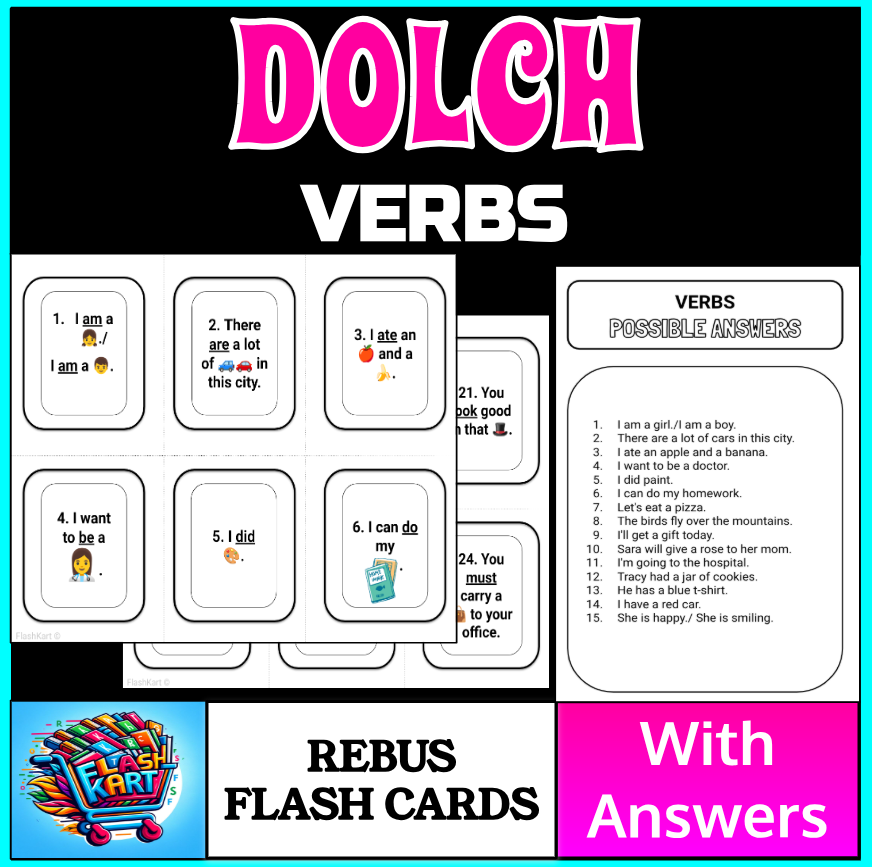
Help early readers practice recognizing and reading Dolch verbs in context using picture-supported (rebus) sentences.
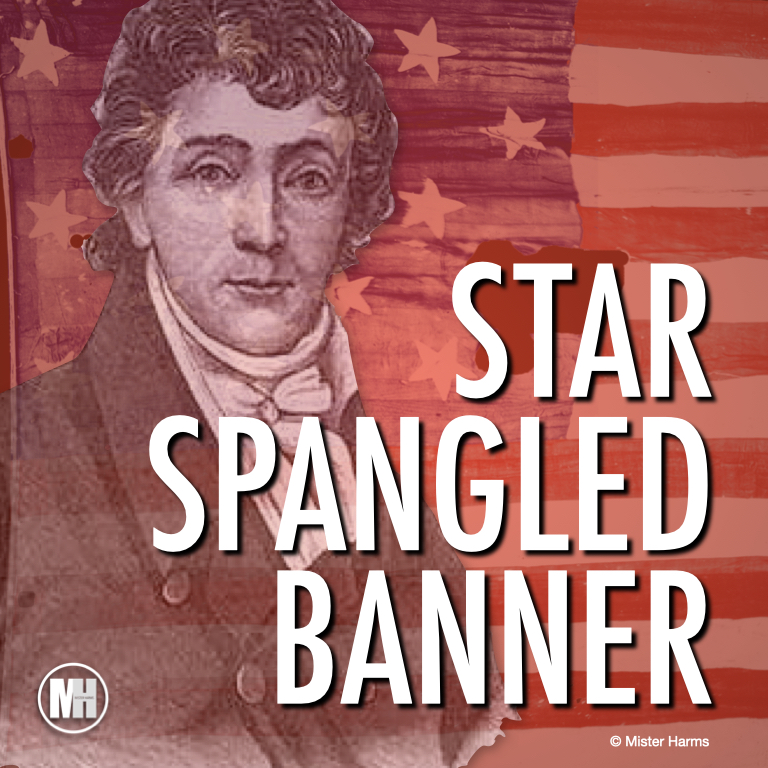
A creative writing activity where students rewrite the U.S. national anthem lyrics in their own modern-day words to build understanding of its meaning.
A substitute-teacher lesson plan providing a one-class-period short expository essay assignment: a sub note/agenda plus a series of ready-to-print essay prompt worksheets with requirements, writing tips, and a peer-review checklist.
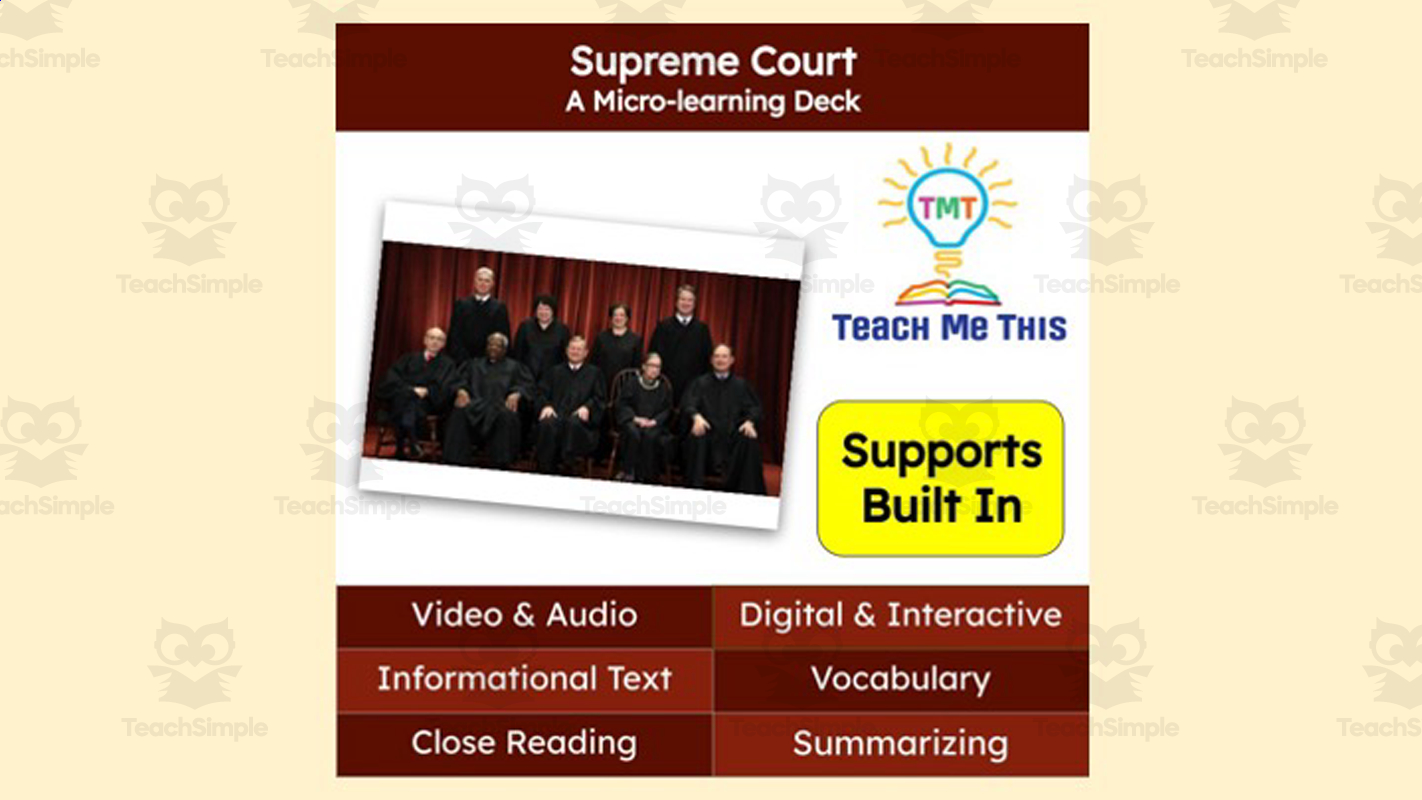
An interactive slide deck that teaches middle/high school students the history, purpose, and function of the U.S. Supreme Court through informational reading and vocabulary work.
Provide fifth-grade teachers a sequenced series of practice pages reinforcing verb usage, sentence variety, and expository/descriptive paragraph writing skills.

Lesson 12 of a Tempest unit: a second guided essay-writing/revision lesson, this time exploring the theme of slavery across the play through the characters of Prospero, Caliban, and Ariel.