Phonics & word readingVocabulary & language
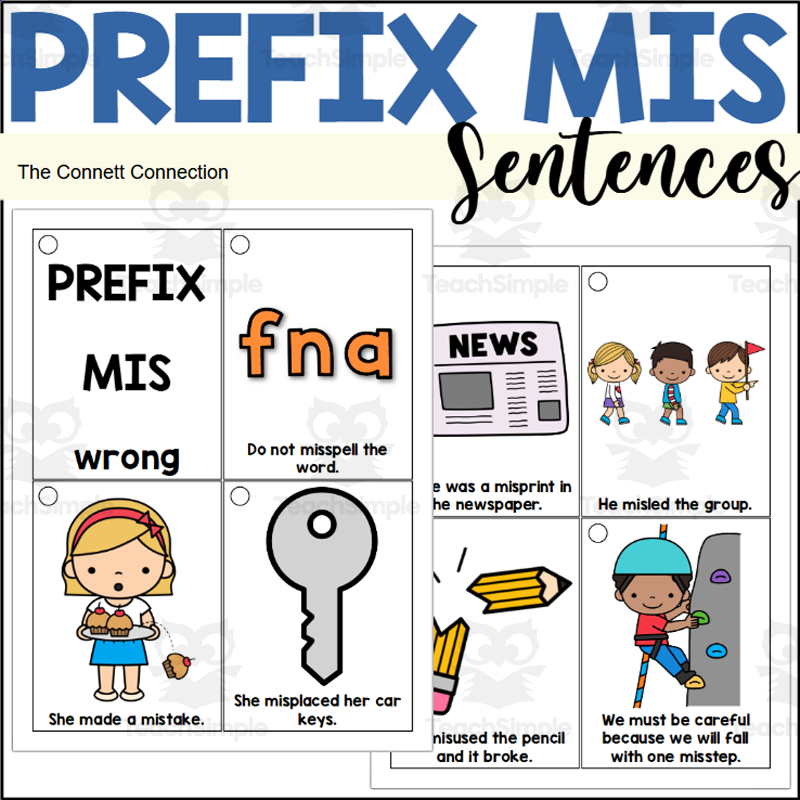
Prefix Mis Sentence Reading Rings
Practice reading and understanding words formed with the prefix 'mis-' (meaning 'wrong') in the context of sentences.




Classroom resources
Browse by lesson focus
Choose the topic or kind of practice you need.
Showing 2449–2472 of 6631 resources

 Show filters
 Practice reading and understanding words formed with the prefix 'mis-' (meaning 'wrong') in the context of sentences.
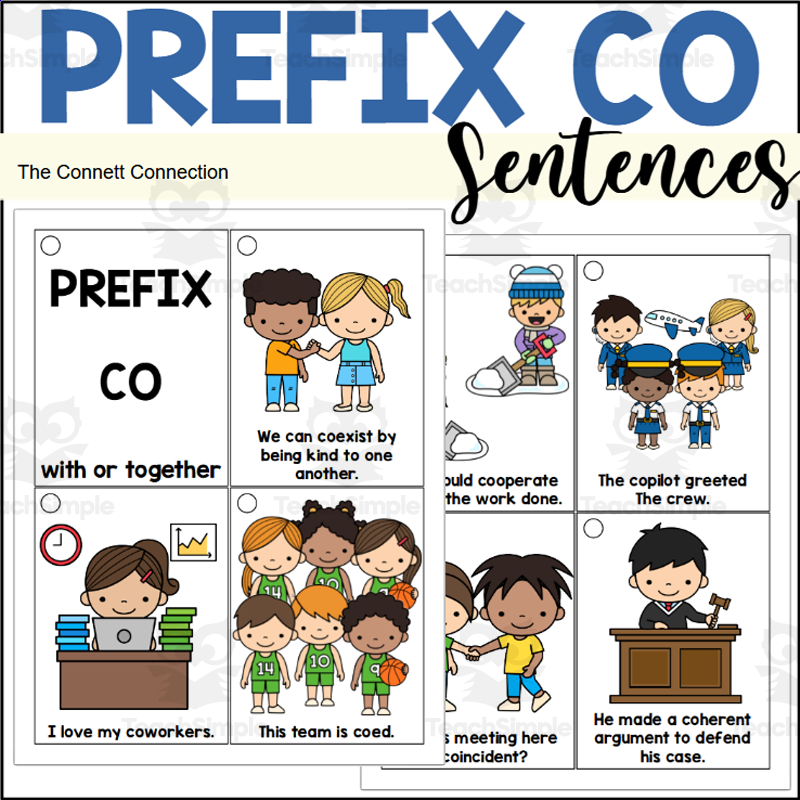
Practice reading and understanding words formed with the prefix 'co-' (meaning 'with or together') in the context of sentences.
Practice reading, spelling, and inferencing skills, with a focus on homonyms/homophones/homographs, through a hangman-style 'Dad Jokes Guessing Game' for pairs of students.
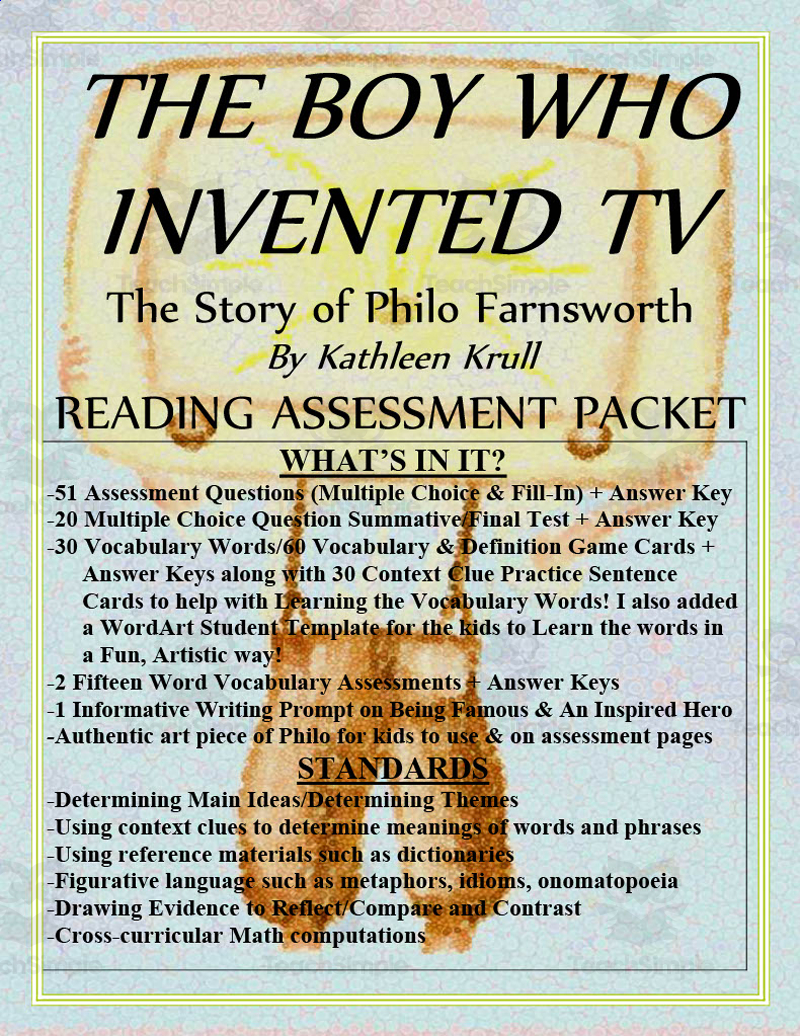
A reading assessment packet built around Kathleen Krull's biography "The Boy Who Invented TV: The Story of Philo Farnsworth", combining cumulative comprehension questions, a summative test, vocabulary instruction/games, and a writing prompt.
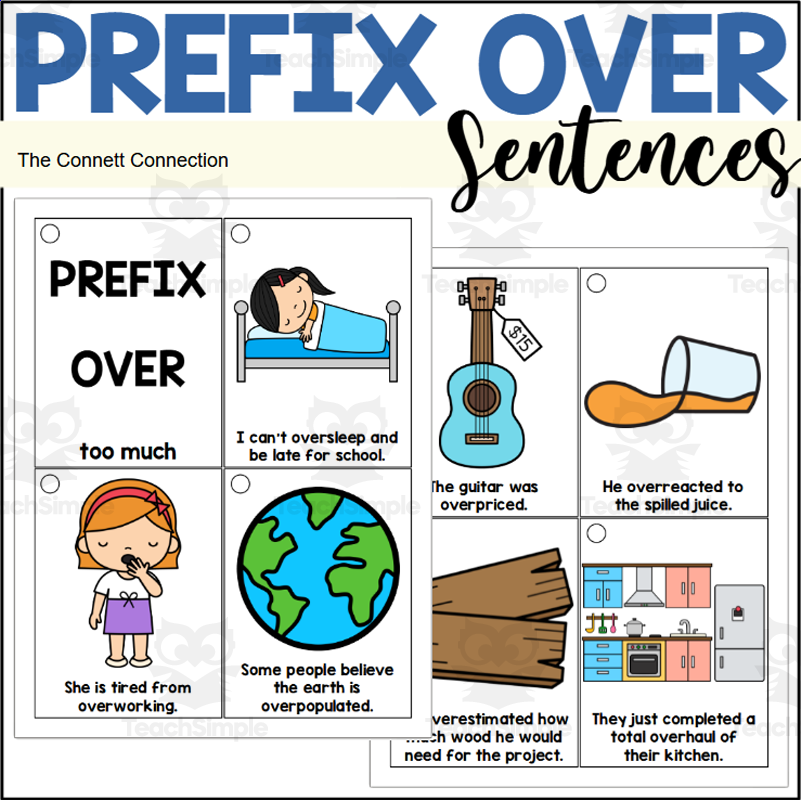
Practice reading and understanding words that use the prefix over- (meaning "too much / above") in the context of full sentences.
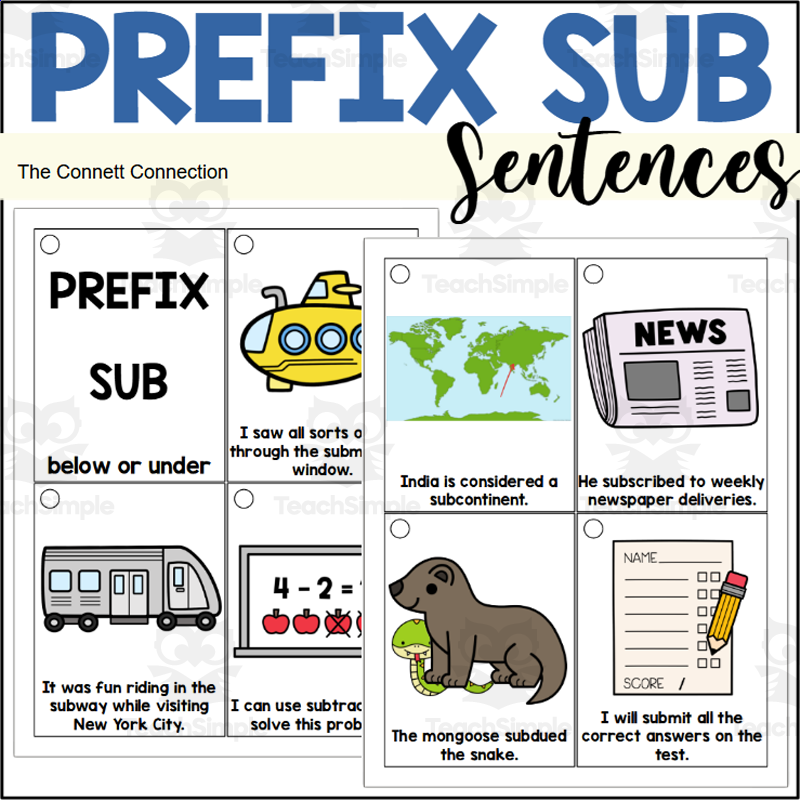
Practice reading and understanding words that use the prefix sub- (meaning "below or under") in the context of full sentences.
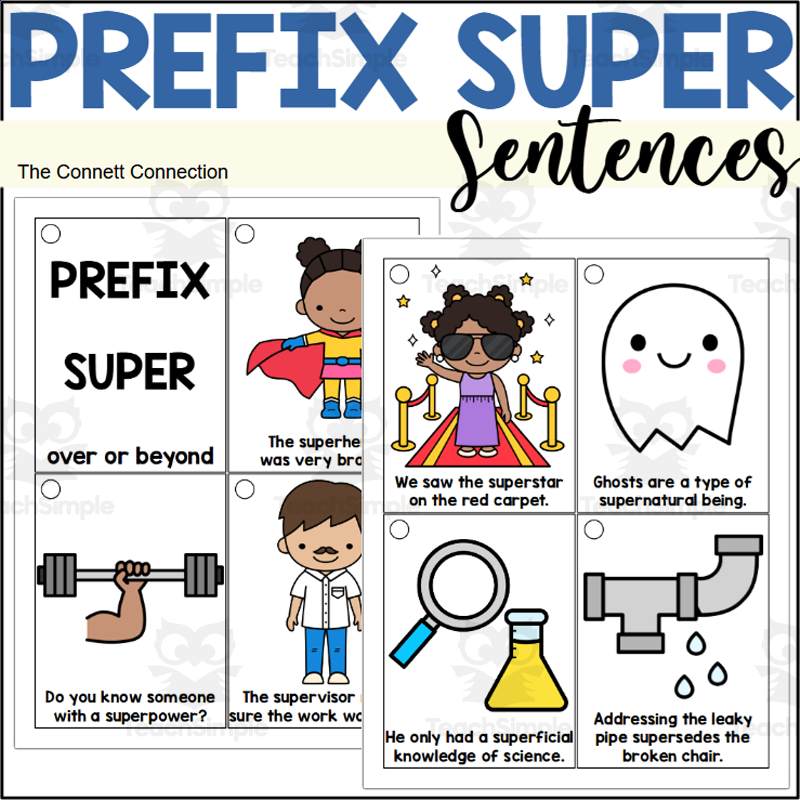
Practice reading and understanding words that use the prefix super- (meaning "over or beyond") in the context of full sentences.
Teach students about the role of news reporters, news teams, and newspapers through informational reading passages, comprehension activities, vocabulary, and a hands-on news-writing project.
Digital micro-learning deck teaching the idiom/figurative-language expression "turn the tables" through a video lesson, an audio-supported reading passage, comprehension questions, and a quick-write task.
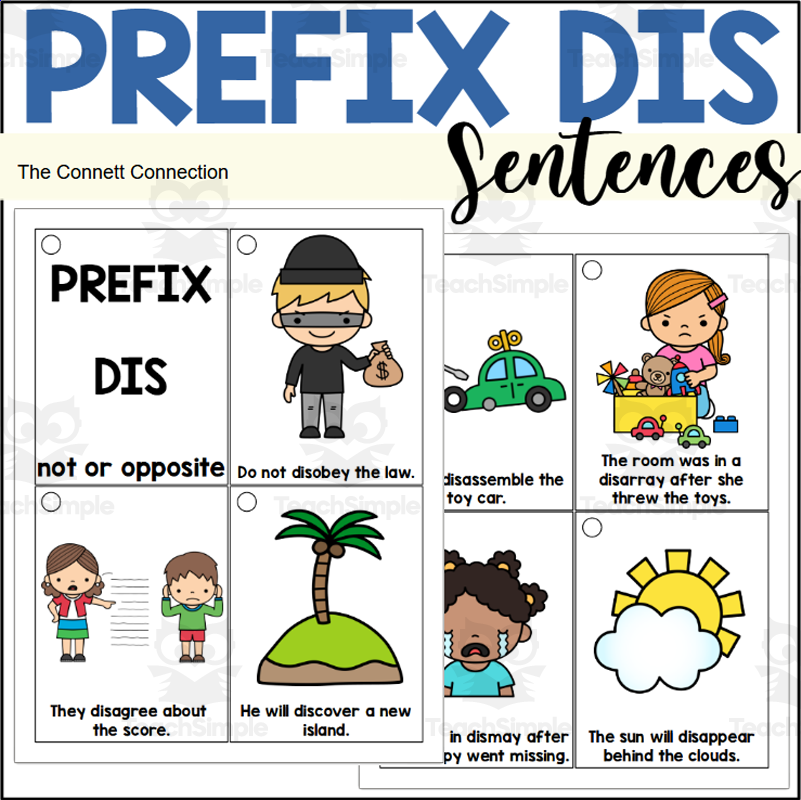
Practice reading and understanding words formed with the prefix 'dis-' (meaning 'not or opposite') in the context of sentences.
Teach the figurative-language idiom 'fair weather friend' through a short multi-part micro-learning deck combining video, reading, comprehension, and writing.
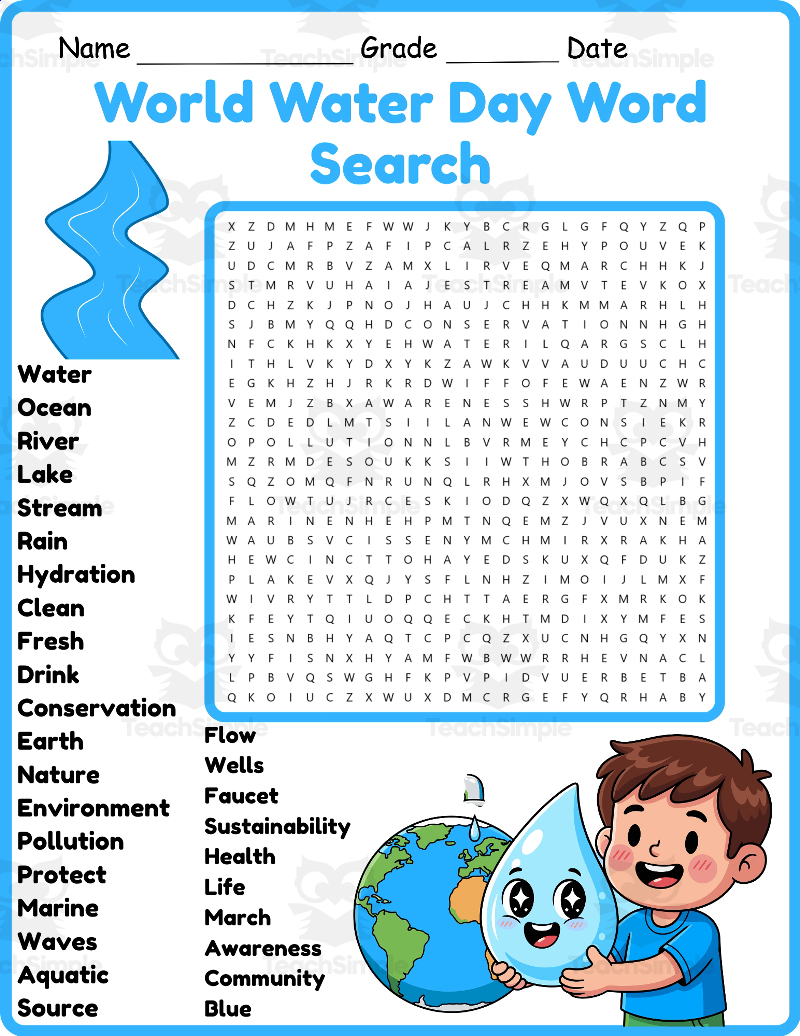
A World Water Day themed word search that builds vocabulary around water, conservation, and the environment while practicing reading and spelling.
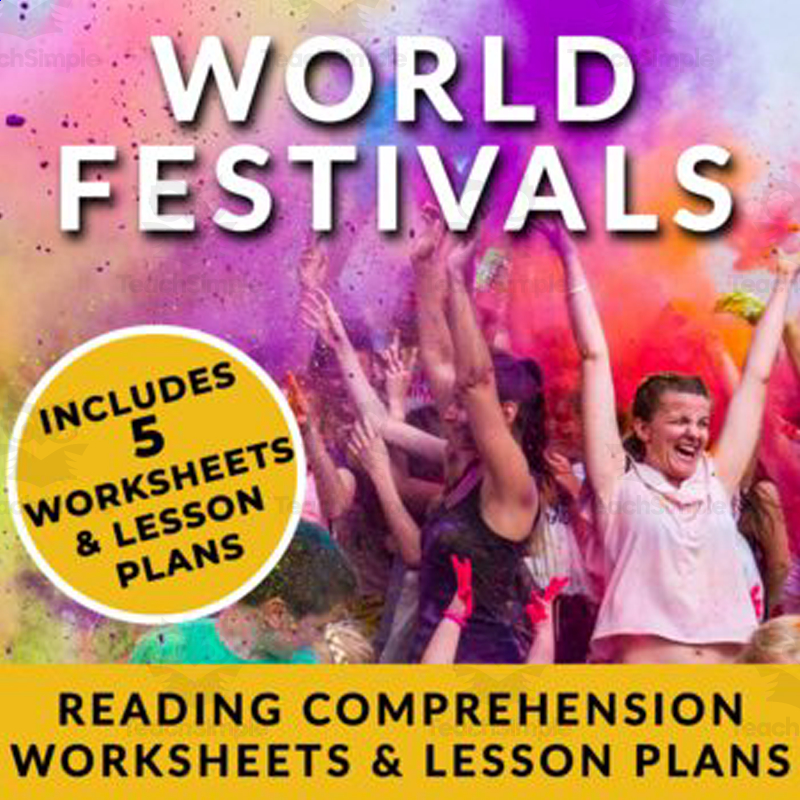
ESL reading-comprehension unit (B2/C1 level) built around three world festivals - Guy Fawkes/Bonfire Night, Pamplona's Running of the Bulls, and Burning Man - with full teacher lesson plans.
Teach students the meaning and correct usage of the figurative-language idiom 'over the hill' through a multimedia micro-learning slide deck.
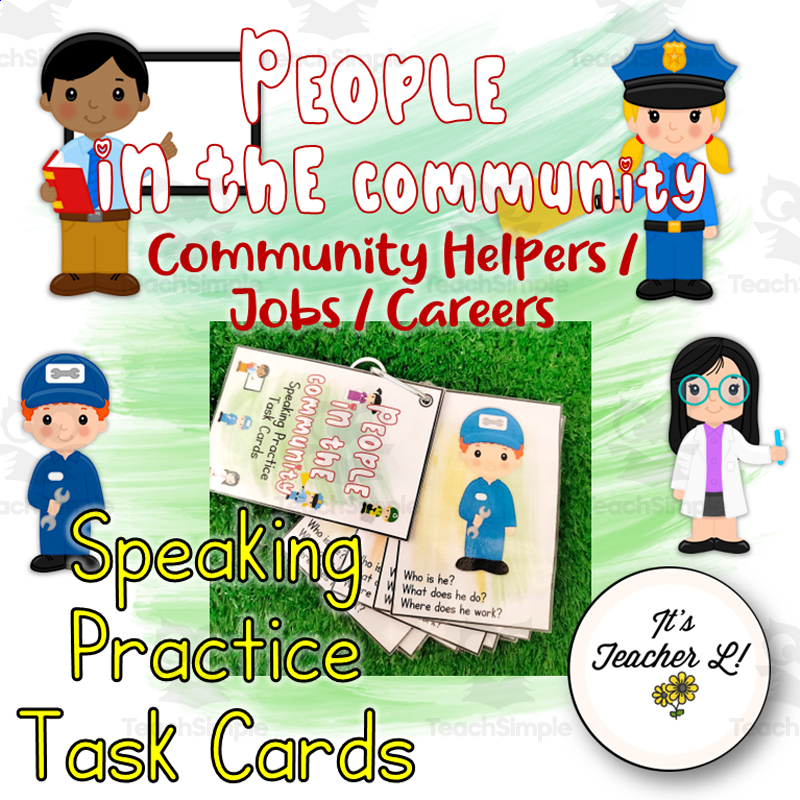
Develop English speaking skills (fluency and confidence) through task-card game activities centered on jobs, careers, and community helpers, for primary-level learners.
A cross-curricular reading passage and activity packet ('Olympics Then and Now') comparing ancient and modern Olympic Games, designed as ready-to-use substitute-teacher material integrating reading comprehension, writing, vocabulary, math, and geography.
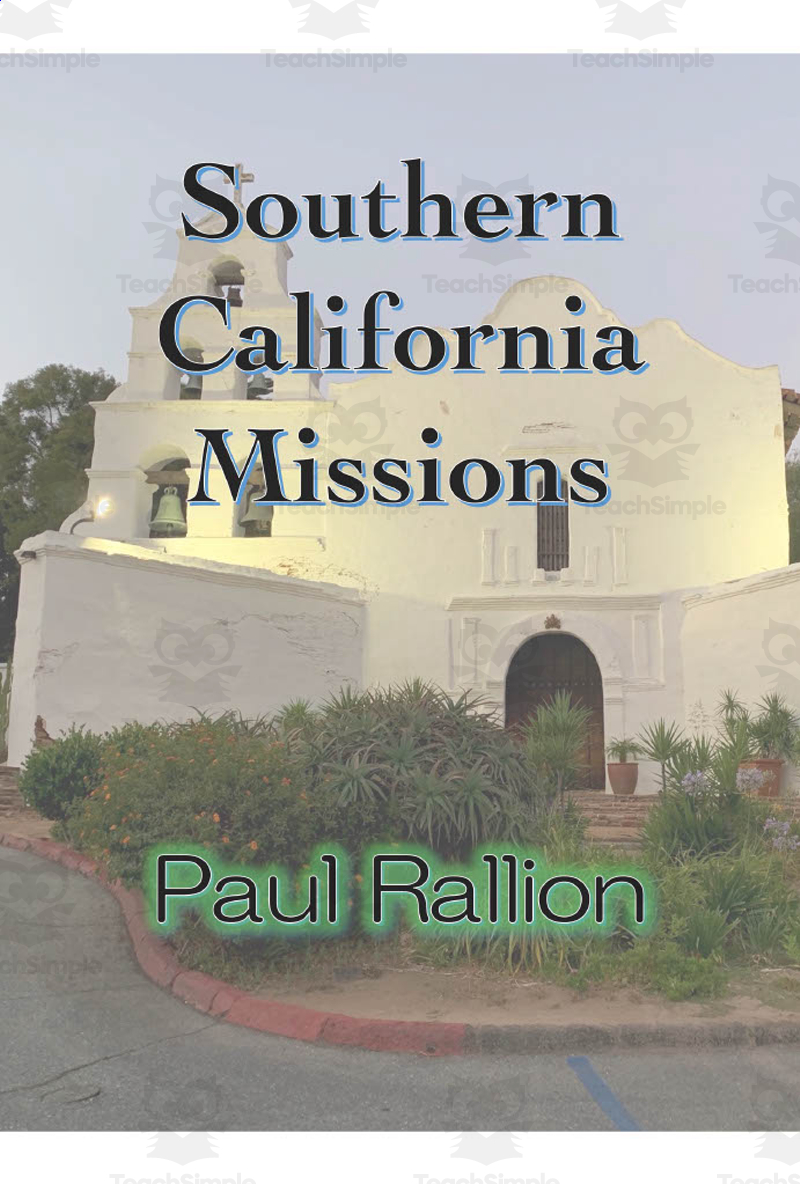
An informational travel-guide eBook documenting the author's visits to all 21 Southern-to-Northern California Spanish Missions, providing historical background and per-Mission facts, useful as reading/reference material for a California Missions unit (e.g. the traditional 4th-grade California Mission project).
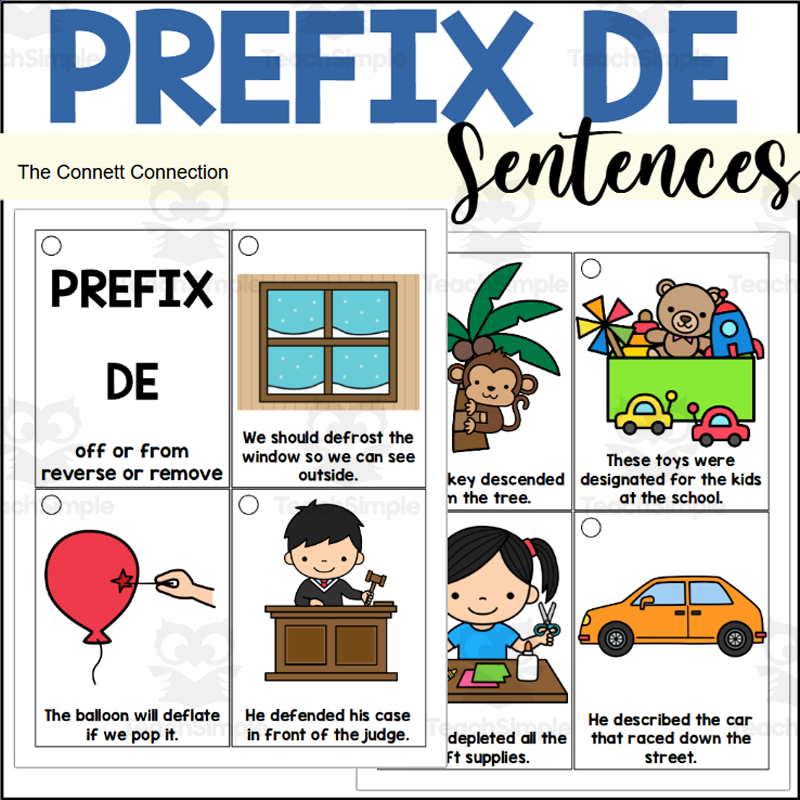
Practice reading and understanding words formed with the prefix 'de-' (meaning 'off/from' or 'reverse/remove') in the context of sentences.

Deliver a middle-school social-studies micro-lesson on Donald Trump's life and presidency through an interactive digital slide deck.
Teaches the meaning of the idiom 'water under the bridge' through a video, an audio-supported reading passage, and comprehension/writing activities.

An ESL/EFL advanced-level (CEFR C1) reading lesson built around an original short story about a stuffed toy that comes to life, developing reading comprehension and vocabulary for advanced language learners.
A Battleship-style PowerPoint game for practicing analog clock reading, where teams answer time-telling questions to locate hidden 'battleships.'
An interactive micro-learning deck that teaches reading comprehension using an informational passage about how geography shaped the development of ancient Greece, Rome/Italy, Egypt, and China.

Teach elementary students about Greek mythology through a set of Lexile-leveled reading passages retelling well-known myths, paired with comprehension questions, full-color posters of gods/goddesses/temples, and a lapbook/interactive notebook activity.