Camel Facts | Interactive Science Lesson | Micro-Learning Deck
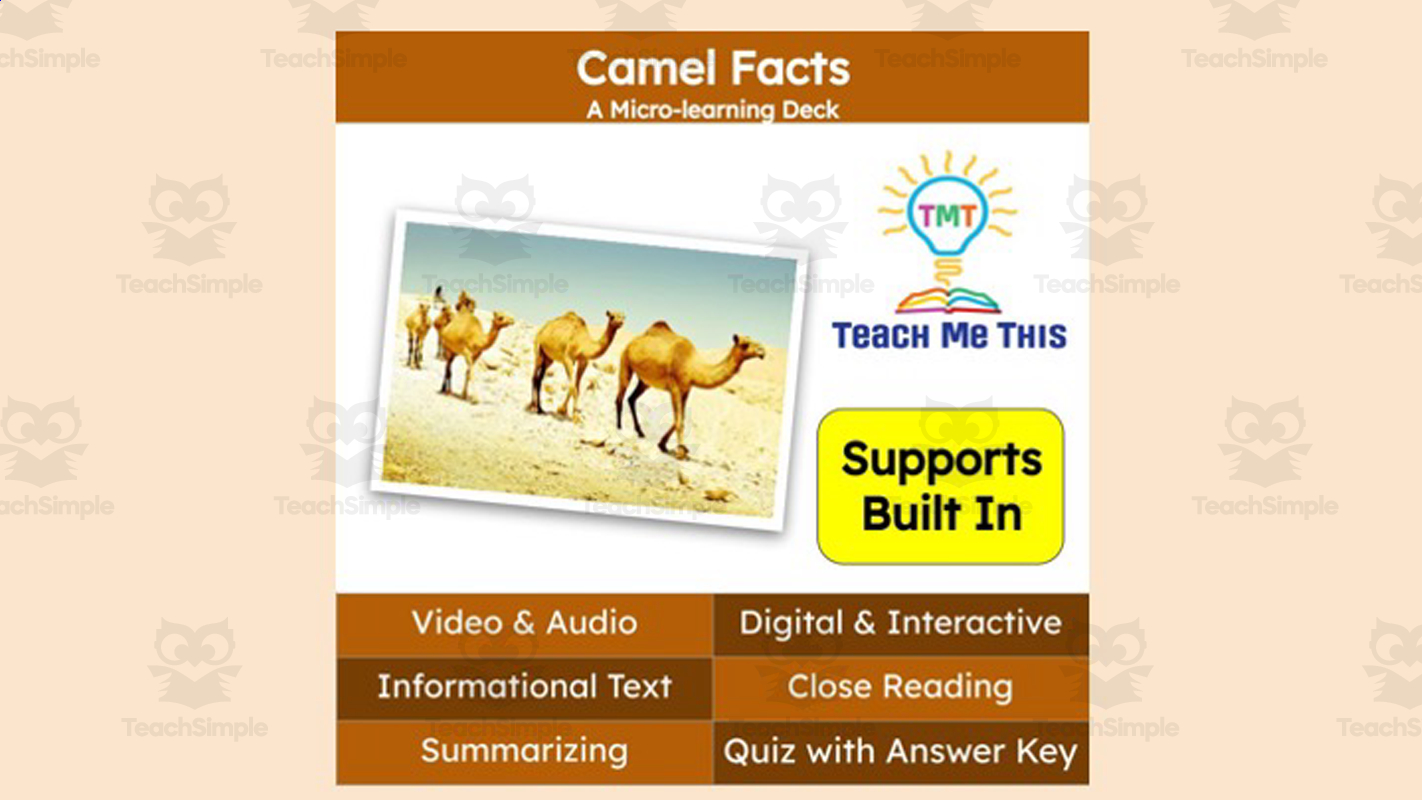
An interactive micro-learning deck teaching students about camel adaptations (humps, wide feet, water conservation) via video and a reading passage.
Classroom resources
Browse by lesson focus
Choose the topic or kind of practice you need.
An interactive micro-learning deck teaching students about camel adaptations (humps, wide feet, water conservation) via video and a reading passage.
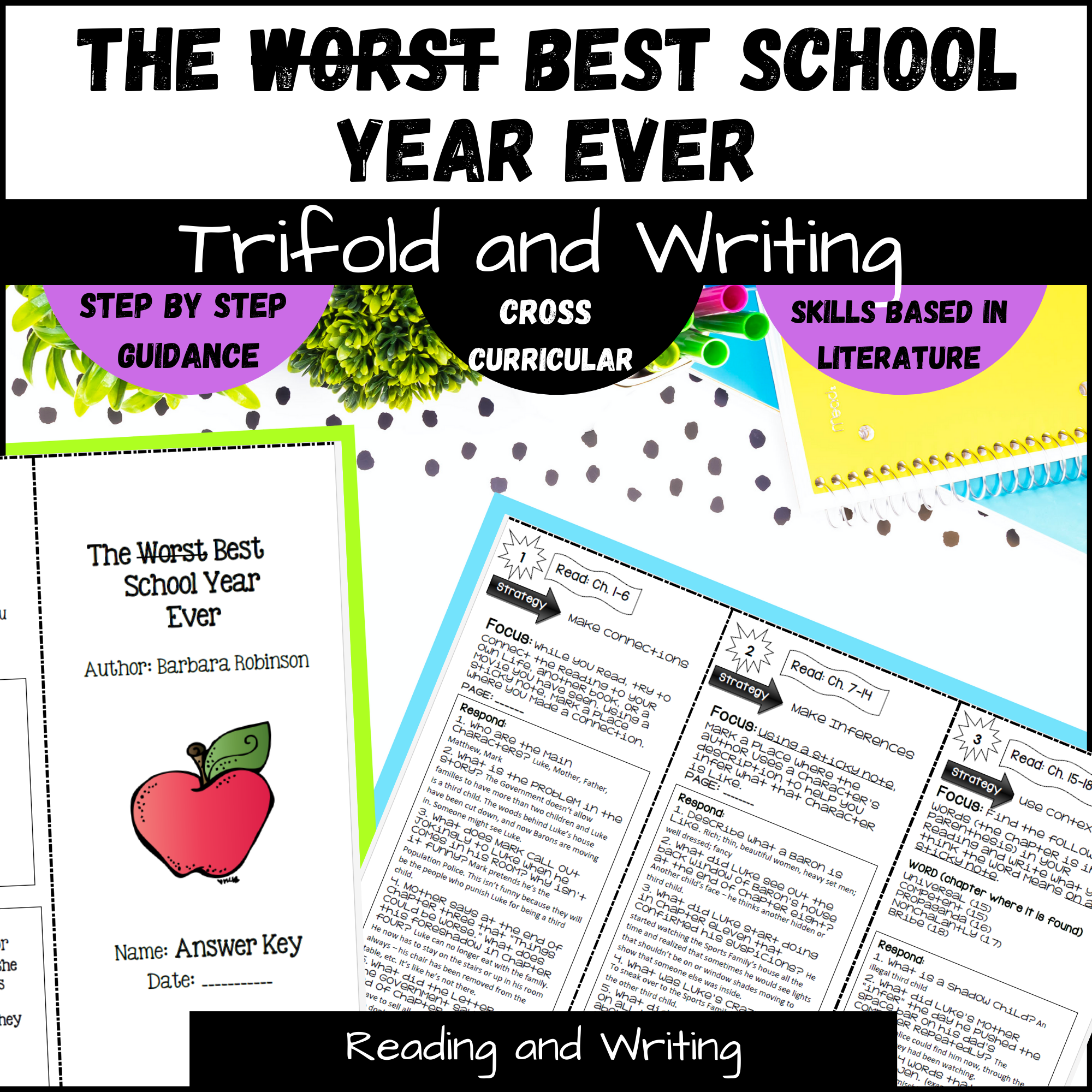
A fold-up (trifold pamphlet) book-report/reading-response activity keyed to the novel "The Best Worst School Year Ever (catalog title) / "The Worst Best School Year Ever" (as printed on the file's cover page)" by Barbara Robinson, teaching five reading strategies (making connections, using context clues, making inferences, creating images/visualization,…
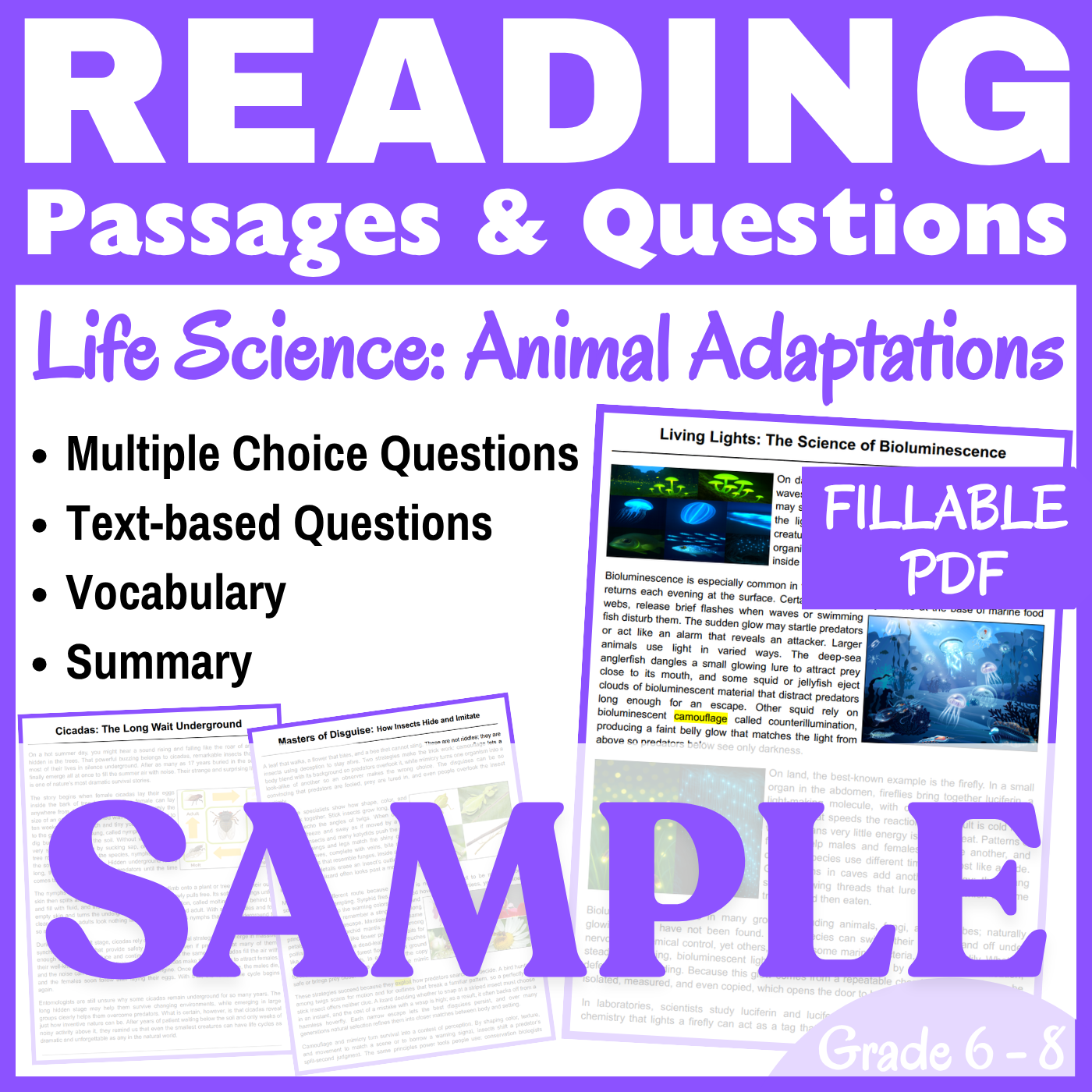
Free single-passage sample of a nonfiction life-science reading comprehension resource: the bioluminescence passage with its full question set and answer key, for middle-school ELA/science reading practice.
A multi-file middle/high school science lab-station activity on watersheds: what they are, why they matter, threats to them (pollution, impervious surfaces, deforestation), how they are protected, and how individuals can help.
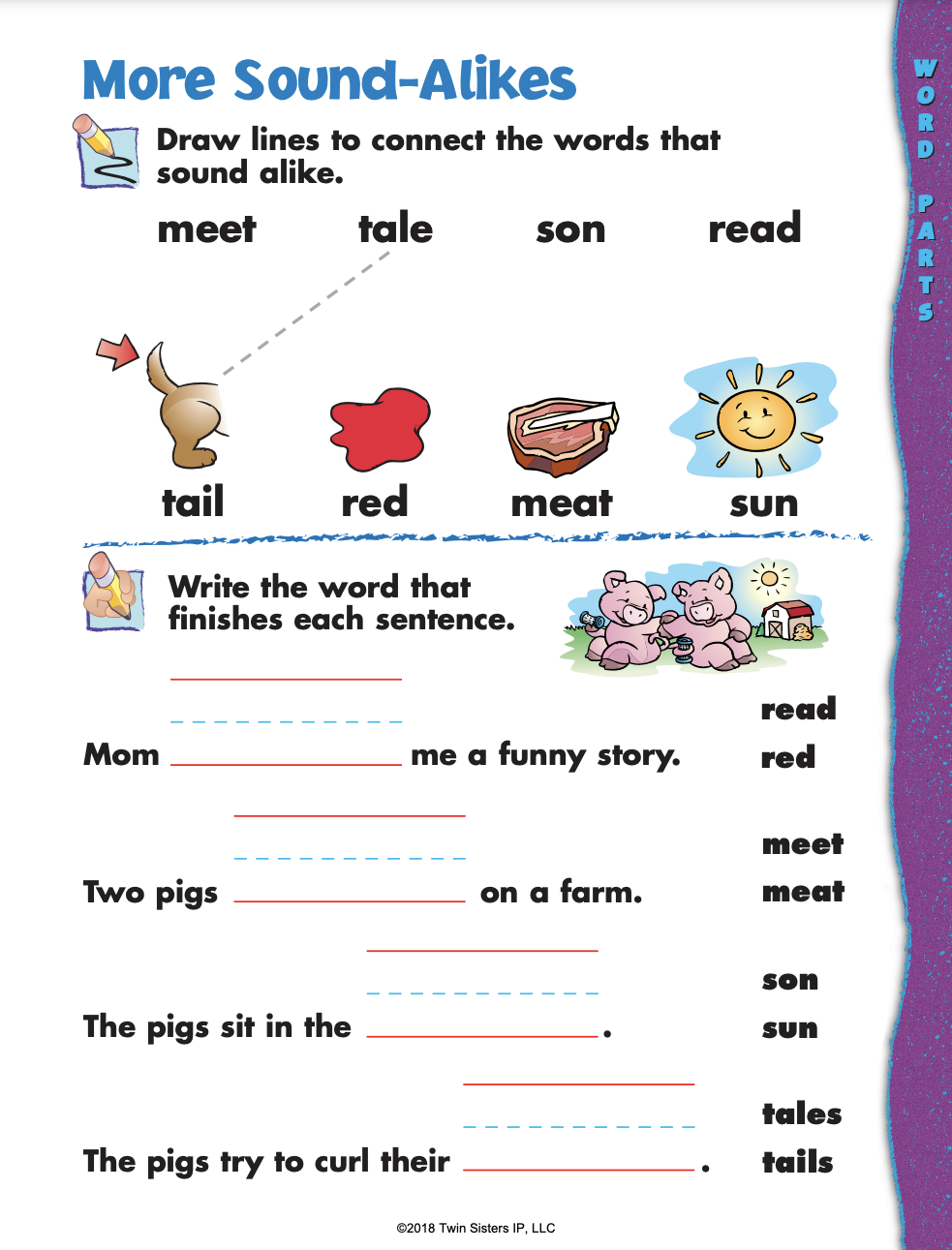
phonics workbook activities focused on long o vowel sound recognition through rhyming, picture-word matching, and puzzle exercises
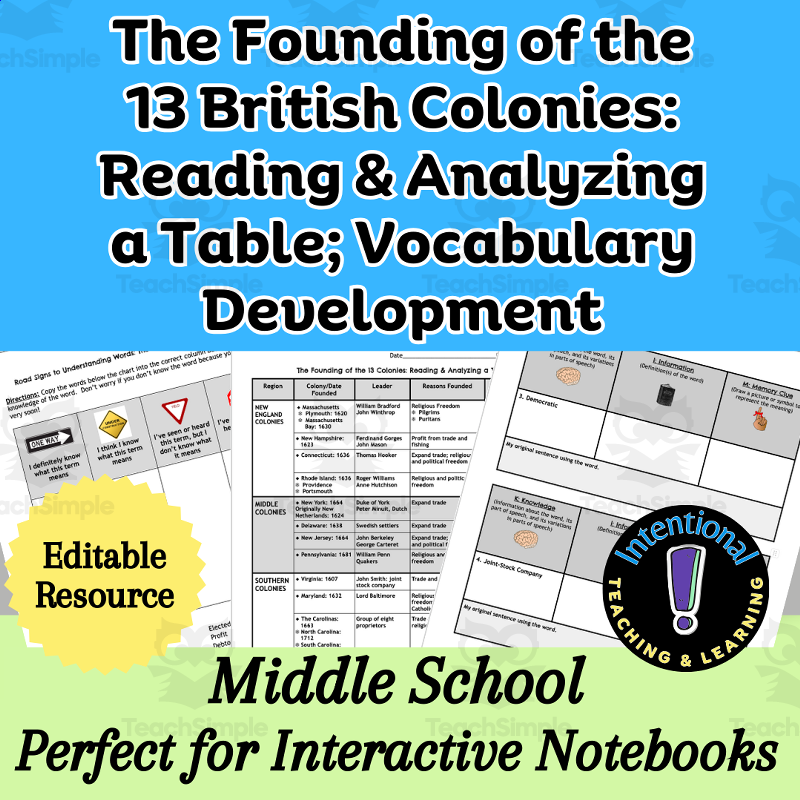
A two-lesson resource teaching middle school students vocabulary related to the founding of the 13 colonies and how to read and analyze a historical data table.
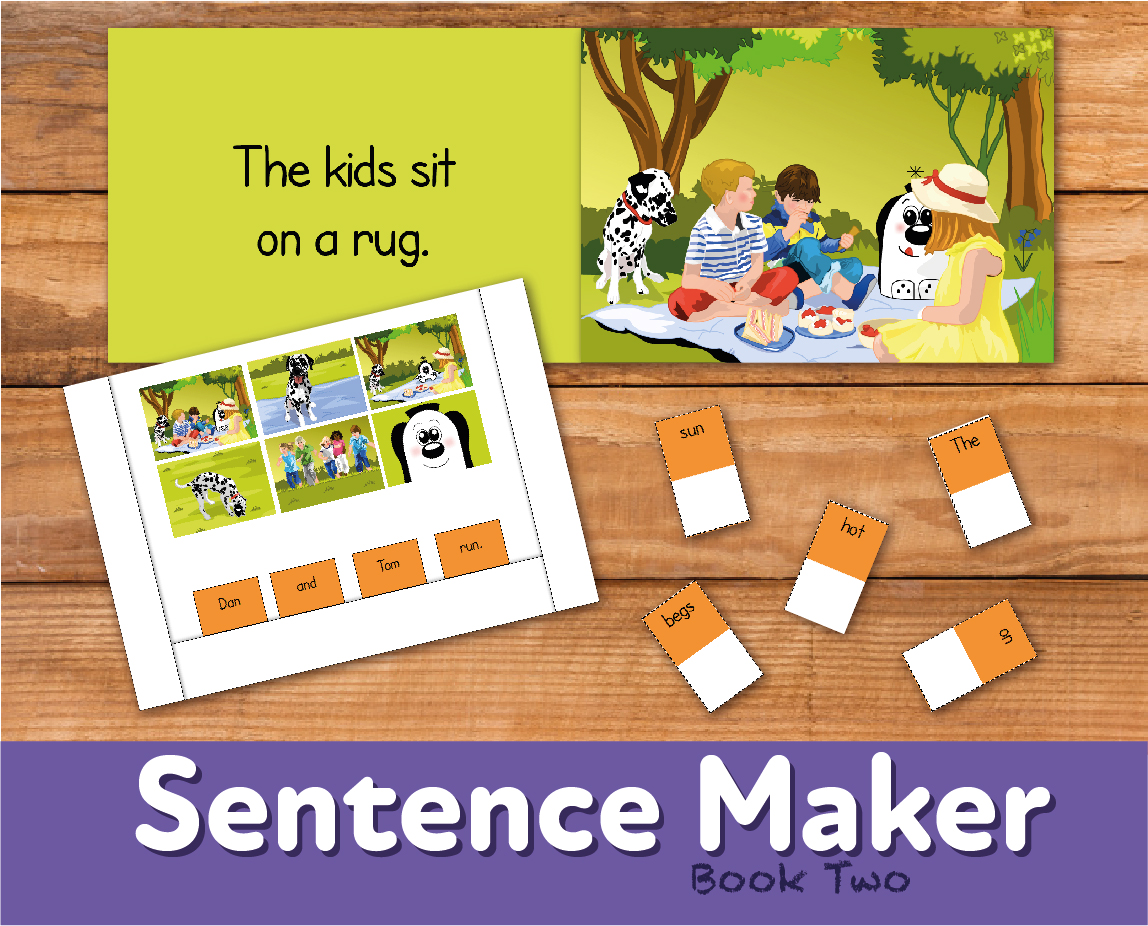
Sentence-building and early reading/writing practice resource in which students assemble a foldable 'Sentence Maker' device and use word cards to build sentences that tell an illustrated story.
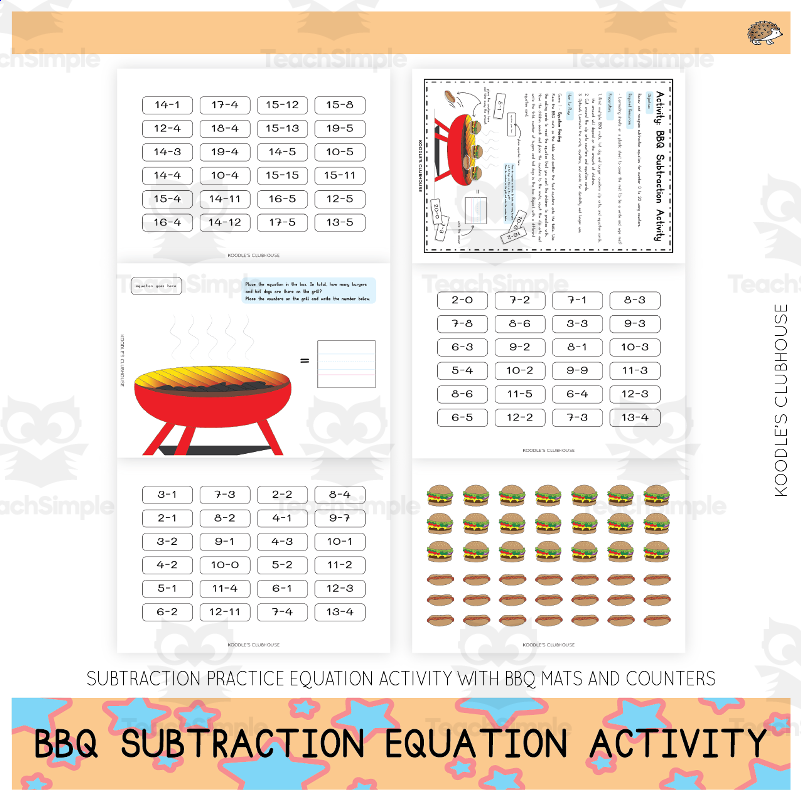
Provide a hands-on, self-checking subtraction practice activity (numbers 0-20) using BBQ-themed mats, food counters, and equation cards, for counting, number-value, and equation-reading practice.
A multi-format activity packet teaching 14 different landforms (e.g., lake, island, canyon, peninsula, ocean, river, glacier, mountain, bay, sea, plateau, isthmus, hill, volcano) for grades 3-5.
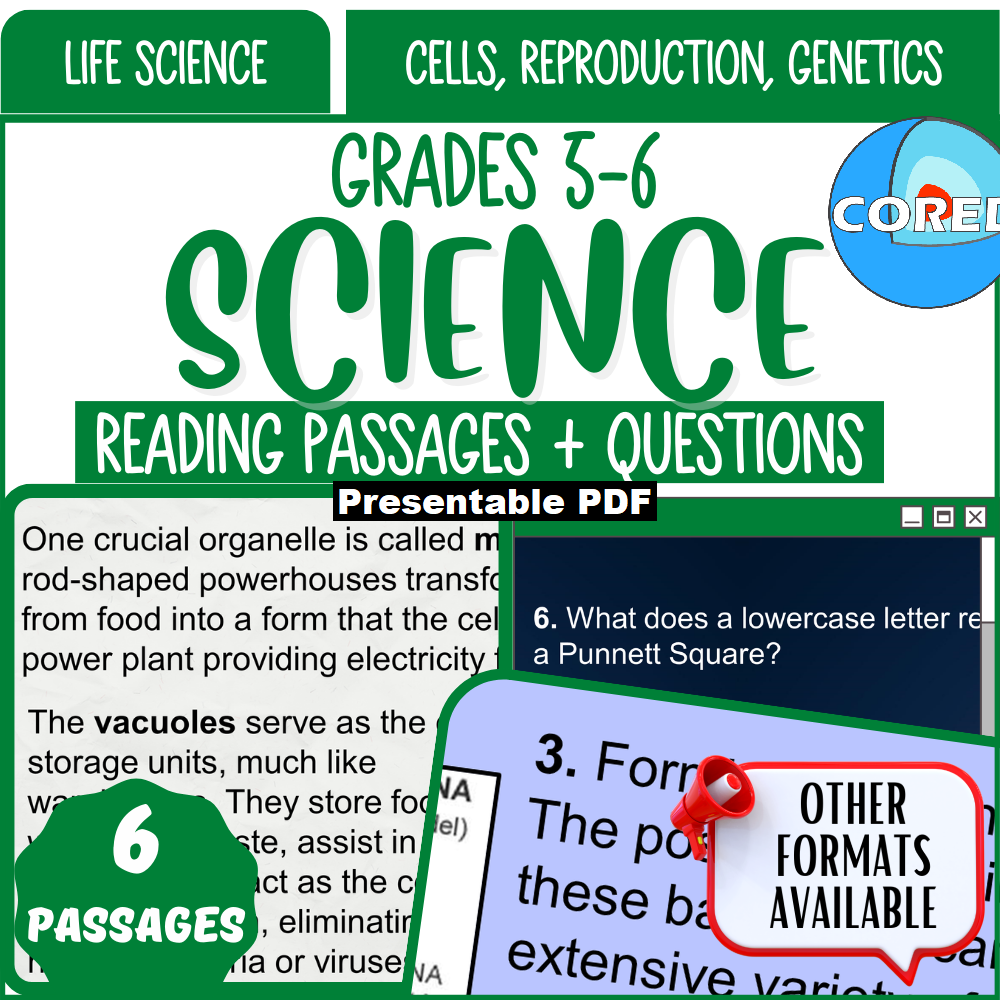
Life science reading passages on cells, reproduction and genetics, presented as PDF-rendered slide decks, with comprehension questions to build scientific understanding and test-preparation practice
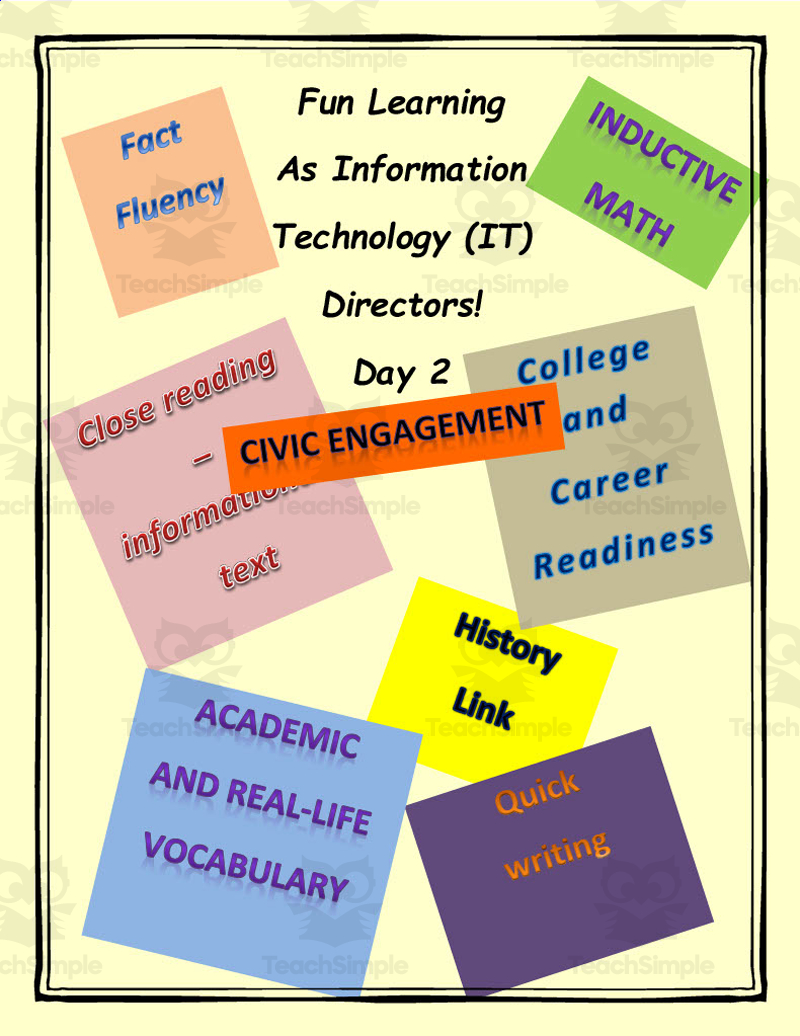
A cross-curricular weekly unit lesson plan (Day 2) that uses a real-world IT-director math problem (measuring fiber optic cable, converting units, cost calculation) to teach measurement/radius-diameter math skills alongside close reading, vocabulary, and writing, linked to an Ancient India social studies theme.
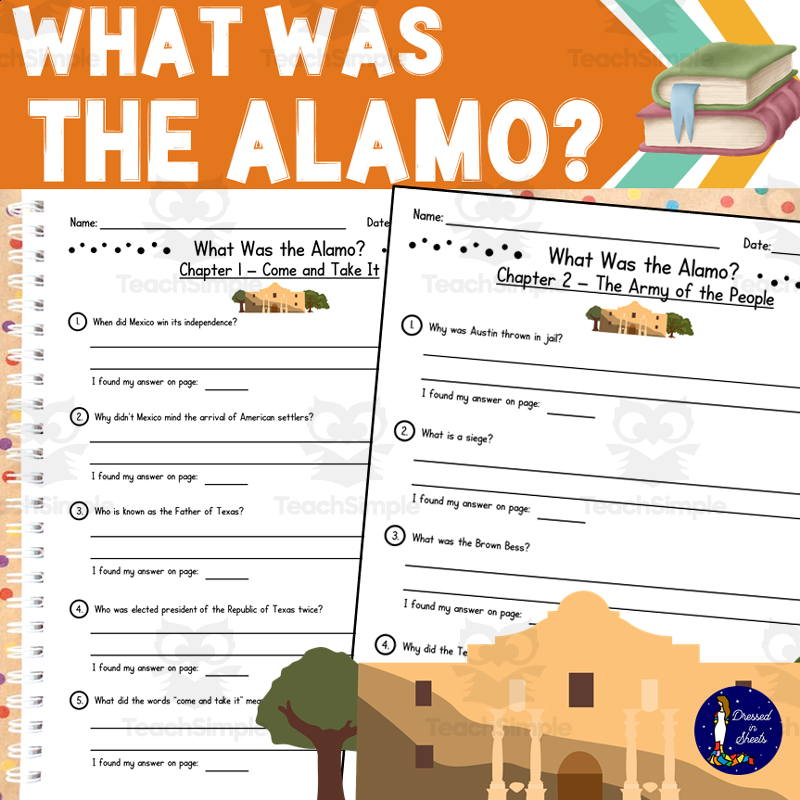
Comprehension and handwriting-practice questions supplementing the book 'What Was the Alamo?' by Pam Pollack and Meg Belviso, organized by chapter.
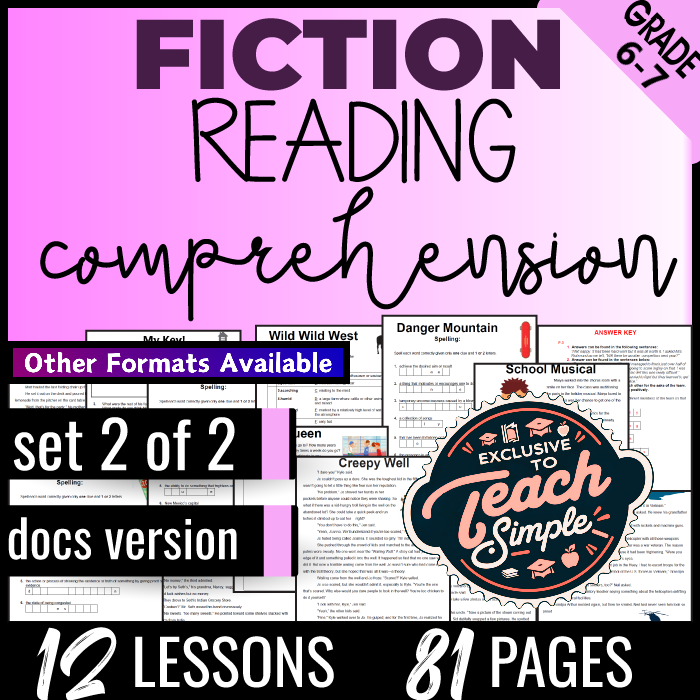
unknown from opened evidence — catalog description indicates the same fiction reading-comprehension lesson content as the corresponding print set, delivered as Google Drive files rather than a downloadable document.
An activity book offering leveled reading-skill practice for English language learners, organized by CEFR level.
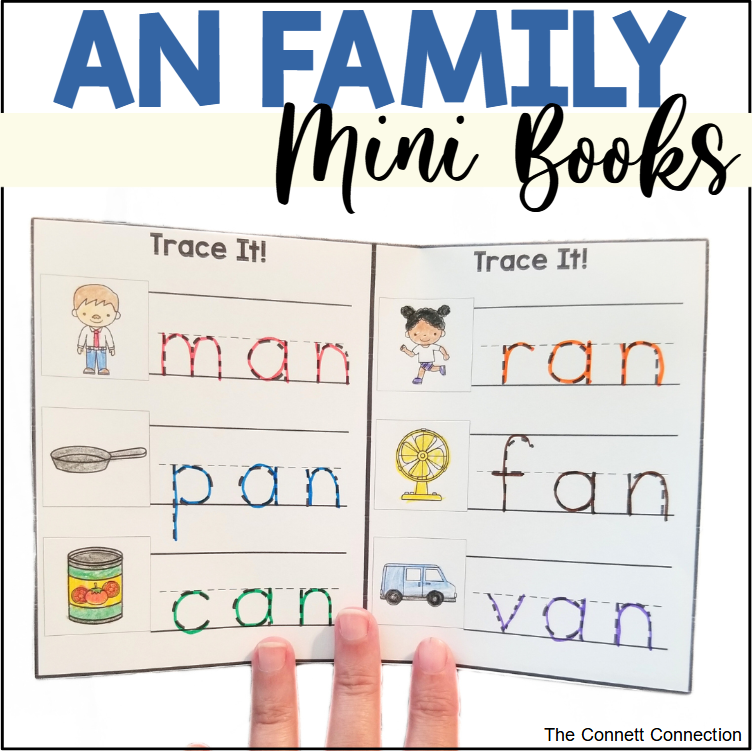
Foldable mini-books for practicing the '-an' CVC word family and phonics skills.
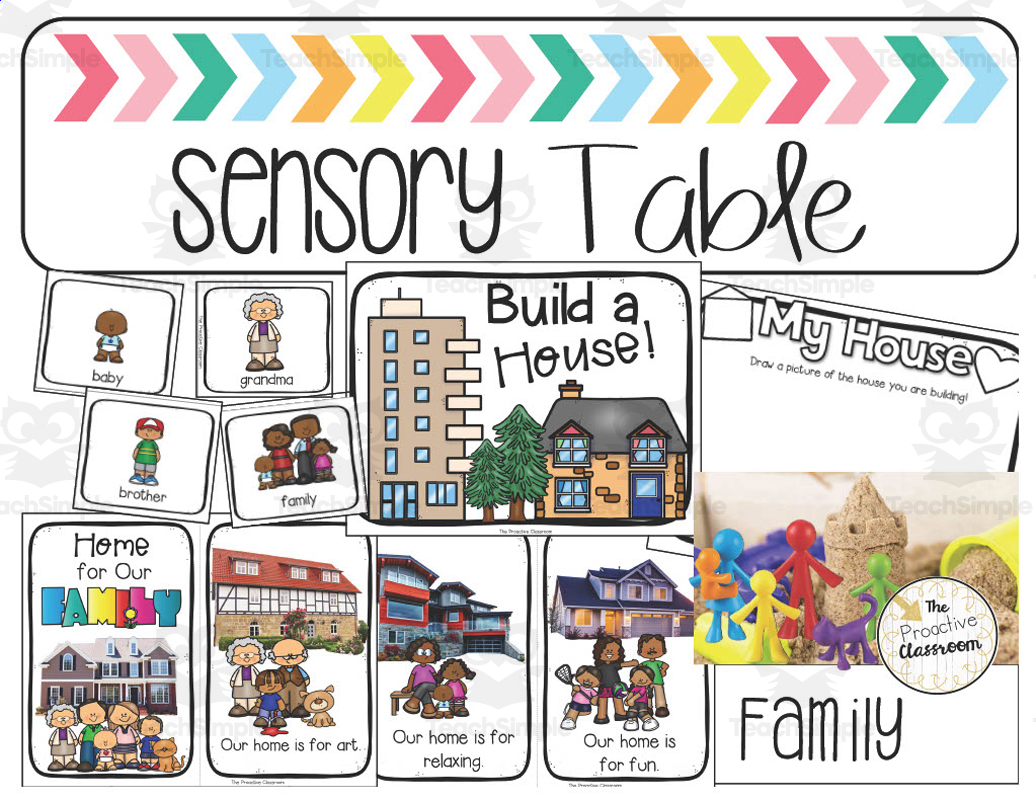
Sets up a hands-on sensory table activity where students build a house/home using sensory filler and family-themed manipulatives, paired with printable literacy materials.
A 27-page standards-aligned lesson packet teaching students to closely read and analyze the Mayflower Compact as a primary source document using a structured '4 Reads' strategy, including a companion primary-vs-secondary-source mini-lesson.
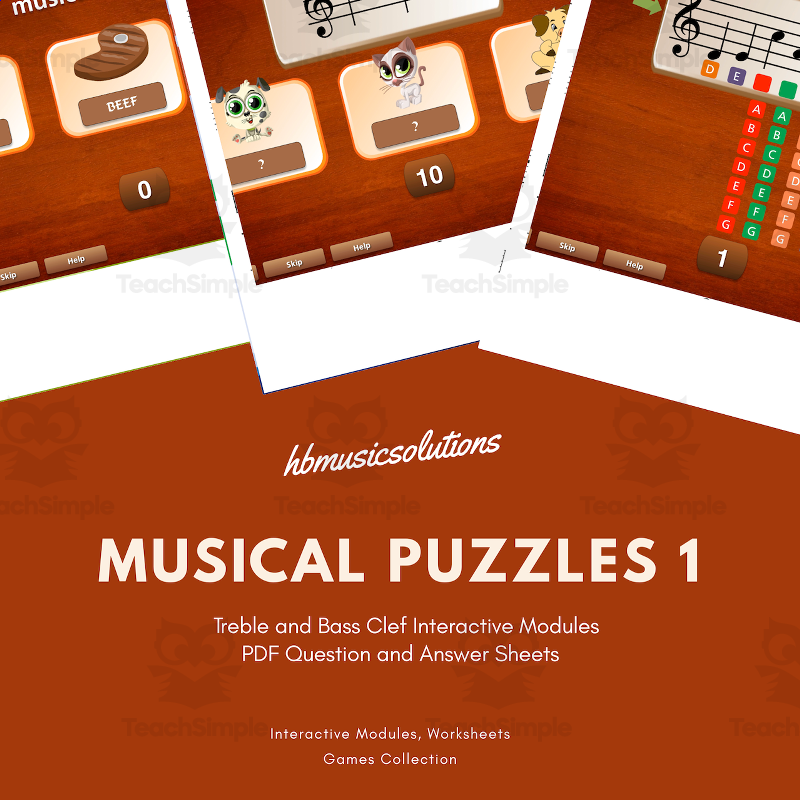
Practice reading musical notes on the treble or bass clef staff by using note letters to decode words and solve short riddles/puzzles.
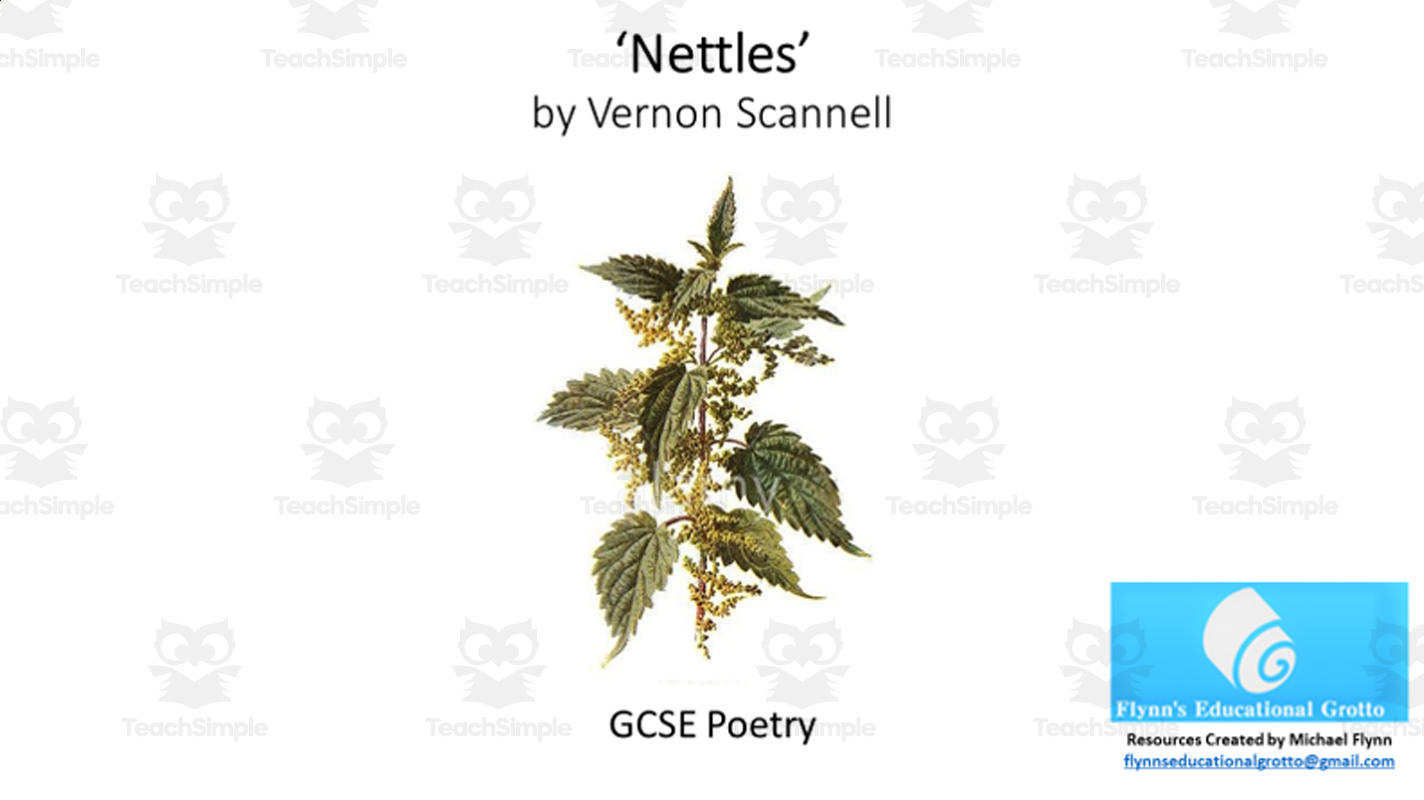
An eighteen-slide GCSE poetry lesson on Vernon Scannell's 'Nettles' opens with author-context biography before two starter discussion slides on over-protective parenting prime students for a first reading of the full poem text. Students then annotate the poem in three line-groups, identifying tone and language devices such as the extended 'regiment of spite' and 'funeral pyre' metaphors, before answering dedicated content and structure questions about the poem's narrative and stanza form. A PETAL (Point, Evidence, Technique, Analysis, Link) framework, paired with a PROOFREAD self-assessment checklist, scaffolds a formal analytical paragraph, and the lesson closes with an extension task, a genre/form homework assignment, and plenary reflection questions. Teachers building a GCSE poetry scheme of work can pair this with the same PETAL-based approach applied to a different set text in the Half-Past Two poem analysis lesson .
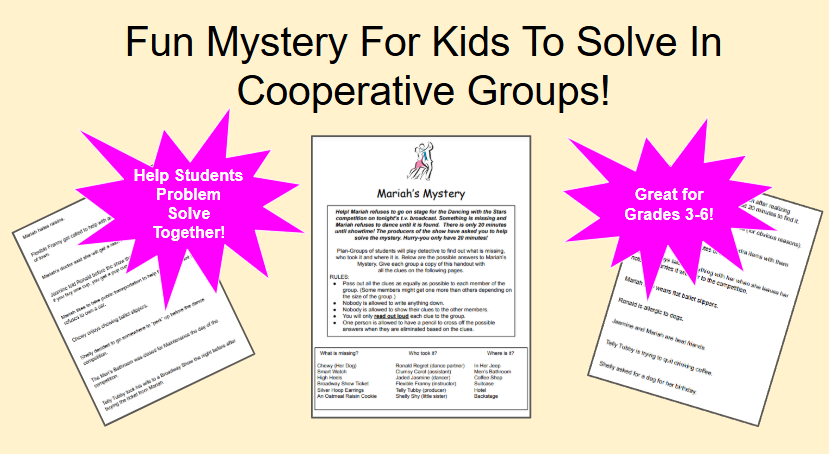
A cooperative deduction/mystery game that builds social-emotional and collaboration skills (listening, communication, teamwork) through a logic puzzle rather than academic content.
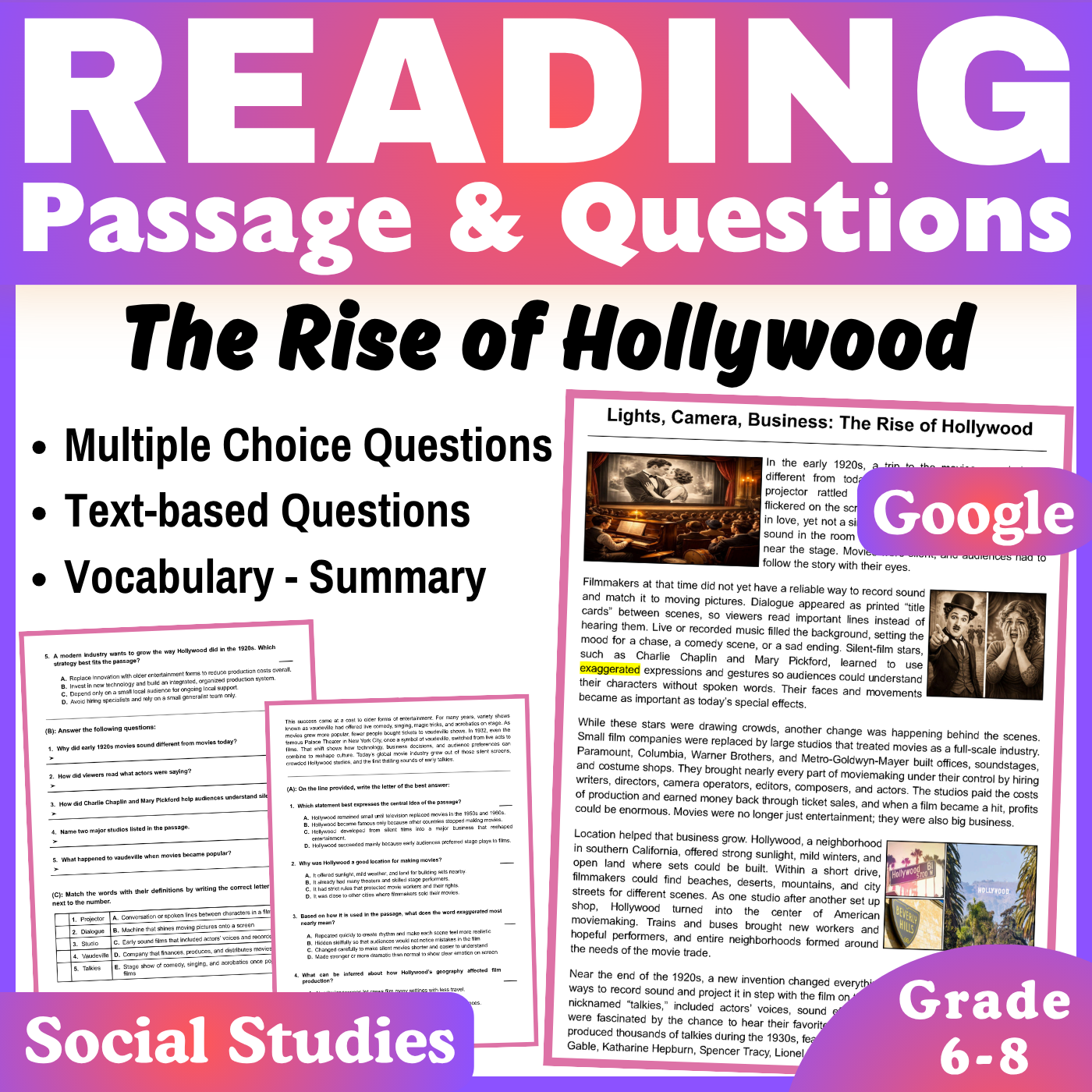
unknown from opened evidence — the downloaded product file itself is only a link-out page directing the buyer to a separate Google Docs file (not present in this scan); based on seller description and the identical passage/activity sold under this same title in PDF/Word/Fillable-PDF formats, this is presumed to be the same 'Lights, Camera, Business: The…
Practice color-word recognition, scissor skills, and pencil grip by building simple flip booklets.
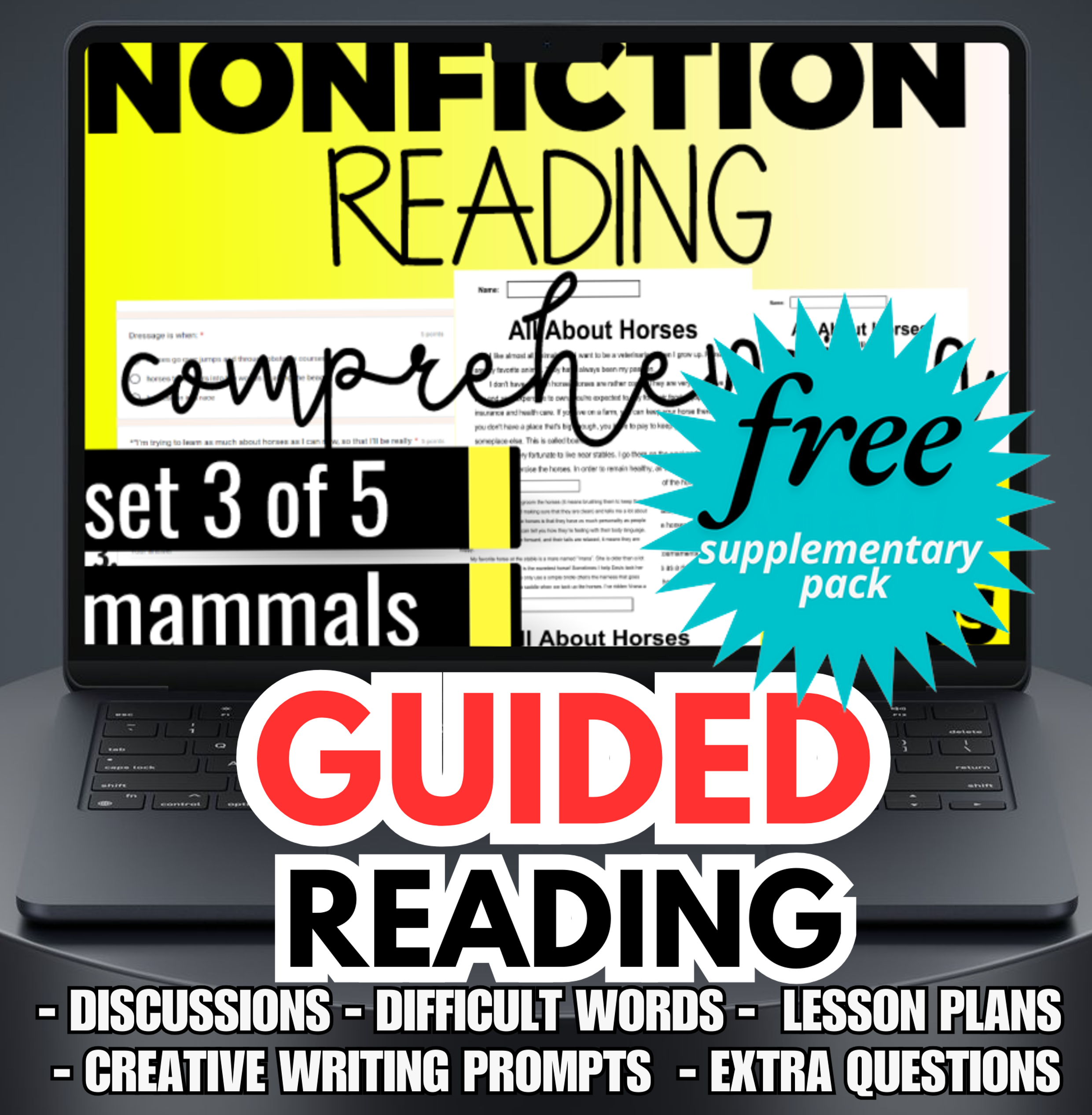
Provides teacher-facing guided-reading lesson plans and discussion/activity materials (pre-reading questions, during-reading prompts, vocabulary, writing and discussion questions) to accompany a companion set of 6 short nonfiction reading passages on the theme of mammals; the passages themselves are sold/downloaded separately and are not included in this…
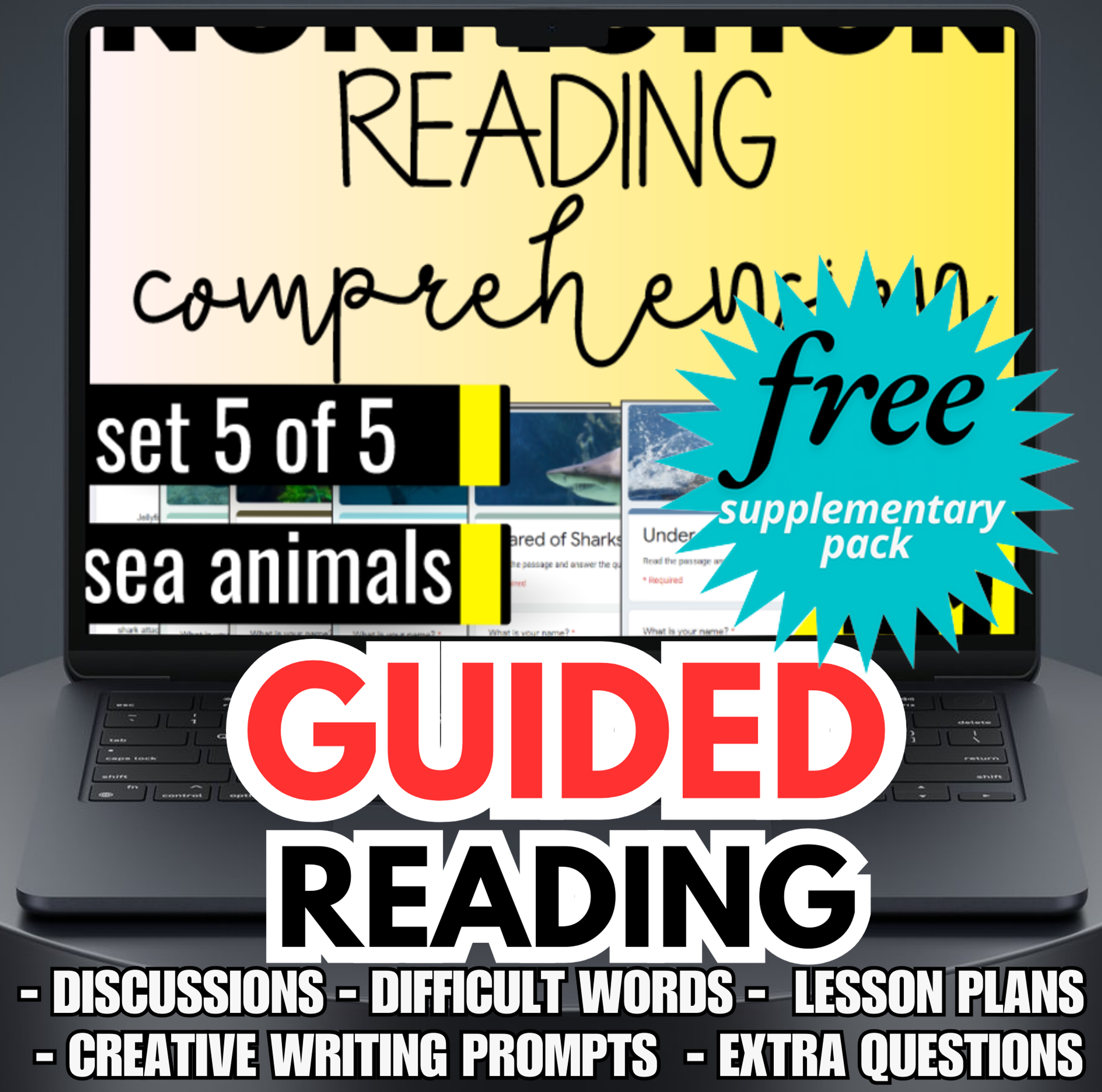
Provides teacher-facing guided-reading lesson plans and discussion/activity materials (pre-reading questions, during-reading prompts, vocabulary, writing and discussion questions) to accompany a companion set of 6 short nonfiction reading passages on the theme of sea animals; the passages themselves are sold/downloaded separately and are not included in…