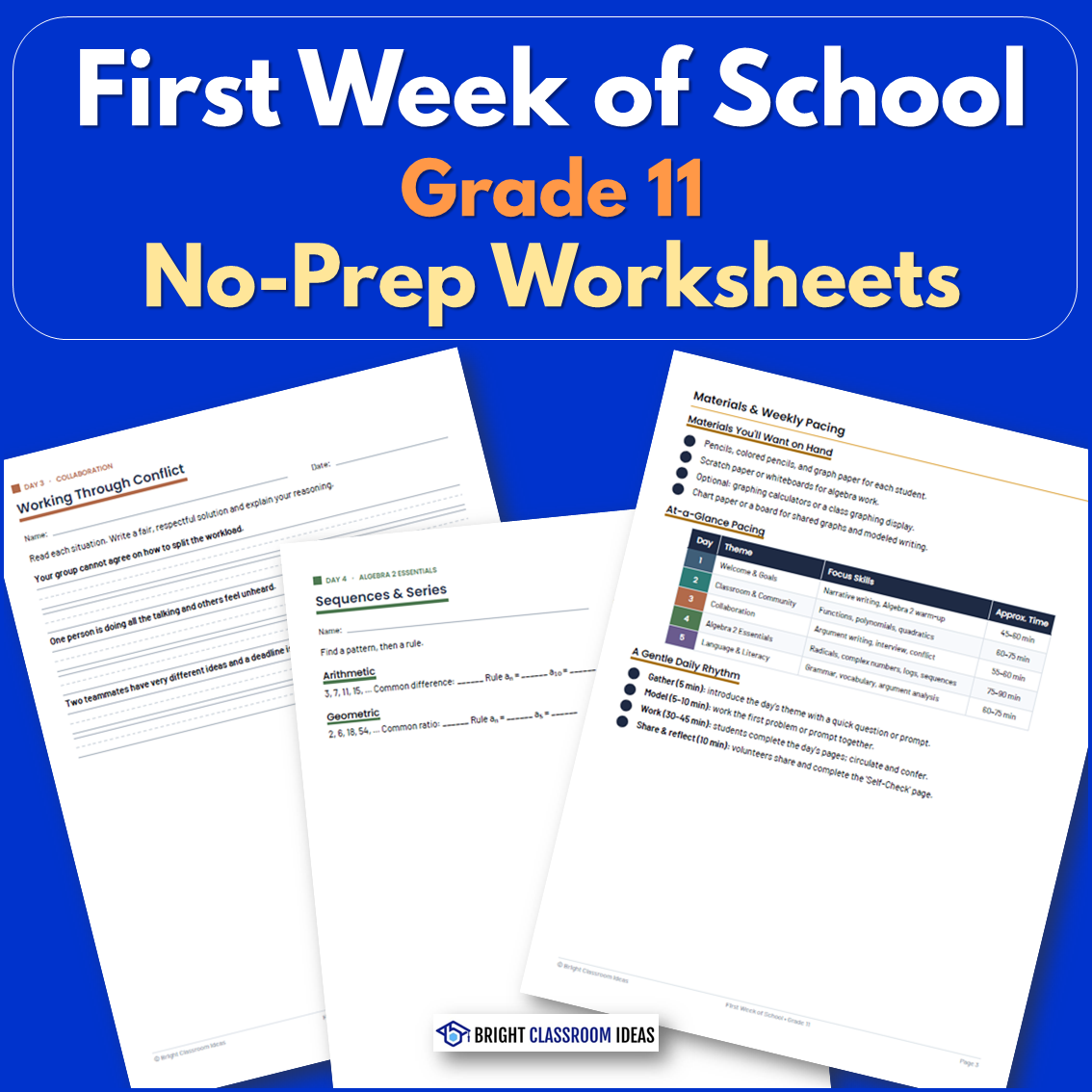
First Week of School Grade 11 | No-Prep Worksheets
A five-day, no-prep back-to-school packet for 11th grade that blends Algebra 2 review with literacy, writing, collaboration, and community-building activities
5,701 resources
Explore sub-categories
3 sub-categories · 5,701 resources
A five-day, no-prep back-to-school packet for 11th grade that blends Algebra 2 review with literacy, writing, collaboration, and community-building activities
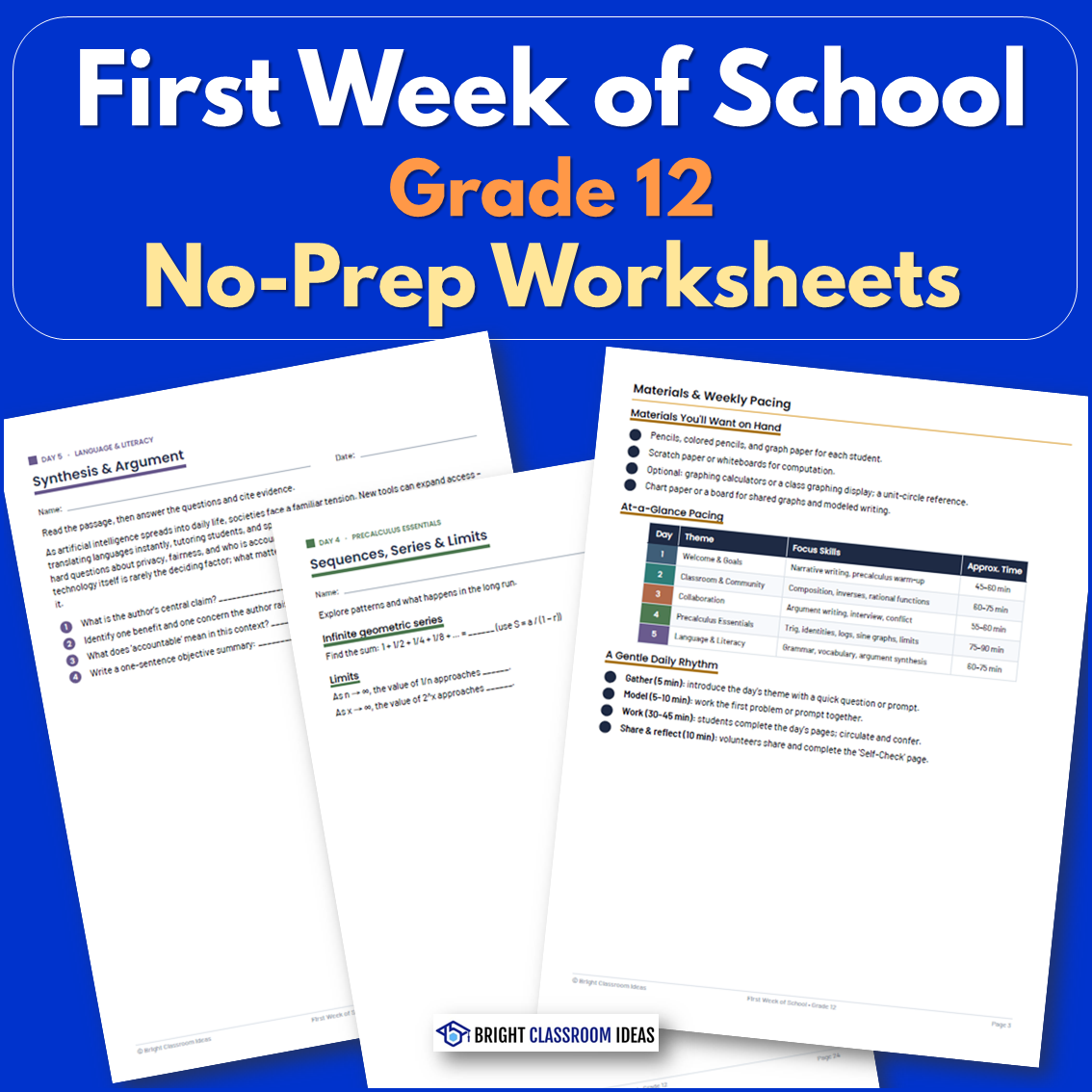
A five-day, no-prep back-to-school packet for 12th grade (seniors) that blends Precalculus review with literacy, writing, collaboration, and post-graduation goal-setting activities
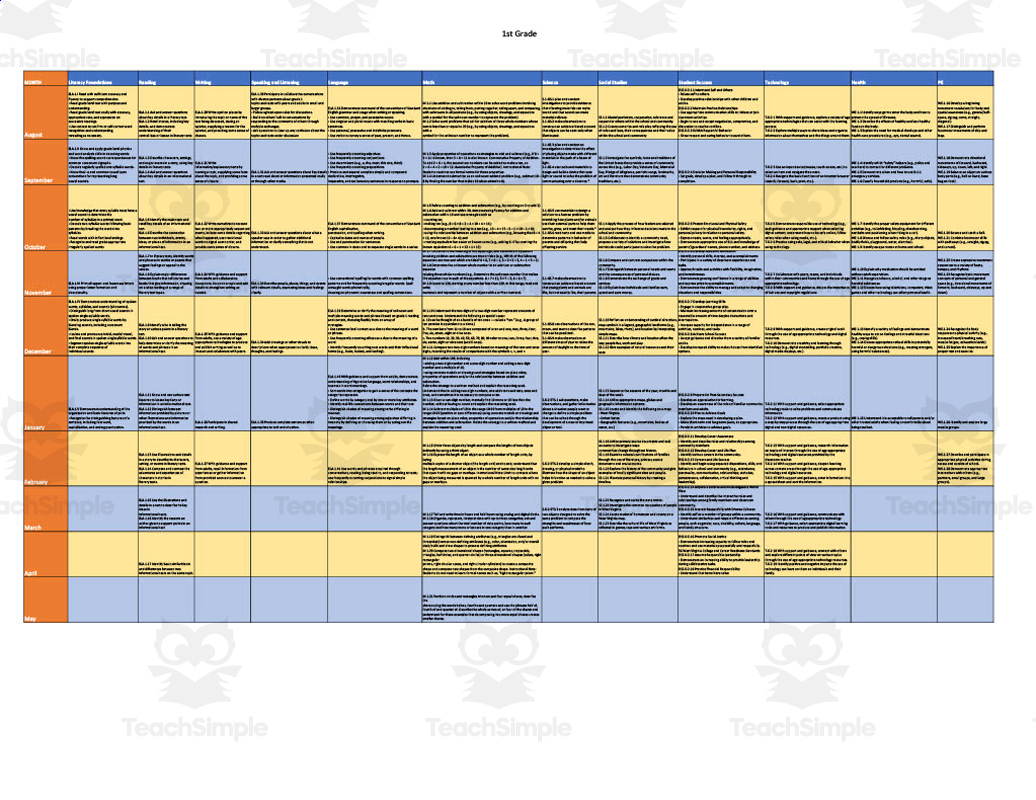
A month-by-month curriculum map for 1st grade, adapted to Maryland standards, listing standards to be covered across Math, ELA/reading strands, Science, and Social Studies.
A month-by-month curriculum map for 1st grade, adapted to West Virginia standards, listing standards to be covered across Math, ELA/reading strands, Science, and Social Studies.
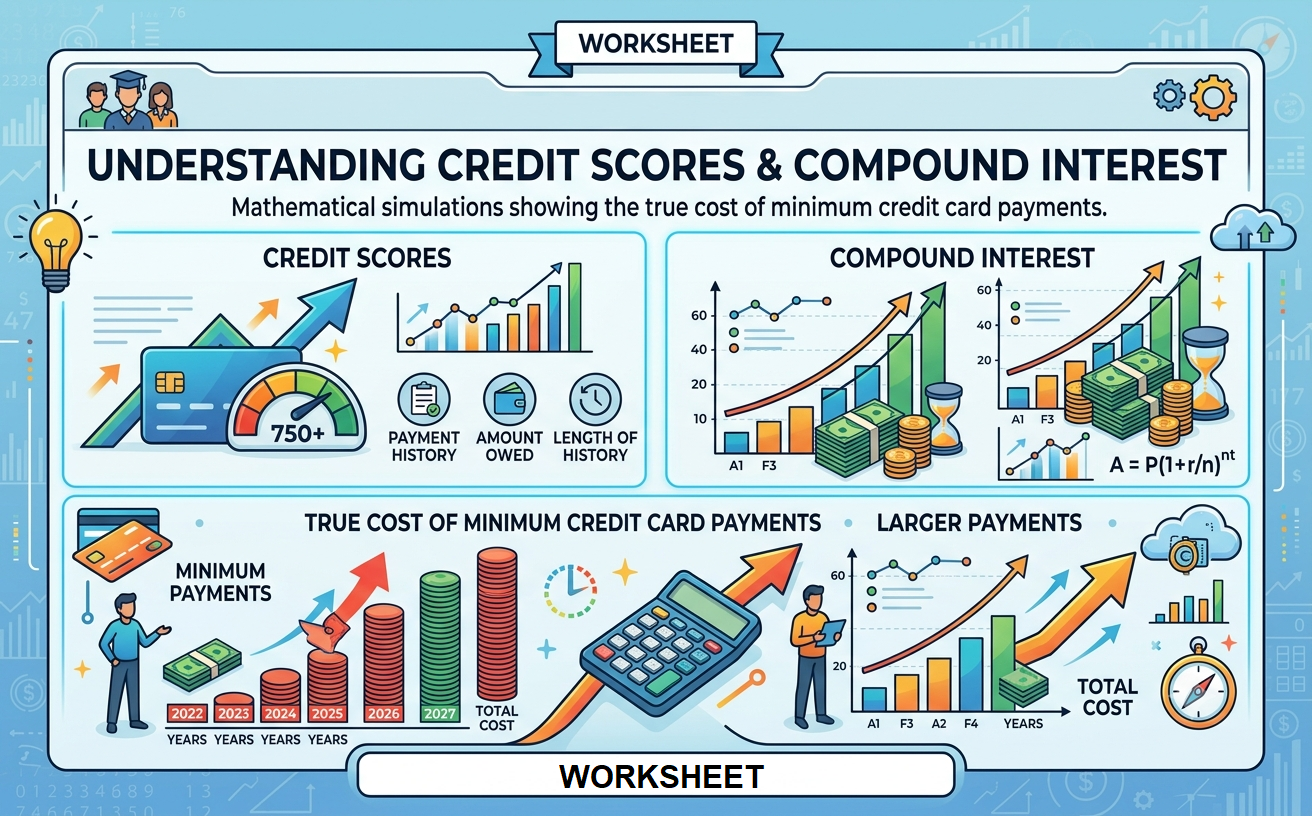
A high-school financial-literacy curriculum module explaining how credit scores are calculated (FICO's five factors) and how compound interest works, aimed at building practical financial decision-making skills.
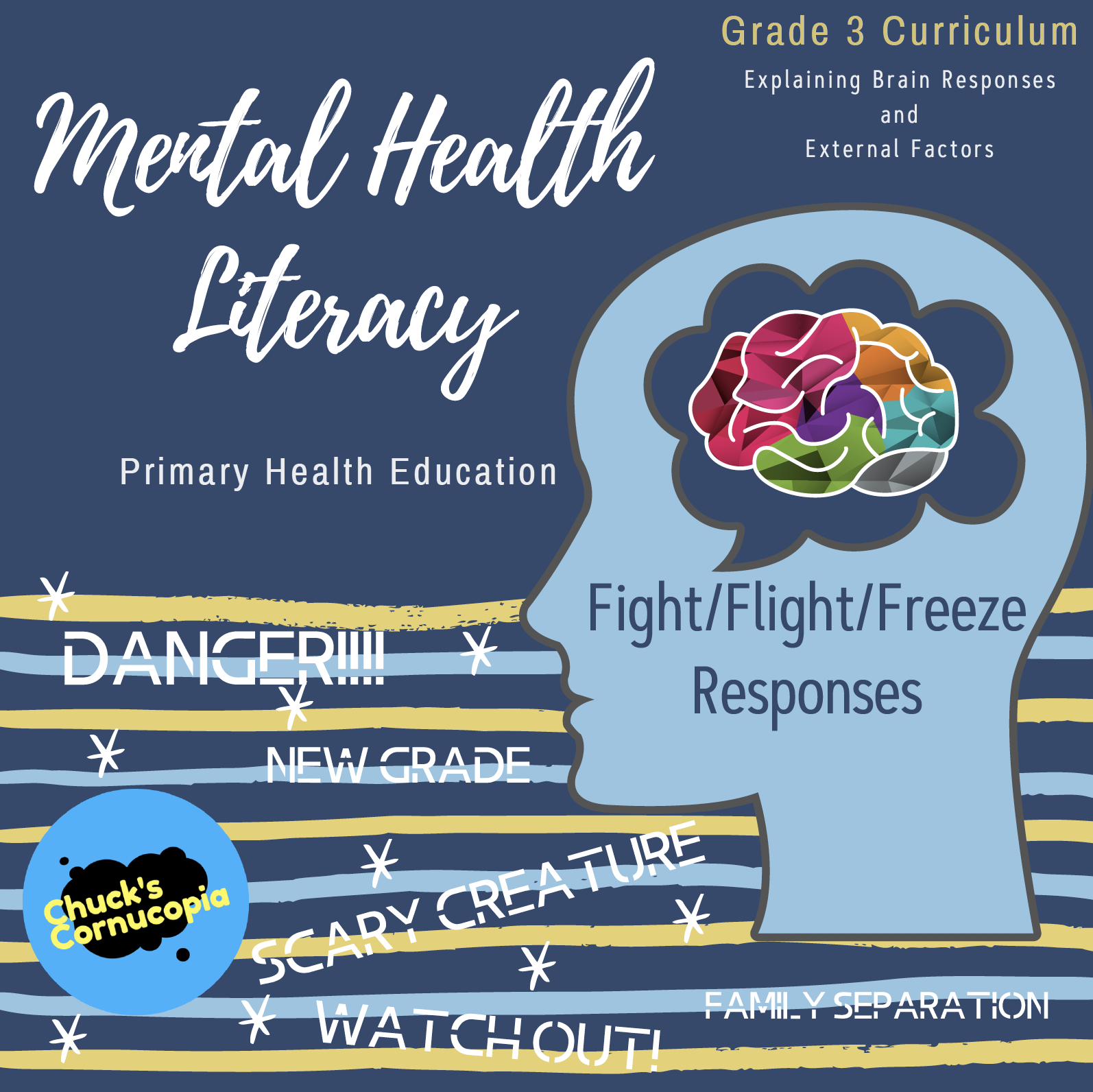
Teaches primary/grade 3 students how the brain and nervous system respond to stress, focusing on the fight/flight/freeze stress response and how the body reacts physically to uncomfortable or scary situations.
Teach middle/high school students to critically evaluate digital information and identify misinformation, disinformation, and malinformation using a structured verification methodology.
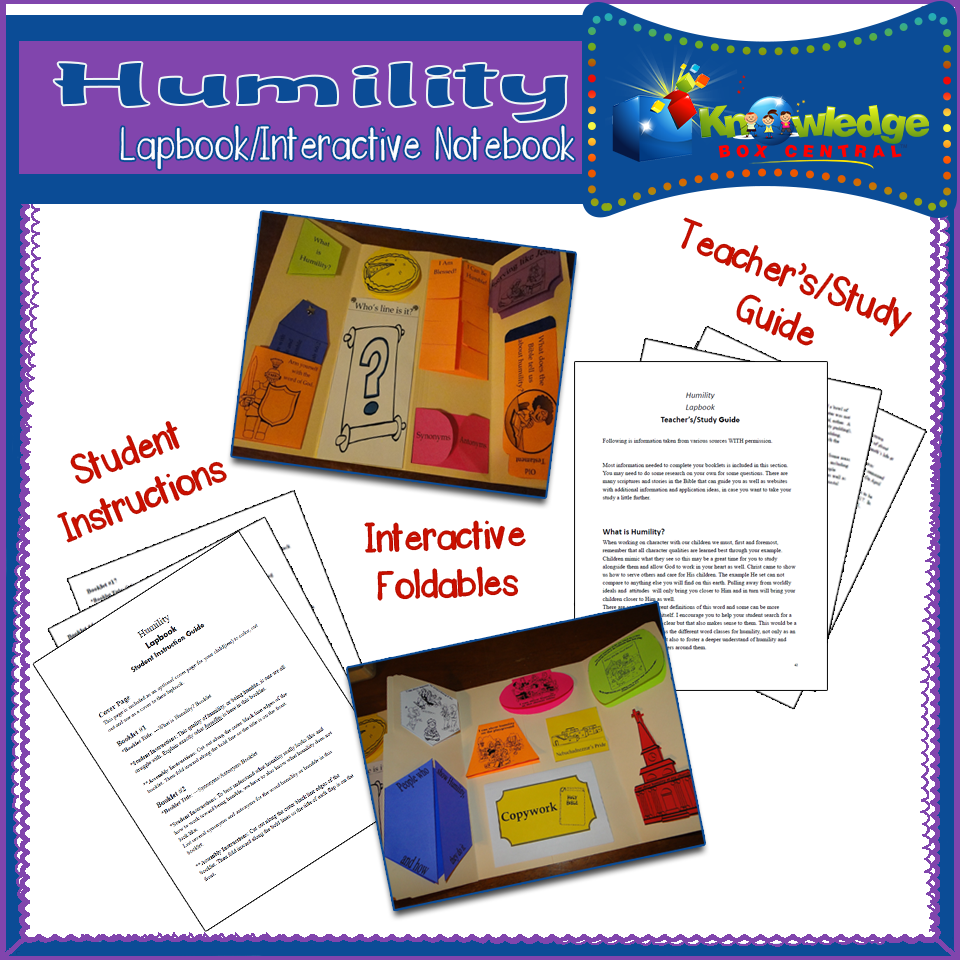
A Christian character-education lapbook/interactive notebook teaching the concept of humility through Bible-based readings, scripture study, and hands-on cut-and-assemble booklet activities.
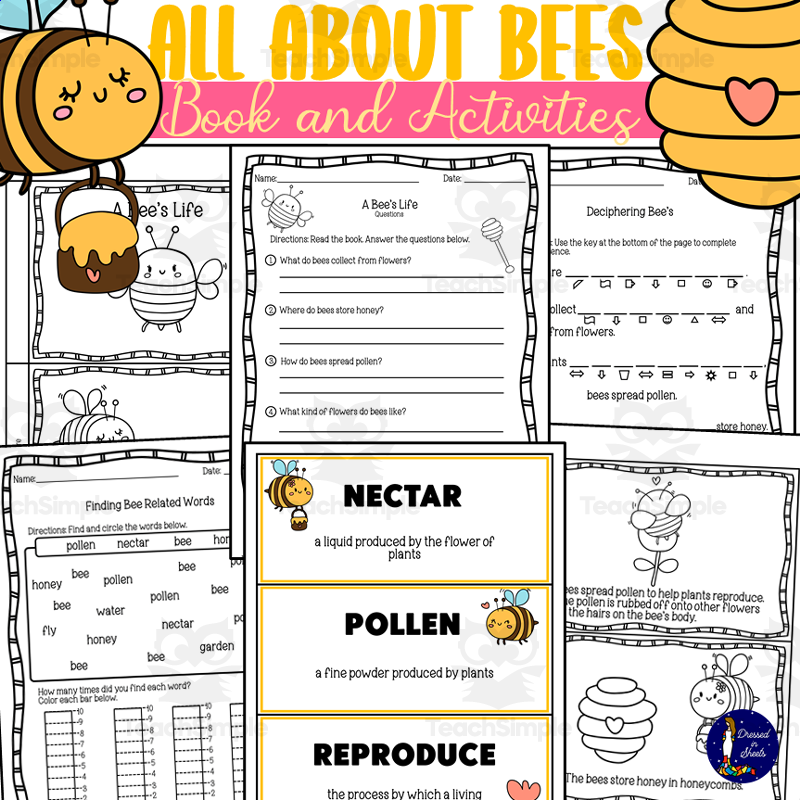
A mini cut-and-assemble emergent reader book about bees ('A Bee's Life') paired with comprehension, cloze/decoding, word search, and vocabulary activities.
Teach Grade 6 students to identify people, resources and services that can support someone dealing with mental health or substance-use issues, and to understand how positive and negative thinking affects mental health, per Ontario Curriculum Health Education expectations D1.4 and D1.5.
Teaches middle/high school students about responsible borrowing, covering loans, credit scores, interest rates, the Federal Reserve, student loans, and mortgages.
Continue a narrative-poetry unit by studying Edward Lear's classic poem 'The Owl and the Pussycat', covering genre terms (epic, ballad) and poetic devices (stanza, quatrain, alliteration).
Teaches middle/high school students about protecting their finances through savings strategies, building an emergency fund, and understanding health and car insurance basics.
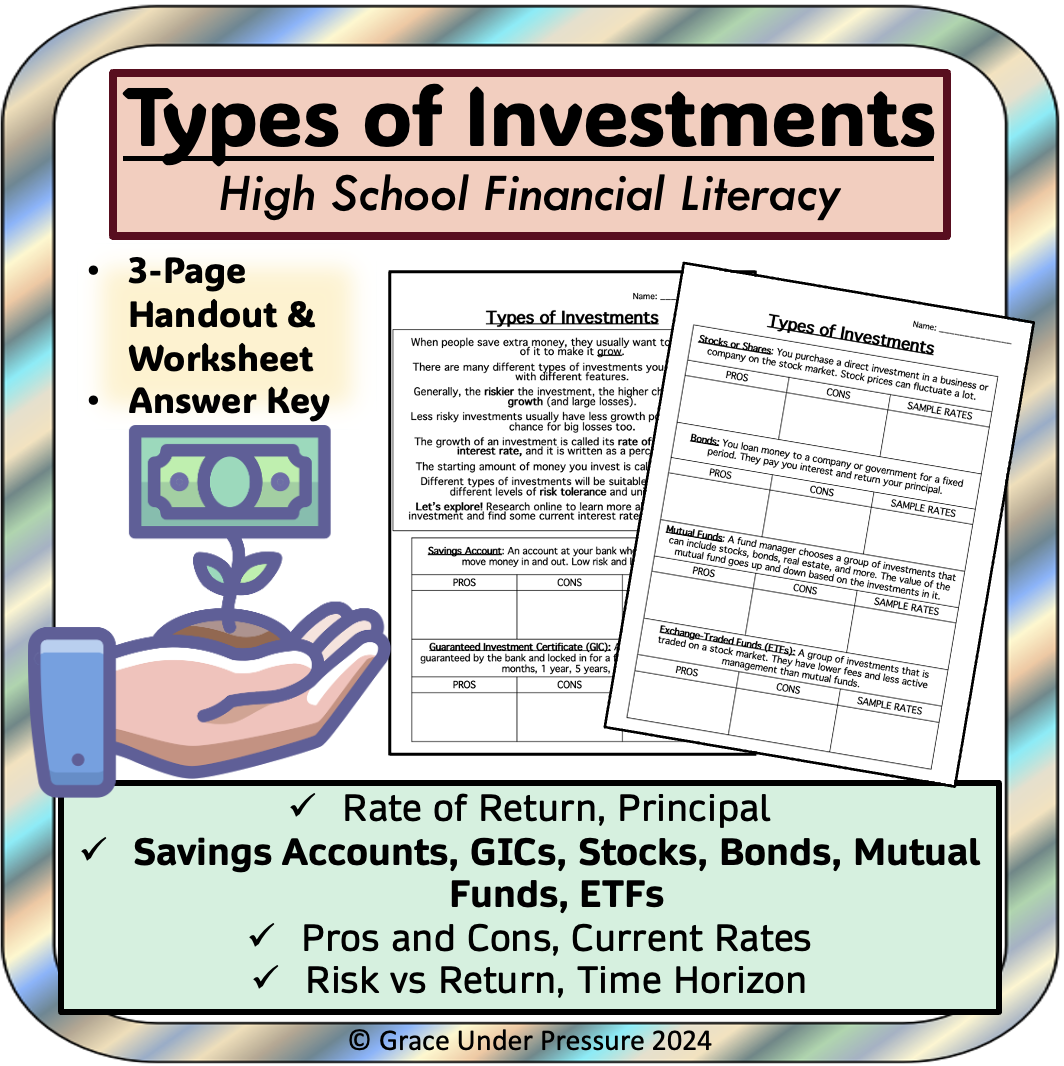
Teach high school students the basic vocabulary and pros/cons of six common investment types to support financial literacy.
Teaches middle/high school students responsible consumer skills and habits, covering consumer protections, intentional purchasing, installment payments, consumer psychology, and responsible/sustainable consumption.
Teaches primary students to identify the purpose and intended audience of simple media texts, including inferring who media is made for and why (entertain, persuade, inform).
A homeschool/teaching resource eBook by two homeschooling authors combining travel tips, lapbooking guidance, printable lapbook units (Vacation, National Parks, Washington D.C.), and personal travel journals to help educators use travel (physical or virtual) as a teaching tool.
A printable finger-puppet set and storytelling backdrop set for retelling the fairy tale 'Puss in Boots,' designed to support reading fluency, storytelling, and creative expression.
A comprehensive Social Studies teaching unit on Native Americans and early peoples of North America, combining guided/close reading passages with comprehension and vocabulary activities.
A no-print digital figurative-language resource teaching 24 summer-themed idioms, each presented with its origin/literal meaning and figurative meaning, for improving idiom comprehension and recall.
A nonfiction physical-science reading passage teaching how magnets and electromagnets work (magnetic poles/fields, Earth's magnetic field, the discovery of electromagnetism, and how to build/strengthen an electromagnet).
A no-print, digital/interactive listening-comprehension resource that uses a virtual pet-shop theme to build receptive and expressive language skills, primarily for speech-language therapy use.
A take-home literacy/math kit (a decorated garbage can containing books and materials) that pairs read-aloud recycling-themed picture books with hands-on counting, graphing, and coin-sorting activities, rotating home with one kindergartener per week.
Second day of the week-long community-workers unit: students continue researching their chosen career using a new source and continue the math/reading/writing routine.