3,890 products added recently
Page 68 - Reading Activities
Discover a variety of reading activities designed to inspire and engage your students. From guided reading sessions to interactive reading journals, these resources support the development of comprehension and critical thinking skills. Tailored for different grade levels, these activities can help you create a dynamic literacy environment that fosters a lifelong love of reading.
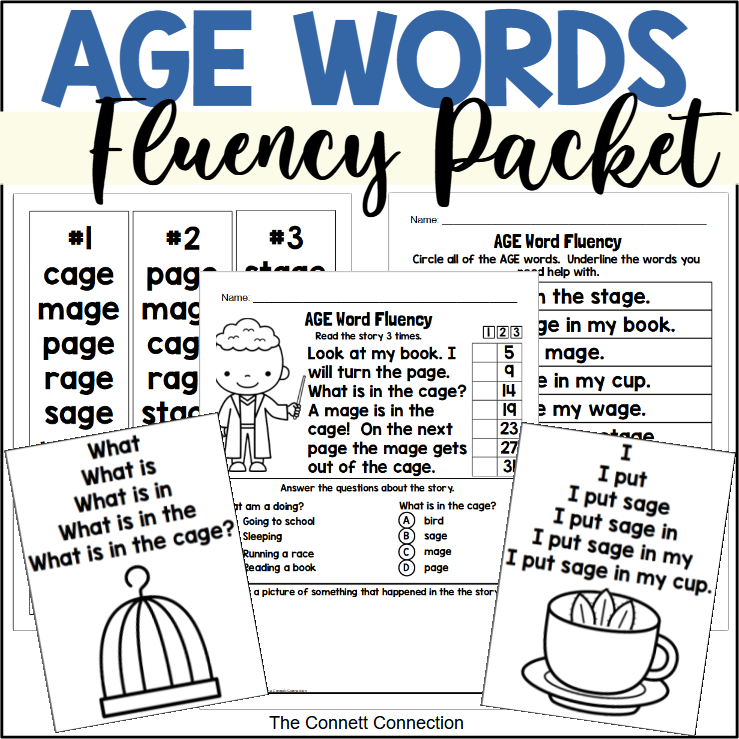
BL Words Beginning Blends Matching Mats
ELA, Language Development, Phonics, Reading, Preschool, Grade 1, Activities
This comprehensive literacy center focuses on BL words, offering a hands-on activity that targets reading words as well as reading simple sentences. These mats help with reading comprehension skills as well as reading one and two syllable words. Included in this resource: 1 BL word mat 1 BL sentence mat Picture cards corresponding to each mat for matching purposes To complete this activity , students will read each BL word or sentence on the mat and then match the corresponding pictures. Students can work independently or with a partner, providing opportunities for cooperative learning. There are several ways to use these BL word mats: Lay the images on top of the word or sentence. Utilize hook and loop fasteners to attach the images. Use a baking sheet and magnets to match the images. Students will appreciate the hands-on nature of this activity , as they can manipulate the images for a hands-on approach to show their learning. The bold and colorful images will capture students' attention, and the easily recognizable pictures will ensure their success in completing the activity . These literacy activities allow students to practice target words both in the context of sentences and in isolation. When to Use: Literacy Center - Students can work independently or with a partner to read these words Morning Tub or Basket - The cards can be placed in a morning bin for students to work on as students arrive to class. Small Group Activity - The teacher can choose a small group of students or a specific group of words for students to work on in a small group setting with the teacher. Skills assessed through this activity include reading BL beginning blend words in isolation and in context, as well as reading comprehension. The low-prep nature of this BL words matching mats activity makes it highly convenient. The mats simply need to be printed out, while the matching cards can be printed and cut. Lamination is optional for increased durability.
Author The Connett Connection
Tags Literacy Center, Phonics Activity, Kindergarten Literacy, Matching Mats, Simple Sentences, Reading Comprehension, BL Words, Beginning Blends
Insects, Animals, & Ecosystems: Reading Comprehension passages (Docs)
Science, ELA, Reading, Reading Comprehension, Strategies, Resources for Teachers, Life Sciences, Animals, Insects, Nature & Plants, Grade 6, 7, 8, 9, Writing Prompts, Worksheets & Printables, Centers, Activities, Teacher Tools, Assessments, Quizzes and Tests, Quizzes, Tests
Insects, Animals, & Ecosystems: Reading Comprehension Passages (Docs) This engaging collection of life science reading passages about Insects, Animals, & Ecosystems is designed to bridge the gap between science and literacy through strengthening reading comprehension and sparking scientific curiosity in middle school students. Each passage blends English Language Arts skills with accurate science content that supports NGSS classroom practice. Ideal for interdisciplinary learning in ELA and Science. Suitable for Grade 9 review, too! What Is Included? There are (3) informational passages: Ecosystems: Webs of Life and Change See how living things and their surroundings fit together. Follow energy from producers to consumers to decomposers, and notice how fires, floods, or people can disturb a system and how it can recover. Insects: Small Creatures, Giant Impact Meet the helpers that pollinate, recycle waste, and feed countless animals. Learn how simple body parts and smart behaviors let insects thrive almost everywhere. Unique Animals of the Rainforest Visit a forest bursting with life, from Hyacinth Macaws and pink river dolphins to golden lion tamarins and poison dart frogs. Understand why protecting habitats keeps these remarkable species alive. Student Tasks for Each Passage: 5 multiple-choice questions targeting main idea, key details, inference, vocabulary in context, and use of evidence 5 vocabulary matching items with clear, student-friendly definitions 5 text-based questions that require citing specific lines or facts 1 summary prompt that asks students to condense central ideas accurately Full answer key for every section Available Formats for this Resource PDF Word Docs FULL CATALOG OF DOWNLOADING LINKS HERE Other Science Reading Collections you May find in the store: 1. Astronomy & Space Science 2. Volcanoes, Rocks, & Mountains 3. Rock Cycle, Soil, & Sinkholes 4. Mars, Glaciers, & Antarctica 5. Water Cycle, Acid Rain, & Wastewater 6. Insects, Animals, & Ecosystems 7. Bioluminescence & Insects 8. Animal Skin, Cats, & T. Rex 9. Human Body and Senses 10. Health & Applied Bioscience 11. Waves, Light, & Imaging 12. Electricity & Energy 13. Motion & Materials 14. Chemistry and Materials Science Product Details Length: 14 pages total Grades: 6–8, also suitable for Grade 9 review Use cases: close reading, stations, homework, intervention, test prep, and sub plans Standards support: reinforces informational-text skills and supports NGSS-style sense making through observation, modeling, and clear use of claim, evidence, and reasoning Why Teachers Choose This Set Authentic science content paired with rigorous literacy practice Consistent task structure across all passages for easier planning and smoother student routines Clear, age-appropriate writing that builds confidence without oversimplifying Use this set to reinforce ELA skills in science, to add literacy to your lessons, or to support independent work. The passages strengthen main idea, evidence use, vocabulary in context, inference, cause and effect, and summary writing. With ready-to-use assessments and complete answer keys, you can provide focused practice that is simple to run and fast to review.
Author Middle & High School - CORED Education
Rating
Tags Middle School, Reading Comprehension, Reading Strategies, ELA, Centers, Reading Passage, Assessments, Vocabulary, Life Science, Insects
Reading Comprehension Passages Fiction Set 3 - Food (PPT)
ELA, Reading, Writing, Common Core, ESL, Language Development, Vocabulary, Spelling, Children’s Literature, Literature, Grade 2, 3, Teacher Tools, Presentations, Assessments, Tests, Quizzes and Tests, Activities
Reading Comprehension Passages Fiction Set 3 Overview Fascinating reading comprehension passages, each with an array of activities included. Stories are written for the modern classroom and topics are designed to promote enthusiasm from each student. Each lesson contains a mixed questions section to check understanding, a vocabulary or spelling activity to help remember key language introduced, and a writing exercise. Full answer keys are provided. For a more detailed overview, check the section under the links at the bottom of this description. Passages Include 1.Happy Birthday Mrs. B: Mrs. Barber has cooked something special for the class. 2.Sophie's Own Garden: Grandma buys Sophie some garden supplies. 3.Lunchtime: Kasey has a surprise for her lunch. 4.Cindy's Tea Party: Cindy invites some special friends to her tea party. 5.My Saturdays: Anything better than baking cookies on a Saturday? 6.Friday Night Pizza: Read about the Webster Family Special in this story. PPT Version This is the PPT editable and fillable (when not in presentation mode) version. This download is available in GOOGLE Docs, GOOGLE Forms, GOOGLE Slides. PDF, PPT, WORD. FULL CATALOG OF DOWNLOAD LINKS HERE Grade 2/3 Links Fiction Set 1 - Nature Google Docs Google Forms Google Slides PDF PPT Word Guided Reading Materials Fiction Set 2 - Animals Google Docs Google Forms Google Slides PDF PPT Word Guided Reading Materials Fiction Set 3 - Food Google Docs Google Forms Google Slides PDF PPT Word Guided Reading Materials Fiction Set 4 - School Google Docs Google Forms Google Slides PDF PPT Word Guided Reading Materials Fiction Set 5 - Friends Google Docs Google Forms Google Slides PDF PPT Word Guided Reading Materials Fiction Set 6 - Family Google Docs Google Forms Google Slides PDF PPT Word Guided Reading Materials Fiction Set 7 - Sports Google Docs Google Forms Google Slides PDF PPT Word Guided Reading Materials Nonfiction Set 1 - Technology Google Docs Google Forms Google Slides PDF PPT Word Guided Reading Materials Nonfiction Set 2 - Nutrition Google Docs Google Forms Google Slides PDF PPT Word Guided Reading Materials Nonfiction Set 3 - Animals Google Docs Google Forms Google Slides PDF PPT Word Guided Reading Materials Reading Passages Overview Each passage is especially written for Grade 2-3 students, including key vocabulary required for this age group. Topics are varied and are accompanied by colorful graphics. Topics are meant to educate, yet entertain the modern student. These passages are perfect for the modern classroom. Whereas textbooks can become outdated in no time, any changes to technology or the world will result in updates to this product. Mixed Questions The mixed questions section of each lesson includes a variation of fivecomprehension, vocabulary and math questions. In addition, key reading strategies are frequently covered including cause & effect, summarizing, compare & contrast and making conclusions. Three of the questions will be MCQs and two will require a written response of some kind. Full answers and example responses appear at the end of the lesson. Spelling & Vocab Each reading passage contains a variety of words and phrases designed for Grade 2-3 students. Spelling and vocab activities provide the opportunity to build fluency with these words. As it can become quite mundane doing the same activities over and over, each lesson in a set will contain a different spelling and vocab activity . Writing Prompts Writing prompts are designed to continue the theme or lessons learned in the story. Students are persuaded to write in a variety of ways and each prompt includes several cues to help. As with the spelling/vocab section, writing prompts will vary. This includes research pieces, reading responses, poetry and creative writing prompts. Full Answer Keys Full answer keys and sample responses are provided so no matter how busy you are, you know you're covered! Mixed question answers provide evidence from the text, math questions contain the relevant workings. Answers are designed for use by the teacher, but also suitable as a handout to the student. Additional File One lesson will have an additional file. This is something fun to extend the lesson with. For similar downloads and other frees, do check out Cored Group on TeachSimple.
Author Cored Education
Rating
Tags Elementary, Reading, Comprehension, Vocabulary, Answers, Common Core, Spelling, Writing, Passages, Reading Comprehension Presentations
Social Studies Reading Passages: Civic Action and Social Change (Word)
ELA, Reading, Reading Comprehension, Strategies, Resources for Teachers, Social Studies, Sociology, Grade 6, 7, 8, 9, Writing Prompts, Worksheets & Printables, Centers, Activities, Teacher Tools, Assessments, Quizzes and Tests, Quizzes, Tests
Social Studies Reading Comprehension Passages and Questions: Civic Action and Social Change (Word) This resource introduces a collection of Social Studies reading comprehension passages with questions about Civic Action and Social Change. The passages are carefully designed to bridge the gap between social studies and literacy through strengthening reading comprehension and sparking knowledge curiosity in middle school students. Each passage blends English Language Arts skills with accurate social studies content . Ideal for interdisciplinary learning in ELA and Social Studies. Suitable for Grade 9 review, too! What Is Included in this Collection? There are three informational passages (with full answer keys): The Butterfly Effect: Small Moments, Big Consequences From Piggy Bank to Profit: How Banks Make Money Work Flipping the Switch: A Student Campaign for Change For Each Passage, students will have multiple tasks to complete as follow: 5 multiple-choice questions targeting main idea, key details, inference, vocabulary in context, and use of evidence 5 vocabulary matching items with clear, student-friendly definitions 5 text-based questions that require citing specific lines or facts 1 summary prompt that asks students to condense central ideas accurately Available Formats for this Resource PDF Fillable PDF Google Docs FULL CATALOG OF DOWNLOADING LINKS HERE For more Social Studies Reading Passages, check the following Links: Ancient Civilizations PDF Fillable PDF Word Docs Google Docs Early Empires and Trade Networks PDF Fillable PDF Word Docs Google Docs The Founding of the United States PDF Fillable PDF Word Docs Google Docs Language, Culture, and Meaning PDF Fillable PDF Word Docs Google Docs Psychology and Society PDF Fillable PDF Word Docs Google Docs Global Festivals and Traditions PDF Fillable PDF Word Docs Google Docs Extreme Environments and People PDF Fillable PDF Word Docs Google Docs Food, Culture, and Preservation PDF Fillable PDF Word Docs Google Docs Global Food Customs PDF Fillable PDF Word Docs Google Docs Media, Communication, and Popular Culture PDF Fillable PDF Word Docs Google Docs Human Impact on the Environment PDF Fillable PDF Word Docs Google Docs Civic Action and Social Change PDF Fillable PDF Word Docs Google Docs Fashion, Society, and Power PDF Fillable PDF Word Docs Google Docs People, Places, and Unusual Histories PDF Fillable PDF Word Docs Google Docs Product Details Length: 15 pages total Grades: 6–8, also suitable for Grade 9 review Use cases: close reading, stations, homework, intervention, test prep, and sub plans Why Teachers Choose This Set Authentic social studies content paired with rigorous literacy practice Consistent task structure across all passages for easier planning and smoother student routines Clear, age-appropriate writing that builds confidence without oversimplifying Use this set to reinforce ELA skills in social studies, to add literacy to your lessons, and to support independent work. The passages strengthen main idea, evidence use, vocabulary in context, inference, cause and effect, and summary writing. With ready-to-use assessments and complete answer keys, you can provide focused practice that is simple to run and fast to review.
Author Middle & High School - CORED Education
Rating
Tags Middle School, Reading Comprehension, Reading Strategies, ELA, Centers, Reading Passage, Assessments, Vocabulary, Social Studies, Civic Action And Social Change
Xylophones Reading Comprehension Passage - Cored Ed Encyclopedia
ELA, Language Development, Reading Comprehension, Reading, Science, Physics, History, Social Studies, Music, Creative Arts, Grade 2, 3, 4, 5, Worksheets & Printables, Worksheets, Teacher Tools, Centers, Activities, Writing Prompts, Assessments, Quizzes and Tests, Quizzes, Lesson Plans
This xylophones reading comprehension with lesson plan includes: Visualization (on the front cover) Start your lesson by taking a minute to think and share something about the topic. Read the script aloud (slowly), perhaps prepare some music or sound effects. Student close their eyes and let their imaginations wander. Students open their eyes, read the question aloud and give them a few minutes to complete. Ask a few students to share or keep answers until the end to compare with what they learn in the passage. Quick pause—thousands of Cored Education products are included with your TeachSimple membership. Download links and encyclopedia index available here. Pre-Reading Trivia Students will write down one thing they already know about the subject and then read five more facts and discuss. These facts are fun, and the students will enjoy learning about the subject before reading more. Give 1 minute for students to write what they already know (no pressure—best guess is fine). Read the five facts together. After each fact, do ask a student for their opinion, was it surprising? Set a purpose by asking students to highlight/underline one fact they want to learn more about during the reading. Reading Passage The text is a high-interest reading passage with set paragraphs, roughly three to four paragraphs long. It contains a variety of themes about the topic, anywhere from history to technology. The passage is between 250 and 350 words in length. First, ask students to look at the headings and see what they’ll learn about today. What do they know about the topic/heading? First read options: Teacher read-aloud (best for support). Partner reading (paragraph by paragraph). While reading, students underline important details, and vocabulary words they think may come up in the questions section. Mixed Questions The first question page contains four multiple-choice questions, each with a choice of four answers, and three written response questions that require a sentence or two from the student. Students complete the mcqs first independently, then review quickly as a class. For the 3 written responses, try to get students giving the answer with some form of evidence: “I think ___ because the text says ___.” If students get stuck, send them back to check the passage. Vocabulary Questions Practice seven key words from the text in this section across two activities. First section is scrambled words where students will unscramble three words given a clue for each. The second section is a word to meaning matching activity. Before starting, have some students read out words they underlined in the passage. Ask students to say the word and read aloud the sentence(s) around each word. Ask students to do scrambled words and the matching exercise in pairs then go through answers as a class. For the scrambled spelling task, get four pairs to come up to the board and write the words for extra practice with the other student reading out the clue. For the matching task, prompt students to give full sentences: “I matched ___ with ___ because ___.” Creative Writing In this question, the student will be required to write a five to eight sentence paragraph on a question related to the topic. Before starting, ask students write down 3 key ideas they are going to include in their piece. Ask students for ideas to share around the class to help those struggling. Pro writing expectations: 5–8 sentences At least 2 facts or details from the passage At least 2 vocabulary words from the previous page Students read their paragraphs while classmates listen for facts and vocabulary words. Extension Activities This page is optional for fast finishers or to take home. There are several activities, each one requiring a different skill. Do some, do none, do all, completely optional - but you will feel reassured knowing every possibility is planned for. Includes summary writting question. Answer Key There are answers for the multiple-choice questions, written response questions have sample answers, vocabulary answers and if there is a summary question then a sample summary will be provided as well. Lesson Plan Included Customized lesson plan for this lesson is included. Lesson Snapshot Title: Xylophones Genre: Nonfiction (informational text) Subject: Music / Science of Sound (Informational Reading) Primary Topic: How xylophones make sound and their history Estimated Guided Reading Level (A–Z): Q Support pages present: Visualization prompt, pre-reading trivia, mixed questions, vocabulary activities, creative writing, extension activities, and an answer key. What This Lesson Teaches Best Explains how a xylophone’s “keys” are wooden bars that make notes when tapped with a mallet . Teaches the relationship between bar length and pitch (long bars = low sounds; short bars = high sounds). Shows a core sound concept: the wood vibrates to create the note, and resonators underneath help the sound carry. Builds historical understanding of xylophone-like instruments across Africa and Asia, including early designs using logs, pits, and gourds to boost sound. Connects music history and school use: the xylophone spread into Europe, appears in orchestras (including Camille Saint-Saëns and Danse Macabre), and is used in classrooms to learn melody and rhythm (including Orff-Schulwerk). Learning Goals Students will describe how tapping a bar with a mallet makes a xylophone note. Students will explain how bar length changes pitch using details from the text. Students will identify what resonators do and where they are located on some xylophones. Students will summarize how xylophone-like instruments were made long ago and how sound was boosted. Students will sequence key points in the xylophone’s timeline (early instruments, later written descriptions, and later orchestra use). Key Vocabulary From the Text resonators — tubes/shapes under bars that help sound carry. vibrates — shakes back and forth to make sound. documented — recorded in writing. orchestra — a large group of musicians playing together. octave — a set of notes from one pitch to next. FULL CATALOG OF DOWNLOAD LINKS AND ENCYCLOPEDIA INDEX HERE
Author Cored Education
Rating
Tags Vocabulary, Reading Comprehension, Reading Passages, Lesson Plans, Ela Lesson Plans, Reading Comprehension Lesson Plans, Pre-reading, History Lesson Plans, Physics, Music Lesson Plans
Penguins in the Cold Cored Literacy Readers Level D
ELA, Resources for Teachers, Reading Comprehension, Reading, Common Core, Library, Animals, Life Sciences, Science, Language Development, Kindergarten, Grade 1, 2, Worksheets & Printables, Worksheets, Teacher Tools, Centers, Activities, Writing Prompts, Literacy Readers
Book Snapshot Title: Penguins in the Cold Genre: Narrative Nonfiction Subject: Life Science Primary Topic: Penguin adaptations for living in the cold Estimated Guided Reading Level (A–Z): D What This Book Teaches Best How penguins stay warm in a cold place using thick feathers and blubber. Ways penguins move on ice, including waddling and tobogganing. How penguins swim well, using their wings like paddles to move underwater. How penguins stay together to share body heat when the wind blows hard. Penguin family/life cycle details shown through an egg hatching and a chick growing. Learning Goals Students will describe how feathers and blubber help a penguin stay warm. Students will identify two ways penguins move across the ice in the book. Students will explain what “tobogganing” means using details from the text. Students will describe how penguins move in water and how their wings help them swim. Students will explain why penguins stand close together when the wind blows hard. Students will recount how Pip’s dad keeps the egg safe and warm. Key Vocabulary From the Text blubber — a thick layer of fat that keeps an animal warm. waddle — walk with short steps, rocking side to side. slippery — smooth and easy to slide on. tobogganing — sliding on your belly across the ice. paddles — parts that push water to help you move. Discussion Prompts Pre-reading question: What do you think helps penguins live in a very cold place? Comprehension questions: Where does Pip the penguin live? Comprehension questions: What is tobogganing in the story? Comprehension questions: What does Pip’s dad do to keep the egg safe and warm? FULL CATALOG OF DOWNLOAD LINKS HERE Printing Tips 1. Best Printing Method (Recommended) “Booklet” Printing (Best if Available) If your printer or PDF viewer supports Booklet Printing , use this. Settings to use: Print mode: Booklet Paper size: Letter or A4 (either works) Orientation: Landscape Print on both sides: Yes Flip on: Short edge Scaling: Fit to printable area Booklet subset: First test: Front sides only Then: Back sides only This will automatically: Pair pages correctly Put the cover on the outside Align everything for folding After printing, fold in half and staple along the spine . 2. If “Booklet” Printing Is NOT Available You can still print this correctly with manual duplex printing . Step-by-step: Open the PDF. Choose Print . Set: Orientation: Landscape Pages per sheet: 1 Print on both sides: Yes Flip on: Short edge Print all pages . Because each PDF page already contains two facing book pages, the result will still fold cleanly into a book. Literacy Readers Overview This product is perfect for small group instruction, such as guided reading, strategy groups, or interventions. It could also be used for independent reading, homework, or holiday work. It could also be used for literacy stations, read-aloud practice, or sub plans. Extension Ideas There are several ways to extend the lesson, including reading twice—first for understanding, and the second time to find the key details. Perhaps you can highlight or underline a detail that answers the comprehension questions. You can also turn it into a writing activity: What did you learn, or retell the story using first, next, then, finally. You could even choose a vocabulary word, draw it, with a caption from the text. For more advanced learners, perhaps you can compare this to another text they have read recently. Differentiation Tips For differentiation, if the words are hard, then perhaps you can preview some of them before you begin. For responses, perhaps you can give the students the first few words, for example, “In the book…”. You can also pair up the students, which normally leads to one of them helping the other. You can read it through again for fluency. Perhaps you can read two or three pages at a time and then come together as a group and analyze. For similar downloads and other frees, do check out Cored Group on TeachSimple.
Author Cored Education
Rating
Tags Vocabulary, Reading Comprehension, Reading Passages, Literacy Readers, Storybooks, Penguins, Leveled Reading, Ela, Nonfiction, Life Science
Detectives Reading Comprehension Passage - Cored Ed Encyclopedia
ELA, Language Development, Resources for Teachers, Reading Comprehension, Reading, Pre-Reading, Writing, Strategies, Vocabulary, Common Core, Grade 2, 3, 4, 5, Worksheets & Printables, Worksheets, Teacher Tools, Centers, Activities, Writing Prompts, Assessments, Tests, Quizzes and Tests, Quizzes
This detectives reading comprehension contains the following: Pre-Reading Trivia Students will write down one thing they already know about the subject and then read five more facts and discuss. These facts are fun, and the students will enjoy learning about the subject before reading more. Reading Passage The text is a high-interest reading passage with set paragraphs, roughly three to four paragraphs long. It contains a variety of themes about the topic, anywhere from history to technology. The passage is between 250 and 350 words in length. Mixed Questions The first question page contains four multiple-choice questions, each with a choice of four answers, and three written response questions that require a sentence or two from the student. Creative Writing In this question, the student will be required to write a five to eight sentence paragraph on a question related to the topic. Extension Activities This page is optional for fast finishers. If there are five to ten minutes left at the end of the lesson, the student can choose one of three activities, each one requiring a different skill. Answer Key There are answers for the multiple-choice questions and three written response questions have sample answers. FULL CATALOG OF DOWNLOAD LINKS AND ENCYCLOPEDIA INDEX HERE Cored Ed Encyclopedia Overview The Cored Ed Encyclopedia is a weekly series of lessons that you can pick up and use right away. These short readings fit into whatever time you have available. Each one includes a warm-up, a reading, and a set of questions, but it’s flexible — you can do just the reading, the full lesson, or skip the writing section if you need to. Each lesson focuses on a single topic so students don’t get lost. The writing is clear but never childish, making it perfect for grades two through five. Topics range from animals and science to history, inventions, and everyday things. No matter the level of the student, everyone should take away at least one new idea or fact from each lesson. The materials are easy to print, easy to explain, and require no setup. They work well for whole-class teaching, partner work, or independent study.
Author Cored Education
Rating
Tags Vocabulary, Spelling, Reading Comprehension, Reading Passages, Cored Encyclopedia, Facts, Reading, Creative Writing, Detectives, Ela
Congo Rainforest Worksheets & Activities | Cross-Curriculum
ELA, Reading, Reading Comprehension, STEM, Animals, Life Sciences, Science, Math, Counting, Early Math, Kindergarten, Activities, Worksheets & Printables, Worksheets, Read Alouds, Writing Prompts
Take your young learners on a journey through the Congo rainforest with these fun and engaging activities. Designed for learners in Pre-K and kindergarten, this product will give them the opportunity to strengthen skills across several learning domains. They’ll begin their journey travelling through the pages of “Counting in the Congo” all while practicing their reading and math skills. Next, they will complete a personalized version of the early reader book, helping to provide motivation for continued reading. Through the process of completing each of the 15 worksheets, your learners will focus on a variety of math, ELA, science, social studies, and STEM concepts . This product is a sure hit for all types of learners as it is filled with colorful, kid-friendly graphics, easy to understand instructions, and the opportunity to write, cut, glue, draw, build, and think outside the box. There are also several benefits for you in that both books and most worksheets are available in both color and black & white versions. Not only that, but the worksheets are print and go, allowing you to spend more time with your learners rather than prepping materials. Each worksheet and activity can be used independently or with various group sizes. They also make for a great last-minute fill-in for substitute teachers or changes in daily plans/routines. What’s more is that many of the worksheets can be laminated and used as a write-on/wipe-off activity in a small group setting. Whatever the situation, you can’t go wrong with this product. Take a look below at the details for each worksheet/activity. “COUNTING THE IN THE CONGO” Book 1 Learners will use the repetitive words to read through the 14 pages. They’ll practice number identification, counting 1-10, and 1-to-1 correspondence using a variety of animals found in the Congo rainforest. “COUNTING THE IN THE CONGO” Book 2 This interactive version will allow your learners to personalize the book. They’ll practice the aforementioned skills, while also writing numerals 1-10, reading color words, and following 1-step instructions. WORKSHEETS 1 & 2 : learners will identify numbers 0-10, write the numbers on the line, and count the corresponding markings on each rainforest snake. WORKSHEET 3 : learners will identify numbers and color names, then color the corresponding number of rainforest animals in each column. WORKSHEET 4: learners will count the groups of rainforest animals and write the corresponding number on the line. WORKSHEET 5: learners will identify numbers and cross out the group of rainforest fruits that do not match the numbers. INSTRUCTION PAGE: directions for 3 STEM activities focusing on estimating, measuring, problem solving, and fine motor skills (with a monkey theme). WORKSHEETS 6-8: learners will record data and reflect on the process of each STEM activity. WORKSHEET 9: learners will use cutting and gluing skills to sort rainforest animals in 3 categories (feathers, fur, scales) WORKSHEET 10: learners will practice reading comprehension skills by circling the animal that matches the sentence from the book. WORKSHEET 11: learners will practice identifying uppercase letters and their corresponding sounds, as well as writing uppercase and lowercase letters. WORKSHEET 12: learners will complete the writing prompt and draw a corresponding illustration. WORKSHEET 13: using the map of Africa, learners will practice color identification, writing uppercase and lowercase letters, measurement, and drawing. WORKSHEET 14: learners will strengthen visual discrimination skills by matching rainforest animals to their respective shadows. WORKSHEET 15: learners will draw a picture of their Congo rainforest family and write the number of members in said family. ANSWER KEY FOR ALL WORKSHEETS
Author Quail Trail Products
Rating
Tags Rainforest, Congo, Math, Ela, Science, STEM, Early Readers, Writing, Map Skills, Reading Comprehension
Insects, Animals, & Ecosystems: Reading Comprehension passages (Word)
Science, ELA, Reading, Reading Comprehension, Strategies, Resources for Teachers, Life Sciences, Animals, Insects, Nature & Plants, Grade 6, 7, 8, 9, Writing Prompts, Worksheets & Printables, Centers, Activities, Teacher Tools, Assessments, Quizzes and Tests, Quizzes, Tests
Insects, Animals, & Ecosystems: Reading Comprehension Passages (Word) This engaging collection of life science reading passages about Insects, Animals, & Ecosystems is designed to bridge the gap between science and literacy through strengthening reading comprehension and sparking scientific curiosity in middle school students. Each passage blends English Language Arts skills with accurate science content that supports NGSS classroom practice. Ideal for interdisciplinary learning in ELA and Science. Suitable for Grade 9 review, too! What Is Included? There are (3) informational passages: Ecosystems: Webs of Life and Change See how living things and their surroundings fit together. Follow energy from producers to consumers to decomposers, and notice how fires, floods, or people can disturb a system and how it can recover. Insects: Small Creatures, Giant Impact Meet the helpers that pollinate, recycle waste, and feed countless animals. Learn how simple body parts and smart behaviors let insects thrive almost everywhere. Unique Animals of the Rainforest Visit a forest bursting with life, from Hyacinth Macaws and pink river dolphins to golden lion tamarins and poison dart frogs. Understand why protecting habitats keeps these remarkable species alive. Student Tasks for Each Passage: 5 multiple-choice questions targeting main idea, key details, inference, vocabulary in context, and use of evidence 5 vocabulary matching items with clear, student-friendly definitions 5 text-based questions that require citing specific lines or facts 1 summary prompt that asks students to condense central ideas accurately Full answer key for every section Available Formats for this Resource PDF Google Docs FULL CATALOG OF DOWNLOADING LINKS HERE Other Science Reading Collections you May find in the store: 1. Astronomy & Space Science 2. Volcanoes, Rocks, & Mountains 3. Rock Cycle, Soil, & Sinkholes 4. Mars, Glaciers, & Antarctica 5. Water Cycle, Acid Rain, & Wastewater 6. Insects, Animals, & Ecosystems 7. Bioluminescence & Insects 8. Animal Skin, Cats, & T. Rex 9. Human Body and Senses 10. Health & Applied Bioscience 11. Waves, Light, & Imaging 12. Electricity & Energy 13. Motion & Materials 14. Chemistry and Materials Science Product Details Length: 14 pages total Grades: 6–8, also suitable for Grade 9 review Use cases: close reading, stations, homework, intervention, test prep, and sub plans Standards support: reinforces informational-text skills and supports NGSS-style sense making through observation, modeling, and clear use of claim, evidence, and reasoning Why Teachers Choose This Set Authentic science content paired with rigorous literacy practice Consistent task structure across all passages for easier planning and smoother student routines Clear, age-appropriate writing that builds confidence without oversimplifying Use this set to reinforce ELA skills in science, to add literacy to your lessons, or to support independent work. The passages strengthen main idea, evidence use, vocabulary in context, inference, cause and effect, and summary writing. With ready-to-use assessments and complete answer keys, you can provide focused practice that is simple to run and fast to review.
Author Middle & High School - CORED Education
Rating
Tags Middle School, Reading Comprehension, Reading Strategies, ELA, Centers, Reading Passage, Assessments, Vocabulary, Life Science, Insects
Guided Reading Level M - The Sport of Fencing (with Lesson Plan)
ELA, Resources for Teachers, Reading Comprehension, Reading, Science, Engineering, Technology, Sports, P.E. & Health, Physical Education, Grade 2, 3, 4, Worksheets & Printables, Worksheets, Teacher Tools, Centers, Activities, Literacy Readers, Quizzes, Quizzes and Tests, Assessments, Lesson Plans
This Guided Reading Book - The Sport of Fencing (Level M) with lesson plan includes: Guided Reading Color Label (front cover x1) This is a quick way to match the book’s demands to what students can generally handle.. The overall goal is to use the level/color to pick books for several smaller groups. To qualify for a certain level, a student is expected to read a book from that level with about 90–94% accuracy. If a student is consistently accurate and understands, move up a level. If the student is struggling at that level, drop down and add more support. Each student will improve at completely different rates, but it is generally one of the best ways to check progress across the class. DOWNLOAD THE CATALOG TO VIEW ALL GUIDED READING BOOKS AVAILABLE (SORTED LEVELS A-Z) Pre-Reading Question (x1) Teacher asks the prompt aloud, can be while showing the cover or first page. Students share what they already know, or make educated guesses from the cover. Prompt them to use the target vocabulary. Write some of their responses on the board to look back at during the reading. Vocabulary Words (x5) Introduce the five words, best doing it one at a time. Start by saying it, while students repeat and then see if anyone knows what it means before reading further. Read through the meaning and try to briefly connect each word to a picture or gesture so it’s meaningful. Ask students to flip through the book pages and point to where they see each of the vocabulary words. While reading the book pause upon coming across one of the vocab words or read the sentence twice to make sure students understand the word has appeared. Optional: Ask students to raise hands whenever they see/hear one of the new words. Guided Reading Pages (x10) Check the book snapshot (below) for: primary topic - do you need to prep extra reading or intro materials on this? what is taught best - decide on 1-2 bullets to focus on, use the prompt or words provided here for best results. learning goals - what you are checking for students to be able to do after the session, elicit answers using prompts or words provided. key vocabulary (see section above). questions overview - so you know what is coming up and if you need to prep extra materials to assist understanding. Run the lesson You may have already looked at a few of the pages together, but you can show them some of the pictures again first to set meaning. Depending on how much time you have and how familiar your students are with guided reading class, you may want to read the book aloud first with the group first. Students whisper or partner read, while you listen in. If time, do it as a group, one student reading a page each. Use the guided page’s prompts to coach: “Check the picture / does it make sense?” “Point under the words / try the first sound” “Reread the sentence smoothly”. Try to focus more on one student per session (rotating every time), so you can work out if they are ready to move up or need to move down a level. Comprehension Questions (back cover x3) This is your way to check that students didn’t just say the words, but actually understood the text. First, let students answer by pointing to the page/picture and saying a short sentence. After any answer, follow with: “Show me where you found that in the text.” In bigger groups, have partners answer first (10–20 seconds), then call on 2–3 students to share. Differentiation tips: Emerging speakers/struggling readers: oral + pointing On-level: oral in a full sentence Higher: one written sentence or draw + label Book Snapshot Title: The Sport of Fencing Genre: Nonfiction (informational) Subject: Physical Education / Reading (Informational Text) Primary Topic: Fencing gear, swords, and how matches work Estimated Guided Reading Level (A–Z): M What This Book Teaches Best Basic overview of fencing as a sport, including where it takes place (a long, narrow mat called a “strip”). Safety equipment and how it protects fencers (mask, jacket, glove, cuff). Differences among the three fencing swords and how points are scored with each (foil, épée, sabre). Key fencing moves and positions used in a match (“En Garde” stance, lunge). How modern fencing tracks points and how respect is shown before and after matches. Learning Goals Students will describe what fencing looks like and where it takes place using details from the text. Students will explain how fencing safety gear protects a fencer during a match. Students will compare foil, épée, and sabre by describing how targets and scoring work. Students will identify and describe the “En Garde” stance and why it helps movement. Students will explain how a lunge helps a fencer reach an opponent to score a point. Students will describe how fencing shows respect before and after a match. Key Vocabulary From the Text strip — the long, narrow mat where fencers move. foil — a light, flexible sword used in fencing. épée — the heaviest fencing sword with the whole body as target. sabre — a fast sword that can score with tip or edge. lunge — a move stepping forward to reach an opponent. Discussion Prompts Pre-reading question: What safety gear do you think someone would need to fence safely? Comprehension questions: Why do fencers wear a fencing mask? In a foil match, what part of the opponent is the target for scoring points? What do fencers do before and after a match to show respect? Printing Tips 1. Best Printing Method (Recommended) “Booklet” Printing (Best if Available) If your printer or PDF viewer supports Booklet Printing , use this. Settings to use: Print mode: Booklet Paper size: Letter or A4 (either works) Orientation: Landscape Print on both sides: Yes Flip on: Short edge Scaling: Fit to printable area Booklet subset: First test: Front sides only Then: Back sides only This will automatically: Pair pages correctly Put the cover on the outside Align everything for folding After printing, fold in half and staple along the spine . 2. If “Booklet” Printing Is NOT Available You can still print this correctly with manual duplex printing . Step-by-step: Open the PDF. Choose Print . Set: Orientation: Landscape Pages per sheet: 1 Print on both sides: Yes Flip on: Short edge Print all pages . Because each PDF page already contains two facing book pages, the result will still fold cleanly into a book. Thousands of Cored Education products are included with your TeachSimple membership. Download links and encyclopedia index available here.
Author Cored Education
Rating
Tags Reading Comprehension, Reading Passages, Reading, Guided Reading, Guided Reading Lesson Plan, Guided Reading Activity, Pre-reading, Health Lesson Plans, P.e., Sports
Let's Start Reading Volume 2: Fun Activities Packet
ELA, Reading, Preschool, Grade 1, Activities
This is a Let’s Start Reading Volume 2: Fun Activities Packet. This is a 12-page packet filled with a variety of activities for students to enjoy. On the first 3 pages, students will read each sentence then, circle the correct item. -There are 3 boxes on each page. -Within each box, there is a sentence and two pictures to choose from at the end. The sentence frames are: I have a ball. I have a hat. I have a doll. I have a bike. I have a cup. I have a pen. I have a train. I have a van. I have a book. On the next 3 pages, students will write in the correct words to complete the sentence. it will be a fill in the blank for the students. It will follow the same sentence frame: “I have a boat.” Students will get to practice writing these same words. On the next 3 pages, students will read each sentence and then draw a line to the correct item. The correct item will be the correct picture of the object they just read. As a final animal review, students will trace each word. You can print and laminate these pages so they can be used over and over again. These pages can be used in small group with the teacher, or they can be used during center times amongst student groups.
Author KD's Kids School Shop
Tags Let's Start Reading, Reading Practice, Handwriting, Tracing Words, Fun Activities, Sports, Outdoor Hobbies, Literacy Station, Spelling Activities
Frogs by Seymour Simon Interactive Read-Aloud Activities
ELA, Reading, Reading Comprehension, Literature, Science, Earth and Environmental Sciences, Earth Sciences, Research, Grade 2, 3, 4, Read Alouds, Activities
This picture book companion is a complete supplemental resource for the book Frogs by Seymour Simon. With 34 print-and-go reading activities to choose from, this resource is ideal for customizing learning to your student's specific needs and academic abilities. Students will apply listening and note-taking skills, investigate different species of frogs and toads, compare & contrast, make inferences and connections, learn and apply new vocabulary, determine text structure, answer questions that require them to think beyond the text, and much more! Students will love the engaging and fun activities, and you will appreciate the time saved hunting for high-level resources to teach reading concepts that students frequently struggle with. The activities provided are designed to enable students to apply higher-level thinking skills, encourage them to provide text evidence to support their thinking, and challenge them to express their own thoughts and/or perspectives. ⭐️This Resource Includes:⭐️ Making Predictions: Before reading the book, students will make predictions about the text. Who Am I?: Students will match the words in the word bank to the descriptions and draw & color a picture of each frog (ANSWER KEY INCLUDED). Word Scramble: Students use the details from the book to unscramble the words (ANSWER KEY INCLUDED). Fact or Fiction: Students determine whether the details are facts from the story or made-up (ANSWER KEY INCLUDED). Main Idea & Details: Students read the main ideas and fill in the missing supporting details (ANSWER KEY INCLUDED). True or False (bubble answers ONLY): Students read the details and determine if they are true or false (ANSWER KEY INCLUDED). True or False (bubble answers & correct the false details): Students determine if the details are true or false and rewrite the false statements to make them true (ANSWER KEY INCLUDED). Frog Playing Cards: Students create playing cards that include one or two facts they learned about each frog and include a colored illustration. A Frog's Five Senses: Students will write facts and descriptions for each of the frog's five senses (ANSWER KEY INCLUDED). Frog Life Cycle Wheel: Students will color, cut out, and attach the two life cycle wheels. With a partner, students can orally explain each part of the frog's life cycle. Frog ABCs: Students write words or phrases that begin with each letter of the alphabet to show what they learned about frogs. 2 - Crossword Puzzles: Students use the clues and the word bank to fill in the crossword puzzle (ANSWER KEYS INCLUDED). Word Search Puzzle: Students use the clues to fill in the puzzle. Words can go across or down. Letters are shared when the words intersect (ANSWER KEY INCLUDED). Compare & Contrast: Students compare and contrast frogs and toads. Text Structure: Students take note of how the author organized and presented the information about frogs on the selected pages given. Then, they determine the main idea, supporting details, and text structure the author used to organize the information. All About Frogs Flipbook: While reading or listening to the story, students will take notes in their flipbooks. This activity includes 6 pages (ANSWER KEY included). Book Review: Students will rate and review the book. Long Research Project on Frogs: Students conduct research to learn more about frogs and complete graphic organizers, which include; answering questions, drawing and labeling an illustration, recording fun facts, defining and illustrating new vocabulary, and completing a summary report. One-Page Research Project on Frogs: Students conduct research to learn more about frogs and complete a one-page report with facts regarding the habitat, features, diet, movement, and interesting facts. Frog Roll & Research: Students roll a die to see which frog they will research to learn more about. Then, they conduct research using teacher-approved websites and informational texts to look for information to answer the provided questions. ENRICHMENT ACTIVITY - Endangered Frog & Toad Species Research Project: Students will research an endangered frog or toad species and create a final product (brochure, infographic, digital presentation, etc.). Teacher Notes: This includes instructions, final product options, and a list of linked websites that students can use to get started. Infographic Planning Sheet: Students will complete the planning sheet and create an infographic for the endangered frog or toad they researched. Informational Brochure: Two template options are included (with writing lines and without writing lines).
Author Creatively Gifted
Tags Frogs, Interactive Read-aloud, Picture Book, Fountas And Pinnell, Life Cycle, Seymour Simon, Reading, Second Grade, Elementary Ela, Nonfiction
Reading Comprehension: Making Inferences Organizer - FLASH-MAC
ELA, Reading, Reading Comprehension, Grade 5, 6, 7, 8, Activities
Reading Comprehension: Making Inferences Organizer - FLASH-MAC This invaluable teaching tool is specifically designed to assist learners in enhancing their comprehension skills, particularly in making inferences. Applicable for educators and parents concentrating on grades 5 through 8, it substantially improves learning outcomes within Language Arts lessons. The Resource Focus This resource primarily targets the comprehension of written passages. As a guide, it uses an engaging brief about the life events of Thomas Edison. Both public school teachers and homeschoolers would find its applicability beneficial, especially when aiming to ignite vigorous discussions among students. Stimulating Interactive Learning Learners interact with statements from the text linked directly to Thomas Edison's contributions. The interactive process enables learners to engage actively by moving these assertions into a section labelled "What The Text Says". This step successfully initiates their creative thinking abilities. A subsequent phase encourages students to participate in group brainstorming sessions drawn from potential assumptions based on information extracted from the provided text. Fostering such critical thought processes enables young scholars in developing an insightful understanding of ideas brought about by text interpretation and inference-making. Last Step: Evaluation & Feedback An icon labelled "continue" reveals inferred conclusions- providing immediate feedback regards performance during this session - forming an encouraging incentive for most burgeoning minds! Diverse Application Across Varied Contexts; Ease Of Use For Teachers With Basic Tech-Skill Levels And More! This standalone software file (Mac) allows easy navigation ensuring smooth integration into regular classroom activities even for teachers at various skill levels using tech-based teaching tools. It's designed flexible so teachers could apply it across varied contexts: regardless if it's for a collective brainstorming session during whole class instruction or even smaller group tutorials aimed at intensively targeted assistance; even as homework assignments encouraging independent study methods- flexibility stands paramount! In summary, Reading Comprehension: Making Inferences Organizer - FLASH MAC provides educators with notable support and intuitive learning pathways striving towards improved reading comprehension accomplishments among learners.
Author Classroom Complete Press
Tags Software (Mac)
Alphabet Animals Song (Animated Music Video)
ELA, Reading, Language Development, Phonics, Pre-Reading, Preschool, Kindergarten, Grade 1, 2, Songs, Activities
This Alphabet Animals Song will help review the alphabet and learn new animals in a fun and memorable way!
Author Have Fun Teaching
Tags Alphabet, Phonics
Letter P Emergent Reader
ELA, Language Development, Phonics, Reading, Kindergarten, Preschool, Activities
Letter P Emergent Reader The Letter P Emergent Reader is a literacy resource for young learners focusing on the letter P. This book helps students identify the letter P and recognize words that begin with its most common initial /p/ sound in a fun, engaging way. After coloring each picture, students will cut out and assemble the pages into a homemade mini book to practice letter recognition, beginning sounds, sight words, and reading simple sentences. The book contains a cover and 7 "P is for..." pages featuring words like pot, pig, pumpkin, popcorn, pineapple, penguin, and pizza. Teachers can implement this versatile resource in small groups, literacy centers , reading corners, sub plans, and more. Students will love creating their own book to read repeatedly and bring home to share. This prepares little ones for future reading success by building the foundation of phonics skills.
Author The Connett Connection
Tags Emergent Reader, Beginning Sounds, Beginning Reader, Alphabet Reader, Alphabet Book, Alphabet Activity, Letter Of The Week, Letter N, Letter N Book, Letter N Activity
To Song (Animated Music Video)
ELA, Reading, Preschool, Kindergarten, Grade 1, 2, Songs, Activities
This product, The TO Song (Animated Music Video), is a great resource for teachers who want to help their students learn the sight word TO. The video is catchy and fun, and it helps students to see the word used in different contexts. This is a great tool for any teacher who wants to help their students learn to read.
Author Have Fun Teaching
Tags Counting
Castles Reading Comprehension Passage - Cored Ed Encyclopedia
ELA, Language Development, Resources for Teachers, Reading Comprehension, Reading, Pre-Reading, Writing, Strategies, History, Social Studies, Grade 2, 3, 4, 5, Worksheets & Printables, Worksheets, Teacher Tools, Centers, Activities, Writing Prompts, Assessments, Tests, Quizzes and Tests, Quizzes
This castles reading comprehension contains the following: Pre-Reading Trivia Students will write down one thing they already know about the subject and then read five more facts and discuss. These facts are fun, and the students will enjoy learning about the subject before reading more. COMPANION VIDEO NOW AVAILABLE (EMBEDDED AFTER PREVIEW PICTURES IN PRODUCT DESCRIPTION) Reading Passage The text is a high-interest reading passage with set paragraphs, roughly three to four paragraphs long. It contains a variety of themes about the topic, anywhere from history to technology. The passage is between 250 and 350 words in length. Mixed Questions The first question page contains four multiple-choice questions, each with a choice of four answers, and three written response questions that require a sentence or two from the student. Creative Writing In this question, the student will be required to write a five to eight sentence paragraph on a question related to the topic. Extension Activities This page is optional for fast finishers. If there are five to ten minutes left at the end of the lesson, the student can choose one of three activities, each one requiring a different skill. Answer Key There are answers for the multiple-choice questions and three written response questions have sample answers. FULL CATALOG OF DOWNLOAD LINKS AND ENCYCLOPEDIA INDEX HERE Cored Ed Encyclopedia Overview The Cored Ed Encyclopedia is a weekly series of lessons that you can pick up and use right away. These short readings fit into whatever time you have available. Each one includes a warm-up, a reading, and a set of questions, but it’s flexible — you can do just the reading, the full lesson, or skip the writing section if you need to. Each lesson focuses on a single topic so students don’t get lost. The writing is clear but never childish, making it perfect for grades two through five. Topics range from animals and science to history, inventions, and everyday things. No matter the level of the student, everyone should take away at least one new idea or fact from each lesson. The materials are easy to print, easy to explain, and require no setup. They work well for whole-class teaching, partner work, or independent study.
Author Cored Education
Rating
Tags Vocabulary, Spelling, Reading Comprehension, Reading Passages, Cored Encyclopedia, Facts, Reading, Creative Writing, Castles, History
Sight Word Foldable Book: for
ELA, Reading, Kindergarten, Grade 1, Activities
With these sight word foldable book, students will practice sight word recognition. Students will use these books to find, write, and read the target sight word! This resource contains foldable books for the sight word: for. The pages included in this product are: There are 2 sight word activity foldable books. Both books have a cover page to color, a seek and find activity where students color or dab the sight word, and an area where students will trace the sight word. One book has a page where students will simply read sentences containing the sight word, while the other contains sentences for students to first write the sight word, then read the sentences. There are 2 sight word emergent readers. One reader has students simply color an image and read the sentence containing the target sight word. The second reader contains the same sentences with the sight word missing. Students will write the sight word, then read the sentences on these books. How to Make: Students can either fold the books first or complete the activities before folding the book. The order is not important. To create the books, students will first fold the book along the horizontal line, then they will fold along the vertical line. When to Use: Literacy Center - These foldable books can be used in literacy center for students to practice these sight words. Homework - These foldable books can be sent home from homework so parents can assist students in learning their sight words. Independent Practice - These foldable books make great independent practice for students learning sight words. Sub Plans - Since these foldable books have easy to follow directions, they make great activities to leave with substitutes. These foldable books are a great no-prep activity for teachers to give to students to complete. They pages just need to be printed and given to students. No cutting is necessary to create the books!
Author The Connett Connection
Rating
Tags Sight Words, Sight Word Recognition, Foldable Book
Dr. Seuss Day Reading Comprehension Passage amd Questions
Reading, ELA, Elementary, Read Alouds, Activities
Dr. Seuss Day, celebrated on March 2nd, honors the birthday of Theodor Seuss Geisel, the beloved children's author. It is part of Read Across America, encouraging kids to read through fun activities and events. Schools and libraries celebrate with Dr. Seuss-themed books, crafts, and storytelling sessions. Are you looking for a fun and engaging way to celebrate Dr. Seuss Day? This reading passage is a great resource for celebrating National Reading Month while practicing reading skills. This educational resource features simple, kid-friendly pages designed to make learning both enjoyable and interactive. Great for homeschooling, classroom education, or extra practice. Number of pages: 10 pages (5 BW + 5 COLOR) Format PDF file size: 8.5*11 Inches If you and your students or your children enjoy using this educational and engaging resource. please rate it and follow my store to be the first to know about my new teaching resources and freebies. Enjoy!
Author Wonderland School
Tags Dr. Seuss, Read Across America, World Book Day, National Reading Book, The Cat Is In The Hat, Dr. Seuss Reading Passage, Dr. Seuss Reading Comprehension, Dr. Coloring Pages
Sight Word Foldable Book: down
ELA, Reading, Kindergarten, Grade 1, Activities
With these sight word foldable book, students will practice sight word recognition. Students will use these books to find, write, and read the target sight word! This resource contains foldable books for the sight word: down The pages included in this product are: There are 2 sight word activity foldable books. Both books have a cover page to color, a seek and find activity where students color or dab the sight word, and an area where students will trace the sight word. One book has a page where students will simply read sentences containing the sight word, while the other contains sentences for students to first write the sight word, then read the sentences. There are 2 sight word emergent readers. One reader has students simply color an image and read the sentence containing the target sight word. The second reader contains the same sentences with the sight word missing. Students will write the sight word, then read the sentences on these books. How to Make: Students can either fold the books first or complete the activities before folding the book. The order is not important. To create the books, students will first fold the book along the horizontal line, then they will fold along the vertical line. When to Use: Literacy Center - These foldable books can be used in literacy center for students to practice these sight words. Homework - These foldable books can be sent home from homework so parents can assist students in learning their sight words. Independent Practice - These foldable books make great independent practice for students learning sight words. Sub Plans - Since these foldable books have easy to follow directions, they make great activities to leave with substitutes. These foldable books are a great no-prep activity for teachers to give to students to complete. They pages just need to be printed and given to students. No cutting is necessary to create the books!
Author The Connett Connection
Rating
Tags Sight Words, Sight Word Recognition, Foldable Book
Correcting Run-On Sentences
ELA, Writing, Handwriting, Reading, Grade 5, 6, Activities
Correcting Run-On Sentences: A Valuable Learning Resource The product Correcting Run-On Sentences is dedicated to enhancing the writing capabilities of learners in Grade 5 and Grade 6. It is a practical learning resource consisting of a set of worksheets focused on eliminating run-on sentences in written English. This teaching aid falls under the broader domain of Language Arts, effectively dealing with three key areas: Handwriting Reading Writing A student gets to deconstruct extended sentences and get a grip on sentence structure. The ten-page PDF resource contains enriching exercises that can be used for both group assignments as well as individual tasks. Inclusions in the Product Package: The Correcting Run-On Sentences resource includes: Three worksheets :Focused on correcting run-on sentences. Bonus exercises:Gives students the opportunity to construct their version using visual cues, promoting creativity and hands-on learning. Punctuation Rules!: A solid understanding of punctuation rules is vital for parsing English literature. This product ensures that students become proficient at using punctuations correctly while amending run-on sentences - further enhancing their language fluency! Evaluation Made Easy: The package also includes an attached answer key, allowing educators to swiftly verify answers ensuring objectivity during assessments! Last but not least-: The methodical practice facilitated by this teaching aid prepares learners with strong communication skills manifesting confidence in their work! Correcting Run-On Sentences is nothing short than a beacon lighting up each learner's pathway towards superior language comprehension!
Author Soumara Siddiqui
Tags Run-on Sentences, Writing Mechanics, Sentence Structure, Punctuation Rules, Language Fluency
Science Reading Passage. The Solar System (Fillable PDF)
Science, ELA, Reading, Reading Comprehension, Strategies, Resources for Teachers, Space, Earth and Environmental Sciences, Grade 6, 7, 8, 9, Writing Prompts, Worksheets & Printables, Centers, Activities, Teacher Tools, Assessments, Quizzes and Tests, Quizzes, Tests
Science Reading Comprehension Passages and Questions: The Solar System (Fillable PDF) This very engaging science reading passage about The Solar System is designed to bridge the gap between science and literacy through strengthening reading comprehension and sparking scientific curiosity in middle school students. The passage blends English Language Arts skills with accurate science content that supports NGSS classroom practice. Ideal for interdisciplinary learning in ELA and Science. Suitable for Grade 9 review, too! These worksheets are designed as fillable PDFs , which means students can type their answers directly into the document on any computer or tablet . Each page includes highlighted text fields that show them exactly where to type! Student Tasks for The Passage: 5 multiple-choice questions targeting main idea, key details, inference, vocabulary in context, and use of evidence 5 vocabulary matching items with clear, student-friendly definitions 5 text-based questions that require citing specific lines or facts 1 summary prompt that asks students to condense central ideas accurately Full answer key for every section Available Formats for this Resource PDF Word Docs Google Docs FULL CATALOG OF DOWNLOADING LINKS HERE Product Details Length: 5 pages total Grades: 6–8, also suitable for Grade 9 review Use cases: close reading, stations, homework, intervention, test prep, and sub plans Standards support: reinforces informational-text skills and supports NGSS-style sense making through observation, modeling, and clear use of claim, evidence, and reasoning Why Teachers Choose This Set Authentic science content paired with rigorous literacy practice Consistent task structure across all passages for easier planning and smoother student routines Clear, age-appropriate writing that builds confidence without oversimplifying Other Science Reading Collections you May find in the store: 1. Astronomy & Space Science 2. Volcanoes, Rocks, & Mountains 3. Rock Cycle, Soil, & Sinkholes 4. Mars, Glaciers, & Antarctica 5. Water Cycle, Acid Rain, & Wastewater 6. Insects, Animals, & Ecosystems 7. Bioluminescence & Insects 8. Animal Skin, Cats, & T. Rex 9. Human Body and Senses 10. Health & Applied Bioscience 11. Waves, Light, & Imaging 12. Electricity & Energy 13. Motion & Materials 14. Chemistry and Materials Science Use this set to reinforce ELA skills in science, to add literacy to your lessons, and to support independent work. The passages strengthen main idea, evidence use, vocabulary in context, inference, cause and effect, and summary writing. With ready-to-use assessments and complete answer keys, you can provide focused practice that is simple to run and fast to review.
Author Middle & High School - CORED Education
Rating
Tags Middle School, Reading Comprehension, Reading Strategies, ELA, Centers, Reading Passage, Assessments, Vocabulary, Environmental Science, The Solar System
Science Reading Comprehension Passage 7: Force and Motion PPT
Science, Physics, Common Core, ESL, Language Development, ELA, Reading Comprehension, Reading, Resources for Teachers, Grade 5, 6, 7, Teacher Tools, Presentations, Activities, Tests, Quizzes and Tests, Assessments
Free Reading Passage on Force and Motion for Physical Science What's inside this free product? Science Reading Comprehension Passage: Force & Motion Independent PPT Version: This is the independent PPT version containingone lesson. Product Info: 32 SLIDES (US English with Answers) PPT Version Teaching Duration: 90 Minutes Science Reading Comprehension Outline: Introducing a comprehensive resource tailored for 5th and 6th graders, this product offers enriching reading passages supplemented with illustrative pictures and graphs to clarify key concepts. Aligned with the Common Core State Standards (CCSS), it offers a hassle-free approach to teaching, given that the bulk of the preparation is already done for you. The passages present a diverse set of questions – from multiple choice to data analysis and fill-in-the-blanks. This ensures a rich blend of high-interest content and fundamental curriculum-based science themes. With its versatility, you can seamlessly integrate these lessons into various classroom settings, whether it's whole class discussions, morning exercises, independent desk tasks, small group engagements, contingency plans for substitute teachers, regular homework assignments, or even themed activities for holidays. FULL CATALOG OF DOWNLOAD LINKS HERE Grade 5/6 Links: Physical Science Part 1 - Physical and Chemical Properties Google Docs/Slides/Forms PDF PPT Word Free Supplementary Pack Accompanying Videos Physical Science Part 2 - Motion and Energy Google Docs/Slides/Forms PDF PPT Word Free Supplementary Pack Accompanying Videos Physical Science Part 3 - Electricity and Magnets Google Docs/Slides/Forms PDF PPT Word Free Supplementary Pack Accompanying Videos Life Science Part 1 - Cells, Reproduction and Genetics Google Docs/Slides/Forms PDF PPT Word Free Supplementary Pack Accompanying Videos Life Science Part 2 - Human Body Systems Google Docs/Slides/Forms PDF PPT Word Free Supplementary Pack Accompanying Videos Life Science Part 3 - Plant Parts and Ecosystems Google Docs/Slides/Forms PDF PPT Word Free Supplementary Pack Accompanying Videos Earth Science Part 1 - Plate Tectonics and Rock Cycle Google Docs/Slides/Forms PDF PPT Word Free Supplementary Pack Accompanying Videos Earth Science Part 2 - Ocean Exploration and Natural Resources Google Docs/Slides/Forms PDF PPT Word Free Supplementary Pack Accompanying Videos Earth Science Part 3 - Weather and Solar System Google Docs/Slides/Forms PDF PPT Word Free Supplementary Pack Accompanying Videos For similar products and other frees, do check out Cored Group on TeachSimple .
Author Cored Education
Tags Science, Elementary, Reading, Comprehension, Vocabulary, Answers, Physics, Physical Science, Ccss, Common Core
Reading Comprehension Fiction Set 4 Sample: My Love of Art (PPT)
ELA, Reading, Writing, Common Core, ESL, Language Development, Spelling, Reading Comprehension, Children’s Literature, Literature, Grade 2, 3, Teacher Tools, Presentations, Tests, Quizzes and Tests, Assessments, Activities
Reading Comprehension Passages Fiction Set 4 Sample Overview Fascinating reading comprehension passages, each with an array of activities included. Stories are written for the modern classroom and topics are designed to promote enthusiasm from each student. Each lesson contains a mixed questions section to check understanding, a vocabulary or spelling activity to help remember key language introduced, and a writing exercise. Full answer keys are provided. For a more detailed overview, check the section under the links at the bottom of this description. Passage Included 6.My Love of Art: Read about the author's love of art class in this lesson. PPT Version This is the PPT editable and fillable (if not in presentation mode) version. This download is available in GOOGLE Docs, GOOGLE Forms, GOOGLE Slides. PDF, PPT, WORD. FULL CATALOG OF DOWNLOAD LINKS HERE Grade 2/3 Links Fiction Set 1 - Nature Google Docs Google Forms Google Slides PDF PPT Word Guided Reading Materials Fiction Set 2 - Animals Google Docs Google Forms Google Slides PDF PPT Word Guided Reading Materials Fiction Set 3 - Food Google Docs Google Forms Google Slides PDF PPT Word Guided Reading Materials Fiction Set 4 - School Google Docs Google Forms Google Slides PDF PPT Word Guided Reading Materials Fiction Set 5 - Friends Google Docs Google Forms Google Slides PDF PPT Word Guided Reading Materials Fiction Set 6 - Family Google Docs Google Forms Google Slides PDF PPT Word Guided Reading Materials Fiction Set 7 - Sports Google Docs Google Forms Google Slides PDF PPT Word Guided Reading Materials Nonfiction Set 1 - Technology Google Docs Google Forms Google Slides PDF PPT Word Guided Reading Materials Nonfiction Set 2 - Nutrition Google Docs Google Forms Google Slides PDF PPT Word Guided Reading Materials Nonfiction Set 3 - Animals Google Docs Google Forms Google Slides PDF PPT Word Guided Reading Materials Reading Passages Overview Each passage is especially written for Grade 2-3 students, including key vocabulary required for this age group. Topics are varied and are accompanied by colorful graphics. Topics are meant to educate, yet entertain the modern student. These passages are perfect for the modern classroom. Whereas textbooks can become outdated in no time, any changes to technology or the world will result in updates to this product. Mixed Questions The mixed questions section of each lesson includes a variation of fivecomprehension, vocabulary and math questions. In addition, key reading strategies are frequently covered including cause & effect, summarizing, compare & contrast and making conclusions. Three of the questions will be MCQs and two will require a written response of some kind. Full answers and example responses appear at the end of the lesson. Spelling & Vocab Each reading passage contains a variety of words and phrases designed for Grade 2-3 students. Spelling and vocab activities provide the opportunity to build fluency with these words. As it can become quite mundane doing the same activities over and over, each lesson in a set will contain a different spelling and vocab activity . Writing Prompts Writing prompts are designed to continue the theme or lessons learned in the story. Students are persuaded to write in a variety of ways and each prompt includes several cues to help. As with the spelling/vocab section, writing prompts will vary. This includes research pieces, reading responses, poetry and creative writing prompts. Full Answer Keys Full answer keys and sample responses are provided so no matter how busy you are, you know you're covered! Mixed question answers provide evidence from the text, math questions contain the relevant workings. Answers are designed for use by the teacher, but also suitable as a handout to the student. Additional File One lesson will have an additional file. This is something fun to extend the lesson with. For similar downloads and other frees, do check out Cored Group on TeachSimple.
Author Cored Education
Tags Elementary, Reading, Comprehension, Vocabulary, Answers, Ccss, Common Core, Spelling, Writing, Passages