



3,930 products added recently
Page 24 - Life Skills Activities
Prepare your students for success beyond the classroom with life skills activities that focus on personal development and practical abilities. This collection includes resources on communication, financial literacy, time management, and more. By integrating these activities into your curriculum, you can equip students with the tools they need to navigate everyday challenges confidently.

 Show filters

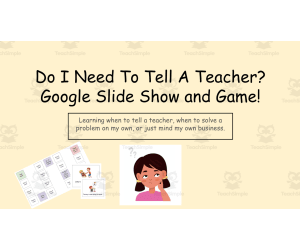
Do I Need To Tell The Teacher? A Lesson About Tattling Versus Reporting Plus Game!
Special Resources, Life Skills, Kindergarten, Preschool, Grade 1, 2, 3, Activities
In this Google Slideshow, students will learn about when to tell an adult for a big problem, when to solve a small (kid-sized) problem using Kelso's Choices or other strategies and when to mind their own business altogether. Read a book before this lesson such as A Bad Case Of Tattle Tongue by Julia Cook or Don't Squeal Unless It's A Big Deal by Jeanie Ransom or any one of your favorite books about the topic of tattling versus reporting. This is a topic that often needs repeating with various lessons for children! There is a 6 slide presentation and a game with 24 scenarios. When students play the game , they will pull a card if they land on a "card" square and read the scenario (look at the picture), and decide if it is a big problem, a small problem, or just none of their business. The game and cards are shown after the game instruction slide. For the younger students who may have difficulty reading the words, you could print off the cards, mix them up, and have students come to you one at a time to choose a card, you can read it for them and they can share out loud in from of the class which type of situation it is. You can also have certain gestures for each type of problem and ask the entire class to motion what they think it is. You decide! The cards all have colorful pictures and words to describe the scenario.
Author Jennifer Moyer Taylor
Tags Tattling, Reporting, School Counseling, Social-emotional Learning, Conflict Resolution, Tattle Vs Reporting, Don T Squeal Unless It's A Big Deal, Reporting Vs Tattling, Tattling Versus Telling, Tattle Vs Telling, Tattling Vs Reporting Worksheet
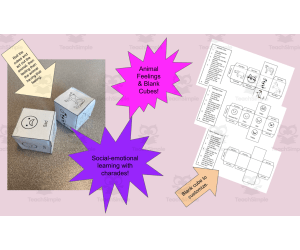
Feelings Charades SEL Cubes
Special Resources, Life Skills, Grade 1, 2, 3, 4, Activities
In this product, you will get 3 template ">cube templates ; a feelings cube, an animals cube, and a blank cube. Students will have fun putting these cubes together with glue or tape (I recommend cardstock for durability). Students roll the feelings and animals cube (without their class members seeing them), then first act out the animal, then just the feeling, then that animal having that feeling. (Or however you want to structure the charades.) Students cut, color and glue or tape sides of cubes together. Younger students will need assistance with putting the cubes together.
Author Jennifer Moyer Taylor
Tags Feelings, Emotions, Charades, Social-emotional Learning, School Counseling, SEL, Classroom Community, Special Education, Charades Emotions, Therapy Charades, Feelings Charades Cards, Feeling Charades, Emotional Charades, Emotions Charades
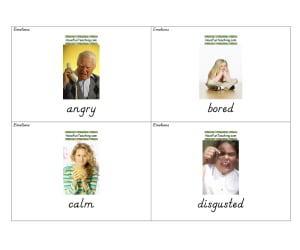
Emotions Flash Cards
Special Resources, Life Skills, Preschool, Grade 1, 2, 3, 4, Activities, Worksheets & Printables, Flashcards
Description: These Emotions Flash Cards help students improve their emotion vocabulary. By describing the colorful flash cards, students can improve their writing skills.
Author Have Fun Teaching
Tags Have Fun Teaching
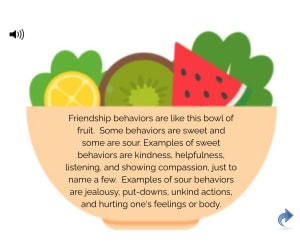
Sweet Or Sour Friendship Behaviors Boom Cards? (With Audio)
Special Resources, Life Skills, Preschool, Grade 1, 2, 3, Activities
Sweet or Sour Friendship Behaviors Boom Cards (With Audio) An interactive teaching tool designed to coach kindergarten to third-grade students in relationship management. Built strategically with resources focusing on life skills training, these task cards are both visually engaging and inviting. Features The product houses 25 task cards each adorned with attractive visuals. Each card subtly incorporates elements of Social-Emotional Learning (SEL) . Inspired by a fruit bowl theme, the behavior is classed as sweet - watermelon-like charm, or sour - like lemons. Voice-overs can be found on every card—eliminating the need for reading. One that all auditory learners will undoubtedly appreciate. Evaluation and Feedback The Sweet or Sour Friendship Behavior deck lets you see real-time evaluation through its instant feedback Fast Pins feature. This handy function allows self-grading—a potentially time-saving tool facilitating classroom management. A major bonus point? It stimulates independent learning among students while giving teachers an overall view of class progress on individual student development. Compatibility and Accessibility Built for broad accessibility, these boom cards play well across modern browsers like Chrome, Safari Firefox,and Edge along with various mobile devices such as Androids iPhones iPads Kindle Fires allowing ease of use irrespective of the user's tech knowledge at home. Versatility in Implementation This resource can easily be incorporated across different settings like: Whole-class instruction Small group work '; Independent assignments li>, Homework reviews etc.It sneakily makes learning fun almost disguising it as a game thus allowing teachers more room for engagement encouragement further education. Privacy Note Please note that adults must have their own Boom Learning account due to privacy reasons. However, they offer a free trial for newbie users and also provide student progress reports after acquiring the premium account.
Author Jennifer Moyer Taylor
Tags Friendship Behaviors, Social-emotional Learning, Relationship Management, Life Skills Training, Interactive Resource

PROBLEM SIZES Scales & Activities, Differentiated Scales
Life Studies, Special Resources, Life Skills, Preschool, Grade 1, 2, 3, Activities
PROBLEM SIZES Scales & Activities, Differentiated Scales An innovative and tailored teaching resource for educators to help students understand the size of problems and react appropriately. Features: Differentiable problem size scales adjustable to varying comprehension levels. Comes with 18 distinctive scales, enabling customization based on individual student's needs. Templates: Sizes 1-3 Problem Scale, Sizes a color-coded template ideal for setting educational goals incrementally over time. Resetting Numbering from here: Sizes 1-4 Problem Scale ,and; ol type="I"> li>a second level template providing more detailed approach to problem solving scenarios. reset numbering. Start from variant one again: Sizes 1-5 Problem Scale . i>a deeper level template covering extensive range of problems for advanced handling. Inclusions:'round templates / Allowing unique approaches in creating various problem sizes facilitating engagement in group activities a An ediP A series where pictures can be made text modifications. Offering great flexibility, personalized solution option areas of curriculum -related chanenges or specific life-time.siuation pertinenteculiar to pupil environment situations troubantstu Includes helpful visual supports such isual' posters that can supplement educational goals when not actively incorporated within lessons—used asstudentl \Base strips' covering all problem range strips (1-3, 1-4, 1-5) are included to visually reinforce the notion learned during session applicable on various teaching scf universal appeal that's usefel in circurCan be used full-class lessons or individual reinforcement exercises. Ideal for GraLife skill sesslinbgdgarten to Grade 3. template commonUseful in life skill lessons and other contextually compatible subjects.
Author Socially Skilled Kids
Tags Problem Solving, Emotional Regulation, Differentiated Instruction, Visual Supports, Life Skills
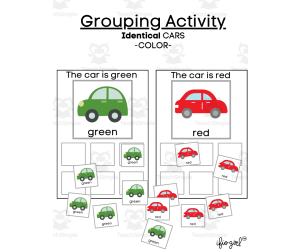
Errorless Activity - Sort IDENTICAL cars by color
Special Resources, Special Education Needs (SEN), Speech Therapy, Life Skills, Math, Early Math, Kindergarten, Preschool, Grade 1, 2, 3, 4, 5, 6, Activities
-errorless learning- Errorless learning is a teaching technique that involves minimizing errors during the learning process by providing learners with prompts or cues to help them avoid making mistakes. This approach is particularly effective with young early learning students because it can help build their confidence and prevent frustration, which can be major barriers to learning. Here are some reasons why it is important for educators to teach errorless learning to young early learning students: -Promotes success -Reduces frustration -Increases independence -Builds a strong foundation for future learning ERRORLESS ACTIVITY This is a great starter activity for the learner who is being introduced to the concept of grouping/sorting. Sorting is an early math skill and is a building block for future math learning. This activity is errorless which means there are no wrong answers and with success there will be lots of praise and reinforcement for a job well done! Errorless teaching is a great way to build excitement for a new skill. Sort identical cars by color This downloadable PDF is an educational activity that involves sorting identical cars by color. Here's an example of how you might carry out the activity sorting identical cars by color: -Gather materials: You will start with two large car color sorting cards Ex. one blue and one red and twelve smaller cards six identical red and six identical blue cars on them. -Introduce the activity : Show the learners the two large car color cards and explain that you will be sorting the smaller cards by color of the car. -Demonstrate the sorting process: Often times when I am introducing a new activity I will begin by sorting one or two of the cards myself, explaining what I am doing along the way. For example, "This card has a blue car on it, so it goes with the blue card." or "This card has a red car on it, so it goes with the red card. -reinforce learning: Once all of the learners have sorted their cards, review the activity as a group. Reinforce! By using hands-on activities like this, learners can develop their sorting skills while also improving their language, fine motor, and visual discrimination abilities. This is a grouping/sorting book where the learner will sort identical cars by color. The design is clean and simple with limited visual distraction so the learner can focus on just task. It is also easy to create. Print and cut- cut once. Laminate and velcro the individual cards for years of teaching and learning. Enjoy IFIO girl I'll Figure It Out
Author IFIO girl - I'll Figure It Out
Tags Errorless Activity, Sorting Colors, Sorting Cars, Sorting Identical Pictures, Visual Discrimination, Ablls R, Autism, Discrete Trial, Early Problem Solving, Tasked Based Teaching
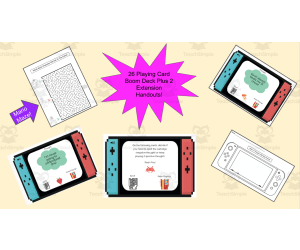
SEL Boom Cards-Eject or Keep Play ?-With Handouts
Special Resources, Life Studies, Social Emotional Learning (SEL), Special Education Needs (SEN), Social Skills, Speech Therapy, Life Skills, Grade 1, 2, 3, 4, Activities
SEL Boom Cards- Eject or Keep Play?-With Handouts The SEL Boom Cards teaching resource offers 24 engaging task cards with audio. The deck is designed to assist students in grades 1-4 in visualizing the concept of positive and negative thinking using a game cartridge analogy. When faced with negative thoughts, students learn to 'eject'. On the contrary, they should continue 'playing' when nurturing positive ones. Fascinating Game -Themed Images The deck portrays this essential life skill through captivating video- game -themed images on each card. A voice-over on every card eliminates reading needs for easy usage and comprehension. The first two cards even feature amusing gaming background sounds for added excitement and appeal. Easy Access & Implemention To access these resources instantly, educators simply need to download the provided PDF and click on the image. These versatile tools can be implemented in various learning environment settings like whole class instruction or small group activities that support social emotional learning. New Educational Handouts Updated! A handout involving writing an affirmative statement prompted by 'play' instruction from switch found updated within product content is sure to enhance student engagement beyond digital interaction - reinforcing their mastery over positive visualization techniques more robustly. The second handout includes navigating an illustrative Mario Bros themed maze which not only promotes cognitive development but also provides entertainment breaking usual boredom. In order to use these Boom Cards within classroom settings or as homework assignments effectively; it's essential for adults supervising learners must have a Boom Learning account owing privacy/security reasons provided upon purchase given Fast Pins codes. For quicker comprehension check-ups, teachers could encourage learner autonomy by offering self-grading assignments and monitoring their progress more accurately by opting for premium account features via a free trial - if desired. Specialization SEL Boom Cards are highly recommended while teaching modules of Social Emotional Learning (SEL), Special Education Needs (SEN), Social Skills training, Speech Therapy exercises, & Life Skills development. These cards contribute effectively to comprehensive studies involving cognitive appreciation and holistic character development of students..
Author Jennifer Moyer Taylor
Tags SEL, Boom Cards, Positive Thinking, Negative Thinking, Social Emotional Learning
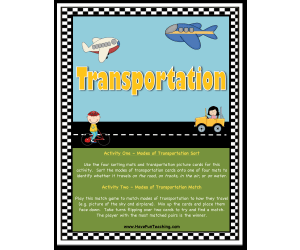
Modes of Transportation Activity
Social Studies, Special Resources, Life Skills, Preschool, Grade 1, Activities
This activity is perfect for helping your students learn about the different modes of transportation and how they are used. It is a great way to get your students thinking about the world around them and how things work.
Author Have Fun Teaching
Tags Have Fun Teaching

"Fairness" Character Traits Song
Special Resources, Creative Arts, Art, Social Skills, Life Skills, Music, Grade 1, 2, 3, 4, Songs, Activities
The "Fairness" Character Traits Song Teaching Resource This music video teaches students about the character trait of fairness through explanations, examples, and an upbeat song. Students in grades 1-4 will gain a deeper understanding of how to demonstrate fairness and good character in various situations. Educators can play this lively song multiple times as an introduction when beginning a character education unit focused on fairness. The MP4 file can also be embedded into presentations and lesson materials for further student engagement. Ultimately, the video's cheerful tune and clear message will help instill the values of integrity and ethical decision-making in young learners. This teaching resource from MathDog Media incorporates research-based best practices to inspire students through integrated music-based learning.
Author MathDog Media
Tags Character Traits, Fairness, Community, Social Skills, Life Skills, Social Emotional Learning, Fairness Songs, Teaching Fairness Activities, Songs About Fairness

Riddles For Kids | 32 Fun and Easy Riddles
Life Studies, Special Resources, Life Skills, Grade 2, 3, 4, 5, 6, Activities
Riddles challenge the brain by asking a question or making a statement that thenhas tobe solved.Riddles often use a ‘play on words’ to try andtrickthe listener.The words may have double meanings or a meaning that requires inferential thinking. Riddles are wonderful for promoting flexible thinking, problem solving and Perspective Taking.
Author Socially Skilled Kids
Tags Riddles, Flexible Thinking, Self Regulation, Special Education, Social Skills, Easy Preschool Riddles, Basic Riddles, Fun Easy Riddles, Fun And Easy Riddles, Easy Roddles, Fun Simple Riddles

The Sweet Six - 13 piece cupcakes puzzle for the early learner
Special Resources, Creative Arts, Art, Special Education Needs (SEN), Speech Therapy, Life Skills, Fine Arts, Math, Patterns, Early Math, Kindergarten, Preschool, Grade 1, 2, 3, 4, 5, 6, Activities, Crafts
Introducing "The Sweet Six" - a bright, cheerful 13 piece puzzle perfect for early learners and special needs classrooms. This do-it-yourself puzzle features six brightly colored cupcakes in simple, aligned designs that are perfect for little hands to manipulate. To create: Print the puzzle template on heavy cardstock paper. For best results, use a color printer. Laminate the printed puzzle to make it sturdy and durable. Trim laminated puzzle with a paper cutter or sharp scissors. Cut the laminated puzzle into 13 pieces along the lines. Puzzles allow teachers to combine learning and development skills with an activity that captures students' interest and motivation to learn. It helps develop fine motor skills. Manipulating puzzle pieces helps improve dexterity, hand-eye coordination, and small muscle control in fingers and hands. This aids in skills like writing and using utensils. It supports cognitive development. Puzzles help build skills like shape recognition, spatial relations, and visual perception. Putting pieces together in the right order also supports sequencing, logic, and critical thinking. It teaches problem solving.Puzzles allow kids to encounter problems (like fitting pieces together) and then independently solve them through trial and error or visual scanning. It builds self-esteem by completing a puzzle. It is engaging, promotes social interaction and most importantly it is FUN! This PDF puzzle design Is 1 page download and has limited number of large pieces (13), this puzzle is ideal for developing fine motor skills, hand-eye coordination, and problem solving abilities. The bright, cheerful cupcakes look delicious and will engage kids as they put the puzzle together. Sturdy laminated pieces can withstand repeated use for learning fun in the classroom or at home. The Sweet Six is an ideal DIY puzzle for teachers to make and use with early learners or special needs students. The end result is a bright, fun learning tool that kids will love piecing together again and again! Enjoy- IFIO girl I'll Figure It Out
Author IFIO girl - I'll Figure It Out
Tags Puzzle, Autism, ABLLS, Visual Discrimination, Fine Mote Skills, Simple Puzzle, Critical Thinking, Social Interaction, Occupational Therapy, Visual Perception

Roll & Respond Feelings Bingo – SEL Game
Life Studies, Special Resources, Life Skills, Preschool, Grade 1, 2, 3, Activities, Games
In this Roll & Respond Feelings Bingo game, students in grades K-3rd grades will have fun discussing their feelings and trying to earn a BINGO with a partner. The students need 2 dice to play. One student will roll for the "down" side and the other student will roll for the "across" side. They will go to the square where the 2 numbers intersect. Each time they land on a feeling face, they name a time they felt that way.
Author Jennifer Moyer Taylor
Rating
Tags Feelings, Social-emotional Learning, Sel, School Counseling, Special Education, Teaching Feelings Game, Teaching Feelings Download, Feelings Bingo

Feelings Journal | Today I Feel | Check-in | Identifying Feelings Preschool
Special Resources, Life Skills, Preschool, Kindergarten, Grade 1, 2, 3, Activities
Description Feelings Journal | Today I Feel | Check-in | Identifying Feelings Preschool is a comprehensive teaching resource specifically designed for early learners, kindergarteners, and students in grades 1 to 3. It comes as a downloadable PDF, promoting students to express their feelings fluently and openly. Promoting Emotional Literacy The book encourages emotional literacy, providing multiple ways for students to identify and articulate their daily feelings. The journal features three main emotions per page - happy, sad or mad, that allows children to color in the emotion they are currently feeling. The journal includes sheets with blank spaces for drawing aimed at younger kids. It also provides lined sheets intended for older children who have already started writing. Covers design: The Journal offers various cover designs catering to different tastes – ranging from options showing boy/girl images or an endearing cloud with hearts design; heightening its visual appeal for young learners. Educational Uses Besides individual use, teachers can readily integrate these journals into group learning at instructional centers . They're equally useful during personal check-ins where educators aim at establishing deeper connections with each student right at their desks! Morning use of these journals as part of check-in routines can foster positive peer interaction sharing experiences and feelings first thing each day! Incorporating them into designated calm down areas within classrooms enhances emotional understanding and self-regulation skills. Sending them home as homework assignments can assist parents in reinforcing emotion recognition during distance learning phases. In conclusion, 'Feelings Journal | Today I Feel | Check-in | Identifying Feelings Preschool' serves as a versatile tool teaching students critical life skills and nurturing emotional intelligence effortlessly; making it an invaluable resource every educator should consider implementing.
Author Socializing with Sprouts
Tags Feelings, Emotions, Emotional Literacy, Check-in, Journal
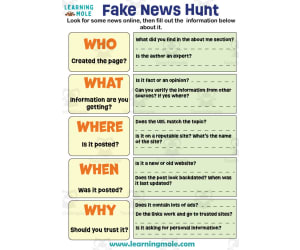
Fake News Hunt Activity
Life Skills, Special Resources, Grade 3, 4, 5, 6, 7, 8, 9, 10, Activities
Activity Introduction An amazing activity designed for the students to learn more about social and soft skills in our daily life. Fake News Hunt Have you ever read about soft skills or social skills? If yes, can you tell us more about them? Body language is so important for us to learn about, as it teaches us how to deliver the correct message to the people we are talking to, and get the right message from the people who talk to us, by simply reading their body language. What do you know about etiquette? Do you know that every country has got its unique etiquette? What do you know about online etiquette? What is your strongest soft/social skill? Can you name other social or soft skills? Do you think we should be always nice to our friends and family? Do you think we should be kind with animals? Fake News Hunt Activity The activity is perfect for encouraging the researching skills for the students, while learning more about these fantastic social and soft skills in our daily life. Fake News Hunt This friendly designed worksheet is suitable for students at school, homeschooling, and as a group activity. Instructions Look for some news online, then fill out the information below about it. Format Available in a PDF format.
Author Educational Voice
Tags Fake News Hunt Activity, Fake News Hunt, Fake News Activity, Fake News Hunt Facts, Fake News Hunt Facts For Kids, Fake News Facts, Fake News Facts For Kids, Online Safety, Online Safety For Kids

Spot Four Differences Series |15|
Special Resources, Special Education Needs (SEN), Speech Therapy, Life Skills, Math, Early Math, Not Grade Specific, Worksheets & Printables, Flashcards, Activities, Worksheets
Spot Four Differences Series |15| is an engaging 16-page PDF teaching resource that helps develop visual perception and critical thinking skills. This versatile series contains 58 unique themes presented in three different versions - original, horizontally flipped, and vertically flipped images. Each set challenges students to carefully spot four subtle differences between two nearly identical scenes. An answer key is provided to check work. With universal real-world themes and black-and-white illustrations that double as coloring pages, this resource can flexibly complement various subjects and grade levels. It is especially beneficial for Math, Speech Therapy, Special Education, Early Childhood, and Foreign Language. Teachers may use it for whole-class instruction, small groups, homework, or distance learning. The mirrored images add complexity to build focus, concentration, and problem-solving abilities. Spot Four Differences allows educators to empower universal learning in an entertaining way.
Author WORDS ASIDE
Tags Occupational Therapy, Visual, Speech Therapy, Sped, Centers, Games, Fun, Premath, Cognitive, Words Aside
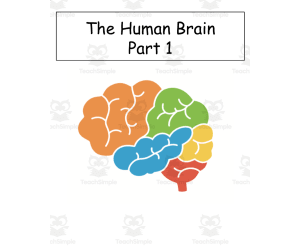
The Human Brain-Includes Kahoot, Smart Cookie Game and a Hands-On Activity About the Brain
Special Resources, Life Skills, Grade 4, 5, 6, 7, 8, 9, 10, 11, 12, Activities
The Human Brain-Includes Kahoot, Smart Cookie Game, and a Hands-On Activity About the Brain A comprehensive teaching resource for grade levels 4-12 offering two detailed lessons in Google Slide Deck format. The aim is to ignite interest and understanding of the brain's complex functionality. Lesson One: In this lesson, students learn about parts of the human brain - including lobes and cerebellum. The resources provided include: An embedded video link on slide two showcasing human hands representing different parts of the brain. A handout outlining each part of the brain with its respective function to be used with a matching activity that promotes engagement. Capping Off Lesson One: The lesson concludes with 12 distinct activities comprising "brain games", which can be played individually or in small groups. These games are designed to stimulate critical thinking and collaborative problem-solving abilities. Lesson Two: Students first revise concepts via a fun Kahoot quiz before diving deeper into understanding specific parts such as amygdala, frontal lobe, hippocampus. This session includes: A hands-on activity where learners construct these components using clay or play dough based on given instructions. An illustrative diagram handout helping explain how these sections interact within our brains. Reflective discussions based on student inputs regarding behavior management by these components inside our brains. Capping Off Lesson Two: 'Guessing words related to their study so far' is made interactive by playing Smart Cookie.' Clues are provided via an accessible game link placed within cookie image itself. This Digital Teaching resource offers educators extensive pedagogical tools fostering holistic learning through comprehensive lessons, hands-on activities, quizzes, and games. It can be employed in diverse learning environments like full classroom sessions, small study groups or as enrichment homework assignments.
Author Jennifer Moyer Taylor
Tags Brain Anatomy, Education Resource, Interactive Learning, Hands-on Activity, Critical Thinking

Conversation Skills: Ending a Conversation Social Skills Sorting
Special Resources, Social Emotional Learning (SEL), Social Skills, Speech Therapy, Life Skills, Grade 1, 2, 3, 4, Activities, Games
Conversation Skills: Ending a Conversation Social Skills Sorting this resource serves as an exciting tool to educate students on effective ways to conclude conversations. By enhancing communication skills, we also aim to boost their social-emotional learning and life skills. The method utilizes sorting activities where kids are provided with cards having various conversation ending phrases. They have to sort these into relevant buckets, designed as popcorn bins for that extra visual appeal. Sorting Labels: Given in case you prefer to use your own containers. As part of the activity , children reflect on the politeness or rudeness of each statement, creating an environment of dialogue-based interactive learning. You can use it: In individual lessons In social skills-focused small group sessions In mornings when students are most receptive Right after your regular communication lessons Aims at : nurturing respectful interpersonal relationships among grade 1-4 students by promoting positive conversation-ending techniques. Especially useful if you have students who find initiations and maintaining positive relations tough. An invaluable piece in your teaching arsenal! Note about our product: This PDF Activity /Game is crafted strictly adhering to quality standards while keeping it simple enough for easy operation; just print off the activity before use! So get onboard and let's enrich our student's social-emotional health while shaping skilled communicators using Our Conversation Skills: Ending a Conversation Social Skills Sorting Game! Let's make every conversation count!
Author The Feelings and Friends Teacher
Tags Conversation Skills, Ending Conversations, Social Skills, Communication, Social-emotional Learning

Social Skills Story and Activities | If Someone Is Bothering Me
Life Studies, Special Resources, Life Skills, Preschool, Grade 1, 2, 3, Activities
Do you have students who struggle to advocate for themselves properly when someone is bothering them? Do they engage in behaviors that make the situation worse? This resource will help you teach and support those students to better understand how to handle these situations.
Author Socially Skilled Kids
Tags Social Story, Self Advocacy, Special Education, Social Skills , Social Emotional Learning
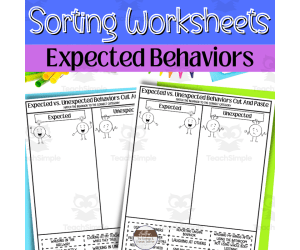
Expected and Unexpected Behaviors Cut-And-Paste Worksheets
Special Resources, Social Emotional Learning (SEL), Life Skills, Grade 1, 2, 3, Activities, Worksheets & Printables, Worksheets
Expected and Unexpected Behaviors Cut-and-Paste Worksheets Introducing a practical teaching tool, developed for educators with a focus on social-emotional learning. The Expected and Unexpected Behaviors Cut-and-Paste worksheets will become an essential part of your resource arsenal. The Functionality: Focusing on expected and unexpected behaviors in the classroom environment. Promoting beneficial discussions where students deliberate upon various scenarios that could lead to unexpected behaviors. Stimulating students to reflect upon their own behavior patterns. The most advantageous feature of these worksheets is their simplicity and functionality. No additional prep work - just print and use! Incorporation in Lessons: This resource can be incorporated at the beginning of the school term or during lessons about respect. Given its versatility, it can extend beyond these specific situations as well! Potential Integration Scenarios: Individual counseling sessions Small group counseling sessions Morning meetings An extension activity post emotional regulation lessons This product proves extremely helpful when dealing with students from grade 1 through grade 3 who often have large feelings leading to unwise decisions despite their age . Versatility in Academic Circumstances: Crafted keeping varied academic needs in mind, this PDF is versatile across multiple domains within Special Resources like Social Emotional Learning and Life Skills seamlessly. Especially useful for public school teachers or homeschoolers due to its universal applicability!
Author The Feelings and Friends Teacher
Tags Social-emotional Learning, Expected Behaviors, Unexpected Behaviors, Coping Skills, Interactive Activities

Online Danger Detector Activity
Technology, Science, Computer Science, Life Skills, Special Resources, Social Skills, Grade 2, 3, 4, 5, 6, 7, 8, 9, 10, 11, 12, Activities
Activity Introduction An amazing activity designed for the students to learn more about social and soft skills in our daily life. Online Danger Detector Have you ever read about soft skills or social skills? If yes, can you tell us more about them? Body language is so important for us to learn about, as it teaches us how to deliver the correct message to the people we are talking to, and get the right message from the people who talk to us, by simply reading their body language. What do you know about etiquette? Do you know that every country has got its unique etiquette? What do you know about online etiquette? What is your strongest soft/social skill? Can you name other social or soft skills? Do you think we should be always nice to our friends and family? Do you think we should be kind with animals? Have you ever read about online etiquette? If yes, tell us more about it. What are the essential skills that we should have while dealing with people online? Online Danger Detector Activity The activity is perfect for encouraging the researching skills for the students, while learning more about these fantastic social and soft skills in our daily life. Online Etiquette This friendly designed worksheet is suitable for students at school, homeschooling, and as a group activity. Instructions Can you detect which of these are safe to do online and which are not? Mark each. Format Available in a PDF format.
Author Educational Voice
Tags Online Danger Detector Activity, Online Danger Activity, Online Danger Detector, Online Danger Detector Facts, Online Danger Detector Facts For Kids, Online Etiquette , Online Etiquettes, Online Safety
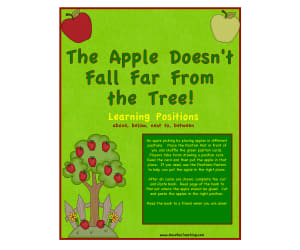
Position Words Activity
ELA, Grammar, Special Resources, Life Skills, Preschool, Kindergarten, Grade 1, Activities
This activity is great for helping students build their ability to give clear directions by using position words. By placing apples on position cards, students will learn how to better communicate where things are located. This is a valuable skill for students to have as they progress in their education.
Author Have Fun Teaching
Tags Prepositions

Treasure Hunt Directions Activity Board Game
ELA, Special Resources, Life Skills, Preschool, Grade 1, 2, Games, Activities
This board game is perfect for helping students learn to follow directions. The game is simple to set up and play, and it can be easily adapted to different levels. It's a great activity for small groups or for use in a classroom.
Author Have Fun Teaching
Tags Have Fun Teaching, Treasure Hunt Board Game
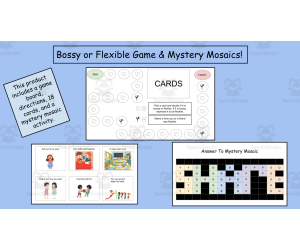
Bossy or Flexible SEL Game and Mystery Mosaic
Special Resources, Life Skills, Grade 1, 2, 3, Activities, Games
Bossy or Flexible SEL Game and Mystery Mosaic An expertly designed teaching resource, proven to enrich essential life skills among pupils in grades 1 to 3. Crafted with versatility, this product is an invaluable asset for both public school teachers and homeschoolers. Game Components A game board with step-by-step directions. A set of 18 interactive cards focusing on the difference between 'bossy' and 'flexible' behaviors. Provisions for transforming bossy phrases into flexible ones through deliberation - enriching their learning journey. Suggested Additions The guidelines suggest additional book readings about being bossy. This serves as a powerful tool promoting better understanding of the subject matter, boosting memory retention rates and amplifying students’ grasp on cooperative behavior. This learning tool goes beyond traditional classroom discussions. It can be used flexibly across settings - from whole group study sessions to small focus groups, it fosters active participation for greater outcomes. It also serves as an engaging homework assignment encouraging independent thinking while providing fun-filled practice sessions intertwined with important lessons on life skills at an early stage of young learners’ education journey. Mystery Mosaic Activity: This product comprises a unique mystery mosaic activity aimed at reinforcing sharing virtues among students. It combines cognitive development with empathy-building themes subtly integrated into daily student interactions aiming at fostering rich interpersonal relations thereby advancing balanced academic and social growth. In Conclusion: The Bossy or Flexible SEL Game and Mystery Mosaic is built meticulously targeting seamless integration within educational curriculums while enhancing soft skill development, keeping spirits high among young learners making each teaching session a memorable experience. The digital product is delivered in an easy-to-use PDF format ensuring effortlessly incorporation into various teaching pedagogies.
Author Jennifer Moyer Taylor
Tags SEL, Life Skills, Classroom Game, Bossy Behavior, Flexible Behavior

Learning About Flow-A Positive Psychology Concept
Life Studies, Special Resources, Life Skills, Grade 5, 6, 7, 8, 9, 10, Activities
Product Title: Learning About Flow- A Positive Psychology Concept Dive into the fascinating world of positive psychology with this comprehensive and interactive hyperdoc focusing on 'Flow' - a concept that signifies being in 'the zone'. This product is an invaluable tool for educators targeting students from grades 5 through 10. Crafted to enhance engagement and understanding, it delves into the interesting correlation between high challenges, elevated skills, and substantial interest leading to this state of 'Flow'. Adapted for complete online accessibility, this digital teaching resource follows a strategic four-stage journey - Read & Learn, Explore, Think & Respond, and Apply Your Knowledge. Each stage is designed to sequentially boost understanding and engage learners actively. The structured learning stages include: Read & Learn: In this stage of the hyperdoc, students are introduced to the core aspects of Flow. Explore: This phase provides an opportunity to watch instructive videos within a secure online environment (linked via VideoLink-formerly Safetube) and read insightful articles about Flow. Think & Respond:This step encourages learners not only to internalize information but also express their thoughts in response. Reflection proves key in embedding lessons learned. Apply Your Knowledge:The final test is based on student's grasp over these concepts urging them to implement their learnings practically.Incorporating these tasks within one document ensures pacing according to individual learning speed while streamlining responses at one place for easy teacher access. This material was originally created as remote-learning content but aptly suits diverse teaching needs; be it whole-group classroom sessions or as homework assignments alongside personalized small group discussions.This versatile Google doc can easily be assigned via Google Classroom or other sharing means convenient for educators. To ease educator access this hyperdoc is embedded in a PDF with recognizable placement just below its title (Learning About Flow - A Positive Psychology Concept). Considering its relevance across various subjects, particularly Life Skills, makes it an excellent addition to the educational repertoire. This powerful teaching resource not only elucidates Flow but also attempts to instill crucial life skills among students.
Author Jennifer Moyer Taylor
Tags Positive Psychology, Flow Concept, Engagement, Online Learning, Interactive