
Potential and Kinetic Energy Lab
This resource is a Potential and Kinetic Energy Lab. The objective is for students to roll 3 balls down a ramp and determine which ball has the most kinetic energy, based on how far it moves a cup.




383 resources
Explore sub-categories
3 sub-categories · 383 resources
This resource is a Potential and Kinetic Energy Lab. The objective is for students to roll 3 balls down a ramp and determine which ball has the most kinetic energy, based on how far it moves a cup.
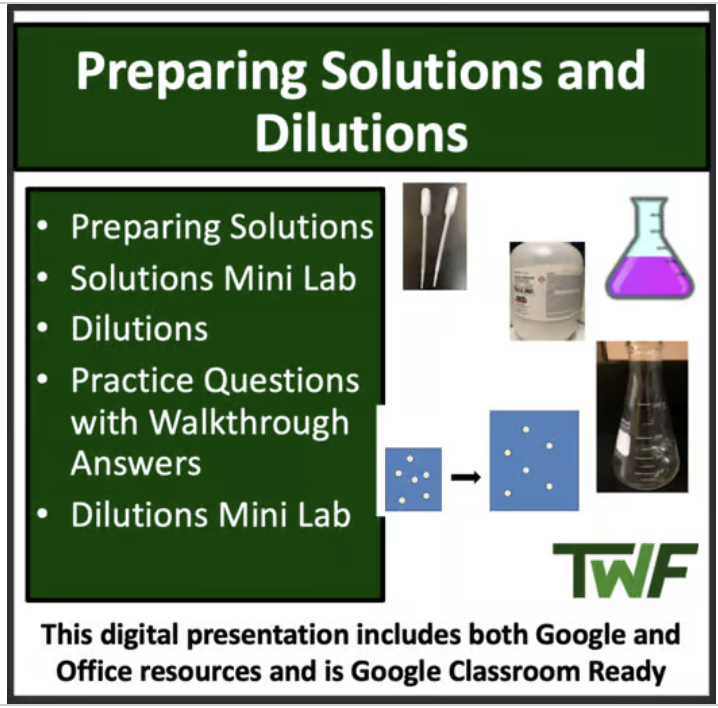
A senior (high school) chemistry lesson teaching how to prepare solutions of a given molar concentration using volumetric flasks, and how to dilute concentrated stock solutions using the M1V1=M2V2 relationship.

A multi-station physics lab activity teaching projectile motion (initial velocity, launch angle) through hands-on measurement, research, reading, and knowledge-check stations built around a catapult/paper-football theme.
A single-topic 'chapter slice' reading-comprehension and activity resource teaching physical changes of matter, drawn from the publisher's larger 'Properties of Matter' workbook (CCP4504).
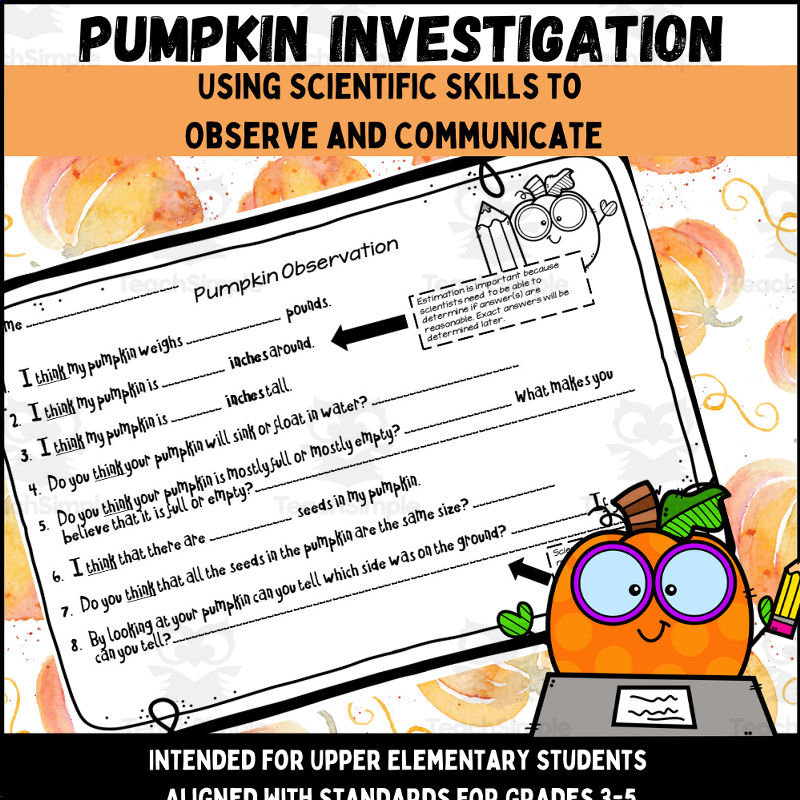
Pumpkin Investigation This pumpkin investigation aligns with science, math, and writing opportunities for grades three through five, if students are prepped accordingly.
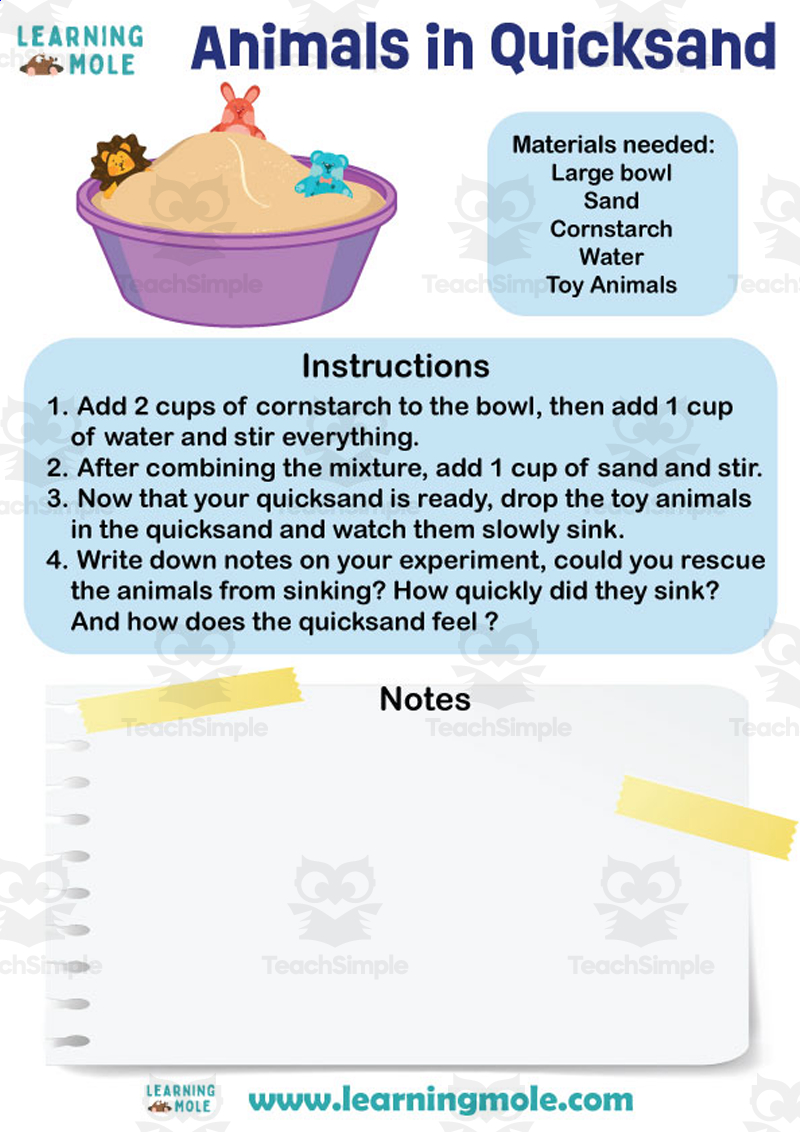
Activity Introduction An amazing activity designed for the students to learn more about famous places in different countries. Animals in Quicksand What do you know about this place? Do you know in which part of the world it is?
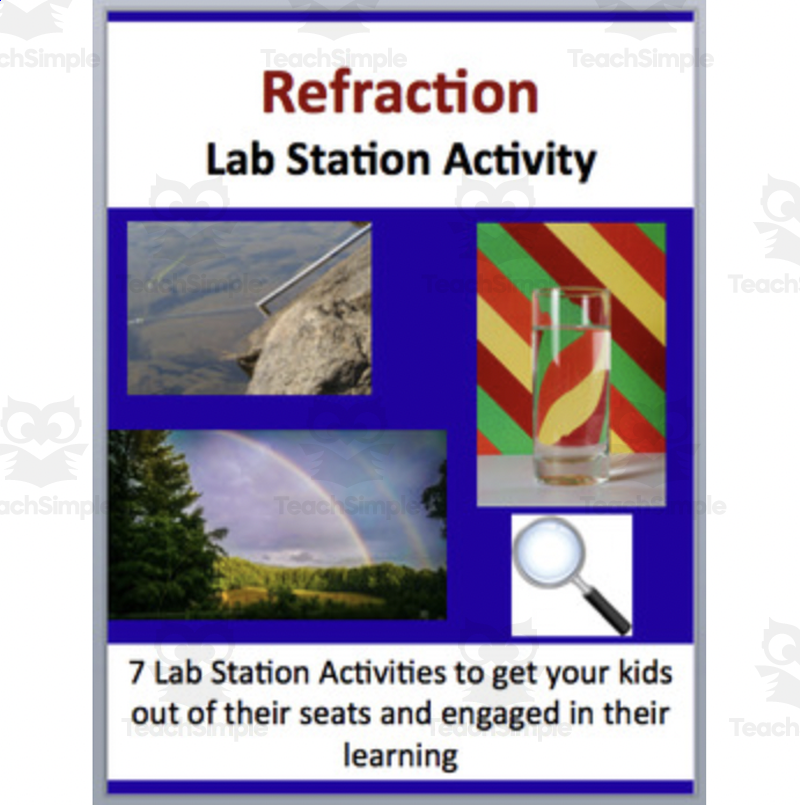
A 9-station physics lab activity on light refraction (Snell's Law) for a self-directed 30-45 minute lesson: a reading passage, station cards, a lab passport/answer booklet, a video-response worksheet, a knowledge-check quiz, and bonus word scramble/word search.
A multi-chapter STEM curriculum pack teaching the physics and engineering behind renewable energy technologies (solar, wind, hydro/ocean, and likely more) so students can approach energy design challenges like engineers.
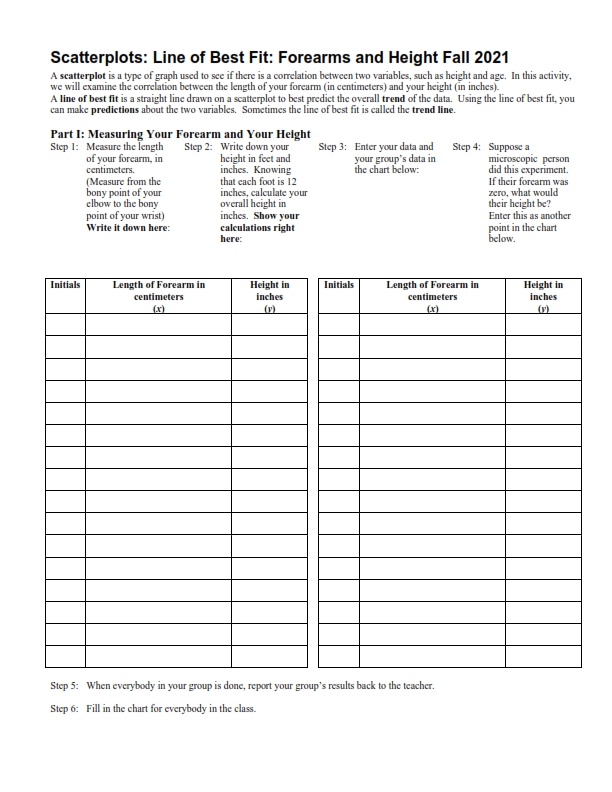
This study guide comes with an answer key!
A collection of team-building/community-building group games and activities for grades 3-4 that combine collaboration skills with science and social-studies content (engineering, nutrition, human body, solar system, physics).

Teach air-science concepts (air pressure, gas properties, breathing/respiration in humans/animals/plants, Bernoulli's principle, carbon dioxide, barometers, siphons) through hands-on hypothesis-driven experiments framed around Newton's scientific method.
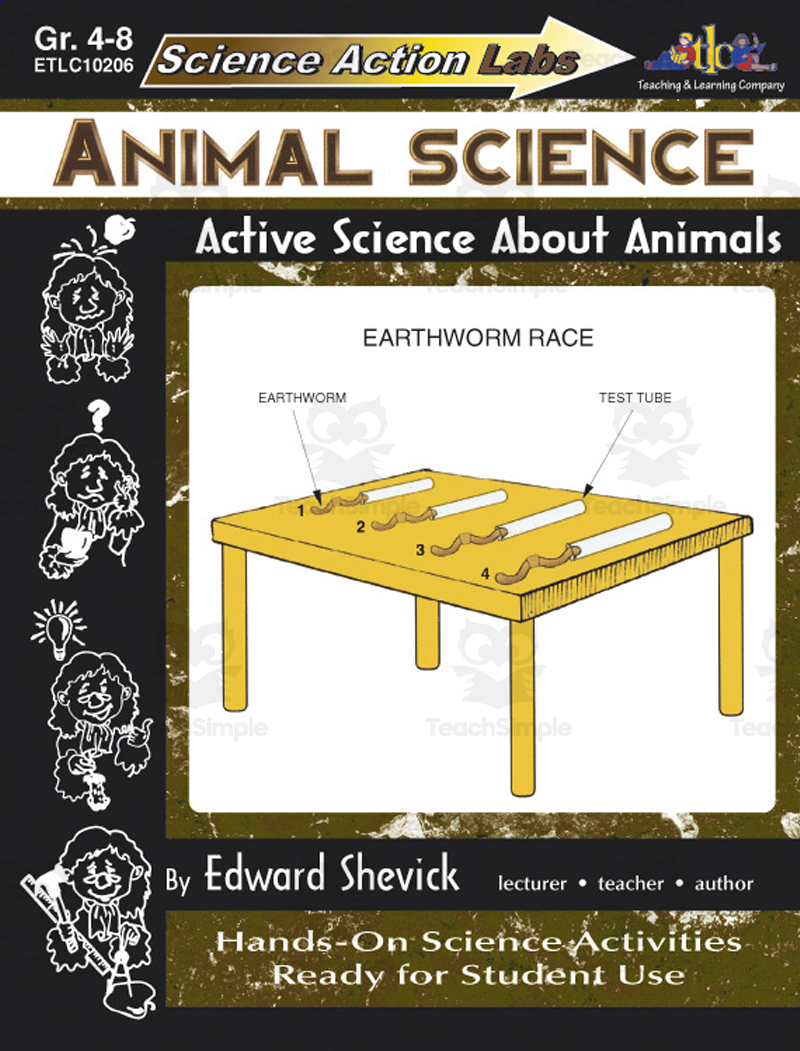
Teach animal science/zoology concepts (animal habitats, comparative anatomy, insect and fish biology, bird and mammal traits, animal reproduction) through hands-on experiments and observation labs.
A collection of 12 hands-on Earth science labs/activities (The Earth's Place in Space, Earth in Motion, Earth and Its Moon, An Earth Full of People, Earth's History, A Close Look at the Earth, Earthquakes, Our Moving Continents, The Earth's Water, The Earth's Air, The Earth's Rocks, The Earth's Soil) for elementary classroom use, with a teacher…
Teach electricity and magnetism concepts (magnetic force, compasses, electromagnets, static electricity, electroscopes, electrical circuits, generating electricity) through hands-on experiments.
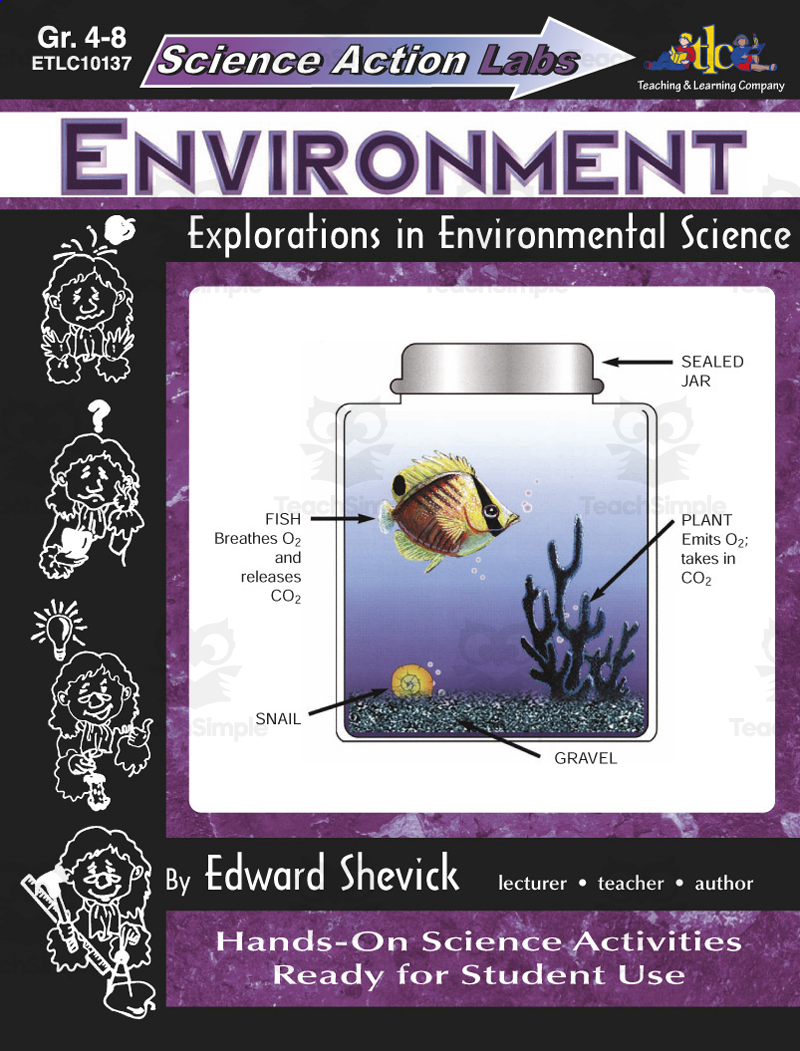
Teach environmental science concepts (pollution, water quality, ecosystems, recycling, population, energy conservation) through hands-on labs framed as 'lab team' investigations.
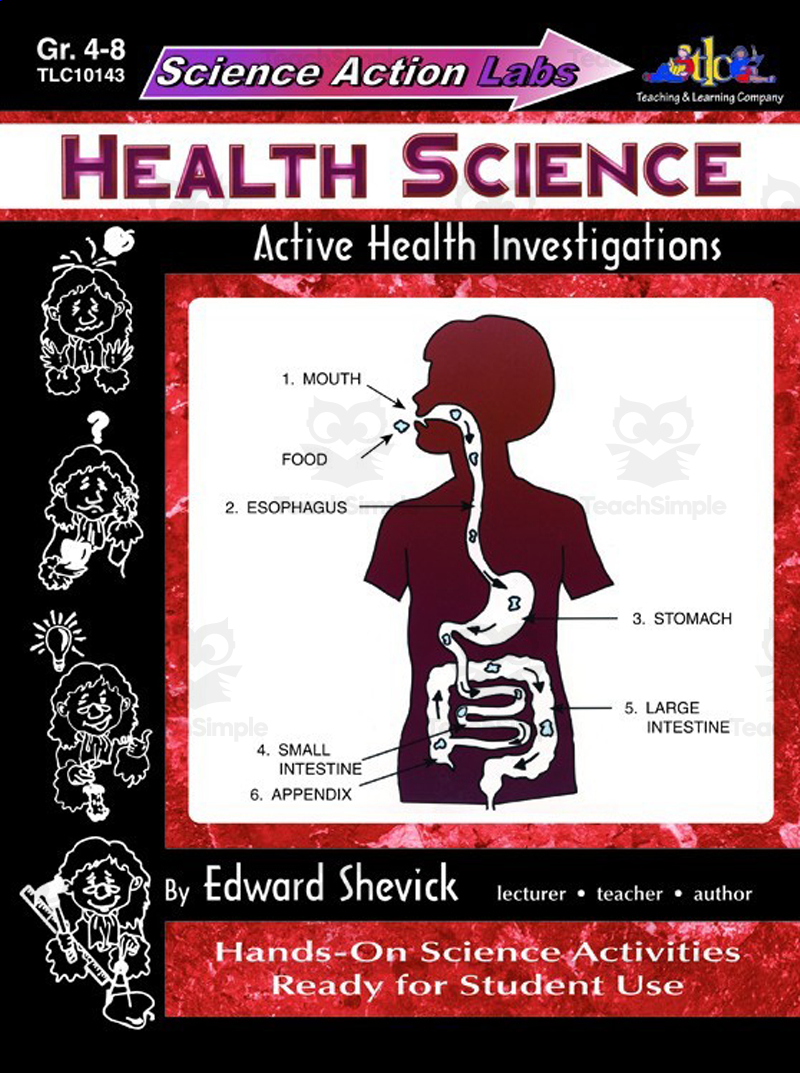
Teach human body/health science concepts (body systems, growth, heredity, circulation, respiration, digestion, nutrition, skin, bones, muscles, senses, brain, and substance-safety topics like alcohol and tobacco) through hands-on activities.

Teach elementary-level health science concepts (senses, sound and hearing, smell/taste/touch, the brain, heart/circulation, breathing, digestion, calories, bones, muscles, health superstitions, health-related careers, and tobacco awareness) through hands-on experiments.
Teach elementary-level entomology concepts (what makes an insect an insect, and the traits/life cycles of butterflies/moths, grasshoppers, crickets, beetles, ants, bees, and flies) through hands-on experiments.
Teach physical science concepts (matter, properties of matter, elasticity, motion, and Newton's First Law) through hands-on experiments, framed around Newton's laws.
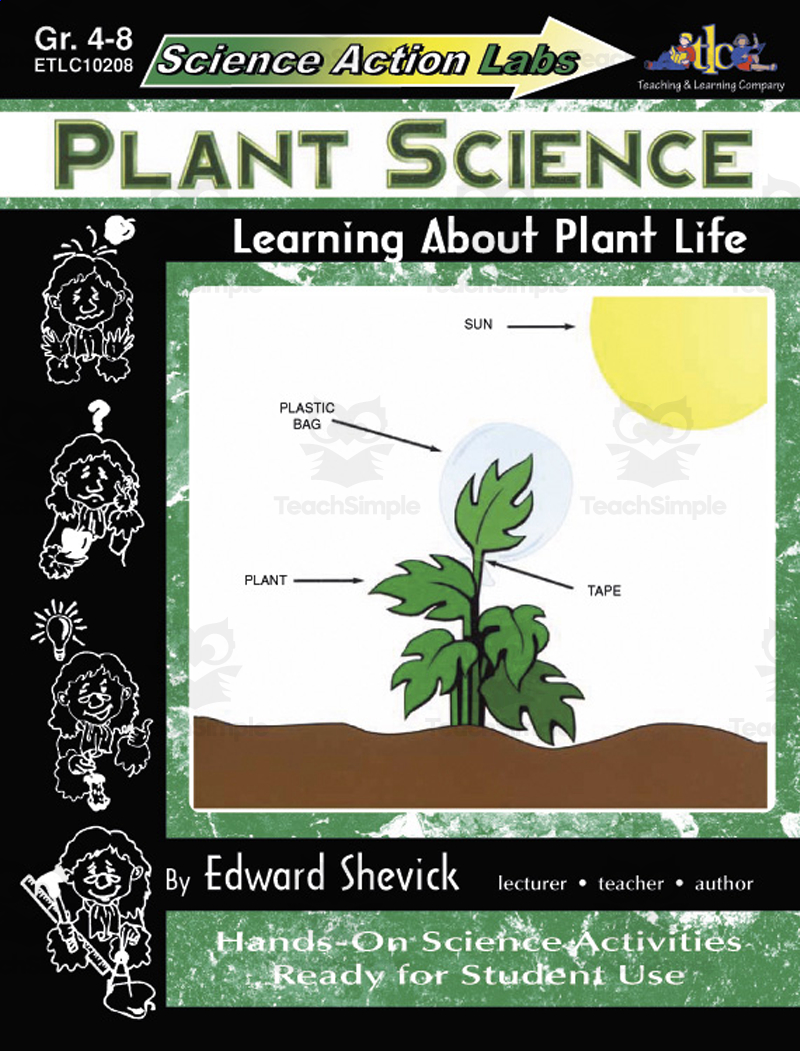
Teach plant science/botany concepts (characteristics of living things, seeds, flowers/pollen, leaves, plant cells, trees, plant classification, and plant survival) through hands-on experiments.
Science Action Labs Science Fun: Activities to Encourage Students to Think and Solve Problems This amazing resource is a practical teaching tool designed for educators, both in traditional classroom settings and homeschool environments.
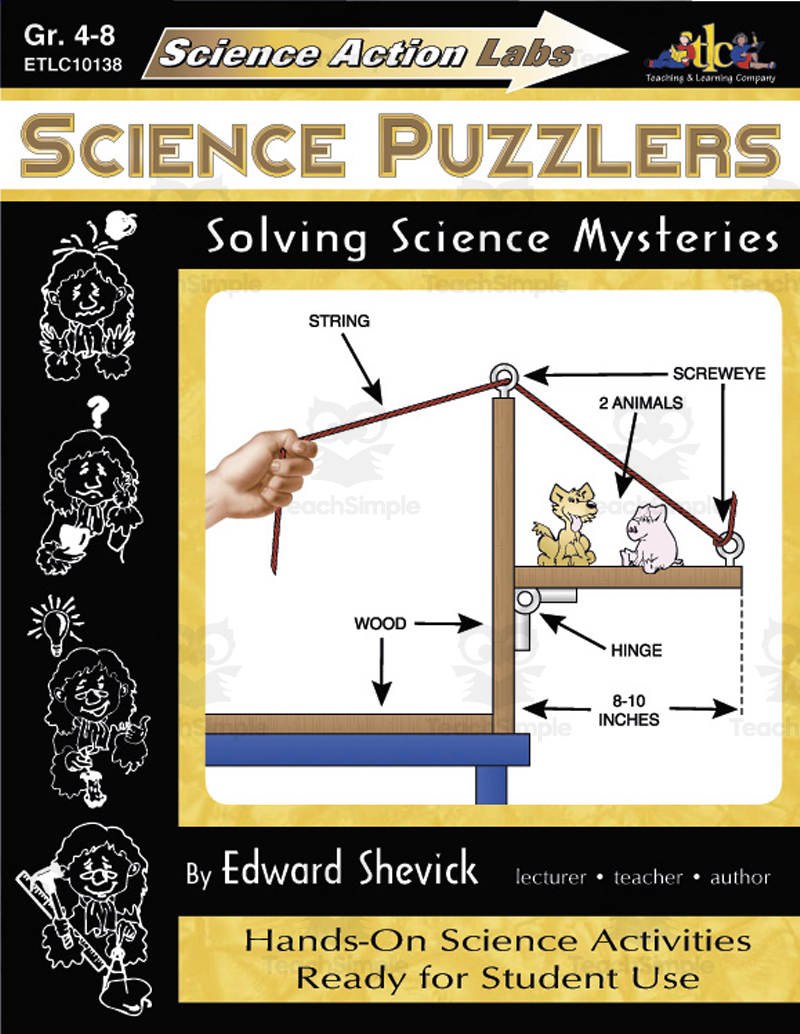
A collection of 31 hands-on science 'puzzler' activities and demonstrations covering physics concepts (gravity, magnetism, balance, motion, light) framed as mysteries for students to solve.
A set of 23 hands-on science labs that teach the scientific method (observation, hypothesis, communication, decision-making) through varied classroom activities and mini-experiments.
A hands-on physical-science workbook of lab activities exploring sound and light concepts (e.g. mirrors, sound waves, rainbow lab) for classroom demonstration or individual student use.