
Personal Hygiene Activity Book
Teach young children personal hygiene and self-care routines (teeth brushing, hand washing, bathing/showering, hair care, dressing, toileting, bedtime, table manners)


78 resources
Explore sub-categories
2 sub-categories · 78 resources
Teach young children personal hygiene and self-care routines (teeth brushing, hand washing, bathing/showering, hair care, dressing, toileting, bedtime, table manners)

A nonfiction science reading passage teaching what watersheds are, how they're divided, and how water moves through them (runoff, evaporation, infiltration, groundwater, transpiration), paired with comprehension and extension questions.

A three-part literacy resource bundle (story book, snake/spider fact summaries, and a differentiated 128-page activity booklet) built around the Sammy Snake and Sally Spider story, providing tiered reading, writing, vocabulary and comprehension activities for Prep through Year 6.

A reader-response question packet for Shakespeare's 'Julius Caesar,' organized by act, to build reading comprehension through written response.

Provide a book companion of activities for the story 'Apple Trouble!' by Ragnhild Scamell, focused on reading comprehension and related science content (hibernation).

A large no-prep solar system unit packet covering the Sun, planets, moon and asteroid belt through informational readings and a variety of worksheets to build vocabulary, reading comprehension, and factual knowledge.
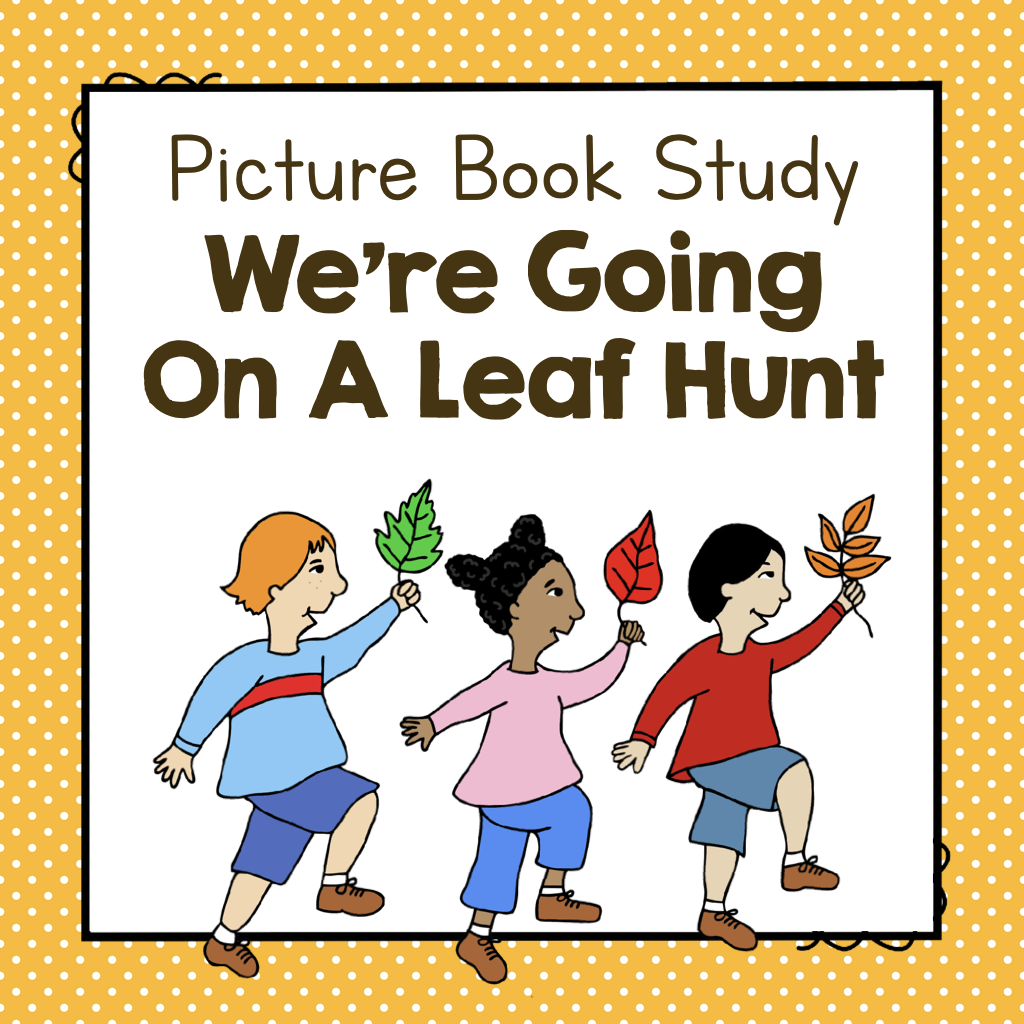
A no-prep picture book study companion for "We're Going On A Leaf Hunt," providing discussion questions and a range of book-inspired activities the teacher can select from.

A book-companion resource pack of print-and-go activities to accompany a read-aloud of the picture book 'The Treasure' by Uri Shulevitz, covering folktale identification, story elements, character analysis, sequencing, theme, and creative writing.

A printable flipbook craft teaching students about cheetahs - physical features, speed, self-defense, classification, habitat, diet, and body parts - with a reading comprehension and writing component.

A book companion for White Owl, Barn Owl by Nicola Davies with 30 print-and-go activities covering reading comprehension, vocabulary, and research skills about barn owls.

A grades 5-7 nonfiction science reading article explaining what causes wind (air pressure differences, temperature, Earth's rotation), types of intense wind, how wind is measured, and wind energy use, paired with comprehension and extension questions.

An informational science reading article explaining how bioaccumulation and biomagnification of pollutants move up the food chain and harm organisms, paired with comprehension and extension questions.
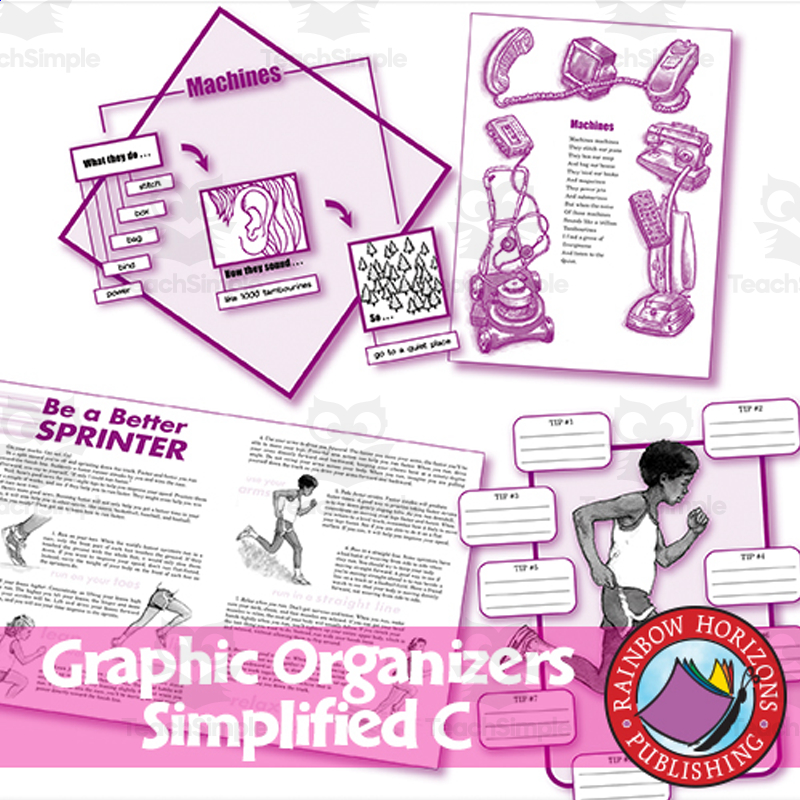
Book C of a 4-book reading-comprehension series pairing short reading selections (from past issues of Highlights for Children) with a matched graphic organizer and a 3-part worksheet (comprehension questions, Analyze and Write, Think and Write) to teach systematic thinking and reading strategies for grades 4-5.

Build listening/reading comprehension and content knowledge about Velociraptor size, anatomy, feathers, and hunting behavior, contrasted with its Hollywood depiction.
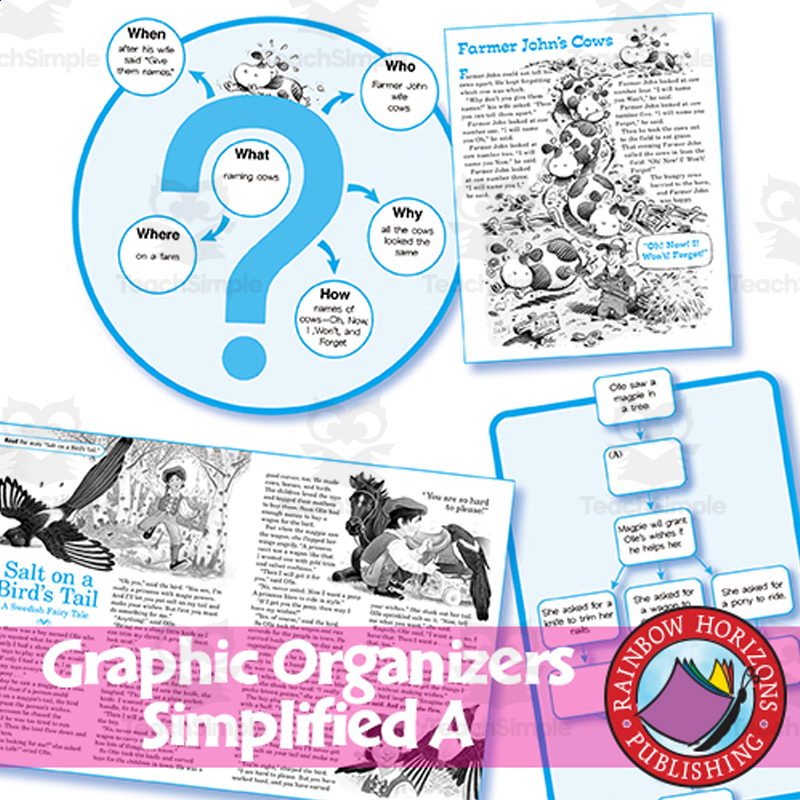
Book A of a 4-book reading-comprehension series pairing short reading selections (from past issues of Highlights for Children) with a matched graphic organizer and a 3-part worksheet (comprehension questions, Analyze and Write, Think and Write) to teach systematic thinking and reading strategies for grades 2-3.

A science reading article explaining momentum, impulse, and Newton's first law through the lens of car crashes and how airbags and seatbelts reduce injury.
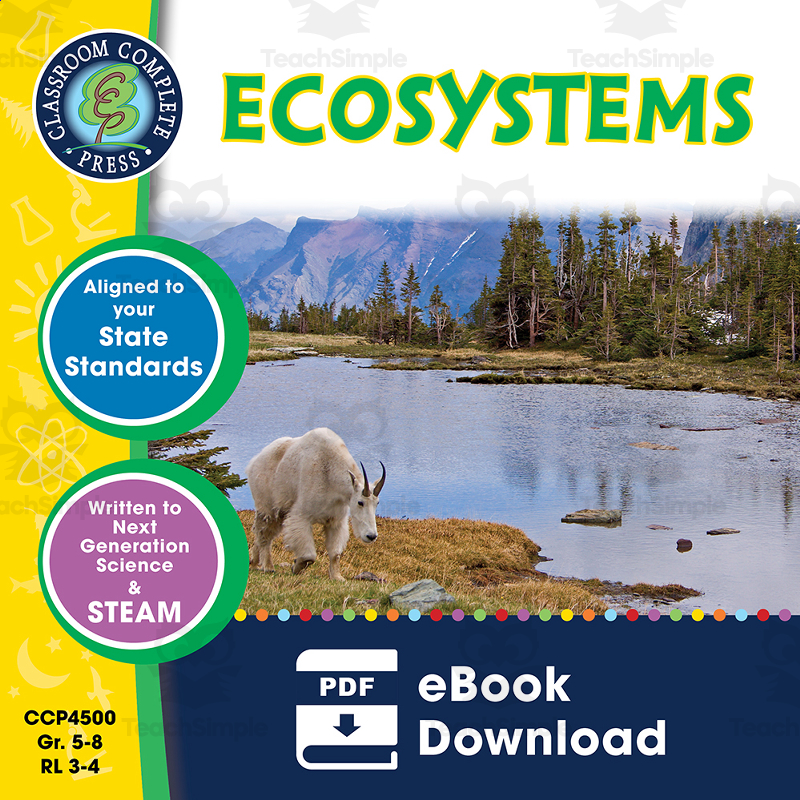
Teach grades 5-8 students about ecosystems with a specific focus on the water cycle, using leveled reading passages, hands-on activities, and critical-thinking exercises spanning Bloom's Taxonomy levels.

A 13-part reader's theater play script ('A Mixed-Up Bedtime Story: The Little Gray Wolf and Red Riding Hood', a role-reversed retelling of Little Red Riding Hood) with an accompanying teacher guide and student activities to build reading comprehension, story elements, and fairy-tale analysis skills for Grades 1-3.

A 20-page grade 2 reading comprehension workbook using five short stories (fiction and nonfiction) with follow-up comprehension, vocabulary, sequencing, and fiction/nonfiction discrimination activities.
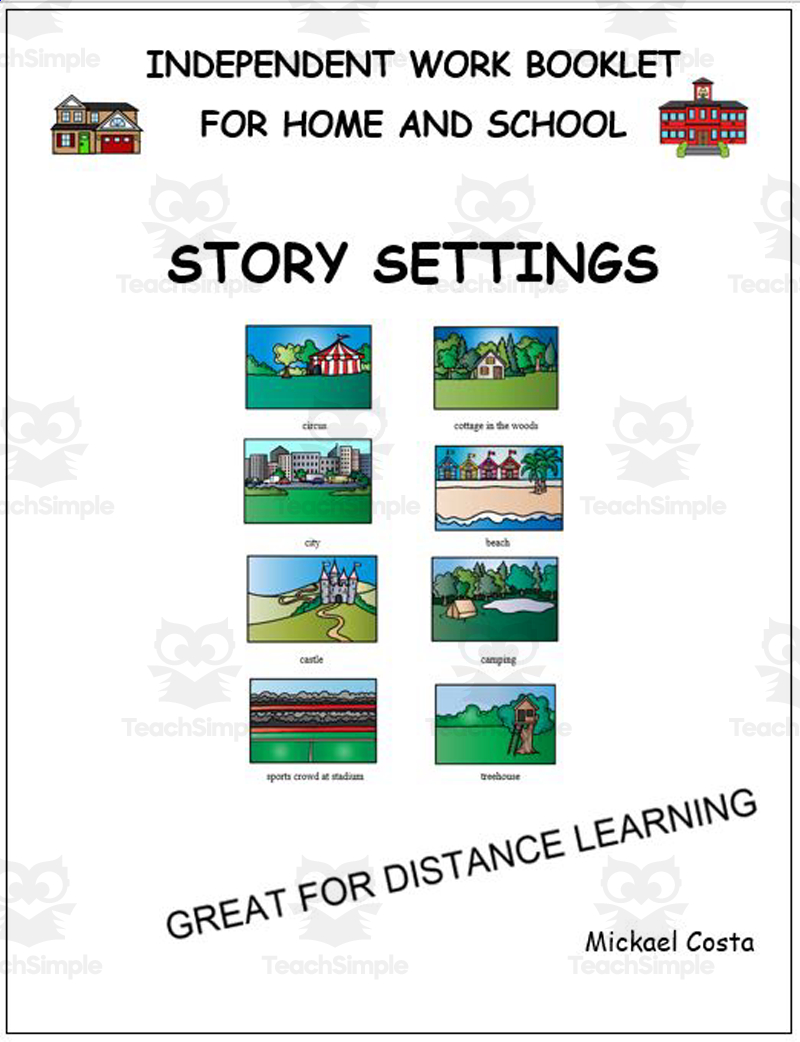
Reinforce vocabulary, reading comprehension, and creative-writing skills using story-setting terms (stadium crowd, cottage in the woods, city, castle, beach, campsite, treehouse, circus) that students can use when writing narratives.

Reinforce vocabulary, reading comprehension, and creative-writing skills using a second set of story-setting terms (jail, forest, desert, haunted house, railway bridge, ocean, party, space) that students can use when writing narratives.

Reinforce vocabulary, reading comprehension, and writing skills using wedge-tool terminology (chisel, shovel, nail, door stopper, axe, tack pin, knife, scissors).
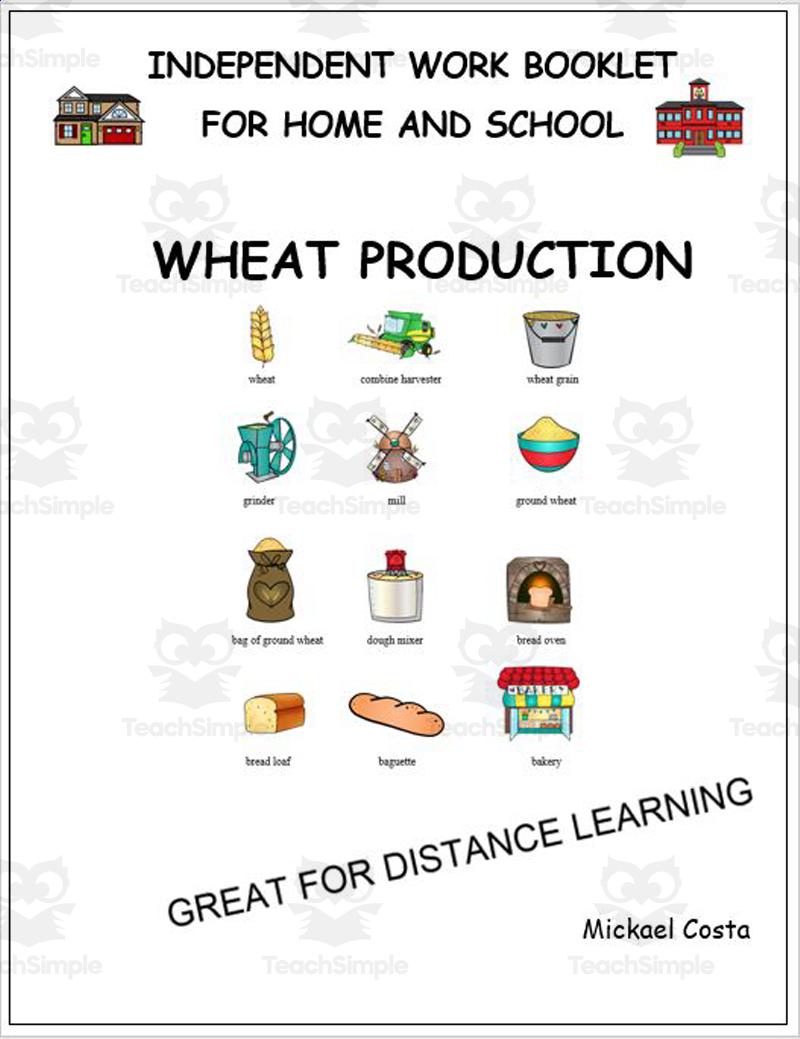
Reinforce vocabulary, reading comprehension, and writing skills using wheat-production terminology (grinder, bread loaf, mill, dough mixer, wheat, combine harvester, ground wheat, wheat grain, bread oven, bakery, baguette).

A more advanced nonfiction science reading passage teaching watershed structure and the detailed factors affecting water movement (runoff, evaporation, infiltration, transpiration) through a watershed, paired with comprehension and extension questions.