3,876 products added recently
Page 2 - Parts of and Anatomy of By Subject
Cow Farm Animal Flipbook Craft DIY Science Study Writing Prompt
Animals, Life Sciences, Science, Biology, Grade 1, 2, 3, 4, Crafts, Activities, Parts of and Anatomy of, Worksheets & Printables, Writing Prompts
Make learning about cows fun and interactive with this printable DIY flipbook craft! Students will explore the fascinating world of cows by learning about their habitat, diet, body features, life cycle, adaptations, and importance on the farm while strengthening reading comprehension and writing skills through engaging science activities. I like using this resource during farm animal units, agriculture studies, animal science lessons, classroom centers, independent work, and homeschool learning. It's a low-prep activity that combines science, reading, writing, and creativity into one meaningful project. What You Will Get This resource includes a printable Cow DIY flipbook that helps students organize and record what they learn about this important farm animal through reading, writing, and hands-on learning. What's Included in this Flipbook? • Cow DIY flipbook craft templates • Reading and writing activities • Animal facts and science research pages • Habitat, diet, and life cycle sections • Physical characteristics and adaptations pages • Writing prompts and reflection activities • Easy-to-follow assembly instructions This resource is perfect for: • Farm animal lessons • Animal science units • Agriculture studies • Classroom science centers • Homeschool learning • Independent work and early finishers Why you will love this? • Easy to print and assemble • Encourages reading, writing, and scientific thinking • Builds nonfiction reading comprehension skills • Supports research and observation skills • Makes science learning hands-on and engaging • Creates a meaningful keepsake students can share This Cow DIY Flipbook Craft is a fun and interactive way for students to discover the characteristics, adaptations, life cycle, and importance of cows while developing reading, writing, and science skills through creative, hands-on learning.
Author Perfect_Printables
Rating
Tags Animal Science, Writing Prompt, Science Craft, Nonfiction Activities, Science Centers, Animal Research, DIY Flipbook, Cow Flipbook, Cow Research Project, Farm Animal Flipbook
Life Cycle Of a Toad Worksheet - Animal Science Unit Study & Fun Facts
Montessori, Animals, Life Sciences, Science, Biology, STEM, Kindergarten, Preschool, Grade 1, 2, 3, Bulletin Boards, Classroom Decor, Posters, Flashcards, Worksheets & Printables, Parts of and Anatomy of, Coloring Pages, Worksheets
Have you ever seen a tiny tadpole swimming in the water? Did you know that it will one day grow legs and become a toad? In this exciting science unit, we will explore the amazing life cycle of a toad and learn fun facts about these fascinating amphibians. Get ready to learn, cut, paste, and color! What’s Inside Your Toad Life Cycle Worksheet? Toad Fun Facts – Discover where toads live, what they eat, and how they are different from frogs! Life Cycle Diagram – A simple and clear chart showing each stage of a toad’s life, from egg to adult. Cut-and-Paste Activity – Put the life cycle in the correct order by cutting and pasting the stages. Flashcards – Use these picture cards to help remember each step in a toad’s growth. Bonus Coloring Page – Have fun coloring a cute toad in its natural habitat! Why This Worksheet is Perfect for You! Makes learning about amphibians fun and interactive. Helps develop sequencing and problem-solving skills. Teaches the importance of toads in the ecosystem. Includes hands-on activities to reinforce learning. What Will You Learn? The different stages of a toad’s life—from egg to tadpole to adult toad. How toads grow, change, and adapt to life on land and in water. Why toads are important for keeping nature in balance. How to use sequencing and observation skills in a fun way! Let’s hop into learning and explore the incredible life cycle of a toad together!
Author Perfect_Printables
Tags Toad Life Cycle, Amphibian Science, Life Cycle Printables, Biology For Kids, STEM Amphibian Study, Educational Worksheets, Hands-on Science, Montessori Amphibians, , Herpetology For Kidsherpetology For Kids, Animal Life Cycles
Anatomy of a Smoke Pearl Rabbit
Science, Life Sciences, Animals, Grade 3, 4, 5, Parts of and Anatomy of, Worksheets & Printables
A beautiful hand-illustrated watercolor print featuring the Anatomy of a Smoke Pearl Rabbit. To create a lasting and tactile item I highly recommend printing the file onto watercolor paper, it creates a beautiful finish and really looks like you are handling original paintings.
Author Fiddleticks Education
Tags Rabbit, Animals, Poster, Anatomy, Watercolour, Pearl Rabbit, Smoke Pearl Rabbits, Smoke Rabbit, Peral Rabbit
Parts of a Plant Anchor Chart – Edible Plants
Science, Life Sciences, Nature & Plants, Biology, Kindergarten, Preschool, Grade 1, Parts of and Anatomy of, Worksheets & Printables
Did you know we can eat all parts of plants. This parts of a plant anchor chart posters includes real images of fruits and vegetables for students to familiarize themselves with all the parts of a plant they can eat! This poster set includes flowers, seeds, leaves, stems, roots, and fruits. There are 6 images for each plant part. Pictures Included: Flowers: artichoke, broccoli, cauliflower, dandelion, honeysuckle, squash blossom Fruits: apple, banana, blueberry, lime, pepper, raspberry Leaves: kale, lettuce, mint, parsley, purple cabbage, spinach Roots: carrot, garlic, onion, parsnip, radish, sweet potato Seeds: almonds, beans, coconut, corn, peas, sesame seeds Stems: asparagus, bamboo shoots, celery, leek, rhubarb, scallions How to Use: These charts can be used as wall decor in a science center or as an instructional tool to teach about the plants we eat. By relating the science standard of identifying parts of a plant to foods that students commonly eat, it will ensure that students have fun and stay engaged with learning about plants! Where to Use: Wall Display in a Science Center - Place these posters on the wall of a science center while you are learning about the parts of plants. They can also be placed in a science center simply as a reference tool for students to use while completing other plant based activities. Instructional Tool - These posters make an excellent instructional tool for teachers to use to introduce to students the concept of parts of a plant in relation to the foods we eat. The real photographs in this set provide students with easy to recognize images of different edible plants. Students will love seeing all the pictures of the different kinds of plants that they can actually eat. These anchor charts and posts are no prep. The posters just need to be printed out and laminated for durability if desired.
Author The Connett Connection
Rating
Tags Plants We Eat, Parts Of A Plant
The Plants We Eat: A Parts of a Plant Sort
Science, Life Sciences, Biology, Nature & Plants, Preschool, Kindergarten, Grade 1, Parts of and Anatomy of, Worksheets & Printables
Did you know we can eat all parts of plants. This parts of a plant sorting activity includes real images of fruits and vegetables to sort by where they can be found on a plant. This sort includes flowers, seeds, leaves, stems, roots, and fruits. There are 6 images for each plant part. Pictures Included: Flowers: artichoke, broccoli, cauliflower, dandelion, honeysuckle, squash blossom Fruits: apple, banana, blueberry, lime, pepper, raspberry Leaves: kale, lettuce, mint, parsley, purple cabbage, spinach Roots: carrot, garlic, onion, parsnip, radish, sweet potato Seeds: almonds, beans, coconut, corn, peas, sesame seeds Stems: asparagus, bamboo shoots, celery, leek, rhubarb, scallions The plants sorting mats come in two formats. The first set are full page sorting mats where students place the pictures directly on the mats. The second set contains header cards that the picture cards can be placed under. The header cards are available in 2 sizes, one is large sized for table top activities and the other is small enough to fit in a task box. How to Use: Students will place the sorting mats on a table or on the floor. They will look at each plant picture and place it on the correct mat. Where to Use: Science Center - The teacher can place the mats and cards in the science center for students to work independently or with a partner to complete. Morning Tub or Basket - The teacher can place the mats and cards in a morning bin for students to work on while their classmates arrive to class. Small Group Activity - The teacher can lead this sorting activity with a small group of students at a time. The real photographs in this set provide students with easy to recognize images of different edible plants. These mats and cards are a low prep science center for teachers to prepare. The cards will need to be printed and cut out. This center should be laminated for durability.
Author The Connett Connection
Tags Plants We Eat, Parts Of A Plant, Science Sort, Plant Sort
Anatomy of a Badger
Science, Life Sciences, Animals, Grade 3, 4, 5, Parts of and Anatomy of, Worksheets & Printables
Anatomy of a Badger: An Interactive Teaching Resource Anatomy of a Badger is designed to augment the learning experience for 3rd, 4th, and 5th grade students in science class, with a particular focus on zoology. It acts as an engaging and interactive tool for introducing wildlife biology through visual stimuli. Product Contents: Hand-illustrated watercolor flashcards depicting badger anatomy Digital downloadable file in PNG format sized for A4 paper The resource's highlight are sparkling watercolor flashcards that capture the anatomical details of badgers authentically. Presenting these vibrant images can grasp young learners' interest as they explore the fascinating world of animal structures. To enhance its effectiveness, we recommend printing this educational material on high-quality paper for durability and improved sensory appeal. To add an interactive learning component, one might choose watercolor paper that allows learners to apply their own paintwork over existing illustrations. Note: Upon purchase, educators get access to a ready-to-print digital copy. Versatility at its Core: Anatomy of a Badger can be utilized during whole group sessions or small group activities; it potentially functions as homework assignments too. Encouraging children towards independent exploration furthers their understanding about animal anatomy organically. Fostering Dynamic Learning Experiences! Incorporating Anatomy of a Badger into your instructional routine creates exciting and immersive science classes – promoting interest-driven learning grounded by facts with guided discovery. The advantages yielded using visual aids can noticeably bolster information retention while stimulating curiosity about diverse creatures populating our natural world. To sum up, Anatomy of a Badger provides a simple yet enriching aid in teaching zoology, molding potential young biologists to have adequate foundational knowledge about various animals' anatomic complexities - notably starting with badgers!
Author Fiddleticks Education
Tags Badger Anatomy, Wildlife Biology, Zoology Education, Visual Aids, Animal Structures
Watermelon Fruit plant Flipbook Craft Science Study Writing Activity
Life Sciences, Science, Biology, Nature & Plants, Grade 1, 2, 3, 4, Crafts, Activities, Parts of and Anatomy of, Worksheets & Printables, Writing Prompts
Make learning about watermelon plants fun and interactive with this printable DIY flipbook craft! Students will explore the fascinating world of watermelon plants by learning about their habitat, plant parts, life cycle, growth stages, adaptations, and importance while strengthening reading comprehension and writing skills through engaging science activities. I like using this resource during summer science units, fruit plant studies, botany lessons, gardening activities, classroom centers, independent work, and homeschool learning. It's a low-prep activity that combines science, reading, writing, and creativity into one meaningful project. What You Will Get This resource includes a printable Watermelon Plant DIY flipbook that helps students organize and record what they learn about this popular fruit-bearing vine through reading, writing, and hands-on learning. What's Included in this Flipbook? • Watermelon Plant DIY flipbook craft templates • Reading and writing activities • Plant facts and science research pages • Habitat, life cycle, and growth stages sections • Plant parts and adaptations pages • Writing prompts and reflection activities • Easy-to-follow assembly instructions This resource is perfect for: • Summer science lessons • Fruit plant studies • Botany units • Gardening activities • Classroom science centers • Homeschool learning • Independent work and early finishers Why you will love this? • Easy to print and assemble • Encourages reading, writing, and scientific thinking • Builds nonfiction reading comprehension skills • Supports research and observation skills • Connects science learning with seasonal summer themes • Creates a meaningful keepsake students can share This Watermelon Plant DIY Flipbook Craft is a fun and interactive way for students to discover the life cycle, structure, adaptations, and importance of watermelon plants while developing reading, writing, and science skills through creative, hands-on learning.
Author Perfect_Printables
Rating
Tags Plant Science, Botany, Science Activities, Writing Activities, Craft Activities, Plant Flipbook, Plant Research, Fruit Plant, Watermelon Activities, Summer Plant
Horse Flipbook craft Farm Animal Science Study writing prompt activity
Animals, Life Sciences, Science, Biology, Grade 1, 2, 3, 4, Crafts, Activities, Parts of and Anatomy of, Worksheets & Printables, Writing Prompts
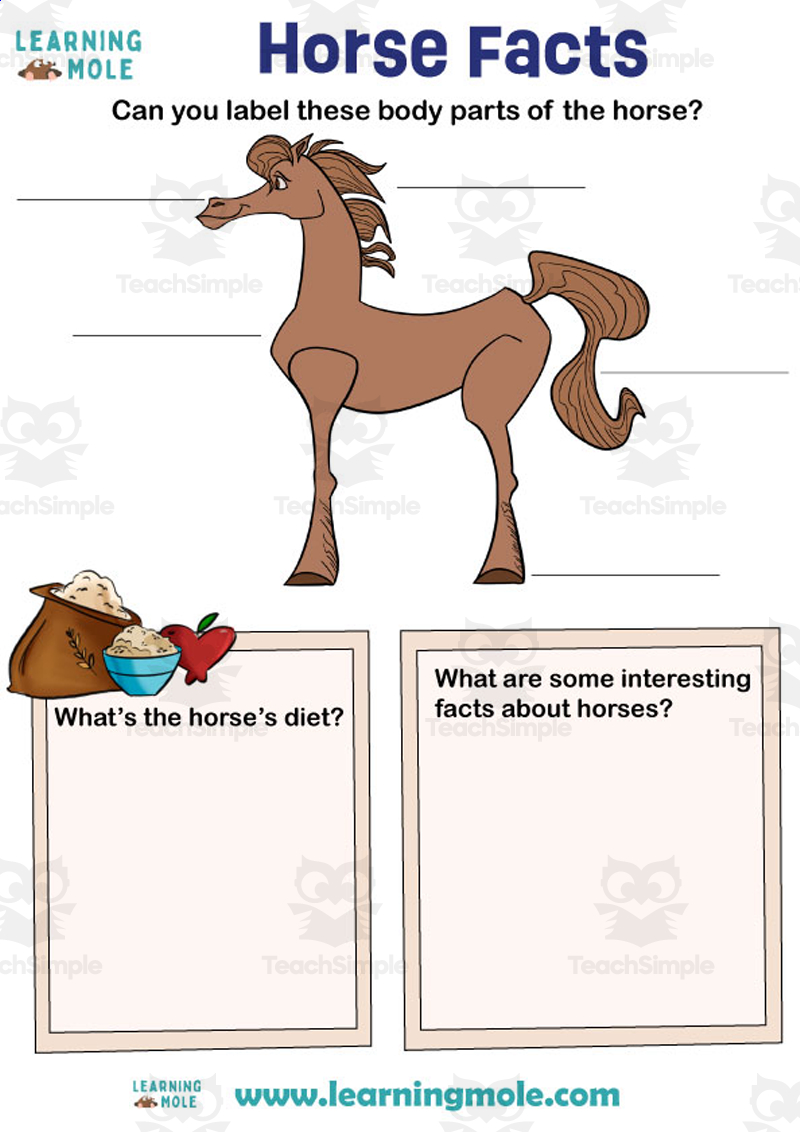
Make learning about horses fun and interactive with this printable flipbook craft! Students will explore the fascinating world of horses by learning about their habitat, diet, body features, life cycle, adaptations, and interesting facts while strengthening reading comprehension and writing skills through engaging science activities. I like using this resource during farm animal units, animal science lessons, agriculture studies, classroom centers, independent work, and homeschool learning. It’s a low-prep activity that combines science, reading, writing, and creativity into one meaningful project. What You Will Get This resource includes a printable Horse flipbook that helps students organize and record what they learn about this amazing farm animal through reading, writing, and hands-on learning. What’s Included in this Flipbook? • Horse flipbook craft templates • Reading and writing activities • Animal facts and science research pages • Habitat, diet, and life cycle sections • Physical characteristics and adaptations pages • Writing prompts and reflection activities • Easy-to-follow assembly instructions This resource is perfect for: • Farm animal lessons • Animal science units • Agriculture studies • Classroom science centers • Homeschool learning • Independent work and early finishers Why you will love this? • Easy to print and assemble • Encourages reading, writing, and scientific thinking • Builds nonfiction reading comprehension skills • Supports research and observation skills • Makes science learning hands-on and engaging • Creates a meaningful keepsake students can share This Horse Flipbook Craft is a fun and interactive way for students to discover the characteristics, adaptations, and importance of horses while developing reading, writing, and science skills through creative, hands-on learning.
Author Perfect_Printables
Rating
Tags Animal Science, Writing Prompt, Science Craft, Nonfiction Activities, Science Centers, Animal Research, Horse Flipbook, Farm Animal Flipbook, Farm Animal Study, Flipbook
The Cognitive Cartographer: A Sensory-Integrated Framework for Complex
ELA, Language Development, ESL, Phonics, Reading, Library, Reading Comprehension, Strategies, Writing, Creative Writing, Grade 6, 7, 8, 9, 10, 11, 12, Worksheets & Printables, Parts of and Anatomy of, Workbooks, Worksheets, Word Searches, Writing Prompts, Teacher Tools, Charts, Lesson Plans, Quizzes and Tests
The Cognitive Cartographer: A Framework for Integrating Sensory Experiences When Analyzing & Synthesizing Complex Narratives Utilizing this revolutionary sensory-integrated 33-page framework, students go from “reading” complex narratives to actively creating a map of the experience using chronotopes, sensory anchors, thematic ley lines, emotional topography and a node/edge network to represent character relationships. This resources includes a digital PDF of: Phase 1 (Core Theory): Overview of narrative architecture, sensory epistemology; cartographic synthesis; and meta-narrative construction with original examples (The Glass Citadel, The Flooded City of Oakhaven, The Silk Rebellion). Phase 2 (Student Workbook): 10 scaffolded, ready-to-use worksheets addressing: scene topography; character geography; ecology of conflict; auditory/olfactory resonance; velocity of time; thematic ley lines; point of view cartography; emotional journey; socio-historical biome; and capstone master atlas synthesis. Phase 3 (Teacher Resources): includes visual schematics (Sensory Integrated Matrix; Cognitive Synthesis Map; Scaffolding Progression Chart), detailed guide for implementing the framework, pacing of the implementation for 7-12th grades, and an annotated example (Markus Zusak’s The Book Thief). Perfect for middle and high school English/Language Arts, honors and AP Literature classes. Aligned to Common Cores, State ELA Standards and College Readiness Skills. Instant Digital Download with No Preparation Required. Elevate student engagement, critical thinking and empathetic analysis through the use of this deeply human-centered literature toolkit. What Parents & Schools Appreciate About It: Building superior skills of advanced thinking (critical thinking), empathy, and spatial reasoning that traditional worksheet activities can't provide, students will actually "map" out a story instead of just summarizing it. Provides teachers with an easy way to save hours of planning time, by providing 10 ready-to-print worksheet activities, visual anchors, and complete implementation guidelines. Fully aligned to the ELA standards and makes all abstract concepts (theme, character motivation, unreliable narration) more concrete and engaging for reluctant readers. Provides differentiated scaffolding for all levels of learners from novice to expert, with defined continuums across grade levels. Develops lifelong reading habits by teaching children to "experience" literature using their bodies and senses versus only using their eyes. Target Group: 7-12 Teachers & Students an Expected Audience Group Based Upon Full PDF Analysis of ESL Programs The Following are Groups Targeted by Grade Levels of the Curriculum Project: 7-8 Grades: Provide guidance for sensory literals in keeping with the use of literary devices (mapping provided). 9-10 Grades: Providing students with the opportunity to create connections between their curricular experiences through mapping of literature. 11-12 Grades/Honors/AP Literature: Providing students with the opportunity to synthesize literature through the use of metanarrative, development of genres and development of multiple author texts using non-linear/fragment methodology. It is suggested that these materials will be utilized in all secondary programs where students experience difficulty analyzing literature through a traditional sequential format of reading literature. There are also other uses for this educational material, i.e., homeschooling, gifted curriculum, and literacy intervention programming. Copyright/Terms of Use Copyright is owned by Syed Hammad Rizvi. The items in this resource can be used for personal and/or classroom purposes only. You cannot modify, redistribute or sell any portion of this resource. Therefore, you cannot share this resource on the internet in a way that would allow others to access and download the resource publicly. If you would like to share this resource with other educators, you may purchase an additional license through Teachsimple. Thank you for complying with these terms and conditions. Syed Hammad Rizvi enjoys bringing you this product.
Author Creative Book Store
Rating
Tags CognitiveCartographer, SensoryIntegratedELA, LiteraryMapping, CognitiveCartography, EnglishLanguageArts, MiddleSchoolELA, HighSchoolELA, SecondaryELA, APLiterature, APLit
Life Cycle of a Housefly Worksheet - Insect Science Unit Study
Montessori, Life Sciences, Science, Biology, Insects, Kindergarten, Preschool, Grade 1, 2, 3, Posters, Classroom Decor, Flashcards, Worksheets & Printables, Parts of and Anatomy of, Coloring Pages, Worksheets
Let’s take a closer look at one of the most common insects around us! This Life Cycle of a Housefly Worksheet helps students explore how a tiny fly grows and changes through its life. Perfect for science lessons insect studies and hands on activities this resource makes learning fun and easy for young learners What is Inside the Housefly Life Cycle Worksheet Housefly Overview A simple introduction to what houseflies are where they live and why they matter in nature Life Cycle Diagram A clear life cycle chart showing each stage of the housefly’s life egg larva pupa and adult Cut and Paste Activity A fun way for students to arrange the life cycle stages in the correct order Flashcards Visual tools to help kids remember each step of the fly’s life Bonus Coloring Page : You will get a housefly coloring page as bonus! Why This Worksheet is Great for Kids Easy to follow and made for young learners Supports science skills like sequencing and observation Perfect for classrooms homeschool or insect themed units What Will You Learn The four main stages of the housefly life cycle How a housefly changes at each stage Fun facts about flies and their role in the environment This simple and engaging worksheet makes science fun and helps kids better understand the world of insects Let’s learn all about the life of a housefly together
Author Perfect_Printables
Rating
Tags Housefly , Life Cycle, Worksheet, Insect Science Unit, Homeschool, Biology For Kids, Fly Activities, STEM Insect Study, Nature Study, Montessori
Anatomy of a Caribou
Science, Life Sciences, Animals, Grade 3, 4, 5, Parts of and Anatomy of, Worksheets & Printables
The Anatomy of a Caribou Teaching Resource Our set of expertly hand-illustrated, watercolor flashcards are designed explicitly for Grades 3 to 5 Science educators. Through the fascinating world of Zoology, these detail-oriented tools impeccably depict the intricate anatomy of the captivating caribou species. The cards come as digital downloads in PNG format sized to A4, providing an enriching visual aid during lectures or study sessions. The lush use of colors taps into younger students' visual learning abilities, making each session more engaging with bursts of vibrant colors that bring life to scientific concepts. Dual Functionality and High-quality File Type Crisp visuals: Our high-quality file type ensures that even when printed on regular paper, the diagrams retain their clarity. Tactile experience: For an interactive experience enhancing artistic skills alongside science instruction, teachers may opt to print on watercolor paper—letting students participate through painting and adding personal touches. Versatile Learning Tool An ideal tool for not only whole-class instruction but also effective supplementary material during small group discussions or independent study sequences. This gives students time and freedom for self-paced analysis without overwhelming them with too much information simultaneously. Simple instructions in each card's design layout enrich it with educational content—becoming a surefire hit in classrooms! Additionally offering maximum flexibility during utilization makes it perfect not only within traditional classroom settings but also beneficial homeschool environments catering elementary-level learners interested in exploring science topics intensely. In Conclusion, >/p Foster appreciation for art and nature's beauty by utilizing our Anatomy of a Caribou pack. It's a wonderful way to seamlessly infuse student enthusiasm for learning core sciences and creative skill-building to achieve excellent academic performance as well as immerse students in the wonders of nature.
Author Fiddleticks Education
Tags Caribou Anatomy, Zoology, Flashcards, Watercolor Illustrations, Science Education
Strawberry Plant Flipbook Craft DIY Science Study Writing activity
Life Sciences, Science, Biology, Nature & Plants, Grade 1, 2, 3, 4, Crafts, Activities, Parts of and Anatomy of, Worksheets & Printables, Writing Prompts
Make learning about strawberry plants fun and interactive with this printable DIY flipbook craft! Students will explore the fascinating world of strawberry plants by learning about their habitat, plant parts, life cycle, growth stages, adaptations, and importance while strengthening reading comprehension and writing skills through engaging science activities. I like using this resource during spring science units, berry plant studies, botany lessons, gardening activities, classroom centers, independent work, and homeschool learning. It's a low-prep activity that combines science, reading, writing, and creativity into one meaningful project. What You Will Get This resource includes a printable Strawberry Plant DIY flipbook that helps students organize and record what they learn about this popular fruit-bearing plant through reading, writing, and hands-on learning. What's Included in this Flipbook? • Strawberry Plant DIY flipbook craft templates • Reading and writing activities • Plant facts and science research pages • Habitat, life cycle, and growth stages sections • Plant parts and adaptations pages • Writing prompts and reflection activities • Easy-to-follow assembly instructions This resource is perfect for: • Spring science lessons • Berry plant studies • Botany units • Gardening activities • Classroom science centers • Homeschool learning • Independent work and early finishers Why you will love this? • Easy to print and assemble • Encourages reading, writing, and scientific thinking • Builds nonfiction reading comprehension skills • Supports research and observation skills • Connects science learning with seasonal gardening themes • Creates a meaningful keepsake students can share This Strawberry Plant DIY Flipbook Craft is a fun and interactive way for students to discover the life cycle, structure, adaptations, and importance of strawberry plants while developing reading, writing, and science skills through creative, hands-on learning.
Author Perfect_Printables
Rating
Tags Plant Science, Botany, Science Activities, Writing Activities, Craft Activities, DIY Flipbook Craft, Berries, Plant Activities, Plant Flipbook, Strawberry
Elephant Flipbook craft African Animal Science Study writing prompt
Animals, Life Sciences, Science, Biology, Grade 1, 2, 3, 4, Crafts, Activities, Parts of and Anatomy of, Worksheets & Printables, Writing Prompts
Make learning about elephants fun and interactive with this printable flipbook craft! Students will explore the fascinating world of African elephants by learning about their habitat, diet, body features, adaptations, and behaviors while strengthening reading comprehension and writing skills through engaging science activities. I like using this resource during African animal units, wildlife studies, animal science lessons, classroom centers, independent work, and homeschool learning. It's a low-prep activity that combines science, reading, writing, and creativity into one meaningful project. What You Will Get This resource includes a printable Elephant flipbook that helps students organize and record what they learn about this magnificent African animal through reading, writing, and hands-on learning. What's Included in this Flipbook? • Elephant flipbook craft templates • Reading and writing activities • Animal facts and science research pages • Habitat, diet, and life cycle sections • Physical characteristics and adaptations pages • Writing prompts and reflection activities • Easy-to-follow assembly instructions This resource is perfect for: • Animal science lessons • African animal units • Wildlife studies • Classroom science centers • Homeschool learning • Independent work and early finishers Why you will love this? • Easy to print and assemble • Encourages reading, writing, and scientific thinking • Builds nonfiction reading comprehension skills • Supports research and observation skills • Makes science learning hands-on and engaging • Creates a meaningful keepsake students can share This Elephant Flipbook Craft is a fun and interactive way for students to discover the incredible adaptations, behaviors, and importance of elephants while developing reading, writing, and science skills through creative, hands-on learning.
Author Perfect_Printables
Rating
Tags Elephant Flipbook, African Animals, Animal Science, Wildlife Study, Writing Prompt, Science Craft, Nonfiction Activities, Science Centers, Elephant Activity, Animal Research
The Quantum Leap:Unlocking the Mysteries of Quantum Computing for Teen
Career, Life Studies, Research, Technology, Science, Computer Science, Life Skills, Special Resources, Social Skills, Special Education Needs (SEN), Grade 6, 7, 8, 9, 10, 11, 12, Lesson Plans, Teacher Tools, Worksheets & Printables, Workbooks, Parts of and Anatomy of, Presentations, Outlines, Centers, Activities
Explore the quantum revolution with The Quantum Leap: Unlocking the Mysteries of Quantum Computing for Teens, written by Syed Hammad Rizvi – a comprehensive resource for upfront and center students interested in innovative and advanced applications in computer science and related physics and technological domains. A thorough and correct resource on understanding complex ideas such as a bit compared to a qubit, quantum superpositions and entanglements, quantum gate and quantum circuit designs, Shor's algorithm and Grover's algorithm, and further applications in drug development simulation, economic modeling simulation, climate simulation modeling, and quantum cryptography beyond post-quantum cryptography. This 351-page book serves a thorough introduction to computer and physics students who are interested in understanding advanced computer applications and related physics. The Quantum Leap serves a detailed platform for students to learn about quantum paralleling, quantum correction, and quantum internet connectivity. Perfectly effective and aptly SEO-ed for educators on quantum mechanics resources and applications. A necessary read for students and professionals interested in quantum physics and computer applications. Why Parents/Schools Love It: Sparks STEM Passion: Makes the concept of quantum computing easy to understand for teens by comparing it to things they know and love, sparking their interest in the technological applications of the future such as artificial intelligence and cryptography. Teaches Future-Proof Skills: The course deals with applications, ethics, and future career options, providing students with knowledge required for in-demand jobs in quantum technology. Accessible and Engaging: Step-by-step analyses and context knowledge provided help make difficult subjects more accessible, overcoming intimidation factors and encouraging critical thinking. Comprehensive Curriculum Fit: It is compatible with the computer science and physics curriculum of high schools and is very suitable for being incorporated in the classroom or homeschooling settings. Encourages Ethical Awareness: It deals with the effects, limitations, and initiatives taken around the world, thus instilling ethical innovation in the minds. Target Student Classes: Having considered the entire contents and structure of this book and its intended audience from various perspectives such as its front cover and introduction chapters, it is intended for high school students from Grades 10 to 12 and aged 15 to 18 years. It commences from a level of basic discussion on classical and quantum fundamentals such as superpositions and entanglement concepts and then proceeds to more complex aspects of quantum studies such as algorithms and error correction strategies based on assumed foundational knowledge and interests but without rigorous prerequisite knowledge. Hence it is intended for high school seniors enrolled in introductory computer science studies at college or more in-depth math and physics studies at school levels above Grades 9; it may also serve Grade 9 students who take more challenging subjects at school and college-level new students at introductory stages as add-on reading contents, while its mainstream audience would be Grades 10 to 12 students in line with its teen-level comparison aids and refraining from more mature themes of mathematics chapters. Copyright/Terms of Use : This Book was copyrighted by Syed Hammad Rizvi. You may use this resource for personal and single class use. You are not authorized to modify, redistribute, and sell this resource or its part. That means you are not authorized to upload this resource to the Internet so people can freely access and download it. If you wish to share these resources with others in your workplace or with classmates at school, then go ahead and buy additional licenses from Teachsimple. "This product is happily brought to you by Syed Hammad Rizvi"
Author Creative Book Store
Rating
Tags QuantumComputingForTeens, QuantumLeapBook, UnlockQuantumMysteries, QubitsForBeginners, SuperpositionExplained, EntanglementForKids, QuantumAlgorithmsTeens, ShorsAlgorithmGuide, GroversSearchTeen, QuantumComputing2026
Pill Bug Life Cycle Worksheet – Roly Poly Unit
Montessori, STEM, Biology, Life Sciences, Science, Insects, Kindergarten, Preschool, Grade 1, 2, 3, Posters, Classroom Decor, Flashcards, Worksheets & Printables, Coloring Pages, Worksheets, Parts of and Anatomy of
Let’s introduce your students/kids with amazing bug Pill Bug with this amazing worksheet! This fun and educational resource is perfect for young learners who are curious about bugs—especially the adorable roly poly! Students will explore the unique life of pill bugs, from tiny eggs to fully grown adults, and learn how these little creatures live and grow in their natural habitats. This worksheet pack is designed to be simple, engaging, and hands-on, making science both fun and memorable for kids. What’s Inside In this file? Pill Bug Overview: A short, kid-friendly introduction to what pill bugs are, where they live, and why they’re important in nature. Life Cycle Diagram: A clearly labeled chart showing each stage of the pill bug’s life cycle. Cut-and-Paste Activity: An interactive way for students to practice sequencing and understanding life stages. Flashcards: Visual cards that help reinforce vocabulary and stages. Bonus Coloring Page: A fun way to review and relax while coloring a cute pill bug! This worksheet is Perfect For Bug and insect-themed science lessons Spring or garden unit studies Homeschool and classroom centers Students who love exploring nature What your students/kids will learn from this file? Understand the life cycle of a pill bug Learn fun facts about roly polies Strengthen sequencing and observation skills This worksheet brings science to life with real curiosity and creativity—perfect for helping kids fall in love with the tiny wonders of nature!
Author Perfect_Printables
Rating
Tags Pill Bug Life Cycle, Roly Poly Worksheet, Isopod Science Unit, Life Cycle Printables, Homeschool Biology, Pill Bug Activities, Nature Study For Kids, Montessori Bug Unit, Bug Growth Stages, Backyard Biology
Sea Otter Life Cycle – Ocean Animal Unit Study
Montessori, Animals, Life Sciences, Science, STEM, Kindergarten, Preschool, Grade 1, 2, 3, Parts of and Anatomy of, Worksheets & Printables, Flashcards, Coloring Pages, Worksheets
Lets learn about most fascinating sea creature with our engaging Life Cycle of a Sea Otter worksheet! This worksheet is perfect for curious young learners, this resource helps children discover how sea otters grow, survive, and thrive in their ocean environment. From tiny pups to playful adults, students will learn each stage of the sea otter’s life cycle through kid-friendly language and interactive activities. This science unit is designed to spark curiosity while teaching important science concepts in a simple and enjoyable way. What’s Included in this worksheet? A clear, labeled diagram showing the sea otter’s life cycle Fun facts about sea otters, their behaviors, and their role in the ecosystem Cut-and-paste sequencing activity to reinforce learning A bonus sea otter coloring page for creative fun This worksheet is perfect for: Ocean animal or marine biology units Classroom science centers or homeschool lessons Earth Day or wildlife conservation themes Animal science and life cycle studies Make learning about marine life memorable with this fun and educational sea otter activity!
Author Perfect_Printables
Rating
Tags Fun Facts About Sea Otters, Sea Otter Life Cycle, Sea Otter Worksheet, Marine Biology Unit, Ocean Animal Study, Life Cycle Printables, Sea Otter Activities, Montessori Sea Life Unit, Sea Otter Growth Stages, Educational Ocean Worksheets
Anatomy of a Dalmatian
Science, Life Sciences, Animals, Grade 1, 2, 3, 4, 5, Parts of and Anatomy of, Worksheets & Printables
Anatomy of a Dalmatian beautifully hand-illustrated watercolor flashcards .
Author Fiddleticks Education
Tags Dalmatian, Anatomy, Watercolor, Poster, Animals
African Wildebeest Life Cycle: Grassland Animal Science Unit Study
Animals, Life Sciences, Science, Biology, Toddler, Kindergarten, Preschool, Grade 1, 3, Coloring Pages, Worksheets, Worksheets & Printables, Parts of and Anatomy of, Bulletin Boards, Classroom Decor, Posters
Learn more about the life cycle of a Wildebeest with these worksheet. This science unit study is perfect for Pre-K to 3rd grade students to know how these migratory animal grow, live, and survive on the African savanna. What’s Included in this WildebeestLife Cycle Worksheet? Wildebeest In a nutshell Life Cycle Diagram: A clear and labeled chart showing each stage of a Wildebeest life Cycle Cut-and-Paste Activity: A fun way for kids to organize and sequence the life stages of a Wildebeest Flashcards: Visual tools to help students remember the steps of the life cycle. Coloring Page: A creative activity to color a Wildebeest for kids Fun facts about Wildebeest Matching Activity This Worksheet is Perfect For: Science lessons about African Animals Homeschool studies on wildlife and grassland ecosystems. Classroom centers and hands-on activities. Learning Goals: Learn the stages of a Wildebeest life from baby to Adult Wildebeest Understand how Wildebeest adapt to their habitats and why they are important. Build sequencing and problem-solving skills through interactive activities. This resource is a great mix of science and creativity. It’s designed to make learning about Wildebeest fun, simple, and memorable for kids!
Author Perfect_Printables
Rating
Tags Savanna Animals, African Animals Life Cycle, Predator Life Cycle, Savanna Science Unit, African Wildlife Study, African Wildlife, Grassland Animal Habitat, Wildebeest Lifespan, Wildebeest Life Cycle Diagram
Covered Wagon Anatomy – Labeled Watercolor Poster
Creative Arts, Art, Fine Arts, Grade 1, 2, 3, 4, 5, Parts of and Anatomy of, Worksheets & Printables
This printable poster features my own beautiful hand-illustrated watercolor painting of a traditional wagon with different parts labeled. Great for learning more about this period of history, accompanying literature study, or just as a display print.
Author Fiddleticks Education
Rating
Tags Wagon, History, Poster, Watercolor, 4th Grade Covered Wagon Project, Parts Of A Wagon, Pioneer Wagon Parts
Hyena Life Cycle: African Savanna Mammal Animal Unit Study & Fun Facts
Animals, Life Sciences, Science, Biology, Toddler, Kindergarten, Preschool, Grade 1, 3, Coloring Pages, Worksheets, Worksheets & Printables, Parts of and Anatomy of, Bulletin Boards, Classroom Decor, Posters
Learn more about the life cycle of a Hyena with these worksheet. This science unit study is perfect for Pre-K to 3rd grade students to know how these clever predator grow, live, and survive on the African savanna. What’s Included in this Jackal Life Cycle Worksheet? Hyena In a nutshell Life Cycle Diagram: A clear and labeled chart showing each stage of a Hyena Cycle Cut-and-Paste Activity: A fun way for kids to organize and sequence the life stages of a Hyena Flashcards: Visual tools to help students remember the steps of the life cycle. Coloring Page: A creative activity to color a Hyena for kids Fun facts about Hyena Matching Activity This Worksheet is Perfect For: Science lessons about African Animals Homeschool studies on wildlife and grassland ecosystems. Classroom centers and hands-on activities. Learning Goals: Learn the stages of a Hyena life from baby to Adult Jackal Understand how Hyena adapt to their habitats and why they are important. Build sequencing and problem-solving skills through interactive activities. This resource is a great mix of science and creativity. It’s designed to make learning about Hyena fun, simple, and memorable for kids!
Author Perfect_Printables
Rating
Tags Savanna Animals, African Animals Life Cycle, Animal Life Cycle, Predator Life Cycle, Savanna Science Unit, African Wildlife Study, Hyena Life Cycle, Mammal Life Cycle, Hyena Worksheet, African Wildlife
Orange Tree Flipbook Craft Science Study Writing Prompt Activities
Life Sciences, Science, Biology, Nature & Plants, Grade 1, 2, 3, 4, Crafts, Activities, Parts of and Anatomy of, Worksheets & Printables, Writing Prompts
Make learning about orange trees fun and interactive with this printable DIY flipbook craft! Students will explore the fascinating world of orange trees by learning about their habitat, plant parts, life cycle, growth stages, adaptations, and importance while strengthening reading comprehension and writing skills through engaging science activities. I like using this resource during plant science units, fruit tree studies, botany lessons, gardening activities, classroom centers, independent work, and homeschool learning. It's a low-prep activity that combines science, reading, writing, and creativity into one meaningful project. What You Will Get This resource includes a printable Orange Tree DIY flipbook that helps students organize and record what they learn about this evergreen fruit tree through reading, writing, and hands-on learning. What's Included in this Flipbook? • Orange Tree DIY flipbook craft templates • Reading and writing activities • Plant facts and science research pages • Habitat, life cycle, and growth stages sections • Plant parts and adaptations pages • Writing prompts and reflection activities • Easy-to-follow assembly instructions This resource is perfect for: • Plant science lessons • Fruit tree studies • Botany units • Gardening activities • Classroom science centers • Homeschool learning • Independent work and early finishers Why you will love this? • Easy to print and assemble • Encourages reading, writing, and scientific thinking • Builds nonfiction reading comprehension skills • Supports research and observation skills • Makes science learning hands-on and engaging • Creates a meaningful keepsake students can share This Orange Tree DIY Flipbook Craft is a fun and interactive way for students to discover the life cycle, structure, adaptations, and importance of orange trees while developing reading, writing, and science skills through creative, hands-on learning.
Author Perfect_Printables
Rating
Tags Plant Science, Botany, Science Activities, Writing Activities, Craft Activities, Plant Flipbook, Tree Research, Tree Activities, Orange Tree, Fruit Tree Stud
Marigold Plant Flipbook Craft DIY Botany Science Study Writing Prompt
Life Sciences, Science, Biology, Nature & Plants, Grade 1, 2, 3, 4, Crafts, Activities, Parts of and Anatomy of, Worksheets & Printables, Writing Prompts
Make learning about marigold plants fun and interactive with this printable DIY flipbook craft! Students will explore the fascinating world of marigold plants by learning about their habitat, plant parts, life cycle, growth stages, adaptations, and importance while strengthening reading comprehension and writing skills through engaging science activities. I like using this resource during spring science units, flower studies, botany lessons, gardening activities, classroom centers, independent work, and homeschool learning. It's a low-prep activity that combines science, reading, writing, and creativity into one meaningful project. What You Will Get This resource includes a printable Marigold Plant DIY flipbook that helps students organize and record what they learn about this colorful flowering plant through reading, writing, and hands-on learning. What's Included in this Flipbook? • Marigold Plant DIY flipbook craft templates • Reading and writing activities • Plant facts and science research pages • Habitat, life cycle, and growth stages sections • Plant parts and adaptations pages • Writing prompts and reflection activities • Easy-to-follow assembly instructions This resource is perfect for: • Spring science lessons • Flower and botany units • Gardening activities • Classroom science centers • Homeschool learning • Independent work and early finishers Why you will love this? • Easy to print and assemble • Encourages reading, writing, and scientific thinking • Builds nonfiction reading comprehension skills • Supports research and observation skills • Connects science learning with seasonal flower studies • Creates a meaningful keepsake students can share This Marigold Plant DIY Flipbook Craft is a fun and interactive way for students to discover the life cycle, structure, adaptations, and importance of marigold plants while developing reading, writing, and science skills through creative, hands-on learning.
Author Perfect_Printables
Rating
Tags Spring Science, Plant Science, Science Activities, Writing Activities, Craft Activities, Marigold Plant Flipbook, DIY Flipbook Craft, Flower Study, Plant Science Writing Prompt, Marigold Research Activity
Capybara Rodent Animal Flipbook Craft Science Study Writing activity
Animals, Life Sciences, Science, Biology, Grade 1, 2, 3, 4, Crafts, Activities, Parts of and Anatomy of, Worksheets & Printables, Writing Prompts
Make learning about capybaras fun and interactive with this printable DIY flipbook craft! Students will explore the fascinating world of the capybara by learning about its habitat, diet, life cycle, adaptations, physical characteristics, and behavior while strengthening reading comprehension and writing skills through engaging science activities. I like using this resource during rodent animal units, South American wildlife studies, mammal science lessons, classroom centers, independent work, and homeschool learning. It’s a low-prep activity that combines science, reading, writing, and creativity into one meaningful project. What You Will Get This resource includes a printable Capybara DIY flipbook that helps students organize and record what they learn about the world’s largest rodent through reading, writing, and hands-on learning. What’s Included in this Flipbook? • Capybara DIY flipbook craft templates • Reading and writing activities • Animal facts and science research pages • Habitat, diet, and life cycle sections • Physical characteristics and adaptations pages • Writing prompts and reflection activities • Easy-to-follow assembly instructions This resource is perfect for: • Rodent animal studies • Mammal science units • South American wildlife lessons • Classroom science centers • Homeschool learning • Independent work and early finishers Why you will love this? • Easy to print and assemble • Encourages reading, writing, and scientific thinking • Builds nonfiction reading comprehension skills • Supports research and observation skills • Introduces students to unique wildlife through hands-on learning • Creates a meaningful keepsake students can share This Capybara DIY Flipbook Craft is a fun and interactive way for students to discover the habitat, diet, life cycle, adaptations, and unique characteristics of the world’s largest rodent while developing reading, writing, and science skills through creative, hands-on learning.
Author Perfect_Printables
Rating
Tags Animal Science, Science Activities, Craft Activities, DIY Flipbook Craft, Animal Research Project, Rodent, Rodent Research Project, Capybara , Capybara Activities, Capybara Flipbook
Giraffe Life Cycle Worksheet – Safari Science
Montessori, Animals, Life Sciences, Science, Biology, STEM, Kindergarten, Preschool, Grade 1, 2, 3, Posters, Classroom Decor, Diagrams, Teacher Tools, Flashcards, Worksheets & Printables, Parts of and Anatomy of
Explore the fascinating world of safari animal Giraffe with our amazing "Life cycle of giraffe worksheet. Designed with young learners in mind, this engaging resource makes it easy and exciting to learn how giraffes grow, change, and live in the wild. With simple language, fun facts, and interactive activities, kids will explore the life cycle of a giraffe in a way that’s both educational and enjoyable. What’s Included in this Worksheet? Giraffe Overview: A short and engaging description of giraffes, their habitats, and what makes them special. Life Cycle Diagram: A clear and labeled chart showing the stages from calf to adult giraffe. Cut-and-Paste Activity: A hands-on way for kids to practice sequencing and reinforce their learning. Flashcards: Visual tools to help students remember each stage of the giraffe's life. Bonus Coloring Page: You will get a bonus coloring page about giraffez1 You can us this file as: Animal science units and lessons on mammals Classroom centers or independent study Homeschool wildlife and life science studies Spring or zoo-themed activities This resource is a fun mix of science, creativity, and hands-on learning—perfect for young explorers who are curious about the animal kingdom!
Author Perfect_Printables
Rating
Tags Giraffe Life Cycle, Giraffe Worksheet, Animal Science Unit, Life Cycle Printables, Homeschool Science, Biology For Kids, STEM Animal Study, Nature Study, Montessori Wildlife Unit, Savanna Animals