Crash Course Chemistry: Episodes 6-10


- Grades
- Grades 9–12
- Pages
- 22
- File type
- Answer key
- Included


- Subject
- Science, Chemistry
- Topic
- Crash Course Chemistry, Guided notes
- Resource types
- Worksheets
- Answer key
- Included
Product description
From the author
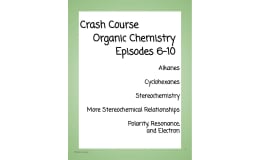
Crash Course Chemistry: Episodes 6-10 will cover:
-Stoichiometry - Chemistry for Massive Creatures
-Water & Solutions - for Dirty Laundry
-Acid-Base Reactions in Solution
-Precipitation Reactions
-Redox Reactions
Episode links for each of these are included. There is an episode guide for students to complete (with and without timestamps). Answer keys are included.
Related resources
More resources teachers may find useful
24 related resources were found using this product's title, contributor, categories and tags.



In the classroom
Teaching tips & learning objectives

Learning objectives
Explain selected vocabulary and ideas from the five chemistry episodes.
Distinguish stoichiometry, solution behavior, acid-base reactions, precipitation and redox topics.
Record information from video using the supplied question formats.

Teaching tips
Preview the episode and choose useful pause points.
Review the completed guide after viewing and discuss unfamiliar chemistry terms.
Arrange internet access to the linked Crash Course videos; the download contains worksheets and links, not video files.

Skills covered
Guided video note-taking — students answer episode-specific questions, with timestamped and untimed versions.
Chemistry vocabulary — prompts address stoichiometry, solutions, acids and bases, precipitation and redox.
Answer review — completed guides accompany all five episodes.
Good to know
Questions teachers ask about this resource
Which version should I choose for supported viewing?
Use the timestamped guides to help students find the relevant moment in each episode. The untimed versions repeat the questions without those cues.

No reviews yet
Downloaded this resource? Tell other teachers how it went.
Resource details
Concepts & topics
Core concepts
 Core concepts
Stoichiometry
The mole
Acid-base reactions
Redox reactions
Video note-taking
 Topics
Explore more
Categories this resource belongs to
Explore related searches
More to explore
You may also like