Engineering Design Process for Household Upcycling


Science, Basic Science, Inventors, Theories, Earth and Environmental Sciences, Earth Sciences, Environmental Science, Geology, Space, STEM
Worksheets & Printables, Workbooks, Worksheets, Word Searches, Teacher Tools, Assessments, Lesson Plans, Quizzes and Tests, Quizzes, Tests


About This Product
Transform your students from consumers into creators with this complete, no-prep STEM curriculum!
Are you looking for an engaging, hands-on project that teaches real-world engineering skills without breaking the budget? Dive into the "Engineering Design Process for Household Upcycling," a comprehensive, project-based learning (PBL) unit designed to turn everyday trash like cardboard boxes and plastic bottles into functional, load-bearing items.
This isn't just another recycling craft. This rigorous curriculum guides 4th, 5th, and 6th-grade students through the authentic Engineering Design Process (EDP). They will learn the material science of polymers and cardboard, draft orthographic blueprints, and apply principles of physics to build amazing items like a passive phone amplifier, a modular storage unit, a self-watering planter, and even a kinetic wind turbine!
What's Included in This 35-Page All-in-One PDF?
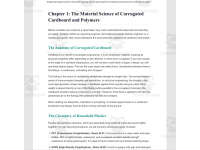
Part 1: In-Depth Instructional Text (Teacher's Guide): A detailed guide explaining the core concepts of material science, structural engineering, and each step of the EDP (Ask, Imagine, Plan, Create, Test, Improve) in the context of upcycling.
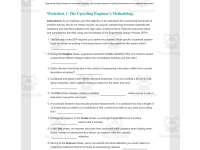
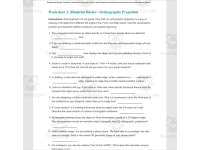
Part 2: Printable Student Workbook (10 Worksheets): Ten carefully scaffolded worksheets that reinforce learning. Activities cover everything from blueprint basics and advanced joinery to data collection, troubleshooting, and a final capstone design challenge.
Part 3: Teacher Resources & Visuals:
Classroom Anchor Charts: Professional diagrams of the Engineering Design Process, a Material Science Matrix, and the Anatomy of a Blueprint.
Comprehensive Answer Key: Complete answers for every knowledge check and worksheet question, saving you valuable prep time.
Project Reflection Rubrics: Guidance for assessing student understanding and encouraging a growth mindset during the testing and iteration phases.
This unit is perfect for STEM/STEAM labs, Earth Day activities, sustainability lessons, gifted and talented programs, or any teacher looking to integrate meaningful, hands-on engineering challenges into their classroom.
Keywords: STEM, STEAM, Engineering Design Process, Project-Based Learning (PBL), Upcycling, Recycling Project, Earth Day, Sustainability, 4th Grade Science, 5th Grade Science, 6th Grade STEM, Middle School Engineering, Hands-On Learning, Critical Thinking, Cardboard Engineering, Plastic Bottle Projects, Printable Workbook, No-Prep, Homeschool Curriculum, After-School Club.
Why Parents/Schools Love It:
Turns Trash into Treasure (Zero-Cost Materials): This curriculum brilliantly uses common household waste like cardboard and plastic bottles, making it an incredibly affordable and accessible hands-on experience for any school or family.
Teaches Authentic 21st-Century Skills: It goes far beyond simple crafts, teaching the real, iterative Engineering Design Process. Students learn critical thinking, problem-solving, spatial reasoning, and resilience in the face of failure.
Comprehensive & "Print-and-Go": This is a complete, all-in-one unit. With an instructional guide, student worksheets, visual aids, and a full answer key, teachers can implement a high-quality engineering project with minimal prep time.
Fosters Environmental Consciousness: The curriculum is built on a foundation of sustainability. It empowers students to see waste as a resource, teaching them practical ways to have a positive impact on their environment.
Highly Engaging for All Learners: The hands-on building process and the creation of genuinely functional items (like a phone stand or a self-watering planter) capture students' imagination and provide a tangible sense of accomplishment.
Target Audience :
Based on the content's complexity, language, and stated goals, target:
Grade Levels: 4th, 5th, and 6th Grade. The content is perfectly scaffolded for this upper-elementary to early-middle school range.
Educator Types:
Classroom Teachers (Grades 4-6)
STEM/STEAM Lab Teachers
Science Teachers
Homeschooling Parents
After-School Program Coordinators
Gifted and Talented (GATE) Program Instructors
Copyright/Terms of Use:
This Book was copyrighted by Syed Hammad Rizvi. This resource is for personal and single classroom use only. You may not alter, redistribute, or sell any part of this resource. In other words, you may not put it on the Internet where it could be publicly found and downloaded.
If you want to share this resource with colleagues, please purchase additional licenses from Teachsimple. Thank you for respecting these terms of use.
This product is happily brought to you by Syed Hammad Rizvi
Resource Tags
0 Reviews
Check out these other great products