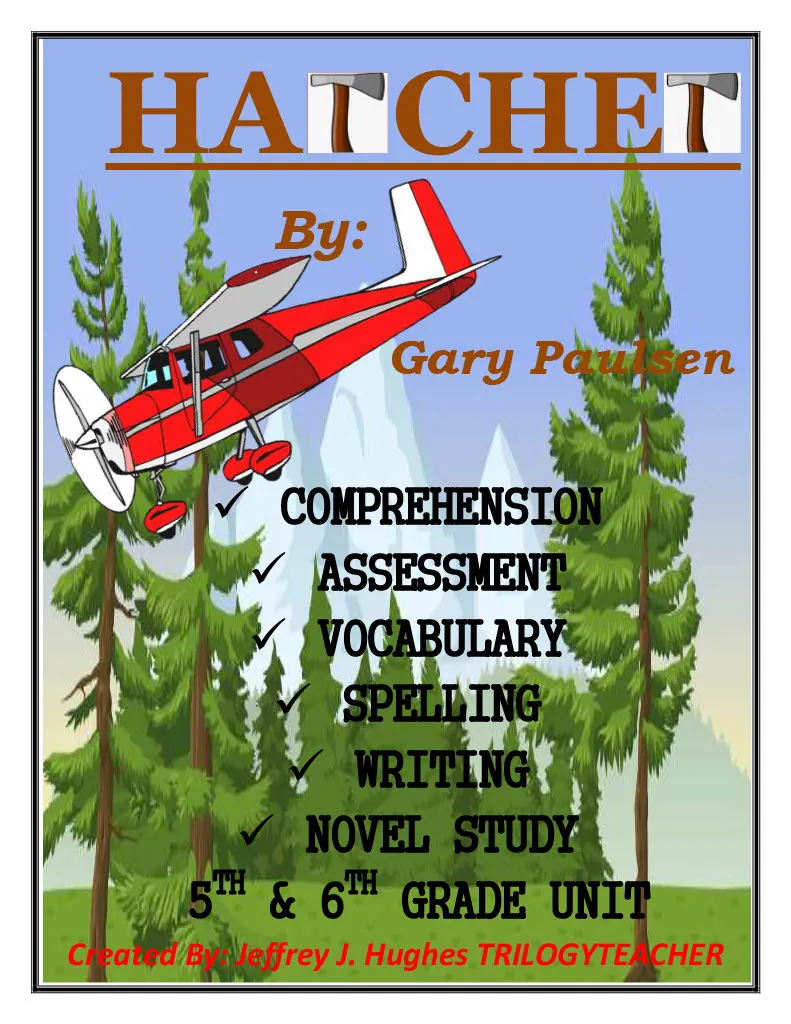
Hatchet Novel Study – Gary Paulsen Unit
- Grades
- Grades 4–6
- File type
- Answer key
- Included


- Subject
- ELA, Literature, Reading Comprehension
- Topic
- Hatchet, Gary Paulsen
- Resource types
- Worksheets, Novel Studies
- Answer key
- Included
- Standards
- RL.5.1
Product description
From the author
Related resources
More resources teachers may find useful
24 related resources were found using this product's title, contributor, categories and tags.


In the classroom
Teaching tips & learning objectives

Learning objectives
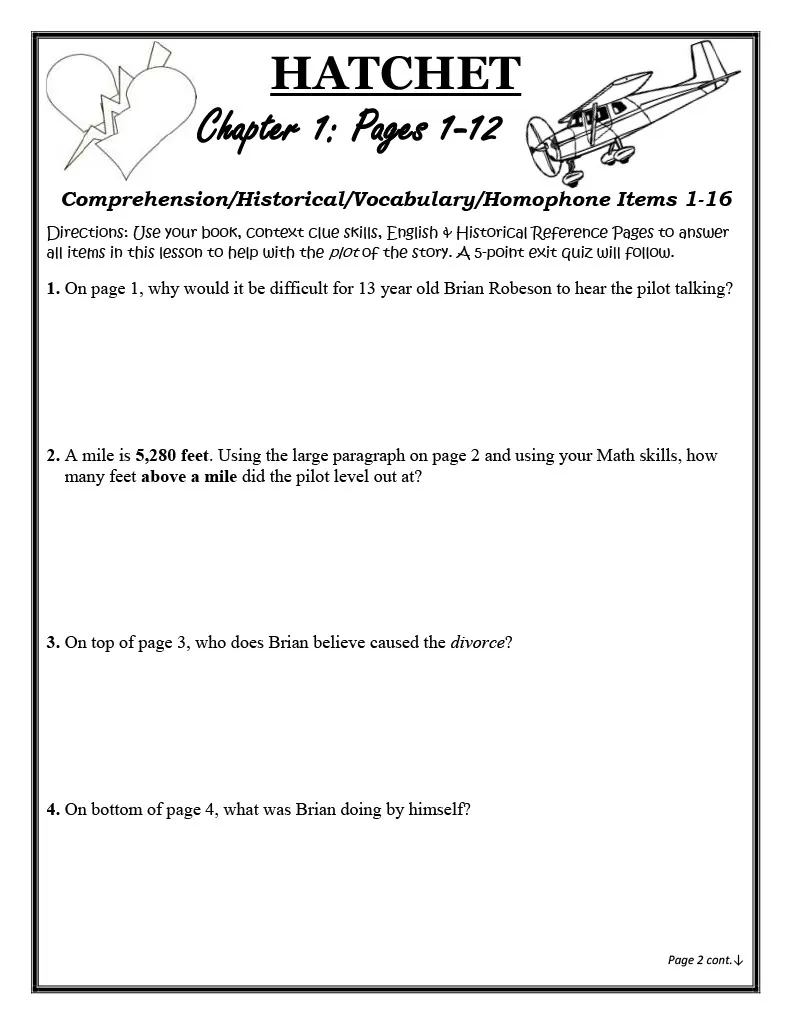
Answer chapter-level comprehension, vocabulary, and historical-context questions for Hatchet's 19 chapters and epilogue.
Use context clues to decode mystery vocabulary words drawn from the text.
Identify figurative language (similes, metaphors, idioms, hyperbole, personification) within the novel.

Teaching tips
Use the Student English Reference Page (definitions of context clues, figurative language, theme, main idea, point of view) as a standing reference students keep in a folder throughout the unit.
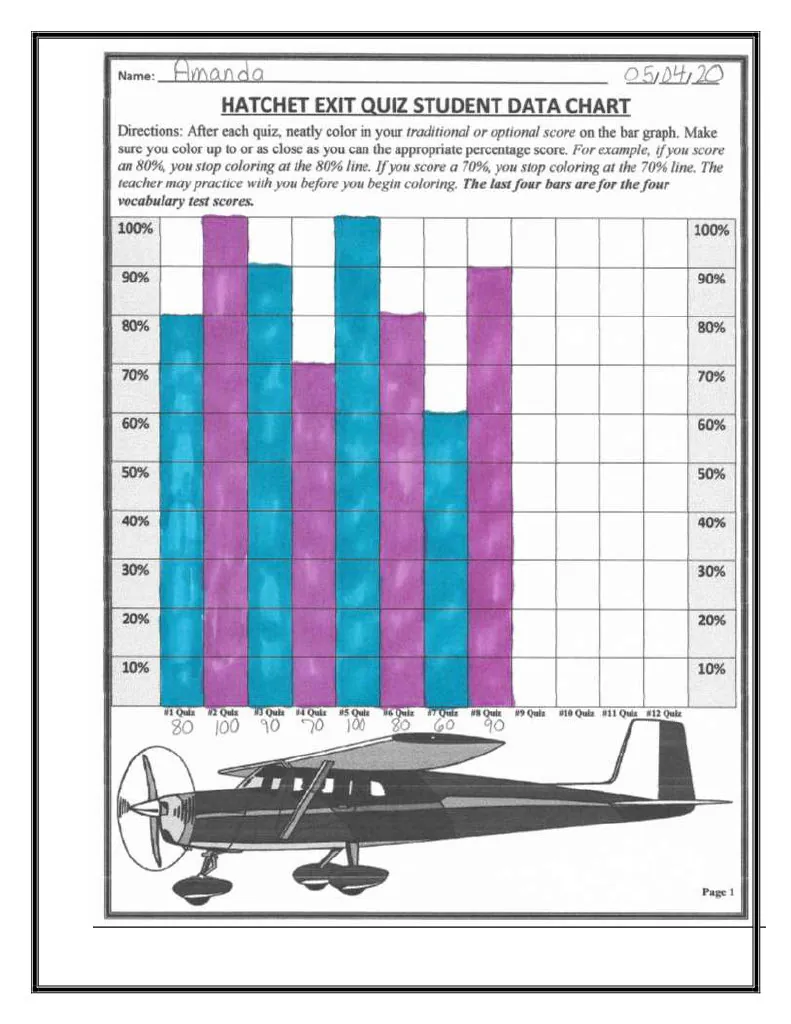
Administer the four vocabulary/spelling/homophone checkpoints after each five-lesson block (the final block includes the epilogue), as the unit is structured, before assigning the cumulative 50-question test.
Have students keep all worksheets, quizzes, and tests in a dedicated folder to prepare for the final summative test, as the included teacher instructions suggest.

Skills covered
Reading comprehension — students answer 16 chapter-specific items per lesson covering plot, vocabulary, and historical context.
Context-clue vocabulary decoding — students solve 'mystery vocabulary' blanks using surrounding text clues.
Figurative language identification — students recognize similes, metaphors, idioms, hyperbole, personification, and onomatopoeia within the novel's language.
Good to know
Questions teachers ask about this resource
Can students use their historical reference page while taking each chapter's exit quiz?
It's the teacher's choice: the instructions note you can let students reference the page for textual evidence during the quiz, or have them study it beforehand with a partner and quiz them without it.
Does the final 50-question test only recycle questions from the 20 chapter worksheets, or does it include new material?
It includes new material: items 1-30 draw from the worksheet comprehension questions, but items 31-33 come from a brand-new historical reference page and items 34-50 draw from the pre-chapter vocabulary.

No reviews yet
Downloaded this resource? Tell other teachers how it went.
Curriculum
Standards, concepts & topics
Standards
 Standards
- RL.5.1
Core concepts
 Core concepts
Novel study
Reading comprehension
Figurative language
Vocabulary in context
Textual evidence
 Topics
Explore related searches
More to explore
You may also like