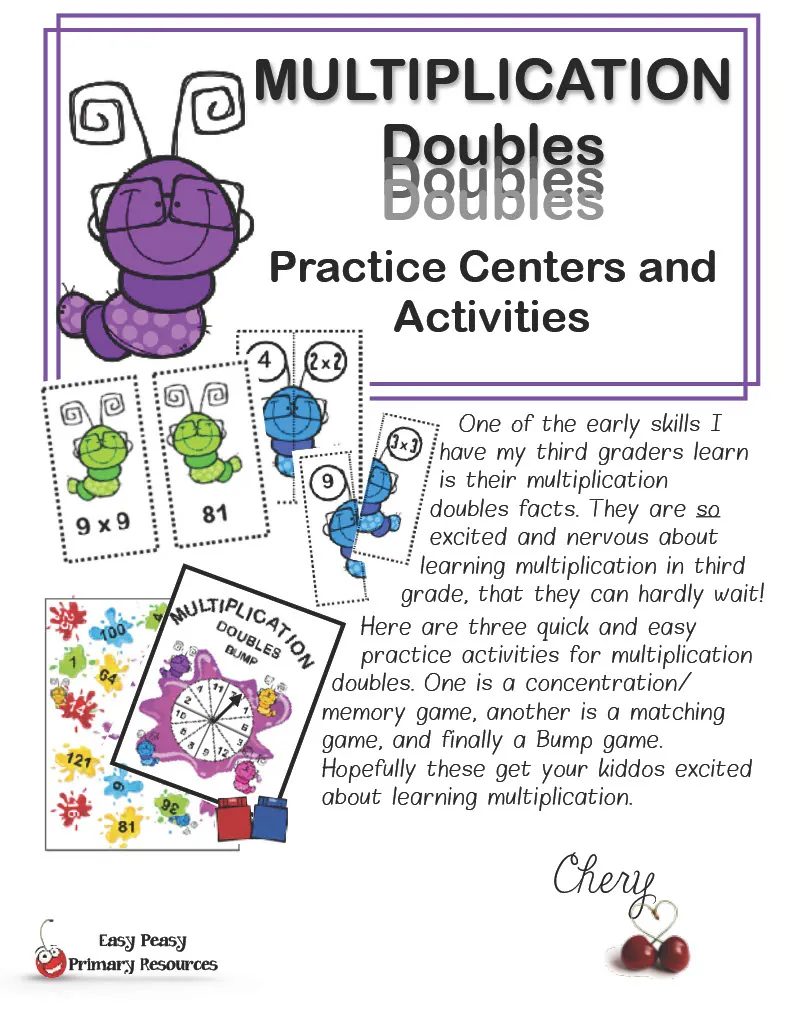
Multiplication Doubles Practice Centers and Activities
- Grades
- Grades 2–4, Elementary
- Pages
- 8
- File type
- Preparation
- Print ready


- Subject
- Math, ELA, Reading, Multiplication, Multiplication and Division, Numbers, Early Math
- Topic
- Multiplication, Math centers
- Resource types
- Games, Activities
- Preparation
- Print ready
- Standards
- 3.OA.C.7
Product description
From the author
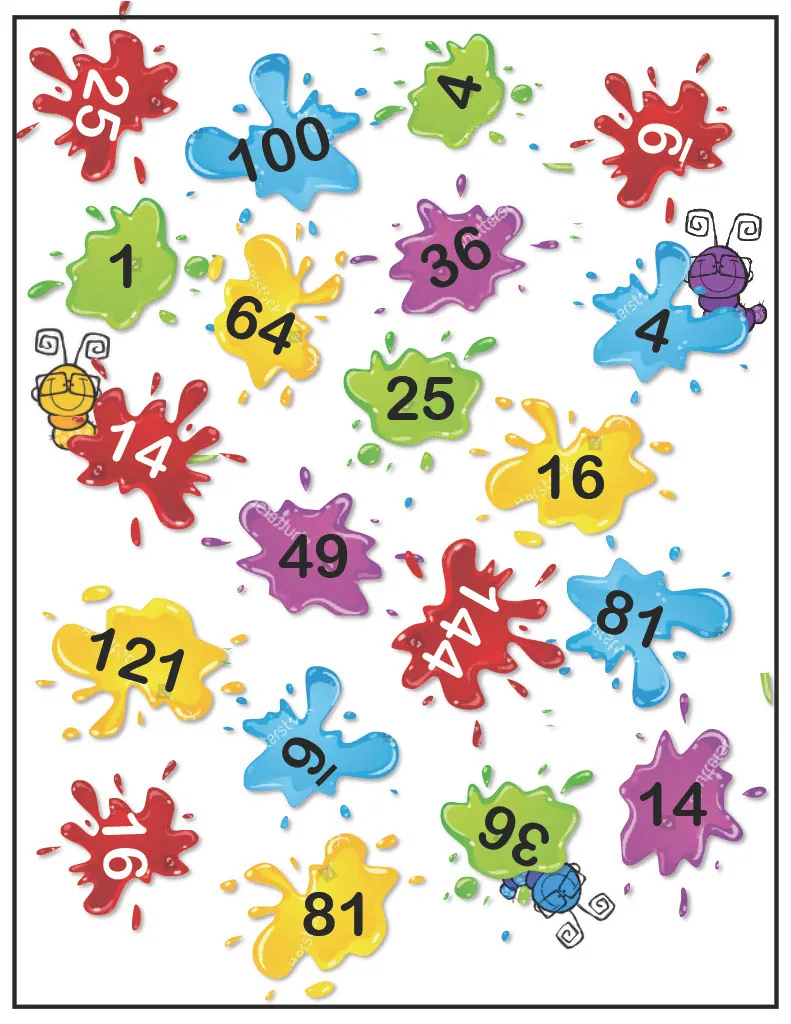
This resource is a Multiplication Doubles Practice Centers and Activities.
Here are three quick and easy practice activities for multiplication doubles.
Included:
- Concentration/memory game
- Matching game
- Bump game
This is a great way to get your kiddos excited about learning multiplication.
Related resources
More resources teachers may find useful
24 related resources were found using this product's title, contributor, categories and tags.


In the classroom
Teaching tips & learning objectives

Learning objectives
Recall the square products of the numbers 1 to 12, from 1x1 to 12x12
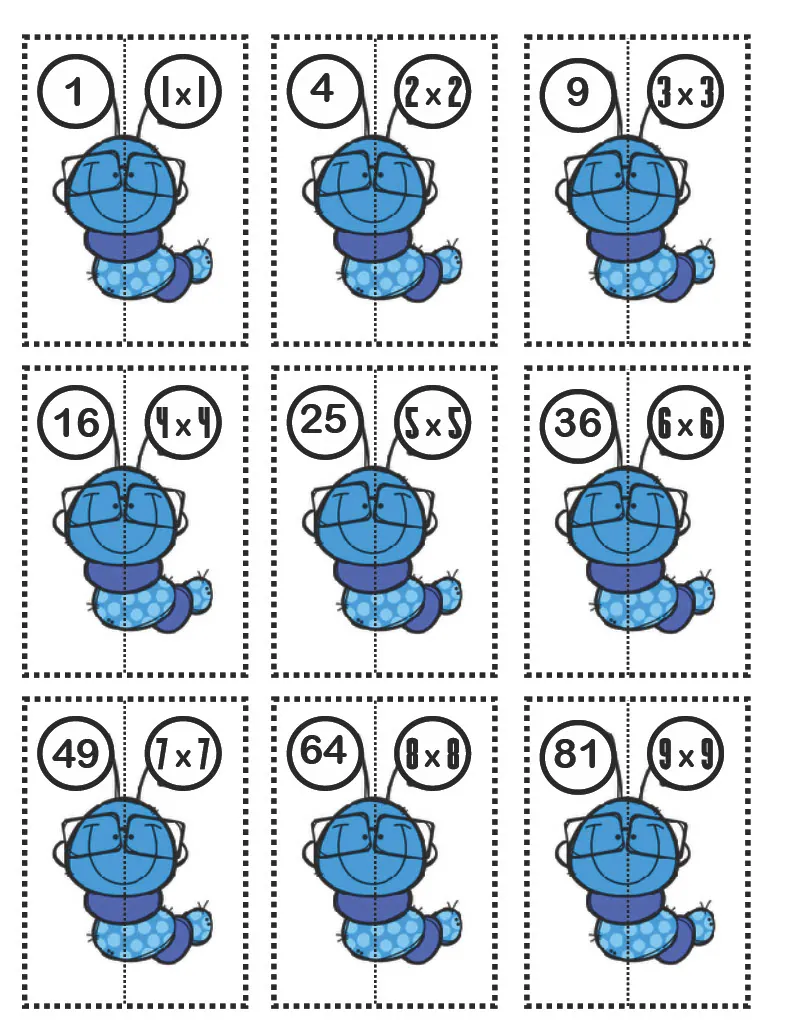
Match a doubles fact to its product and a product back to its fact
Follow a multi-rule partner game, tracking which spaces are covered, bumped, stacked and locked

Teaching tips
The two card sets carry the same twelve pairs in opposite orders, so use the fact-first set for concentration and the product-first set for matching rather than shuffling them together
The higher doubles - 11x11 and 12x12 - appear in every activity, so introduce those two before the centre opens if the class has only met facts to 10
The contributor introduces these as an early third-grade skill and as a way into multiplication generally, so they suit the opening weeks of the topic rather than review

Skills covered
Doubles fact recall - every activity works on the same twelve facts, from 1x1 = 1 up to 12x12 = 144.
Squaring a number on demand - Bump asks a player to multiply the spun number by itself before placing a cube, which turns recall into something done under game pace.
Partner cooperation - the whole set is written for two players sharing a board, taking turns and agreeing on outcomes.
Good to know
Questions teachers ask about this resource
How do the two card sets differ?
By which side of the fact comes first. One set prints the expression then the product - 3x3 then 9 - and is set out for concentration; the other prints the product then the expression - 9 then 3x3 - for matching. The twelve pairs are the same in both.
What is needed to play the Bump game?
Two players, coloured cubes in two colours, and a spinner over the numbers 1 to 12 on the separate spinner page. Use the separate product board and spinner page. A player spins, multiplies that number by itself and covers a matching product on the board.
What does it mean to lock a space?
Stacking two cubes of your own colour on it. Once a space is locked it can no longer be bumped and belongs to that player for the rest of the game, and whoever holds the most locked spaces at the end wins.

No reviews yet
Downloaded this resource? Tell other teachers how it went.
Curriculum
Standards, concepts & topics
Standards
 Standards
- 3.OA.C.7
Core concepts
 Core concepts
Multiplication doubles
Square numbers
Fact fluency
Math centers
 Topics
Explore more
Categories this resource belongs to
Explore related searches
More to explore
You may also like