Rebus Puzzles
- Grades
- Grades 4–8
- Pages
- 22
- File type
- Microsoft PowerPoint
- Answer key
- Included


- Subject
- ELA, Vocabulary
- Topic
- Rebus puzzles, Wordplay
- Resource types
- Games, Activities, Presentations
- Answer key
- Included
- Standards
- CCSS.L.4.5
Product description
From the author
If you're looking for something to challenge your students, these Rebus Puzzles will do the trick.
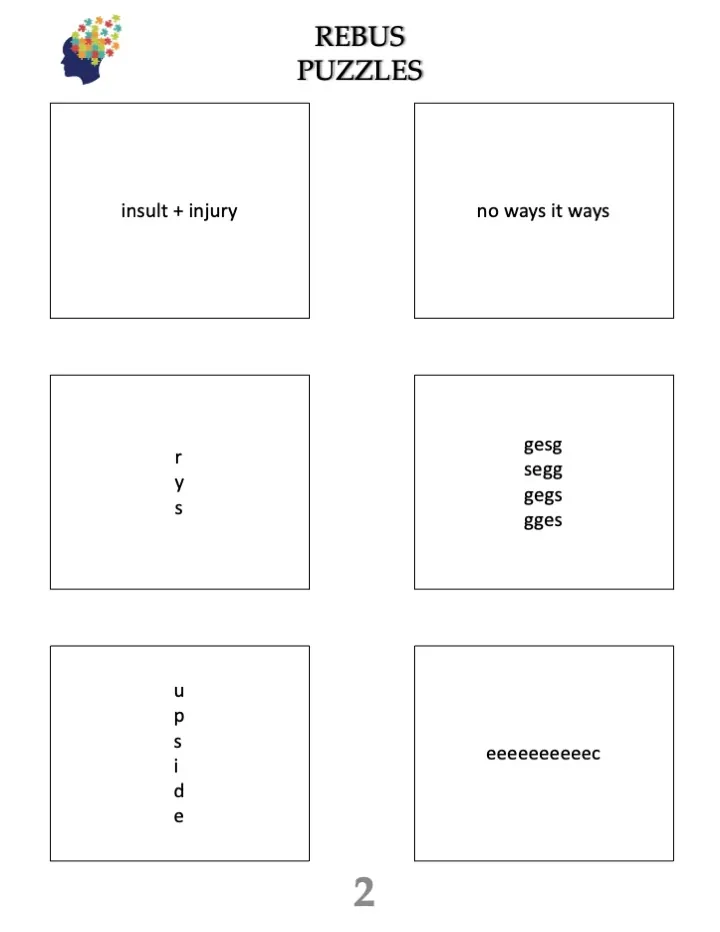
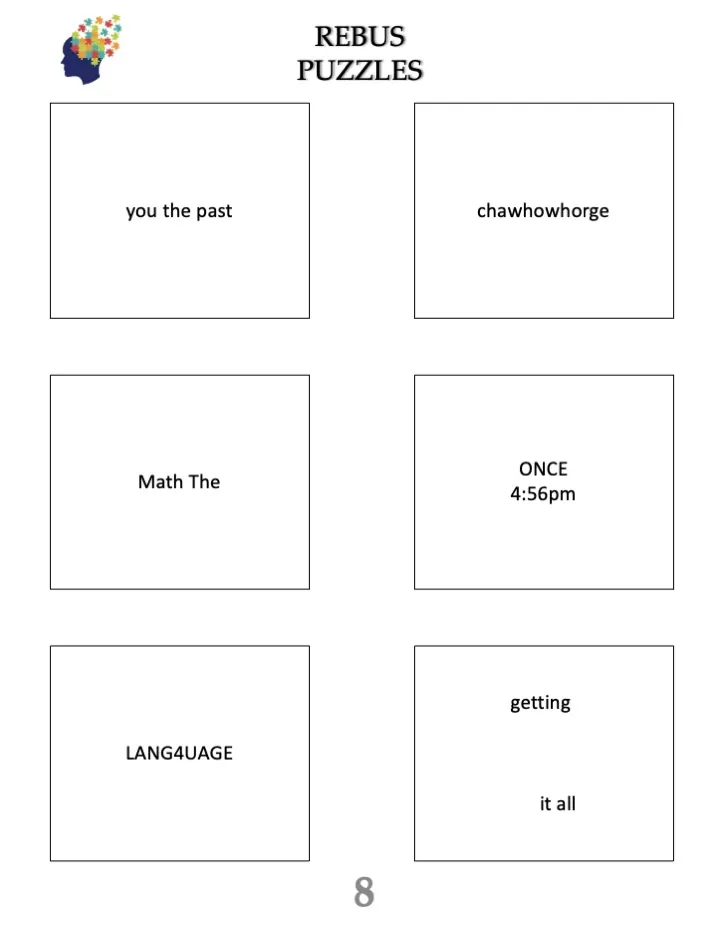
There are 10 puzzle slides with 6 puzzles each, plus 10 matching answer slides and a cover. There is a blank slide at the end to create your own.
Students will expand their critical thinking as they work to decipher these riddles.
Answer key included.
Related resources
More resources teachers may find useful
17 related resources were found using this product's title, contributor, categories and tags.
In the classroom
Teaching tips & learning objectives

Learning objectives
Decode a familiar English phrase from a visual rebus puzzle using letter position, size, and arrangement as clues

Teaching tips
Present one puzzle slide at a time and reveal its answer slide only after students attempt the puzzles
Preview the idiom list before use, since several phrases (sports terms, adult expressions) may need explanation for younger or English-language-learner audiences
Use as a warm-up or transition activity rather than a full lesson, since the file provides no instructional framing

Skills covered
Interpret word position, size and repetition to identify phrases
Explain figurative meanings when an answer is an idiom

No reviews yet
Downloaded this resource? Tell other teachers how it went.
Curriculum
Standards, concepts & topics
Standards
 Standards
- CCSS.L.4.5 — Demonstrate understanding of figurative language, word relationships, and nuances in word meanings. a. Explain the meaning of simple similes and metaphors (e.g., as pretty as a picture) in context. b. Recognize and explain the meaning of common idioms, adages, and proverbs. c. Demonstrate understanding of words by relating them to their opposites (antonyms) and to words with similar but not identical meanings (synonyms).
Core concepts
 Core concepts
Idioms
Figurative language
Rebus puzzles
 Topics
Explore related searches
More to explore
You may also like