Summer Break Color by Addition and Subtraction – Math Coloring Sheets


- Grades
- Grades 1–2, Elementary
- Pages
- 12
- File type
- Preparation
- Print ready


- Subject
- Addition and Subtraction, Math
- Topic
- summer, color by code
- Resource types
- Coloring Pages, Worksheets, Worksheets & Printables
- Preparation
- Print ready
About this resource
What's inside this resource
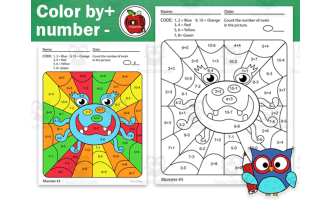
Practice basic math skills with this summer-themed color by code activity pack. Designed for early elementary students, this resource includes printable math coloring sheets focused on addition and subtraction review during summer break.
Students solve addition and subtraction problems and use the answers to complete color-by-code pictures. The worksheets combine basic math practice with seasonal illustrations related to summer activities and vacation themes.
This resource includes a variety of printable coloring pages arranged in a consistent format for classroom or independent use. The activities provide structured number practice while allowing students to complete simple coloring tasks.
Ideal for summer review, end-of-the-year activities, math centers, or early finisher work, this no-prep resource can be used across multiple elementary grade levels.
What’s Included:
Summer-themed color by code worksheets
Addition practice activities
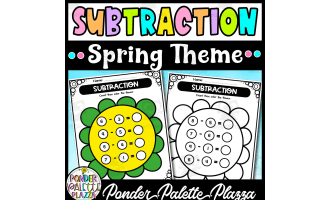
Subtraction review pages
Printable math coloring sheets
Student-friendly page layouts
Ideal For:
Summer math review
End-of-the-year classroom activities
Independent or small group work
Math centers and homework
Classroom or homeschool use
Provide students with structured addition and subtraction review activities using these printable summer break math coloring sheets.
Related resources
More resources teachers may find useful
24 related resources were found using this product's title, contributor, categories and tags.


In the classroom
Teaching tips & learning objectives

Learning objectives
Work each addition or subtraction inside a picture and match the answer to a colour
Add within 20, including sums that land in the teens
Subtract to answers inside 20, and on one sheet to multiples of ten as far as 70

Teaching tips
Choose sheets by their colour guide rather than by page order - the ranges are not sequenced, so the 14-to-19 addition sheet sits before the 2-to-6 one
The single-digit addition sheet keyed to 2, 3, 4, 5, 6 and the subtraction sheet keyed to 1 through 6 are the gentlest starting points
The subtraction sheet keyed to 10, 20, 30, 40, 50, 60 and 70 is the outlier of the set and needs place-value work behind it before it will land

Skills covered
Addition within 20 - six sheets ask students to solve sums whose answers fall inside the ranges printed in each colour guide, from 2 to 6 at the easiest up to 14 to 19.
Subtraction within 20 - six matching sheets work the reverse operation, with guides running from 1 to 6 through the odd numbers to 11 and into the teens.
Subtracting to multiples of ten - one subtraction sheet keys its colours to 10, 20, 30, 40, 50, 60 and 70, which takes the work into place value rather than number bonds.
Good to know
Questions teachers ask about this resource
What sets one sheet apart from another?
The colour guide at the top. Every sheet carries the same heading and instruction, but the guide fixes which answers appear: one addition sheet works to 2 through 6, another to 6 through 12, another to even numbers up to 20, and one to the teens. The subtraction sheets range from 1 to 6 up to multiples of ten as far as 70.
Which sheet is the most demanding of the twelve?
The subtraction sheet keyed to 10, 20, 30, 40, 50, 60 and 70. Every other sheet keeps its answers inside twenty, so that one asks for place-value subtraction rather than number bonds and sits apart from the rest of the set.
How does a student know a colour is wrong?
The picture tells them. Each answer maps to a colour, so a miscalculated square comes out in a shade that breaks the summer scene around it - which makes the sheets largely self-correcting during colouring rather than after.

No reviews yet
Downloaded this resource? Tell other teachers how it went.
Resource details
Concepts & topics
Core concepts
 Core concepts
Addition
Subtraction
Color by code
Number recognition
 Topics
Explore more
Categories this resource belongs to
Explore related searches
More to explore
You may also like