Teen Personal Hygiene & Self-Care

Health, P.E. & Health, Life Skills, Special Resources, Social Emotional Learning (SEL), Social Skills, Special Education Needs (SEN)


About This Product
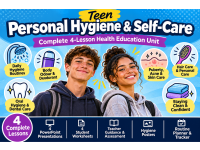
Teen Personal Hygiene & Self-Care – Complete 4-Lesson Health Education Unit | PowerPoints, Worksheets, Posters & Teacher Guide
Introduction
Help teenagers understand personal hygiene, body changes and healthy self-care routines with this complete four-lesson Personal Hygiene and Self-Care unit from MrSportandPE.
Designed for middle school, junior high and secondary school students, this ready-to-use teaching resource explores important hygiene topics in an informative, practical and age-appropriate way.
Students learn why personal hygiene matters, what causes body odour, how to establish effective daily routines, how to care for their teeth and how puberty can affect their skin and hair.
The unit also explores the connection between hygiene, confidence and social situations, helping students develop greater awareness of their personal care needs without embarrassment or judgement.
With four PowerPoint presentations, matching student worksheets, teacher guidance, hygiene posters and a routine planner, this resource provides a structured approach to teaching an important life skill.
Learning Objectives
By the end of the unit, students will be able to:
Explain why personal hygiene is important for health and wellbeing.
Understand what causes body odour.
Recognise how hygiene can affect confidence and social interactions.
Identify effective daily hygiene routines.
Understand when and how to use deodorant.
Explain the importance of washing and wearing clean clothing.
Recognise appropriate hygiene habits after exercise.
Understand the causes of bad breath and tooth decay.
Identify habits that support good oral health.
Explain how puberty affects skin and hair.
Understand what causes acne.
Identify practical strategies for maintaining healthy skin and hair.
Reflect on personal hygiene habits and set achievable improvement goals.
Complete 4-Lesson Unit Overview
Lesson 1 – Why Hygiene Matters
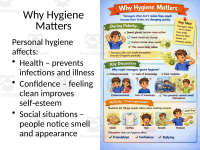
Students explore the importance of personal hygiene and how it affects health, confidence and everyday social situations.
Topics covered:
What personal hygiene means.
Why hygiene matters.
Understanding sweat and body odour.
How body odour develops.
Hygiene and first impressions.
Reasons teenagers may struggle with hygiene.
Developing positive personal care habits.
Student activities: First-impressions discussion, understanding body odour, identifying hygiene benefits and personal reflection.
Lesson 2 – Daily Hygiene Routines
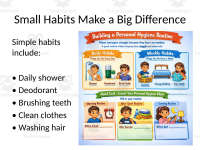
Students explore how consistent hygiene routines can help them stay clean, comfortable and confident.
Topics covered:
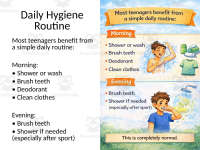
Morning hygiene routines.
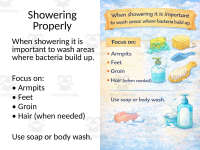
Washing and showering.
Using deodorant.
Wearing clean clothing.
Changing socks and underwear.
Hygiene after sport and exercise.
Evening routines.
Building consistent daily habits.
Student activities: Identifying daily hygiene habits, planning morning and evening routines, considering hygiene after sport and setting personal goals.
Lesson 3 – Oral Hygiene and Dental Care
Students learn how to look after their teeth and understand the importance of maintaining good oral health.
Topics covered:
Why oral hygiene matters.
Causes of bad breath.
Bacteria in the mouth.
Tooth decay.
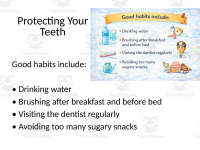
Healthy toothbrushing habits.
Foods and drinks that can damage teeth.
Dental health and confidence.
Student activities: Oral hygiene discussions, identifying healthy tooth habits, exploring causes of bad breath and reflecting on personal dental care.
Lesson 4 – Skin, Hair and Personal Care
Students explore how puberty affects skin and hair and learn practical ways to manage these changes.
Topics covered:
Hormonal changes during puberty.
Oily skin and hair.
Understanding acne.
Blocked pores and spots.
Basic skincare routines.
Washing and caring for hair.
Personal care products.
Developing healthy self-care habits.
Student activities: Puberty changes discussion, understanding acne, personal care product matching and personal reflection.
What's Included?
1. Four PowerPoint Presentations
Four ready-to-use teaching presentations covering the complete unit.
The presentations introduce key information through accessible explanations, discussion prompts, practical examples and reflection activities.
2. Four Matching Student Worksheets
Each lesson includes an editable Word worksheet.
Activities include:
Short-answer questions.
Discussion and reflection prompts.
Sentence completion.
Personal routine planning.
Identifying healthy habits.
Matching activities.
Personal goal setting.
The worksheets follow the content of the presentations and can be used during lessons or as follow-up activities.
3. Teacher Guidance and Assessment
A dedicated teacher pack provides:
Unit overview.
Lesson learning objectives.
Advice for teaching sensitive hygiene topics.
Supportive discussion strategies.
Guidance for addressing individual hygiene concerns privately.
Student assessment checklist.
4. Hygiene Posters
A separate document containing visual hygiene resources that can support teaching, classroom displays and reminders.
5. Hygiene Routine Planner and Tracker
An additional editable document to support students in planning and monitoring their personal hygiene habits.
This can be used for individual reflection, targeted support or follow-up activities.
Recommended Grades and Ages
Suitable for:
Middle school.
Junior high school.
Secondary school.
Approximately ages 11–14, depending on student needs.
Grades 6–9.
Health education.
Personal development and wellbeing.
Life skills lessons.
Tutor or advisory periods.
Small-group learning support.
The materials can also be adapted for older students who would benefit from additional guidance with personal hygiene and independence.
Implementation and Teaching Format
The unit can be delivered as four consecutive lessons or used as individual sessions within a wider health education programme.
A suggested lesson structure includes:
Starter Discussion: Introduce the topic using relatable questions and examples.
Teacher-Led Learning: Use the PowerPoint to explain the key concepts.
Student Discussion: Explore scenarios and encourage thoughtful responses.
Worksheet Activity: Reinforce understanding through written or supported tasks.
Reflection: Identify an achievable hygiene habit or personal improvement goal.
The routine planner can be used to encourage students to apply their learning beyond the classroom.
Differentiation and Inclusive Teaching
Personal hygiene can be a sensitive subject, especially during adolescence.
The teacher guidance encourages a respectful, supportive approach that avoids embarrassment or judgement.
Teachers can adapt activities by:
Using factual, age-appropriate language.
Providing visual explanations.
Allowing verbal or written responses.
Using fictional scenarios instead of personal disclosure.
Offering additional processing time.
Breaking routines into smaller steps.
Supporting students with individual goals.
Addressing personal hygiene concerns privately.
The resource may be particularly useful for students who need additional support developing independent self-care routines.
Assessment Opportunities
Assessment is incorporated through discussion, worksheets and reflection activities.
Teachers can evaluate whether students can:
Explain the importance of personal hygiene.
Understand body odour and puberty-related changes.
Identify appropriate daily hygiene habits.
Explain basic oral health principles.
Recognise effective skin and hair care routines.
Suggest practical improvements to personal hygiene.
The teacher pack includes an assessment checklist to support progress monitoring.
Curriculum and Educational Standards
This resource supports learning outcomes commonly associated with:
Health education.
Personal hygiene and self-care.
Puberty and adolescent development.
Personal wellbeing.
Healthy lifestyles.
Independent living skills.
Personal responsibility.
Social awareness.
Life skills education.
The unit can be adapted to different national, state and school health education curricula.
File Types and Contents
The downloadable ZIP package contains 11 files:
4 PowerPoint presentations (PPTX) – One for each lesson.
4 student worksheets (DOCX) – Matching activities and reflection tasks.
1 teacher guidance and assessment pack (DOCX).
1 hygiene posters document (DOCX).
1 hygiene routine planner and tracker (DOCX).
The PowerPoint and Word formats allow teachers to edit the materials to suit their students, teaching environment and school requirements.
Why Choose This Resource?
Personal hygiene becomes increasingly important during adolescence, but students may not always receive clear, practical guidance about body changes and self-care.
This unit provides an age-appropriate approach to discussing hygiene, puberty, body odour, dental health and personal care.
By combining informative presentations, practical worksheets and opportunities for personal reflection, students can develop greater understanding, confidence and independence.
Healthy Habits. Growing Confidence. Greater Independence.
Created by MrSportandPE – practical teaching resources supporting health education, personal development and student wellbeing.
Resource Tags
0 Reviews
Check out these other great products