The All-American Slurp: Full Lesson Plan w/ PowerPoints & Graphic Organizers

- Grades
- Grades 5–8, Elementary, Middle School
- File type
- Multiple File Types


- Subject
- ELA, Reading
- Topic
- reading lesson plan, graphic organizers
- Resource types
- Lesson Plans, Teacher Tools
About this resource
What's inside this resource
This resource will give you everything you need to complete a full, comprehensive reading lesson plan for The All-American Slurp text by Lensey Namioka. Files are offered as PDFs and Word documents.
Included:
-The All-American Slurp Lesson Plan
-The All-American Slurp Worksheet
-The All-American Slurp Answer Key
Graphic Organizers:
Author’s Purpose
Characterization Chart
Figurative Language Chart
Historical Analysis Chart
Imagery Chart
Peer Evaluation Sheet
Plot Diagram
Read for Detail
Setting
Style Chart
Symbol Chart
Symbolism Chart
Theme Diagram
Tone and Mood Diagram
Universal Plot Diagram
Venn Diagram
PowerPoints:
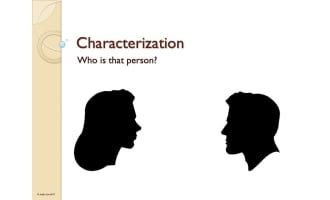
Characterization
Imagery, Voice, and Persona
Irony and Ambiguity
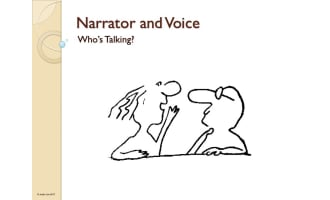
Narrator and Voice
Plot Structure
Symbolism and Allegory
Theme - How to Interpret
Theme
Thank You Bonus Stuff!
Related resources
More resources teachers may find useful
24 related resources were found using this product's title, contributor, categories and tags.


In the classroom
Teaching tips & learning objectives

Learning objectives
Define and apply plot and characterization vocabulary - protagonist, antagonist, subordinate character, motivation, round, flat, dynamic and static - to the Lin family and the Gleasons
Draw inferences about character from textual detail, for example what the father's verb-conjugation diagrams and the mother's memorised polite phrases reveal about each of them
Use the eight pre-reading vocabulary words in original sentences that show the word's meaning in context

Teaching tips
The story text itself is supplied by your textbook or anthology - the lesson plan lists "The All-American Slurp text by Lensey Namioka" under Materials alongside the worksheet
Open a PowerPoint before reading: the plan directs teachers to introduce terms from Plot Structure or Characterization first and notes that the terms can be written on the board when no projector is available
Reserve Write-Pair-Share for the inference and opinion questions rather than fact-recall items; the plan says so explicitly and page two walks through nominating students, the pairing script and the "My idea is similar to ______'s idea in that..." sentence starter

Skills covered
Inference from textual detail - the sixteen Questions For Thought repeatedly ask what can be inferred about a character, such as what the father's conjugation diagrams show about how he thinks.
Literary-terms vocabulary - the Characterization PowerPoint defines fourteen numbered terms from characterization and protagonist through dynamic, static and dialogue, and students take notes as they are introduced.
Plot structure analysis - the Plot Structure deck models exposition, complication, climax and resolution on The Three Little Pigs before students fill the Universal Plot Diagram for the story.
Good to know
Questions teachers ask about this resource
Where does the story text itself come from?
From your own textbook or anthology. The lesson plan lists "The All-American Slurp text by Lensey Namioka" under Materials and Time alongside the worksheet, and the Preview Text step is marked as applying only when the resource is used with a textbook or anthology.
Which parts of the worksheet are marked up with model responses?
The sixteen Questions For Thought carry written answers, for example "The Lins begin to pull the strings off of each celery stalk" and the inference that the father is "scientific and logical in his thinking". The Literary Focus and Critical Thinking sections are left open for student writing, and question 13 notes that student answers may vary.
How much class time does the plan assume, and how is it split?
Roughly two to three hours. That covers the anticipatory-set discussion, guided reading of the story with Oral Cloze and Choral Reading, stopping for the Questions For Thought, and paired or small-group work on the Universal Plot Diagram or Characterization Chart. Independent practice, the Critical Thinking paragraph and the next-day peer evaluation sit outside that window.

No reviews yet
Downloaded this resource? Tell other teachers how it went.
Resource details
Concepts & topics
Core concepts
 Core concepts
Short story analysis
Characterization
Plot structure
Theme
Inference
Cultural identity
 Topics
Explore more
Categories this resource belongs to
Explore related searches
More to explore
You may also like