Medusa and Athena – Greek Myth Activity Packet


- Grades
- Grade 3, Elementary
- Pages
- 9
- File type
- Answer key
- Included


- Subject
- ELA, Reading
- Topic
- Medusa, Athena
- Resource types
- Worksheets & Printables, Worksheets
- Answer key
- Included
About this resource
What's inside this resource
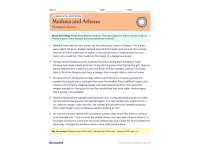
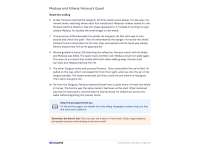
This Medusa story for kids retells the Greek myth of Perseus's quest in ten short numbered paragraphs, with Athena guiding him at every step. Students read how Perseus receives winged sandals, a cap that hides him and a curved blade, and how Athena shows him to use the mirror-bright shield to see Medusa without looking at her. The 546-word telling keeps the danger clear but brief, with no injury details or violent pictures.
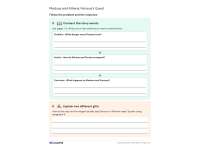
Four activity pages follow the reading. Students work out the meaning of wary, polished, pursued and reflection from context, trace the problem, action and outcome in a short event chain, and explain how the cap and the sandals help Perseus in different ways. Evidence questions ask them to describe Athena's role, test a claim about Medusa and build a theme from two story details. The last task invites students to plan and write a new ending in which Medusa survives, then revise one sentence. A teacher guide is included, along with an answer key and response criteria over two pages.
- Grade 3: reading literature, vocabulary in context and narrative writing
- Nine pages: a two-page myth, four activity pages with 12 tasks, a teacher guide and a two-page answer key
- Print-ready: a full-color PDF plus a black-and-white version
Related resources
More resources teachers may find useful
24 related resources were found using this product's title, contributor, categories and tags.


In the classroom
Teaching tips & learning objectives

Learning objectives
Determine the meaning of story words using nearby context clues.
Describe how the problem, the characters' actions and the outcome connect in a myth.
Use two text details to describe a character's role.

Teaching tips
Practice the three names with the pronunciation guide before reading, and preview the words quest, Gorgons, nymphs and bronze as the teacher guide suggests.
Have students keep pages 1–2 beside them; the numbered paragraphs make it easy to cite evidence in each answer.
Save tasks 10–12 for a later session and let students rehearse their new ending aloud before writing.

Skills covered
Vocabulary in context: students use nearby clues to work out words such as wary and polished, then use reflection in a new sentence.
Story structure: students connect the danger Perseus faces, how he and Athena respond, and what happens to Medusa and Perseus.
Text evidence: students support a description of Athena and test a reader's claim with details from named paragraphs.
Good to know
Questions teachers ask about this resource
Is the story suitable for third graders?
It is written for grade 3. Medusa's death is stated briefly, with no injury details or violent pictures, and the teacher guide suggests previewing the passage for your class.
Which version of the myth does it follow?
It follows Perseus's quest as told in the Library attributed to Apollodorus, with Athena's guidance at the center. Some dialogue and small details are invented, and the teacher guide notes what was added.
Is there an answer key?
Yes. Two pages give sample answers for all 12 tasks and criteria for judging open responses.
What writing task is included?
Students change one choice made by Athena or Perseus, plan an ending in which Medusa survives, write four or five sentences and revise one of them.

No reviews yet
Downloaded this resource? Tell other teachers how it went.
Resource details
Concepts & topics
Core concepts
 Core concepts
Greek mythology
Reading comprehension
Context clues
Text evidence
Theme
Narrative writing
 Topics
Explore more
Categories this resource belongs to
Explore related searches
More to explore
You may also like