Wash Day Routine Cue Cards designed for independence, communication

Resources for Teachers, Life Skills, Special Resources, Social Emotional Learning (SEL), Special Education Needs (SEN)


About This Product
Make wash day more predictable, visual, and manageable with these inclusive Wash Day Routine Cue Cards. This resource breaks textured and curly hair care into simple, easy-to-follow steps to support children who benefit from visual routines, including neurodivergent learners and children developing independence with personal care.
These cards can be used by parents, caregivers, educators, behaviour interventionists, support workers, and other professionals to introduce hair-care routines in a clear and supportive way.
What this resource supports:
Understanding the sequence of a wash day routine
Increasing independence with personal care
Supporting communication during hair care
Making routines feel more predictable
Reducing overwhelm by breaking tasks into smaller steps
Building familiarity with textured and curly hair care
Recommended for: Approximately ages 5–12 / Grades K–6, with flexibility depending on the individual learner’s needs.
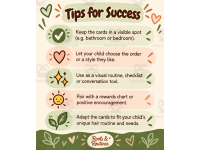
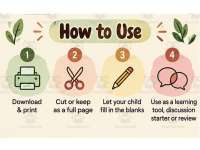
Ways to use the cards: Print and laminate them for repeated use, place them in order before beginning wash day, present one card at a time, create a visual schedule, or allow the child to remove/check off each step as it is completed.
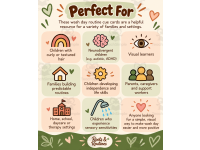
This resource can be used at home, in classrooms, life-skills programs, special education settings, therapy/support environments, or community-based programs.
Resource Type: Visual cue cards / visual schedule
Format: Printable PDF
Use: Year-round
Subject Areas: Life Skills, Special Education, Social-Emotional Learning, Personal Care & Hygiene
Please note: Every child has different hair, sensory preferences, support needs, and routines. These cards are intended to be flexible and can be adapted to fit the individual child and family.
Roots & Routines creates inclusive resources that combine textured hair education, visual supports, and practical strategies for children and the adults supporting them.
Resource Tags
0 Reviews
Check out these other great products