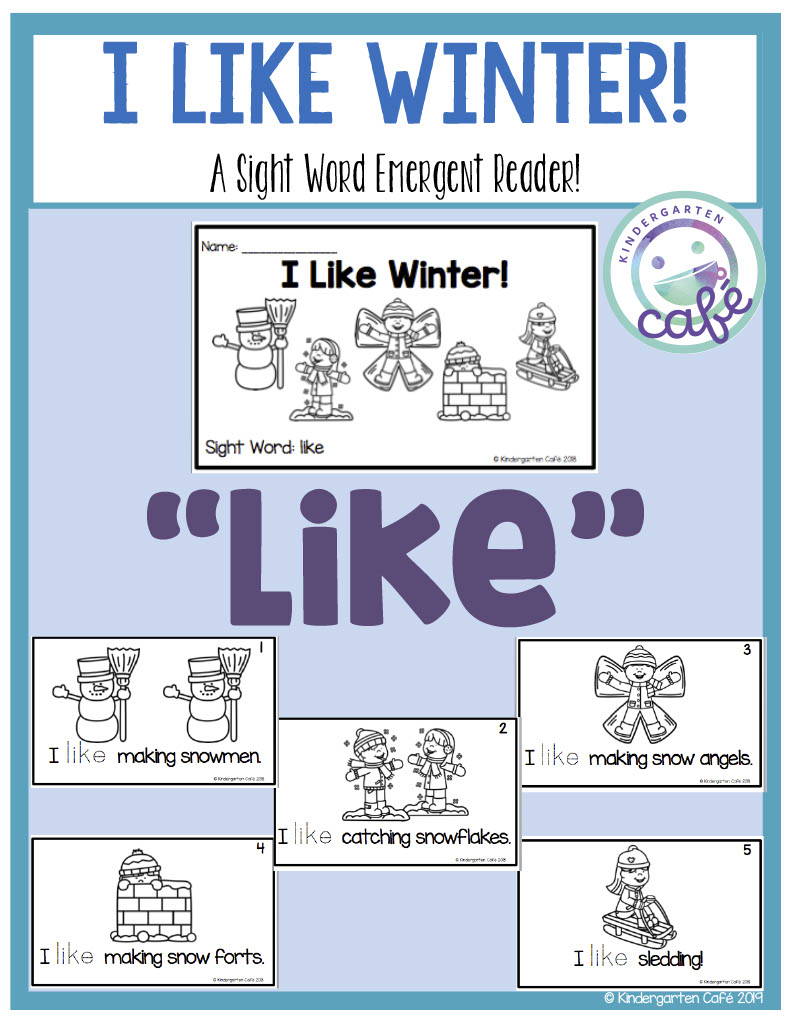
Sight Word Emergent Reader: I Like Winter Printable Booklet | "like" sight word
An emergent reader booklet giving beginning readers repeated practice recognizing and reading the sight word "like" in context, built around winter/snow activities.
Classroom resources
Browse by lesson focus
Choose the topic or kind of practice you need.
An emergent reader booklet giving beginning readers repeated practice recognizing and reading the sight word "like" in context, built around winter/snow activities.
Provide a week's worth of summer-themed daily writing prompts ('bell ringers') for classroom warm-up writing practice, delivered as a prompt slideshow paired with a printable writing journal.
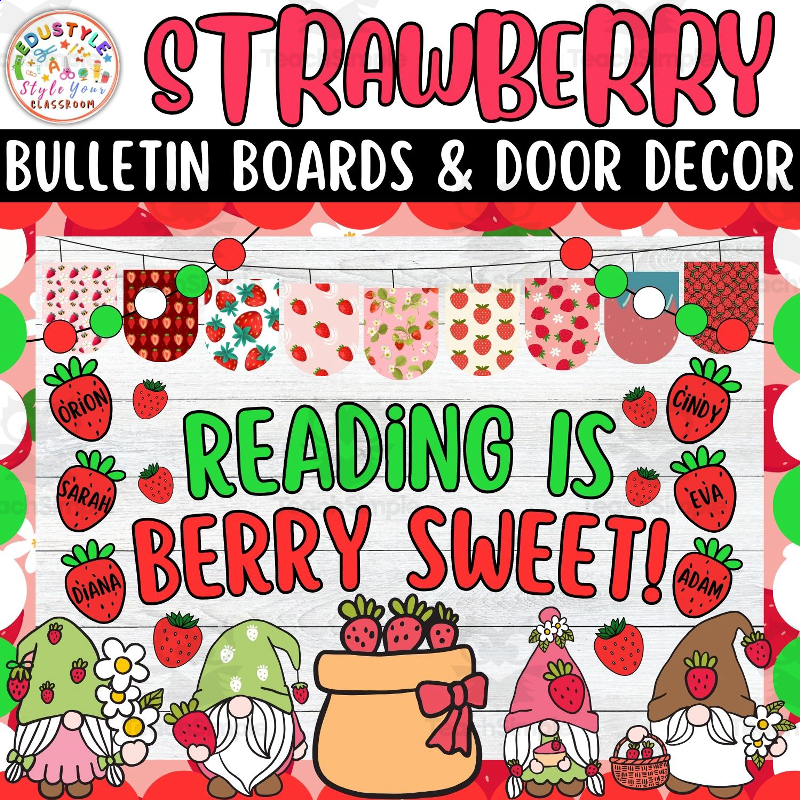
A strawberry/summer-themed bulletin board and door decor kit for classroom decoration, spelling out phrases like 'reading is berry sweet!' and 'hello summer!' using individual letter cutout pages.
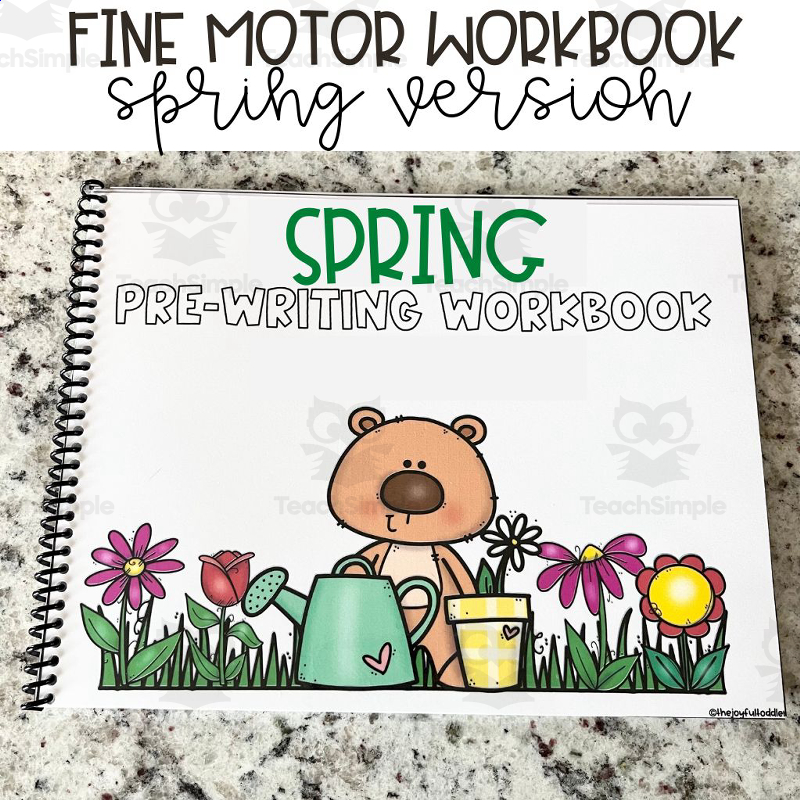
This spring-themed fine motor pre-writing book is a great activity to use at home or in your classroom! This workbook is a 10 page workbook that focuses on fine-motor skills for your young child/children.
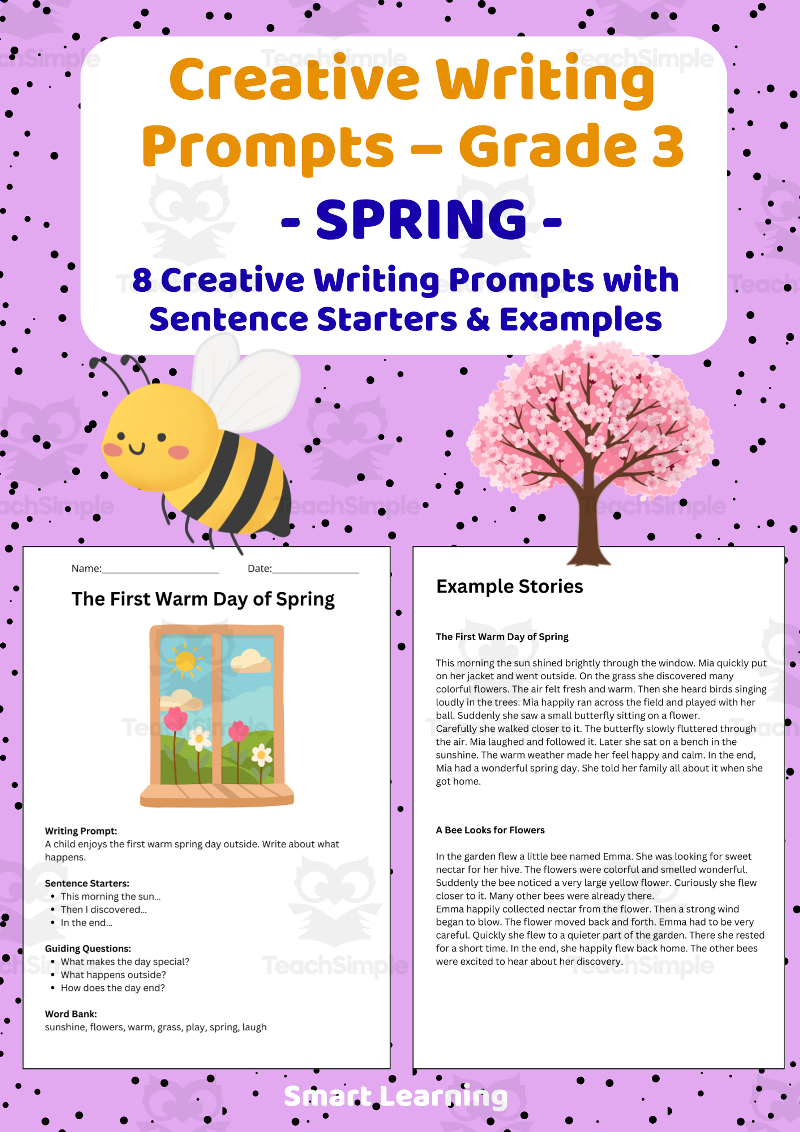
Gives grade 3 students 8 themed creative-writing prompts on spring / outdoor nature scenes, each with sentence starters, guiding questions, and a word bank, to practice organizing a narrative with a clear beginning, middle, and end.
An emergent reader booklet giving beginning readers repeated practice recognizing and reading the sight word "on" in context, built around a getting-dressed-for-winter theme.
Provide a week's worth of winter-themed daily writing prompts ('bell ringers') for classroom warm-up writing practice, delivered as a prompt slideshow paired with a printable writing journal.
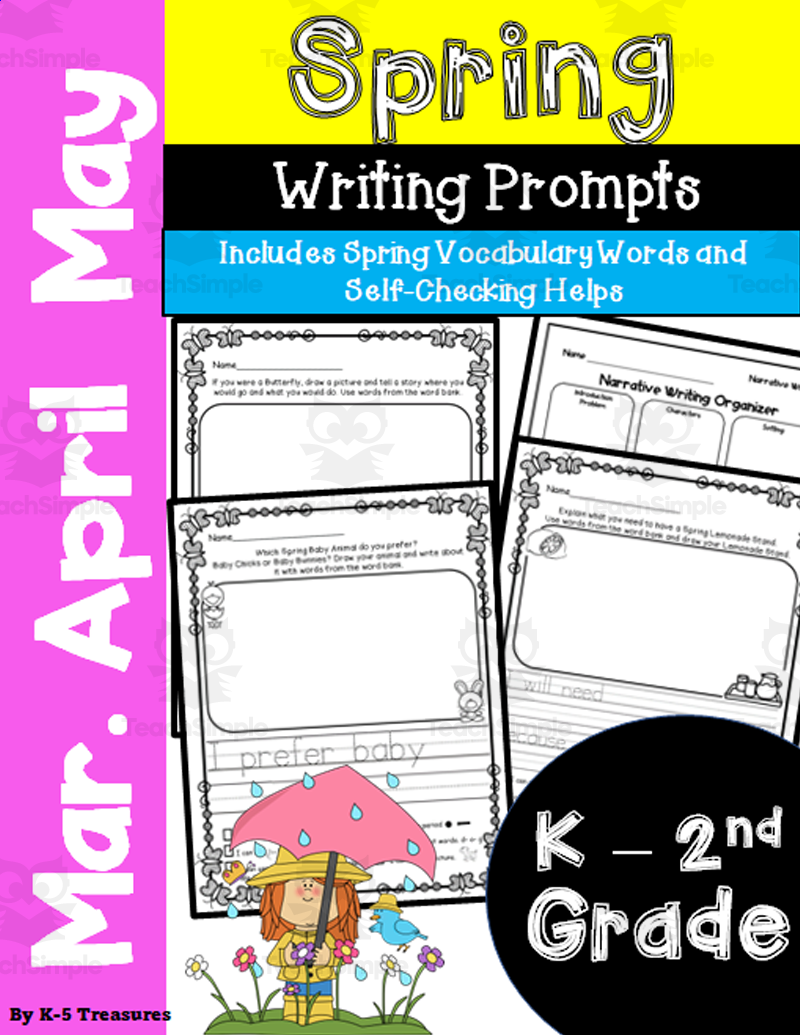
Provides differentiated writing practice across three genres (narrative, opinion, informative) for early writers, using spring vocabulary word banks and tracing support.
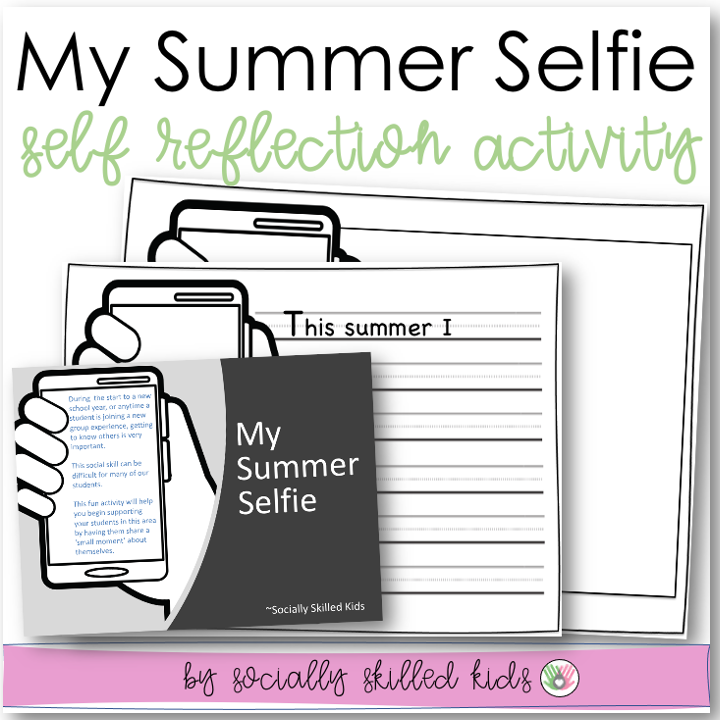
A self-reflection, back-to-school get-to-know-you activity ('My Summer Selfie') in which students share a 'small moment' about themselves, aimed at building social skills when meeting a new group.
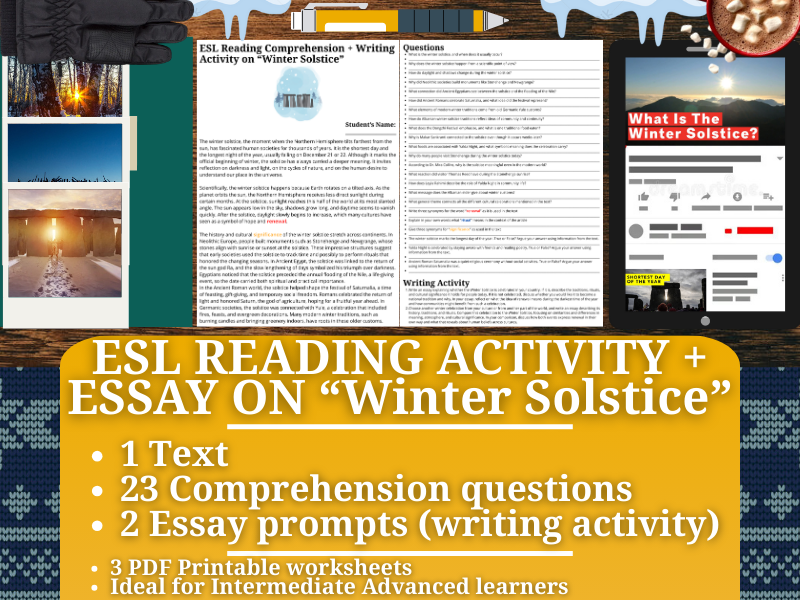
Build ESL/EFL reading comprehension, vocabulary, and writing skills using a nonfiction passage about the science and cultural history of the winter solstice.
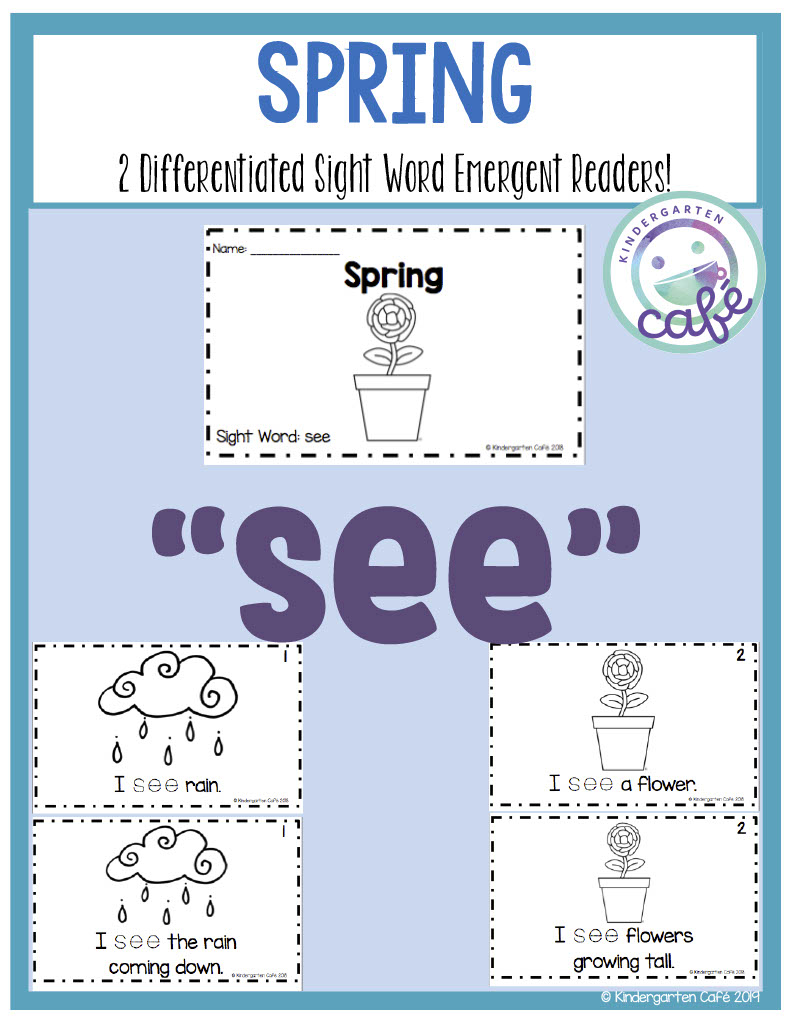
An emergent reader booklet that gives beginning readers repeated practice reading and recognizing the sight word "see" in a short, patterned, illustrated story about spring weather and nature.
Provide a week's worth of spring-themed daily writing prompts ('bell ringers') for classroom warm-up writing practice, delivered as a prompt slideshow paired with a printable writing journal.
Writing practice across opinion, narrative, and informative/explanatory genres using fall/back-to-school prompts for 3rd-5th grade, organized by month.
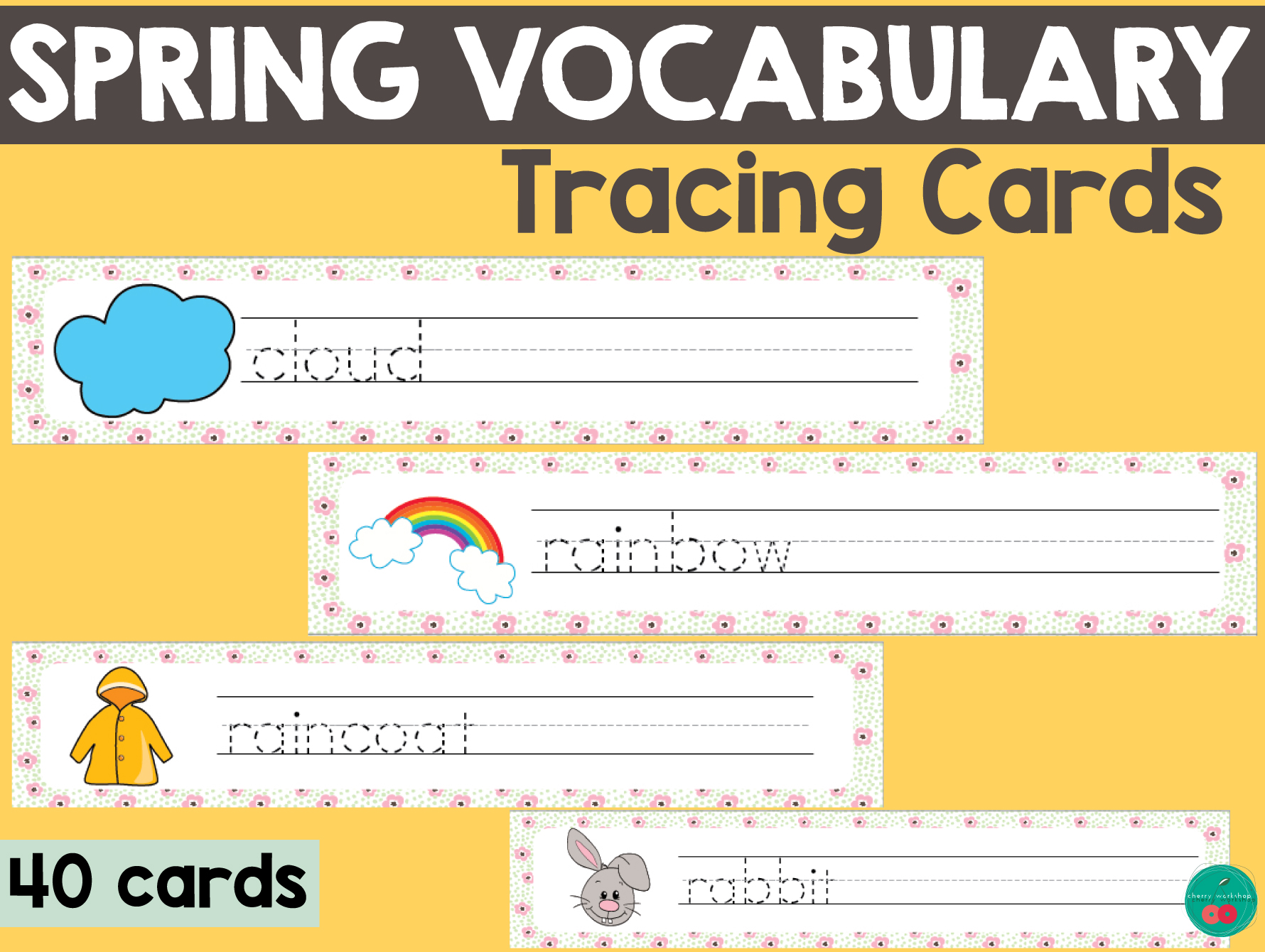
Tracing cards pairing spring vocabulary words with letter-tracing practice to build handwriting, vocabulary, and reading skills.
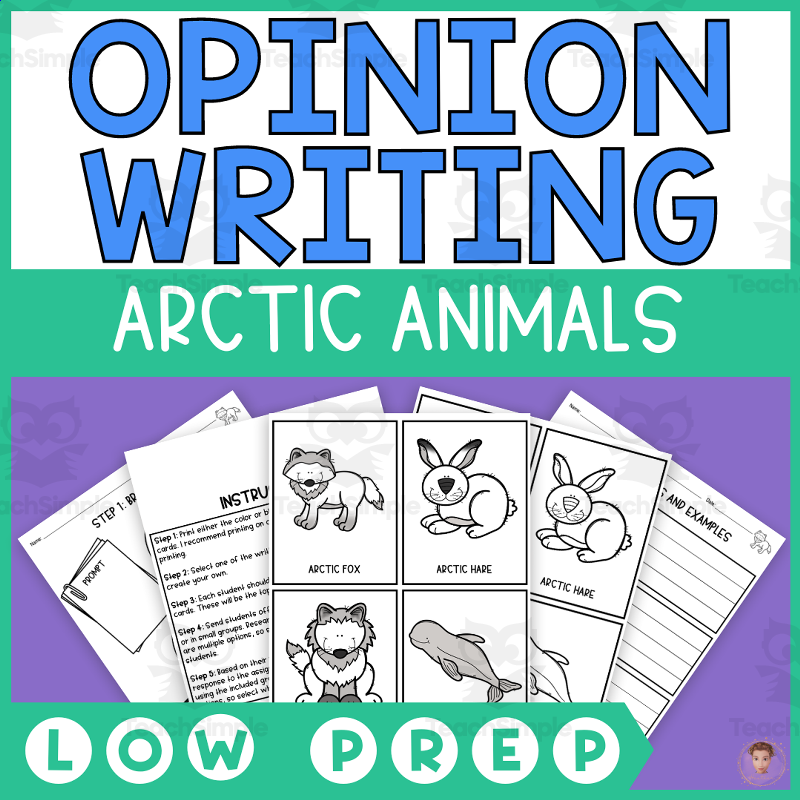
A research-based opinion writing activity (Love of Learning Live) in which students research two assigned Arctic animals and argue which they would rather be, using 'Would You Rather' writing prompts.
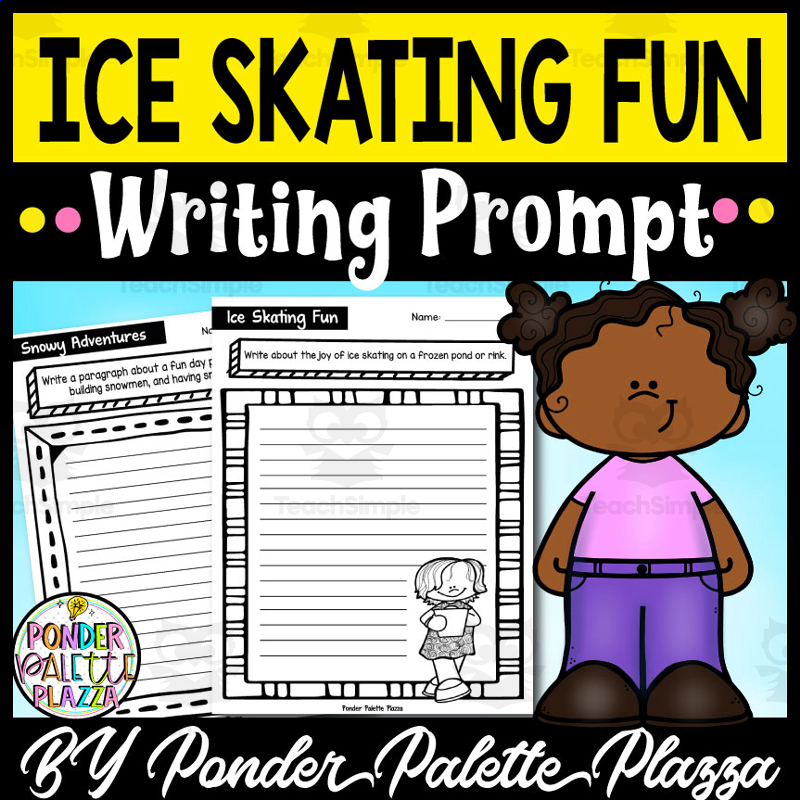
The two pages invite students to describe and illustrate an ice-skating scene. Brainstorm movement, sounds, and feelings before writing, then let the drawing add details that complement the response. A real experience or an imagined visit to a rink can supply the ideas.
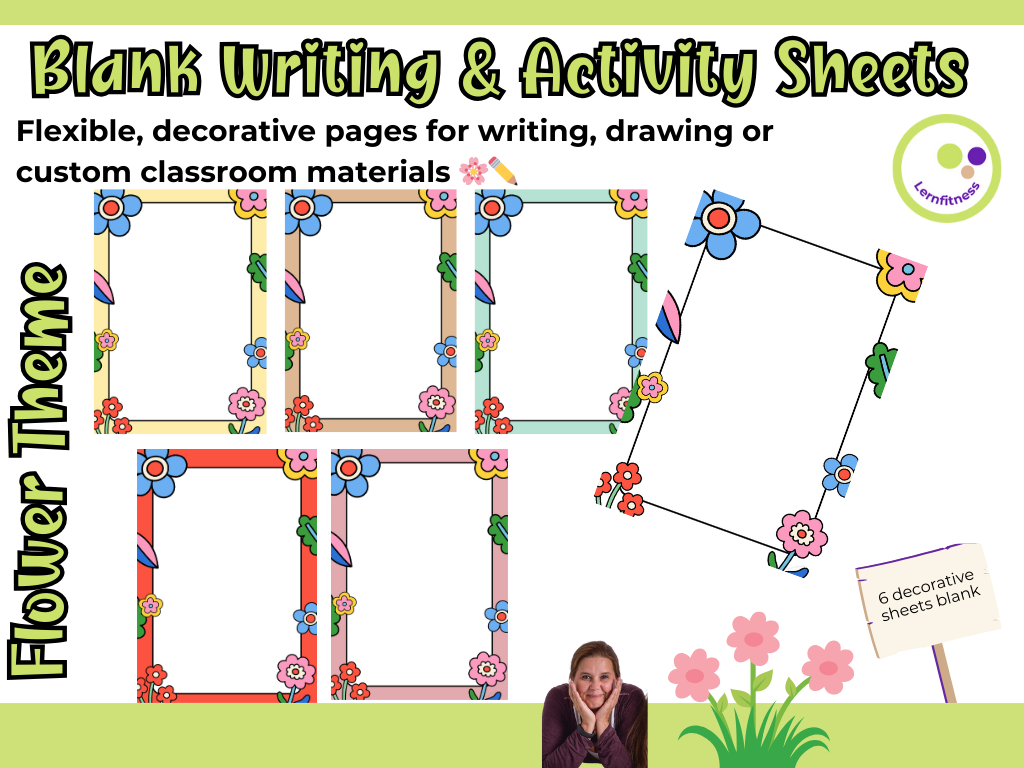
Provide blank, spring-themed decorative pages (with or without rulings) that teachers can repurpose for writing, drawing, math, or music activities.
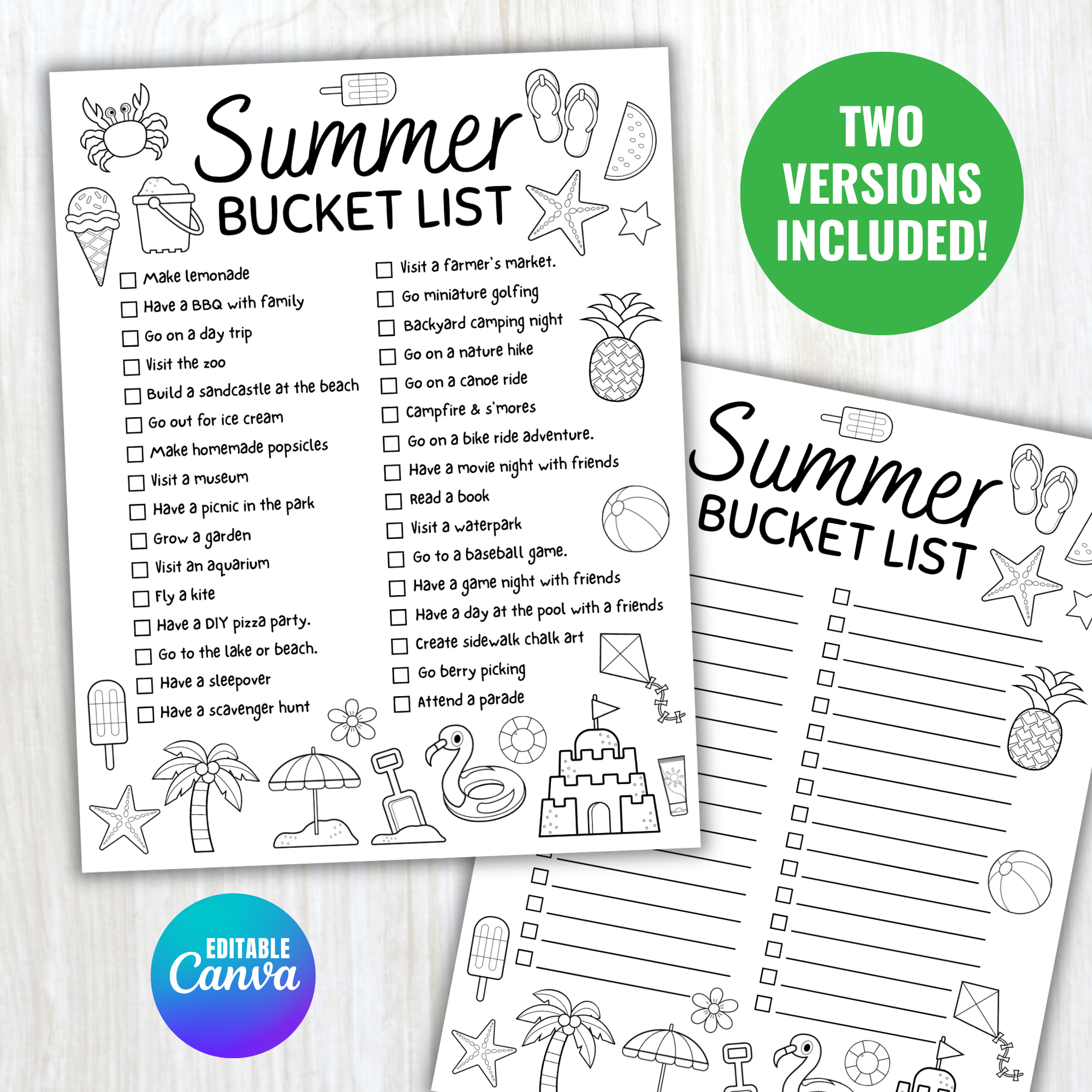
Printable/editable 'Summer Bucket List' checklist activity for students to plan and reflect on summer break activities, intended as an end-of-year send-off.
Practice reading and recognizing common sight words through a spin/roll-and-color format.
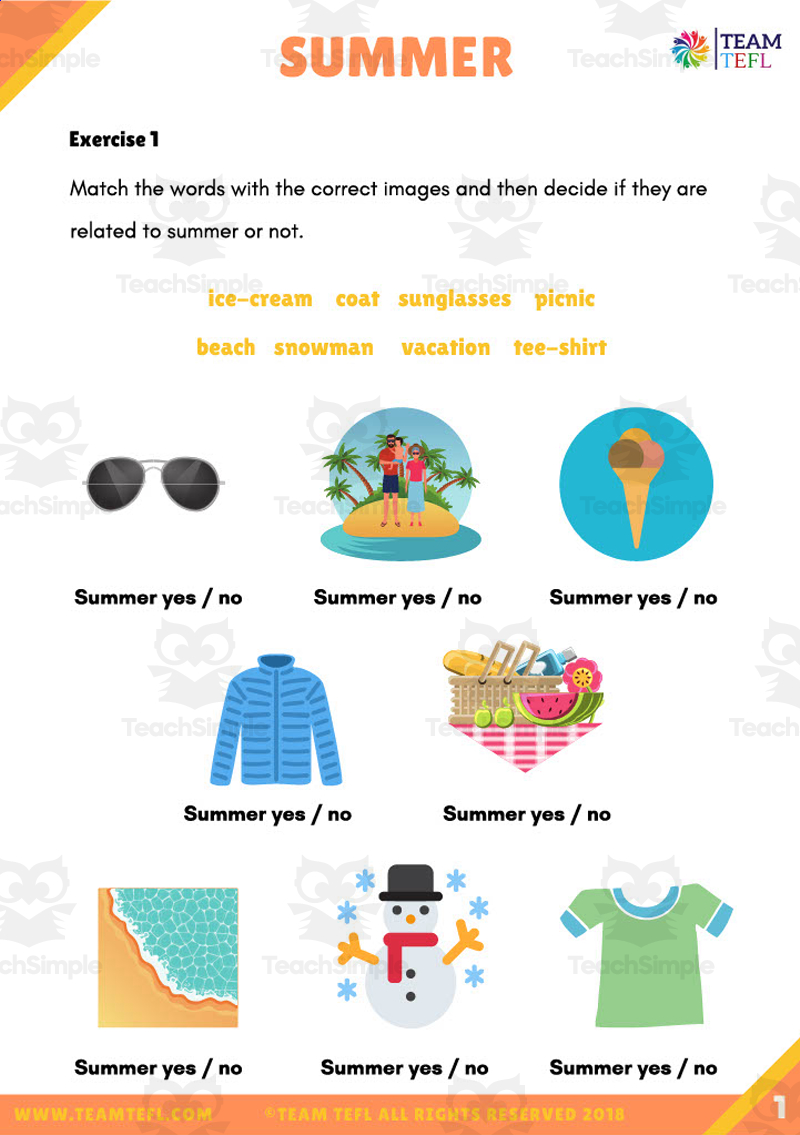
Beginner-level ESL/EFL reading comprehension activity set on the topic of summer.
End-of-year reflective writing prompts structured as a countdown (10 down to 1) for the last days of school before summer break.
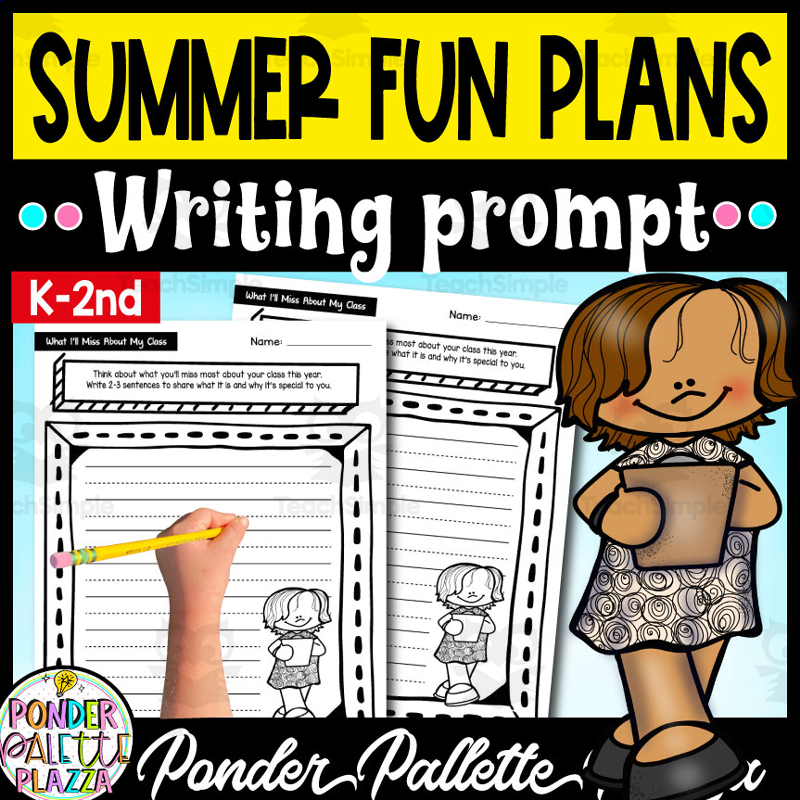
Provides an end-of-year writing and drawing prompt for students to describe and illustrate their summer plans.
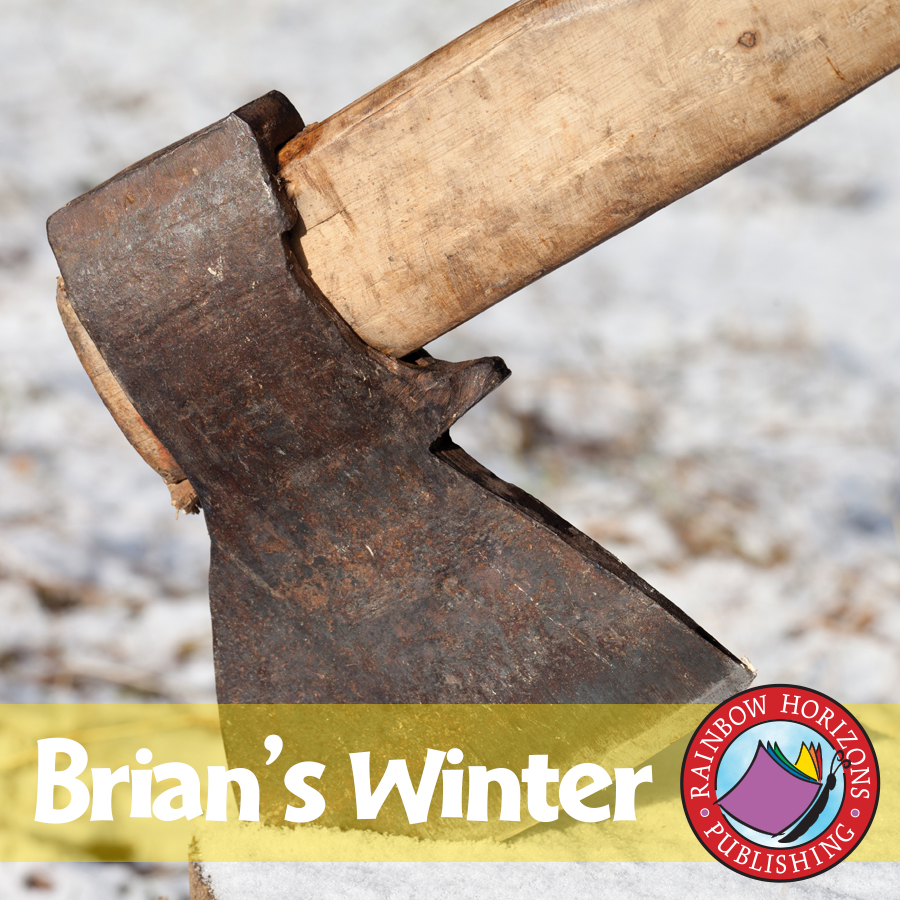
Provide a comprehensive novel study for Gary Paulsen's Brian's Winter, with teacher-facing background/answer materials and student-facing vocabulary, comprehension, and extension activities organized by chapter groups.
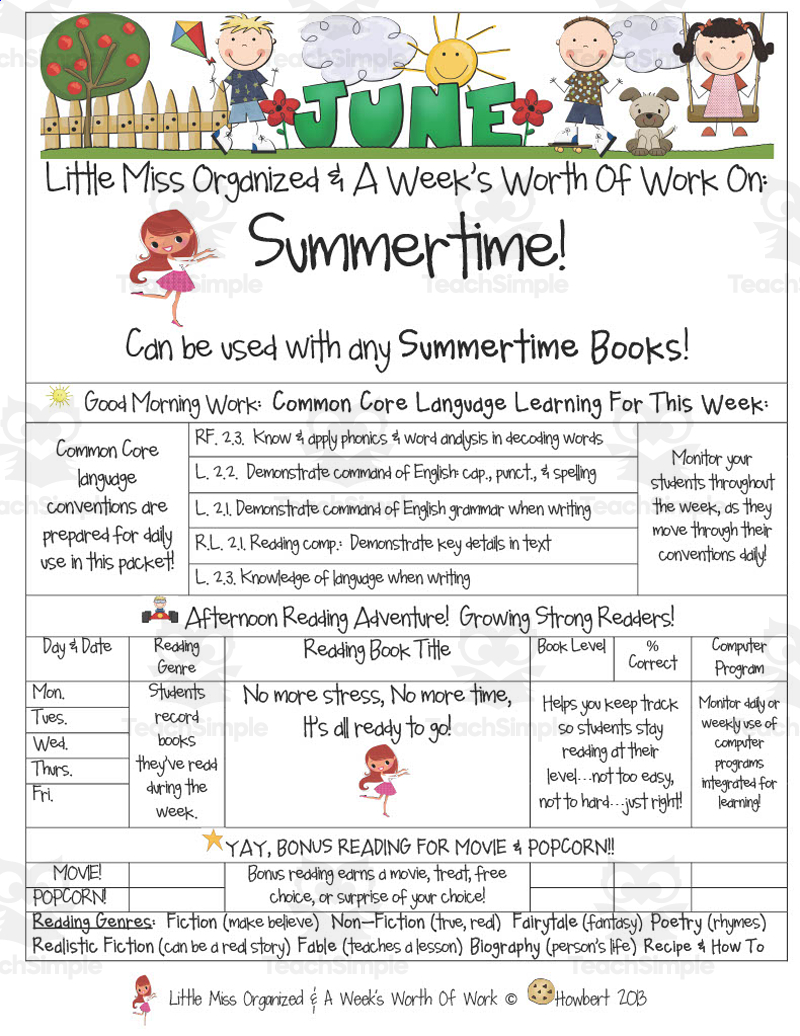
Give second-grade students a week's worth of daily morning-work practice in language conventions (capitalization, parts of speech, adjectives, punctuation, synonyms/antonyms) paired with independent summer-themed reading.