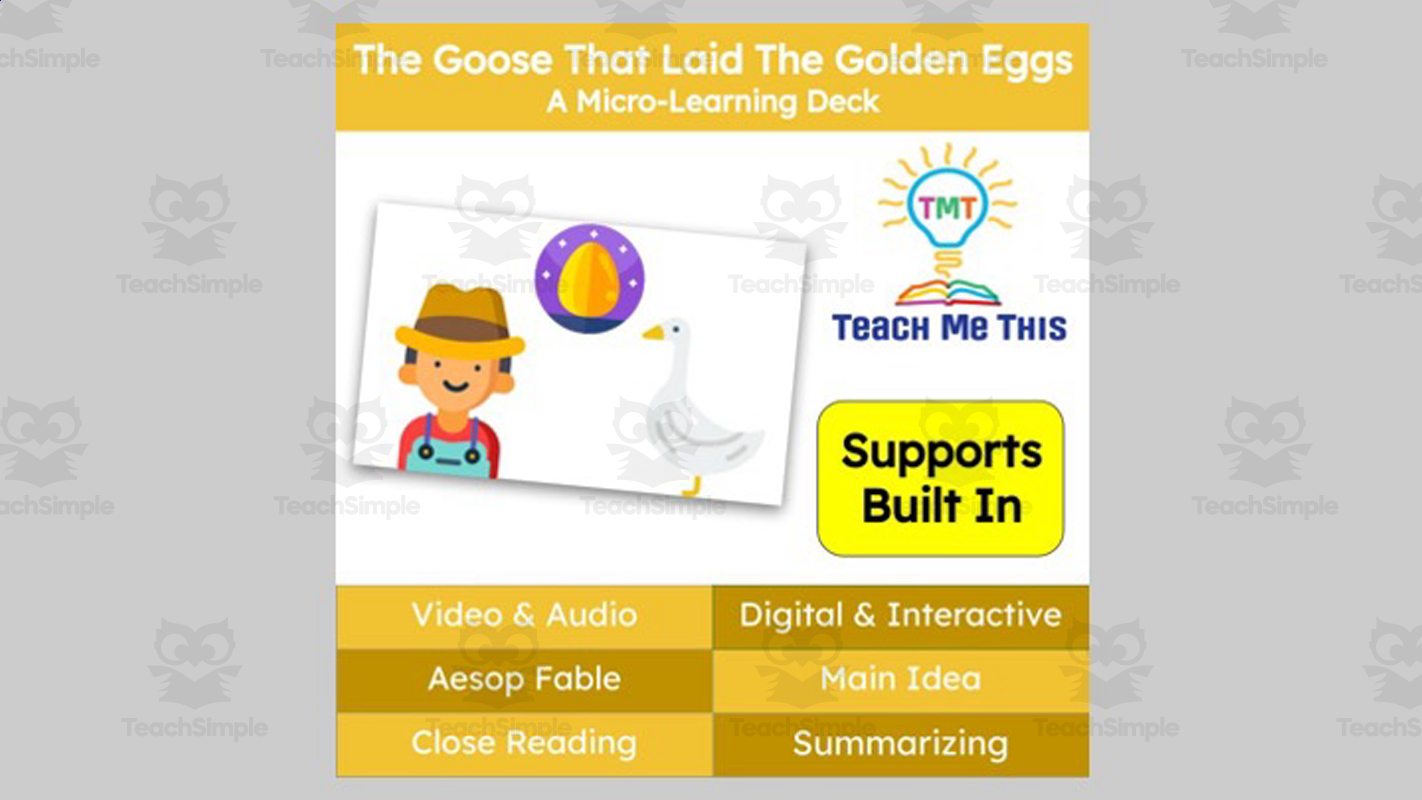
The Goose That Laid the Golden Egg: A Micro-Learning Deck | Reading Activities
Digital micro-lesson teaching reading comprehension, vocabulary, and summarizing skills through the fable The Goose That Laid the Golden Egg.
5,701 resources
Explore sub-categories
3 sub-categories · 5,701 resources
Digital micro-lesson teaching reading comprehension, vocabulary, and summarizing skills through the fable The Goose That Laid the Golden Egg.
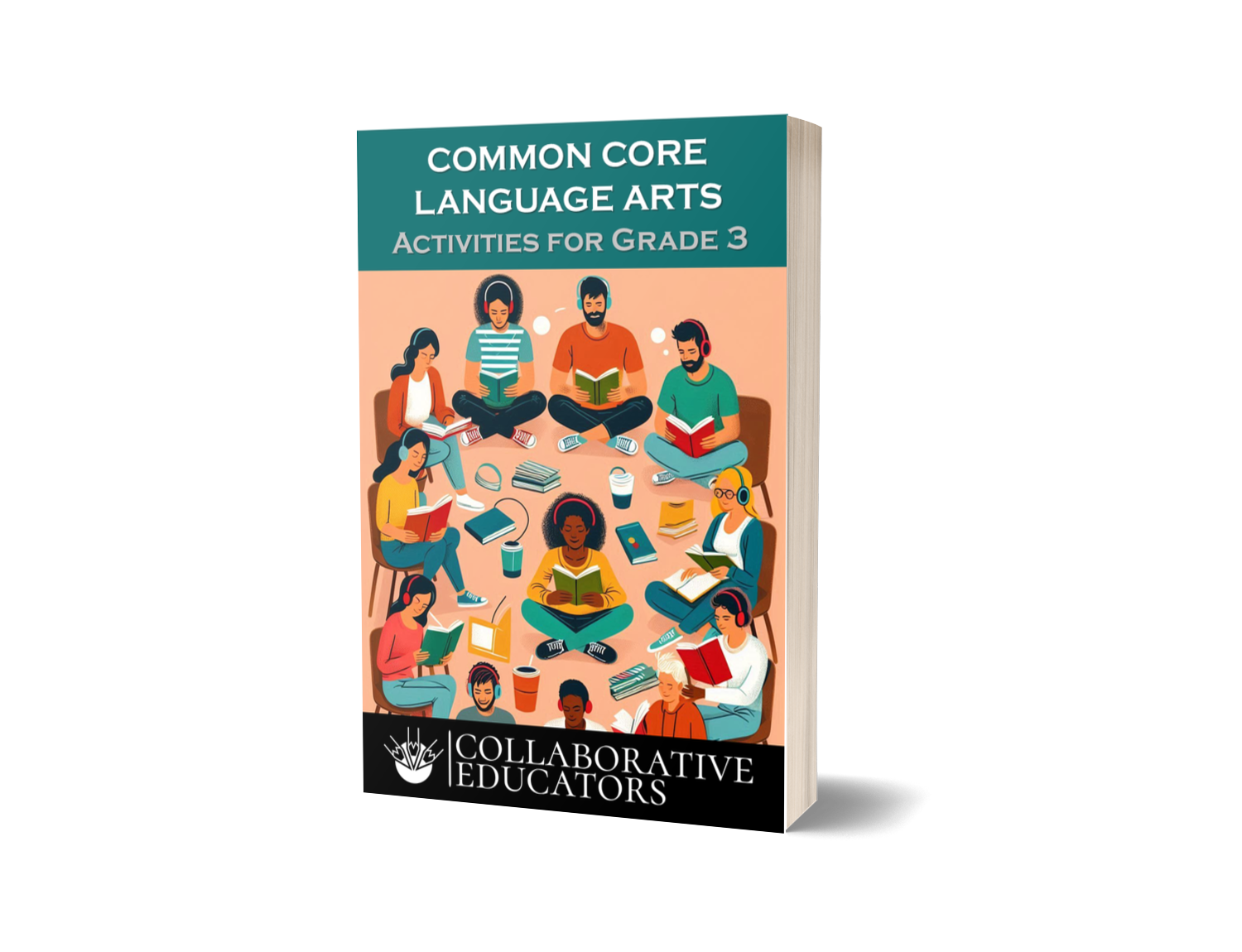
A Grade 3 Common Core language arts practice worksheet covering reading comprehension of literature and informational text, vocabulary, grammar, and writing.
A short fiction reading-comprehension lesson built around the passage "Graduation": students read the story then complete post-reading activities to check understanding and build vocabulary/writing skills.
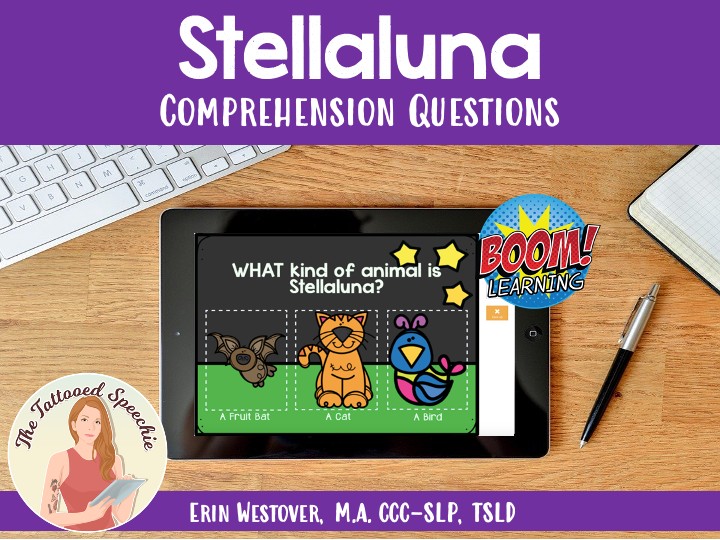
Practice answering WH- (who/what/where/when/why/how) questions based on key details from the story 'Stellaluna' by Janell Cannon, for language/speech-comprehension skill building.
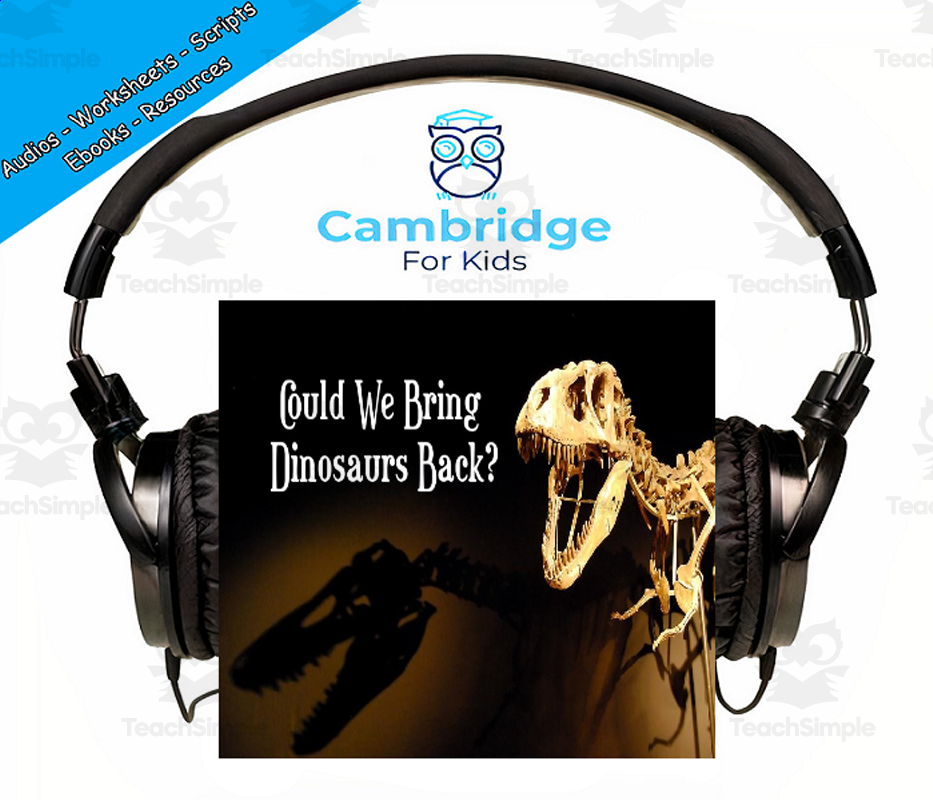
An audiobook comprehension lesson (Episode 10 of the 'When Dinosaurs Roamed the Earth' series) exploring the science and science-fiction of attempting to bring back dinosaurs via DNA, paired with a transcript and comprehension/discussion questions.
Provide a set of nonfiction science reading passages (one per lesson listed below) paired with comprehension questions and an answer key, to build science reading comprehension and content knowledge on the lesson topics.
A digital slide-deck micro-lesson teaching facts about ladybugs (habitat, diet, life facts) through video, reading, and short-response activities.
Stated by seller: This lesson is perfect for first grade teachers looking to help their students build reading comprehension skills. The lesson is aligned with the Common Core standards for first grade, so teachers can be confident that their students are receiving a high-quality education.
An interactive digital micro-learning deck (PowerPoint) that teaches middle/high school Earth and Space Science content about the Sun as a star: its layers, energy production, and how space weather (solar wind, solar flares, radiation) affects Earth, via an informational close-reading passage paired with vocabulary and comprehension activities.
Provide a set of nonfiction science reading passages (one per lesson listed below) paired with comprehension questions and an answer key, to build science reading comprehension and content knowledge on the lesson topics.
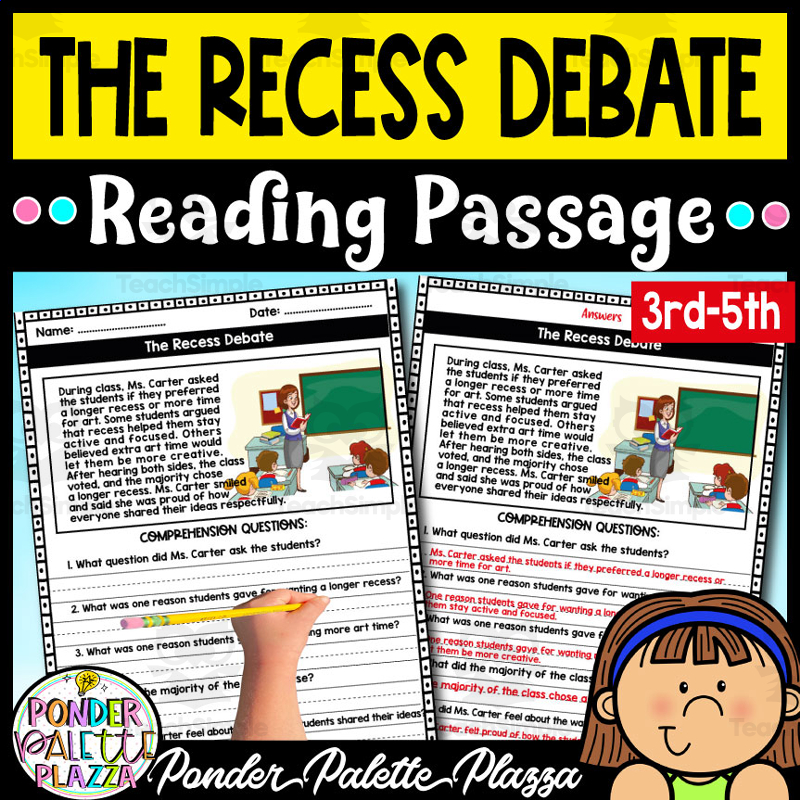
A short back-to-school reading comprehension passage about a classroom debate over recess versus art time, used to introduce persuasive opinions/reasons and practice comprehension skills.
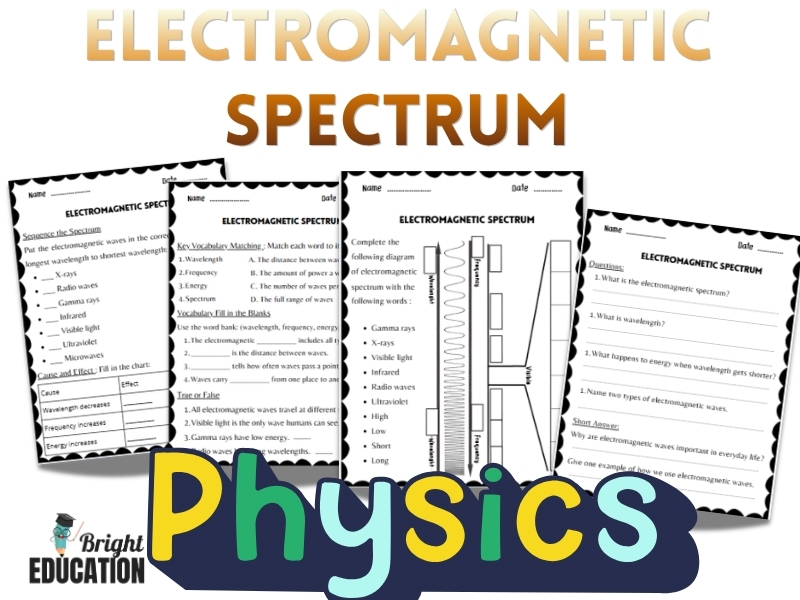
Teach the electromagnetic spectrum (types of waves, wavelength, frequency, energy) for upper-elementary science, with structured practice.
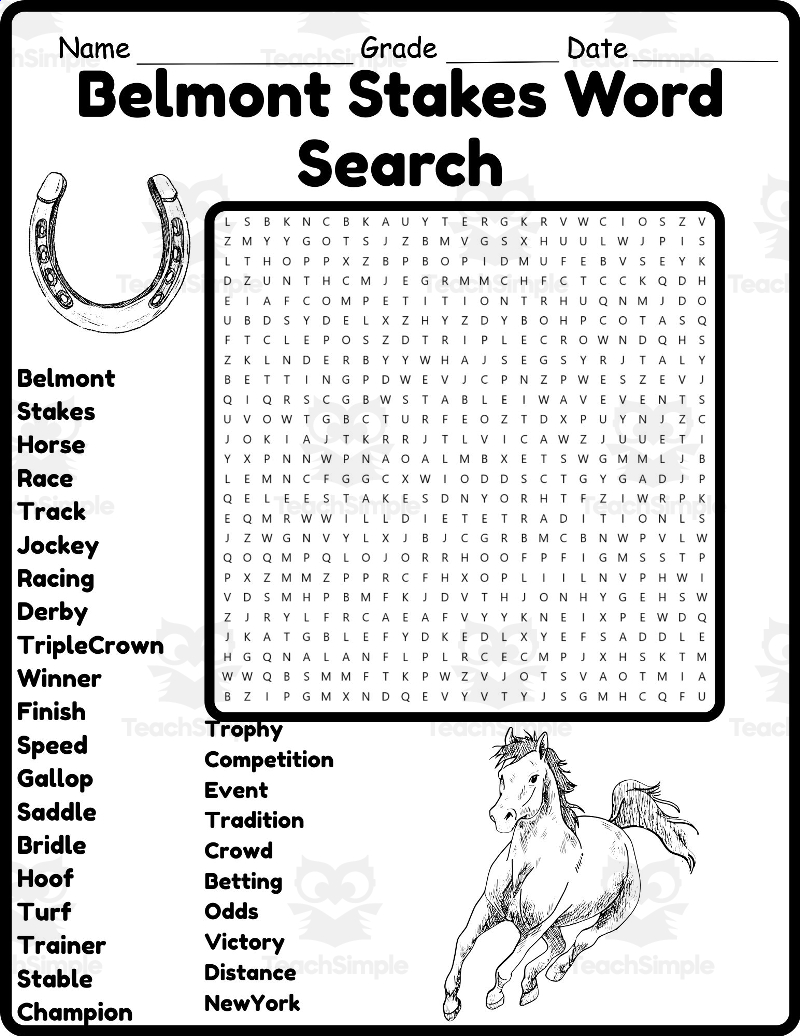
A word search puzzle using Belmont Stakes / horse racing vocabulary to build reading and spelling skills in elementary students.
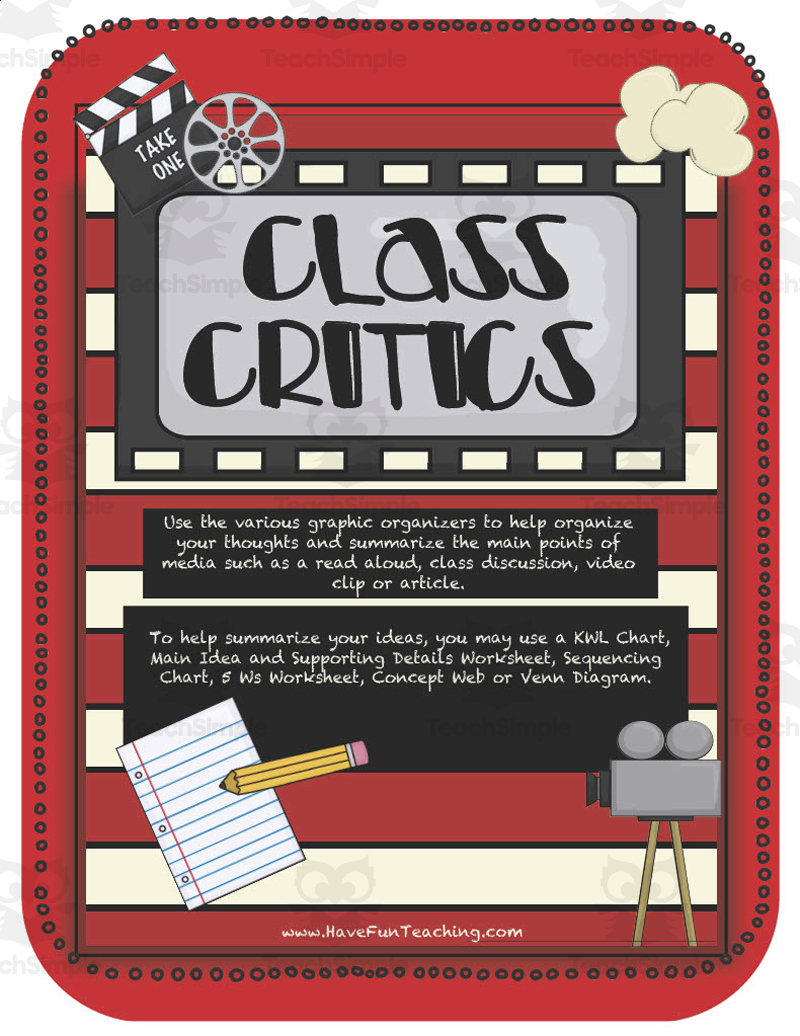
A set of 6 generic graphic organizers giving upper elementary students extra practice with comprehension and summarizing skills after any read-aloud, class discussion, video clip, or article.
Stated by seller: This lesson is designed to help first grade students find the main idea in an informational text. By doing this, they will build reading comprehension skills. This is a great lesson for teachers who want to help their students improve their reading skills.
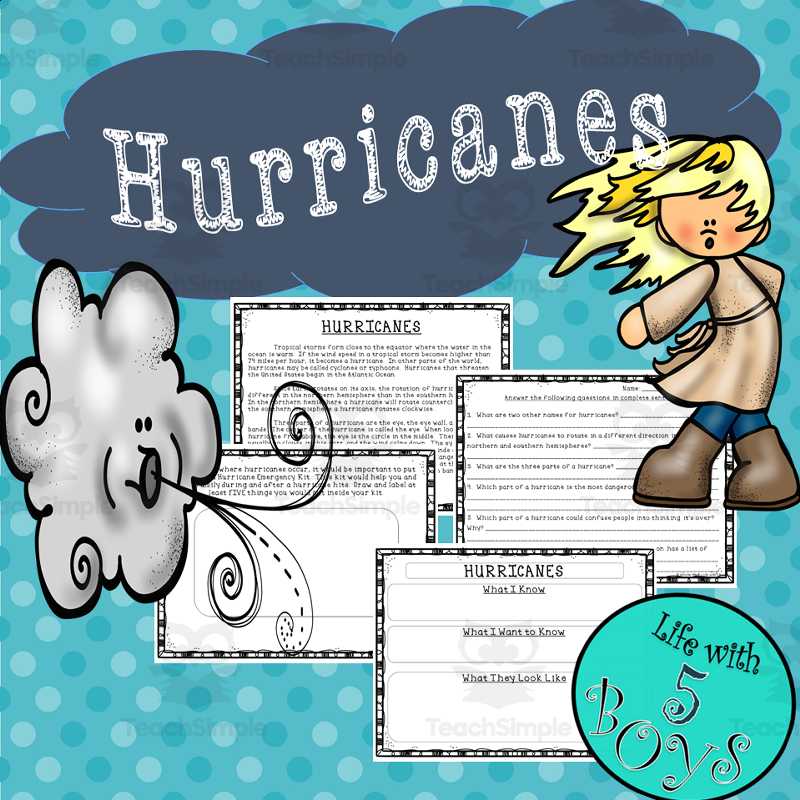
Hurricanes Reading Activity is an informative reading comprehension resource that teaches students in grades 3-6 about the science behind these powerful storms. Students begin by brainstorming their prior knowledge about hurricanes and identifying what they still wonder. Next, they read a one-page informative passage and answer reading comprehension…
A nonfiction science reading lesson (presentation format) that teaches basic genetics/heredity concepts through Gregor Mendel's pea-plant experiments, dominant/recessive genes, Punnett Squares, and incomplete dominance.
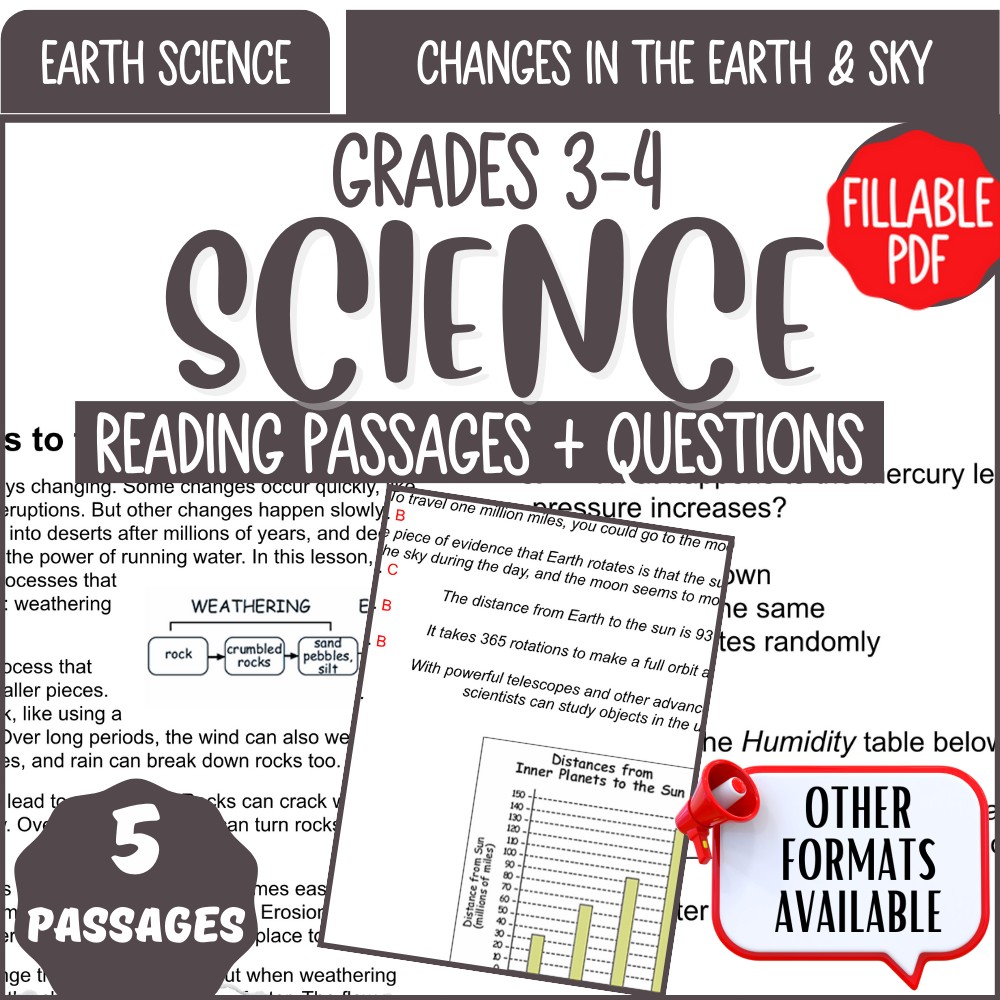
Teaches students about slow and fast changes to Earth's surface and related Earth/space science topics, across a multi-lesson bundle (per the file's table of contents: Lessons 35-39).
Interactive micro-learning slide deck teaching dragonfly facts (life cycle, distinguishing dragonflies from damselflies, and other facts) through video, a reading passage, and vocabulary study.
A nonfiction science reading lesson (presentation format) that teaches the structure and function of the human nervous system, covering the central and peripheral nervous systems, brain parts, receptors, and reflexes.
Stated by seller: This lesson is designed to help first grade students build reading comprehension skills by asking and answering questions about the meaning of words and phrases in a text.
Provide a set of nonfiction science reading passages (one per lesson listed below) paired with comprehension questions and an answer key, to build science reading comprehension and content knowledge on the lesson topics.
Stated by seller: This lesson is designed to help students build reading comprehension skills by describing the connection between two individuals, events, ideas, or pieces of information in a text.
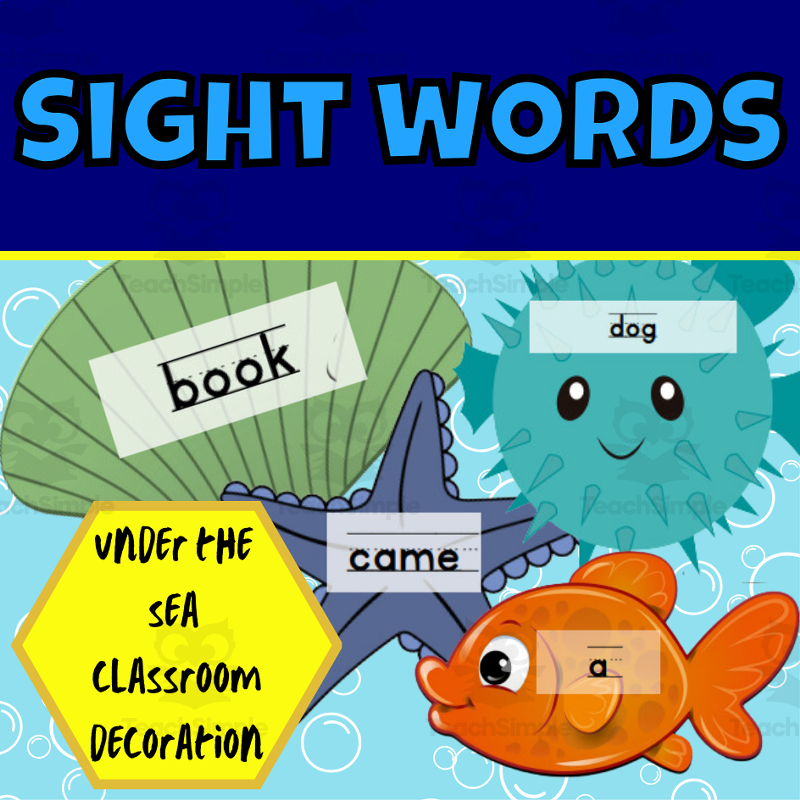
Under-the-sea themed sight-word word-wall resource, organized by age bracket, for building sight-word recognition.