search
user.png
vertical menu
resources by type
resources by grade
resources by subject
other resources

175 resources

Page 8 – Labs

175 resources

Explore sub-categories

Labs

2 sub-categories · 175 resources

Showing 169–175 of 175 resources

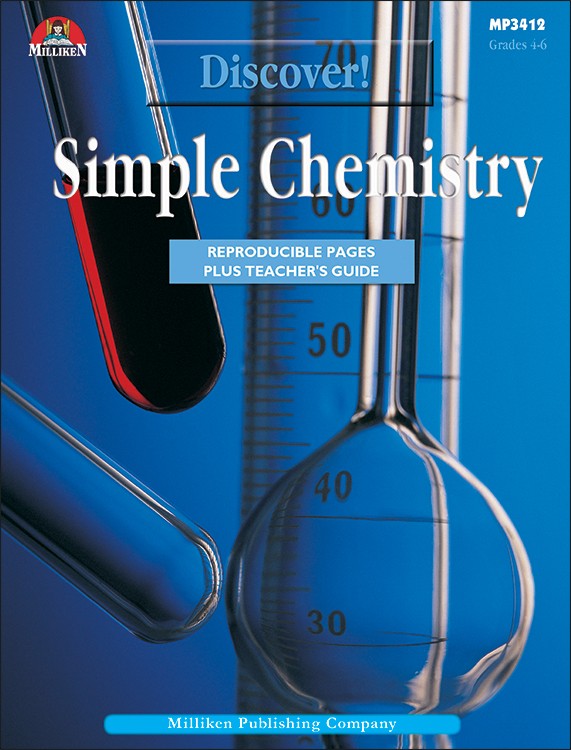
Discover! Simple Chemistry teaching resource preview

Discover! Simple Chemistry

Reinforce elementary/upper-elementary science concepts in simple chemistry (atomic symbols/structure, periodic table, matter, elements/compounds/mixtures, acids/bases, solvents/solutions, oxidation, gases) (grades 4-6) through reproducible worksheets, hands-on activities, and teacher background material.

Answers included
File
PDF
Level
4–6
Download
Physical and Chemical Properties – Lab Station Activity teaching resource preview

Physical and Chemical Properties – Lab Station Activity

Set up a rotation that moves students among short tasks about properties of matter. Activities include describing a drawing, researching, reading about combustion, responding to a video, and creating questions of their own. Students record their work in a shared passport. Two stations provide catch-up time, and the teacher materials include setup guidance and answers for selected tasks.

File
Multiple File Types
Level
7–10
Download
Solutions and Mechanical Mixtures – Lab Station Activity teaching resource preview

Solutions and Mechanical Mixtures – Lab Station Activity

A 9-station chemistry lab rotation activity teaching solutions, mechanical mixtures, saturation states (unsaturated, saturated, supersaturated), solubility, and separation techniques through drawing, research, reading, video, and question-writing tasks, with a student 'passport' recording sheet.

Editable
File
Multiple File Types
Level
7–10
Download
Trends In The Periodic Table - Senior Chemistry lesson teaching resource preview

Trends In The Periodic Table - Senior Chemistry lesson

High school chemistry lesson package teaching periodic table organization and trends: element properties, periodic table groups (alkali metals, alkaline earth metals, transition metals, halogens, noble gases), metals/nonmetals/metalloids, electron shielding, and the four periodic trends (atomic radius, ionic radius, ionization energy, electronegativity).

Editable Answers included
File
Multiple File Types
Level
10–12
Download