
Text Features Poster Pack
A set of classroom posters defining common nonfiction text features (glossary, heading, subheading, caption, graph/chart, map, index, timeline, etc.) for display or reference.




215 resources
Explore sub-categories
4 sub-categories · 215 resources
A set of classroom posters defining common nonfiction text features (glossary, heading, subheading, caption, graph/chart, map, index, timeline, etc.) for display or reference.

If you are looking for an engaging way to teach students about text structures, look no more. This is a Text Structures Poster Pack that will give students the practice they need at home or in the classroom. What You Get: 5 Easy to read posters with visuals (black and white or color options): Cause & Effect Compare & Contrast Problem &…
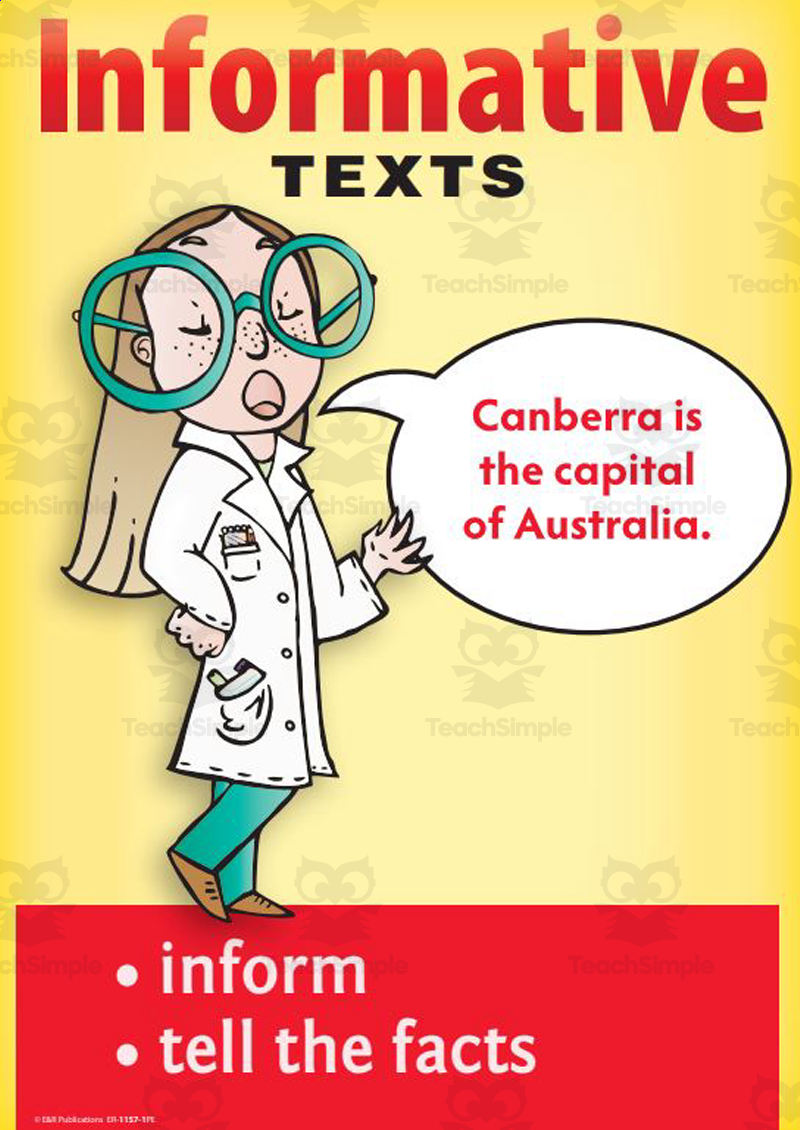
Introducing an engaging set of 4 large A3 posters that explore the different types of texts for early primary students. The informative, persuasive, imaginative, and narrative text posters use relatable Australian place names and contexts…

A set of 4 detailed reference posters (anchor charts) teaching the purpose, reader response, and real-world genre examples for four text types (informative, persuasive, imaginative, narrative), for upper-primary students.
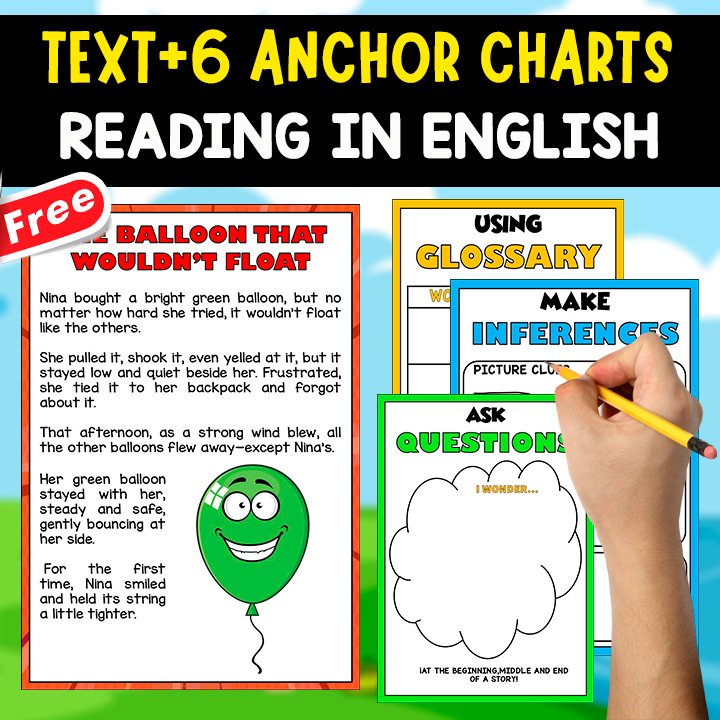 Free download
 Reading comprehension anchor chart set built around an original short story, teaching main idea, details, and comprehension strategies.
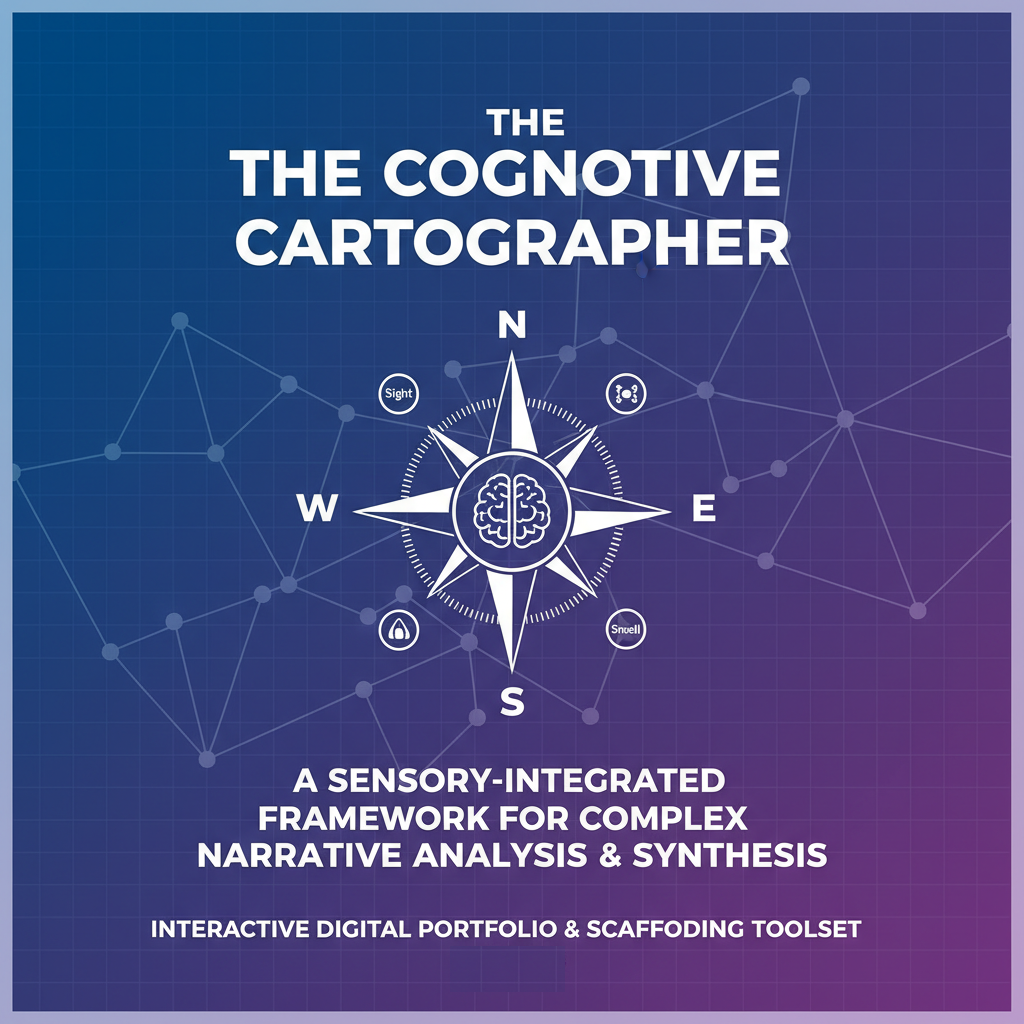
Teaches a multi-phase analytical framework for close-reading complex narratives using sensory detail extraction, spatial/setting analysis (chronotope), and character-relationship (node/edge) diagramming.
Teaching theme can go from basic principles to more in depth meaning requiring students to inference and make connections. This resource gives you the ability to level up your theme teaching by starting students off on a beginner level.
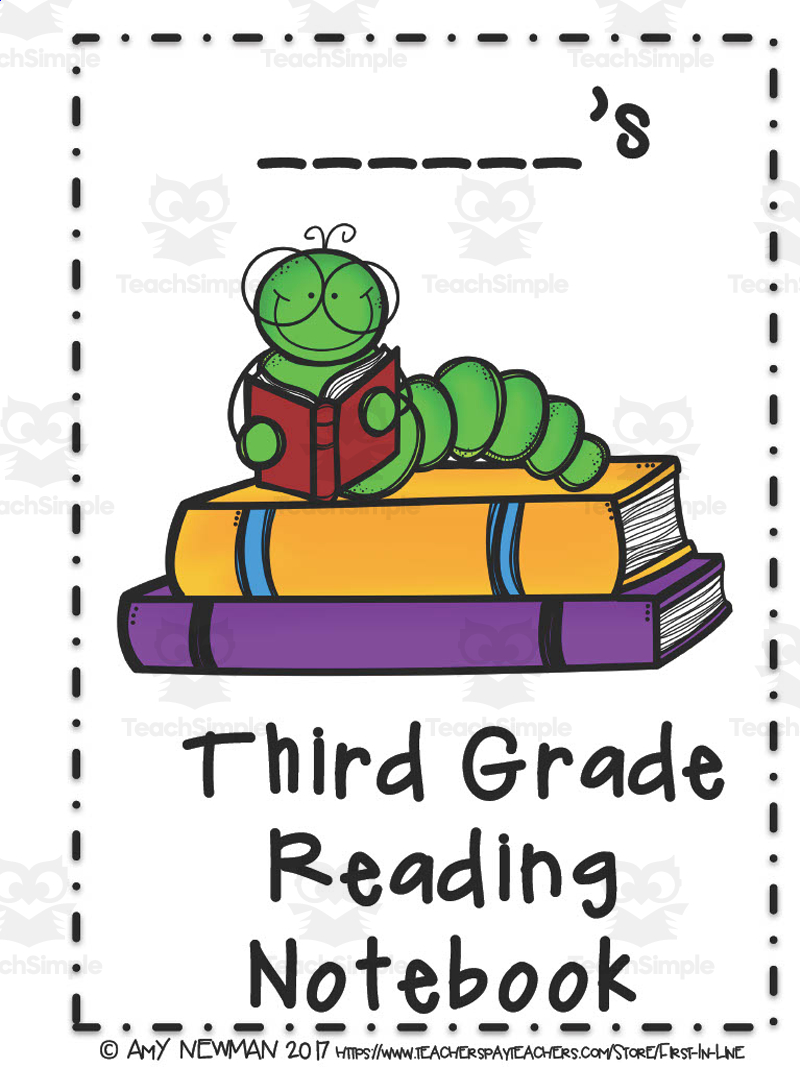
A large interactive reading-strategies notebook for third grade covering multiple reading skills (e.g. main idea and details) through anchor-chart-style pages and fill-in-the-blank practice versions.

This resource is a set of learning posters and graphic organizers for triplet poetry writing. There are a variety of posters that teach about triplet poetry. Students will explore features, how to write a triplet poem and so much more. They will use the graphic organizers to brainstorm ideas and then write a triplet poem. This pairs…
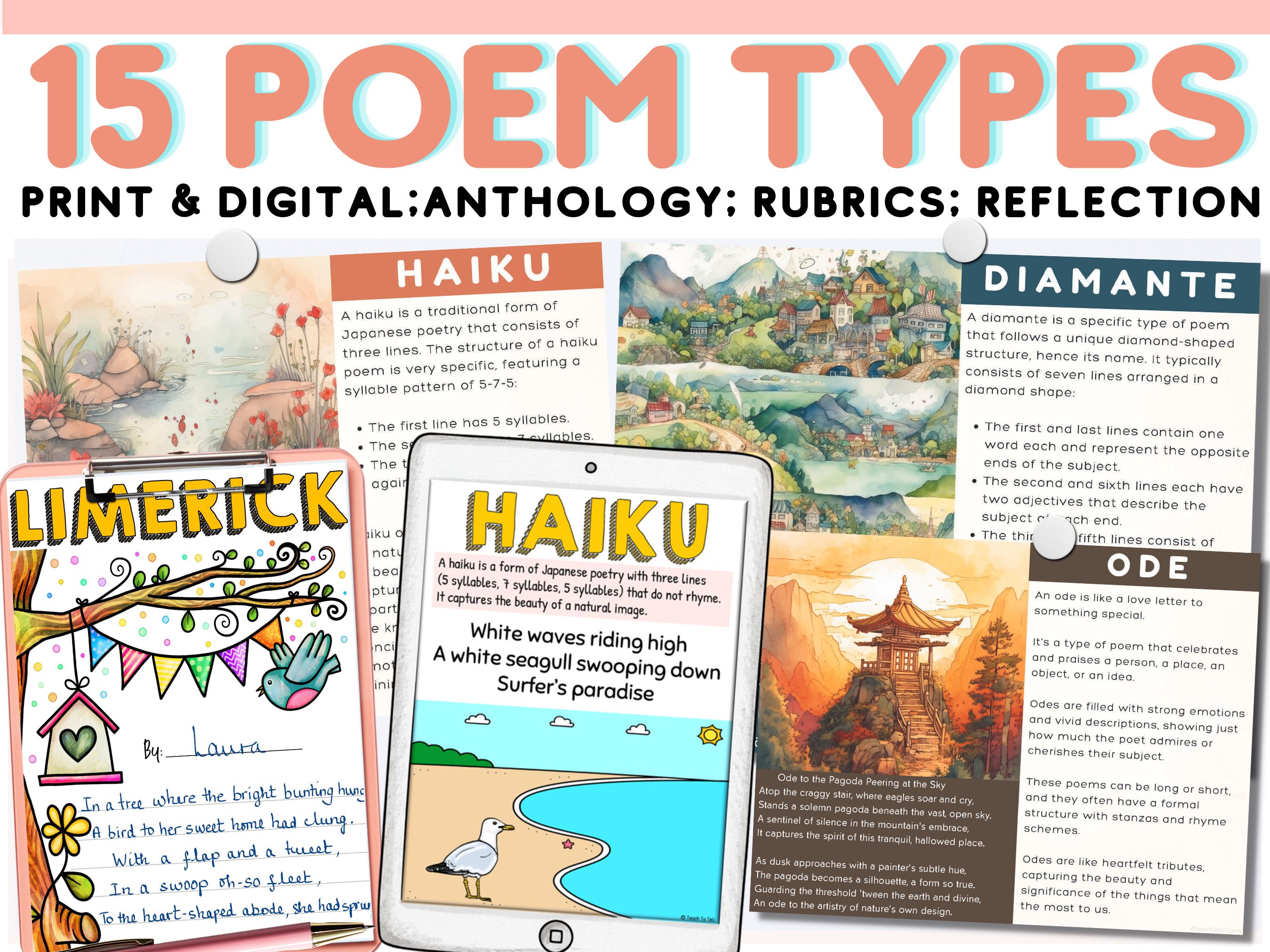
A set of 15 poetry-type anchor charts/templates (print and digital) scaffolding student writing across 15 different poem forms for National Poetry Month.
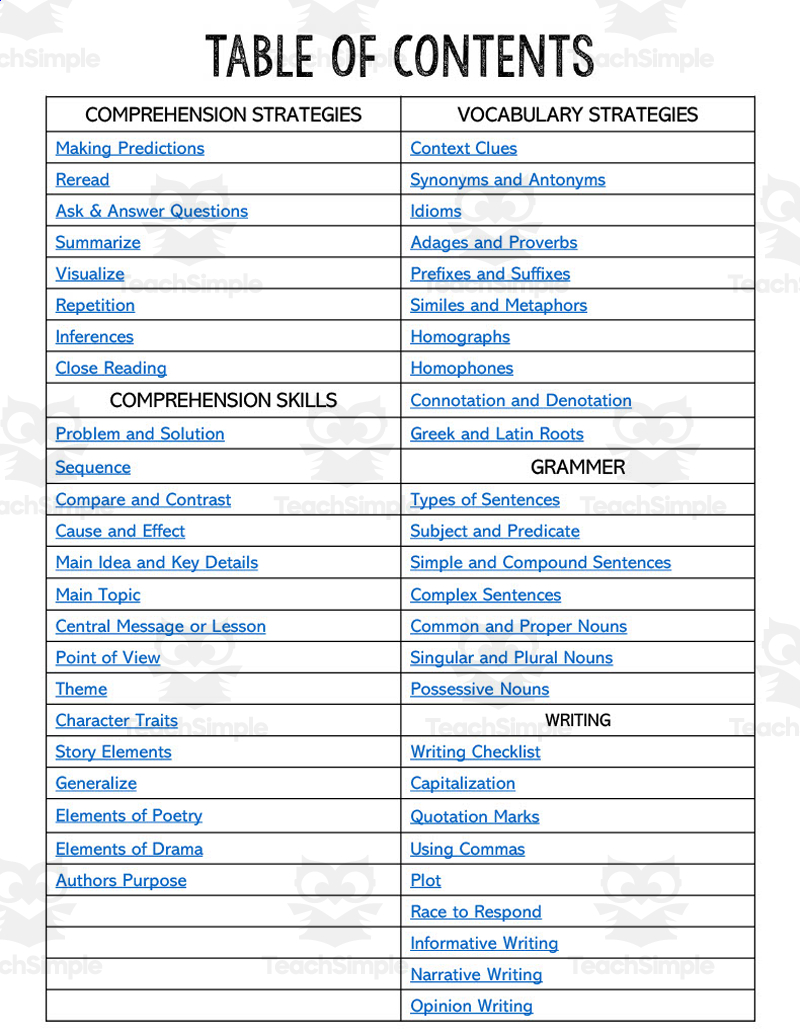
This is a set of Upper Elementary ELA Anchor Charts perfect for all year long in your language arts classroom. These anchor charts come in color and black and white.

This activity is great for helping students build their vocabulary and reading comprehension skills. Students can work independently or with a partner to collect unknown words and phrases.

Use the charts to introduce a basic comparison between first- and third-person narration, then have students apply the sentence frame to a text you supply. Completed and partially blank versions offer different amounts of support. Ask students to examine the narrator’s words rather than dialogue alone, and explain that first-person narration can be fictional as well as a personal narrative.

anchor chart teaching phonics chunks/word families (e.g., -ab, -ack, -ag) paired with example words, including a QR code linking to a practice video/song

Expand students’ feelings vocabulary with groups of related words, including words connected with happiness, sadness, surprise, and anger. Discuss how choices such as “giggled” or “fumed” help a reader imagine a character’s response. Use the completed chart as a reference and the fill-in version to revisit selected words. Students can then choose a word that better describes a feeling in their own writing.

Keep this reference sheet beside a reading passage or writing draft when students need more specific mood and tone vocabulary. The word bank groups terms under five headings, while brief definitions distinguish the reader’s feelings from the author’s attitude. Guiding prompts encourage students to consider purpose, genre, characters, and their own response before choosing a word and explaining it with evidence.
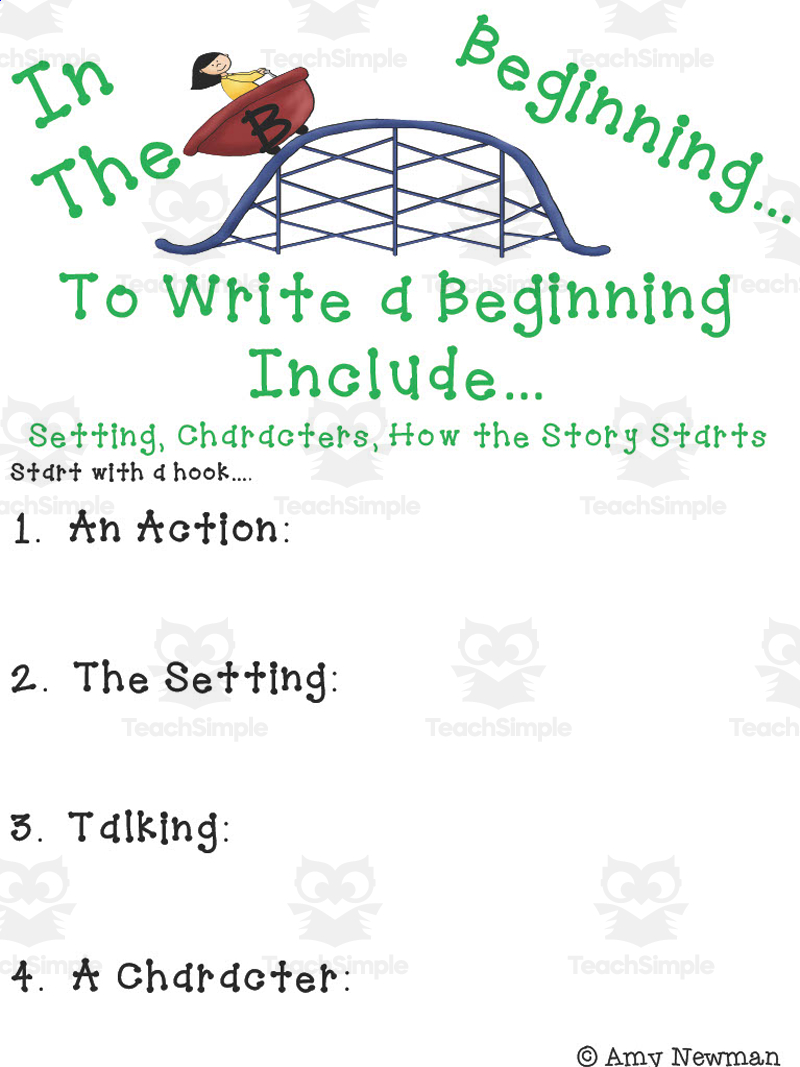
This resource is all about writing the beginning, middle and end. With this resource, students will talk about what each part of a story is to include. These posters can be printed and hung up.
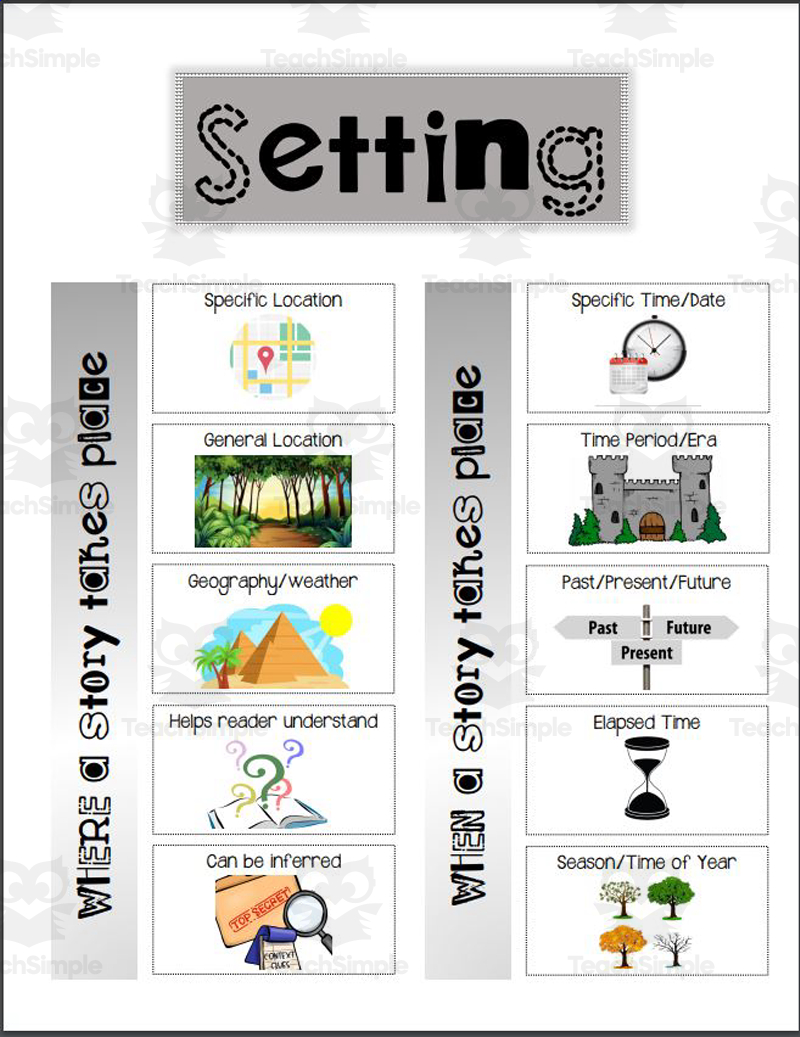
Writing Components: Time and Place This resource is geared especially towards students from grades 3 to 6. It is particularly handy for educators seeking to deliver a comprehensive understanding of topics in Language Arts and Writing…
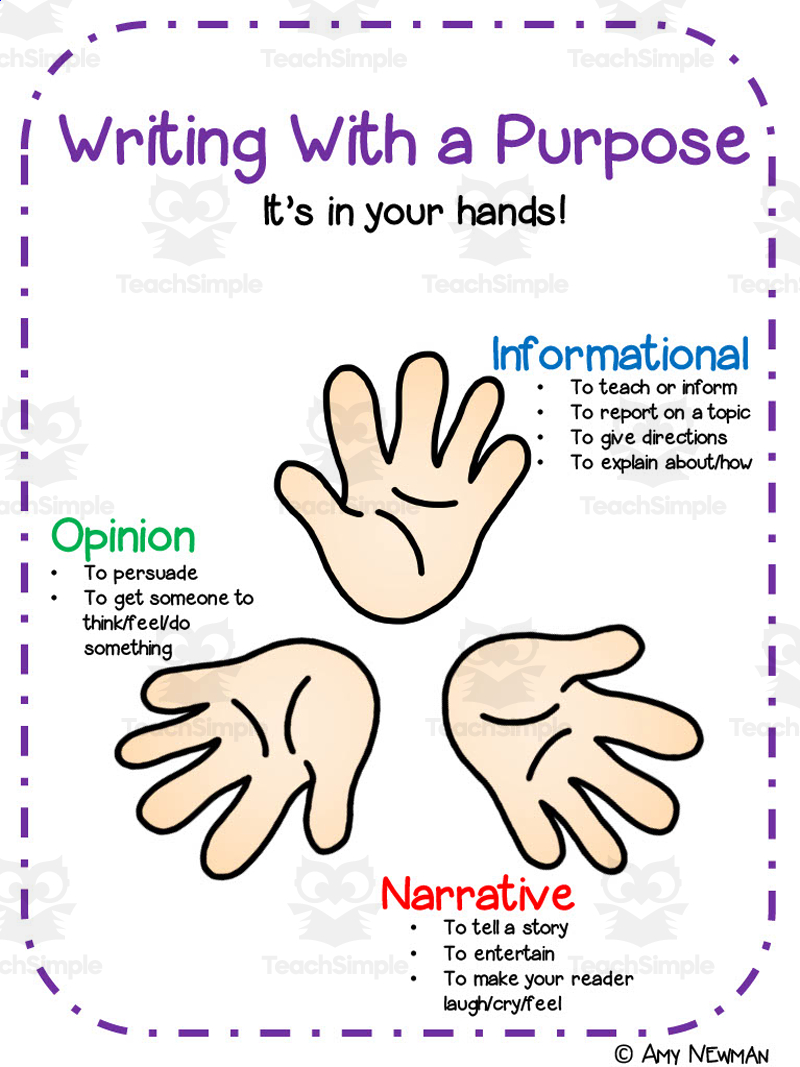
A set of anchor charts teaching the three main purposes/structures of writing - informational, narrative, and opinion - each presented as a labeled overview chart, a filled example graphic organizer, and a blank fill-in-the-blank template.

A teaching guide/graphic organizer explaining the structure of a five-paragraph essay (introduction, three supporting paragraphs, conclusion) with transition words and a grading rubric.
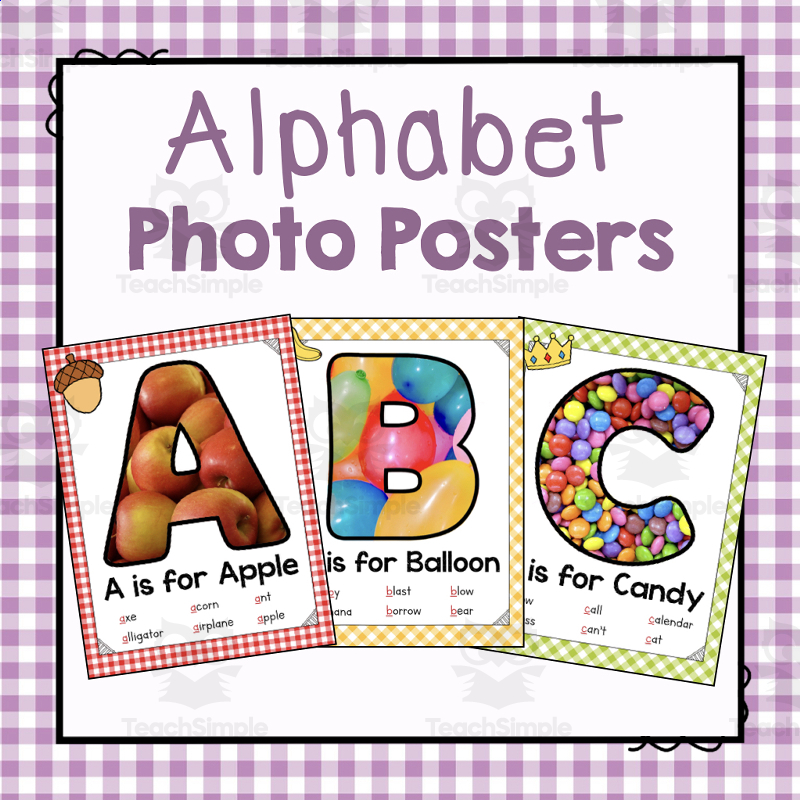
Support letter-of-the-week instruction with photo-illustrated letter posters, each pairing a featured letter with six vocabulary words that start with it.

Use this display to discuss how a dialogue tag can convey a speaker’s manner or tone. The PowerPoint contains the Said Is Dead heading and supporting display pieces for classroom use. Treat the slogan as an invitation to make deliberate choices, not a rule banning said, which remains appropriate when a neutral tag serves the writing.
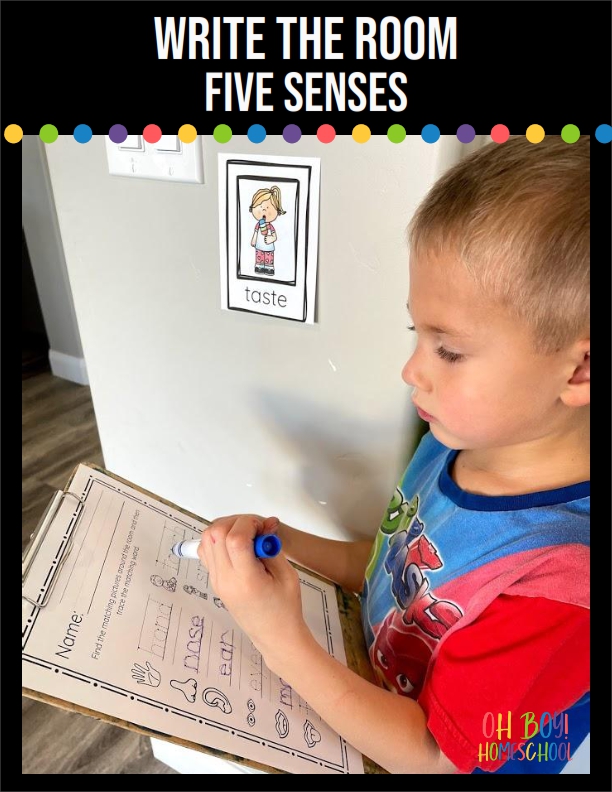
A low-prep 'write the room' literacy center packet using the five senses theme to build letter recognition, beginning-sound phonemic awareness, and pencil grip.