U.S. Presidents and Voting Activities
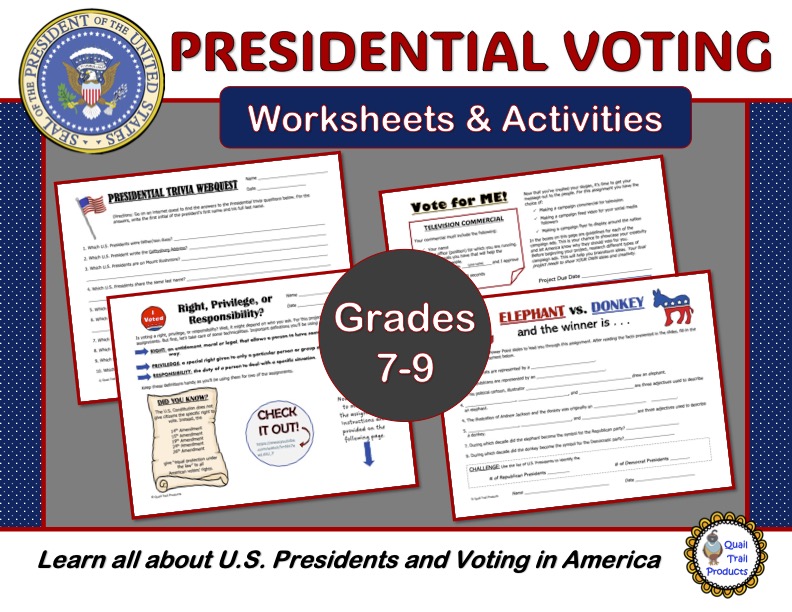
Teach students about U.S. presidents, political party symbolism, and the voting process through a mixed set of slides, task cards, and worksheets, including updated content through the Biden presidency.
Classroom resources
Browse by lesson focus
Choose the topic or kind of practice you need.
Teach students about U.S. presidents, political party symbolism, and the voting process through a mixed set of slides, task cards, and worksheets, including updated content through the Biden presidency.
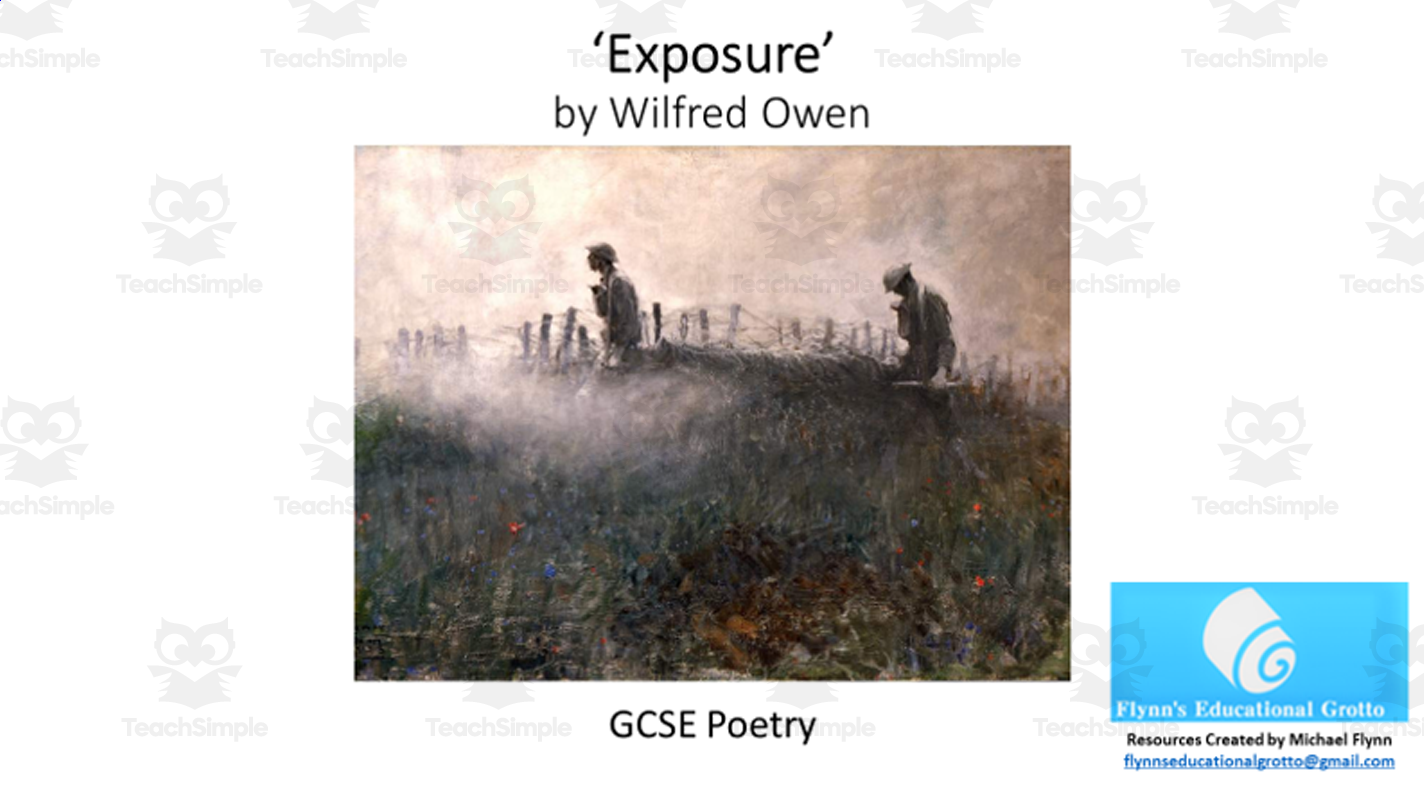
A GCSE English Literature poetry-analysis PowerPoint lesson guiding students through close reading of 'Exposure' by Wilfred Owen, covering author/poet context, first reading and annotation, tone and language analysis, structure questions, and an academic PETAL-paragraph writing task. The lesson frames the poem around World War 1 and the suffering of…
An interactive micro-learning slide deck built around an informational reading passage about Pakistani-American chef Fatima Ali, teaching close reading, vocabulary, and summarizing skills.
An interactive multimedia slide deck teaching students about beavers through a video lesson, a non-fiction reading passage, vocabulary instruction, and comprehension/writing activities.
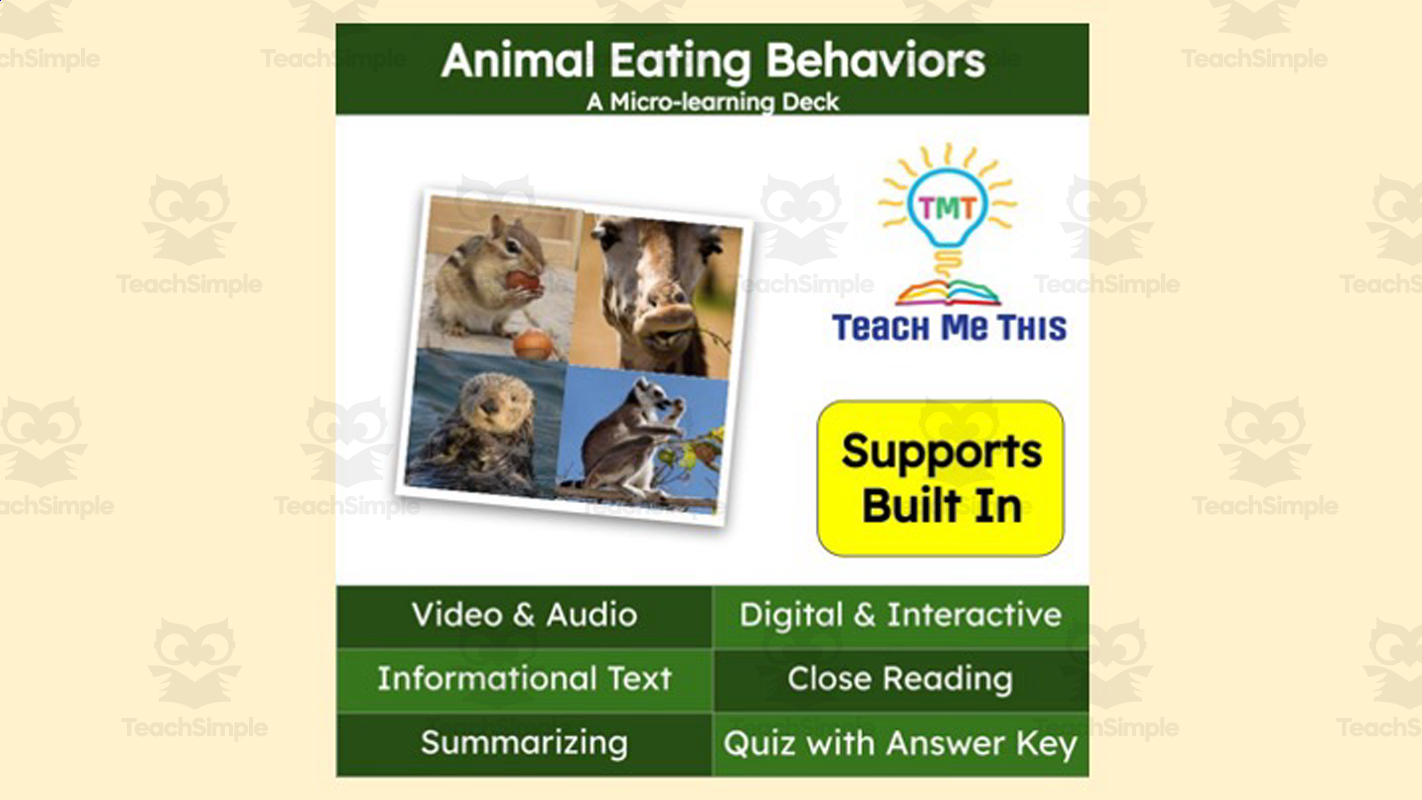
An interactive digital slide deck that teaches students how to classify animals by eating behavior (carnivore, herbivore, omnivore, frugivore, planktivore) through a reading passage, video, and guided activities.
A no-prep, multimedia 'micro-learning' slide deck teaching students about African elephant biology, habitat, and behavior as part of an animal science unit.
A GCSE English Literature poetry-analysis PowerPoint lesson guiding students through close reading of 'First Date -She and First Date - He' by Wendy Cope, covering author/poet context, first reading and annotation, tone and language analysis, structure questions, and an academic PETAL-paragraph writing task. The lesson frames the poem around the nerves…
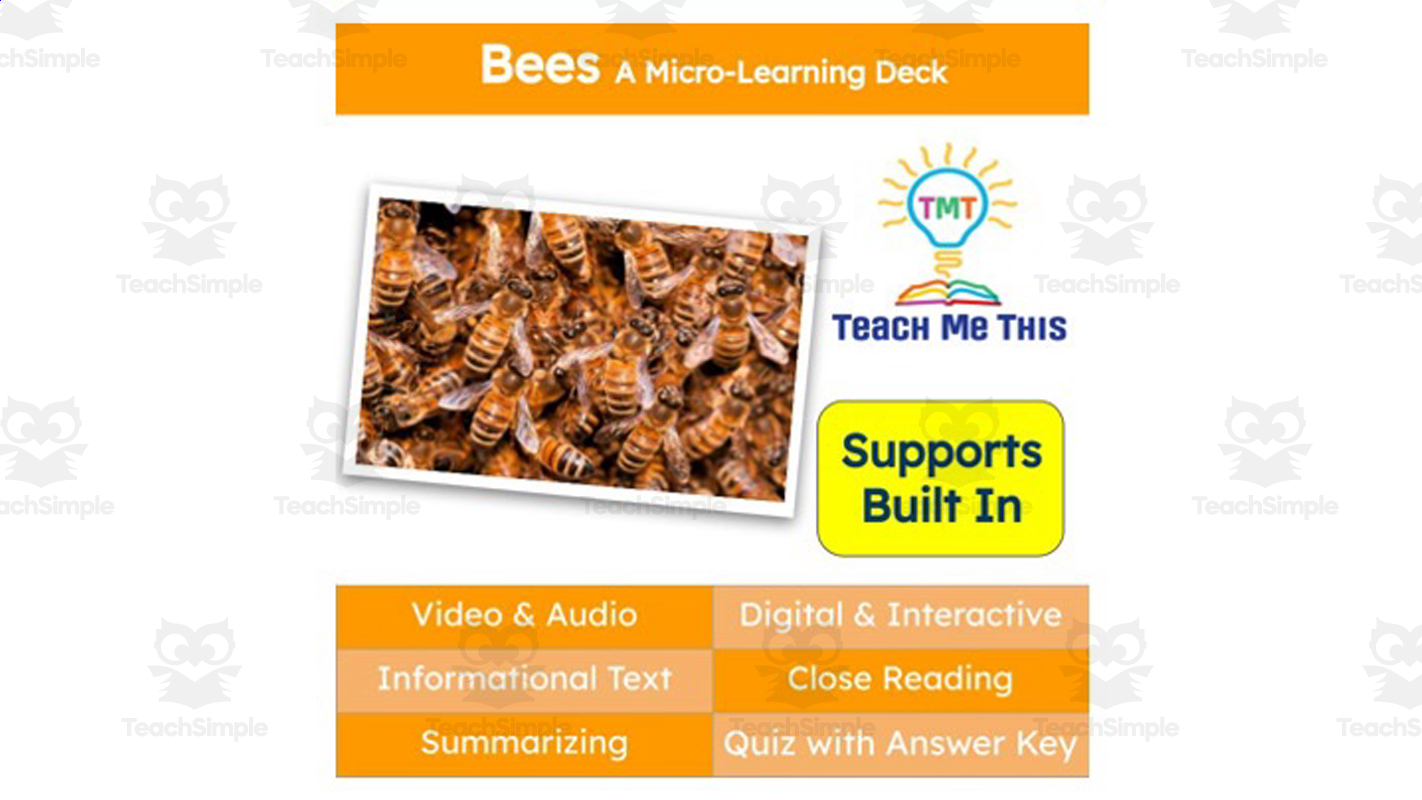
A digital, interactive micro-learning slide deck teaching middle-school science students about honey bees - physiology, hive roles, pollination, and how bees make honey.
A digital micro-learning slide deck teaching informational-text reading, vocabulary, and comprehension skills through a biography of George Washington.
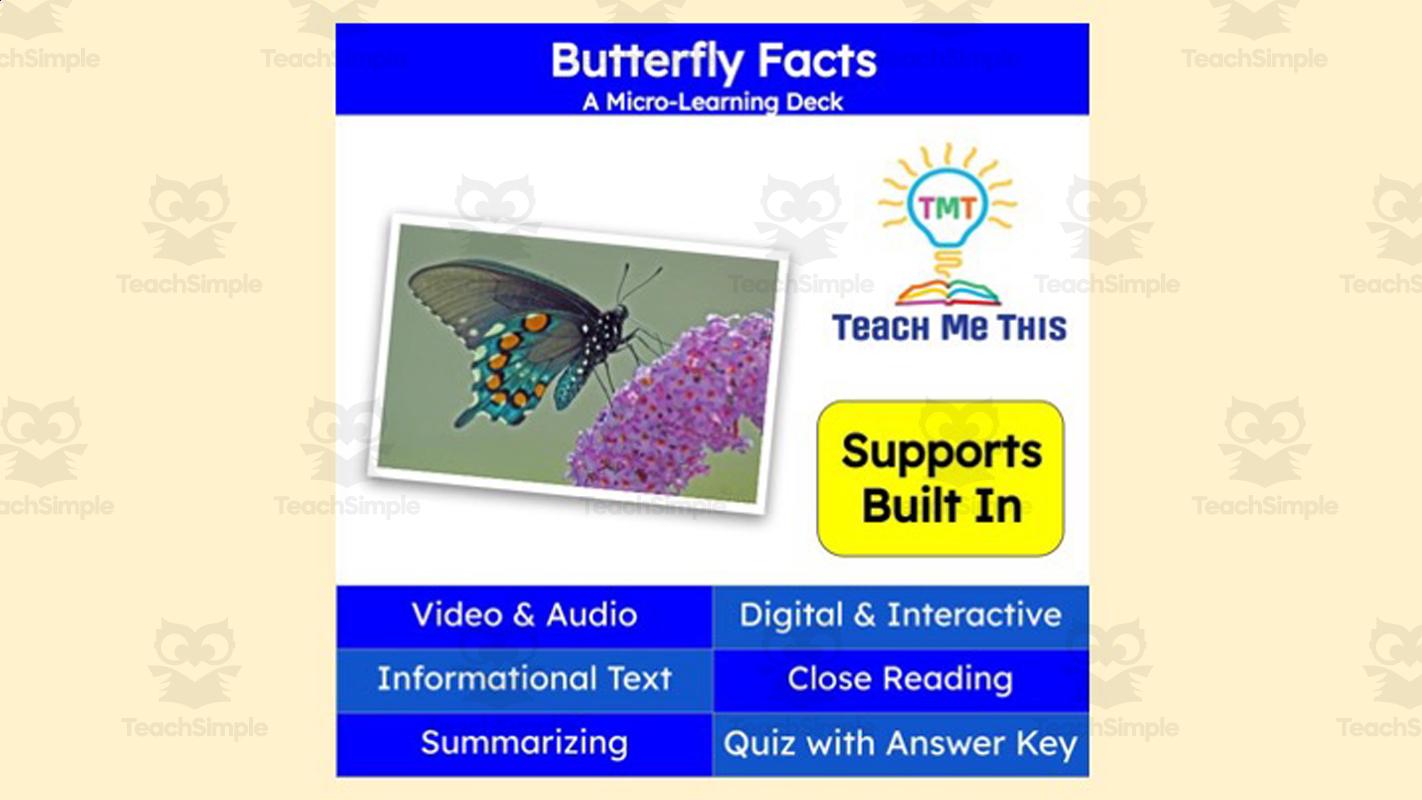
An interactive, no-prep slide-deck micro-lesson teaching butterfly facts (life cycle, habitat, migration, pollination, predators/defenses) through a non-fiction reading passage, video, vocabulary and writing activities.
An interactive micro-learning digital slide deck teaching students about great blue heron facts (physical traits, habitat, behavior) through informational text, close reading, vocabulary, and summarizing activities, part of a 'Nature Collection' series.
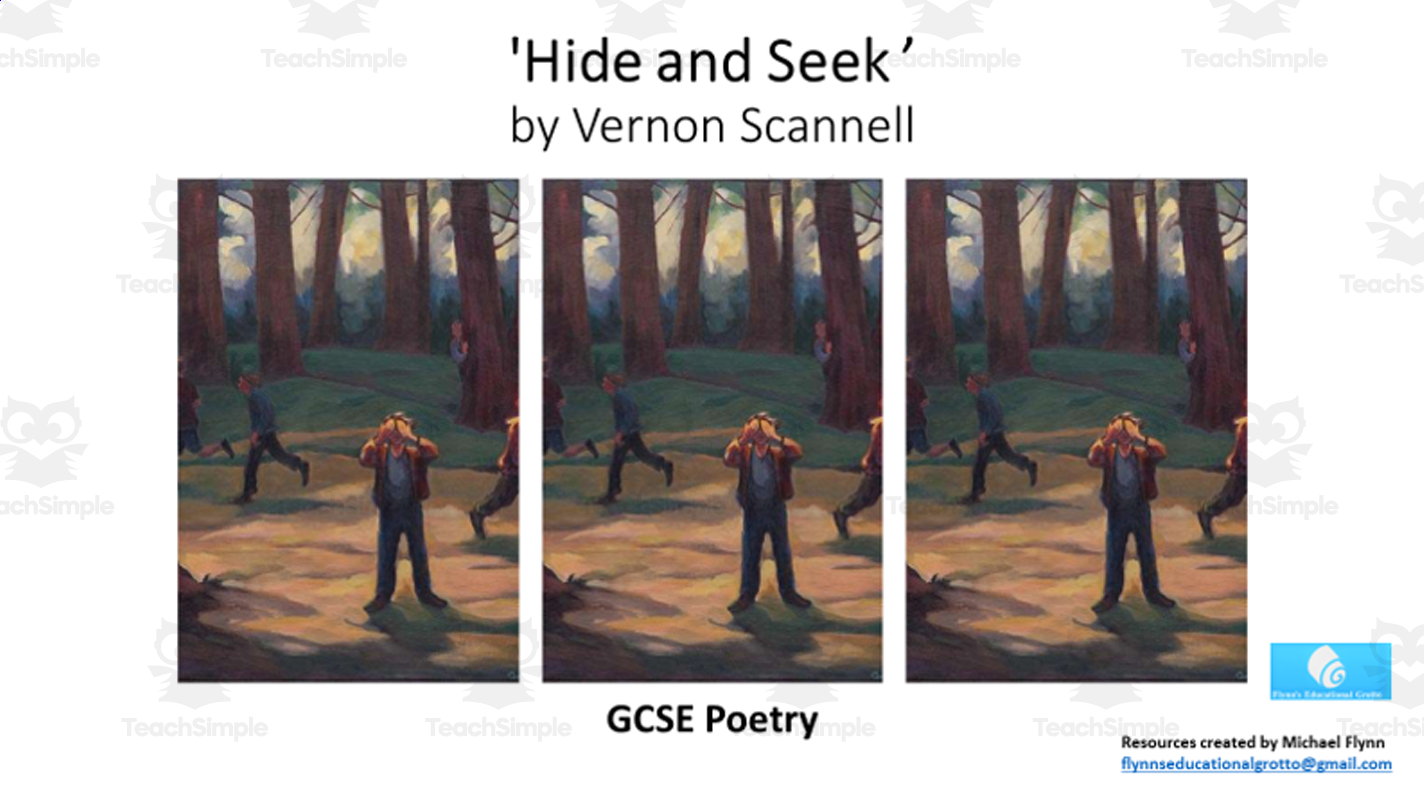
A GCSE English Literature poetry-analysis PowerPoint lesson guiding students through close reading of 'Hide and Seek' by Vernon Scannell, covering author/poet context, first reading and annotation, tone and language analysis, structure questions, and an academic PETAL-paragraph writing task. The lesson frames the poem around a child's game of hide and…
An interactive micro-learning digital slide deck teaching students about the Great Basin Native Americans (how they lived, food, homes, clothing) through informational text, close reading, and summarizing activities.
An interactive Google Slides resource that teaches paragraph proofreading skills, including correcting a sample paragraph with errors and practicing commonly confused words and spelling.
Introduce students to the biography, education, career history, and elected offices of the current female state Governors of the United States through slide-based biography presentations.
An interactive micro-learning slide deck teaching about the California Gold Rush (started 1849) through video links, an informational reading passage, a close-reading fill-in-the-blank activity, word-play/discussion prompts, and a guided summary-writing template.
A GCSE English Literature poetry-analysis lesson presentation that guides students through close reading and critical analysis of 'The War Photographer' by Carole Satyamurti.
An introductory slide presentation giving background on Mark Twain and The Adventures of Tom Sawyer before students read the novel.
An interactive Google Slides resource that provides proofreading practice and a cumulative review of book report writing skills and vocabulary.
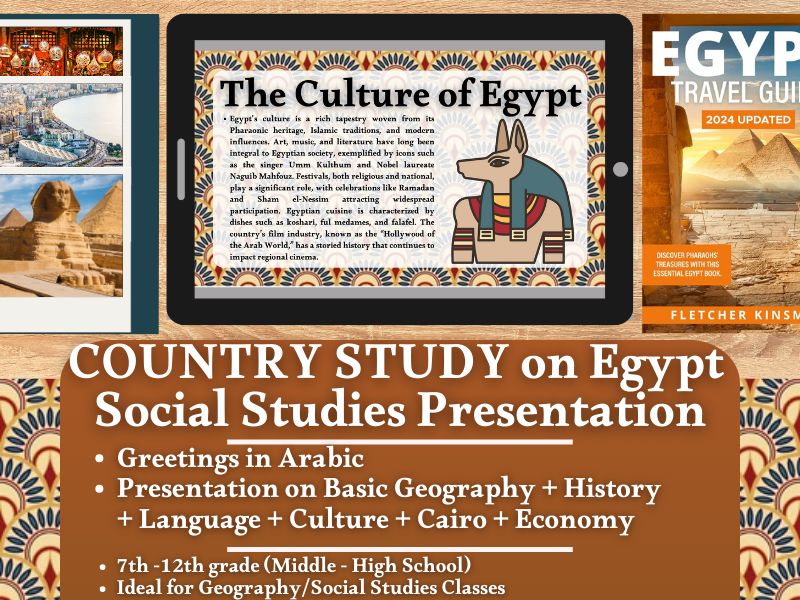
An informational slide-style presentation introducing Egypt: greeting/basic vocabulary, general country data, languages, a history timeline, geography and climate, economy, capital city, other major cities, and culture (food, music, festivals).
Introduce students to Australia through a slide presentation covering its language/greetings, history timeline, geography, economy, capital city and landmarks, and culture.
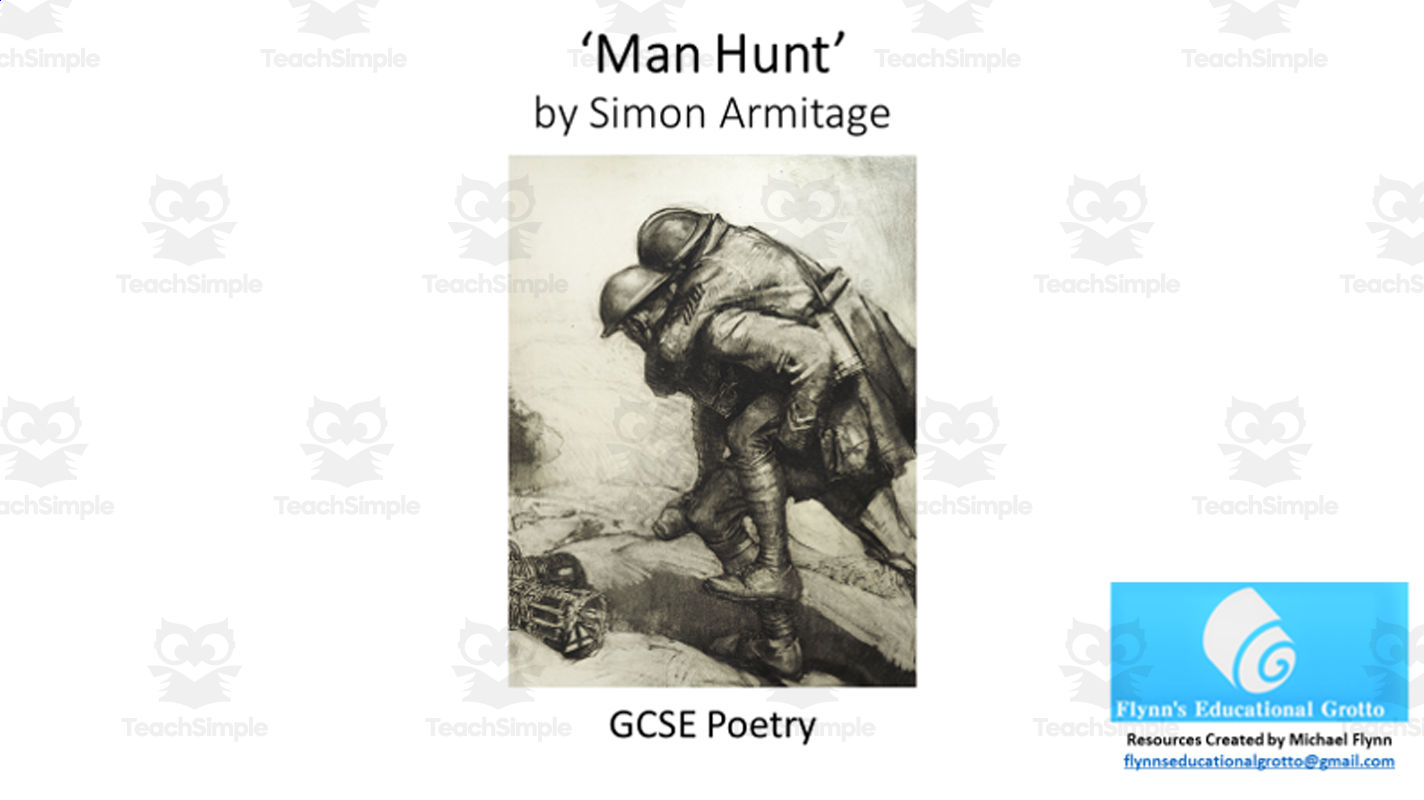
A GCSE English Literature poetry-analysis PowerPoint lesson guiding students through close reading of 'Man Hunt' by Simon Armitage, covering author/poet context, first reading and annotation, tone and language analysis, structure questions, and an academic PETAL-paragraph writing task. The lesson frames the poem around a soldier's physical and…
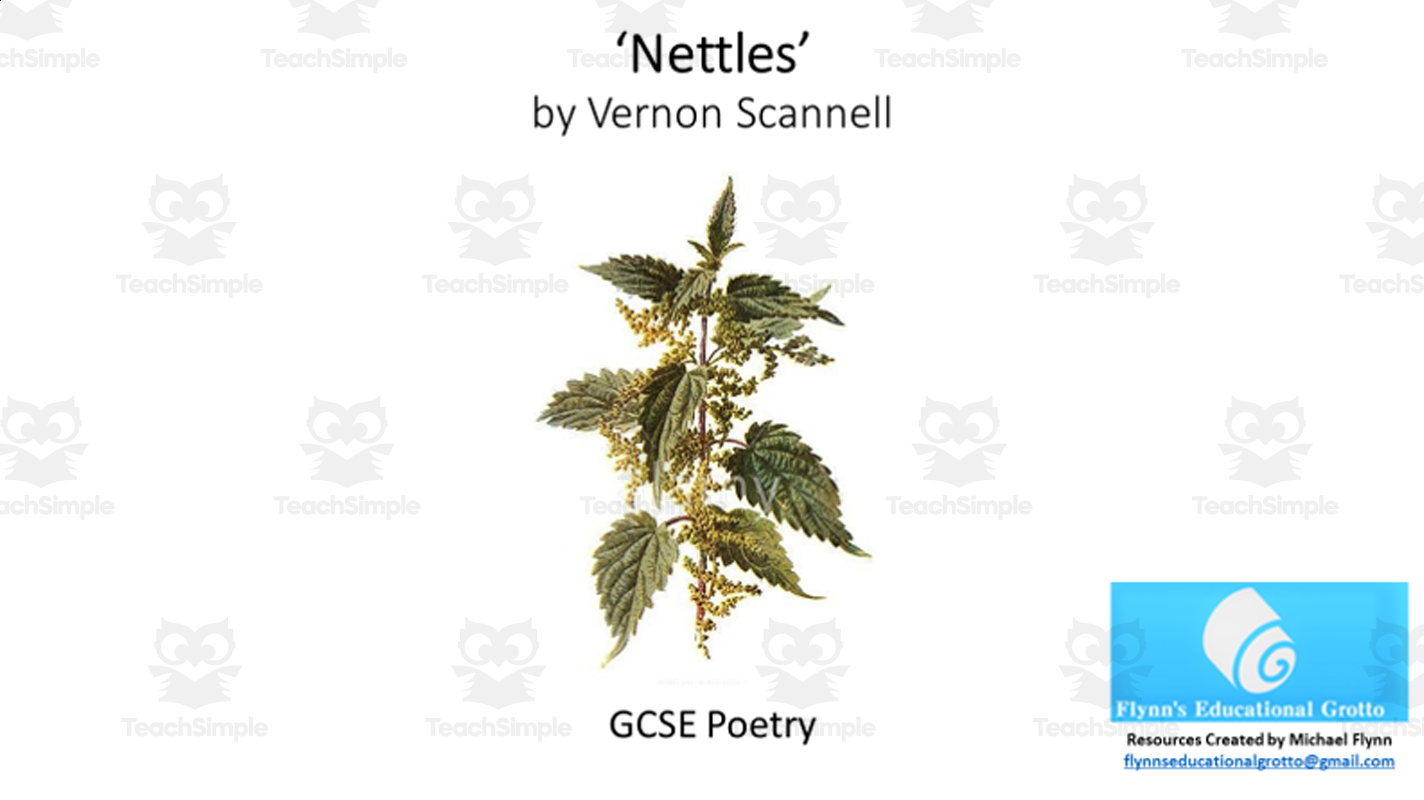
An eighteen-slide GCSE poetry lesson on Vernon Scannell's 'Nettles' opens with author-context biography before two starter discussion slides on over-protective parenting prime students for a first reading of the full poem text. Students then annotate the poem in three line-groups, identifying tone and language devices such as the extended 'regiment of spite' and 'funeral pyre' metaphors, before answering dedicated content and structure questions about the poem's narrative and stanza form. A PETAL (Point, Evidence, Technique, Analysis, Link) framework, paired with a PROOFREAD self-assessment checklist, scaffolds a formal analytical paragraph, and the lesson closes with an extension task, a genre/form homework assignment, and plenary reflection questions. Teachers building a GCSE poetry scheme of work can pair this with the same PETAL-based approach applied to a different set text in the Half-Past Two poem analysis lesson .
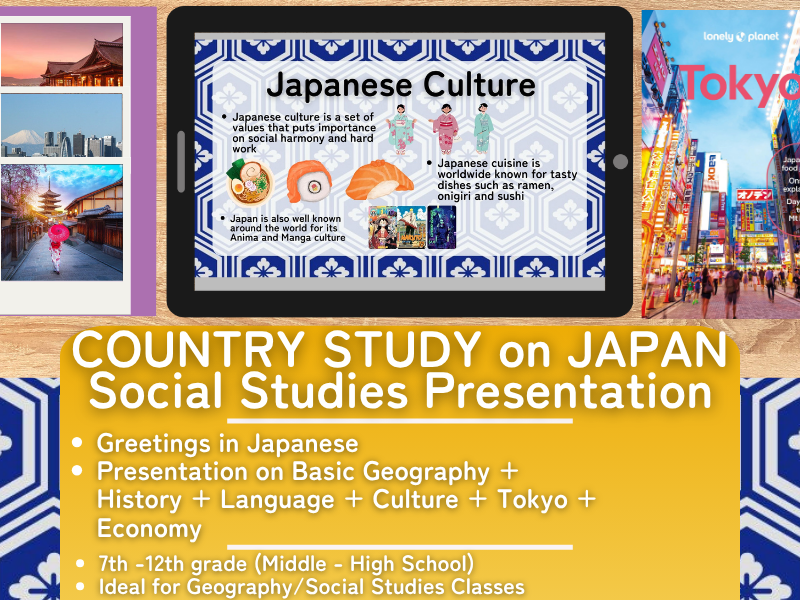
Introduce students to Japan through a slide presentation covering its language/greetings, history timeline, geography, economy, capital city and landmarks, and culture.