
Minnesota: A Micro-Learning Deck | Digital Geography Lesson
Introduce students to the geography, history, and state symbols of Minnesota through a digital micro-lesson.


3,630 resources
Explore sub-categories
3 sub-categories · 3,630 resources
Introduce students to the geography, history, and state symbols of Minnesota through a digital micro-lesson.
Digital micro-lesson teaching reading comprehension, vocabulary, and summarizing skills through the fable The Goose That Laid the Golden Egg.

Light - Team Quest Light - Interactive Quiz for Middle School Overview The light quiz is a digital educational resource targeted for middle school learners, particularly Grade 5 through 9. The tool covers a broad range of topics critical to understanding the science of light such as reflection and refraction, lenses use, structure and…
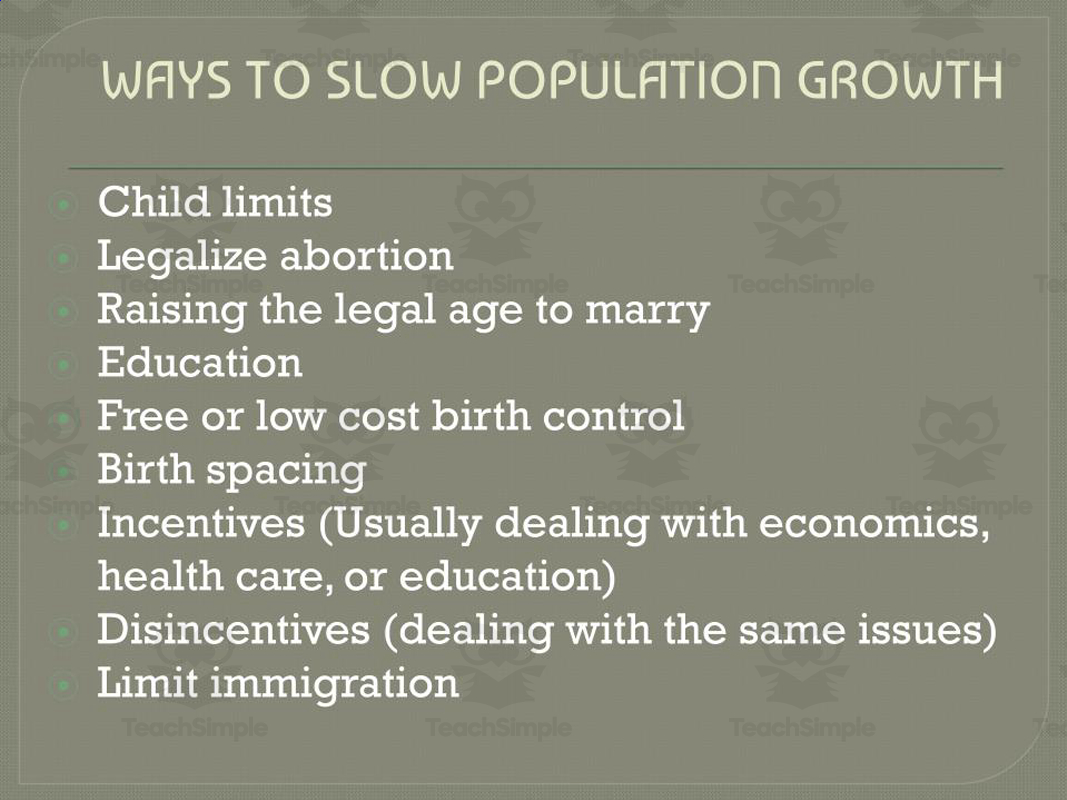
A high-school social studies unit teaching population policies (China, India, Singapore, Japan) via a lesson plan, slide presentation, and skeleton outline for student note-taking.
Teaches middle/high school students about responsible borrowing, covering loans, credit scores, interest rates, the Federal Reserve, student loans, and mortgages.

These two biography presentations follow Joe Manchin and Shelley Moore Capito through early life, education, and political careers. Short sections present milestones students can use to trace each person’s path through public office. Use the profiles for a West Virginia history or government lesson, or have students compare career timelines. For a related classroom activity, the existing political spectrum lesson offers another way to examine political positions. Treat the biographical files as accounts of the period they cover when discussing later developments.

Teaches high school students about investing, asset classes, diversification, and retirement growth strategies, including a hands-on investing simulation.

A 14-slide digital micro-learning deck teaching upper-elementary/middle-school students the geography, symbols, and facts of Alabama.
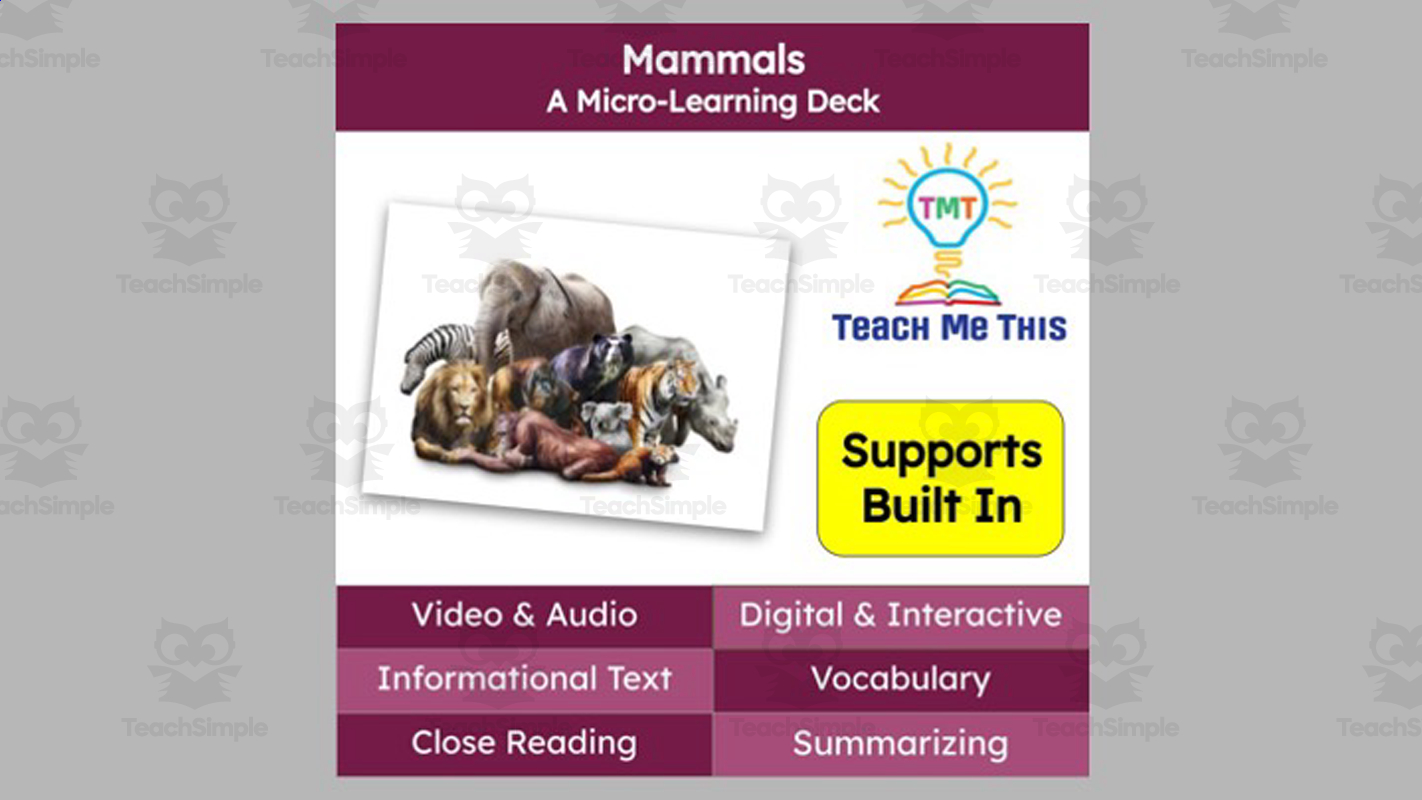
A multi-part interactive slide deck lesson teaching what defines a mammal, including vocabulary, a reading passage, and comprehension/matching activities.

This lesson package on The History and Future of Flight begins with an inquiry WebQuest to get your students thinking about important historical events in aviation. The lesson then overviews the history of flight and looks at today's aircraft. Lastly, it looks at what aviation might look like in the near future. Each of the segments…

A multi-day Earth and Space Science lesson package on celestial objects (the sun and other stars, planets, moons, asteroids/comets, meteoroids/meteors/meteorites, the Milky Way and other galaxies, interstellar medium), delivered as a fill-in-the-blank guided-notes presentation for secondary students.
 Free download
A narrated PowerPoint presentation introducing young learners to hedgehogs (autumn animal topic), covering basic facts such as habitat, defense (curling into a spiky ball), and diet, plus a hedgehog coloring page.
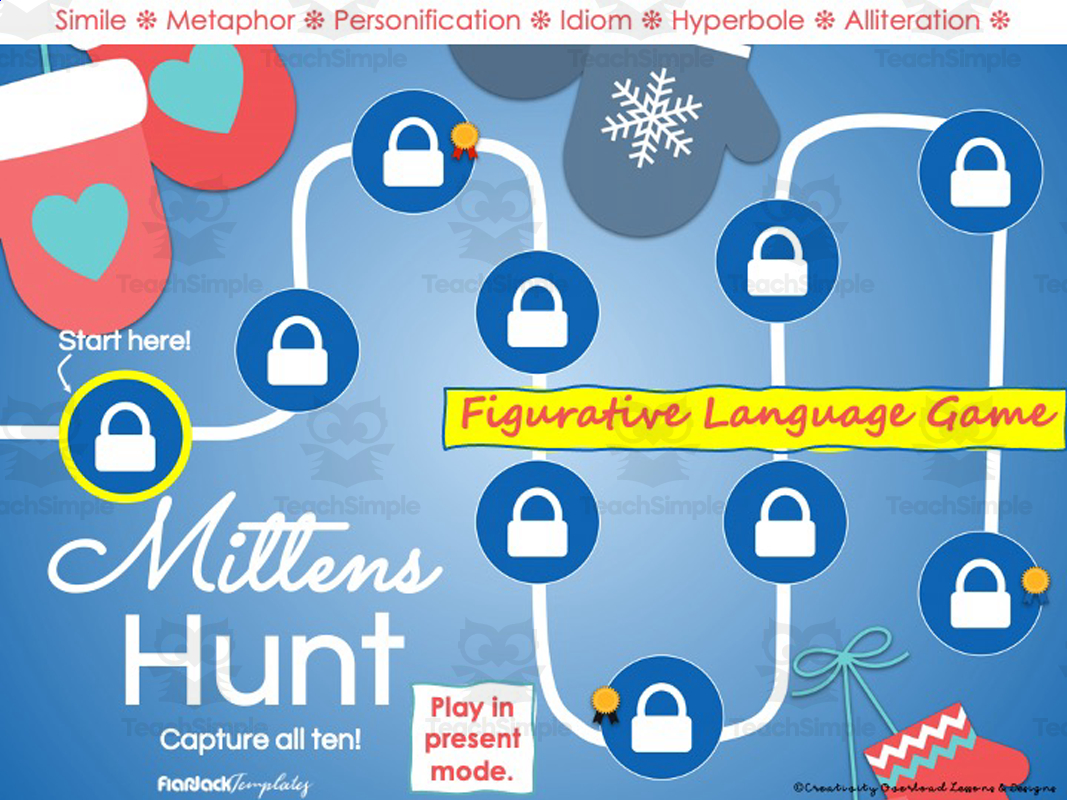
Introduce, review, or assess six types of figurative language (simile, metaphor, personification, idiom, hyperbole, alliteration) through a self-checking, branching 'Mitten Hunt' digital game (PowerPoint-based, with an accompanying teacher guide referencing a Google Slides version).

Teach AP Human Geography vocabulary and concepts related to inner-city urban decline: filtering, redlining, white flight, blockbusting, and public housing.

A no-prep, interactive PowerPoint micro-learning lesson teaching great white shark facts (behavior, diet, anatomy) through a non-fiction reading passage, vocabulary, and comprehension activities.
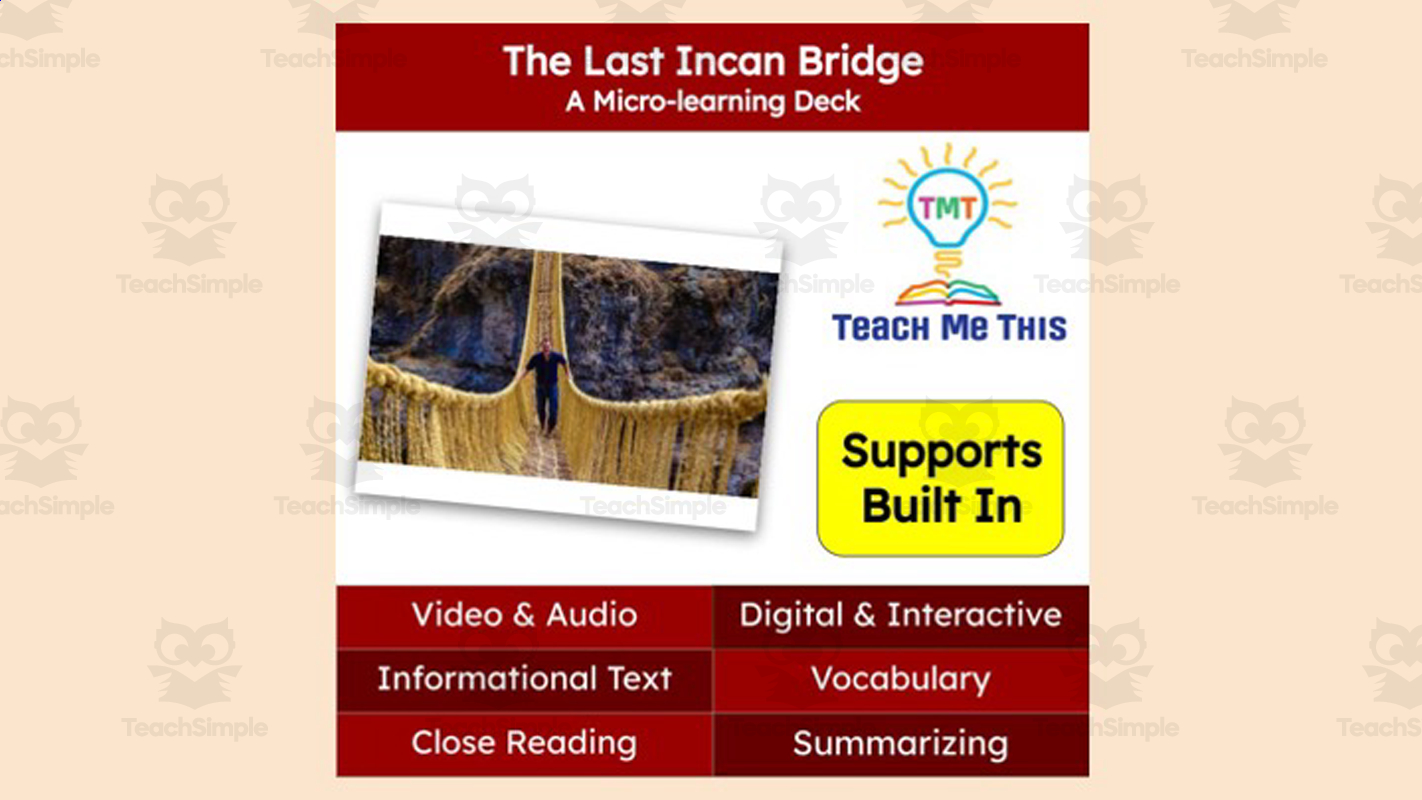
A digital micro-learning slide deck teaching about the historic Incan rope bridge (Q'eswachaka) through informational reading and vocabulary practice.
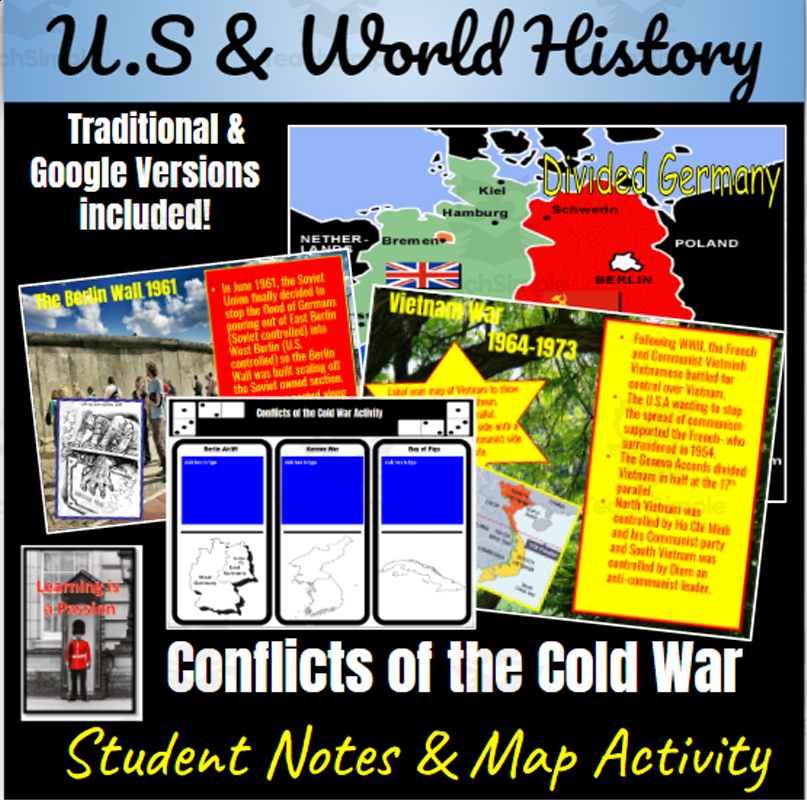
A slide presentation with accompanying student notes/graphic-organizer PDF introducing major Cold War conflicts and flashpoints (Berlin Airlift, Korean War, Berlin Wall, Cuban Missile Crisis, Vietnam War) as a lead-in before deeper primary-source study.

Introduce and define satire and its component literary devices/elements so students can identify them before or while reading a satirical text.
Six political thinkers — Hobbes, Locke, Montesquieu, Rousseau, Beccaria, and Voltaire — and their core beliefs open this 36-slide walk through the Age of Enlightenment, covering its definition and origins, the Philosophes' five guiding concepts, the salons that spread new ideas, scientific discoveries such as gravity and electricity, Baroque and Classical composers, Physiocrat and Adam Smith economic theory, and the American and French Revolutions. A companion five-page fill-in-the-blank outline mirrors the slide order so students can take notes as the presentation plays. Four think-pair-share slides pause the lecture; the note outline contains five discussion prompts, including an additional discoveries prompt. Placeholder text throughout the slides ("Insert an image of...") marks where teachers are expected to add their own portraits and illustrations.

An interactive micro-learning slide deck teaching grades 5-8 students about daily life in ancient Rome (clothing, food, housing, the forum) through a reading passage, vocabulary, and comprehension activities.

Teach a full introductory business/economics unit on supply and demand, covering demand, supply, equilibrium, and the effect of the business cycle, via slides, guided notes, and graphing practice.
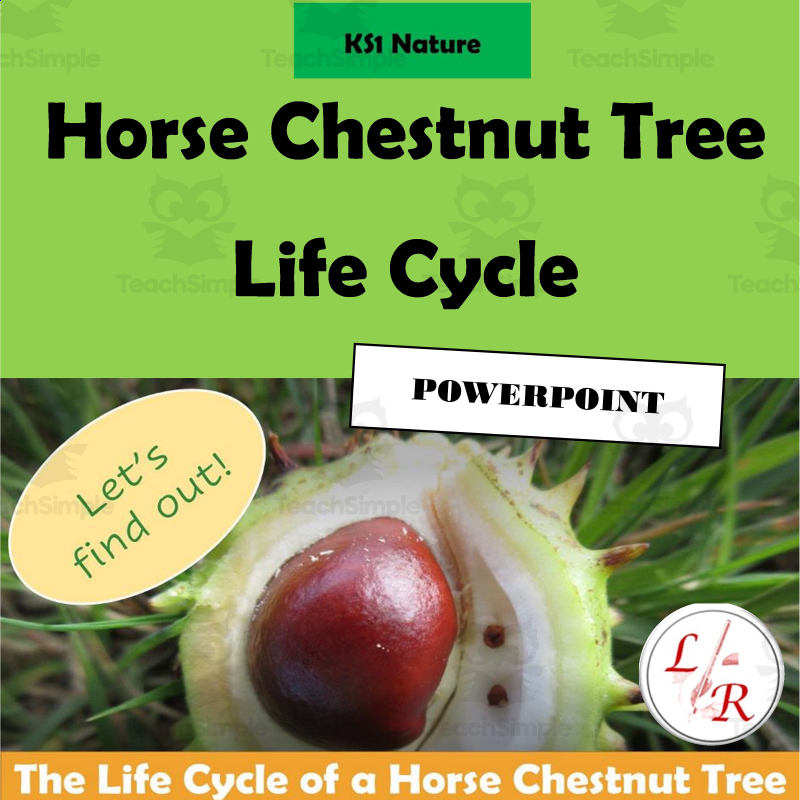
Horse Chestnut Tree: Kindergarten Science Project: Presentation This Horse Chestnut Tree Life Cycle Kindergarten Science Project PowerPoint follows the life cycle of the Horse Chestnut tree through the seasons. Beautiful, original photos will captivate children, making an everyday sight into an object of awe and wonder. When can it be…
Teach high school students the five themes of geography (location, human-environment interaction, region, place, movement) as a framework geographers use to analyze spatial patterns.

Explore intrinsic and extrinsic motivation through example scenarios before students rate ten statements about everyday choices. The scoring sheet groups their responses into two totals, providing a starting point for discussing rewards, consequences and personal interest. Use the results to reflect on these answers and possible strategies for a task, rather than treating the totals as a fixed description of a student.