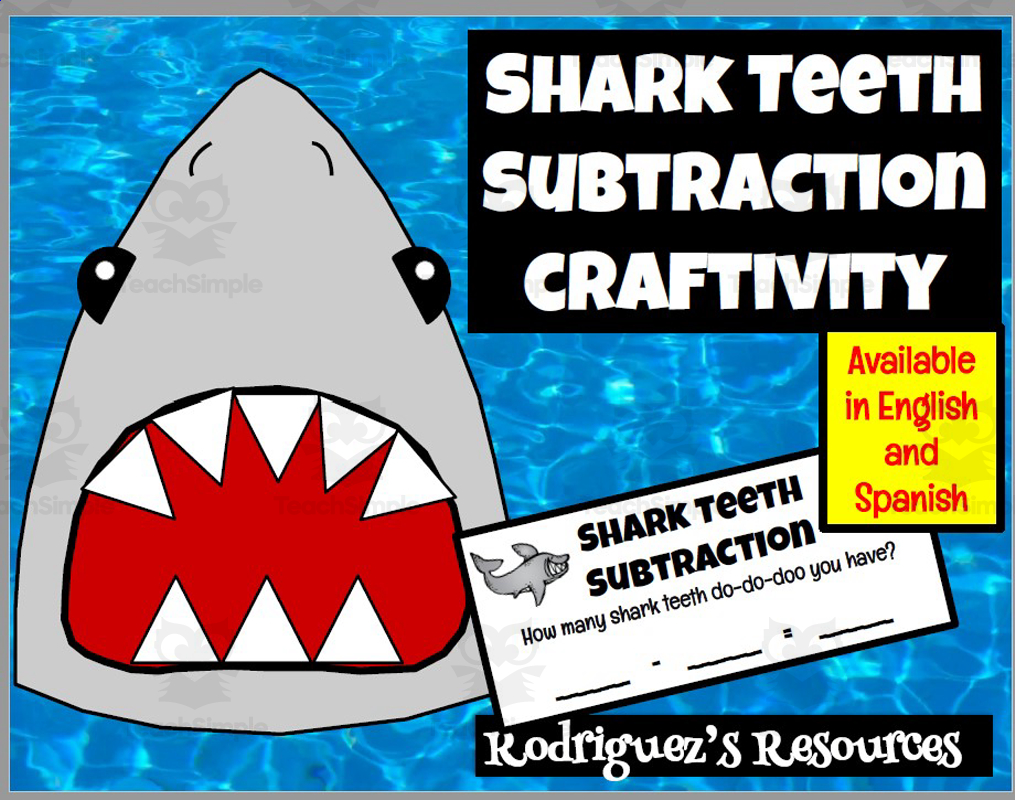
Craftivity: Shark Teeth Subtraction
A bilingual (English/Spanish) hands-on craftivity where students practice subtraction by determining how many teeth a shark has lost.




168 resources
Explore sub-categories
2 sub-categories · 168 resources
A bilingual (English/Spanish) hands-on craftivity where students practice subtraction by determining how many teeth a shark has lost.
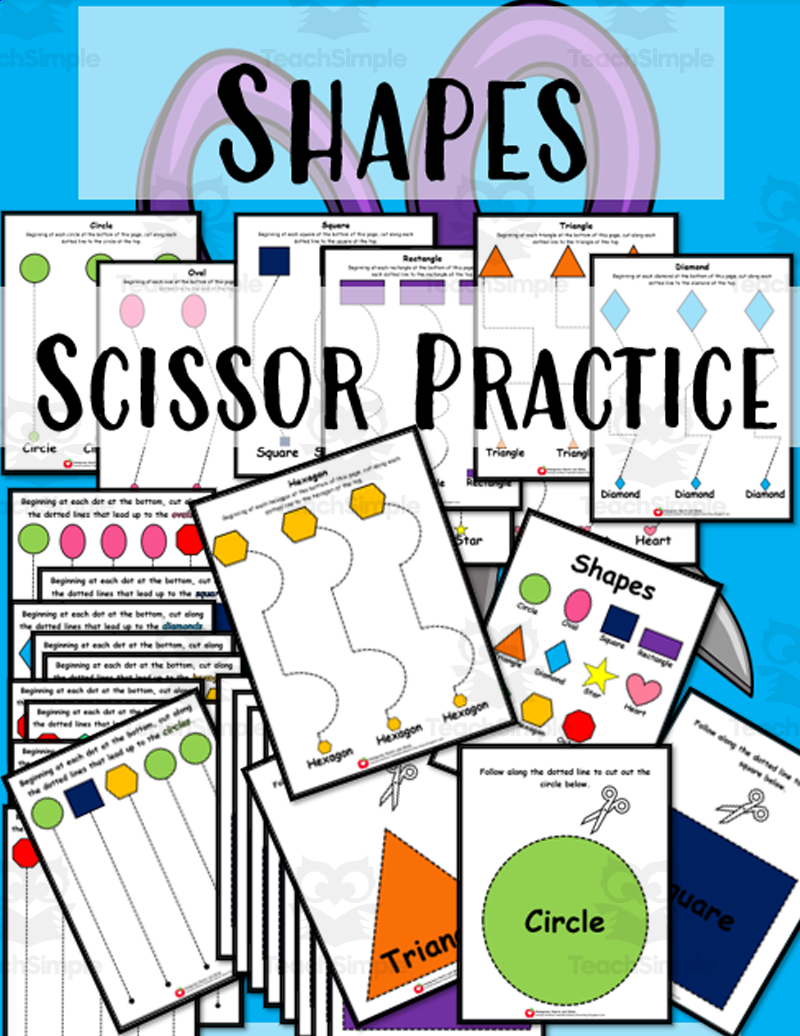
Scissor-cutting practice pages: students cut along dotted lines to and around named shapes, building fine motor and scissor control skills, with a shape reference chart included.
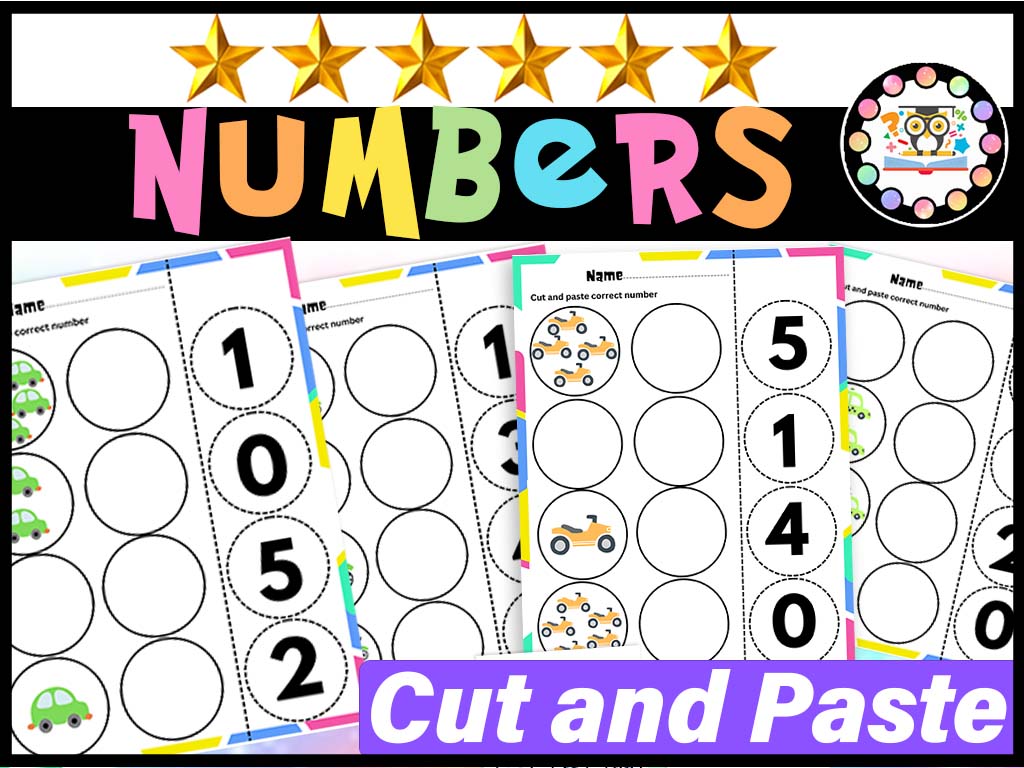
Cut-and-paste worksheets for practicing number recognition of the numbers 0-5.
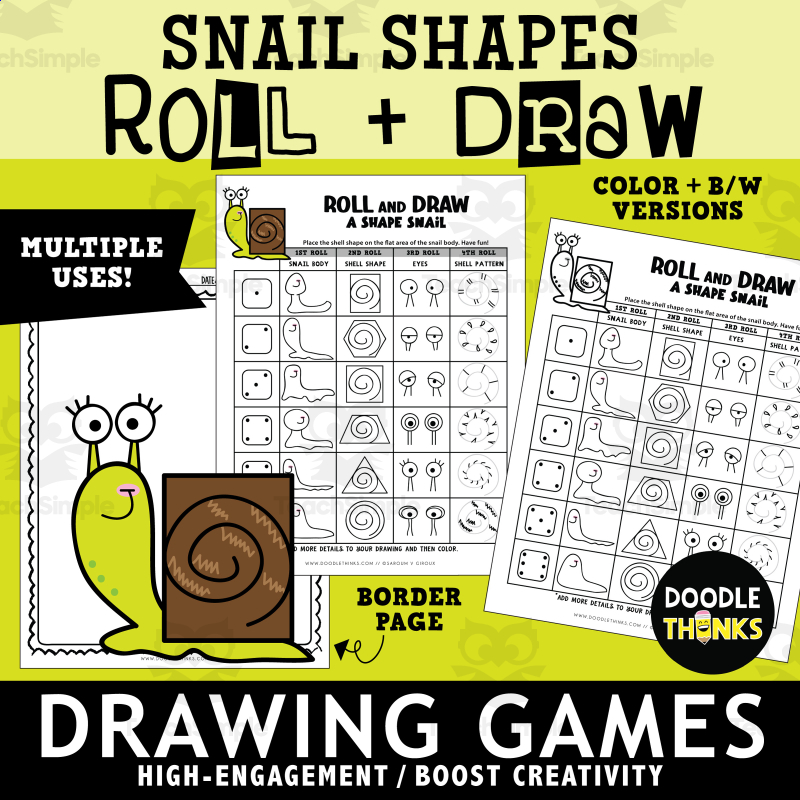
A shape-based roll-and-draw dice game in which students build a drawing of a snail by rolling for each column of body parts on the game sheet and combining the resulting shapes into a finished picture.
 Free download
 INTRODUCTION: Help your students to make their math class much more fun. As you know, didactic games applied in the classroom help students' learning to be more fun, and thus they will be able to better consolidate their knowledge.

Teach how to classify triangles by their sides (equilateral, isosceles, scalene) and by their angles (acute, right, obtuse) using an interactive foldable notebook activity.
 Free download
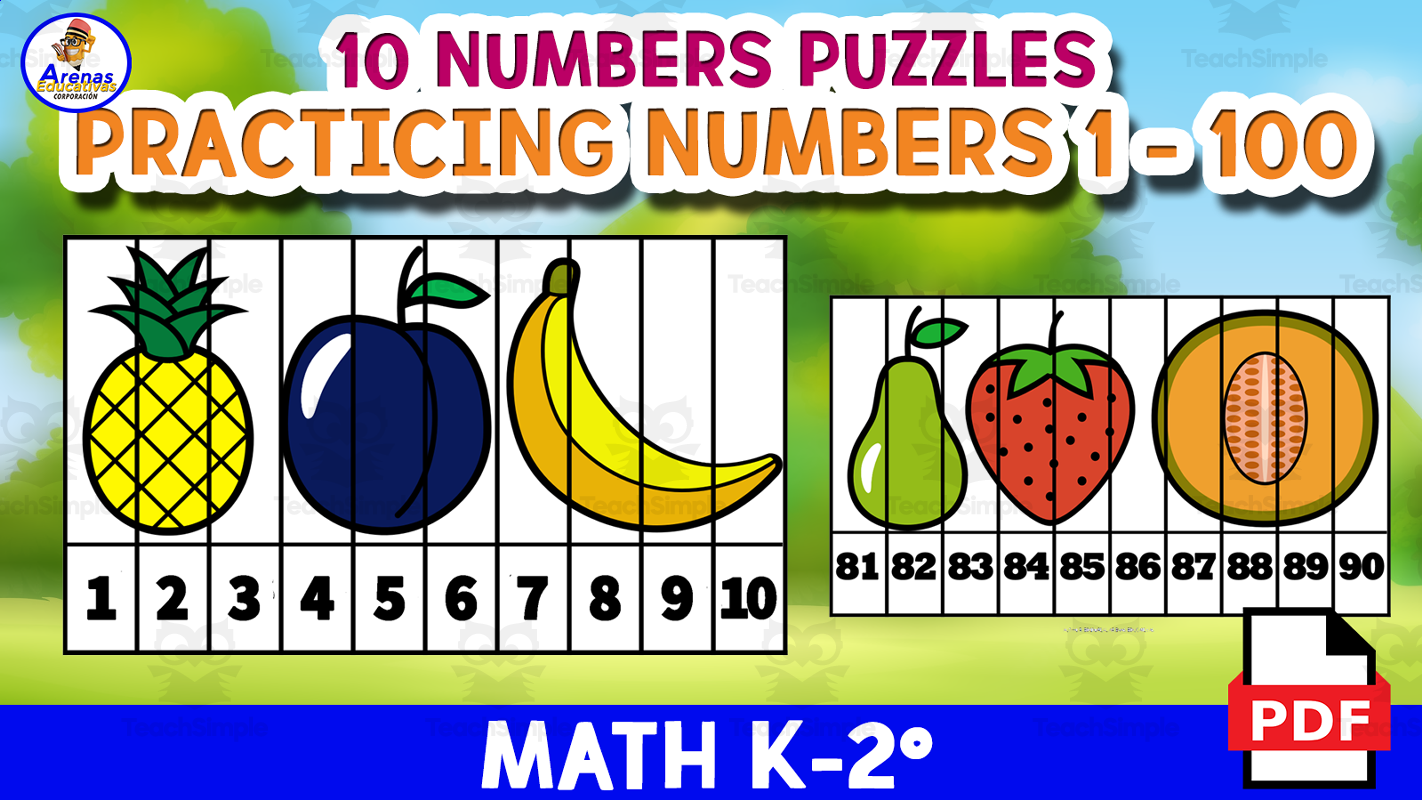
 INTRODUCTION: As you know, didactic games are a great motivation to learn mathematics, so this time I have designed a fabulous puzzle game with numbers from 1 to 100, I hope you like this resource and can use it in the classroom. OBJECTIVES: -Strengthen the knowledge of numbers from 1 to 100 in children from 3 to 5 years old.
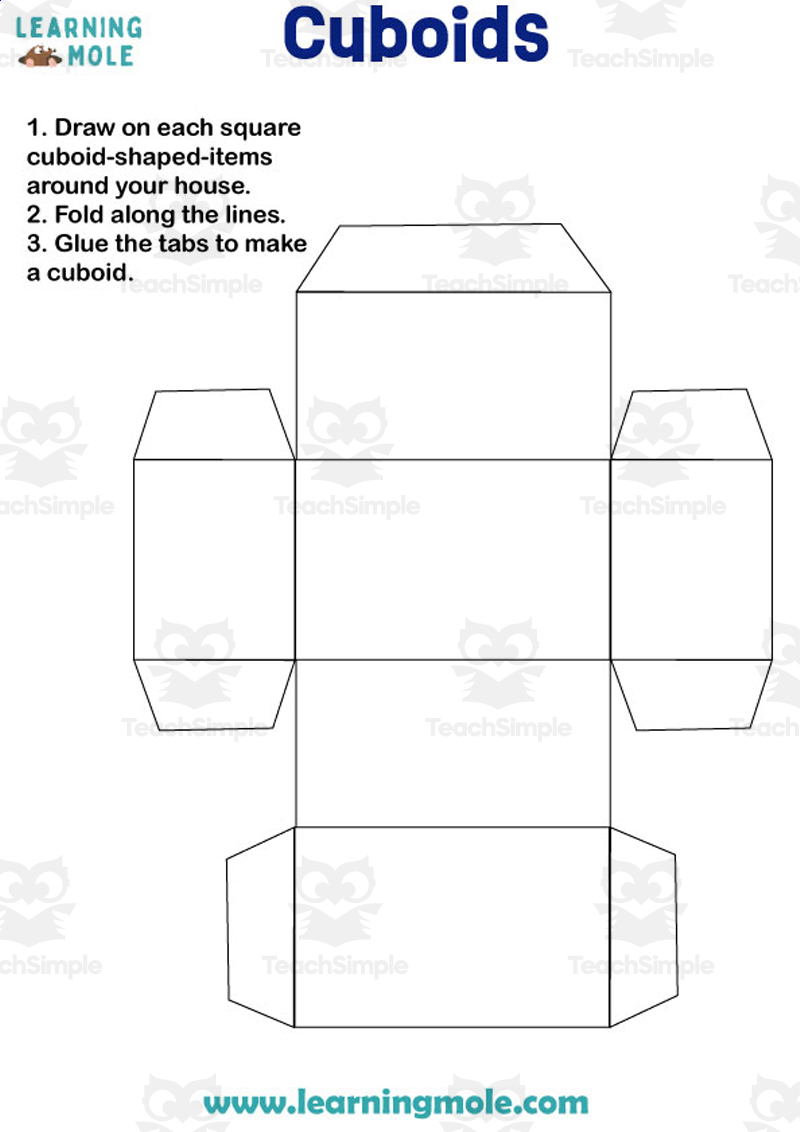
A simple hands-on STEM/geometry activity in which students identify and construct cuboid shapes.
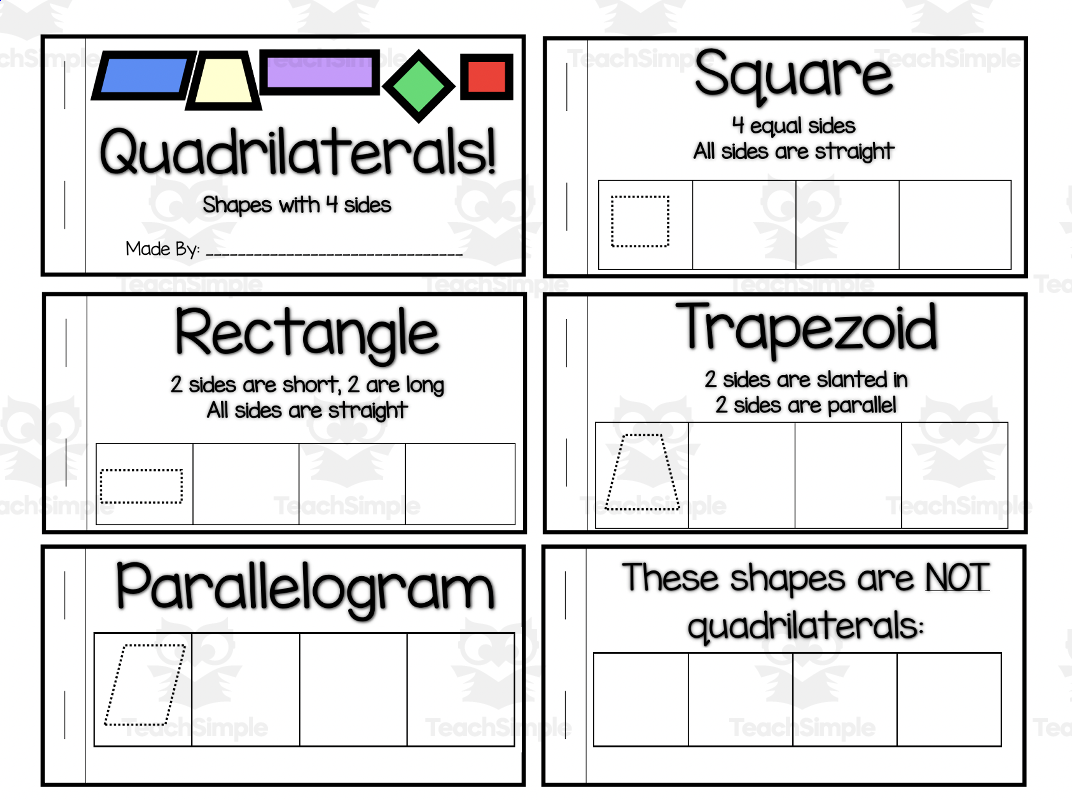
Follow-up activity/reference booklet reinforcing a lesson on the four main types of quadrilaterals.
 Free download
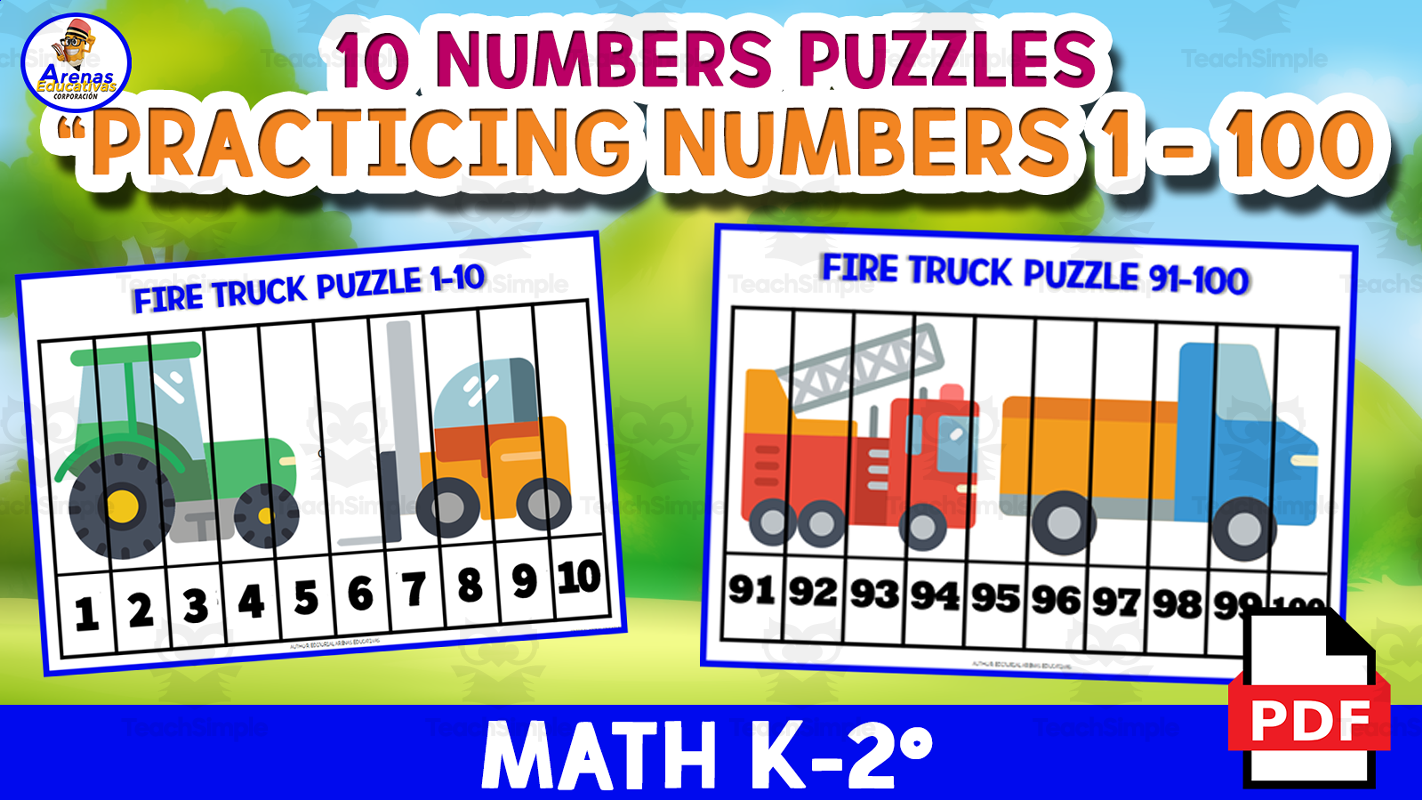
 A cut-and-paste puzzle activity intended to build number recognition 1-100 through ten 'fire truck' puzzles, each covering a 10-number range, that students assemble by pasting pieces.
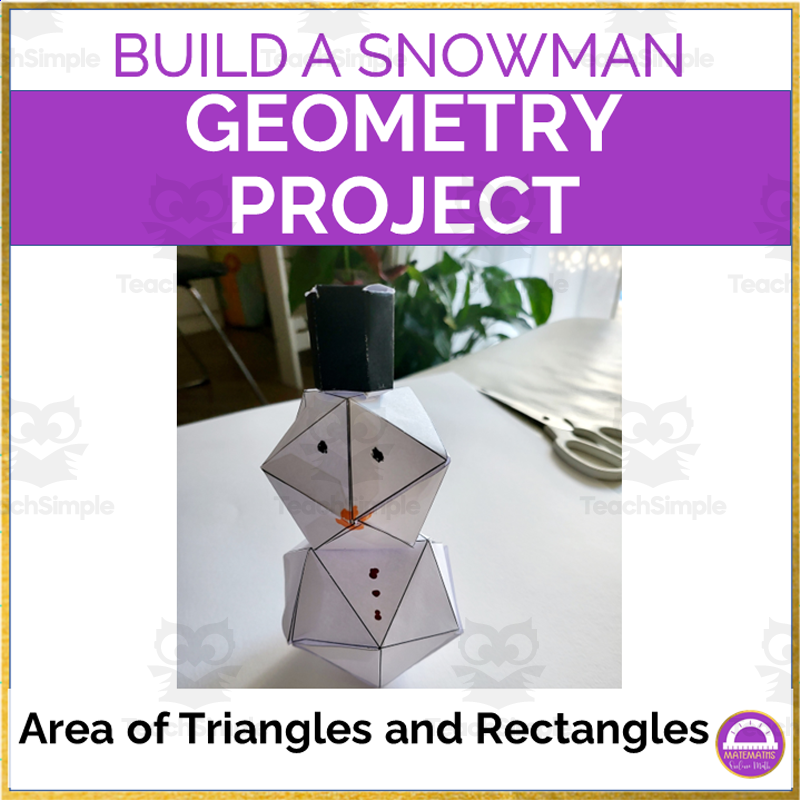
A project-based learning activity where students build a geometric 'snowman' from equilateral triangles, rectangles, and a hexagon, applying shape-construction and area/perimeter skills.
 Free download
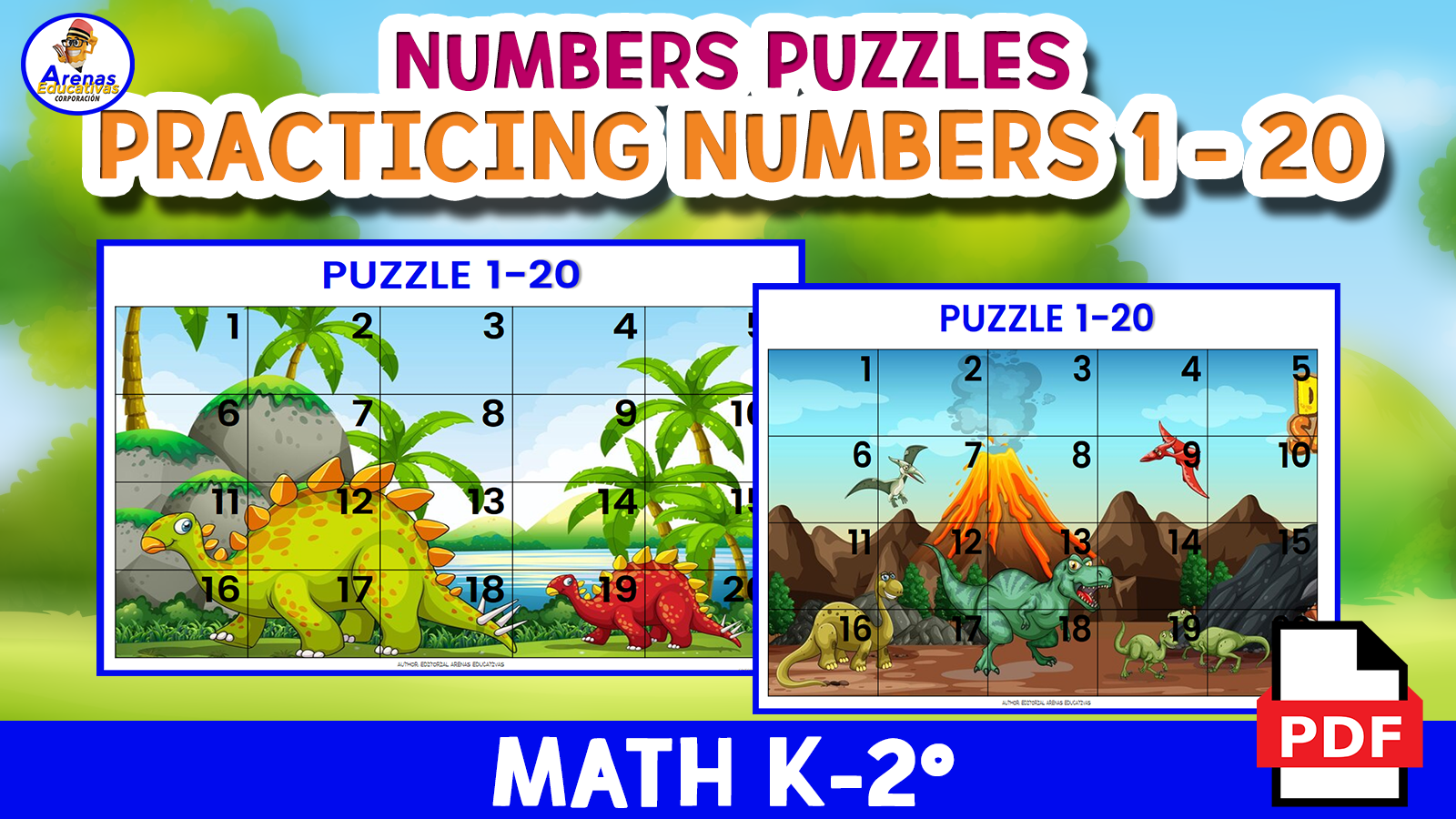
 A cut-and-paste number puzzle activity, dinosaur-themed, where students assemble puzzle pieces showing numbers 1-20 to practice number recognition and sequencing.
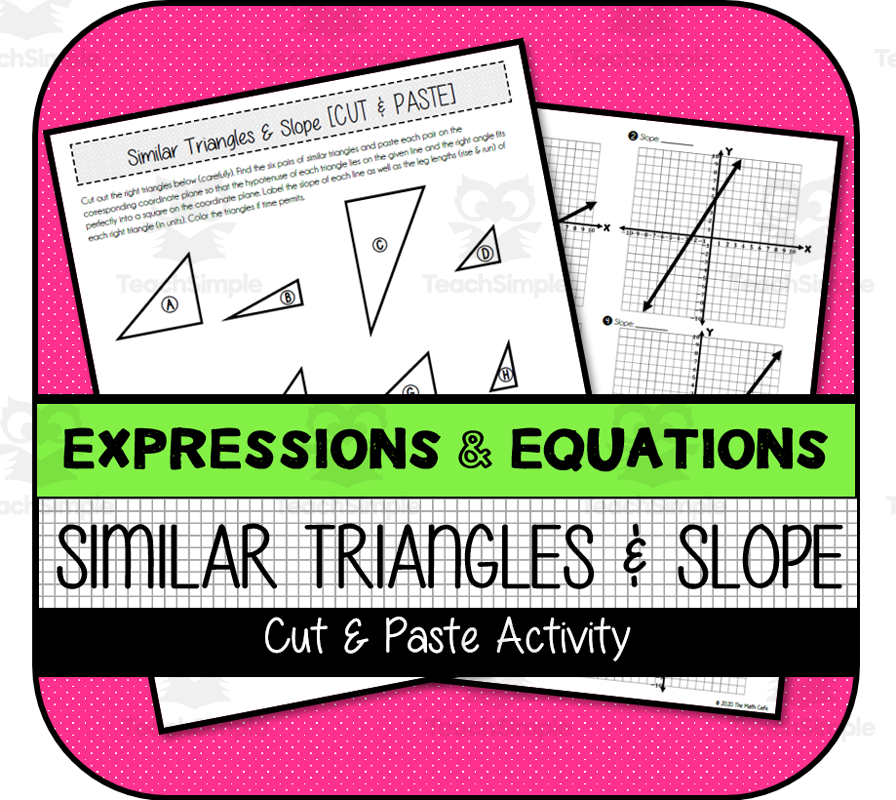
A cut-and-paste geometry activity that has students use similar right triangles to find and compare slope, addressing CCSS.MATH.CONTENT.8.EE.B.6.
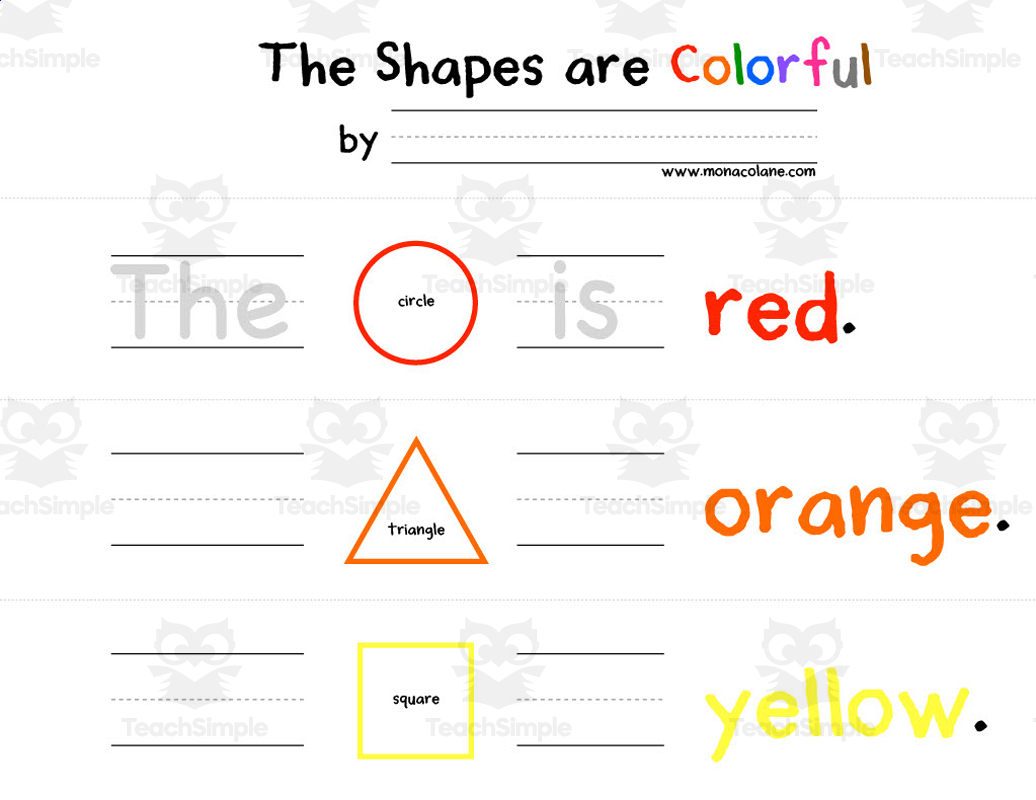
A repeating-pattern booklet pairing shape names with color words, so students practice reading/identifying shapes and colors together.
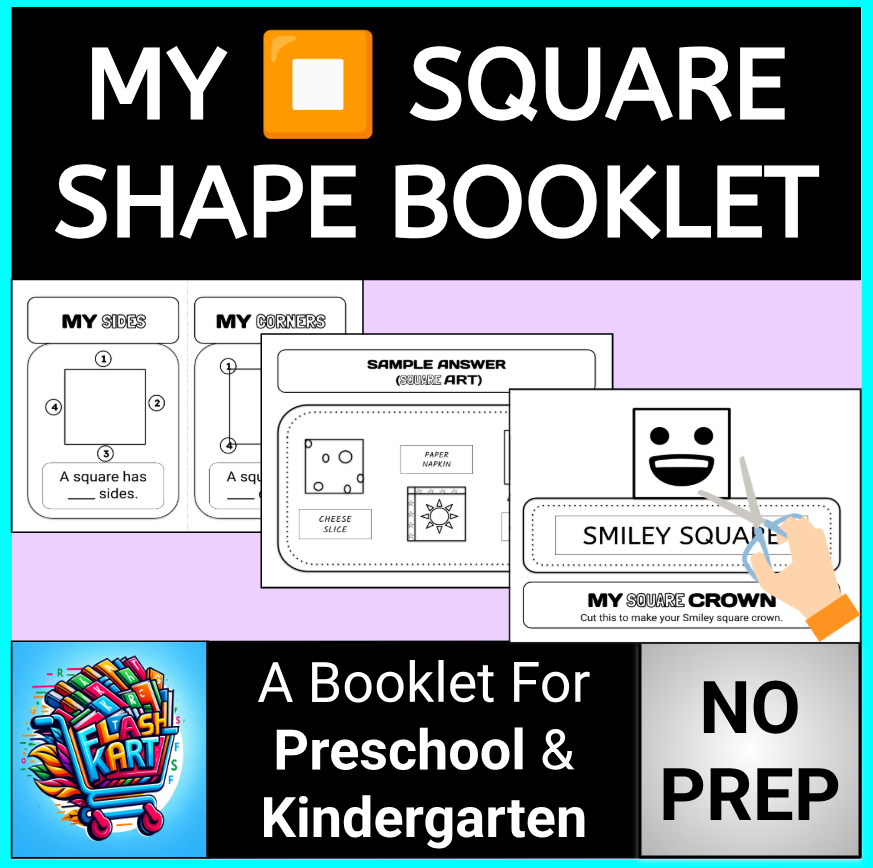
A shape-recognition and fine-motor-skills booklet focused on identifying, tracing, and creating squares.
 Free download
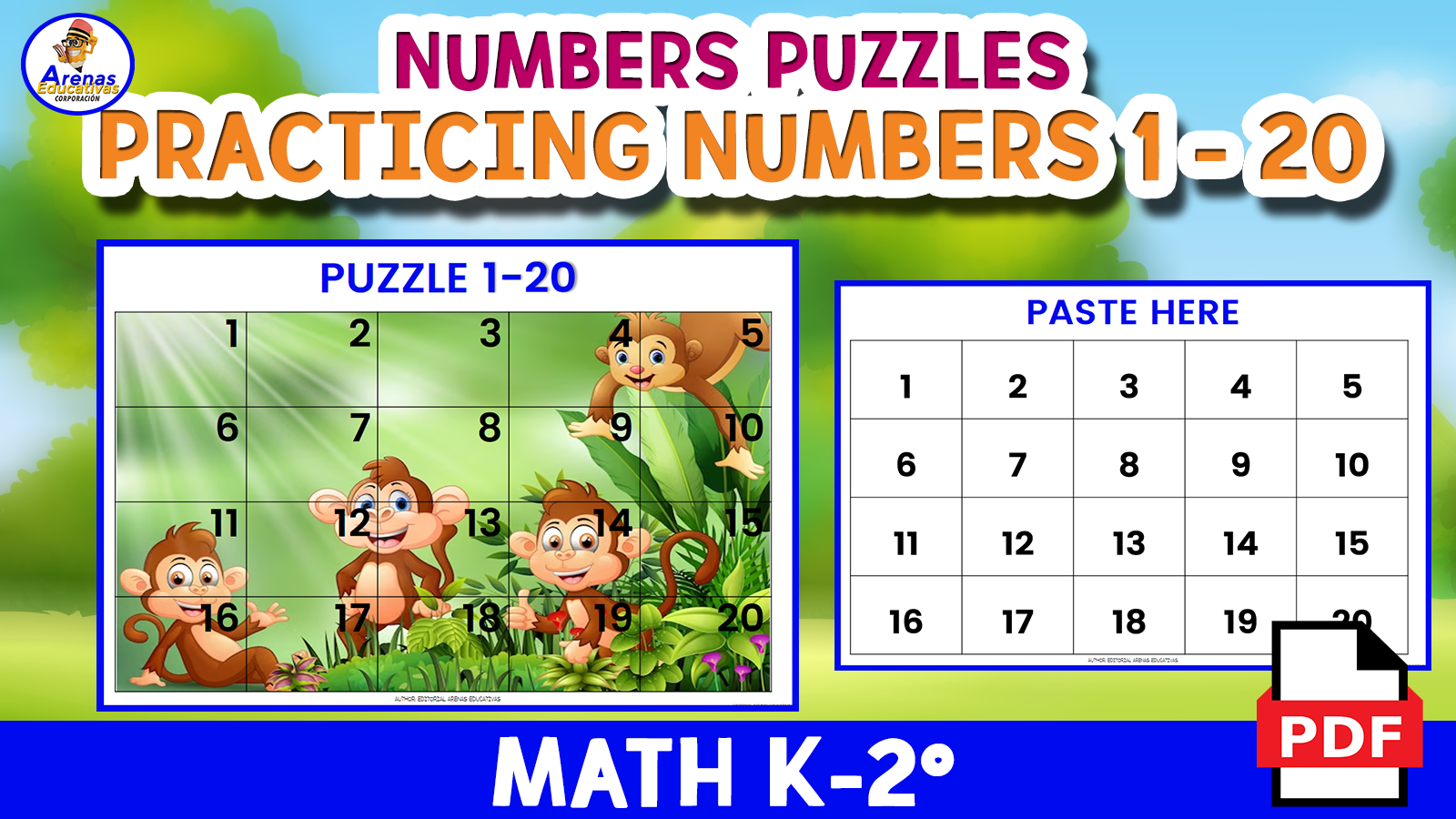
 A cut-and-paste number-sequencing puzzle activity for practicing number recognition and ordering from 1 to 20.
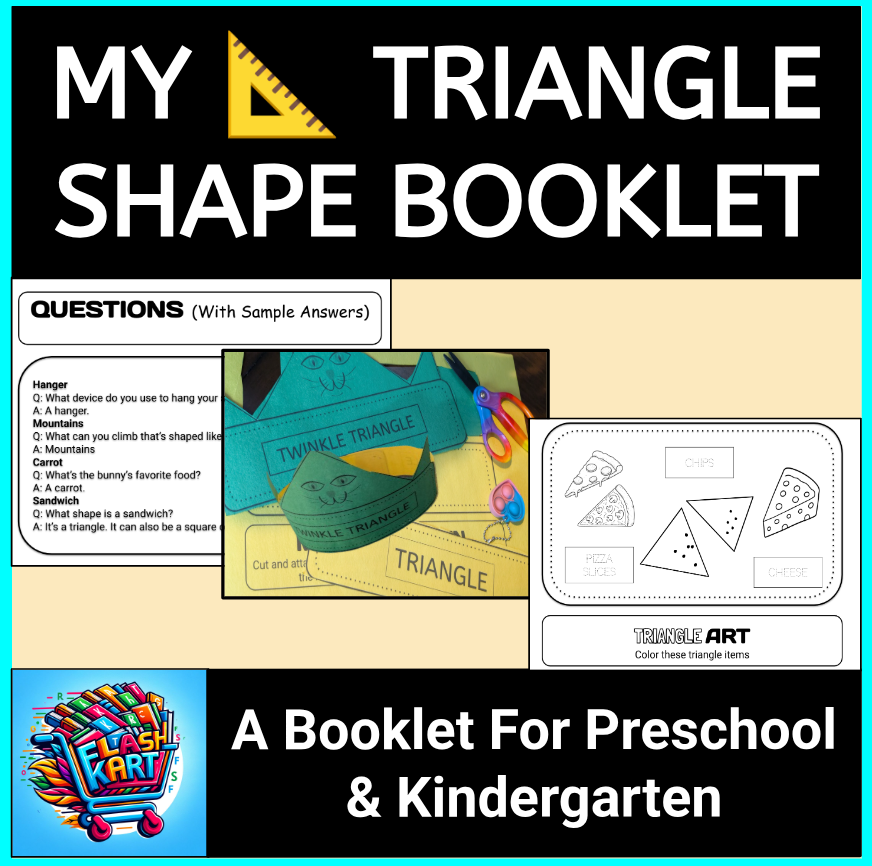
Early-childhood shape-recognition booklet teaching triangle identification, vocabulary, and fine motor skills (tracing, coloring, cutting) for toddlers through kindergarten, including a rhyme, real-world triangle-shaped object recognition, and simple speaking-practice Q&A.
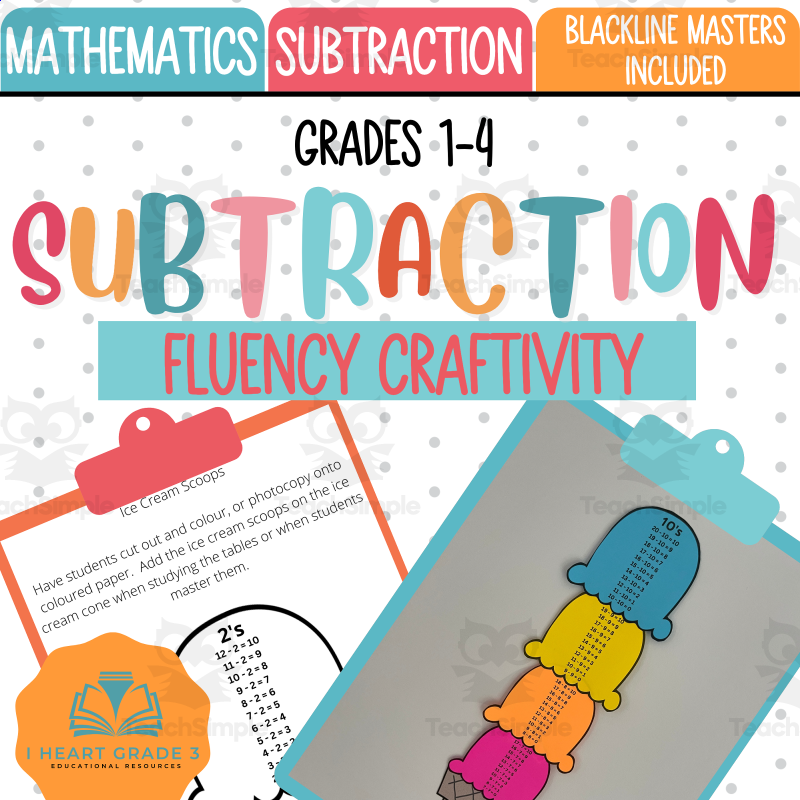
A cut-and-assemble craft (ice cream cone) that builds subtraction fact fluency for facts with minuends 0-20.

Fall-themed math printable for practicing shape composition/counting using pattern blocks on a pumpkin outline.
 Free download
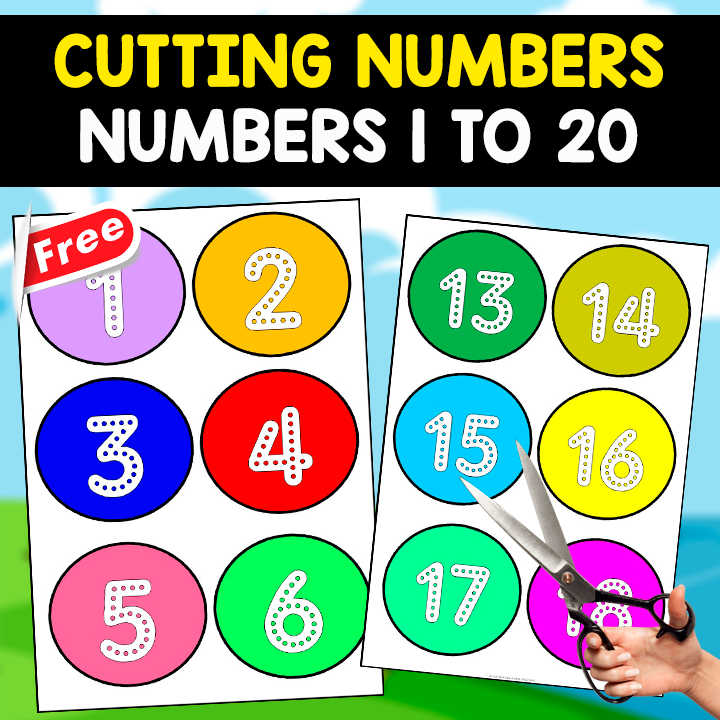
 A cutting-practice worksheet set using number shapes 1 to 20, for fine motor and number recognition practice.

Teach 2D shape attributes through a hands-on craft activity (building pineapple figures from shape pieces).

Practice identifying, naming, sorting, and constructing 2D and 3D shapes, including a basic introduction to symmetry.
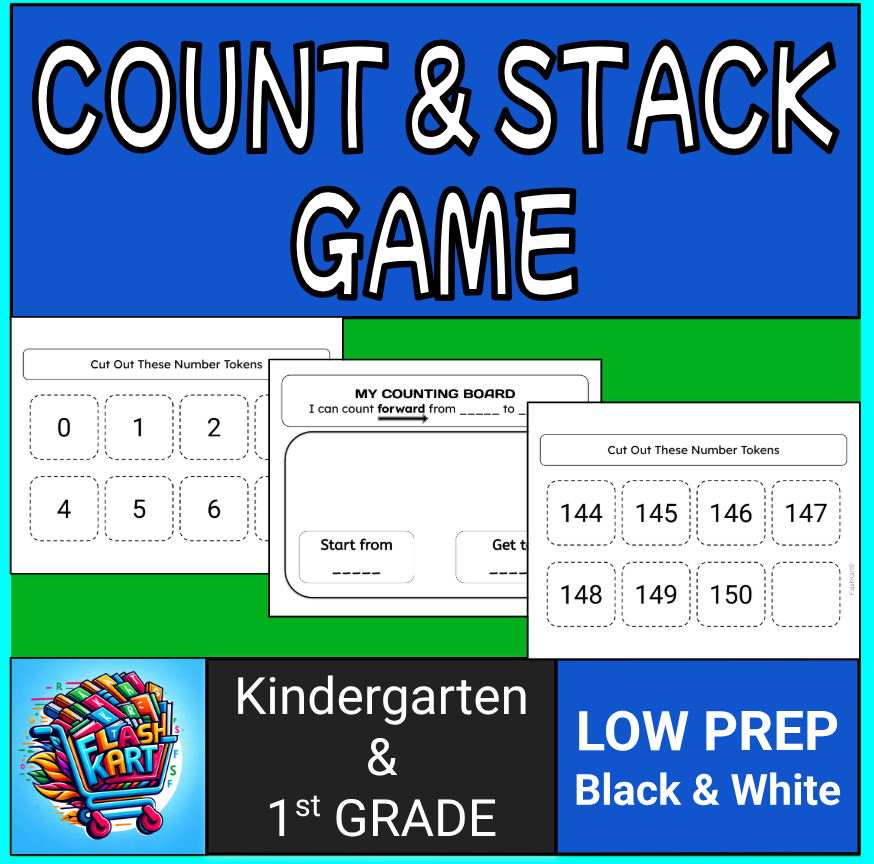
A hands-on 'stack and count' game giving young learners practice with forward and backward number sequencing from 0 to 150.

A fall-themed kindergarten math and literacy center covering 2D/3D shape identification, symmetry, shape composition, and simple picture graphing.