3,931 products added recently
Page 66 - Teacher Tools
Equip yourself with tools that streamline your teaching process and enrich your classroom experience. This collection includes organizational planners, assessment templates, and classroom management strategies. By integrating these resources, you can focus on delivering impactful instruction and fostering student success.
Global Warming CAUSES: Global Warming - FLASH-PC
Science, Earth and Environmental Sciences, Environmental Science, Common Core, Grade 5, 6, 7, 8, Teacher Tools, Lesson Plans
Global Warming CAUSES: Global Warming - FLASH-PC An advanced teaching resource designed to facilitate understanding of global warming and its causes especially for students in grades 5 through 8 studying environmental science. Comprehensive Resource Core Component: Curriculum -aligned reading passages that provide structured information on the underlying causes of global warming. Includes 'before you read' and 'after you read' questions to encourage student engagement and foster critical thinking skills. Diverse Features Printables: Useful for off-screen learning activities or reinforcement exercises, perfect for homework or independent study time. Vocabulary Flash Cards: Incorporated into the package allowing enhancement of environmental science lexicon. Beyond traditional written materials, our tool integrates digital mediums like video and audio pieces that cater to group discussions or smaller breakout sessions, catering to all learners' needs. Educational Standards Alignment The platform adheres to contemporary pedagogical standards aligning with Common Core State Standards . The content is developed following Bloom's Taxonomy principles aiding teachers in fostering higher-order thinking skills among students. Versatile & High-Quality Content Delivery Tool All these resources are offered within one product file accessible through a PC software making it ideal during lesson planning or instruction times. Despite this convenience, there's no compromise on depth and quality of information imparted making 'Global Warming CAUSES: Global Warming - FLASH-PC', a vital tool for educators aiming to instill an in-depth understanding about causes of global warming among their students.
Author Classroom Complete Press
Tags Software (PC)
Fun Math Trick for Kids | Interactive Math Video Lesson
, Grade 1, 2, 3, Lesson Plans, Teacher Tools
Fun Math Trick for Kids | Interactive Math Video Lesson The Fun Math Trick for Kids | Interactive Math Video Lesson is a teaching tool designed to engage young learners. This 1-minute animated math video uses fun tricks to break down complex concepts into easily understandable content. This resource is rooted in the basic foundations of mathematics, aiming to strengthen understanding from Grade 1 through Grade 3. The curriculum focus extends beyond cornerstone concepts, incorporating more intricate facets of mathematical education in a captivating manner. Benefits: This interactive learning tool turns learning mathematical theories into a game -like experience, making it less daunting and more enjoyable for students; Included within the resource is an MP4 file giving educators flexibility on their usage. It can be used during whole class instruction or small-group workstations and even as part of homework assignments; The tool inspires engaging mathematical conversations within groups and stimulates thought processes when introduced in larger assemblies; Ease of integration within existing course frameworks reassures teachers that no extra prep time will be required since everything needed has been included in the single MP4 file. In summary, Fun Math Trick for Kids | Interactive Math Video Lesson challenges conventional teaching methodologies with its creatively animated content targeted at making the process enjoyable yet powerfully educational too. This makes it an outstanding resource catered for both public school teachers and homeschoolers alike.
Author Educational Voice
Tags Math Tricks, Interactive Learning, Animated Content, Engaging Tool, Curriculum Focus
U.S. Representatives Jake Auchincloss (MA - 4th) BIO PPT
Social Studies, History, History: USA, Government, Not Grade Specific, Teacher Tools, Presentations
Introducing a 31-page biography PowerPoint on Jake Auchincloss, the current U.S. Representative from Massachusetts' 4th congressional district. This informative presentation overviews Auchincloss's background and journey into politics. It covers details such as his birthplace and date, education at Newton North High School and Harvard University, early career as a Marine Corps captain, and elected positions held. Educators can use this well-researched resource to teach students about Auchincloss's life, accomplishments in office since 2021, and role as their district's leader in the U.S. House of Representatives. Presented clearly in an engaging slideshow, it can spark discussions or supplement lessons on government, civics, and notable political figures at any grade level.
Author Mr. Matthews Teacher Store
Tags Jake Auchincloss, Biography, U.S. Representative, Massachusetts 4th District, Congress, Government, Civics, Political Figures
Solar Eclipse Activities for Elementary School & Beyond
Science, Earth and Environmental Sciences, Grade 4, 5, 6, Activities, Teacher Tools, Worksheets & Printables
Studying the solar system is a wonderfully engaging topic for all students of all ages. One phenomenon to look closer at is the Solar Eclipse. They can be viewed from various places on Earth with the proper precautions. Use this resource to teach students about: solar eclipse safety solar eclipse history solar eclipse logistics and so much more! This resource can be adapted and used for students of all ages. There are a lot of hands on learning included with minimal material required. If you do not have the required material (yard stick, Styrofoam balls and flashlight) it is totally fine! You can improvise OR completely omit. Through these activities, students will be able to visualize the eclipse and understand the positioning of the sun, moon and Earth when a solar eclipse occurs. Students can read through the Folklore that describes what Ancient civilizations thought was going on when a solar eclipse occurred so they can really dive into the history of solar eclipses. Pictures and videos are also included to help students visualize what is happening millions of miles away in our sky. Full teacher directions and answer keys are included. Have fun learning about solar eclipses!
Author Big Apple Teaching
Tags Solar Eclipse, Pinhole Projector Craft, Solar Eclipse Vocabulary, Reading Comprehension, Station Rotation, Creative Writing, History, Solar System, Sun, Moon
Have To | Pre-Intermediate Lesson Plan
ELA, Grammar, Grade 7, 8, 9, 10, 11, 12, Teacher Tools, Lesson Plans
Have to ESL ELA ELL A2 pre intermediate lesson plan. A focus on usage and comprehension of English "have to" expressions. This pre-intermediate lesson plan for grades 3-5 covers how "have to" is used to express obligation or necessity. Students explore examples of "have to" in sentences and short dialogues. After several contextualized examples, they complete exercises assessing their comprehension and usage of this common expression. Can be used for whole-group grammar instruction or as a small group activity. Answer key included for teacher reference. This paper-based resource can also be accessed digitally through Google Apps. Flash cards, a writing exercise and extra study are now also included as part of this resource. This lesson plan includes: Cover page Flash cards A warm-up activity Main use Construction details Rules, along with any exceptions Illustrative examples Two closed exercises One open exercise Revision exercise Writing exercises Chatterbox, a recurring feature in our course books encouraging conversation Activity, such as a game, quiz, puzzle, etc., to conclude the class The lesson plan is available in PDF with 35 ready to print pages and one digital access file. A part of it is on Google Apps. The answer key is also included for reference.
Author TEAM TEFL
Tags Grammar Lesson Plan, Language Arts, Expressions, English, Modal Verbs
Rome: Exploring Ancient Civilizations
Social Studies, History, History: Ancient, Grade 3, 4, 5, 6, Teacher Tools, Lesson Plans
Rome: Exploring Ancient Civilizations A comprehensive resource for educators intending to take their students on a captivating journey through ancient Roman society. This tool presents a deep dive into various aspects of Roman life: Politics Food Habits Literature Architecture Fashion Sports and more. An Insight into Ancient Rome's Significant Contributions This source fosters understanding of significant contributions by ancient Romans that continue to influence our modern lives, from military strategies, superstitions to marketplace wisdom and culinary delights. The Resource Package Details This package comprises of a single PDF file of 48 print-ready pages flooded with pertinent information about one of history's most intriguing societies. The format ensures accessibility and convenience for educators preparing these lessons. Tailored for Grade 3-6 students focusing on Social Studies with an interest in Ancient History, this pack brings alive history within the classroom setting through unique lesson plans designed for individual and group projects that encourage active learning experiences. Inclusion in Classroom Activities or Homework Tasks Educators can incorporate these resources into whole-group or small-group discussions within the classroom environment. Educators can assign them as individual homework tasks for independent study outside class hours. The inclusion of exclusive source materials adds value by providing firsthand perspectives about Roman civilization from primary sources rarely found elsewhere. In conclusion, Rome: Exploring Ancient Civilizations serves not just as a simple teaching aid but also sparks curiosity while enabling deeper student involvement in uncovering the mysteries surrounding one profound historical era.
Author Classroom Complete Press
Tags Agriculture, Commerce, Ancient, Civilizations, Rome Ebook
Former U.S. Representative Bobby Rush (IL) BIO PPT
Social Studies, History, History: USA, Government, Not Grade Specific, Teacher Tools, Presentations
Learn about the life and career of former U.S. Representative Bobby Rush with this informative 60-page biography PowerPoint. Tracing Rush's journey from his childhood in Chicago to his 30-year tenure in Congress, this resource delivers key facts and details educators can use to engage students. It covers Rush's activism in the civil rights movement, co-founding of the Illinois Black Panther Party, election to Chicago City Council, upset victory over incumbent Congressman Charles Hayes, and accomplishments in expanding health care access and telecommunications development. Presented chronologically with compelling visuals, this biography PowerPoint brings Rush's perseverance and service to life. Use it to spotlight modern civic leaders, illustrate grassroots organizing tactics, analyze representation in government, and more.
Author Mr. Matthews Teacher Store
Tags Bobby Rush, Biography, Civil Rights, Congress, Government, History, Leaders, Social Studies
Physical Science Reading Passages: Motion & Materials (FILLABLE PDF)
Science, ELA, Reading, Reading Comprehension, Strategies, Resources for Teachers, Physics, Grade 6, 7, 8, 9, Writing Prompts, Worksheets & Printables, Centers, Activities, Teacher Tools, Assessments, Quizzes and Tests, Quizzes, Tests
Electricity and Energy: Physical Science Reading Comprehension Passages and Questions (FILLABLE PDF) This engaging and fillable collection of physical science reading passages about electricity and energy is designed to bridge the gap between science and literacy through strengthening reading comprehension and sparking scientific curiosity in middle school students. Each passage blends English Language Arts skills with accurate science content that supports NGSS classroom practice. Ideal for interdisciplinary learning in ELA and Science. Suitable for Grade 9 review, too! These worksheets are designed as fillable PDFs , which means students can type their answers directly into the document on any computer or tablet . Each page includes highlighted text fields that show them exactly where to type! What Is Included? There are (3) informational passages: Sweet Science: How Heat Shapes Candy Baseball Science: From Bat to Ball Electric vs. Gasoline Cars: The Road Ahead Student Tasks for Each Passage: 5 multiple-choice questions targeting main idea, key details, inference, vocabulary in context, and use of evidence 5 vocabulary matching items with clear, student-friendly definitions 5 text-based questions that require citing specific lines or facts 1 summary prompt that asks students to condense central ideas accurately Full answer key for every section Available Formats for this Resource Word Docs Google Docs FULL CATALOG OF DOWNLOADING LINKS HERE Other Science Reading Collections and Topics You May Find in the Store: 1. Astronomy & Space Science 2. Volcanoes, Rocks, & Mountains 3. Rock Cycle, Soil, & Sinkholes 4. Mars, Glaciers, & Antarctica 5. Water Cycle, Acid Rain, & Wastewater 6. Insects, Animals, & Ecosystems 7. Bioluminescence & Insects 8. Animal Skin, Cats, & T. Rex 9. Human Body and Senses 10. Health & Applied Bioscience 11. Waves, Light, & Imaging 12. Electricity & Energy 13. Motion & Materials 14. Chemistry and Materials Science 15. Electromagnetism 16. Acids and Bases 17. Gas Laws 18. Biotechnology 19. Periodic Trends 20. Protists and Fungi 21. Microevolution 22. Blood 23. Chemical Bonding 24. Magnets 25. Muscles 26. Nuclear Chemistry 27. Electromagnetic Devices 28. Epigenetics 29. The Law of Conservation of Mass 30. Atomic Models 31. Isotopes and Ions 32. Light 33. Human-Environment Interaction 34. Theory of Evolution 35. Photosynthesis 36. Origins of Life and Early Earth 37. Gene Expression and Regulation 38. Thermochemistry 39. Allergies 40. Coevolution 41. Birth to Adulthood 42. Cells 43. Entropy and Free Energy 44. The Human Brain 45. Mixtures and Solutions 46. Invertebrates 47. Zoo Animals 48. Biochemistry 49. Animal Behavior 50. Population Ecology ...and many more engaging science reading passages that cover intriguing and important topics designed to spark curiosity and support student learning. How to Use These PDFs Click on the highlighted area to start typing your answer. Move to the next question by clicking in the next highlighted box. When you are finished, close the document and select SAVE so your answers stay recorded. If you want to keep a blank copy for later, choose Save As and give your completed version a new name. Product Details Length: 12 pages total Grades: 6–8, also suitable for Grade 9 review Use cases: close reading, stations, homework, intervention, test prep, and sub plans Standards support: reinforces informational-text skills and supports NGSS-style sense making through observation, modeling, and clear use of claim, evidence, and reasoning Why Teachers Choose This Set Authentic science content paired with rigorous literacy practice Consistent task structure across all passages for easier planning and smoother student routines Clear, age-appropriate writing that builds confidence without oversimplifying Use this set to reinforce ELA skills in science, to add literacy to your lessons, or to support independent work. The passages strengthen main idea, evidence use, vocabulary in context, inference, cause and effect, and summary writing. With ready-to-use assessments and complete answer keys, you can provide focused practice that is simple to run and fast to review.
Author Middle & High School - CORED Education
Rating
Tags Middle School, Reading Comprehension, Reading Strategies, ELA, Centers, Reading Passage, Assessments, Vocabulary, Physical Science, Physics
Guided Reading Level N - Nanjing (with Lesson Plan)
ELA, Resources for Teachers, Reading Comprehension, Reading, Social Studies, Geography, Earth and Environmental Sciences, Science, History, Economics, Grade 2, 3, 4, Worksheets & Printables, Worksheets, Teacher Tools, Centers, Activities, Literacy Readers, Quizzes, Quizzes and Tests, Assessments, Lesson Plans
This Guided Reading Book - Nanjing (Level N) with lesson plan includes: Guided Reading Color Label (front cover x1) This is a quick way to match the book’s demands to what students can generally handle.. The overall goal is to use the level/color to pick books for several smaller groups. To qualify for a certain level, a student is expected to read a book from that level with about 90–94% accuracy. If a student is consistently accurate and understands, move up a level. If the student is struggling at that level, drop down and add more support. Each student will improve at completely different rates, but it is generally one of the best ways to check progress across the class. DOWNLOAD THE CATALOG TO VIEW ALL GUIDED READING BOOKS AVAILABLE (SORTED LEVELS A-Z) Pre-Reading Question (x1) Teacher asks the prompt aloud, can be while showing the cover or first page. Students share what they already know, or make educated guesses from the cover. Prompt them to use the target vocabulary. Write some of their responses on the board to look back at during the reading. Vocabulary Words (x5) Introduce the five words, best doing it one at a time. Start by saying it, while students repeat and then see if anyone knows what it means before reading further. Read through the meaning and try to briefly connect each word to a picture or gesture so it’s meaningful. Ask students to flip through the book pages and point to where they see each of the vocabulary words. While reading the book pause upon coming across one of the vocab words or read the sentence twice to make sure students understand the word has appeared. Optional: Ask students to raise hands whenever they see/hear one of the new words. Guided Reading Pages (x10) Check the book snapshot (below) for: primary topic - do you need to prep extra reading or intro materials on this? what is taught best - decide on 1-2 bullets to focus on, use the prompt or words provided here for best results. learning goals - what you are checking for students to be able to do after the session, elicit answers using prompts or words provided. key vocabulary (see section above). questions overview - so you know what is coming up and if you need to prep extra materials to assist understanding. Run the lesson You may have already looked at a few of the pages together, but you can show them some of the pictures again first to set meaning. Depending on how much time you have and how familiar your students are with guided reading class, you may want to read the book aloud first with the group first. Students whisper or partner read, while you listen in. If time, do it as a group, one student reading a page each. Use the guided page’s prompts to coach: “Check the picture / does it make sense?” “Point under the words / try the first sound” “Reread the sentence smoothly”. Try to focus more on one student per session (rotating every time), so you can work out if they are ready to move up or need to move down a level. Comprehension Questions (back cover x3) This is your way to check that students didn’t just say the words, but actually understood the text. First, let students answer by pointing to the page/picture and saying a short sentence. After any answer, follow with: “Show me where you found that in the text.” In bigger groups, have partners answer first (10–20 seconds), then call on 2–3 students to share. Differentiation tips: Emerging speakers/struggling readers: oral + pointing On-level: oral in a full sentence Higher: one written sentence or draw + label Book Snapshot Title: World Cities: Nanjing Genre: Nonfiction (informational text) Subject: Social Studies (Geography) Primary Topic: Nanjing’s rivers, landmarks, and seasonal changes Estimated Guided Reading Level (A–Z): N What This Book Teaches Best How Nanjing’s location along the Yangtze River helped it become a travel and trade hub. How a major river can divide a city and lead to bridges being built to connect districts. How landforms and green spaces (like Purple Mountain’s forests) can help keep a city’s air clean and support plant life. How human-built features (the ancient city wall) can follow natural geography like hills and lakes. How climate and seasons change a city’s landscape through spring blossoms, autumn leaf color, and summer shade from “green tunnels.” Learning Goals Students will describe where Nanjing is located and what major river it sits along. Students will explain why bridges were built across the Yangtze River in Nanjing. Students will identify Purple Mountain and explain how its forests help the city. Students will describe how Nanjing’s ancient city wall follows the natural geography of the land. Students will describe one role Xuanwu Lake plays (islands/bridges or collecting rainwater). Students will describe how Nanjing’s humid subtropical climate connects to changes across seasons. Key Vocabulary From the Text districts — parts of a city. subtropical — warm climate, often with lots of humidity. transformation — a big change. fertile — good for plants to grow. geography — land features of a place. Discussion Prompts Pre-reading question: How might rivers and hills help a city grow and change? Comprehension questions: Where does the text say Nanjing is located, and what river runs through it? Comprehension questions: Why were massive bridges built across the Yangtze River in Nanjing? Comprehension questions: What change does the text describe happening in Nanjing during autumn? Printing Tips 1. Best Printing Method (Recommended) “Booklet” Printing (Best if Available) If your printer or PDF viewer supports Booklet Printing , use this. Settings to use: Print mode: Booklet Paper size: Letter or A4 (either works) Orientation: Landscape Print on both sides: Yes Flip on: Short edge Scaling: Fit to printable area Booklet subset: First test: Front sides only Then: Back sides only This will automatically: Pair pages correctly Put the cover on the outside Align everything for folding After printing, fold in half and staple along the spine . 2. If “Booklet” Printing Is NOT Available You can still print this correctly with manual duplex printing . Step-by-step: Open the PDF. Choose Print . Set: Orientation: Landscape Pages per sheet: 1 Print on both sides: Yes Flip on: Short edge Print all pages . Because each PDF page already contains two facing book pages, the result will still fold cleanly into a book. Thousands of Cored Education products are included with your TeachSimple membership. Download links and encyclopedia index available here.
Author Cored Education
Rating
Tags Reading Comprehension, Reading Passages, Reading, Guided Reading, Guided Reading Lesson Plan, Guided Reading Activity, Pre-reading, Geography, Social Studies Lesson Plans, History
Math Skills for Elementary Students
Addition and Subtraction, Math, Multiplication and Division, Addition, Subtraction, Division, Multiplication, Grade 1, 2, 3, 4, 5, Outlines, Teacher Tools, Worksheets, Worksheets & Printables
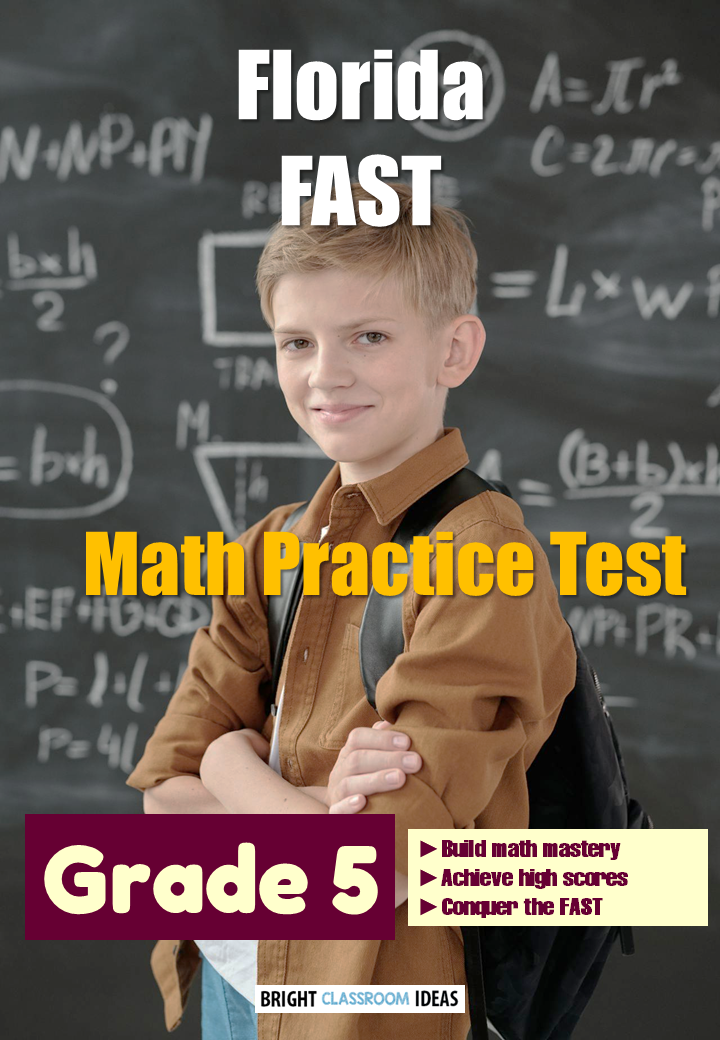
Elementary school pupils can learn the four fundamental operations of addition, subtraction, multiplication, and division with the help of the entertaining and interesting Math Skills Book. Packed with concise explanations, detailed examples, and vibrant images, this book uses interactive learning to provide a solid foundation in basic math. To help kids comprehend the value of math in daily life, each part presents a mathematical idea with simple theory and real-world applications. Students will learn how to divide when sharing, multiply when grouping, remove when comparing, and add when counting. The book includes a wide variety of activities to cater to different learning styles: matching games, puzzles, coloring tasks, number mazes, roll-and-solve challenges, and fun word problems. A separate worksheet section allows students to practice independently, while the full answer key supports self-checking or guided instruction. Whether used in class, for homework, or during homeschool sessions, this all-in-one workbook ensures that learning math becomes a joyful journey. Ideal for Grades 2 to 5, the Math Skills Book boosts confidence and builds skills that students will use for years to come. Perfect for teachers, parents, and tutors looking for an effective and kid-friendly math guide.
Author Bright Classroom Ideas Marketplace
Rating
Tags Math, Skill, Addition, Subtraction, Multiplication, Division, Lesson, Worksheet, Activities, Elementary
I WONDER - How Do Trees Help Climate Change | Animated Video Lesson
Environmental Science, Earth and Environmental Sciences, Science, Grade 4, 5, 6, 7, 8, 9, 10, Lesson Plans, Teacher Tools
Video Introduction An amazing video designed for the students to learn more about STEM. I WONDER - How Do Trees Help Climate Change | Animated Video Lesson Do you like STEM subjects? what is your favorite one? Have you ever tried to plant a seed? If yes, tell us more about it. Or have you ever tried to invent something? If yes, tell us more about it. And how do you think it will help us? Have you ever seen a microorganism under a microscope? What was it? And how it looked like? Mathematics is a marvelous subject. Let' sharpen our brains and solve some equations. Do you like timetable tricks? What is your favorite one? Do you know how to code? Have you ever created an app or a game before? If yes, how was it like? I WONDER - How Do Trees Help Climate Change | Animated Video Lesson The video is perfect for encouraging the researching skills for the students, while learning more about this fantastic topic. I WONDER - How Do Trees Help Climate Change | Animated Video Lesson This friendly designed video is suitable for students at school, homeschooling, and as a group activity. Format Available in MP4 format.
Author Educational Voice
Tags How Do Trees Help Climate Change, How Do Trees Help Climate Change Video, Climate Change, Climate Change Facts, Climate Change Facts For Kids, Climate Change Video, Climate Change Video For Kids
7th Grade Science Diagnostic Assessment & Review System
Science, Grade 7, Assessments, Teacher Tools, Lesson Plans, Worksheets & Printables
Start the year with a clear picture of student readiness using this 7th grade beginning of year science assessment and targeted skills system. With a 50-question diagnostic worth 114 points , scoring and analysis tools, instructional grouping support, 11 targeted follow-up practice pages , scientific reading passages, CER tasks, and complete explained answer keys, this resource helps teachers move from assessment results to focused instruction. Designed as a complete Assess → Analyze → Group → Review → Reteach system, this Grade 7 science resource measures both content knowledge and students’ ability to reason with evidence . Students analyze scientific models, data tables, multi-series graphs, short science texts, experimental scenarios, and Claim-Evidence-Reasoning tasks across Life Science, Physical Science, Earth Science, and Scientific Practices & Reading . What’s Included This 7th grade science assessment and review system includes: ✅ 50-question beginning-of-year science diagnostic ✅ 114 total assessment points ✅ Life Science questions ✅ Physical Science questions ✅ Earth Science questions ✅ Scientific Practices & Reading questions ✅ Multiple-choice questions ✅ Short-answer questions ✅ Labeling activities ✅ Matching questions ✅ Diagram and model interpretation ✅ Data tables ✅ Graph reading ✅ Multi-series graph analysis ✅ Scientific scenarios ✅ Vocabulary-in-context questions ✅ Claim-Evidence-Reasoning (CER) tasks ✅ 2 short scientific reading passages ✅ 5 evidence-based reading questions ✅ Photosynthesis model ✅ Cellular respiration model ✅ DNA and gene hierarchy ✅ Punnett square practice ✅ Genetics and heredity analysis ✅ Ecosystem data interpretation ✅ Chemical reaction model ✅ Conservation of mass ✅ Heat transfer diagrams ✅ Velocity-time graph analysis ✅ Earth systems and natural resources ✅ Experimental design and variables ✅ Mean and repeated-trial analysis ✅ Answer recording sheet ✅ Quick-reference answer key ✅ Skill-by-skill scoring chart ✅ Strand analysis tool ✅ Secure, Developing, and Needs Support performance bands ✅ Individual Student Performance Profile ✅ Whole-class data tracker ✅ Suggested instructional groups ✅ Group planning sheet ✅ 11 targeted follow-up science practice pages ✅ “Key Concept” refresher on every follow-up page ✅ “Extension” task for students who are Secure ✅ All-new follow-up practice with no repeated assessment questions ✅ Reading-for-evidence follow-up practice ✅ CER writing follow-up practice ✅ Complete answer keys ✅ Suggested short-answer responses ✅ Suggested reading-response answers ✅ Completed visual and diagram answers ✅ Sample CER responses ✅ Short “why” explanation for every assessment item ✅ Partial-credit guidance ✅ CER scoring guidance Part 1 contains 50 mixed-format questions worth 114 total points . The Teacher Guide recommends two 45-minute sessions and explains that the diagnostic measures both retained science knowledge and students’ ability to reason with evidence. The At-a-Glance chart on page 2 identifies four reporting areas: Life Science, Physical Science, Earth Science, and Scientific Practices & Reading . Part 2 turns student responses into actionable data with an answer recording sheet, quick-reference key, skill-by-skill scoring chart, strand analysis, performance bands, student profiles, a class data tracker, suggested instructional groups, and group planning support. Part 3 includes 11 ready-to-assign targeted follow-up pages with all-new practice. Every page includes a concise Key Concept refresher and an Extension task, and the set includes dedicated pages for both Reading Science for Evidence and CER Writing . Part 4 provides correct answers for all 50 questions, explanations of why answers are correct, suggested responses for short-answer and reading items, completed diagrams, sample CER responses, and partial-credit guidance. How It Works in the Classroom Use this 7th grade beginning of year science assessment during the first weeks of school to identify what students retained from earlier science learning, how well they interpret scientific information, and where instruction should begin. The resource follows a practical five-step system: 🔎 Assess — Students complete the 50-item mixed-format science diagnostic 📊 Analyze — Score by skill and strand to identify patterns and gaps 👥 Group — Form targeted instructional groups based on shared needs 📝 Review — Assign focused follow-up practice by strand or skill 🎯 Reteach — Use complete explanations, worked visuals, and model CER responses to support next steps The Assess → Reteach System chart on page 2 of Part 1 directly connects each stage to the matching component of the four-part resource. The same page shows the broad format range, strand organization, two scientific reading passages, and suggested two-session administration plan. Use this resource for: ⭐ Beginning-of-year science assessment ⭐ 7th grade science diagnostic ⭐ Middle school science pre-assessment ⭐ Back-to-school science review ⭐ Science readiness check ⭐ Formative assessment ⭐ Small-group planning ⭐ Science intervention ⭐ Targeted reteaching ⭐ Data-driven instruction ⭐ Skill-based grouping ⭐ Independent follow-up practice ⭐ Science stations ⭐ CER practice ⭐ Reading in science ⭐ Text-evidence practice ⭐ Graph and data interpretation ⭐ Middle school science reasoning The Scoring at a Glance chart on page 2 of Part 2 breaks the assessment into four totals: Life Science /41, Physical Science /31, Earth Science /20, and Scientific Practices /22 , for 114 total points . It also defines three performance bands: Secure (80%–100%) , Developing (50%–79%) , and Needs Support (below 50%) . The Student Performance Profile on page 15 of Part 2 provides a one-page strand snapshot with space for strengths, focus areas, assigned Part 3 practice pages, and group placement. The Class Data Tracker on page 16 gives teachers a whole-class view of strand percentages, while the Suggested Instructional Groups on page 17 connect shared student needs to specific follow-up practice. Standards & Learning Goals This seventh grade science diagnostic assessment reviews foundational science concepts, evidence-based reading, and scientific reasoning across four major areas: 🌱 Life Science — cell structure and function, photosynthesis, cellular respiration, matter cycling, traits, DNA and gene hierarchy, Punnett squares, dominant and recessive alleles, probability of traits, sexual reproduction, genetic ratios, ecosystem energy flow, organism roles, limiting factors, population data, and ecosystem CER reasoning ⚛️ Physical Science — atoms and elements, chemical reactions, conservation of mass, signs of chemical reactions, heat transfer, conduction, convection, radiation, thermal energy flow, forces and motion, velocity-time graphs, acceleration, force and mass relationships, and chemical-reaction CER reasoning 🌎 Earth Science — Earth’s four interacting systems, system components, system interactions, renewable and nonrenewable resources, energy-source graphs, human impact, sustainability, and resource-use CER reasoning 🔬 Scientific Practices & Reading — experimental design, independent and dependent variables, controlled variables, inference, repeated trials, averages, graph analysis, reading scientific texts for evidence, citing text details, interpreting passage data, drawing conclusions, and reading-based CER Students demonstrate understanding through varied science tasks rather than one question type. The assessment includes a photosynthesis diagram , cellular respiration diagram , DNA hierarchy , Bb × Bb Punnett square , genetics data, ecosystem population data, a chemical reaction model, sealed-container mass data, heat-transfer scenes, a velocity-time graph, Earth-system interactions, an energy-source graph, experimental variables, repeated-trial averages, and a two-series plant-growth graph. The Skill-by-Skill Scoring Chart on pages 11–13 of Part 2 helps teachers pinpoint specific gaps rather than relying only on one overall score. Skills include photosynthesis, respiration, DNA and genes, Punnett squares, heredity, ecosystem energy, chemical reactions, conservation of mass, heat transfer, forces, acceleration, Earth systems, natural resources, experimental design, variables, averages, graph analysis, reading for evidence, text evidence, passage-data interpretation, and reading-based CER. A particularly valuable feature is the integration of science literacy . Part 1 includes two short scientific texts— “The Hand-Washing Study” and “Coral Reefs and Warming Oceans” —followed by evidence-based questions that ask students to identify variables, cite controlled-test details, explain relationships, interpret numerical trends, and construct a CER response from text evidence. Why Teachers Love It ✨ Move beyond a single test score. Results can be analyzed by strand and individual skill, helping teachers see exactly where students are secure and where review is needed. ✨ Measure both science knowledge and evidence-based reasoning. The diagnostic checks content while also asking students to interpret models, analyze data, read scientific texts, cite evidence, and explain reasoning. ✨ Turn assessment data into an instructional plan. The scoring tools connect results to performance bands, student profiles, instructional groups, and targeted follow-up practice instead of leaving teachers with a stack of completed tests. ✨ Integrate science and reading skills. Two short scientific passages are followed by five evidence-based questions, giving teachers insight into how well students extract and use information from science texts. ✨ Use authentic scientific topics for reading practice. Students analyze a hand-washing investigation and a passage about coral reefs and warming oceans, then answer questions using specific evidence from the texts. ✨ Build genetics readiness. Students work with traits, DNA and gene hierarchy, dominant and recessive alleles, Punnett squares, predicted ratios, and observed offspring data. ✨ Connect photosynthesis and cellular respiration. Students interpret both processes through diagrams, equations, inputs, outputs, organelles, energy relationships, and matter cycling. ✨ Assess chemical reactions through models and evidence. Students analyze atom rearrangement, conservation of mass, reaction signs, sealed-container data, and CER evidence from temperature change and gas formation. ✨ Strengthen graph and data analysis. Students interpret ecosystem tables, genetic ratios, reaction mass data, velocity-time graphs, energy-source graphs, repeated trials, multi-series plant-growth graphs, and numerical trends in scientific passages. ✨ Support data-driven small groups. The Suggested Instructional Groups on page 17 of Part 2 organize students around shared gaps in Life Science, Physical Science, Earth Science, or Scientific Practices and connect those groups to matching Part 3 pages. ✨ Differentiate with clear performance bands. Use Secure, Developing, and Needs Support ranges to guide enrichment, targeted practice, or foundational small-group reteaching. ✨ Assign only the review students need. The 11 targeted follow-up pages include: Cells & Energy Review Genetics & Heredity Review Ecosystems Review Chemical Reactions & Matter Review Heat Transfer Review Forces & Motion Review Earth’s Systems Review Natural Resources Review Experimental Design & Data Review Reading Science for Evidence Review CER Writing Review The Practice Page Menu on page 2 of Part 3 directly matches common student difficulties to specific follow-up pages, making targeted assignment faster. ✨ Refresh key concepts before practice. Every targeted page includes a concise Key Concept section. Students review essential ideas before completing fresh practice, reducing the need to create separate reteaching notes. ✨ Extend learning for students who are already secure. Every follow-up page includes an Extension task that pushes students into explanation, application, prediction, argument, or investigation design. ✨ Use fresh follow-up practice instead of repeating the diagnostic. Part 3 explicitly provides all-new practice so students can demonstrate understanding with new examples and situations. ✨ Teach students how to read science for evidence. The dedicated Reading Science for Evidence Review page includes a new earthworm investigation passage and asks students to cite evidence, explain repeated trials, connect biological information to results, and generate a testable follow-up question. ✨ Build stronger Claim-Evidence-Reasoning responses. CER appears throughout the diagnostic and also receives its own targeted follow-up page. Students practice distinguishing claim, evidence, and reasoning and constructing a complete response from data. ✨ Make grading more manageable. Part 4 provides correct answers, short explanations of why, suggested responses for open-ended and reading items, completed diagrams, sample CER responses, and partial-credit guidance. ✨ Use completed diagrams for faster checking. The Completed Diagrams Quick View on page 2 of Part 4 points teachers to fully worked versions of photosynthesis, cellular respiration, DNA hierarchy, the Punnett square, the chemical reaction model, and heat-transfer scenes. ✨ Score open-ended work more consistently. Part 4 explains that multi-part items can receive point-by-point partial credit and that CER and reading items should be evaluated for a reasonable claim, specific evidence, and reasoning that connects them. ✨ Keep the instructional loop connected. Assessment, analysis, grouping, targeted review, science literacy practice, reteaching, and answer support are designed as one coordinated system rather than disconnected activities. Start the year knowing what students understand, how well they reason with evidence, and what they need next with this 7th grade beginning of year science assessment . Download this complete middle school science diagnostic and targeted review system to assess readiness, analyze results by strand and skill, create focused instructional groups, assign specific follow-up practice, strengthen science reading and CER writing, and support reteaching with complete explained answer keys. Perfect for teachers searching for a 7th grade science diagnostic assessment , beginning-of-year science review, middle school science pre-assessment, back-to-school science assessment, seventh grade science review, Life Science review, Physical Science review, Earth Science review, Scientific Practices assessment, photosynthesis and cellular respiration, genetics and heredity, Punnett squares, ecosystems, chemical reactions, conservation of mass, heat transfer, forces and motion, Earth systems, natural resources, experimental design, variables, graph analysis, reading science for evidence, CER practice, science intervention, small-group science planning, data-driven instruction, or targeted science reteaching.
Author Bright Classroom Ideas Marketplace
Rating
Tags Science, Worksheet, Back To School, Assessment, Lesson, Review
Multiply by "Nine" Task Cards - 60 Task Cards
Math, Calculus, Early Math, Basic Operations, Counting, Numbers, Multiplication and Division, Multiplication, Grade 1, 2, 3, 4, 5, Worksheets & Printables, Task Cards, Teacher Tools, Assessments, Lesson Plans, Quizzes and Tests, Activities, Centers
Multiply your students’ success with these 60 task cards dedicated to mastering the 9-times tables! We know the 9s can be tricky, but with these fun and engaging task cards, your students will be multiplying like math pros in no time. These cards are your secret weapon for making multiplication less of a headache and more of a breeze. Ways to Use: Morning Kick-Off: Start the day with a few quick challenges to get the gears turning. Partner Practice: Pair students up to quiz each other for some friendly competition. Independent Work: Perfect for solo practice during quiet time or math centers. Group Games: Use in scavenger hunts, relay races, or timed drills for added excitement. Quick Assessments: Instant feedback to track progress without the extra effort. Advantages: Focused Learning: Master multiplication by 9 in no time with targeted practice. Prep-Free: Just print and go—no lesson planning required! Interactive Fun: Keeps students engaged with exciting activities and challenges. Versatile: Use them individually, in pairs, or with the whole class. Instant Feedback: Easy to track students’ progress and identify areas for improvement. With these task cards, you’ll have your students multiplying by 9 like they were born to do it!
Author Ponder Palette Plazza
Tags Multiplication, Multiplication Task Cards, Multiplication Worksheets, Multiplication Activities, Task Cards, Math Task Cards, Numbers, Mental Math
I WONDER - What Is The Coldest Continent In The World | Animated Video
Geography, Social Studies, Grade 1, 2, 3, 4, 5, 6, 7, 8, Lesson Plans, Teacher Tools
Video Introduction An amazing video designed for the students to learn more about famous places in different countries. I WONDER - What Is The Coldest Continent In The World | Animated Video Lesson What do you know about this place? Do you know in which part of the world it is? Have you ever visited this place? If yes, can you tell us more about your adventure, and what do you like the most about this place? Do you like reading about Geography? What is your favorite country in the whole world? If you are going on a trip where it will be? Which country? What you are going to see there? Does this country has a famous place to visit? I WONDER - What Is The Coldest Continent In The World | Animated Video Lesson The activity is perfect for encouraging the researching skills for the students, while learning more about this fantastic place. I WONDER - What Is The Coldest Continent In The World | Animated Video Lesson This friendly designed video is suitable for students at school, homeschooling, and as a group activity. Format Available in MP4 format.
Author Educational Voice
Tags What Is The Coldest Continent In The World, What Is The Coldest Continent In The World Video, Coldest Continent In The World, Coldest Continent In The World Facts, Coldest Continent In The World Video, Coldest Continent In The World Video For Kids
U.S. Senator Brian Schatz (HI) Biography PowerPoint
Social Studies, History, History: USA, Government, Grade 7, 8, 9, 10, 11, 12, Teacher Tools, Presentations
Learn about the life and career of U.S. Senator Brian Schatz of Hawaii with this informative 58-page PowerPoint. Students will discover details on Schatz's background, including his birthdate, education, early careers, and pathway into politics. The presentation chronicles Schatz's rise from Lieutenant Governor to his election as Senator in 2012, highlighting his political accomplishments and stances. Educators can use this well-researched profile to introduce the key biographical details, achievements, and positions of the Senator from Hawaii. Presented in an engaging slide format, it offers a rich visual aid to complement civics, government, and history lessons for grades 7-12. Useful as a whole class presentation or individual student reference, it enables learners to connect Senator Schatz's past with his current role.
Author Mr. Matthews Teacher Store
Tags Biography, Senator, Schatz, Hawaii, Government, History
I WONDER - How Does A Water Wheel Work | Animated Video Lesson
Environmental Science, Earth and Environmental Sciences, Science, Grade 6, 7, 8, 9, 10, 11, 12, Lesson Plans, Teacher Tools
Video Introduction An amazing video designed for the students to learn more about STEM. I WONDER - How Does A Water Wheel Work | Animated Video Lesson Do you like STEM subjects? what is your favorite one? Have you ever tried to plant a seed? If yes, tell us more about it. Or have you ever tried to invent something? If yes, tell us more about it. And how do you think it will help us? Have you ever seen a microorganism under a microscope? What was it? And how it looked like? Mathematics is a marvelous subject. Let' sharpen our brains and solve some equations. Do you like timetable tricks? What is your favorite one? Do you know how to code? Have you ever created an app or a game before? If yes, how was it like? I WONDER - How Does A Water Wheel Work | Animated Video Lesson The video is perfect for encouraging the researching skills for the students, while learning more about this fantastic topic. I WONDER - How Does A Water Wheel Work | Animated Video Lesson This friendly designed video is suitable for students at school, homeschooling, and as a group activity. Format Available in MP4 format.
Author Educational Voice
Tags How Does A Water Wheel Work, How Does A Water Wheel Work Video, Water Wheel, Water Wheel Facts, Water Wheel Facts For Kids, Water Wheel Video, Water Wheel Video For Kids, Water
I WONDER - When Was Bronze Discovered | Animated Video Lesson
History: Ancient, History, Social Studies, History: African, History: Asian, History: Europe, History: World, Chemistry, Science, Grade 4, 5, 6, 7, 8, 9, 10, Lesson Plans, Teacher Tools
Video Introduction An amazing video designed for the students to learn more about history. I WONDER - When Was Bronze Discovered | Animated Video Lesson Do you like history? Which topic do you really enjoy about history? Have you ever read an interesting fact about the Vikings? If yes, can you mention them? What do you like most about the Victorian era? Can you name all the Tudors? Have you ever wondered how people used to live in ancient Japan and ancient China? Do you know any interesting facts about ancient Egyptians and the Pharaohs? Have you ever visited South America? What do you know about Incas and Aztecs? Celtic culture was really one of a kind, can you name any of the places that Celts used to live in? Imagine yourself living during the ancient Roman empire, how your life will look like? Ancient Greece was an amazing place to live in. What do you know about ancient Greek life? I WONDER - When Was Bronze Discovered | Animated Video Lesson The video is perfect for encouraging the researching skills for the students, while learning more about history. I WONDER - When Was Bronze Discovered | Animated Video Lesson This friendly designed video is suitable for students at school, homeschooling, and as a group activity. Format Available in MP4 format.
Author Educational Voice
Tags When Was Bronze Discovered, When Was Bronze Discovered Video, Bronze, Bronze Facts, Bronze Facts For Kids, Bronze Video, Bronze Video For Kids, The Discovery Of Bronze, The Discovery Of Bronze Video
Safe and Unsafe Secrets – Personal Safety Lesson
Special Resources, Life Skills, Social Emotional Learning (SEL), Special Education Needs (SEN), Social Skills, Preschool, Grade 1, 2, Teacher Tools, Lesson Plans
This resource is a personal safety lesson specifically about safe and unsafe secrets. This is such an important skill to learn as asking children to keep unsafe secrets is part of the grooming process from child molesters. This is a key lesson in preventing childhood abuse. In this lesson, you will have a 9-slide Google slide presentation. The flow of the lesson is self-explanatory and there are slide notes to guide you on what to have ready for the students, what to print off, and what handouts should also go home with students. The first part of the lesson is asking students what are words and actions that cause them to feel happy or sad. The next part is a lesson about red light and green light (unsafe and safe) secrets. There are 6 examples the teacher or counselor will read and students will hold up either the red or green light (these handouts are provided). The next step is reviewing safety steps with the students in case someone is asking them to keep an unsafe secret. Students are encouraged to role-play these steps. Lastly, students will draw 2 safe adults besides their parents. The safety steps and safe adult' drawings should go home with students to share with their parents or guardians. After the 9-slide presentation, there are 3 handouts to copy and print out for students in preparation for the lesson. Read the slide show thoroughly before teaching this lesson so you will understand the flow of the lesson and the different activities. Because this is a Google Slide resource, you will be downloading a PDF and clicking on the image on the PDF to access the slide presentation. Once you are prompted to "make a copy", click "yes" and make a copy. You will then have access to the product. Enjoy!
Author Jennifer Moyer Taylor
Rating
Tags Personal Safety, Secrets, School Counseling, Sel, Social Emotional Learning, Safety, Safety Steps, Grooming, Child Abuse Prevention
Algebra: Ordering & Grouping - Pre-Assessment & Teach the Skill - FLASH-MAC
Math, Algebra, Common Core, Grade 1, 2, Assessments, Teacher Tools
Algebra: Ordering & Grouping - Pre- Assessment & Teach the Skill - FLASH-MAC is an exceptional teaching resource designed for first and second-grade educators. Its versatile nature effectively caters to public school classrooms or homeschool settings. This resource lays emphasis on the fundamental concepts of Algebra, particularly ordering and grouping. Major features include: Pre- assessment activities: These provide data about students' current understanding levels, guiding efficient lesson planning. 'Teach the skill' lesson plan: Comprehensive instructions coupled with carefully planned activities help introduce algebra concepts at a manageable pace for young learners. Inclusion of mathematical tools: These reinforcement aids sustain active engagement during lessons delivery or self-study sessions. To enhance inclusivity, FLASH-MAC supports both English and Spanish voice-overs along with corresponding text options. An asset for educators in bilingual or diverse classroom environments! All content aligns with NCTM (National Council of Teachers of Mathematics) guidelines, Common Core State Standards, and STEM initiatives. This comprehensive alignment accents its efficacy as a teaching weapon across different locations or school types. The entire package comes embedded in user-friendly software that's compatible with Mac systems. The 'Algebra: Ordering & Grouping - Pre- Assessment & Teach the Skill - FLASH-MAC' , enhances maths educational standards via interactive learning engagements fashioned optimally for 6-8-year-olds?
Author Classroom Complete Press
Tags Software (Mac)
Tea Customs: Social Studies Reading Comprehension Passage (PDF)
ELA, Reading, Reading Comprehension, Strategies, Resources for Teachers, Social Studies, Sociology, Grade 6, 7, 8, 9, Writing Prompts, Worksheets & Printables, Centers, Activities, Teacher Tools, Assessments, Quizzes and Tests, Quizzes, Tests
Tea Customs: Social Studies Reading Comprehension Passage (PDF) This resource introduces a unique Social Studies reading comprehension passage with questions about Tea Drinking Customs The passage is carefully designed to bridge the gap between social studies and literacy through strengthening reading comprehension and sparking knowledge curiosity in middle school students. Each passage blends English Language Arts skills with accurate social studies content . Ideal for interdisciplinary learning in ELA and Social Studies. Suitable for Grade 9 review, too! Student Tasks throughout the passage: 5 multiple-choice questions targeting the following skills: main idea, key details, inference, vocabulary in context, and use of evidence 5 vocabulary matching items with clear, student-friendly definitions 5 text-based questions that require citing specific lines or facts 1 summary prompt that asks students to condense central ideas accurately Full answer key for every section Available Formats for this Resource: Fillable PDF Word Docs Google Docs FULL CATALOG OF DOWNLOADING LINKS HERE Social Studies Reading Comprehension Collection Links: 1. Ancient Civilizations PDF Fillable PDF Word Docs Google Docs 2. Early Empires and Trade Networks PDF Fillable PDF Word Docs Google Docs 3. The Founding of the United States PDF Fillable PDF Word Docs Google Docs 4. Language, Culture, and Meaning PDF Fillable PDF Word Docs Google Docs 5. Psychology and Society PDF Fillable PDF Word Docs Google Docs 6. Global Festivals and Traditions PDF Fillable PDF Word Docs Google Docs 7. Extreme Environments and People PDF Fillable PDF Word Docs Google Docs 8. Food, Culture, and Preservation PDF Fillable PDF Word Docs Google Docs 9. Global Food Customs PDF Fillable PDF Word Docs Google Docs 10. Media, Communication, and Popular Culture PDF Fillable PDF Word Docs Google Docs 11. Human Impact on the Environment PDF Fillable PDF Word Docs Google Docs 12. Civic Action and Social Change PDF Fillable PDF Word Docs Google Docs 13. Fashion, Society, and Power PDF Fillable PDF Word Docs Google Docs 14. People, Places, and Unusual Histories PDF Fillable PDF Word Docs Google Docs Product Details: Length: 4 pages Grades: 6–8, also suitable for Grade 9 review Use cases: close reading, stations, homework, intervention, test prep, and sub plans Why Teachers Choose This Passage: Authentic social studies content paired with rigorous literacy practice Consistent task structure for easier planning and smoother student routines Clear, age-appropriate writing that builds confidence without oversimplifying Use this passage to reinforce ELA skills in social studies, to add literacy to your lessons, and to support independent work. The passage strengthens main idea, evidence use, vocabulary in context, inference, cause and effect, and summary writing. With ready-to-use assessments and complete answer keys, you can provide focused practice that is simple to run and fast to review.
Author Middle & High School - CORED Education
Rating
Tags Middle School, Reading Comprehension, Reading Strategies, ELA, Centers, Reading Passage, Assessments, Vocabulary, Social Studies, Sociology
READING-COMPREHENSION TEXT | 3D PRINTING | 20 FREE PAGES
ELA, Reading, Writing, Language Development, Technology, Science, Adult Education, Elementary, High School, Homeschool Resources, Middle School, Not Grade Specific, Assessments, Teacher Tools, Anchor Charts, Charts, Quizzes and Tests
READING-COMPREHENSION TEXT | 3D PRINTING | 20 FREE PAGES SUMMARY OF THIS PRODUCT: What is the name of the document?: READING-COMPREHENSION TEXT | 3D PRINTING How many pages does it include?: 20 In what format is it available (PDF, Word, PPT)?: PDF Is it in color or black and white?: COLOR ABOUT THE AUTHOR: Hi there! We are EDITORIAL ARENAS EDUCATIVAS 🎓✨. We love designing educational materials that make children’s learning joyful, dynamic, and motivating. I invite you to visit my educational store, explore the variety of resources available, and find the perfect one for your students. MAIN DESCRIPTION OF THIS PACK: What is the full title of the product? This fabulous educational resource is titled: READING-COMPREHENSION TEXT | 3D PRINTING How many pages or items does it include in total? This educational compilation contains the following number of pages: 20 What format is it in (digital, printable, PDF, A4, letter)? This fun and engaging resource is designed in A4 format and has been converted to PDF, making it easy to use and carry anywhere. PDF Is the design in full color, black and white, or mixed? This document includes both black and white and color versions, making it more creative and appealing. You also have the freedom to print it in whichever style you prefer. COLOR THANK YOU SO MUCH FOR PREFERRING MY PRODUCTS! SECONDARY AND COMPLEMENTARY INFORMATION: What subject or area does it cover? This educational document covers basic knowledge areas all students should have, such as math and literacy. What skills or competencies does it develop? Thanks to this fabulous resource, students will first be able to develop their knowledge, attention, and concentration. Who can use it (teachers, parents, therapists, students)? This document can be adapted according to the person using it. If you’re a teacher, you can use it; if you do homeschooling, you can also use it. Therapists can use it for students with learning difficulties, and even self-learners will find it very useful.
Author EDITORIAL LAURA EDUCA
Rating
Tags FREE, FREE RESOURCES, 3D PRINTING, TECHNOLOGY, READING, READING AND COMPREHENSION, COMPREHENSION, ELA
Climate Change: Causes: Greenhouse Gases: Nitrous Oxide Gr. 5-8
Science, Earth and Environmental Sciences, Environmental Science, Grade 5, 6, 7, 8, Teacher Tools, Lesson Plans
Climate Change: Causes: Greenhouse Gases: Nitrous Oxide Gr. 5-8 This is a critical teaching resource in our rapidly advancing world of scientific learning. It offers an in-depth understanding of our planet's atmosphere and the effects human activities have on Earth's health. Understanding Climate Change The study material provides a concrete view on climate change, aiding students distinguish facts from myths, and fostering informed future citizens. By exploring the many layers that constitute our planet’s atmosphere, students learn complex concepts about how radiation-absorbing object colours can significantly influence Earth’s climate via engaging experiments designed for middle-grade learners. Effects on Our Oceans and Life Students are guided to visualize and analyze the impact of rising temperatures on Earth's oceans – a crucial topic considering today’s high global warming trends. A significant understanding is developed regarding humanity’s influence over these developments and encourages independent interpretation by students. The Versatile Pack includes: - A comprehensive discussion on ozone implications for human health; offering real-world associations. - Detailed narratives focusing on nitrogen-fixing bacteria applications replacing nitrogen fertilizers contributing towards sustainable agricultural practices. An interactive learning experience involving: - Discovering intricacies of the carbon cycle through individual model creation. - Believing that strategic methane residence time could serve as a potent tool to lessen climate change effects with proper knowledge application leverage. This inclusive lesson plan notably adheres to STEAM guidelines by integrating science with creativity enhancement techniques such as crossword puzzles word searches promoting talent development without traditional learning constraints. The resource also provides: A preview with an answer key A comprehension quiz to evaluate student’s understanding. This single PDF file resource is precisely crafted to fit the curriculum of Grades 5-8, making it a versatile teaching tool across multiple grade levels. This product will serve as your science assistant, bringing environmental science alive in your classroom – emphasizing the importance of eco-conscious generation. ])
Author Classroom Complete Press
Tags PDF
I WONDER - What Did The Albertosaurus Eat | Animated Video Lesson
Animals, Life Sciences, Science, History: Ancient, History, Social Studies, History: World, Grade 4, 5, 6, 7, 8, 9, 10, Lesson Plans, Teacher Tools
Video Introduction An amazing video designed for the students to learn more about dinosaurs in different countries. I WONDER - What Did The Albertosaurus Eat | Animated Video Lesson Do you like dinosaurs? what is your favorite one? Do you own a pet? If yes, tell us more about it, like what its name? And what do you like most about it? Do you think that your pet has been evolved from a dinosaur? Can you write down the characteristics of your favourite dinosaur like it's shape, their rivals, where did it use to live and what was their favourite food? What is the largest and the smallest dinosaur that ever found? Why is the T-rex is so famous? Have you ever read any interesting facts about it? Can you name any of the carnivores or herbivores dinosaurs? I WONDER - What Did The Albertosaurus Eat | Animated Video Lesson The video is perfect for encouraging the researching skills for the students, while learning more about dinosaurs. I WONDER - What Did The Albertosaurus Eat | Animated Video Lesson This friendly designed video is suitable for students at school, homeschooling, and as a group activity. Format Available in MP4 format.
Author Educational Voice
Rating
Tags What Did The Albertosaurus Eat, What Did The Albertosaurus Eat Video, Albertosaurus, Albertosaurus Facts, Albertosaurus Video, Albertosaurus Video For Kids, Albertosaurus Facts For Kids, Dinosaur
Country Study Presentation on Kazakhstan - Central Asia
Social Studies, Geography, History, History: Asian, Economics, Grade 7, 8, 9, 10, 11, 12, Teacher Tools, Presentations
Country Study Presentation on Kazakhstan - Central Asia Try this Digital Teaching Resource on Kazakhstan (Introductory Presentation Lesson), designed for Geography, Asian History (Central Asia) , and Social Studies lessons. Perfect for Grades 7–12 (Middle school and High School students), this Introductory PDF Presentation offers a fun, informative, and ready-to-use lesson that requires little to no preparation. Students will explore Kazakh ’s geography, history, culture, language and economy — making it perfect for classroom instruction, homeschooling, or online learning. 📘 Within this Social Studies and Geograhy Teaching resource, you can find: ✅ Greetings in Kazakh + Russian – Includes QR codes and YouTube links for pronunciation practice ✅ Geography of Kazakhstan – Key facts, borders, and an interactive Google Maps link to its location. ✅ Quick Facts – Population, capital city, currency, flag, and other essential details. ✅ History Overview – A concise summary of Kazakhstan ’s most significant historical events. ✅ Geography & Environment – Details about the country’s land area, regions, and climate zones. ✅ Kazakhstan's Economy – Insight into Kazakhstan ’s industries, exports, and economic strengths. ✅ Astana – Explore the capital city, its famous landmarks, and cultural highlights. ✅ Other Major Cities – A map showcasing additional important urban centers. ✅ Kazakhstan's Culture & Traditions – A look at the customs and values that define Kazakhstan (Central Asia) ✅ Farewell in Kazakh + Russian This Social Studies + Geography Country Study Presentation on Kazakhstan (Central Asia) PDF Digital Teaching Resource (16 slides) can be ideal for Middle School and High School Students from 7th grade to 12th grade to introduce Kazakhstan (Central Asia) and its culture, language, society, history and economy. Learning with Alan is a Brand New Teaching Resource/Educational Material Store whose aim is to help Teachers, Educators and Tutors to achieve their teaching objectives while creating a fun and stimulating environment. Never Forget! If you want to browse more of my Teaching Resources, click here Learning with Alan!
Author Learning with Alan
Rating
Tags Country Study, Social Studies, Geography, Kazakhstan, Asia, Asian, Central Asia, Presentation, History, Economy