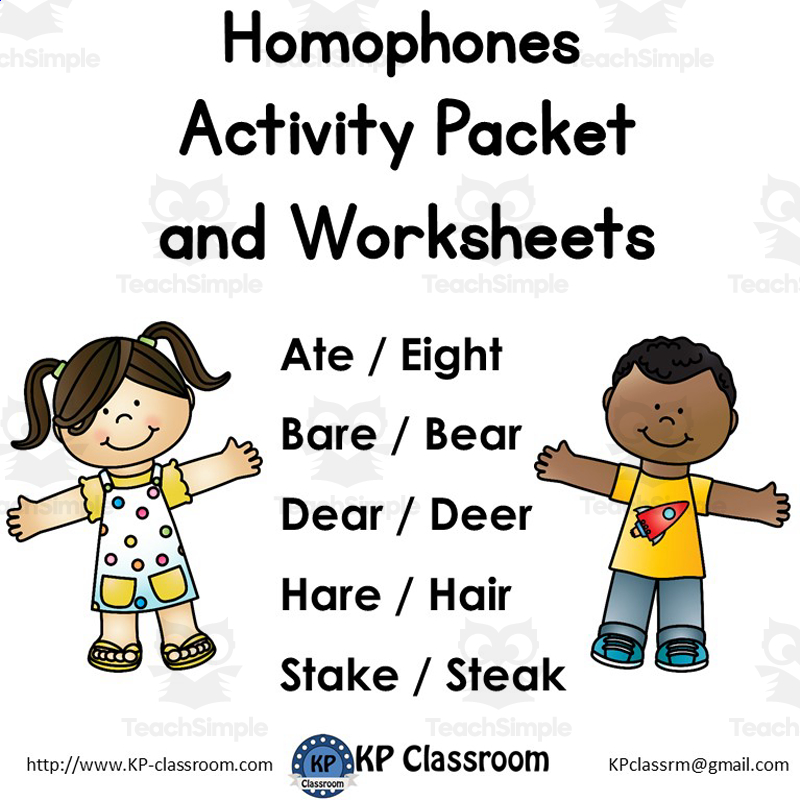
Homophone / Words That Sound the Same Activity Packet and Worksheets
No-prep activity packet and worksheets teaching homophones for Kindergarten-Grade 4 language arts and phonics.




22,661 resources
Explore sub-categories
17 sub-categories · 22,661 resources
No-prep activity packet and worksheets teaching homophones for Kindergarten-Grade 4 language arts and phonics.

Teaches early writers to produce sequential 'how-to' expository writing about building a snowman, using leveled models, checklists, and picture-sequencing supports.
Teaches early writers to produce sequential 'how-to' expository writing about growing a plant, using leveled models, checklists, and picture-sequencing supports.
Teaches early writers to produce sequential 'how-to' expository writing about making a root beer float, using leveled models, checklists, and picture-sequencing supports.
Teaches early elementary writers how to compose a step-by-step 'how-to' (procedural/expository) piece using the everyday example of apple pie, with an emphasis on sequencing and transition words.
Teaches early elementary writers how to compose a step-by-step 'how-to' (procedural/expository) piece using the everyday example of caramel apples, with an emphasis on sequencing and transition words.
Teaches early elementary writers how to compose a step-by-step 'how-to' (procedural/expository) piece using the everyday example of gingerbread cookies, with an emphasis on sequencing and transition words.
Teaches early elementary writers how to compose a step-by-step 'how-to' (procedural/expository) piece using the everyday example of hot chocolate, with an emphasis on sequencing and transition words.
Teaches early elementary writers how to compose a step-by-step 'how-to' (procedural/expository) piece using the everyday example of lemonade, with an emphasis on sequencing and transition words.
Teaches early elementary writers how to compose a step-by-step 'how-to' (procedural/expository) piece using the everyday example of snow cream, with an emphasis on sequencing and transition words.

Teaches early elementary writers how to compose a step-by-step 'how-to' (procedural/expository) piece using the everyday example of raking leaves, with an emphasis on sequencing and transition words.

Teaches early elementary writers how to compose a step-by-step 'how-to' (procedural/expository) piece using the everyday example of washing a car, with an emphasis on sequencing and transition words.

Teaches early elementary writers how to compose a step-by-step 'how-to' (procedural/expository) piece using the everyday example of washing a dog, with an emphasis on sequencing and transition words.

Teaches early elementary writers how to compose a step-by-step 'how-to' (procedural/expository) piece using the everyday example of washing dishes, with an emphasis on sequencing and transition words.

Reproducible chapter excerpt ("Chapter Slice") from the workbook "How to Write an Essay" (CCP1102), covering "Revising, Proofreading and Editing" (page 40 of the full 64-page workbook, per that workbook's table of contents), part of a resource built on a five-step writing model.

A multi-activity teaching resource that helps young students recognize and celebrate individual differences and build a bullying-free, respectful classroom culture.

A no-prep phonics packet teaching the i-e split digraph (silent-e) pattern, where a long /i/ sound is spelled with 'i' followed by a consonant and a final silent 'e'.
Cross-curricular non-fiction reading unit teaching students about the Statue of Liberty and the Eiffel Tower, both designed by Gustave Eiffel, combining reading comprehension with math word problems (engineering/measurement context).
A cross-curricular non-fiction reading and skills unit on tornadoes and windstorms, combining reading comprehension, vocabulary, creative writing, and math word problems around the science topic.
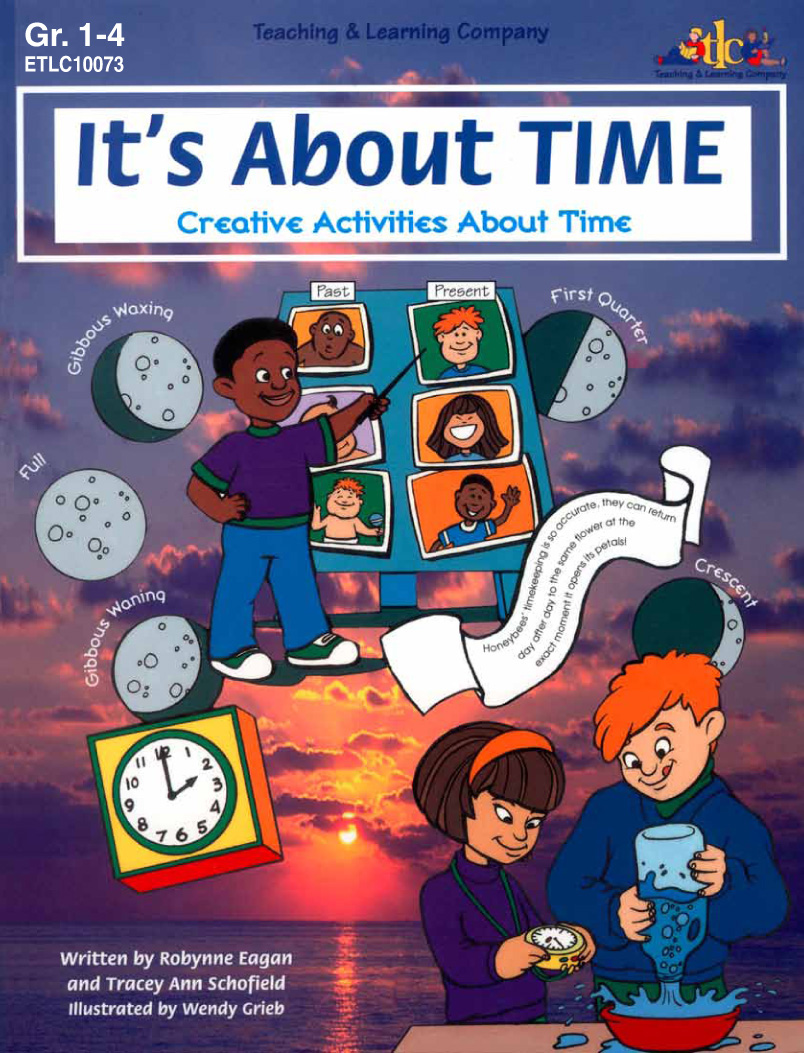
146-page cross-curricular teacher resource book about the concept of time for grades 1-4, organized into six chapters covering what time is, lifetimes/growth, the 24-hour day, measuring time, the history of timekeeping technology, and telling time on clocks.
A comprehensive chapter-by-chapter novel study for 'Jacob Two-Two Meets the Hooded Fang' by Mordecai Richler, integrating reading comprehension, vocabulary/grammar/language skills, and creative writing.
A K-2 workbook of guided practice pages teaching skip counting, place value, odd and even numbers, ordinal numbers.
This K.MD.1 Kindergarten Common Core Lesson is great for helping students sort objects into short and tall categories to learn about measurement. This is a great way for teachers to help their students learn about measurement and sorting.
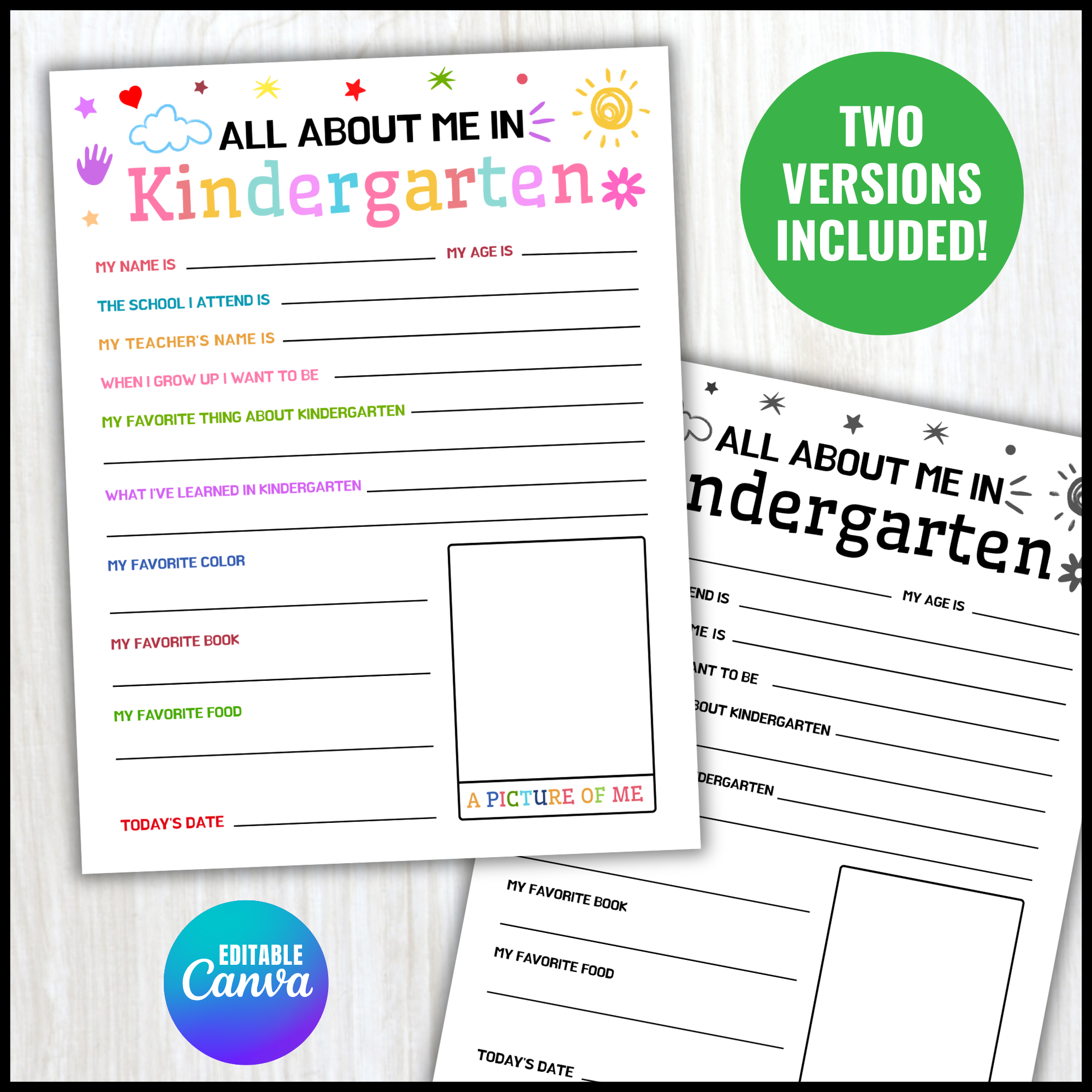
This All About Me Kindergarten keepsake printable is the perfect activity page for young learners to reflect on their school journey!